
Repair or Replace Windows? How to Decide by Condition
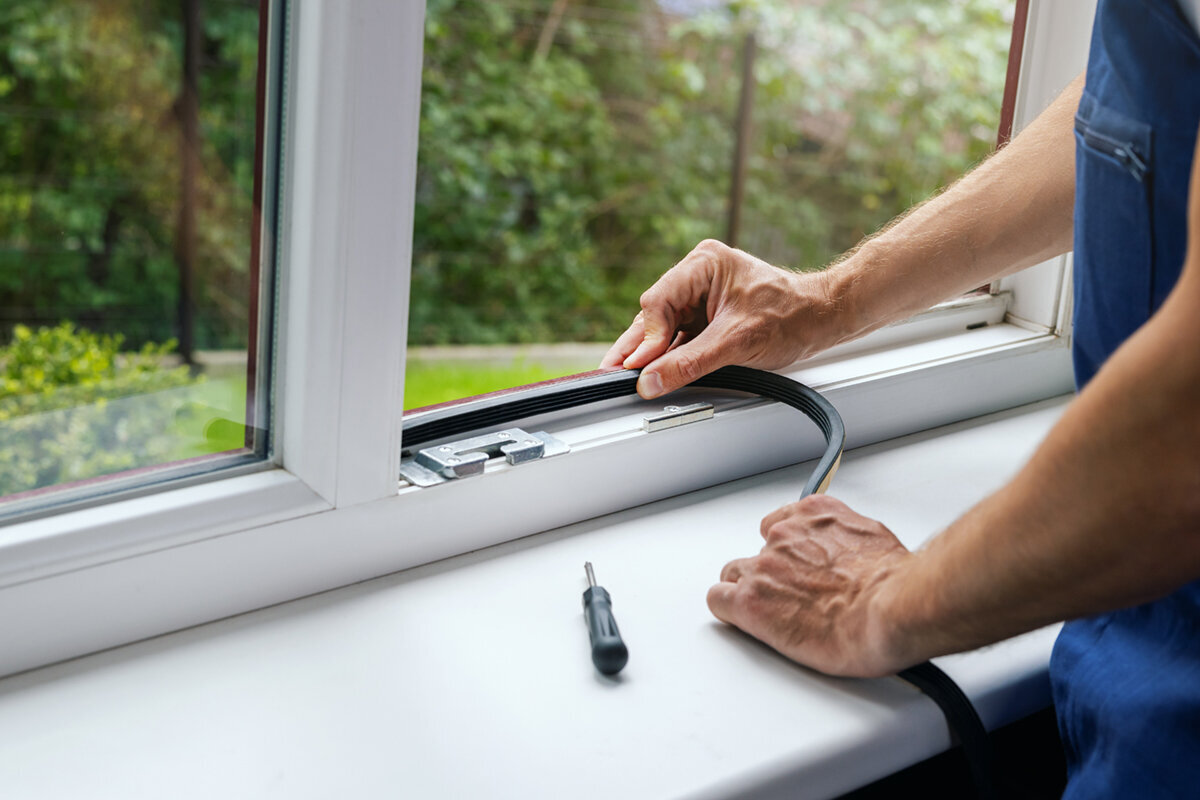
Window condition guide
A window that sticks on a damp morning, fogs between the panes, or lets a cold draft reach the sofa is asking for attention—but not always for replacement. Begin with the way it opens and the scope of the trouble. Is one sash rubbing because of a loose hinge, or are several windows hard to latch, visibly deteriorated, and uncomfortable in different rooms? A repair can be sensible when the window’s main structure, glass, and opening system remain sound. Replacement becomes easier to justify when defects overlap or when the project needs a different operating style, fixed glass, size, or appearance. This guide separates repairable symptoms from conditions that call for a broader decision, so you can inspect your windows, speak clearly with a contractor, and order only the work that fits the problem.
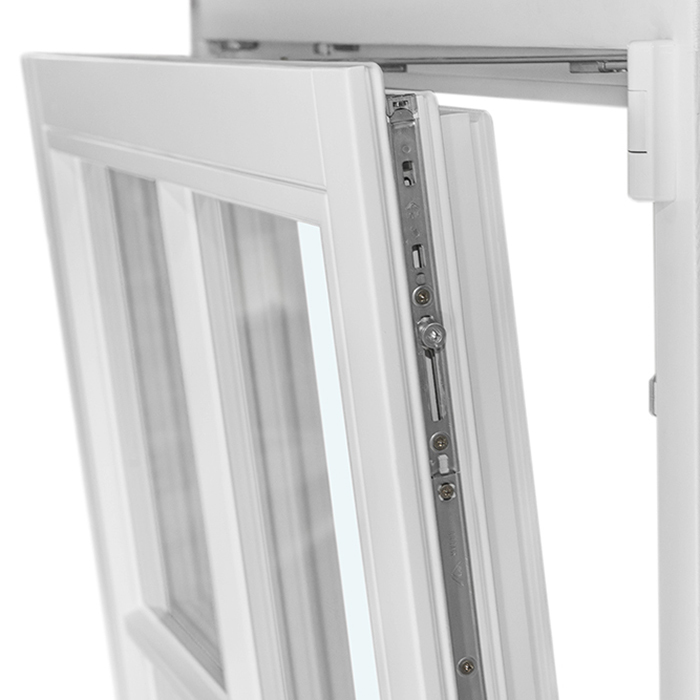
Start with operation, not the age of the window
Window age is a clue, not a verdict. A well-maintained older unit may need modest corrective work, while a newer window can have a serious installation, drainage, or manufacturing issue. Test each operable window in its normal sequence: unlock it, open it fully, hold it at a few positions if applicable, close it, and engage the lock without forcing it. Note whether resistance occurs at the handle, hinges, sash edge, track, or latch. Also look for a change with weather. A sash that only binds after heavy rain suggests a different investigation from one that drags every day. Do not assume a stiff window needs replacement before identifying the part creating the resistance.
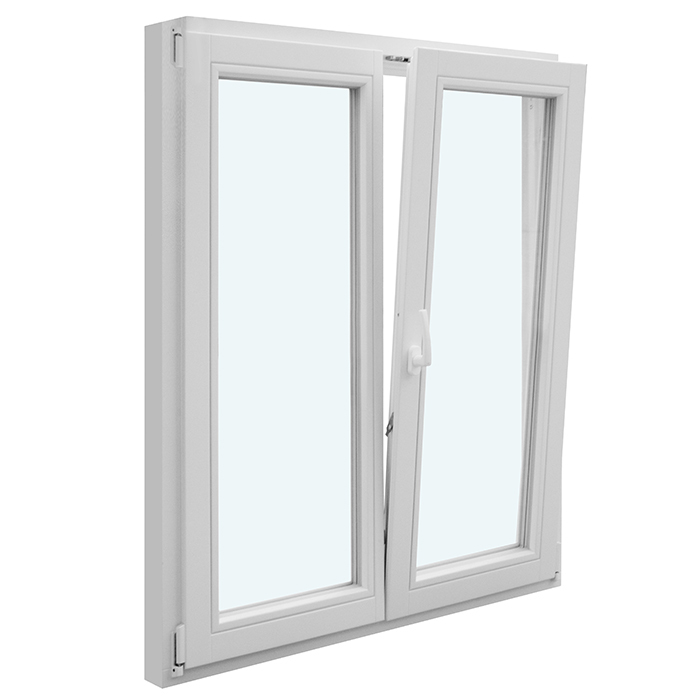
Separate a single troublesome opening from a pattern. One bedroom window with a loose operator may be a focused repair. Several windows that no longer close squarely, have recurring moisture around frames, and show compromised finishes deserve a wider review. Record the room, opening direction, symptom, and effect on comfort, security, or use. Photograph the problem area. This inventory helps a professional distinguish adjustments from deterioration. For replacement, an inward-opening option such as a two-sash inward-opening window changes interior clearance and cleaning routines.
Read the frame and sash condition carefully
Inspect exposed frame and sash surfaces from indoors and out where safely accessible. Look for persistent softness, crumbling material, splitting, deep checking, lifted coating, open joints, corrosion, or dark staining that returns after cleaning. Surface dirt, minor scratches, and a small area of failed caulk do not by themselves prove that a window is beyond repair. The key question is whether the material beneath the finish remains solid and stable. Press only gently on suspicious painted wood; avoid probing that creates more damage. On aluminum frames, examine joints, fasteners, finish loss, and areas where water could sit. Document whether the defect is limited to an exterior corner or continues along structural members.
A localized condition can sometimes be repaired after its moisture source is found and corrected. Recoating a frame without resolving failed flashing, a blocked drainage path, or water entering from above only hides the reason the finish failed. When decay or distortion affects the sash, frame joints, and surrounding wall interface, piecemeal work may leave an unreliable assembly. Ask the evaluator to identify the extent of sound material, the likely water path, and how the repair would reconnect weather protection. If your exterior is being renovated anyway, replacement can be coordinated with surrounding work rather than repeatedly disturbing finished trim. That is a scope decision, not a claim that every blemished frame needs removal.
Separate glass problems from whole-window problems
Look at the glass under changing light. A crack, chipped edge, loose glazing, or haze between panes should be described precisely, because these conditions have different causes and remedies. Condensation on the room-facing surface often reflects indoor humidity and surface temperature; it is not automatically proof that the glass unit has failed. Moisture or a lasting cloudy appearance between panes, however, points to an issue within an insulating glass assembly. A single damaged pane in a stable sash may support a glass-focused repair. A window with failed glass along with worn hardware, out-of-square operation, and degraded frame material presents a different value calculation.
Ask whether replacement glass can match the existing sash dimensions, glazing method, sightlines, color, and decorative-bar layout. Also ask what will be inspected around the glass before new glazing is installed. If the sash is distorted or the glazing pocket is deteriorated, new glass alone may not solve the underlying issue. For a room where ventilation is no longer wanted or practical, changing the opening’s function may be more relevant than repairing the glass. A fixed window is an alternative configuration for light and view where an operable sash is not required; it should not be selected simply because one existing window has a failed pane. Consider cleaning access and emergency-use needs with the project professional.
Treat drafts as a diagnosis, not a product verdict
A draft can come through the meeting edges of a sash, around the frame, through nearby trim, or from another air path in the room. On a windy day, move your hand slowly around the perimeter without dismantling anything, and note the specific location of the sensation. Watch for daylight at sash edges, compressed or missing weatherstripping, loose locks that fail to pull the sash tight, and gaps in interior trim. A rattling sash can often point to adjustment or sealing work. A room that feels cold may also have insulation, duct, fireplace, or wall issues, so avoid attributing every comfort complaint to the window alone.
Repair may be a strong first option when the sash is square, the frame is stable, and the air path is clearly related to weatherstripping, locking alignment, or an accessible perimeter gap. Replacement deserves consideration when multiple components cannot form a dependable closure or when the opening is being redesigned for another use. Request a written explanation of where air movement was observed and which proposed work addresses that location. For example, a single-sash outward-opening casement window is a configuration to evaluate when a replacement project calls for an outward-opening operable window. Confirm the clearance outside, furniture placement inside, desired ventilation, and how that operation fits the room before comparing appearance options.
Test hardware, screens, and moving parts separately
Handles, locks, hinges, balances, operators, tracks, rollers, and stops do demanding work but are not the whole window. Dirt, dried lubricant, paint buildup, loose screws, worn rollers, or a misadjusted keeper can make a basically sound unit difficult to use. Clean only as the manufacturer permits, and do not force a handle or lever past resistance; forcing it can turn an adjustment issue into broken hardware or damaged glass. Check whether the sash stays where it should, whether its movement is even, and whether the lock engages consistently. Screens and storm components should be inspected separately, since torn mesh or a bent frame is normally not evidence that the primary window needs replacement.
Hardware repair becomes less attractive when compatible components cannot be obtained, the sash no longer holds alignment, or repeated adjustments are needed to achieve basic closing. Tell the professional whether the window is used for daily ventilation, occasional cleaning access, or almost never opened. That usage affects the importance of restoring smooth operation. Where a replacement will serve a high-use location, compare mechanisms in person if possible and ask what routine care they require. An outward-opening pivot window is a different operating concept from a hinged sash, so it merits a separate discussion of opening arc, reach, furnishings, and cleaning approach. Do not let a new mechanism be chosen solely because the current one is difficult.
Look beyond the window at the opening around it
The wall opening can reveal why a window keeps having trouble. From the interior, look for staining, softened drywall, swollen trim, peeling paint, or gaps that reappear after prior caulking. From the exterior, observe trim joints, cladding transitions, head details, and areas where water may be directed toward the opening. These observations are not a substitute for opening the assembly when needed, but they help frame useful questions. A window can be structurally sound while its surrounding finish needs attention; conversely, a beautiful new sash cannot correct an unresolved water-management problem outside the opening.
Before authorizing repair or replacement, ask what surrounding finishes will be removed, examined, repaired, and restored. Clarify who handles concealed conditions if visible damage extends beyond the initial scope. A small trim repair may be contained, while broad staining across multiple openings or recurring leaks can justify further investigation before products are selected. Keep window and building-envelope defects on the same worksheet without assuming they share one cause. The objective is a sound opening and a defined plan for addressing the source, not merely a cleaner-looking frame.
Decide whether a change in use supports replacement
Replacement is not only a response to failure. It can be a deliberate chance to alter ventilation, daylight, view, privacy, furniture layout, or the relationship between a room and a patio. That broader opportunity should be made explicit, because it changes the comparison. Repair restores the existing function; replacement can preserve it or redesign it. In a home office, you may prioritize controlled ventilation without interfering with a desk. In a stair landing, the priority may be light rather than opening. In a living room, the owner may value a larger uninterrupted view. Define the everyday outcome first, then decide whether the current opening can deliver it after repair.
For instance, a room with several small operable units may be assessed against a combination window only if the project actually benefits from combining fixed and operable areas. The title identifies the named configuration, not its dimensions, glass package, or performance characteristics. Ask the supplier to show the proposed divisions and explain which sections operate. Consider sightlines from seated and standing positions, exterior proportions, cleaning reach, and the effect of interior window treatments. A function-led replacement decision is more defensible than replacing a window merely because a newer-looking design is available. If the old unit can be repaired safely and still fulfills the room’s needs, a redesign may be optional rather than necessary.
Compare repair, partial replacement, and full scope honestly
Place realistic scope beside each option. A repair proposal should name the defective component, required investigation, materials, finishing, and assumptions about concealed conditions. A replacement proposal should identify the unit, trim, adjacent finishes, disposal, and treatment of observed surrounding problems. Partial replacement can suit a home where some openings remain sound, although future matching and exterior coordination may become harder. There is no universally correct project size; the condition map and the owner’s priorities should determine the scope.
Avoid comparing a narrowly described repair estimate with a comprehensive replacement estimate as though they answer the same question. Ask each provider to price the same level of discovery and restoration where possible. Then consider disruption: access to rooms, protection of furnishings, paint touch-up, exterior access, and how long affected openings are out of normal use. Bloomcabin states a 5-year warranty for windows and doors; ask for the written terms that apply to your selected order and understand what installation work is covered by whom. Delivery is stated as 4–6 weeks subject to order confirmation, so do not schedule removal or dependent work until the order details and timing have been confirmed.
Plan replacement details before measuring an order
If replacement is chosen, document each room, opening location, desired operation, handing, interior and exterior color, grille preference, and use of decorative bars or glass-dividing bars. Note cabinets, faucets, counters, radiators, blinds, walkways, and exterior obstructions. Outward-opening windows need exterior clearance; inward-opening units need interior clearance. Photograph the facade and room so proportions can be reviewed in context. Final measuring and installation assessment should be completed by the appropriate qualified professional, especially where openings appear out of square or show water damage.
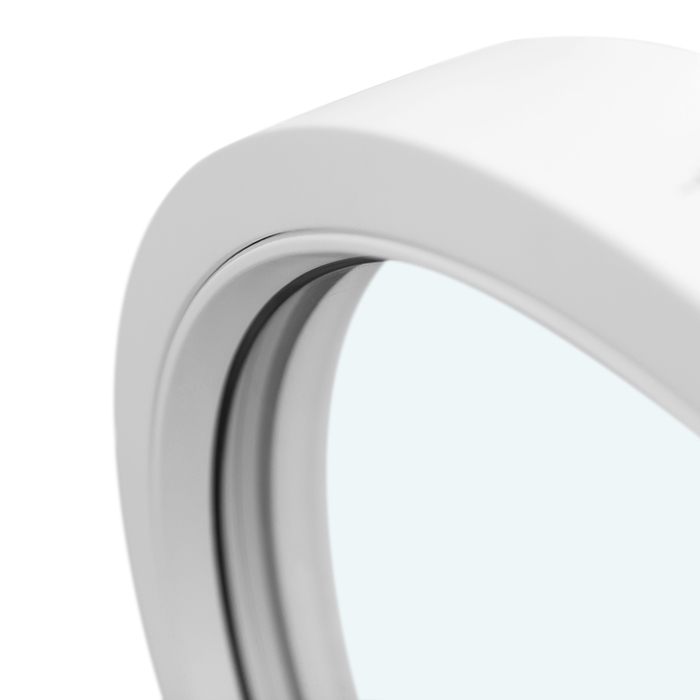
A kombi outward-opening casement window may be relevant when your replacement brief calls for that named outward-opening casement configuration. Before committing, request a clear drawing that identifies the opening sections, hinge positions, handles, and fixed portions, if any. Do not assume a product title supplies hidden details such as glazing, hardware finish, size limits, or local suitability. Where an older home has a distinctive facade, make a deliberate choice about preserving divisions and color versus changing them. The same approach applies to shaped openings: a round fixed window should be evaluated as a round, non-opening design and coordinated carefully with the wall opening and interior trim plan.
Get a condition-based recommendation and a workable next step
The best recommendation explains why repair is likely to hold up, or why replacement addresses a group of interconnected conditions. Ask the contractor or window professional to categorize each opening: repair now, monitor, investigate further, or replace. For every replacement recommendation, ask which observations make repair unsuitable. For every repair recommendation, ask what underlying condition would change the conclusion. This creates an auditable plan rather than a sales-led list. It also helps you prioritize: a window that will not secure, has active water-related damage, or cannot be operated as needed may require earlier action than a cosmetic defect in a rarely used room.
Evaluate a patio opening as a separate project. A Patio Life sliding patio door is a named sliding configuration, while a single-panel outswing patio door is an alternative. Compare circulation and required clearance, then confirm threshold conditions, nearby flooring, screen needs, and the intended route outdoors with the installer. Rules and project requirements vary by location and building conditions. Verify applicable requirements with the authority having jurisdiction and a qualified project professional before work begins. Keep the selection tied to the condition report, measured opening, and confirmed order details.
Questions homeowners ask
Can a foggy window be repaired without replacing the whole window?
Sometimes. Fog or haze between panes may be limited to the insulating glass assembly, while the sash and frame remain serviceable. A professional should assess the glazing method, sash condition, and availability of compatible replacement glass. If distortion, rot, hardware failure, and glass issues occur together, whole-window replacement may be the more coherent option.
Should I replace every window if one has rot?
Not automatically. Inspect the other windows using the same frame, glass, hardware, and operation checklist. One localized defect can support a focused repair or replacement. Repeated deterioration in similar exposures, shared installation details, or multiple components may support a wider project. Decide from documented conditions, not from one window’s appearance alone.
Is a window that will not open always beyond repair?
No. Paint buildup, debris, loose hardware, worn rollers, or alignment issues can prevent normal operation. Do not force it. Identify where it binds and whether the sash, frame, and operating parts remain sound. Replacement becomes more likely when the problem accompanies distortion, serious material deterioration, unavailable parts, or repeated failure after adjustment.
What should a replacement-window quote describe?
Ask for each opening’s configuration, operation, color, grille approach, included trim work, removal scope, and treatment of visible surrounding damage. Clarify who measures, who installs, what finishes will be restored, and what assumptions the quote makes. Review warranty terms for the specific order. Confirm delivery timing only after order confirmation, since Bloomcabin states 4–6 weeks subject to confirmation.
Can I switch from an operable window to fixed glass?
It may be a design option when ventilation is not needed at that opening, but it changes how the room functions. Consider cleaning, access, view, furniture placement, and any project-specific requirements with a qualified professional. A fixed configuration should be chosen for the intended use, not merely as a shortcut around a repairable operating issue.
Your next step
Repair or replacement is rarely decided by one symptom. A careful review of operation, frame and sash condition, glass, hardware, air paths, and the opening around the window reveals whether the issue is isolated or interconnected. Repair can preserve a sound window and solve a specific defect. Replacement can make sense when multiple failures overlap, repair would not address the cause, or the home needs a different window function. Build a room-by-room condition list, request a clear scope for each option, and make final selections after professional measuring and project review. That approach keeps the decision focused on what the windows actually need.
