
Should You Replace Windows and Doors Before Selling?
Pre-sale window and door guide
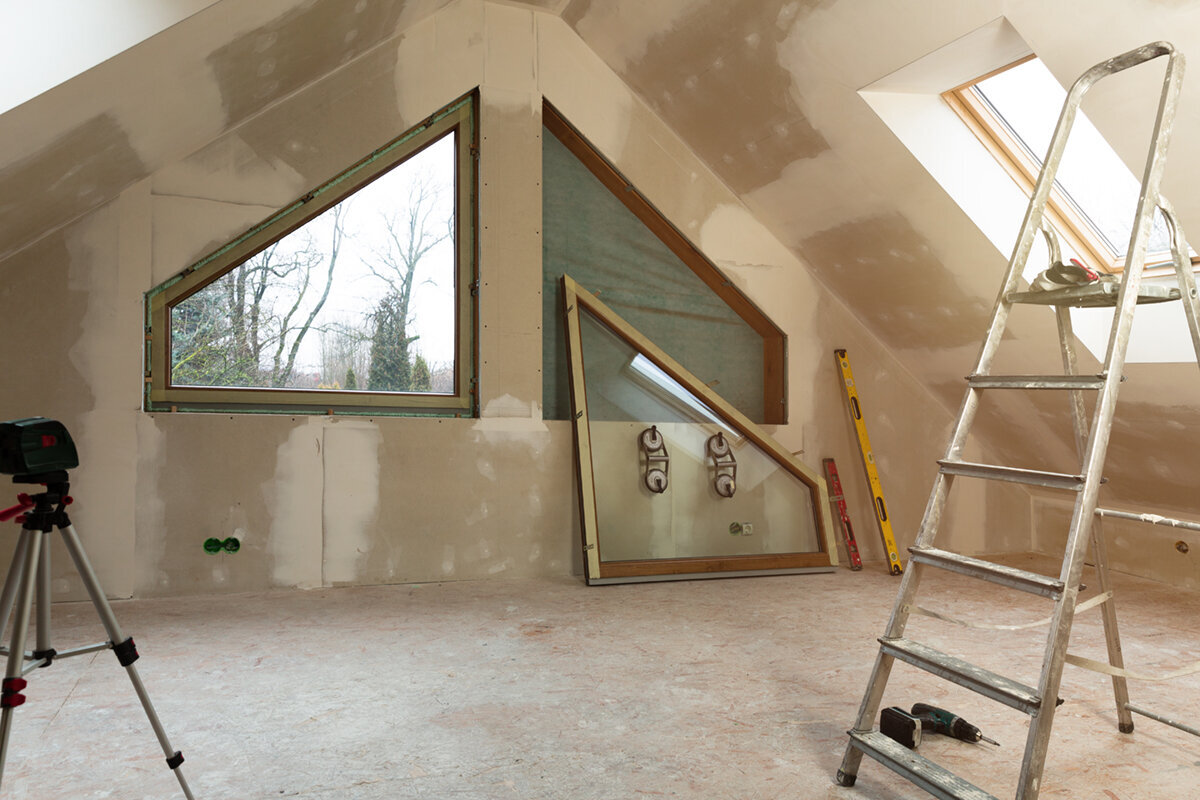
A window that sticks during a showing, a patio door that scrapes the threshold, or an entry door with a tired finish can influence a buyer’s first impression quickly. That does not mean every home needs all-new windows and doors before it is listed. Start with operation and project scope: identify what will not open, close, lock, latch, or present well, then decide whether repair, selective replacement, or a coordinated group replacement solves the problem. Pre-sale replacement makes the most sense when defects are visible, the finished work will suit the home, and the schedule allows proper installation and touch-ups. It makes less sense when the project is broad, disruptive, or based mainly on fear of an objection that no buyer has raised. The goal is a cared-for home, not automatic newness.
Seller’s project check 1
Begin with the openings buyers will operate
Follow the route a buyer is likely to take: front entry, main living space, backyard access, and bedrooms where someone may test a window. Open, close, lock, and latch each unit. Note sticking panels, damaged glass, moisture between panes, loose handles, deteriorated frames or trim, and gaps visible from a normal viewing distance. Record the room and symptom instead of writing “old windows.” Age alone does not establish a defect, while a door that cannot latch is an immediate and understandable concern. A room-by-room condition list changes a vague upgrade idea into a defined project.
Separate cosmetic wear from faults that interrupt use or suggest an unresolved cause. Faded paint on a sound secondary window may need preparation and refinishing. A family-room door that binds, admits water, or has deteriorated components needs closer assessment. Ask whether adjustment, weatherstripping, glass service, hardware work, or localized trim repair will resolve the issue. Then consider whether the result will look intentional beside adjacent units. Buyers do not necessarily expect every component to be new, but principal access points should work without explanation. Rank each opening by functional severity, visibility, and the consequence of doing nothing.
Define the listing problem before choosing products
Replacement should answer a recognizable selling problem. Street-facing windows may have visibly failed glass, the patio opening may be difficult to use, or the front entry may undermine an otherwise polished exterior. Define the intended result in plain language: restore dependable operation, improve consistency across one elevation, replace a damaged unit, or make yard access easier. “Upgrade everything” is not a useful result. It expands ordering, installation, and finish work without explaining what buyers gain. A targeted project is easier to complete, photograph, inspect, and describe before the listing becomes active.
Consider replacing a group when adjacent units form one composition or share the same evident deterioration. One new window in a prominent row may emphasize different sightlines or worn finishes around it, but replacing every window because one latch failed is disproportionate. Map openings by room and elevation, noting pairs, banks, and shared trim. A combination window is relevant only when its multi-part configuration fits the opening and façade. Ask how the work will affect casing, siding or cladding transitions, paint, and nearby surfaces. The best scope resolves the visible problem while containing secondary repairs.
Seller’s project check 2
Compare repair, replacement, and disclosure honestly
Repair is a strong option when the problem is isolated and the existing unit still suits the house. Examples include a misaligned latch, worn weatherstripping, a loose handle, damaged finish, or localized trim deterioration. Ask for the cause, not merely a quick symptom fix. A repeatedly sticking window may be affected by movement around the opening, while door damage may relate to ongoing moisture. Request a written description of the repair, the parts and surfaces included, and what the work will not address. That makes comparison with replacement more meaningful than assuming new is automatically better.
Replacement is more persuasive when dependable operation cannot be restored, deterioration affects multiple components, or the opening looks markedly inconsistent with the condition presented elsewhere. Interior doors require the same discipline: interior panel doors are a replacement category, not proof that every marked or dated door should be changed. If broad work cannot be completed carefully, accurate disclosure may be preferable. Keep invoices and product records, and describe completed work precisely. “Patio door hardware serviced” or “entry door replaced” tells buyers more than a vague claim that the home was upgraded.
Treat the front elevation as one composition
Stand across the street and assess the entry, windows, porch, trim, and exterior colors together. A sound door can look neglected because of worn paint or unfinished casing, while a new unit can appear disconnected if its panel layout or color conflicts with the house. Photograph the elevation in daylight and compare proposed colors with the roof, siding or masonry, and porch elements. Confirm the outside face, inside face, hardware finish, glass layout, and decorative bars separately. A successful change should make the arrival feel complete rather than introduce an isolated feature that competes with everything around it.
If the entry needs replacement, an outswing panel entry door is one configuration to evaluate where outward swing suits the planned use and site conditions. The product name does not establish glazing, hardware, security, or project-specific performance, so specify those matters independently. Also examine the threshold, casing, adjacent paint, lighting, and path to the door. If the existing entry is fundamentally sound, adjustment, careful refinishing, and corrected hardware may create a better pre-sale result than rushed replacement. Buyers should be able to approach, enter, and close the door without noticing unfinished details or needing instructions.
Seller’s project check 3
Make patio access easy to demonstrate
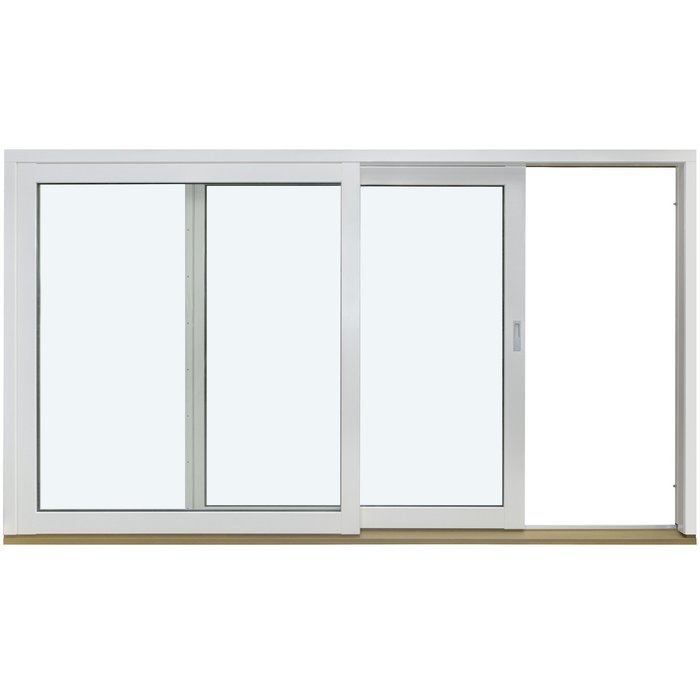
Patio doors receive unusual attention because buyers often operate them and pause to view the yard. Test the door from both sides, including its lock and any existing screen. Look for dragging, difficult sliding, damaged glass, worn tracks or seals, and a loose or unfinished threshold. Consider furniture and circulation as well. A swinging panel may interfere with a dining area even when it works correctly. Do not assume that enlarging the glazed opening is automatically a useful pre-sale improvement; changing the wall can add finish work, disrupt the room, and complicate the schedule.
A Patio Life sliding patio door may be considered when a sliding operating concept suits the room. Compare it with swinging or folding alternatives based on panel clearance, everyday traffic, view divisions, and the surrounding work each option requires. Decide early whether the project retains the current rough opening and finish boundaries or changes the opening itself. That distinction can turn a contained replacement into a broader construction project. Before photography, confirm that the installed door moves smoothly, locks properly, has clean glass and aligned hardware, and looks finished from both the room and the yard.
Match window operation to the room
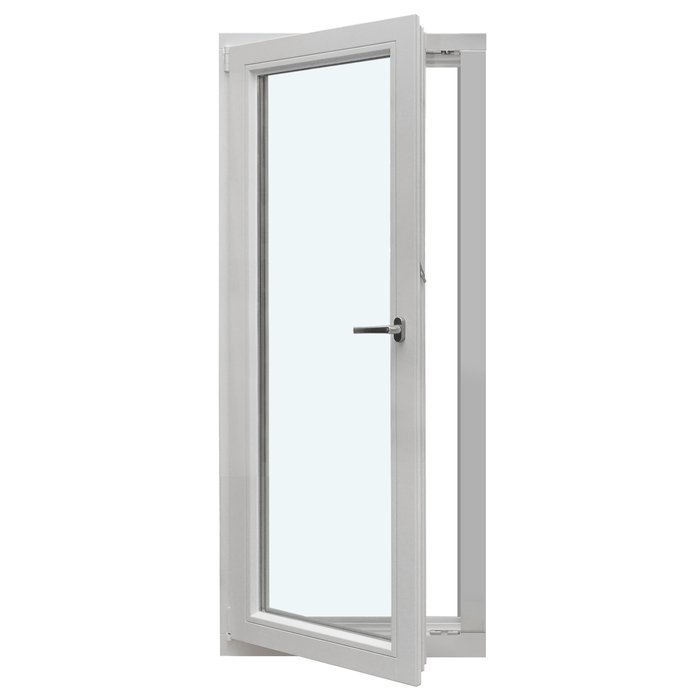
A buyer may not request a particular window style, but awkward operation is easy to notice. Consider furniture, counters, walkways, landscaping, window coverings, and handle reach before choosing a replacement. A unit above a sink presents different constraints from one beside a patio or behind a sofa. Discuss opening direction, ventilation use, cleaning access, and exterior clearance rather than selecting from a front-facing product photograph. In a visually important location that is seldom opened, a planned balance of fixed and operable sections may be worth exploring. The configuration should support how the room works, not merely look new.
Where an outward-opening casement concept fits the room, a single-sash outward-opening casement window is a named configuration to consider. Confirm dimensions, glazing, color, hardware, and installation details instead of inferring them from the title. Another room may be better served by repairing its existing unit. Consistency does not require identical operation everywhere; it requires choices that look deliberate together. For multiple replacements, prepare a schedule listing the room, configuration, exterior color, interior finish, decorative-bar treatment, opening direction, and any screen requirement. Review that schedule against the final order before approval.
Seller’s project check 4
Preserve the home’s visual proportions
Replacement can refresh an elevation while unintentionally changing the proportions that give it character. Compare frame widths, panel divisions, meeting-rail positions, and decorative-bar patterns across the whole façade. Decorative bars influence the appearance of the glass, while glass-dividing bars describe a more fundamental division; use the correct term when reviewing proposals. Broad uninterrupted glass may suit one house, while an established pattern of smaller visual divisions may suit another. The relevant question is not whether traditional or contemporary styling is better. It is whether the new units relate convincingly to neighboring openings, trim, and the architecture already present.
For a property with a period-inspired appearance, a historic-style kombi outward-opening casement window can be explored as a specific style and operation combination. Its name does not prove compatibility with an existing profile, a preservation objective, or any local review process. Compare drawings and samples with windows on the same house rather than relying on isolated online images. Review sightlines from the exterior and interior, including how bars align between adjacent units. Make these decisions before ordering so a late substitution does not produce inconsistent proportions, colors, or operating styles on a prominent elevation.
Work backward from the listing date
Window and door projects involve more than installation day. The sequence can include assessment, final measuring, configuration approval, order confirmation, delivery, removal, installation, trim work, paint, cleanup, inspection, and photography. Bloomcabin delivery is generally 4–6 weeks subject to order confirmation, so do not build a listing schedule around an assumed arrival date. Ask when measurements become final, what triggers order confirmation, who prepares the site, and when finish work can begin. Leave time to inspect operation and appearance in daylight and to resolve punch-list items before buyers enter the home.
Treat installation as the beginning of final presentation, not the end of the project. Schedule glass cleaning, paint touch-ups, blind or curtain reinstallation, furniture placement, and exterior tidying afterward. Ask whether the home will remain secure and weather-protected at each stage, especially if several openings are included. When timing is uncertain, focused repair and accurate disclosure may be less risky than beginning a broad replacement immediately before listing. Bloomcabin windows and doors have a 5-year warranty. Retain the supplied warranty documents and review the installer’s separate workmanship terms so the transaction record distinguishes product coverage from installation responsibilities.
Seller’s project check 5
Compare the entire proposal, not the label
A useful proposal identifies the exact openings, configurations, colors, glazing selections, decorative-bar or glass-dividing-bar treatments, hardware, screens if relevant, removal, installation, sealant and insulation scope, trim, finishing, disposal, cleanup, and exclusions. Ask who protects floors, landscaping, furnishings, and adjacent surfaces. A low initial amount may exclude paint or casing work that becomes highly visible during a showing. A detailed proposal may instead reveal that repair can achieve the intended result. Compare bidders line by line, using the same room schedule, so differences in price are not simply differences in omitted work.
Clarify whether existing casing stays, whether wall repair is anticipated, and how transitions to siding, masonry, or other exterior finishes will be handled. For a non-operable location where light and view are the priorities, a fixed window is one configuration to discuss; its title does not establish suitability for a particular opening. Ask a qualified project professional to assess structural changes, water-management details, and applicable compliance questions. Requirements vary by location and project scope. Before ordering, confirm with the relevant local authority and project professional what approvals, inspections, or documentation apply to the specific property.
Present completed work without overselling it
Keep paid invoices, product identifiers, finish selections, warranties, and useful before-and-after photographs. Work with the real-estate professional handling the listing to decide what belongs in marketing copy and what belongs in transaction records. Describe the work precisely: a replaced entry door, repaired window hardware, refinished trim, or a changed patio-door configuration. Avoid unsupported promises about energy savings, security, sound reduction, code compliance, resale value, or sale speed. Buyers may ask why the work was undertaken. A direct explanation that a malfunctioning or visibly worn opening was addressed is more credible than a sweeping improvement claim.
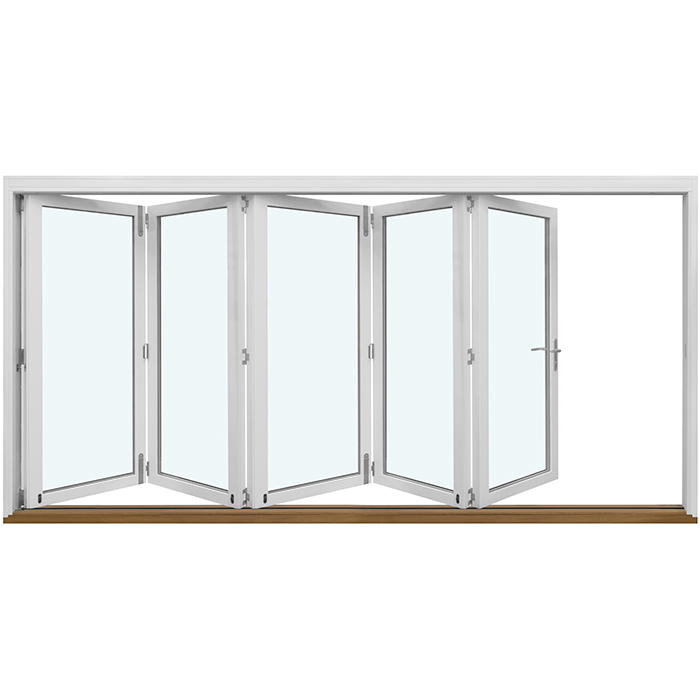
Photograph replacements as part of a completed room or elevation. Remove temporary labels, clean the glass, align hardware, straighten coverings, and ensure nearby trim is finished. An outswing bifold door is an alternative only where its folding outward-opening configuration fits the space and the broader project can be completed before photography. It is not a quick cosmetic substitute for a serviceable existing door. In many pre-sale situations, the strongest outcome is modest: the important openings work smoothly, visual choices feel coordinated, and buyers encounter no distracting loose end that suggests unfinished maintenance.
Questions sellers ask
Is it worth replacing every window before selling?
Not automatically. Whole-house replacement may be reasonable when problems are widespread and a consistent result can be completed before listing. If defects are limited to a few visible or malfunctioning units, repair or selective replacement may be more proportionate. Start by assessing operation, glass, frames, surrounding trim, and the openings buyers will use.
Should I replace or repair the front door?
Consider replacement when reliable operation or the condition of the door cannot be restored satisfactorily. Adjustment, weatherstripping, hardware service, or refinishing may be enough for isolated problems. Judge the entire entrance, including casing, threshold, paint, and lighting. A complete-looking repair can present better than a new door surrounded by unfinished work.
Will new windows guarantee a higher sale price?
No. A selling result depends on the home, local market, pricing, presentation, and buyer priorities. Replacement may remove a visible objection or improve the overall impression, but it cannot guarantee a particular price or faster sale. Approve the work because it solves a defined functional or presentation problem, not because a return is presumed.
How much time should I allow before listing?
Allow time for measuring, order confirmation, delivery, installation, finish work, cleanup, inspection, and photography. Bloomcabin delivery is generally 4–6 weeks subject to order confirmation. Obtain the installer’s project sequence and leave room for touch-ups. Do not promise a listing date based only on an estimated delivery or installation date.
Do window and exterior-door replacements require permits?
Requirements depend on location and project scope, particularly when an opening, structural element, or exterior appearance changes. This guide cannot determine what applies to a specific property. Before ordering, contact the relevant local building authority and ask the qualified professional responsible for the project to identify applicable approvals, inspections, and required documentation.
Your next step
Replacing windows and doors before selling works best as a measured response to a visible or functional problem, not as a last-minute effort to make the entire house new. Test the openings buyers will touch, distinguish repairable wear from deeper deterioration, and choose a scope that can be completed without unfinished trim or rushed decisions. Give particular attention to the entry and patio route, coordinate replacements with the home’s existing proportions, and compare proposals for the entire installed result. If replacement is appropriate, confirm every configuration, allow for order and finish time, retain the records, and describe the work accurately. A smoothly operating, consistently maintained home gives buyers fewer distractions to interpret.
