
Sliding and Bifold Door Security: What to Compare
Patio door security buying guide
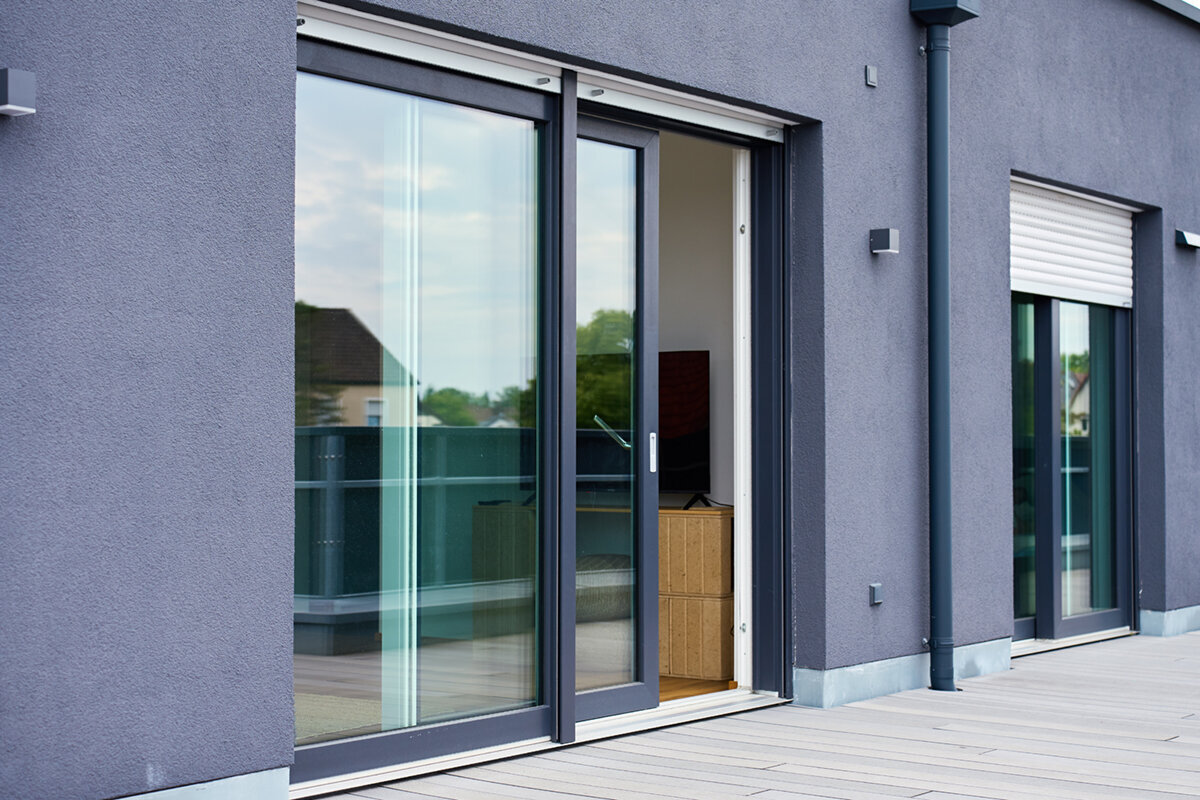
A wide patio opening may look like one simple purchase, but sliding and bifold doors rely on different moving parts. A slider travels along a track and closes against a jamb or overlapping panel. A bifold moves through several hinges and carriers before its leaves align and lock. That changes what a buyer should inspect. Begin with the opening’s real job: an everyday route to the yard, an occasional entertaining wall, or a secondary entrance. Then trace the closed assembly from one jamb to the other, noting panel joints, handles, locking points, glass retention, tracks or hinges, threshold, and frame attachment. Neither operating style is automatically the safer choice. Security depends on selecting a complete configuration that occupants can close correctly, installers can align accurately, and owners can maintain without improvising around the intended hardware.
01 / Compare operation
Start with operation and project scope
A sliding door generally keeps its panels within one plane, which can preserve floor space near the opening. A bifold swings and stacks connected leaves at one or both sides. Those movements create different points to review when the door is closed. On a slider, ask how the moving panel engages the frame or adjacent panel. On a bifold, ask how the lead leaf and intermediate leaves settle into their locked positions. Frequent use also matters: hardware that feels confusing or requires excessive effort may encourage incomplete closing. Test the full sequence rather than judging either format from appearance alone.
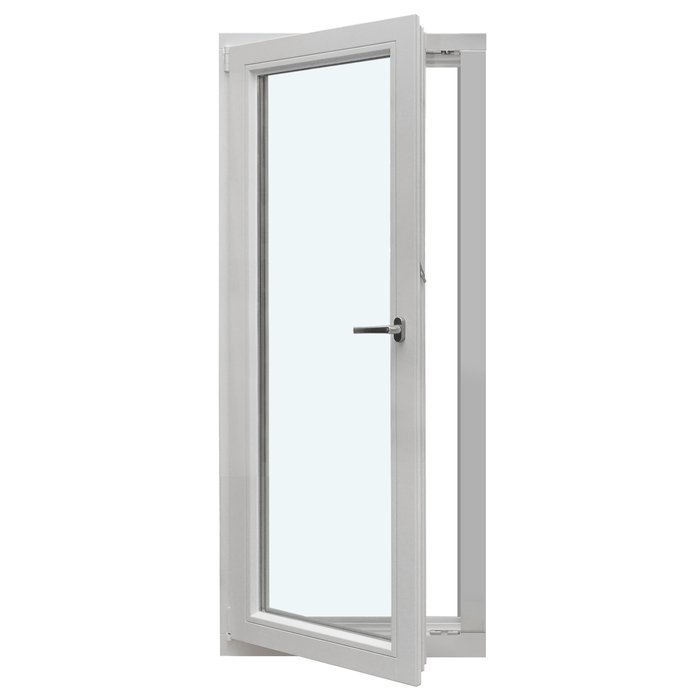
Define whether the work is a like-for-like replacement, a new opening, or an enlargement of an existing opening. A wider remodel can involve wall structure, exterior exposure, drainage, floor transitions, and installation access as well as the door. Describe the opening’s grade level, shelter, traffic pattern, and nearby furnishings before requesting a configuration. Have the installer and appropriate qualified project professional assess the rough opening and identify locally applicable requirements. If a smaller conventional opening would serve the household better, a single-panel inswing patio door is an alternative worth comparing rather than defaulting to a multi-panel system.
Trace every point in the locked path
Ask the seller to demonstrate what happens from the first handle movement to the fully secured position. The term “multipoint lock” is not enough by itself: buyers need to know where the points engage, whether one action operates them together, and how correct panel alignment affects engagement. For a slider, identify the closing-edge lock and any restraints elsewhere. For a bifold, identify the lead-panel lock, jamb engagement, intermediate security points, and any bolts that users must operate separately. Review the exact handing and panel layout on the quotation because a generic brochure diagram may show a different arrangement.
Clarify whether the door offers any intended restricted-opening or ventilation position. A partially open door should not be assumed to provide the same security as its fully closed and locked position, and a ventilation accessory should not be treated as a substitute for the main lock. Ask what movement an offered feature allows, how it is released, and whether it suits the household’s use. A Patio Life Sliding Patio Door provides a relevant sliding configuration to discuss, but the written order should still identify the selected panels, lock, handle, glass, and options.
02 / Map the locks
Evaluate handles and access choices
The handle is where daily behavior meets the locking system. Compare its grip, position, operating travel, clearance, and the feedback it gives when the lock is fully engaged. If a keyed cylinder or another access option is offered, confirm which side is operable and how occupants will manage keys. Consider ordinary departures as well as urgent exit needs, without assuming one access arrangement suits every household. The functional hardware package should be listed separately from color or finish so an appearance choice is not mistaken for a security specification.
On a bifold, do not inspect only the traffic-door handle. Ask whether other leaves have operating handles, concealed controls, or separate bolts, and have the seller demonstrate their sequence. On a slider, confirm the relationship between the interior handle, exterior pull, and selected handing. Aftermarket smart devices may require particular clearances or interfere with intended movement, so check compatibility before ordering. A two-panel outswing patio door can also provide a useful hinged comparison when the project needs two operable leaves but not a folding stack. Compare routines, not merely panel counts.
Inspect sliding tracks, rollers, and retention
A slider should travel smoothly enough to reach its final closing position consistently, while remaining properly retained when closed. Ask what feature addresses panel lifting or disengagement, where it is located, and whether adjustment can affect it. Ask separately how rollers or carriages are adjusted and who should perform that work. A panel that drags, tilts, or stops short may not engage its locking hardware as intended. Avoid treating a loose stick, improvised block, or unrelated track accessory as a substitute for the door’s designed locking and retention arrangement.
Thresholds collect grit, leaves, pet hair, and moisture, so cleaning access is part of the ownership comparison. Ask which track and drainage areas require attention and whether adjacent flooring or exterior work will obstruct them. When considering Siegenia Sliding Doors, request information for the actual panel layout and dimensions rather than relying on a smaller showroom display. At handover, move every active panel through its full travel, lock it from normal operating positions, and have the installer identify user-maintenance points. Record rubbing, unusual resistance, incomplete engagement, or unexplained movement before accepting the work as complete.
03 / Verify the configuration
Follow a bifold from jamb to jamb
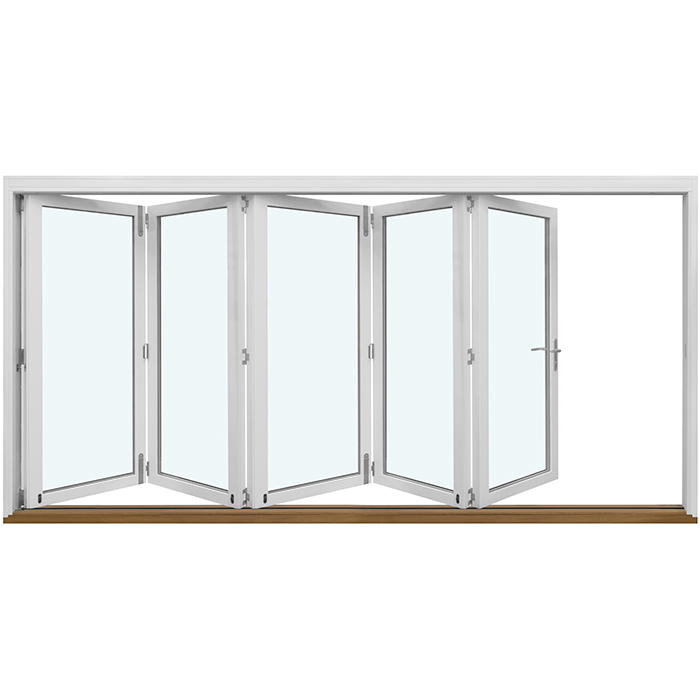
Inspect a bifold as a chain of connected components. Begin at the anchored side, continue across each hinge line and intermediate panel, and finish at the lead panel and lock-side jamb. Ask which leaves are active, whether there is a designated traffic door, and how every leaf is restrained when the opening is closed. Panel count can change operation and hardware, so evidence for one arrangement should not automatically be applied to another. Buyers do not need to diagnose the engineering, but they should understand every user action required to achieve the intended locked condition.
Stacking direction affects whether people can close the door comfortably and consistently. Folded leaves need room that does not conflict with furniture, railings, exterior lights, grills, or circulation routes. An outswing bifold door identifies the direction and folding format, but not an unseen lock, glass, or hardware package. Request a drawing showing stack side, traffic leaf if offered, swing direction, handles, hinges, and locking edges. Review the drawing at the actual opening. A visually balanced layout may still be inconvenient if an obstruction makes the final leaves difficult to bring together.
Treat glazing as one part of the assembly
Large glass areas attract attention in a security discussion, but glazing works with the panel frame, retention method, hardware, and installation. Ask what glass construction is included in the quotation, how it is retained, and what configuration-specific documentation is available. Keep visual selections such as tint, privacy treatment, or decorative bars separate from verified performance selections. A thicker-looking or differently colored glass option should not be assumed to establish complete-door resistance. Similarly, evidence for a glass component alone does not describe how the entire sliding or folding assembly behaves.
Consider privacy and visibility as site-planning issues rather than substitutes for physical security. Review exterior lighting, landscaping, curtains or shades, and sightlines from occupied rooms. Confirm that planned treatments will not obstruct handles or interfere with panel movement. Before applying aftermarket film, adhesive accessories, or glass-mounted devices, ask whether they are compatible with the selected glazing and warranty terms. For a modest opening where broad glass and multi-panel movement are unnecessary, historic-style single-panel outswing patio doors represent a different operating alternative. Compare their operation separately instead of transferring assumptions from a bifold or slider.
04 / Plan installation
Keep security evidence separate from other performance
Security, wind, water, air leakage, structural behavior, impact considerations, and energy performance are not interchangeable claims. A door described as sturdy or suitable for an exposed location does not automatically carry documented forced-entry evidence. Likewise, a prominent lock does not prove weather or structural performance. Ask the supplier to organize information by subject and identify which documents apply to the exact product family, dimensions, panel arrangement, glass, hardware, handing, and opening direction. If a document covers only a component or different configuration, record that limitation rather than treating it as complete-system evidence.
Project conditions determine which additional information a qualified professional may need. A large exposed opening can require a different review from a sheltered replacement beneath a deep overhang, but that observation does not establish a nationwide rating or rule. Have the appropriate professional identify the locally applicable requirements and relevant site conditions, then provide those details to the supplier before final selection. A outswing exterior door may be considered as an operating alternative where a single hinged leaf fits the scope. Its product category alone should not be taken as evidence of any unlisted security or environmental performance.
Request evidence that matches the quotation
Ask whether available test reports, product data, or manufacturer documents address a component or the complete door assembly. Then check the tested operating type, panel count, size range, lock, glazing, and installation assumptions against the quotation. General marketing statements, an online video, or evidence for a different model should not be silently substituted. If configuration-specific evidence is unavailable, the supplier should say so clearly. The buyer can then weigh only confirmed information alongside advice from the installer and project professional, rather than filling gaps with assumptions about visible hardware or frame thickness.
Create a comparison sheet with columns for panel layout, opening direction, lock engagement, handle operation, glazing, track or hinge arrangement, documents supplied, installation responsibility, and unanswered questions. A general sliding door category is useful when comparing lateral movement with a folding system, but quotations still need equivalent scope. Mark an option as included, optional, unavailable, or unconfirmed. This prevents a premium handle, glass treatment, or accessory from appearing to solve a security concern whose function was never explained. It also makes revised bids easier to compare without relying on memory or showroom impressions.
05 / Test at handover
Coordinate the threshold and installation
A capable door can perform poorly if its frame is distorted or its threshold detail prevents reliable operation. Discuss rough-opening condition, finished floor heights, drainage, transitions, perimeter interfaces, and adjustment access with the installer and appropriate project professional. Low-profile appearance, accessibility goals, weather management, and security should be coordinated rather than treated as interchangeable options. Ask how the proposed detail remains cleanable after flooring, siding, decking, or built-in furniture is finished. The closing path should remain clear, and expected maintenance points should not be concealed by later work.
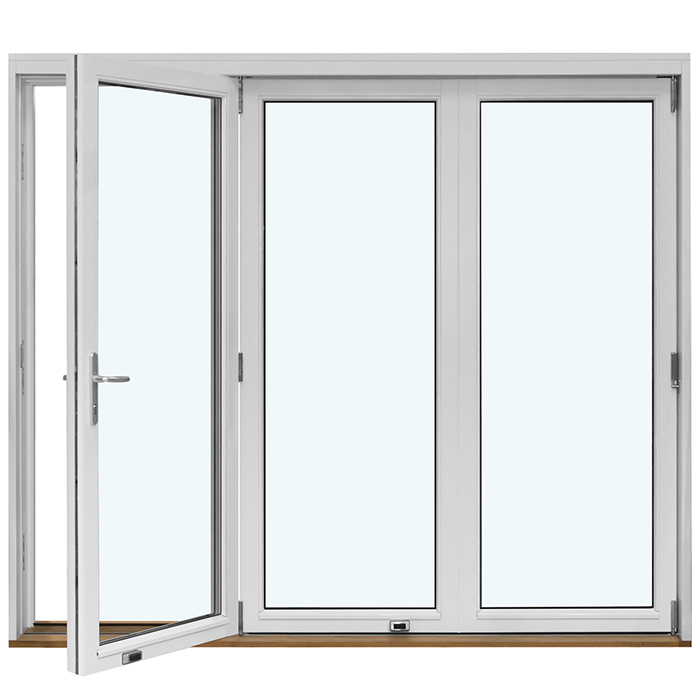
The installation scope should identify who measures, prepares the opening, installs interface materials, checks alignment, and resolves an operation problem found at handover. Multi-panel doors deserve particular attention because small alignment errors can affect how leaves or panels meet. A historic-style two-panel outswing patio door offers another hinged alternative when two leaves suit the opening better than a track or folding stack. Whichever format is selected, require a demonstration of opening, closing, latching, locking, unlocking, and routine cleaning. Perform the sequence at normal speed and from the positions occupants will actually use.
Turn the decision into an order-ready specification
Before approval, create a schedule naming the product family, opening dimensions, panel count, active and fixed panels, handing, sliding or stacking direction, interior and exterior color, glass description, decorative bars, handle, lock arrangement, access method, threshold, and installation scope. Do not infer features from a photograph or product title. For a smaller opening, a single-panel outswing patio door may meet the circulation need with fewer moving interfaces than a large slider or bifold. Comparing it can reveal whether the broad opening is essential or simply an early design preference.
Ask for care instructions, approved cleaning methods, any recommended lubricant, adjustment guidance, and the service contact process. Keep the confirmed order, drawings, hardware instructions, keys, and handover notes together. Bloomcabin provides a 5-year warranty for windows and doors; review the applicable warranty documentation and care expectations for the order. Delivery is typically 4–6 weeks, subject to order confirmation, so do not schedule demolition solely around an assumed arrival date. After installation, include full closing and locking in the household’s departure and bedtime routine, and address changes in operation before they become normal.
Common buyer questions
Are bifold doors less secure than sliding doors?
Not inherently. Their security comparisons involve different interfaces. For a slider, review lock engagement, panel retention, track behavior, and alignment. For a bifold, review the lead leaf, jambs, panel joints, hinges, carriers, and closing sequence. Compare the exact quoted configurations and supporting documents rather than ranking the operating styles by name.
Should I add a security bar to a sliding patio door?
First understand the selected door’s intended locking, retention, and anti-lift arrangement and make sure it is adjusted correctly. An improvised bar can obstruct cleaning, normal operation, or urgent use. Discuss any supplemental device with the supplier and installer, confirm compatibility, and never treat it as a replacement for the complete designed system.
What should a bifold configuration drawing show?
It should show panel count, opening direction, stack location, traffic leaf if offered, handing, handle positions, hinge lines, locking edges, threshold, and the direction each leaf moves. Also check nearby clearances. Reviewing these details before production can reveal conflicts that would otherwise make complete closing awkward after installation.
Does stronger glass make the whole patio door secure?
Glass is only one part of the assembly. Ask what glazing is included, how it is retained, and whether supporting information matches the selected configuration. The panel frame, locking hardware, joints, track or carrier system, threshold, and installation also matter. A glass description alone does not establish complete-door security performance.
What security evidence should I request?
Request product information or test evidence relevant to the quoted operating type, dimensions, panel layout, handing, glazing, and hardware. Ask whether it covers a component or the complete assembly and note any limitations. Have an appropriate qualified professional identify locally applicable project requirements, then ask whether the proposed configuration has relevant supporting documentation.
Prepare your specification
A useful sliding-versus-bifold security comparison follows the complete closing path. Sliders require careful review of track operation, panel engagement, retention, and adjustment. Bifolds require attention to the lead leaf, intermediate joints, jambs, hinges, carriers, and stacking sequence. For either format, match every claim to the exact quoted configuration and coordinate the threshold, frame, and installation with the opening. An order-ready drawing, clear responsibility schedule, and realistic handover test are more valuable than a long list of unexplained features. Choose the system occupants can operate fully and consistently, with its important details confirmed before production.
