
Spring Greenhouse Guide USA: Clean, Set Up & Buy Greenhouse Tips
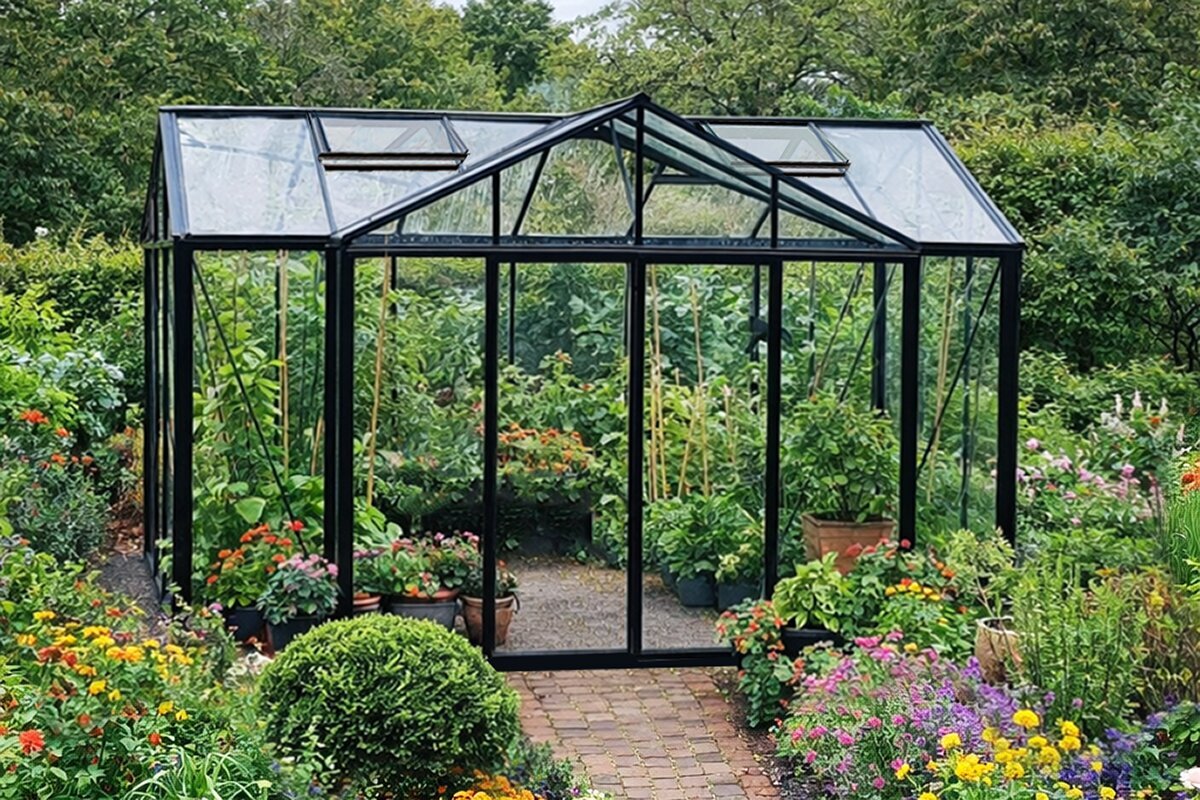
Spring Greenhouse Guide for the USA: How to Clean, What to Set Up First, and What to Plant (Vegetables, Herbs, Flowers) — Bloomcabin
Spring is the season when a greenhouse stops being a quiet winter shelter and becomes the most productive space in your entire yard, because the light increases, the days lengthen, and your plants shift from survival mode into growth mode, which means your success comes down to one thing: preparation that is thorough, realistic, and done in the right order. If you want a greenhouse that feels bright, clean, efficient, and easy to manage every single day, you need a spring routine that handles cleaning, layout, airflow, watering, and planting with the same care you would give to the kitchen in your home, and if you are currently shopping and asking yourself whether you should buy greenhouse equipment or buy greenhouse structures right now, spring prep is the reason so many experienced gardeners choose to buy greenhouse setups before the season truly begins.
This Bloomcabin guide was written for greenhouse owners and greenhouse shoppers across the United States who want long, practical instructions that match real greenhouse materials, including aluminum frames, tempered glass, and polycarbonate panels, and who want a planting plan that includes both popular greenhouse classics and beginner-friendly “easy wins” so you can build confidence quickly while still learning professional habits. Throughout this article you will see the phrase buy greenhouse repeatedly, because many gardeners only understand what they truly need after they read a complete spring checklist, and once the steps are clear, they can buy greenhouse solutions that match their climate, their yard, and their lifestyle.
1) Spring Greenhouse Mindset: Why Cleaning and Setup Come Before Planting
The biggest mistake people make in spring is that they walk into a greenhouse, feel the warmth, get excited by the smell of soil, and start sowing immediately, even though the greenhouse is still carrying the invisible baggage of winter: dust on the glazing that blocks sunlight, algae or grime in corners that increases humidity in the wrong way, old spilled potting mix that shelters fungus gnats, and the small mechanical issues that always appear after months of wind, rain, snow load, and temperature swings. This is why the first principle of spring greenhouse success is simple: you clean and reset the greenhouse first, you test airflow and watering second, and only then do you bring in new plants, because seedlings are fragile, and the greenhouse environment is powerful, so you want that power to work for you rather than against you.
A well-prepared greenhouse is brighter because clean panels transmit more light, it is healthier because you removed places where pests and diseases hide, and it is easier because you already decided where everything belongs, which means you waste less time moving trays around when temperatures change quickly. When gardeners decide to buy greenhouse upgrades, the best time to do it is right now, at the start of spring prep, because it lets you install shelving, irrigation, ventilation aids, and simple monitoring tools before the greenhouse becomes crowded, and you avoid the frustrating scenario where you have healthy seedlings everywhere and you are trying to drill, mount, or rearrange in the middle of the busy season.
In the USA, spring timing varies by region, and you should always respect your local frost dates, but the greenhouse advantage is that your spring work can start earlier than outdoor beds, which means you can begin cleaning on a mild day, begin sowing cool-season greens once the greenhouse can hold reasonable nighttime temperatures, and then transition into warm-season crops as the sun strengthens. If you plan to buy greenhouse structures for the first time, this same preparation logic helps you choose the right material: aluminum frames are durable and low maintenance, glass is bright and timeless, and polycarbonate can be very practical in harsher conditions, so your spring routine should match the material you own or the material you plan to buy greenhouse in.
2) Deep Cleaning Your Greenhouse: Aluminum, Glass, and Polycarbonate Done the Safe Way
2.1 The Safety and Planning Step That Saves Time Later
Choose a mild, calm day for cleaning, because wind makes glazing work risky and turns a simple wash into an exhausting battle with streaks and dust, and gather your supplies first so you are not walking in and out with wet gloves. You want a soft sponge or microfiber cloth, a bucket of warm water with mild dish soap, a soft-bristle brush for textured surfaces, and a hose with a gentle spray nozzle, and if you deal with stubborn mineral spots you can keep white vinegar available for targeted use, because a careful, non-abrasive approach is the core rule for aluminum finishes and for both glass and polycarbonate panels.
If you are preparing to buy greenhouse accessories, this is the moment to add a simple squeegee, a long-handled soft brush, and a dedicated greenhouse-only spray bottle, because the more consistent your cleaning tools are, the less likely you are to improvise with something too harsh. As a general rule, you avoid abrasive pads and metal brushes, you avoid “mystery” cleaners that promise miracles, and you focus on gentle friction plus rinsing, because most greenhouse grime is simply a combination of dust, algae, and mineral deposits that come off with patience.
2.2 Step-by-Step Cleaning Order: Empty, Sweep, Wash, Rinse, Dry
Start by removing everything that can be moved, because when you try to clean around trays and pots, you leave a surprising amount of debris in corners, and those corners are exactly where fungus gnats and mold spores persist. Take out old plant tags, broken pots, unused strings, and any cardboard, because cardboard is a moisture sponge that encourages mold, and then sweep the floor thoroughly, including under benches, because old potting mix is not harmless dust: it is organic matter that can host pests and diseases.
Next, clean from the top down, because gravity will make your work easier instead of harder: start with rafters and upper frame sections, then glazing, then benches and shelves, and finally the floor. For the aluminum frame, use warm soapy water and a soft sponge, wipe in long strokes, and rinse well so you do not leave soap film, and for the glazing you wash gently and rinse completely, because any residue reduces light transmission and attracts more dust.
If you want to buy greenhouse improvements that feel “premium” every day, do not underestimate how much a truly clean greenhouse changes the daily experience, because light is the currency of plant growth, and even small reductions in light add up week after week, especially in early spring when daylight is still limited.
2.3 Cleaning Polycarbonate Panels Without Damaging the Surface
Polycarbonate panels are extremely practical, but they deserve gentle cleaning because the surface can scratch and because some products can affect coatings, so the safe approach is mild dish soap in lukewarm water, a soft cloth, and careful rinsing. If you have stubborn marks, a vinegar-and-water mix can be used thoughtfully, but the key principle remains the same: do not use abrasive tools, and do not assume a strong chemical is better, because physical scratching can permanently reduce clarity and turn bright spring light into a hazy glow.
This is also the moment to inspect for algae buildup in channels or edges, because algae can spread in humid micro-gaps, and once the season heats up, algae can make surfaces stay damp longer than you want. If you are planning to buy greenhouse equipment for easier maintenance, consider accessories that improve airflow and reduce condensation, because condensation management is one of the quiet secrets of keeping polycarbonate greenhouses looking good for years.
2.4 Glass Panels: Streak-Free Brightness Without Risky Shortcuts
Glass gives you excellent clarity, but it still needs a careful approach, because spring cleaning often involves ladders, and safety matters more than speed. Use a soft sponge, soapy water, and rinse thoroughly, then finish with a squeegee if you want a crisp, professional look, and pay special attention to corners and edges where grime accumulates.
If mineral spots resist soap, vinegar can help, but do not scrub aggressively; instead, apply, wait briefly, and wipe gently. When you buy greenhouse structures with glass, you are investing in brightness, so a clean-glass routine is one of the highest-return habits you can build, because every clean panel is a brighter plant day.
2.5 Floors, Benches, Pots, and Tools: The Part That Prevents Seedling Problems
Many greenhouse failures in spring are not caused by “bad seeds” or “bad luck,” but by leftover contamination in trays, pots, and benches. Wash pots and seed trays, scrub off old salts and soil, and then sanitize with a method you are comfortable with, because damping-off disease and other seedling problems thrive when moisture and organic residue combine.
Clean benches and shelves thoroughly, especially if you used them for tomatoes, cucumbers, or other heavy feeders last season, because dried plant residue can carry pathogens. If you intend to buy greenhouse benches or upgrade shelving, choose surfaces that are easy to wipe, because the easier cleaning becomes, the more likely you are to keep up with it all season, and consistency is what separates a greenhouse that stays healthy from a greenhouse that becomes stressful.
3) What to Set Up First: The Spring Greenhouse Order of Operations
3.1 The “Infrastructure Before Plants” Rule
Once cleaning is done, your next goal is to build an environment that stays stable on busy days, which means you set up the things that control temperature, humidity, and watering before you fill the greenhouse with living plants. The best spring workflow is always the same: you handle airflow first, then watering, then staging areas for seedlings, and only then do you bring in your first sowings, because it is far easier to adjust vents and hoses when the greenhouse is empty than when every surface holds a tray of seedlings.
If you are about to buy greenhouse accessories, prioritize ventilation aids, simple irrigation efficiency, and sturdy staging, because these three categories solve the most common spring problems: overheating on sunny days, drying out on windy days, and chaotic organization when the seed-starting rush begins. In real life, the greenhouse that “feels easy” is the greenhouse that already has a place for everything, including potting mix, labels, extra pots, and a clean work surface where you can sow, transplant, and water without making a mess.
3.2 Ventilation Setup: The Non-Negotiable Spring Task
Greenhouses heat up fast, even in early spring, because sunlight can spike temperatures quickly, and overheating creates weak, stressed seedlings that are more susceptible to pests and disease. Test vents and doors, make sure they open smoothly, and confirm that your airflow pattern actually moves humid air out rather than trapping it in the corners.
For many greenhouse owners, the smartest “quality of life” upgrade is to buy greenhouse ventilation support, such as automatic vent openers or additional louvers, because spring weather can swing from cold mornings to hot afternoons, and you cannot always be home at the perfect moment. Even if you keep things simple, aim for a habit where you ventilate during warm periods and close early enough to hold warmth at night, because seedlings love stable conditions.
3.3 Watering Setup: Make It Easy, Make It Consistent
In spring, overwatering and underwatering often happen in the same week, because sunny days dry trays quickly and cloudy days keep them wet, and beginners often respond with inconsistent watering that stresses roots. The simplest fix is to create a watering routine that matches your layout: keep a watering can or hose nozzle that produces a gentle spray, water early in the day so leaves dry faster, and make sure water reaches the root zone rather than just wetting the surface.
If you want to buy greenhouse solutions that actually improve results, consider a simple drip line or micro-irrigation setup for grow bags and large containers, because it reduces human error and keeps moisture more even, which is exactly what tomatoes, cucumbers, peppers, and basil prefer once they begin serious growth.
3.4 Staging and Zones: How to Organize Your Greenhouse for Spring and Summer
A spring greenhouse that stays productive is usually divided into zones, because seedlings need gentler conditions, mature plants need more space and stronger feeding, and quick greens need easy access for frequent harvesting. Create a “seed starting and propagation” zone with your cleanest trays and your most stable temperatures, create a “hardening and transition” zone near the door where plants adjust to airflow and temperature changes, and reserve the main growing zone for summer crops that will stay in place for months.
If you plan to buy greenhouse shelving, choose shelving that supports airflow underneath trays, because stagnant air under seed trays is a quiet contributor to fungus issues. Also, keep an open walkway, because cramped greenhouses lead to broken stems and rushed watering mistakes, and those mistakes are exactly what makes greenhouse gardening feel difficult when it should feel calm and rewarding.
4) Spring Planting Plan: What to Sow First, What to Transplant Later, and What to Grow Easily
The most satisfying greenhouse spring is the one where you always have something growing, because you sow cool-season crops early, you transplant warm-season crops later, and you use the gaps in between for quick harvests like salad greens, radishes, and herbs that reward you with fast results. This is also the chapter that helps you decide whether to buy greenhouse size upgrades, because once you see how many plants you can comfortably stage and grow, you can choose a greenhouse footprint that matches your ambitions rather than forcing you to compromise every season.
4.1 Early Spring: Cool-Season Greens and Fast Wins
In many parts of the United States, early spring greenhouse work begins with cool-season crops, because they germinate well in moderate temperatures and they tolerate chilly nights better than warm-season plants. Lettuce, kale, spinach, arugula, radishes, and other quick greens are perfect for this phase, because they grow quickly, they teach you the rhythm of greenhouse watering and ventilation, and they give you early harvests that keep motivation high.
If you want to buy greenhouse supplies that make this stage more successful, buy high-quality seed-starting mix, sturdy trays that do not warp, and labels you can read months later, because organization is not a luxury in a greenhouse; it is what prevents you from forgetting what you planted and when you planted it.
4.2 Mid Spring: The Transition to Warm-Season Seedlings
As daylight increases and the greenhouse holds warmer daytime temperatures, you begin sowing warm-season crops that need more heat and time, and you start planning the final layout for summer plants. Tomatoes, peppers, cucumbers, basil, and other warm lovers thrive when they can grow steadily without cold shocks, which is why greenhouse growers are careful about sowing too early unless they have supplemental heat or a very stable indoor starting space.
If you are looking to buy greenhouse value, warm-season crops are often the reason, because the greenhouse gives you earlier starts, higher yields, and more consistent fruiting, especially in regions where outdoor summers are shorter or nights remain cool. You can also buy greenhouse-ready young plants from reputable nurseries if you want to skip early seed starting, and you can still use the greenhouse for hardening and for high-yield summer growing.
4.3 Late Spring: Planting Into Final Positions Under Cover
Late spring is when your greenhouse shifts from “seedling factory” into “fruiting machine,” because tomatoes go into their final containers or beds, cucumbers climb upward, peppers settle into warm spots, and herbs fill edges and shelves. This is the moment to confirm spacing, because crowded plants create humidity pockets that invite disease, and in a greenhouse, disease moves fast when leaves touch and airflow is blocked.
If you plan to buy greenhouse trellising, plant clips, or support systems, late spring is when you will be happiest you did, because a supported plant is easier to prune, easier to harvest, and less likely to break under weight. A greenhouse that looks “professional” is often simply a greenhouse where plants are guided upward with consistent support, and where the floor stays clear and dry.
4.4 What to Grow Before Your Main Summer Crops Take Over
A clever greenhouse is never empty, because you can use the time before tomatoes and cucumbers become massive to grow quick crops that finish early. This is called catch-cropping, and it means you sow or transplant fast greens and radishes in early spring, harvest them, and then use the same space for your summer plants, which allows you to get two seasons of productivity out of the same square footage.
When you buy greenhouse structures with enough room for both staging and production, catch-cropping becomes incredibly easy, because you have a seedling bench that stays active while the main bed transitions from greens to summer fruiting plants. Even a smaller greenhouse can do this if you keep a consistent rotation and if you use vertical space, shelves, and hanging baskets for herbs and flowers.
5) Easy Greenhouse Crops for Beginners: Popular Vegetables, Herbs, and Flowers
Many people buy greenhouse setups because they want tomatoes, and that is absolutely a wonderful reason, but the truly rewarding greenhouse is the one that gives you a mix of reliable staples, quick harvests, and flowers that make the space feel alive and balanced, because variety reduces pest pressure, improves pollination, and keeps your growing routine interesting. If you are ready to buy greenhouse seeds and supplies, choose a mix that includes at least one “fast win,” one “summer superstar,” one “easy herb,” and one “beneficial flower,” because that combination makes spring feel successful even if one crop struggles.
5.1 Popular Greenhouse Vegetables That Feel Worth It
- Tomatoes: The classic greenhouse crop, because protected warmth and consistent watering produce earlier and often heavier yields, especially when plants are trellised, pruned, and fed steadily. If you want a simple path to success, choose reliable varieties and focus on airflow, because crowded tomato leaves plus humidity is the fastest route to disease.
- Cucumbers: Fast growth, impressive production, and a dramatic climbing habit that makes you appreciate vertical space, although cucumbers demand steady moisture and benefit from good ventilation.
- Peppers: Especially satisfying in a greenhouse because they love warmth, and they often struggle outdoors in cooler regions, but under cover they can flower and fruit more consistently.
- Salad greens: Lettuce, spinach, arugula, and mixed greens grow quickly, allow cut-and-come-again harvesting, and fill gaps early in spring before summer crops dominate.
- Radishes: A near-perfect greenhouse teaching crop because germination is fast, harvest is quick, and you learn how temperature and moisture influence flavor and texture.
If you are planning to buy greenhouse equipment for maximum payoff, focus on crops that reward protection and season extension, because the greenhouse advantage is most obvious when you compare it to outdoor growing in windy, wet, or unpredictable spring weather. Tomatoes, peppers, and cucumbers are prime examples because the greenhouse buffers them from the sudden chills and storms that can stall growth outdoors.
5.2 Herbs That Thrive Under Glass and Make the Space Smell Amazing
- Basil: Loves warmth and steady moisture, and it is one of the best reasons to buy greenhouse space because it can be difficult outdoors early in the season.
- Rosemary and thyme: Prefer good airflow and do well in containers that dry slightly between watering.
- Mint: Very easy, but best grown in a pot to prevent it from taking over beds and corners.
- Chives: Reliable, productive, and simple, and also a great companion for many crops.
Herbs are also the secret weapon for beginners because they tolerate small mistakes, they recover quickly after harvesting, and they give you daily rewards in the kitchen. When people decide to buy greenhouse structures that feel like a lifestyle upgrade, herbs are often the crop that makes them say, “I cannot believe I lived without this.”
5.3 Flowers for Pollinators, Pest Control, and Pure Joy
A greenhouse is not only a food factory, because flowers improve the environment by attracting beneficial insects, supporting pollination, and making the space feel like a garden rather than a storage shed with plants. Marigolds are famous for their usefulness, nasturtiums can act as a “trap plant” for pests while also offering edible leaves and blooms, and calendula brings cheerful color while supporting a more diverse greenhouse ecosystem.
If you want to buy greenhouse joy, not just buy greenhouse yields, add flowers intentionally, because the greenhouse will become a place you actually want to spend time, and the more time you spend there, the faster you notice issues like dry soil, wilting leaves, or pest outbreaks.
6) Practical Tips and Tricks: Watering, Ventilation, Disease Prevention, and Yield Boosters
6.1 The Spring Ventilation Habit That Prevents Most Problems
In spring, your greenhouse can be cold at sunrise and surprisingly hot by lunchtime, especially on clear days, which means your ventilation habit matters more than your fertilizer brand. Vent when temperatures rise, avoid trapping humid air, and remember that airflow is not simply about heat; it is about keeping leaf surfaces dry enough to discourage fungal issues and to reduce the chance that pests like spider mites thrive in stagnant conditions.
If you plan to buy greenhouse accessories, ventilation upgrades are almost always a better investment than buying random products, because stable airflow makes everything else easier, including watering, pollination, and overall plant vigor. A greenhouse that breathes feels calm, and calm is what you want during spring when you are already juggling sowing, transplanting, and shifting plants in response to weather.
6.2 Watering Like a Pro: Even Moisture, Not Constant Wetness
Greenhouse watering is often misunderstood, because people assume “warm and covered” means “always wet,” but in reality, the greenhouse can dry out quickly in sun and wind, especially in raised trays and small pots. The goal is even moisture, which means you water thoroughly so the root zone is wet, and then you allow the surface to dry slightly depending on the crop, because constant wetness invites fungus gnats and root problems.
A simple trick that changes everything is to water early in the day, because leaves and surfaces dry more quickly, and nighttime humidity stays lower. If you want to buy greenhouse simplicity, install a basic drip system for large containers and grow bags, because it reduces daily stress and it keeps moisture steady, which is especially helpful for cucumbers and tomatoes that dislike inconsistent watering.
6.3 Seedling Health: The Cleanliness and Airflow Combination
Seedlings fail when they are grown in contaminated trays, overwatered, or kept in air that is too still, because damping-off pathogens love moist, stagnant conditions. The best protection is what you already did in spring cleaning: you cleaned and sanitized, you improved airflow, and you reduced clutter, because clutter blocks air and traps humidity.
If you are the type of gardener who wants to buy greenhouse confidence, focus on the basics: clean trays, quality mix, consistent labeling, and controlled watering, because those fundamentals outperform complicated products. When seedlings are healthy, everything becomes easier, because transplant shock is lower, growth is faster, and pests have a harder time attacking vigorous plants.
6.4 A Simple Feeding Strategy That Works for Most Greenhouse Crops
In spring, seedlings need only gentle feeding, and many do well for a while with the nutrients in fresh potting mix, but as plants move into larger containers and begin real growth, heavy feeders like tomatoes and cucumbers require consistent nutrition. The simplest strategy is to start with good compost and quality potting mix, then use a balanced feed at appropriate intervals, and adjust based on plant appearance, because the greenhouse environment accelerates growth and therefore accelerates nutrient use.
If you plan to buy greenhouse soil or compost in bulk, spring is the best time because you can refresh containers and beds before planting becomes dense. And if you want to keep things tidy, place mixing and feeding supplies in a dedicated storage area inside or just outside the greenhouse, so you are not stepping around bags and buckets in narrow aisles.
6.5 Spacing and Vertical Growing: The Yield Multiplier
One of the easiest yield boosters is simply giving plants the space and structure they need, because when plants are crowded, leaves overlap, airflow drops, and disease risk rises. Use vertical supports for tomatoes and cucumbers, prune or train plants as they grow, and avoid the temptation to cram “just one more plant” into the greenhouse, because that one extra plant often causes three plants to struggle.
This is why many gardeners choose to buy greenhouse structures with slightly more room than they think they need, because a greenhouse that is not overcrowded is easier to water, easier to ventilate, easier to harvest, and easier to keep clean. Space is not wasted; space is management capacity, and management capacity is what creates a greenhouse that stays productive for months.
7) A Simple Weekly Spring Greenhouse Routine That Keeps Everything Under Control
A greenhouse becomes stressful when you only visit it in emergencies, because emergencies usually mean a heat spike, a dry tray, a pest outbreak, or a plant that suddenly collapsed, but a greenhouse becomes peaceful when you visit it briefly, consistently, and with a routine that catches problems early. If you want to buy greenhouse success, build the habit of short daily check-ins and one longer weekly reset, because the greenhouse rewards attention in small doses rather than attention in chaotic bursts.
7.1 Daily Checklist (5–10 Minutes)
- Check temperature and airflow; vent if sunny and warm.
- Touch soil in seed trays and pots; water only what needs it.
- Look under leaves quickly for pests; catch issues early.
- Remove dead leaves and spilled soil; keep surfaces clean.
7.2 Weekly Checklist (30–60 Minutes)
- Wipe high-touch surfaces like door handles and benches if needed, because spring brings in dust and pollen.
- Inspect glazing and seals, especially after storms, because small gaps can change airflow patterns.
- Rotate trays and move seedlings so light exposure stays even.
- Top up potting mix in containers that settled after watering.
- Plan next sowings so you always have a steady rotation of greens, herbs, and summer seedlings.
This routine makes greenhouse life feel “easy,” and that ease is one of the main reasons people decide to buy greenhouse structures in the first place, because the greenhouse is supposed to make gardening more reliable, not more complicated. Once your routine is stable, you can expand variety, experiment with new crops, and still keep everything under control because you are working with the greenhouse instead of constantly reacting to it.
8) When It’s Time to Upgrade: How to Buy Greenhouse Features That Actually Matter
Spring is when you notice limitations, because you suddenly need more staging space, you realize you want stronger ventilation, or you discover that your watering setup is too slow when the greenhouse is full. This is exactly why many gardeners choose to buy greenhouse upgrades in spring rather than mid-summer, because upgrades are most useful before plants take over.
8.1 The Upgrades That Usually Give the Biggest Return
- Better ventilation support: If your greenhouse overheats quickly, you will get stronger plants by improving venting and airflow before you buy fancy fertilizers. Many greenhouse owners choose to buy greenhouse automatic vent openers or improved venting because it protects plants on sunny days when you cannot watch the greenhouse every hour.
- Sturdy staging and shelving: Cleanable surfaces and strong shelves reduce clutter and make seed starting easier, which is critical in spring when trays multiply quickly.
- Simple irrigation efficiency: Even a small drip system for large containers can reduce stress, reduce watering errors, and improve fruit quality for tomatoes and cucumbers.
- Support systems for vertical crops: Trellis wires, clips, and stable anchors make pruning and harvesting easier and keep plants healthier.
8.2 If You’re Shopping Right Now: A Practical “Buy Greenhouse” Checklist
If you are new to greenhouse gardening and you are ready to buy greenhouse structures in the USA, focus on the elements that directly influence daily success: strong frame materials, dependable glazing, ventilation options, and enough height for vertical crops. Aluminum frames are popular because they are durable and require relatively low maintenance, and many gardeners appreciate glass for clarity and long-term aesthetics, while polycarbonate can be attractive for resilience and insulation, so the best choice is the one that matches your climate, your yard exposure, and your preferred maintenance style.
Ask yourself how you will actually use the greenhouse in spring: will you start hundreds of seedlings, will you grow tomatoes and cucumbers all summer, will you overwinter herbs, and will you use it as a daily garden room where you pot up plants and drink coffee? When your answer is honest, it becomes much easier to buy greenhouse size and features that feel right, because the correct greenhouse is not the one with the biggest promises; it is the one that matches the way you live.
8.3 Bloomcabin Perspective for USA Gardeners
Bloomcabin greenhouses are designed to help you build a premium, practical growing space where spring preparation turns into effortless summer production, because the goal is not only to get a harvest but to enjoy the process of growing under glass. If you are looking to buy greenhouse quality that supports a long, productive season, treat spring as your foundation: clean thoroughly, set up airflow and watering in the right order, start with easy crops for quick wins, and then let your greenhouse become the most reliable part of your garden year after year.
And if you want the simplest advice possible, here it is in one sentence: if you want a spring greenhouse that feels bright, organized, and productive, you clean first, you set up ventilation and watering second, and you plant third, because the right order creates the calm growing environment that makes greenhouse gardening feel like a pleasure. Once you experience that calm, you will understand why so many people decide to buy greenhouse structures, and why so many of them never go back to gardening without one.
