
Supply-Only Windows vs Windows with Installation: Which Should You Choose?

Window buying guide
A replacement window can look like a product choice until opening operation and project scope enter the conversation. A fixed living-room unit in a sound, square opening is a different purchase from an outward-opening casement beside damaged trim or a new patio door that changes circulation through a room. Supply-only means you buy the windows and organize measurement, site preparation, installation, and follow-up yourself or through trades you hire. A supply-and-fit route combines the product purchase with installation, but the exact division of responsibility still needs to be written down. The better route is not automatically the one with the lower initial invoice. It is the route that puts measurement, sequencing, site decisions, and accountability with people who can manage them.

Start with the window operation, not the quotation format
Begin by listing every opening and how it must function after the project. Fixed glazing generally creates fewer operational decisions than a window that swings outward into a walkway, opens inward near furniture, pivots through a room, or sits high in a wall. A fixed window option may suit an area where daylight and view matter more than ventilation. Record which rooms need controllable fresh air, convenient cleaning access, privacy, or an emergency-use strategy developed by the appropriate project professional. This operating brief is useful for either purchasing route because it prevents installation questions from obscuring a basic design mismatch.
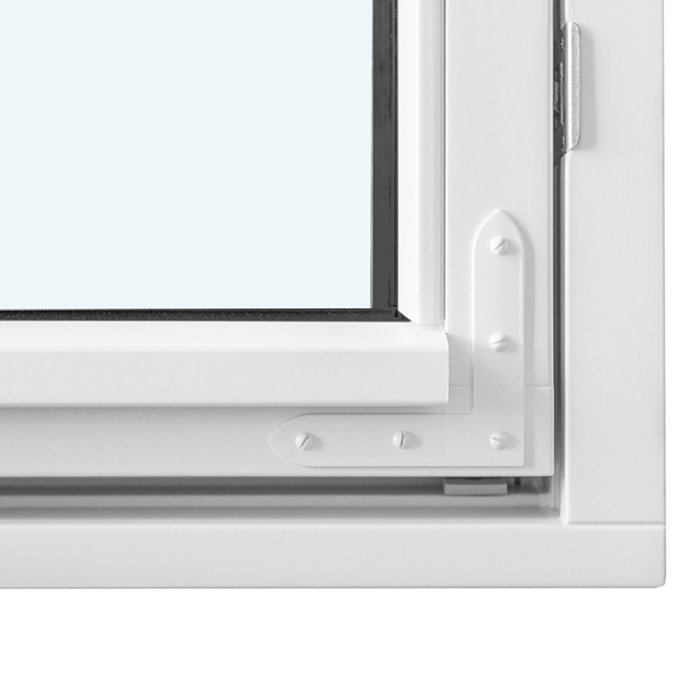
Next, test each operating choice against the room and the exterior space. A top-hinged sash projects outside, so its location should be reviewed in relation to paths, planting, screens, and access for operation and cleaning. An outward-opening top-hinged window is one configuration to evaluate where that opening action suits the planned use. Mark furniture, faucets, countertops, window treatments, and exterior obstructions on the same opening schedule. Supply-only buyers should give that schedule to the installer before labor is priced. With installation included, ask the surveyor to record the approved operation and handing for every unit before the order is released.
Match the purchasing route to the real scope
Supply-only is most straightforward when the work is one organized part of a broader renovation. A general contractor may already be coordinating exterior cladding, interior repair, electrical work, and painting. That contractor can verify rough openings, schedule delivery after the structure is ready, arrange installers, and decide how surrounding work proceeds. In that setting, buying units separately can preserve the contractor’s chosen workflow. The deciding factor is not the contractor’s job title but whether the agreement clearly assigns measurement approval, receiving, storage, installation, and correction of site conditions. Confirm those assignments before production dimensions are approved, not after delivery.
Supply-and-fit can be more suitable when replacement windows are the main project and the homeowner does not want to assemble separate trades. It may reduce handoffs between the person selling the windows and the person setting them in place. That matters where opening sizes vary, access is awkward, or removal may expose conditions requiring a decision. It is still not a hands-off purchase. Ask whether the service covers a site survey, removal, temporary weather protection, interior and exterior finishing, disposal, and cleanup. Also identify who supplies materials not named in the scope. A broad phrase such as installation included is not enough to compare offers fairly.
The whole opening, not just the window
Measurement is the decision point with the largest consequences
Do not treat a width and height taken from the visible old frame as an order size. Final dimensions depend on the installation method, opening condition, required fitting allowances, and details connecting the window to the surrounding wall. A supply-only buyer should establish in writing who takes final field measurements and who authorizes production. Homeowner measurements can support an early budget discussion, but they should not silently become production dimensions. Label each opening consistently and record where every measurement was taken. Keep photographs, the field record, and the approved schedule together so the installer, contractor, and supplier are discussing the same location and configuration.
For a supply-and-fit package, ask whether the installer’s survey becomes the final basis for the order and what happens if the site differs from assumptions made during quoting. This matters when replacing several apparently similar windows in an older home; they may not be interchangeable once trim is removed. Combination designs add another layer because fixed and operable areas must align with room use and the exterior composition. A combination window design should therefore be reviewed for both its visual arrangement and final dimensions. Whoever measures should also confirm handing, opening direction, sill conditions, and necessary sash clearance before the order is approved.
Separate product responsibility from site responsibility
A window order and an installation agreement answer different questions. The product order should identify window style, quantity, dimensions, opening direction, color, decorative bars where selected, specified glazing choices, and delivery details. The site agreement should describe access, removal, protection of finished areas, installation method, sealing and flashing approach, trim work, cleanup, and treatment of concealed conditions. Do not assume a product description includes all those tasks. A title establishes the named configuration, not every component or service that may be required around it. Request an itemized written scope and reconcile it with the product schedule before approving either document.
This distinction is especially useful on a supply-only project. The product supplier can be responsible for supplying the confirmed order, while the installer is responsible for workmanship and an installation approach suitable for the actual wall. The homeowner or general contractor may remain responsible for site readiness and associated repairs. On a supply-and-fit project, seek one document showing which party owns each step rather than assuming the provider owns everything. Bloomcabin windows and doors have a 5-year warranty. Ask how that warranty applies to the purchased products, and ask the installer separately what workmanship coverage it provides, including the reporting process for a concern.
Look beyond labor when comparing the two totals
A supply-only price becomes a useful comparison only after you add the work needed to turn delivered units into completed openings. Consider the installer’s measuring visit, removal, hauling, protection of floors and landscaping, labor, surrounding repairs, interior and exterior finish work, access equipment, and coordination carried by you or your contractor. Not every item applies to every project, but excluding required work from one route makes the comparison misleading. Conversely, check an installation-inclusive offer for exclusions rather than assuming it covers every repair discovered after removal. Compare equivalent line items and identify allowances, contingencies, and client-supplied work before choosing.
Avoid deciding from a headline number alone. A lower supply-only product cost may be useful when one installer is already mobilized for a larger renovation. A bundled service may be easier to assess when it includes surveys and site tasks that would otherwise be divided among several people. Large openings increase the coordination consequences of an error because handling, staging, and finishing are more involved. If a project includes a set of outswing bifold doors, ask separately about delivery access, on-site handling, room protection, adjacent surfaces, threshold preparation, and the finishing sequence. These are scope questions to settle before arrival, not assumptions to resolve while a unit is waiting outside.
Plan the site before the windows are delivered
Delivery should occur after order confirmation and when someone can inspect, receive, and store the products safely. Bloomcabin states a delivery timeframe of 4–6 weeks, subject to order confirmation. Use that as planning information, not as a reason to schedule demolition before confirmed details are available. Supply-only buyers should coordinate delivery with installer availability and identify a dry, protected storage area that does not obstruct other work. Confirm who will receive the shipment, compare it with the paperwork, document visible concerns, and move each unit safely. Repeatedly relocating windows around an active renovation creates unnecessary handling and uncertainty about when damage occurred.
With installation included, ask who confirms that the home is ready before the crew is scheduled. Readiness may involve clear work areas, practical access, protected furnishings, and a plan for pets, children, alarms, or occupied rooms. Decide whether work will proceed one opening at a time or across a larger area, and determine who may change that plan if weather or site conditions intervene. For supply-only, nominate one decision-maker who can answer installer questions promptly. No purchasing route eliminates the need for someone to decide what happens when an opening differs from the survey, another trade is delayed, or a room cannot be released as planned.
The whole opening, not just the window
Use opening direction to test the installation plan
Opening direction is more than a catalog filter. An outward-opening casement needs exterior clearance through its swing path and should be reviewed against paths, planting, railings, screens, and nearby windows. An inward-opening design uses room space and affects curtains, blinds, furniture, and access to handles. A single-sash inward-opening window is a useful prompt to mark the interior swing on a floor plan before final approval. Do this early because changing handing or operation after finishes and furnishings have been planned can trigger other changes. The installation team also needs to know which side must remain accessible during fitting, inspection, and adjustment.
Supply-only works best when the installer receives this operating information before quoting labor. Do not send only a size list; provide elevations, photographs, room names, and notes about swing direction. For installation-inclusive work, ask whether the survey record displays the approved handing for every operable unit and whether you will review it before order release. Check the real view from each room. A window may be able to open yet remain inconvenient behind a kitchen faucet, sofa, or work surface. At upper levels, discuss cleaning and operating access during design rather than expecting the installation crew to solve an unsuitable selection on site.
Coordinate windows with trim, cladding, and interior finishes
Replacement work rarely ends at the edge of the new frame. Interior casing may need to be retained, replaced, extended, or redesigned. Exterior trim, siding, masonry returns, stucco, or paint may require carefully planned interfaces. Water-management details must be determined for the actual wall by the qualified installer or project professional; the window purchase cannot establish them on its own. This is a reason to consider supply-and-fit when no one on the homeowner’s team is prepared to coordinate surrounding envelope work. Supply-only buyers should ask their installer to inspect representative openings before finalizing labor rather than pricing solely from photographs.
Special shapes make interface planning even more important. A triangular or angled fixed window may be visually central to a room, but template accuracy, surrounding finish lines, handling, and sequencing should be resolved before ordering. Ask who creates the final opening information, who verifies that the wall is ready, and who completes the interior and exterior transitions. If different trades perform those tasks, state the handoff point in writing. Determine whether the window installer stops at the frame perimeter or returns after siding or trim work. Clear sequencing supports a coherent finish and reduces disputes caused when one trade is asked to alter or repair work outside its agreed scope.

Decide who will make on-site calls
Every project needs a process for discoveries. Removing an old window may expose deteriorated framing, uneven substrates, hidden services, or trim that cannot be preserved as expected. These possibilities are not evidence that a problem exists; they are reasons to agree on a decision process. Establish who can authorize additional work, how evidence will be documented, whether the crew may proceed without approval, and how a changed scope affects the schedule. In a supply-only arrangement, the installer may pause while the homeowner, designer, or general contractor chooses a response. That can be appropriate, but the decision path should be anticipated rather than treated as a product-supply failure.
An integrated installation provider may simplify communication, but it cannot responsibly promise to solve every unknown condition without defining authority and scope. Ask for a named contact, a method for approving changes, and a closeout procedure. A sliding patio door may meet adjacent flooring, exterior paving, thresholds, and room transitions that require several trades to coordinate. Before work begins, assign each interface and decide who checks it at completion. Photographs before removal and after installation can support the project record. The objective is not to eliminate every unexpected choice, but to prevent rushed decisions and unclear responsibility when a site condition requires attention.
Choose the route that fits your management capacity
Choose supply-only when you can answer yes to four practical questions: Do you have a capable installer or contractor taking final site responsibility? Has that person reviewed the proposed window types and actual conditions? Is there a written plan for receiving and storing the order? Can one person coordinate installation, other trades, and finish work? Supply-only can give a renovation team flexibility when windows are integrated into a broader program. A standard operable selection such as a Kombi outward-opening casement window still needs confirmed dimensions, handing, clearances, and surrounding details. Supply-only is a managed construction route, not merely a product purchase without labor.
Choose supply-and-fit when you value a more unified path from survey through fitting or lack a dependable person to coordinate the site. It can suit a homeowner replacing several windows while remaining in the home, a project with uncertain opening conditions, or work where removal and finishing require careful phasing. Before signing, use a comparison sheet covering products, final measurements, opening operation, site preparation, removal, installation, finishes, exclusions, delivery, payment stages, warranties, and change approval. The better choice becomes clearer when both proposals are reduced to the same responsibilities. If an item remains blank, identify who will supply or manage it before committing to the route.
Frequently asked questions
Can I buy supply-only windows and hire an installer later?
Yes, but confirm before ordering that the installer will accept responsibility for final field measurements and the installation scope. Do not assume a later installer will adopt dimensions chosen by someone else. Share product information, photographs, opening notes, and operation requirements, then retain the installer’s written approval with the order record.
Does supply-and-fit mean every surrounding repair is included?
Not necessarily. Installation means different things in different proposals. Ask specifically about removal, disposal, interior and exterior trim, wall repairs, painting, site protection, and cleanup. Also ask how concealed conditions are handled and approved. Only an itemized written scope provides a dependable basis for comparing included work and exclusions.
Who should take the final measurements?
The party accepting responsibility for the final fit should take or formally approve the field measurements. Preliminary homeowner dimensions can support early discussions, but they should remain clearly labeled as preliminary. Keep the approved survey with the order, including the opening location, production dimensions, configuration, handing, and opening direction.
Is supply-only better for a large renovation?
It can be, particularly when an experienced general contractor already controls the schedule and surrounding trades. The benefit comes from established coordination, not from the supply-only label. If that contractor is not managing measurements, delivery, installation, and finish interfaces, an installation-inclusive route may provide a clearer allocation of responsibilities.
What should I check when the windows arrive?
Compare the delivery with the order confirmation before installation: quantities, visible condition, labels, dimensions where practical, color, opening direction, and specified design details. Photograph concerns and report them through the agreed contact route. Do not authorize improvised alterations until the responsible supplier or installer has reviewed the discrepancy.
Next steps
Supply-only and supply-and-fit windows are project-management choices, not simply different prices for the same result. Start with the required opening operation and the scope around each opening. Then assign final measurement, order approval, delivery, storage, removal, installation, finishes, and unexpected site decisions to named parties. Supply-only is strongest when a capable renovation team already owns those tasks. Installation-inclusive purchasing is strongest when fewer handoffs would improve control of a focused window project. In either case, compare written scopes, resolve exclusions, and approve the final survey before production. That preparation helps the ordered products and the site work function as one coordinated project.
