
Buying a Thermowood Sauna on Black Friday: Is the Upgrade Worth It?
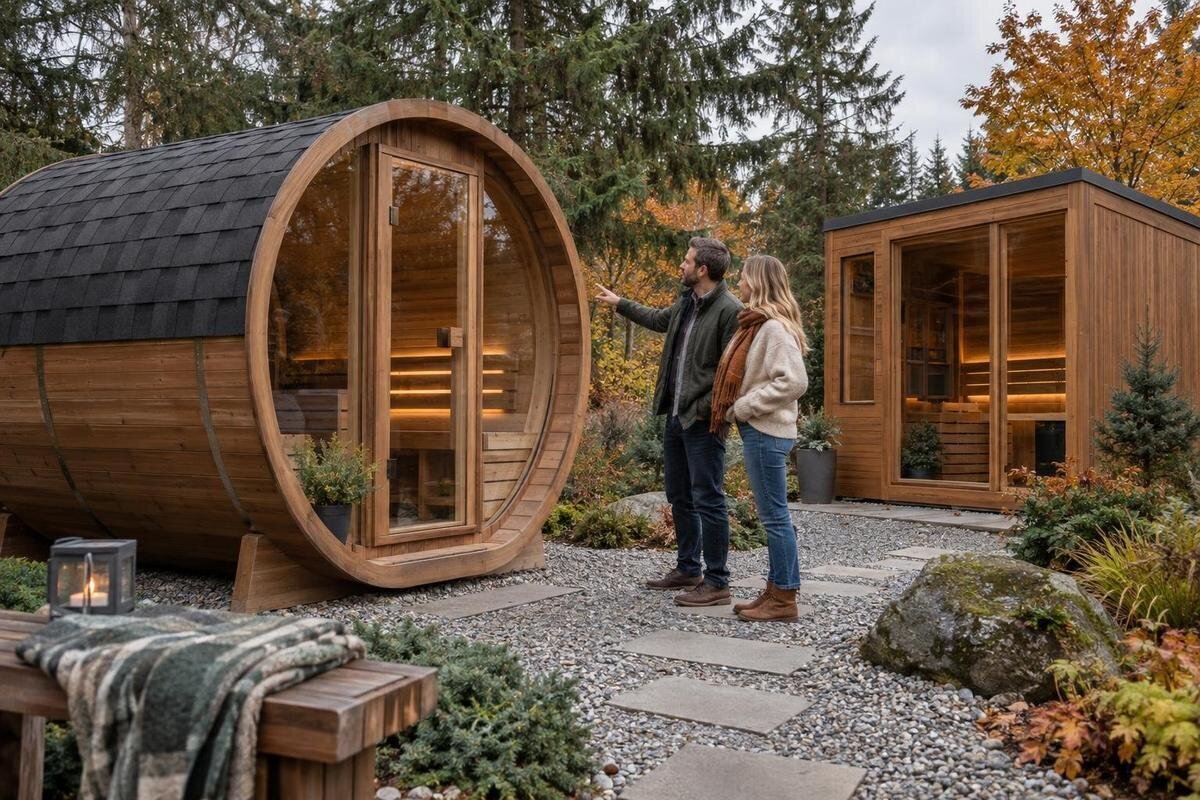
Black Friday sauna buying guide
Buying a Thermowood sauna on Black Friday can make the material upgrade look like a simple price comparison, but a promotional label cannot tell you what the wood covers or what benefit the premium buys. Compare the exact material scope, intended use, care instructions, and complete package before deciding whether the upgrade fits your priorities. This guide focuses on the wood decision rather than a particular model or unverified deal. No offer details are supplied here, so treat Black Friday as a chance to compare current options, not as evidence that a discount is active.
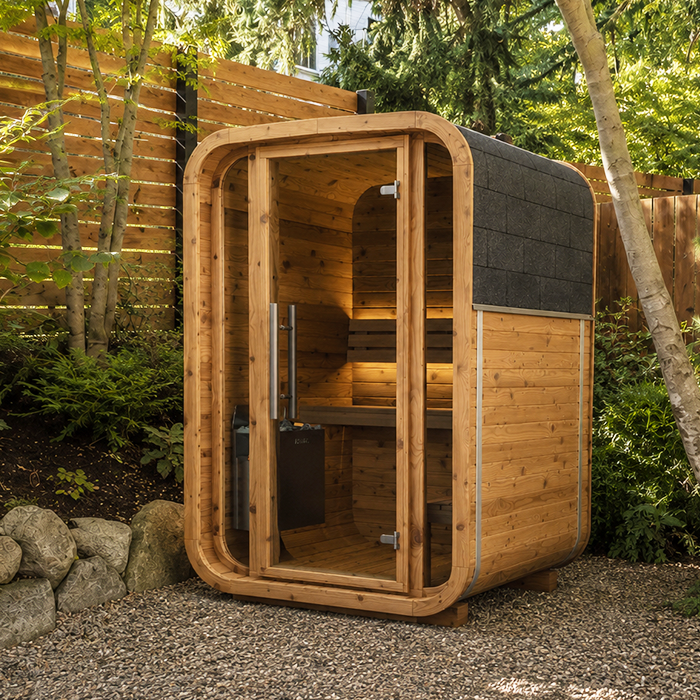
What Thermowood means in a sauna listing
Thermowood is a term for wood modified through controlled heat treatment, commonly using heat and steam. It describes a process, not one species or a complete sauna specification. A listing may use it for a material option, but the name alone does not identify the species, exact treatment, grade, or parts of the sauna made from it. Sellers may apply the label to particular cladding or an interior finish rather than every timber component. Ask for the material description attached to the exact configuration you would order. This prevents a promotional badge or product title from standing in for the details you need to compare.
Separate the material claim from the whole sauna's quality. Heat treatment can change wood's response to moisture and its color, but it does not make timber waterproof, prove that every panel is treated, or guarantee the sauna will last longer. It also says nothing by itself about layout, seating comfort, accessories, or assembly. A sauna may use several woods for different areas, and that can be a deliberate design choice rather than a defect. Thermowood is one attribute to evaluate against your priorities, not a shortcut that settles the purchase. A useful comparison identifies both materials, states where each is used, and leaves the other product details visible.
Which Thermowood benefits may matter
Shoppers often consider heat-treated wood because treatment can reduce moisture uptake and improve dimensional stability compared with untreated wood of the same species. That may mean less movement as moisture conditions change, but the result depends on the species, treatment process, and finished board. These are material tendencies, not promises for every component or finished sauna. They do not mean the sauna will stay dry under all conditions or that its wood will never swell, shrink, check, or weather. Ask the seller to explain the expected benefit for the exact material and intended use, rather than relying on broad claims attached to the name.
Think about where that benefit would matter in your plans. If the seller specifies treated timber for an area exposed to outdoor moisture or changing conditions, and you value the stated behavior, an added cost may have a practical rationale. If Thermowood is limited to a small decorative detail, or the areas that concern you use another material, the upgrade may offer less value than the listing suggests. Also distinguish outdoor weather exposure from the hot, humid interior environment: ask which wood is intended for each area and follow the manufacturer's guidance. Material selection can be relevant, but it does not replace an appropriate product design or care.
Which sauna components use Thermowood?
Before comparing prices, map the material to actual parts: exterior cladding, interior wall or ceiling lining, benches, trim, or another component. A sauna can combine several woods and finishes; do not assume the entire structure becomes Thermowood because the option is named that way. Ask whether the material applies to all surfaces or only a defined part, whether the same specification is used across the configurations you are comparing, and what remains unchanged. If the page is unclear, request a written description or a material breakdown. This lets you judge whether the upgraded timber appears where its stated stability, appearance, or other benefit is relevant to you.
Location changes what to evaluate. Exterior cladding is judged partly by exposure and finish; interior lining by the maker's specification for the sauna environment; and bench surfaces by finish, comfort, and intended contact use. Those are different questions, so a blanket statement that Thermowood is better everywhere does not help much. Ask about the surfaces you will touch and the parts that remain visible after installation. A mixed-material build may suit you perfectly, but the added price should then be understood as an upgrade to those specified areas, not to an assumed all-Thermowood sauna. This clarity also helps you compare photographs with the written product description.
Make a like-for-like sauna comparison
An upgrade comparison only helps if the options are otherwise close. Check that the two quotes are for the same model and layout, with comparable seating, exterior footprint, included components, and finish choices. Differences in glazing, doors, roof covering, accessories, or assembly scope can affect the price; do not attribute the whole gap to the wood. You need not analyze every construction detail to isolate the material premium, but you do need to see which other details change. If Thermowood is bundled with several upgrades, ask whether the seller can break them out or compare the closest available configuration instead. Otherwise, the price difference will not tell you what the timber alone costs.
Read the material wording alongside the package list. One option may identify Thermowood while the alternative gives only a broad wood description, which does not establish how they differ. Confirm whether the treated timber is used in the same areas, whether a finish changes, and whether accessories remain included. Record the exact model, options, and quoted amounts in a side-by-side note; Black Friday pages and configurations may change. If the descriptions are incomplete, count that uncertainty as part of the decision and avoid paying a specific premium until you know which components are upgraded.
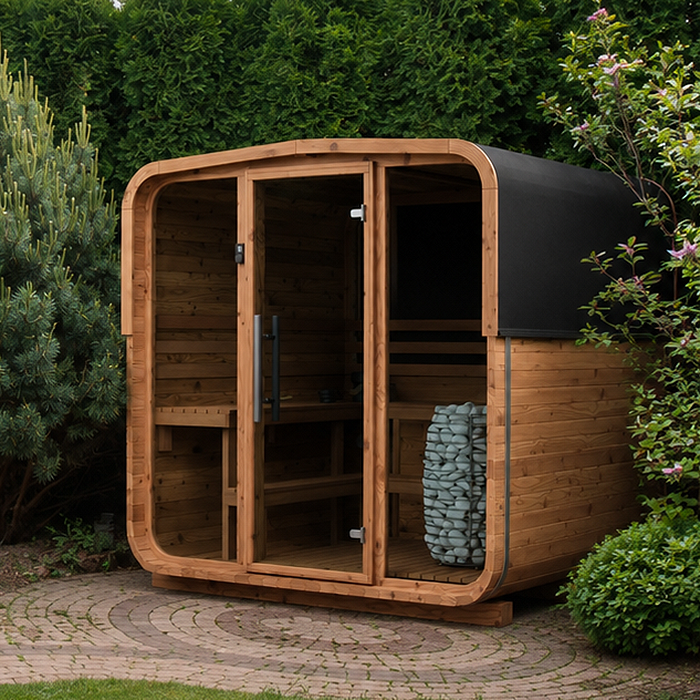
How outdoor exposure affects the material choice
Outdoor exposure may make a material choice more relevant, but no wood name removes the need to consider the setting. Rain splash, direct sun, nearby vegetation, sheltered placement, and how water drains around the site can influence the appearance and upkeep of exterior surfaces. These are context factors, not proof that a particular sauna can be installed anywhere. A product photograph in a yard cannot tell you the exposure limits or preparation requirements. Check the seller's stated intended use and care instructions for the exact configuration. If the planned location has unusual exposure or constraints, ask the seller or a qualified installer to confirm suitability before ordering.
Ask whether the treated timber is specified for the conditions you expect and whether a coating or other protective detail is included in the quoted version. Do not assume Thermowood cladding makes the roof, base, doors, or other components equally weather-resistant, or that it needs no maintenance. A material feature applies only to the surfaces identified in the specification. If shade, wind-driven rain, or strong sun is a major concern, describe those conditions when asking for guidance rather than assuming the upgrade solves them. That keeps the purchase decision tied to the product's stated use, not to an image or a general claim about treated wood.
Appearance and finish are separate choices
Thermally modified wood can look darker than the same wood before treatment, but the exact tone depends on species, process, lighting, and any finish. Use product photos as a reference, not a guarantee of the delivered color: images may be taken in different light, and natural variation can occur between boards. Ask whether the pictured surface is unfinished, factory-finished, or shown with a separate coating. That distinction affects both the appearance you are buying and the care instructions you will need. If available, a sample or a clear description of the finish can help you judge the shade more confidently.
Think about how the color will look across the areas actually made from Thermowood. A small panel, full exterior cladding, and interior lining make different visual statements, so confirm coverage before assigning value to a darker tone. Sun exposure can change the appearance of exterior wood over time; find out whether the seller recommends a finish and what ongoing care it involves. If the upgrade mainly appeals for its look, decide whether you still prefer it after allowing for natural variation and aging. Appearance is a valid reason to spend more, but it is subjective and cannot substitute for a clear material specification.
Care requirements depend on the surface and finish
Do not treat heat modification as a promise of no upkeep. Sauna components still face their intended environment, cleaning, handling, and, for exterior surfaces, weather and sunlight. The care needed depends on the exact species, surface finish, component location, and manufacturer's instructions. Ask which areas should remain unfinished, whether a particular finish is supplied, and what cleaning or refinishing routine the seller recommends. Avoid applying general advice for deck boards or outdoor furniture to a sauna without checking that it is approved for the product and its use. A clear care plan is more useful than a vague low-maintenance claim.
Compare that plan for both materials, not just the Thermowood option. If the alternative requires a finish you are willing to maintain while the treated option has different care requirements, include the real effort and expected materials in your decision—but use the manufacturer's written guidance rather than assuming one needs more attention. Review any care conditions stated with the product and warranty documents; do not infer a longer warranty or service life from the treatment name. The sensible question is whether the recommended routine fits your time and budget, and whether the seller explains it for each surface in the configuration you are considering.
How to compare Black Friday prices
Treat Black Friday as a point for comparing a real quote, not as proof that an upgrade is a bargain. No sale price or terms are specified in this guide, and seasonal promotions vary. Write down the current price of the Thermowood configuration and of the closest alternative, then make sure both quotes cover the same sauna and included package. Check whether an advertised reduction applies to the finish or material option you want, and whether add-ons change the total. A percentage headline does not tell you the premium for Thermowood unless you can compare the same model and scope.
Look at the final amount you would actually pay, including relevant taxes, delivery, and any installation services you plan to purchase, while keeping those items separate from the wood comparison. Confirm the promotion's stated dates and conditions directly on the seller's current offer, rather than relying on an old screenshot, search snippet, or general seasonal copy. If the alternative is no longer available in the same configuration, compare what each option includes and decide whether the price gap is still fair to you. A discount can make a preferred choice more affordable; it does not make an unclear material description more valuable.
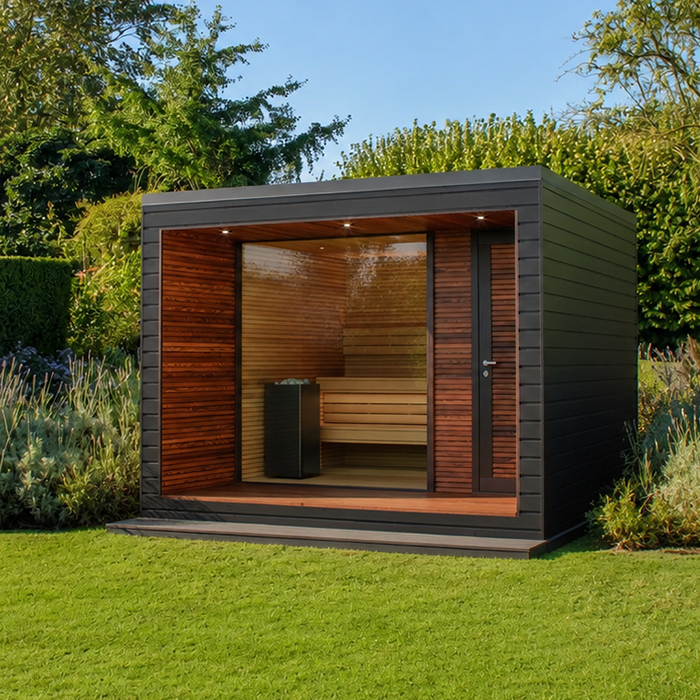
Questions to ask before ordering
Ask for concise answers to four material questions: What species is treated? What does the seller mean by Thermowood in this listing? Which components use it? What finish is supplied, if any? Then ask how the named wood is intended to be used on the sauna and where to find its care instructions. These questions resolve a common ambiguity: whether the premium buys treated wood throughout the surfaces you value or only in one part. If the response is verbal, ask to have the material scope and selected option reflected in the written order or quote.
Confirm the exact product configuration and terms that will apply at checkout: the selected material, included components, current price, promotional conditions, and any stated order or delivery window. Read the seller's policies for changes or cancellations instead of assuming seasonal offers work like standard purchases. Keep the listing and quote together so you can spot differences before paying. This is not a reason to rush; it is a way to make sure the material comparison still matches what will be ordered. For questions about site suitability or installation beyond the product information, seek guidance from the seller or an appropriately qualified installer.
When is the Thermowood premium worth paying?
The upgrade is most persuasive when the seller identifies the treated species and surfaces, the treatment is specified for the intended use, and the benefits align with your priorities—such as a particular appearance or a stated improvement in moisture response and dimensional stability. You are then paying for something identifiable rather than a label. A premium may also be easier to justify when the upgraded areas are the parts facing conditions you care about and the care routine remains manageable. It is less convincing when the scope is unclear, the treatment is described only in general terms, or another configuration offers what you want without the extra feature.
Before committing, rank the material against the rest of the purchase: layout and seating, the included package, installation needs, care, and total cost. If Thermowood is a preference rather than a requirement, decide what maximum premium feels reasonable before looking at a campaign price; that keeps a countdown or percentage from setting your budget. If information is missing, ask for it or compare another clearly specified option. There is no universal answer to whether Thermowood is worth more: the upgrade earns its place when its documented scope and practical or aesthetic benefits justify the actual added cost for your use.
Frequently asked questions
Is Thermowood automatically better for a sauna?
No. Thermowood describes heat-treated wood, not the quality of the whole sauna. Its value depends on the species, treatment, location in the build, finish, and whether its properties suit the intended use. Compare the material specification and package rather than treating the name as a quality grade.
Does a Thermowood sauna still need maintenance?
Yes. Heat treatment does not remove the need to follow care instructions. Requirements vary by species, finish, and whether the wood is indoors or outdoors. Ask which surfaces need cleaning or refinishing, what products are suitable, and what inspections the manufacturer recommends.
Is Thermowood waterproof?
No. Heat-treated timber may respond differently to moisture, but it remains wood. Exposure, construction, finish, and upkeep still matter. Ask what conditions the exact material is intended for and follow the sauna maker's care instructions; do not treat the name as a waterproofing claim.
How can I tell whether a Black Friday offer is good?
Compare the prices actually quoted for the same sauna configuration, including the selected material and package contents. Check the offer's stated conditions and final total; a percentage reduction alone does not show the Thermowood premium or establish its value. No active Black Friday offer is specified here.
Should every part of a sauna be made from Thermowood?
Not necessarily. The relevant question is which material is used for each component and whether it suits that surface. Confirm which parts use Thermowood, what wood is used elsewhere, and whether the seller's care instructions cover each area.
A Black Friday Thermowood sauna purchase makes sense when the written configuration identifies the material, where it is used, and what care it needs—and the actual price still feels worthwhile beside a comparable option. If those details are unclear, a discount headline cannot resolve the uncertainty. Choose the upgrade for its specified scope and the benefits you expect to value, not for the season alone.
