
Tilt-and-Turn vs Casement Windows: Which Opening System Should You Choose?
US window buying guide
The deciding moment is usually practical: you are standing at a kitchen counter, a bed is close to the wall, landscaping runs beneath the window, or you want fresh air without fully opening the room to weather. Tilt-and-turn and casement windows can both provide an operable glazed opening, but their movement changes the space around them. A tilt-and-turn window typically has an inward swing position and a separate tilted ventilation position; an outward-opening casement swings out on side hinges. That difference reaches into furniture layout, exterior clearance, cleaning routine, screen planning, handle use, and how the window feels every day. Start with each room’s opening job rather than a general preference for one style. Then compare the actual rough opening, sash size, nearby surfaces, and the complete specified window system with your contractor or design professional.
Buyer’s check 1
Begin with the movement, not the elevation
A tilt-and-turn window uses one sash in two distinct ways. With the handle in one position, the sash opens inward on its side hinges; in another, the top edge moves inward to create a tilted opening. The exact sequence and range depend on the specified hardware, so it should be demonstrated rather than assumed. An outward-opening casement has a simpler visual idea: its sash swings outside from a vertical side hinge. Both can look appropriate in a clean contemporary wall or a more detailed facade, but their operating envelopes are opposite. Draw the swing arc in plan for every operable unit, including the sash thickness, handle reach, and any screen or shade.
A window wall can look perfectly resolved while its operation disappoints at installation. A desk pushed under an inward-opening sash may need to move every time the window is used fully. Conversely, a casement above a planted bed may be inconvenient to wash from outside, and a sash opening toward a walkway may conflict with regular use. Ask whether the window will mostly be cracked for air, opened wide for cleaning, or used as a day-to-day opening. A sample operating unit is more informative than a rendering because it reveals hand positions, latching feel, and whether a person can comfortably reach the control from the intended standing point.
Make ventilation behavior the first room-by-room decision
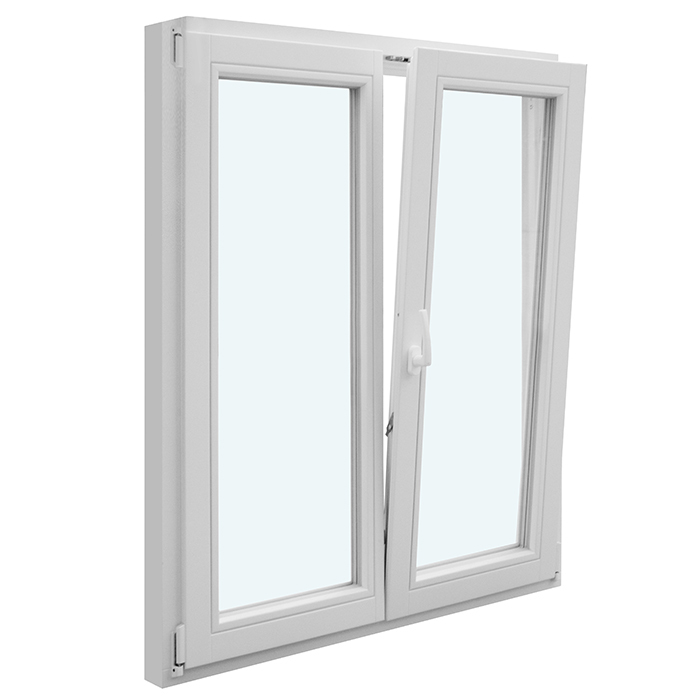
Tilt mode is attractive where the aim is a modest opening without bringing the whole sash into the room. It can make sense for a bedroom, home office, or upper-floor room where occupants often want background air while keeping the floor area undisturbed. That does not mean every tilt position performs the same way in wind or rain; exposure, sash dimensions, installation, and the selected system all matter. Discuss the expected operating options for your exact unit. The inward-opening configuration represented by a single-sash inward-opening window is a useful starting point for discussing interior clearance, but its title alone does not establish tilt-and-turn hardware or performance.
A casement can suit rooms where a broad, direct opening is valuable and the exterior swing zone is genuinely available. In a breakfast nook facing a private side yard, for example, an outward-moving sash can leave the interior clear for chairs and curtains. Yet the same choice deserves reconsideration alongside a narrow service passage, a frequently used deck edge, or a low exterior obstruction. Do not treat ventilation as a single whole-house question. Mark which windows are expected to be opened at night, which serve a sink or work surface, and which occupants can reach safely. The resulting pattern may reasonably use different window types in different rooms.
Buyer’s check 2
Measure clearance on both sides of the wall
For tilt-and-turn, the interior is the critical zone. Check the full inward swing against furniture, a bed headboard, a kitchen faucet, freestanding lamps, radiator covers, blinds, and drapery. A sash that opens only partially because a chair is in the way loses much of the benefit of its turn mode. Also consider the path needed to approach the handle. A two-sash arrangement can change the practical picture because each leaf has its own swing. Review an two-sash inward-opening window where paired inward-opening leaves are part of the design conversation, and confirm which sash or sashes are intended to operate.
For casements, measure outside as carefully as inside. Identify downspouts, hose reels, planters, grills, railings, roof projections, and paths beneath the proposed opening. The outward arc should not be an afterthought added once hardscape and landscaping are complete. On an upper story, assess how the exterior face will be reached for routine cleaning; a window that is easy to open from indoors is not necessarily easy to maintain from outdoors. If insect screens are planned, ask where they sit and how they are removed. The answer can affect furniture placement, cleaning sequence, and how often a household will realistically use the window.
Compare the daily operating experience
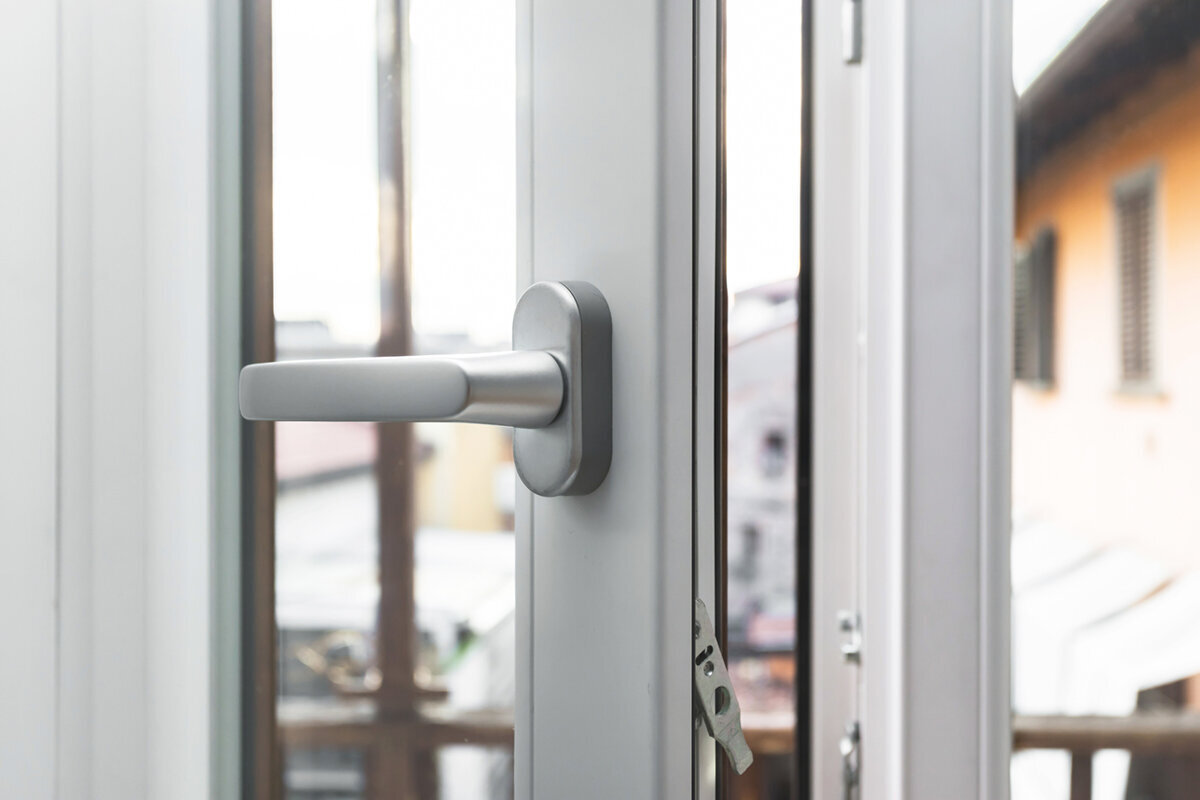
A tilt-and-turn handle generally selects different operating modes, so the user needs to understand the intended handle positions and close the sash in the correct sequence. That extra versatility may feel refined and intuitive after a brief demonstration, especially where tilt ventilation is used often. It also makes careful hardware selection and installation adjustment important: ask who will demonstrate operation at handover and what routine care is recommended. Children, guests, and renters should not have to guess which position is appropriate. If several window types are used, make the operating logic consistent where possible, or provide a straightforward room-by-room guide.
A casement typically communicates its action immediately: unlock, operate the chosen handle or crank arrangement, and swing the sash outward. But simple movement does not eliminate details. Confirm the handle location, the reach over a counter, the opening restraint if one is offered, and whether the user can operate it around a window treatment. A single-sash outward-opening casement window is relevant when a single outward-swinging leaf fits the opening, while the final quote should state the actual operating hardware, handing, and accessories. Try the motion while imagining a wet hand at a sink, a child nearby, and blinds or curtains in their normal position.
Buyer’s check 3
Treat cleaning access as a design requirement
The turn function of a tilt-and-turn window can bring the exterior-facing glass surface toward the interior, which many homeowners value for upper-floor cleaning. The practical benefit depends on sash size, room space, safe body position, and the complete window design. Do not assume that every external surface, frame edge, or adjacent fixed pane becomes reachable from indoors. Ask the supplier to show precisely what can be cleaned from the room with the sash in each position. Plan a clear landing space for the open sash and avoid placing fragile objects on a sill that must be emptied whenever cleaning is due.
Casement cleaning can be straightforward from ground level where exterior access is open. Higher stories, deep wells, tight side yards, and exterior screens can make it more involved. This is not a reason to rule casements out; it is a reason to decide on access before purchase. Look from outside as well as inside and identify whether a ladder, service access, or a different window arrangement would be needed. Where the primary objective is daylight rather than ventilation, a fixed window removes the operable-sash question altogether. Pairing fixed and operable areas can reduce the number of windows that require a chosen opening system, while preserving a coherent composition.
Coordinate screens, shades, and sill use
Screens belong in the comparison because their position differs by window design. Ask which side of the sash carries the screen, whether it remains in place in each operating mode, how it is released, and how it will be cleaned. Interior roller shades, Roman shades, and curtains need enough separation from an inward-moving tilt-and-turn sash. A deep sill may be useful for plants or objects, but it can become a nuisance if those items must be moved before opening. Make a small elevation showing shade brackets, sill depth, and the handle, then check it against the vendor’s drawings rather than relying on a generic detail.
Casements may keep the interior clear of an opening sash, which can work well with some interior furnishings and window treatments. Still, exterior movement can affect exterior shutters, decorative bars, plantings, and window boxes. Decorative choices require their own conversation: decorative bars create a visual pattern, while glass-dividing bars are structural elements and should not be confused in a quote. A two-sash outward-opening casement window may suit a wider opening with two outward-moving leaves, but verify the meeting detail, handing, screen approach, and the clear exterior space for both sashes. Detail decisions are easiest before exterior finishes and landscaping are finalized.
Buyer’s check 4
Choose proportions that match the operation
Opening type and window proportion influence one another. A tall, narrow sash has a different feel in the hand from a broad sash, even when both are technically feasible within a system. For tilt-and-turn, consider how far the inward leaf projects across the room and whether the handle remains conveniently accessible. For casements, look at the outward projection and the location of the hinge side in relation to views and circulation. Avoid choosing an operating system solely from a favorite elevation. First establish the size of each opening, then ask the supplier which sash divisions and operating arrangements are available for that specific configuration.
A combined approach can be more effective than forcing every glazed area to open. For instance, a fixed view pane can sit beside an operable section placed where a person can reach it without crossing furniture. A combination window is a useful product category to explore when fixed and operable portions may solve competing daylight and ventilation goals; confirm the exact pane layout rather than inferring it from the name. This strategy can also make exterior swing zones more deliberate. Identify the one or two openings a room will truly use, then allow other panes to concentrate on view, light, privacy treatment, or architectural rhythm.
Account for exposure without guessing performance
An opening system is only one part of how a window responds to its setting. Orientation, nearby trees, overhangs, local weather, floor level, and facade exposure can all affect how often occupants choose to open a window and how comfortable that feels. A tilted opening and a widely opened casement are different conditions, but neither should be assigned a universal weather or ventilation outcome. Share photographs of the exterior, the proposed opening schedule, and notes on driving rain or strong wind concerns with the design and installation team. They can evaluate the suitable system configuration for the project rather than applying a generic rule.
Do not use a product title as evidence of air, water, thermal, structural, or security performance. Request the documents and options that apply to the exact size, glazing, hardware, finish, and installation being considered. Likewise, do not assume that a window suitable in one wall location is the right answer in every location. A Kombi outward-opening casement window can be examined as an outward-opening casement option with a particular named configuration, but confirm the proposed layout and project-specific requirements directly. Local project compliance should be reviewed with the appropriate qualified professional and the authority having jurisdiction when needed.
Buyer’s check 5
Use exterior design to narrow the casement choice
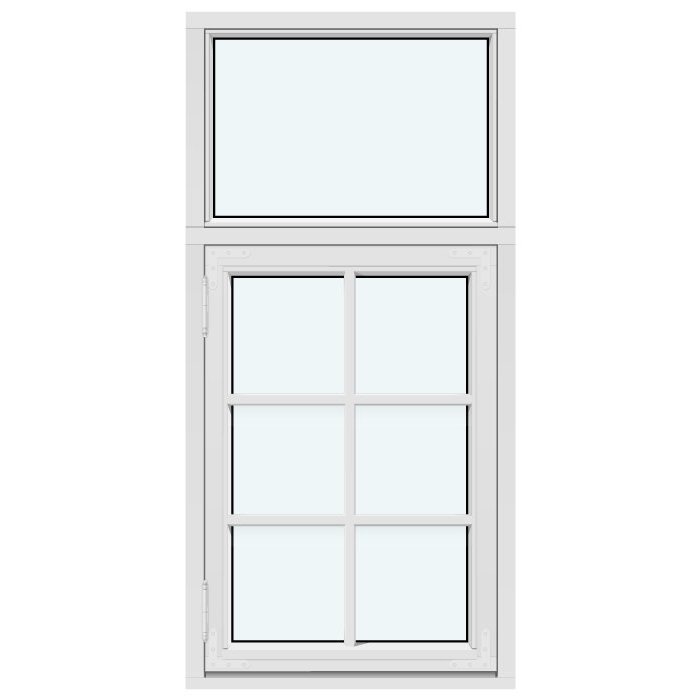
If the home has a strong outward-opening tradition or you prefer the visual cue of sash lines on the exterior, a casement may be the natural direction. Decide whether one leaf or two leaves better matches the opening width and the facade rhythm. Hinge handing matters too: an outward-opening sash may be better directed away from a corner, an adjacent door, or a frequently used route. A top-hinged outward-opening window is an alternative opening pattern to compare where an awning-like exterior opening, rather than a side-hinged casement or inward tilt-and-turn, may answer the room’s needs. Compare movement first, not just the shape seen when closed.
Color and grille decisions should follow the operating plan, not conceal it. Decorative bars can help a large sash relate to a traditional elevation, but their layout should align with nearby windows and be workable with the selected screen and cleaning routine. Request an exterior and interior view of each key window, including the direction of opening. It is especially helpful at entries, patios, and narrow side yards, where a drawn swing arc reveals conflicts before they become expensive. If a casement is chosen for a landscape-facing wall, reserve the immediate area outside it for access rather than treating it as leftover planting space.
Turn the comparison into a clear order brief
Before requesting final proposals, create a window schedule that names the room, rough opening, finished sill height, preferred operation, hinge side, likely screen arrangement, adjacent furniture, exterior obstruction, and cleaning method. Add a simple priority: controlled everyday ventilation, widest practical opening, easy interior-side access, or unobstructed exterior clearance. This makes it possible for the supplier to flag conflicts early. Ask for drawings that identify fixed versus operable panes, swing direction, handle location, and any accessories selected. Compare like with like; a price or drawing is not meaningfully comparable if one proposal assumes a different operating layout or glazing package.
At the order review, physically act out the opening path with painter’s tape or a cardboard template, particularly in tight rooms. Confirm who takes final field measurements, how installation interfaces will be handled, and what information is needed before fabrication. Bloomcabin states a 5-year windows and doors warranty, and delivery is stated as 4–6 weeks subject to order confirmation; ask how those terms apply to your order and retain the written confirmation. The best choice is often the one that makes its daily compromises visible and acceptable. Select tilt-and-turn for the rooms that benefit from inward access and tilt ventilation, casement for the rooms with a viable exterior swing zone, and fixed glazing where operation adds no practical value.
Common questions
Is a tilt-and-turn window the same as an inward-opening window?
Not necessarily. “Inward-opening” describes the swing direction, while “tilt-and-turn” describes a system intended to provide both an inward turn position and a tilted position. Confirm the actual hardware and available modes for the quoted window. Never infer tilt functionality solely from an inward-opening product title or an elevation drawing.
Which is better above a kitchen sink?
It depends on reach and clearance. A tilt-and-turn may bring the sash into the kitchen, where a faucet, counter items, or a shade can interfere. A casement avoids that interior swing but needs clear space outside. Test handle reach, screen removal, and the full opening path against the actual sink location.
Can I use tilt-and-turn windows downstairs and casements upstairs?
Yes, a mixed operating strategy can be sensible when each room has different clearance, cleaning, and ventilation needs. Keep the schedule explicit so sash handing, screens, finishes, and hardware are coordinated. Ask for a room-by-room operation review; visual consistency does not require every window to move the same way.
Do casement windows always provide more ventilation?
No universal comparison is reliable. Air movement depends on the opening position, window size, exposure, wind, surrounding openings, and the specific system. A casement can open outward; a tilt-and-turn can open inward or tilt. Discuss the intended use of each room rather than relying on a general claim.
What should I ask before I sign the order?
Ask for the exact window configuration, sash count, swing direction, hinge handing, handle position, screen arrangement, cleaning access, glazing, finish, and installation scope. Confirm the field-measurement process, written delivery timing, and warranty terms. Review drawings against furniture, shades, exterior paths, and landscaping before fabrication is authorized.
Next steps
Tilt-and-turn versus casement is fundamentally a decision about where the sash moves and how people will use that movement. Tilt-and-turn can prioritize inward access and a separate tilted ventilation position, provided the room can accept an interior swing. Casement can preserve interior clearance, provided the exterior has room for the sash and maintenance access is planned. Map each opening, test the handle and swing path, and request configuration-specific drawings before making a whole-house choice. A thoughtful mix of operable and fixed windows often resolves the tradeoffs more cleanly than insisting on one system everywhere.
