
U.S. Gardening Trends 2026 – Sustainable, Smart & Modern Gardens with Bloomcabin Greenhouses
U.S. Gardening Trends for 2026 and the Role of Bloomcabin Greenhouses
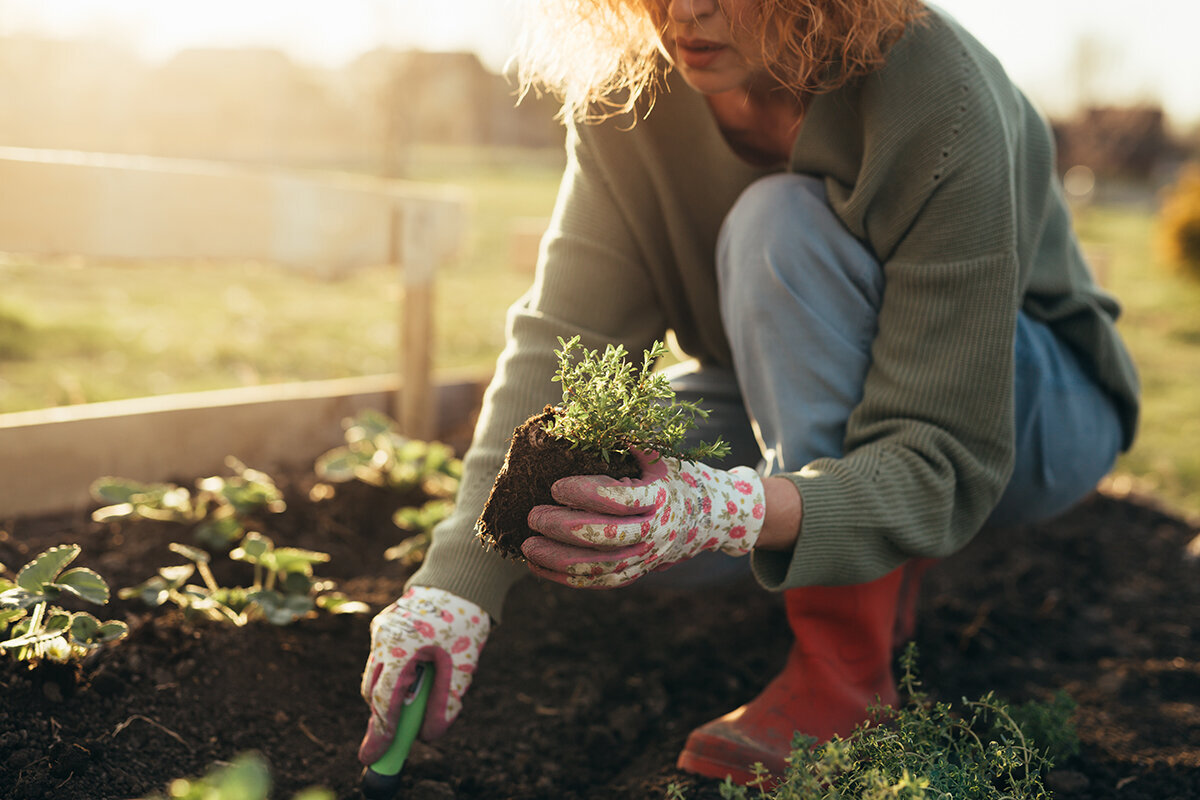
The world of gardening in the United States is undergoing a major transformation in 2026. As gardeners face climate change, new technologies, and evolving lifestyles, they are looking for creative ways to make their gardens more sustainable, intelligent, and visually appealing. Experts and industry reports highlight several emerging trends that will define the future of gardening in the coming year. The garden is becoming a place to escape the rush of everyday life while creating something lasting—for both oneself and the environment. Below are the most significant gardening trends for 2026 and an overview of how modern greenhouses such as those by Bloomcabin can help make them a reality.
- Sustainable gardening – pollinator-friendly plantings, native species, and climate-conscious design.
- Self-sufficient edible gardens – growing your own food and experimenting with new, exotic edible plants.
- Smart gardens – using technology and artificial intelligence to manage and plan your garden.
- Small-space gardening – container gardens on terraces and balconies, and vertical green walls for city dwellers.
- Meaningful design and heritage – thoughtful landscaping, evergreen plants, heirloom varieties, and nostalgic accents.
- The greenhouse renaissance – the use of modern, high-quality greenhouses to extend the growing season and cultivate exotic plants.
- Water-wise & drought-resilient planting – mulching, drip irrigation, native xeric plants, and smart watering schedules.
- Soil-first & regenerative practices – composting, no-dig beds, living mulches, cover crops, and fungi-forward soil care.
- Cut-flower & bouquet gardens – dahlias, zinnias, ranunculus, and long-season succession planting for home arrangements.
- Night & sensory gardens – moonlight-friendly blooms, fragrance, and pollinator activity after dusk.
- Hydroponics & indoor food walls – countertop greens, NFT towers, and year-round salad production.
- Wellness, accessibility & family gardens – therapy corners, raised beds at ergonomic heights, and kid-friendly plots.
- Wildlife habitat & biodiversity – bird- and butterfly-friendly layers, water features, and pesticide-free IPM.
- Electrified, low-noise tools – battery-powered mowers, trimmers, and blowers replacing gas equipment.
Sustainable and Eco-Friendly Gardening
One of the key focuses for 2026 is sustainability in the garden and respect for nature. American gardeners are increasingly turning to eco-friendly solutions—creating pollinator-friendly flower beds (for bees and butterflies), planting native species better adapted to local climates, and reducing the use of chemical pesticides and fertilizers. Gardens become sanctuaries not only for pollinators but also for people. Instead of fighting natural challenges, gardeners are turning them into opportunities: building rain gardens that collect and reuse rainwater, choosing drought-tolerant plants for changing climates, and allowing “wild pockets” to boost biodiversity. Even traditional manicured lawns are being partially replaced by wildflower meadows and wild garden elements, balancing aesthetics with ecological function.
Actionable tips
- Run a soil test every 2–3 years; amend with compost instead of synthetic fertilizers where possible.
- Install rain barrels and redirect downspouts into rain gardens or cisterns.
- Swap 20–40% of turf for native meadow mixes or groundcovers to reduce water and mowing.
- Use 3–4 in (7–10 cm) of organic mulch to suppress weeds and conserve moisture.
Self-Sufficiency and Edible Gardens
The integration of edible plants into decorative landscapes keeps accelerating. What began as budget relief now doubles as a design choice—home orchards, espaliered fruit on fences, and edible borders blend beauty with productivity. Gardeners are experimenting with microgreens, edible flowers, citrus in containers, figs, persimmons, grapes, and diverse apples and berries—even in cooler regions with the help of season extension.
Actionable tips
- Practice succession planting (e.g., radishes → bush beans → fall greens) to keep beds productive.
- Use companion planting (basil with tomatoes, marigolds as pest deterrents).
- Adopt crop rotation by plant family to reduce pests and soil fatigue.
- Choose dwarf/columnar fruit trees for patios; overwinter citrus in a greenhouse or sunny room.
Smart Gardening and Technology
Technology is reshaping gardening: Wi-Fi irrigation controllers, soil moisture sensors, weather-based watering, and plant ID/diagnostics apps are now mainstream. The next wave: AI-assisted care that anticipates irrigation needs, predicts pest pressure, and optimizes ventilation inside greenhouses. Smart tech helps reduce wasted water and inputs while delivering healthier growth.
Actionable tips
- Use a drip system on a smart timer; water at dawn to reduce evaporation and disease.
- Track growing degree days (GDD) to time sowings, pest scouting, and harvests.
- Install automatic vent openers and shade cloth in greenhouses to stabilize temps.
Garden Design: Structure, Simplicity, and Relaxation
Design leans toward calm structure: clean lines, defined edges, and evergreen “bones” that look good year-round. The “Sunday garden” idea emphasizes easy-care plant palettes and clear zones—dining, lounging, grilling, play—so outdoor spaces function like additional rooms. Naturalistic “tamed meadows” combine airy grasses and wildflowers with crisp borders, pergolas, rose arches, and classic seating nooks.
Actionable tips
- Establish permanent edges (steel, stone, or boxwood) to make plantings look intentional.
- Layer plants: canopy (small trees), midstory (shrubs), understory (perennials), groundcover.
- Repeat forms and textures for cohesion; limit the palette to what you can maintain.
Small-Space and Container Gardening
Urban gardeners transform balconies, patios, rooftops, and even windowsills into lush oases. Grouped containers create impact; vertical planters and trellises unlock height. Fragrance (lavender, rosemary, jasmine) and movement (ornamental grasses, vines) add dimension to tiny footprints. The micro-garden trend—mini succulent collections, cacti trays, bonsai—delivers big visual payoff with modest care.
Actionable tips
- Use lightweight containers with adequate drainage; add wheeled caddies for mobility.
- Choose potting mix (not garden soil) and feed with slow-release organic fertilizer.
- Combine thriller–filler–spiller elements in each pot for balanced design.
Water-Wise, Drought-Ready & Climate-Smart
Hotter, drier summers and sudden storms push gardeners toward resilience. Xeric plant palettes, deep mulching, drip irrigation, and rain capture are entering the mainstream. Shade sails and heat-tolerant varieties protect crops during heat waves; row covers and cold frames guard shoulders of the season.
Actionable tips
- Prioritize deep, infrequent watering to encourage strong roots.
- Install rain chains and swales to slow and sink stormwater into the soil.
- Stage shade cloth (30–50%) for tomatoes, peppers, greens during peak heat.
Regenerative Soil, No-Dig & Fungi-Forward
Healthy soil underpins everything. The no-dig approach preserves soil biology; fungal networks (mycorrhizae) improve nutrient exchange and drought tolerance. Cover crops feed soil in the off-season; living mulches cool roots and prevent erosion.
Actionable tips
- Top-dress beds with 1–2 in (2.5–5 cm) compost annually; avoid tilling.
- In fall, sow crimson clover, rye, or vetch as cover crops; chop-and-drop in spring.
- Use wood chips on paths and cardboard sheet mulching to suppress weeds without chemicals.
Cut-Flower, Night & Sensory Gardens
Home floristry is booming. Gardeners dedicate beds to dahlias, zinnias, cosmos, ranunculus, and sunflowers for continuous bouquets. Night gardens favor pale blooms (moonflower, white nicotiana) and silver foliage that glows at dusk, plus fragrance and soft lighting for evening relaxation.
Actionable tips
- Plan succession sowings of annuals every 2–3 weeks for nonstop stems.
- Stake tall cut flowers early with bamboo or mesh to prevent breakage.
- Add solar path lights and reflective elements for safe, moody night use.
Hydroponics, Indoor Greens & Year-Round Harvests
Countertop systems and vertical hydro towers deliver salads in days, not weeks. Pair indoor hydroponics with an outdoor aluminium greenhouse for reliable, four-season self-reliance—seed-start in late winter, transition outside in spring, and keep herbs going indoors all winter.
Actionable tips
- Keep indoor systems at 60–75°F with steady airflow to prevent mildew.
- Use full-spectrum LED grow lights at 12–16 hours/day for leafy greens.
- Refresh nutrient solution regularly and sanitize reservoirs between crops.
Meaningful Heritage and Nostalgia
Gardeners plant with story and intention—heirloom vegetables, historic roses, and vintage structures carry memory and meaning. Restored potting sheds and refurbished glasshouses add timeless character while serving modern needs.
Actionable tips
- Document heirloom seed sources and share with neighbors to build seed sovereignty.
- Create a memory bed dedicated to plants with family stories or travel finds.
The Role of Bloomcabin Greenhouses in Modern Gardening
Among 2026’s strongest trends is the greenhouse renaissance—more gardeners are installing high-quality home greenhouses. No longer just for professionals, greenhouses are the modern gardener’s secret weapon and pride. Interest is particularly high in stylish, durable greenhouses that blend seamlessly into garden landscapes while offering practical benefits. In this context, Bloomcabin stands out for design, engineering, and value.
Why Bloomcabin
- Premium aluminium frames — rigid, corrosion-resistant structures with precision engineering.
- Tempered safety glass options — clarity, longevity, and superior wind-load performance versus plastic film.
- Extended-season control — optional auto-vents, shade cloth, irrigation, heaters, and LED grow lights.
- Design flexibility — classic Victorian-style or contemporary minimal; freestanding or wall-mounted greenhouses.
- User-friendly details — smooth sliding doors, configurable shelving, guttering for rain capture.
- Bloomcabin quality — built to exacting standards; ISO 9001-certified manufacturing.
- Great value — premium look and performance with excellent pricing, free delivery in many areas, and a long warranty.
What a Bloomcabin Greenhouse Enables
- Extended growing season: Start seeds earlier in spring and harvest later into fall, even in colder zones.
- Exotics & heat-lovers: Grow citrus, orchids, figs, and tropical herbs that struggle outdoors.
- Controlled environment: Protection from wind, hail, heavy rain, pests; optional automation reduces routine labor.
- Garden lounge potential: Larger glass structures double as serene garden rooms for tea, reading, or small gatherings.
Choose Your Perfect Model
- Compact & urban: Space-saving wall-attached designs for patios, balconies, and micro-gardens.
- Family-size classics: Freestanding greenhouses for veggie beds, citrus tubs, and year-round salad production.
- Statement orangeries: Grand footprints for entertaining, wintering collections, or a true garden house vibe.
Explore the range here: Bloomcabin Greenhouses (USA). Looking for a standout centerpiece? Don’t miss the elegant Bloomcabin Orangerie styles.
Pro Setup Tips Inside Your Bloomcabin Greenhouse
- Layout zones: Seed-starting bench by the door (best airflow), heat-lovers central, shade-lovers along the north wall.
- Ventilation: Pair roof vents with louvered side vents; add an oscillating fan for uniform airflow.
- Irrigation: Install drip lines with a filter and pressure regulator; schedule early-morning cycles.
- Climate tools: Keep min–max thermometer, hygrometer, and soil moisture meter on hand; log weekly readings.
- Season armor: Stage 30–50% shade cloth for summer; use row cover or polycarbonate panels for shoulder seasons.
- Sanitation: Disinfect trays between plantings; remove yellowing leaves promptly to prevent disease.
Recommended Add-Ons
- Automatic vent openers — temperature-triggered, zero electricity required.
- Bench & shelf system — maximize cubic space and airflow around foliage.
- Gutter kit + rain barrel — harvest water right from your greenhouse roof.
- Heating (IR panels) & LED lights — push growth safely through cool spells and short days.
Quick Start: 12-Month Greenhouse Calendar
- Jan–Feb: Start onions, leeks, hardy greens. Clean and sterilize seed trays. Check auto-vent settings.
- Mar–Apr: Start tomatoes, peppers, eggplants. Pot up citrus. Install shade cloth by late April in warm zones.
- May–Jun: Harden off seedlings; move heat-lovers outdoors or to the warmest bay. Switch irrigation to summer schedule.
- Jul–Aug: Vent daily; add fans. Start fall crops (kale, broccoli) in trays. Monitor for spider mites in heat.
- Sep–Oct: Sow spinach and salad mixes for winter harvest. Bring tender perennials and citrus inside.
- Nov–Dec: Deep clean; service irrigation. Start microgreens and herbs under LEDs for holiday cooking.
FAQ: Bloomcabin Greenhouses
- Do Bloomcabin greenhouses handle heavy weather?
- Yes. The aluminium structure and tempered glass options provide excellent rigidity and durability when anchored per instructions.
- Is installation DIY-friendly?
- Panels are pre-cut; detailed manuals make DIY installation straightforward. Professional assembly is optional in many areas.
- What about warranty and delivery?
- Bloomcabin offers a long, confidence-inspiring warranty and free delivery in many regions—check product pages for specifics.
- Can I automate ventilation and watering?
- Absolutely. Add auto-vents, drip irrigation, and controllers for a near “set-and-grow” experience.
Special Offer & Next Steps
Ready to future-proof your garden, boost yields, and create a beautiful garden house space you’ll love year-round? Explore Bloomcabin’s aluminium greenhouse collection and look for seasonal discount opportunities. With Bloomcabin quality, you get premium design, robust engineering, and long-term value—delivered to your door.
Conclusion: Gardening trends in the U.S. for 2026 show that gardens are becoming more deeply connected to our lifestyles and values. Sustainable thinking, the pursuit of self-sufficiency, technological innovation, creative use of space, and appreciation of heritage—all inspire gardeners to create smarter, more beautiful spaces. Bloomcabin helps turn these ideas into reality with elegant, durable, and versatile greenhouse designs. Whether you garden on a small balcony or a large country property, 2026 invites you to experiment, learn, and most importantly—enjoy your garden. A garden is no longer just a patch of land; it’s a living, evolving expression of creativity that grows alongside us.
