
Using an Outdoor Hot Tub in Winter: What to Prepare
Winter-use planning
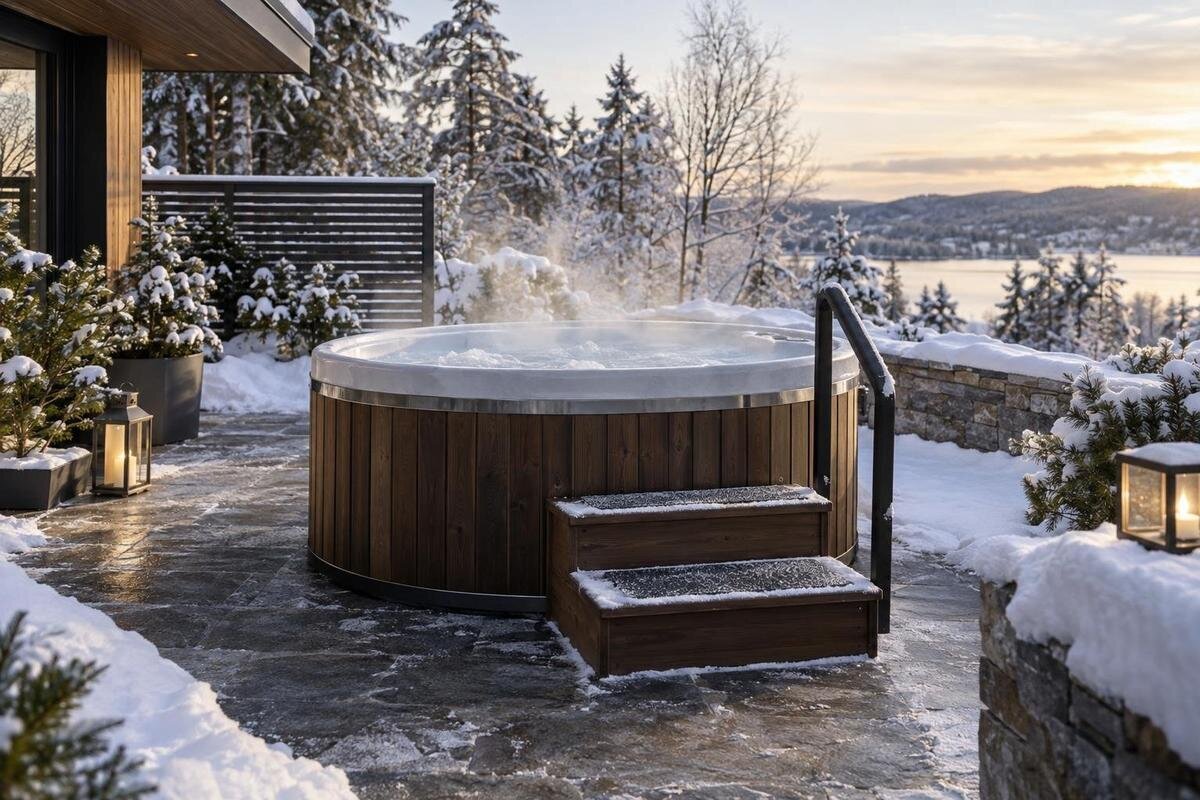
An outdoor hot tub can be inviting in cold weather, but winter use depends on more than the season on a calendar. Conditions vary widely across the United States, and one model’s limits should not be assumed to match another’s. Before planning a session, check the forecast at your property, prepare the route and landing area, gather dry essentials, and read the instructions for your exact unit. The central questions are whether the manufacturer supports operation in the expected conditions and whether you can respond appropriately if weather or operation changes.
Before you buy 1
Plan Around Your Local Winter Weather
Winter conditions differ greatly across the United States, and a nearby weather station may not reflect what happens in your yard. Check the outlook for the hours you expect to be outside, then check it again before getting ready. Pay attention to wind, snow, freezing rain, visibility, and sharp changes expected while you are in the tub or walking back indoors. A mild afternoon can give way to a colder, wetter return, so consider the whole outing rather than only the time you plan to get in. A forecast helps you judge access and whether to postpone; it does not establish that a particular hot tub can operate at that air temperature.
Compare expected weather with the written operating guidance for the exact model, including any limits for outdoor use and instructions for snow, ice, or severe cold. Do not set a universal cutoff based on a weather app, another owner’s experience, or a different model’s manual. If you are considering the Bloomcabin Hot Tub Cove 2 product page, ask how the model’s operating limits relate to the conditions at your property. If the manual does not cover the weather you expect, request clarification before planning regular cold-weather sessions. Keep that guidance with the manual so other users can refer to the same instructions.
Clear the Route to the Hot Tub
Walk the entire route from the door you will use to the tub, then consider the return trip with a towel or damp clothing in hand. Include steps, gates, changes in level, and the spot where you will get out. Clear snow before it is compacted, look for wet patches that could refreeze, and check whether the surface remains stable in the footwear you intend to wear. Consider where splashes and runoff will go: a path that is dry at the start can become slick after use. Pay particular attention to transitions between surfaces and places where water may collect. If you use a de-icer, verify that it is suitable for the walkway and nearby surfaces.
Keep the route uncluttered and adequately lit, with doors, gates, and steps easy to use without setting items down on a slippery surface. Place footwear, a robe, and dry clothes where you can reach them from a safe landing area, and decide where wet items will go. If you are considering the Haven 6 product page, request the exact unit’s dimensions and access-clearance information. Measure gates, turns, and the approach rather than estimating from photos, and distinguish delivery access from the space you will use during a session. Think about where cleared snow can be placed without blocking either route.
Before you buy 2
Gather Practical Cold-Weather Essentials
Stage the items you will use before the path gets wet: dry towels, a robe or other warm outer layer, dry clothes for afterward, and footwear with secure traction on the surfaces between the tub and house. Keep them in a dry, reachable place rather than on a step or narrow walkway. A covered basket or bag can help keep personal items out of snow and splash, while a designated dry landing spot makes it easier to change without carrying belongings across a wet route. Check that outdoor lighting is available before it gets dark, and avoid arrangements that add loose mats, cords, or other obstacles to the approach.
Check which supplies the model’s instructions require for a session, including any water-testing materials or accessories, and lay them out before going outside. Do not assume that an item shown in a photo or named alongside a model is included. When reviewing the Fjord 8 listing, ask for the manual and included-items information so you can distinguish what comes with the tub from what you need to obtain separately. Decide where required items can be stored dry and kept accessible without cluttering the walkway. If others will join you, tell them which door to use and where to find their towels and dry gear.
Confirm the Exact Model’s Operating Limits
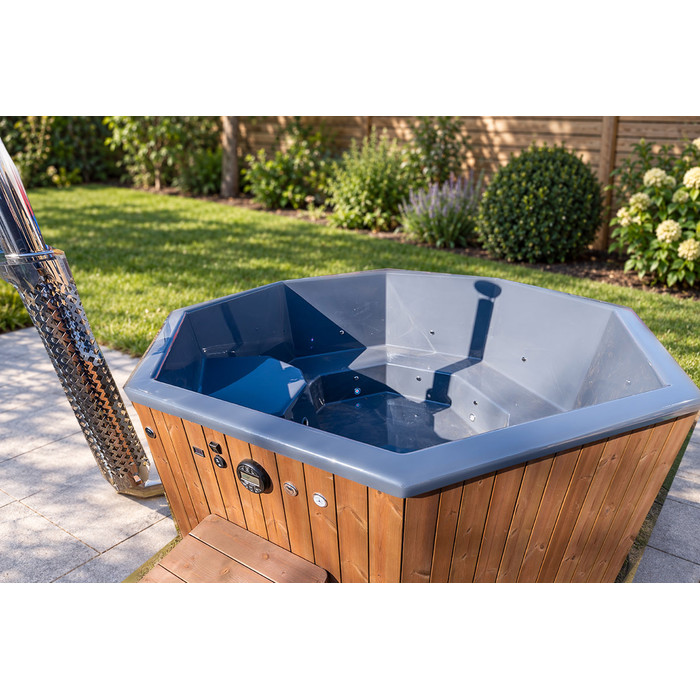
Find the manual for the exact model and configuration rather than relying on a general hot tub guide. Confirm whether outdoor operation is supported under the expected conditions, any stated ambient-weather limits, and instructions involving the cover, controls, water level, circulation, or power. Those details must come from the manufacturer; do not infer them from a control-panel photo, model number, or the fact that the tub is intended for outdoor use. Check which warnings or status messages mean use should stop and how the manual says to interpret them. Read the relevant guidance before a cold day, not while trying to make a decision outside.
Ask the manufacturer or seller to identify the correct documentation by model and, where relevant, heating system or equipment configuration. If you are considering the Aurora 10 listing, confirm which configuration the documentation covers before applying its operating guidance. Ask what the unit’s freeze-protection function, if any, covers, what it requires, and which steps the user should follow in cold weather. Find out whether cold-weather restrictions change any part of normal operation, including the checks needed before use. If written instructions do not answer a practical question, request clarification rather than borrowing procedures from another model.
Before you buy 3
Follow Model-Specific Water-Care and Freeze Guidance
Use the water-care instructions written for the tub and treatment system you actually have. Before a winter session, check the required test method, acceptable readings, sanitizer and balance guidance, and the stated process for preparing water before anyone gets in. The sequence and amounts depend on the product and water-care method, so do not replace the manual or chemical label with a generic cold-weather recipe. Confirm that the test supplies and treatment products are stored as their labels direct. If a result is outside the instructions, or you cannot interpret it, resolve that before use rather than guessing or making an unverified adjustment.
Read freeze guidance separately from routine water care. Ask what protection, if any, the exact model provides, what it requires to remain active, which alerts or interruptions matter, and what action is permitted if power, circulation, water level, or control status changes. Do not assume that a cover or a display reading proves every part is protected. When reviewing the Cove 2 listing, use the matching instructions to identify any required equipment and distinguish routine owner checks from problems that need professional attention. Keep those responsibilities clear before a cold-weather session rather than improvising a response when something changes.
Prepare for Interruptions and Alerts
Decide in advance what you will do if the tub shows an alert, loses power, or behaves differently from the instructions. Keep the owner’s manual and manufacturer contact information accessible even if the internet is unavailable, and note which service contact to use if the manufacturer recommends an inspection. Do not open equipment panels, reset warnings, add heat, or change settings because a generic website recommends it; a step that sounds simple may not fit the model. If operation is interrupted or a freeze event is suspected, pause use until the manufacturer or a qualified service professional explains how to proceed.
Get answers about interruptions before cold weather makes them urgent. If the Bloomcabin Hot Tub Haven 6 listing is on your shortlist, request the instructions for power loss, cold-weather alerts, and restart or return-to-use procedures for that exact unit. Find out which actions are intended for an owner and when professional service is needed. Keep the response plan with the manual and share it with anyone who may use the tub, including where to find the relevant contact information. Each user should know when to stop and ask for help rather than experiment during poor weather.
Before you buy 4
Check the Hot Tub’s Outdoor Site
Assess the location in winter, not just on a clear day. Confirm the exact model’s footprint, access clearances, and support requirements from its documentation, and ask a qualified professional to review the site if the surface, access, or support is uncertain. Do not estimate filled weight, required support, or clearance from a photograph or a number in a model name. Consider where snow can be cleared and where splashes or runoff could leave ice on the path. Keep the space needed to approach and leave the tub available when snow is piled nearby, and consider whether the route stays usable in low light.
Check the cover and any other equipment against the exact unit’s instructions: whether it is compatible, how it should be handled in cold weather, and whether snow or ice changes the manufacturer’s guidance. Do not treat a cover, enclosure, or windbreak as proof of winter capability or a substitute for operating instructions. If the Bloomcabin Hot Tub Fjord 8 page is on your shortlist, request dimensions, site requirements, and accessory information for that specific version. Use that information to plan where equipment will be handled and stored without obstructing the approach, exit, or access needed for service.
Questions to Ask Before Buying for Winter
Before buying, ask for the current manual and a direct answer about the coldest conditions in which the manufacturer supports use, how any freeze protection works, and what happens if normal operation is interrupted. Also ask which water-care method and pre-use checks apply, how alerts should be handled, what cover or accessories are compatible, and which service contact to use. Compare written answers rather than broad phrases such as all-season or outdoor, and make sure documents match the exact model and configuration you are considering. If an answer is missing or unclear, include that uncertainty in your decision instead of assuming the product will meet your needs.
Then compare the model with your property and routine. Confirm dimensions and service access against the route, the outdoor site, and the space available for dry essentials. If the location needs electrical or structural work, have qualified local professionals assess it and any applicable requirements before committing. As you review the Bloomcabin Hot Tub Aurora 10 page, note which questions about your climate, site, and intended use still need answers. Compare those answers with the other models on your shortlist rather than relying on their names or photos. Do not infer seating, capacity, power, or winter performance from a model name.
Before you buy 5
Use a Pre-Session Checklist
Before each session, review the latest forecast, confirm the route is clear, and check that the landing area is dry. Make sure the model is being operated within its written limits, then complete water tests and preparation exactly as directed for your treatment system. Check the display or status only as the manual instructs; do not treat a familiar reading as proof of readiness if an alert is present or operation has been interrupted. Have required supplies within reach, and make sure towels, clothing, footwear, and the route back indoors are ready before opening the cover.
Make the final decision just before stepping outside, when you can see the actual surface and conditions. If the route is slick, the forecast has deteriorated, a water-care result is unclear, or the tub’s status differs from what its manual describes, postpone instead of trying to solve the issue during use. Keep the session within the model’s directions and make sure everyone knows where to exit and find dry gear. When finished, follow the manufacturer’s instructions for handling the cover and any immediate post-use steps; do not substitute an improvised winter routine.
Know When to Postpone
Postpone when weather or the route makes arrival, exit, or a return indoors unreliable. Freezing precipitation that leaves a path slick, snow or wind that blocks access, poor visibility, or a fast-changing forecast can all be reasons to wait. These are practical reasons to reconsider, not universal temperature limits: a safe decision depends on the exact site and the manufacturer’s operating guidance. Do not let the effort already spent preparing push you into using the tub when access is no longer clear. Recheck conditions rather than assuming the earlier forecast still applies.
Postpone as well if the manual does not support the expected conditions, water-care requirements are unmet or uncertain, an alert is unexplained, or operation has been interrupted without a documented next step. Avoid guessing at settings, chemical treatment, freeze response, or restart procedures. Ask the manufacturer or a qualified service professional to resolve model-specific questions before returning to use. A winter session is workable only when both the outdoor route and the tub’s documented operating status are ready. If either is uncertain, choose another day.
Frequently asked questions
How cold is too cold to use an outdoor hot tub?
There is no single temperature limit that applies to every model and location. Check the exact manufacturer instructions for outdoor operating limits, then consider whether the route and return indoors will remain safe. If the manual does not cover the conditions you expect, ask the manufacturer before using the tub.
Can I use a hot tub while it is snowing?
It depends on the manufacturer’s guidance for your exact model and on conditions at your site. Check the instructions for snow and cold-weather use, and consider visibility, wind, footing, and the forecast for your return. Postpone if you cannot keep the route safe or if operating guidance is unclear.
What should I do if the power goes out?
Follow the exact model’s documented instructions for interrupted operation. Do not guess at settings or restart steps, or assume the tub is ready because power returns. If an alert appears or you suspect a freeze issue, pause use and contact the manufacturer or a qualified service professional for guidance.
What should I have ready before a winter session?
Prepare dry towels, a robe or warm outer layer, dry clothes, and suitable footwear. Keep them in a reachable, dry place, and make sure the route is clear and well lit. Also have the water-care supplies and instructions required for your specific tub and treatment system.
Which water-care checks should I do before getting in?
Use the test method, readings, and preparation steps specified for your model and water-treatment system. Follow the product labels and manufacturer instructions rather than a generic winter routine. If a result is unclear or outside the stated guidance, resolve it before use.
Planning winter hot tub use comes down to three things: a safe route outdoors and back, model-specific instructions that support the expected conditions, and clear water-care and interruption procedures. Prepare dry essentials before the ground gets wet, and be willing to reschedule if the weather or the tub’s status changes. When choosing a model, consider how its operating requirements fit both your property and the preparation you can reliably manage. That fit matters more than a winter scene in a product photo or a general tip intended for a different tub.
