
Ventilating a Garden House While Keeping Insects Out
Garden house planning and buying
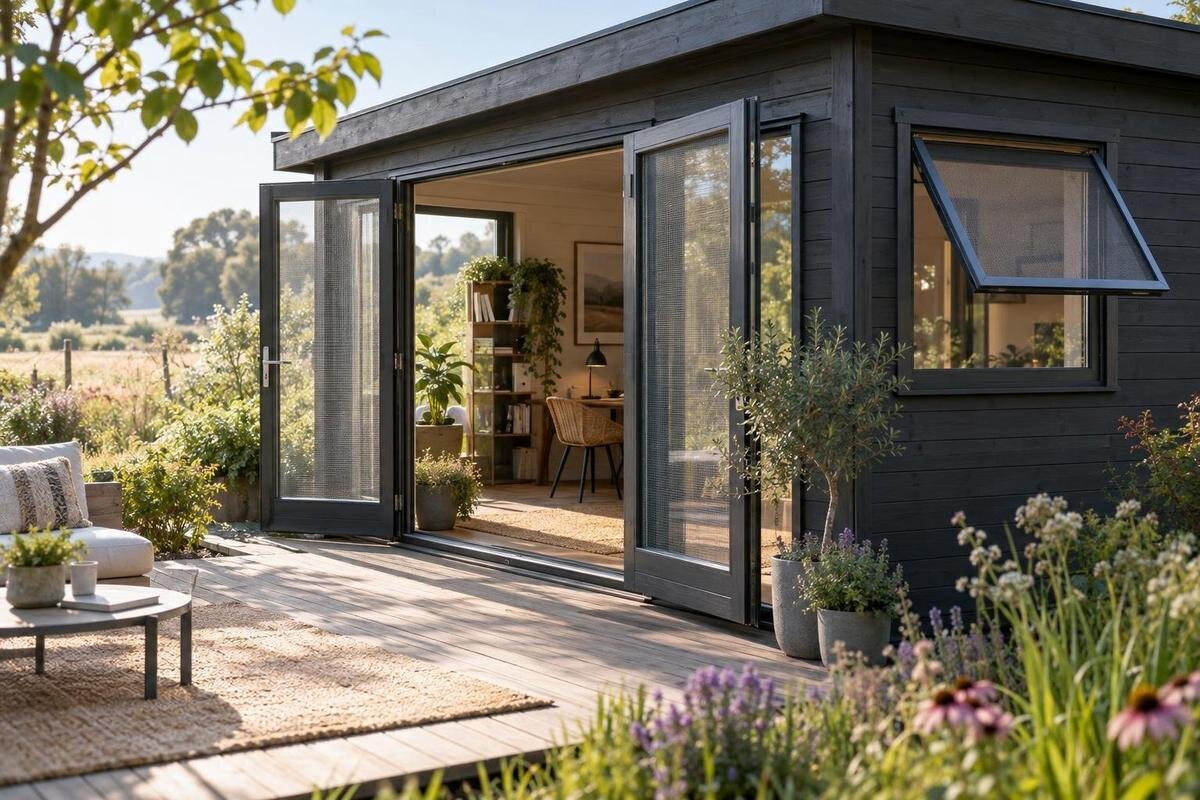
Fresh air and insect protection can work together when a garden house has a planned route for air and screens that cover the openings used for ventilation. The challenge is not choosing a window in isolation: its position, screen fit, door habits, and the site around it all affect whether air can move without leaving an easy way in for bugs. If you are buying, compare the openings and screen details the listing actually documents, and ask about anything unclear before ordering.
Why ventilation and insect screening need one plan
Good ventilation is a path, not simply an open window. Air needs a way in and a way out; with natural airflow, the direction and strength change with wind, temperature, and how exposed each opening is. One screened window can admit some air, but it does not by itself establish a dependable route through the room. A screen also reduces the clear area available for airflow. Compare the positions and usable size of openings once screens are fitted, rather than choosing on the basis of window count alone. Two windows close together may also leave parts of the room with little air movement.
Decide what fresh air means for your use before comparing garden house styles. A building opened briefly to retrieve tools has different needs from one occupied for long stretches as a hobby or work space. In the second case, the position and ease of control matter every day, not just during the first airing. Screens may let you use certain windows while keeping the door closed, but that arrangement works only if the openings create a route through the room. Consider whether you need to air the room while it is occupied, after it has been closed for several days, or both. List the doors and windows you expect to use, then treat the screen at each as part of the ventilation plan.
Choose openings for the way you use the garden house
Consider how often the garden house will be occupied and where you need air movement. If you expect to work at a bench or sit in one area, an opening blocked by storage or difficult to reach may not be useful in practice. Think about who will operate each window and whether it can be opened without moving furniture. Also consider whether an open window would interfere with shelving, a work surface, or a path used to carry equipment. For occasional use, a simple, easy-to-manage arrangement may be enough; frequent use makes convenient controls and a protected entrance more important. These are functional choices, not just questions of appearance.
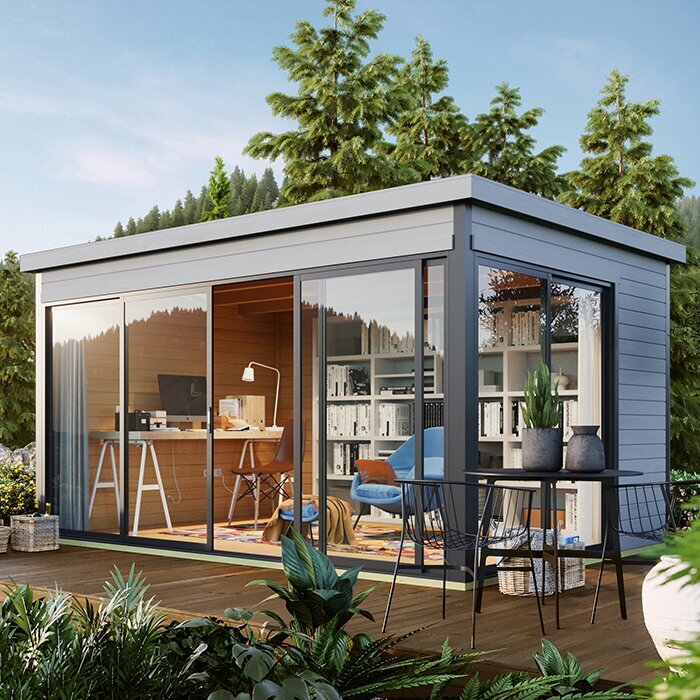
During product comparison, distinguish fixed glazing from operable windows and vents, and note where each opening sits. The Verdana 1 garden house listing is one page to review for details it explicitly provides; its name or a photograph alone does not tell you which openings open or whether screens are supplied. If the description is silent, ask before comparing it with a design whose ventilation details are documented. Keep your notes tied to the actual order configuration, since a general image may not show every selected option.
Plan an inlet and an outlet
Natural ventilation works best when air has both an entry and an exit route. Openings separated across the room or placed on different sides can create a clearer path than two openings close together, although wind and site conditions determine the actual flow. A high vent may let warmer air escape while a lower opening admits replacement air, but a vent with no suitable inlet cannot complete that route. This is a layout principle, not a guarantee of a particular exchange rate. Screens need to cover whichever openings you intend to use at the same time.
Sketch the building’s planned position, nearby fences or walls, and the direction of the openings shown in the product information. That quick plan can reveal whether an intake or outlet would face an obstruction, or whether the openings are all on one side. Note the door as well, because it may be tempting to use it as an outlet even when it has no insect barrier. When reviewing the Verdana 2 product page, use only documented opening details to make that sketch. If the layout is unclear, ask the seller where the operable windows or vents are and whether the drawing represents the configuration you would order.
Check the mesh, frame, and opening size
A screen is useful only when its mesh and frame suit the opening and the insects you want to exclude. A general label such as insect screen may not tell you the mesh opening, how the frame fits, or whether it covers the full window. Finer mesh can help block smaller insects, but it can also restrict airflow more. Ask for the screen details and consider them alongside the opening’s usable area. The relevant comparison is the amount of air the screened opening can pass, not the nominal size of the window by itself.
Look beyond the mesh surface. Confirm how the screen meets the frame at the sides and corners, how it stays in place during normal use, and whether it can be removed or opened for cleaning. Ask whether the screen remains in place when the window is opened and closed, or must be handled separately. A fixed panel, removable insert, hinged screen, or sliding screen can suit different routines, but each must work with the specific window. Before treating the Durano garden house page as a candidate, check whether its information describes screens and the openings they fit. Do not assume either detail from the model name.
Include the doorway in the insect barrier
Windows are only part of the plan. An unscreened door left open can undo the protection provided by screened windows, especially when carrying supplies or moving in and out frequently. Think about how often the entrance will be open and whether a screen door or another compatible screened solution is available. Consider the full width you need for routine access, including larger garden tools or storage items, so a proposed screen solution does not become an obstacle. Choose an arrangement that is convenient enough to use: a screen that is awkward to open or close may be left aside when you need it most.
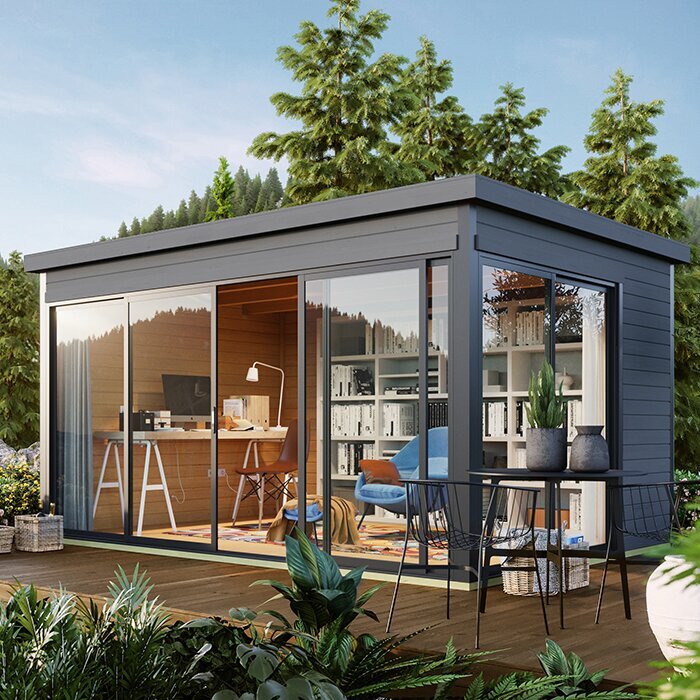
Check the full perimeter of the entrance, including the top, sides, and threshold, rather than looking only at the central mesh. Ask what screen options are compatible with the door and how they operate alongside its normal opening and closing. The Veltor 1 listing is a page to inspect for any stated entrance or screen details; if those details are missing, request clarification before ordering. A screen helps cover an opening, but it does not make a building insect-proof.
Account for wind and obstructions on the site
A garden house’s surroundings affect natural airflow. A fence, nearby wall, dense hedge, or another structure can shelter an opening from the wind. Before choosing a layout, notice the usual breeze at the times you expect to use the building and consider whether the planned position leaves a clear route across it. Seasonal foliage and stored items outside can also alter how exposed an opening feels, so avoid treating a bare-site observation as permanent. Conditions vary, so one observation is not a promise of how air will move every day. A screen cannot compensate for an opening that is consistently blocked from useful airflow.
Compare the site sketch with the opening positions described for the model, and check whether the planned orientation is possible for your setup. When reviewing the Orello 1 garden house listing, use the written opening information rather than treating a product image as a complete plan of the site or as proof of airflow. If the information does not make the opening layout clear, ask the seller before you settle on a location. That can help avoid choosing a house whose usable openings face an obstruction.
Keep screens accessible for cleaning and repair
Mesh can collect dust, pollen, and other debris, which may reduce the area available for air to pass. A tear or a loose edge also creates a gap where insects can enter. Choose screens you can reach to inspect and clean, and ask how damaged sections can be repaired or replaced. Include both sides of the screen in your access plan, since debris may collect on the exterior face while the interior side still needs inspection. Follow the screen maker’s care guidance; the right cleaning method can depend on the particular mesh and frame. A screen that is difficult to access may be less likely to receive the upkeep it needs.
For a wooden garden house, ask how the screen frame fits the specified opening and whether any fitting guidance applies after assembly or finishing. Do not assume that a separate screen will fit just because the opening looks similar to one in a photograph. The Modano 1 product page can be checked for any stated screen or opening information; ask about replacement parts and cleaning access if it does not cover them. Planning for maintenance at purchase is easier than discovering later that a screen cannot be removed conveniently.
Verify screen details before ordering
Before placing an order, confirm which windows and vents are operable, where they are located, and what screens—if any—are included. Ask whether screens are optional accessories or separate items, what openings each one fits, and whether the listed opening area refers to the space before or after a screen is fitted. The Veltor 2 listing is one product page to review for those details, not evidence that a particular screen is part of the order. If the page does not answer a question, add it to your list for the seller.
Ask for clear confirmation of compatibility for every opening you plan to use. Check that an accessory will not interfere with the window or door’s normal operation, and find out whether the screen is supplied with the house or must be selected separately. Keep written answers with your product comparison, particularly where a selected configuration changes the standard arrangement. Before finalizing the order, make sure any screen option you chose appears in the order details rather than relying on a photograph or a general description. If you expect to use a particular entrance for frequent trips, confirm that the proposed screen solution works for that routine too.
Use screened openings while keeping doors protected
Once the garden house is in use, open the screened inlet and outlet together when you want air to move through the room, and keep an unscreened door closed. The route may need adjusting as wind changes; natural airflow is not constant. If an opening is exposed to rain or blowing debris, use the arrangement only when conditions allow and follow the product guidance for that opening. Keep furniture and stored items from blocking the openings, and check that screens are seated as intended before leaving a window open. If you find yourself propping an unprotected entrance open to get air, revisit the opening plan rather than relying on the window screen alone.
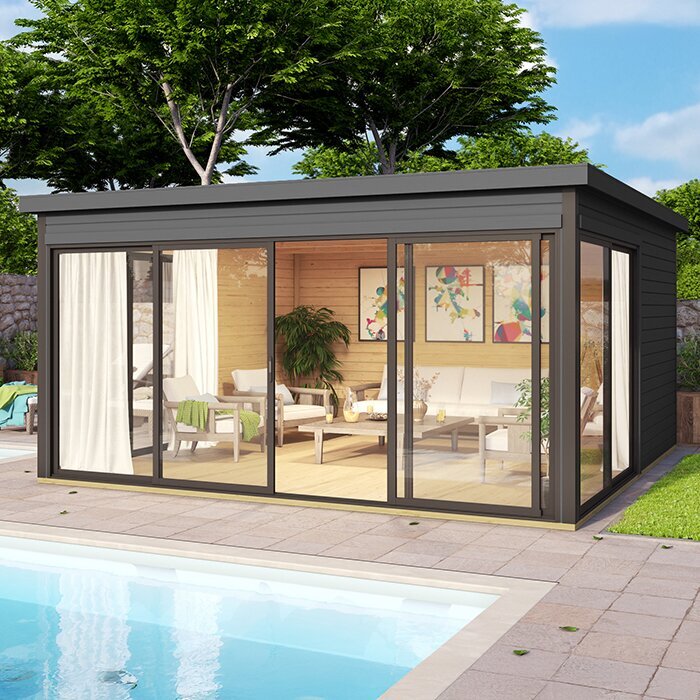
For any shortlisted house, mark the documented openings on your site sketch and consider which ones you would use together. The Veltor 3 garden house page can be compared with that sketch using its stated details; a photograph is not a ventilation specification. This exercise helps you decide whether a screened route seems practical for your routine before buying. If the page leaves the screen type, position, or compatibility uncertain, ask for an answer instead of assuming that a convenient setup will be possible.
Know when natural ventilation is not enough
Passive openings rely on changing outdoor conditions, so they cannot promise a fixed rate of airflow. If your intended use needs more predictable ventilation, do not assume that one or two screened windows will be sufficient. Ask the supplier what the building’s documented openings are designed to do, and consult a qualified ventilation professional about whether a mechanical option is appropriate. Powered ventilation changes the airflow plan and requires professional advice on system compatibility and safe installation; this guide does not provide installation instructions.
For a final comparison, record each option’s opening positions, screen coverage, door protection, cleaning access, and any unanswered questions. Decide which openings you will actually use and whether the documented screen arrangements cover them without leaving the entrance unprotected. A garden house with clear, compatible details is easier to plan than one whose screens or ventilation depend on assumptions. If an important detail is not confirmed, resolve it before ordering or reconsider the configuration.
Frequently asked questions
Can I ventilate a garden house without opening a window?
Possibly. Fixed vents or a designed mechanical system may move air while windows stay closed, but the presence of a vent alone does not show whether there is an effective route through the building. Confirm the inlet and outlet arrangement and whether it suits your intended use. For a regularly occupied space or a specific ventilation requirement, ask a qualified professional.
Will an insect screen keep every bug out?
No screen can guarantee that. It can block insects at the opening it covers, but gaps around the frame, a torn mesh, or an open unscreened door can still provide a way inside. Check how the screen meets the frame and include the entrance in your plan.
Do insect screens reduce airflow?
They reduce the clear area available for air and add resistance. Finer mesh can restrict airflow more than a more open mesh, so compare the screen and opening together. Ask about usable opening area with the screen in place rather than judging by the window size alone.
How many screened openings should a garden house have?
There is no universal number. The right arrangement depends on the openings’ positions, the site, and how you plan to use the building. Air needs a route in and out, and conditions affect how much it moves. If you need a known or steady ventilation rate, get qualified advice.
Can I add insect screens after I buy a garden house?
Sometimes, but compatibility varies. Check the opening dimensions, frame design, and how the window or door operates before choosing an add-on screen. Ask the seller whether a screen is available for each opening you plan to use, and confirm what is included in the order.
A useful ventilation plan pairs a route for air to enter and leave with screens that fit every opening you intend to use. The right garden house is the one whose opening layout, screen options, and maintenance details suit the way you will use it. Confirm those details before ordering, then keep screens accessible and the entrance protected so the arrangement remains practical.
