
Warm-Edge Spacers: What Are They and Why Do They Matter?
Insulating Glass Buying Guide
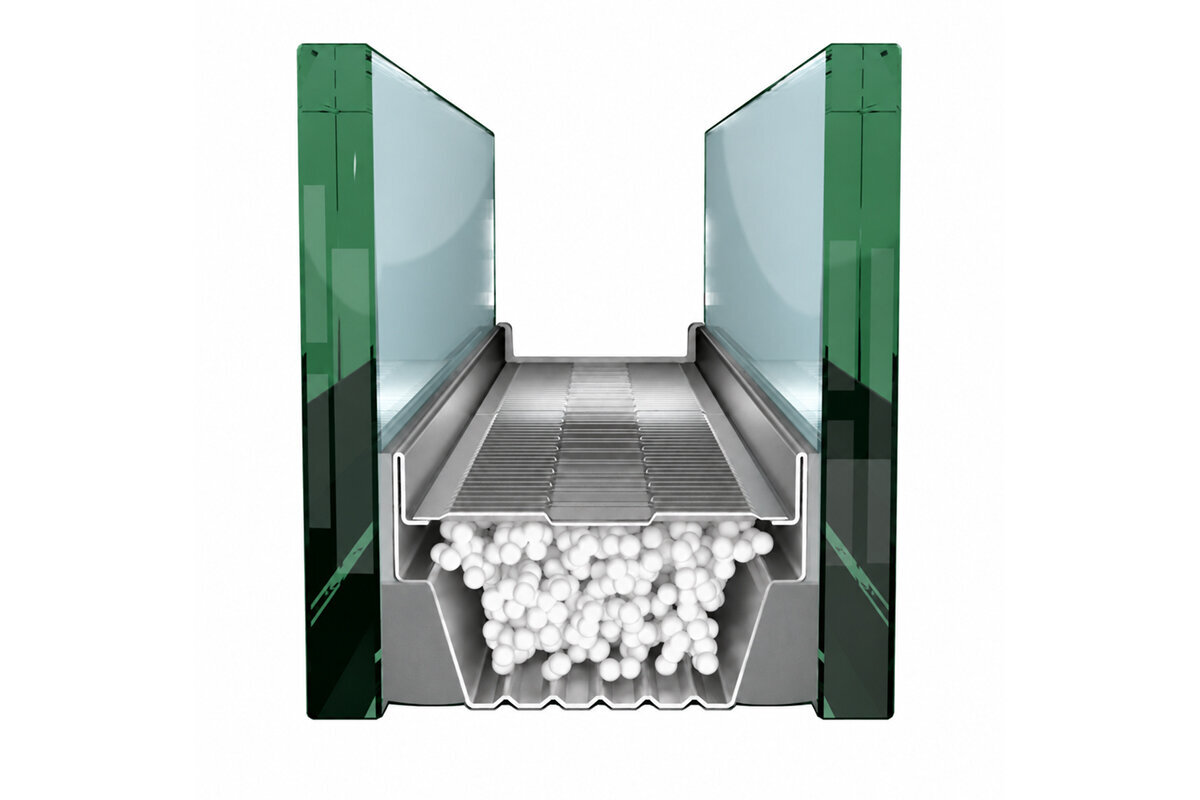
A warm-edge spacer is not a window operating feature you can see from the room, yet it belongs on the specification sheet whenever you are choosing insulating glass. Start with the project scope: are you replacing a few fixed panes, ordering operable casement windows for ventilation, or combining large patio-door glass with smaller bedroom units? The spacer sits around the perimeter inside each insulated glass unit, separating the panes and helping form its sealed edge. Its material and design influence the coldest part of the glass assembly: the perimeter near the frame. That makes it relevant to interior-glass comfort, edge condensation risk, and whole-window comparison. It does not make an unsuitable window type right for the opening, nor does it substitute for careful measuring, frame selection, installation planning, or a complete performance package.
Locate the spacer before comparing it
An insulating glass unit, often called an IGU, is the sealed glass package installed in a sash, frame, door panel, or fixed lite. In a typical two-pane unit, two sheets of glass are held apart to create a cavity. The spacer runs continuously around that cavity near the edge of the glass. Sealants complete the perimeter assembly, and the frame covers much of it once the unit is installed. From indoors, a narrow band may be visible between the panes at the sightline; that is where the spacer is located. It is not a surface-applied strip, a weatherstrip, or a component installed between the window frame and the wall opening.
“Warm edge” describes the thermal role of the spacer system, not a guaranteed temperature and not a single universal material. Conventional highly conductive spacers can carry heat more readily around the glass edge. A warm-edge design uses a less conductive path or geometry intended to reduce that edge effect. Different manufacturers can achieve this through different constructions, so the label alone is a starting point rather than a full technical description. When reviewing a quote, ask the supplier to identify the spacer system offered for that exact glass build-up and whether it is standard across the order or different by unit size, shape, or glazing option. That prevents a general brochure statement from being mistaken for the final configuration.
Why the glass perimeter deserves attention
Heat does not move uniformly across a window. The center of the glass, the perimeter of the glass, the sash, the frame, and the installation joint all behave differently. The perimeter is a transition zone where glass, spacer, sealant, and frame meet. In cool weather, that area can be less warm on the room side than the center of a well-insulated glass package. A warmer-edge approach aims to moderate that localized effect. The practical value is usually easiest to understand when you stand close to broad glazing, sit beside a desk near a window, or have furnishings placed near the glass edge rather than in the center of the room.
Condensation is another reason the edge matters, but it needs careful interpretation. Indoor moisture reaches a surface when that surface is cold enough under the actual indoor humidity and outdoor conditions. A warm-edge spacer may improve the temperature conditions at the glass perimeter, yet it cannot eliminate condensation under every combination of weather, ventilation, indoor moisture, shading, and building operation. Water on a room-side surface is therefore a diagnostic clue, not proof that one hidden component has failed. Before assigning blame, distinguish moisture on the interior glass surface, between panes, and on surrounding trim. Those locations point to different questions and should not be treated as the same issue.
The whole opening matters
Compare the whole window, not one line item
A spacer can contribute to a better insulating-glass assembly, but buyers should resist turning it into the sole decision criterion. Glass coatings affect solar heat gain and radiant comfort; the number of panes and cavity design influence the glass package; the frame construction changes perimeter behavior; and air leakage, size, orientation, and installation affect lived experience. Whole-window performance values, when supplied for the intended configuration, are more useful for comparing finished products than a claim about center-of-glass behavior alone. Ask whether the reported value applies to the actual operating style, frame, glass option, and dimensions under consideration, rather than to a preferred sample unit.
A fixed opening is a helpful example because it separates viewing area from ventilation needs. A fixed window may be a logical candidate where daylight and an unobstructed view matter and ventilation will come from another opening. Its glass package can be considered closely because there is no operating hardware tradeoff to resolve, but the surrounding frame still counts. In contrast, a window chosen for daily airflow requires you to balance operation, screen use, cleaning access, weather exposure, and glass selection. Put all requested options on one comparison sheet: product type, opening direction, frame color, glass build-up, spacer, decorative bars if any, reported whole-unit information, and exclusions. That makes a meaningful comparison possible.
Choose operation first, then refine glazing
The location of a window determines how much influence the spacer decision should have. A kitchen opening that is used for frequent ventilation needs an operating arrangement that works around faucets, counters, and screens. A bedroom window may have different priorities for ventilation, cleaning, and furniture placement. A large non-operable stairwell opening may prioritize shape and daylight. Decide how each unit must open, where the sash travels, whether exterior clearance exists, and how the screen will be handled before treating glazing details as the lead choice. A technically appealing glass option cannot cure an opening pattern that becomes awkward in everyday use.
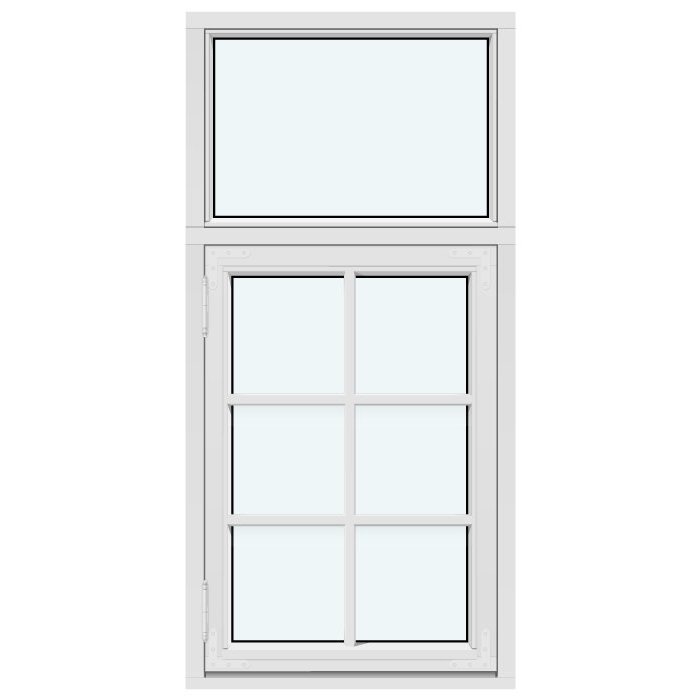
For example, a single-sash outward-opening casement window establishes an outward-opening casement configuration; it does not, from its title alone, establish a particular glass package or spacer. If this style suits the location, ask which insulated glass combinations can be specified for the requested size and whether the same warm-edge approach is available. Also ask how exterior plants, walkways, railings, or adjacent windows affect the open sash. By setting operation first, you avoid comparing an idealized glass sample with a window format that is impractical for the room. The resulting decision is more durable: first the correct use of the opening, then the frame and appearance, then a glass and spacer specification aligned with comfort and exposure priorities.
Understand what the spacer works with
The spacer is only one element of the sealed edge. It separates the panes at a designed distance and is paired with sealants that help keep the insulating glass unit intact. Some spacer systems incorporate moisture-management material within their construction; others use distinct components. The details are manufacturer-specific, so avoid assuming that two products described as warm-edge use the same design. What matters to a buyer is a clear statement of the proposed insulated glass unit: number of panes, glass types and locations, any coatings, cavity treatment if applicable, spacer system, and edge-seal approach. A drawing or cross-section can be more revealing than a short option name.
This is also the right point to ask which visual features are actually inside the glass package. Decorative bars may sit on glass surfaces or be positioned between panes, while glass-dividing bars separate individual pieces of glass. These alternatives change the visual grid and may change the edge layout of multiple smaller units. Do not assume that a bar pattern is purely cosmetic or that every pattern can be paired with every glazing build-up. Request a rendering or elevation that marks opening sash, fixed lites, true glass divisions, and decorative bars separately. For a combination window or another multi-lite assembly, have the supplier confirm the proposed glass construction for each lite, especially where shapes or sightlines differ.
Use room conditions to set priorities
A room-side comfort conversation should be specific. A north-facing reading nook, a sun-facing family room, a laundry room with frequent moisture, and a seldom-used guest room do not present the same glazing questions. Note where occupants sit, whether shades are typically closed, how the room is heated and cooled, and whether indoor humidity is consistently high. A warm-edge spacer is relevant where you want to reduce the perimeter’s thermal weak spot, but it should be evaluated with those wider conditions in mind. In a highly glazed room, solar control, glare, and furniture fading may deserve as much discussion as cold-weather edge comfort.
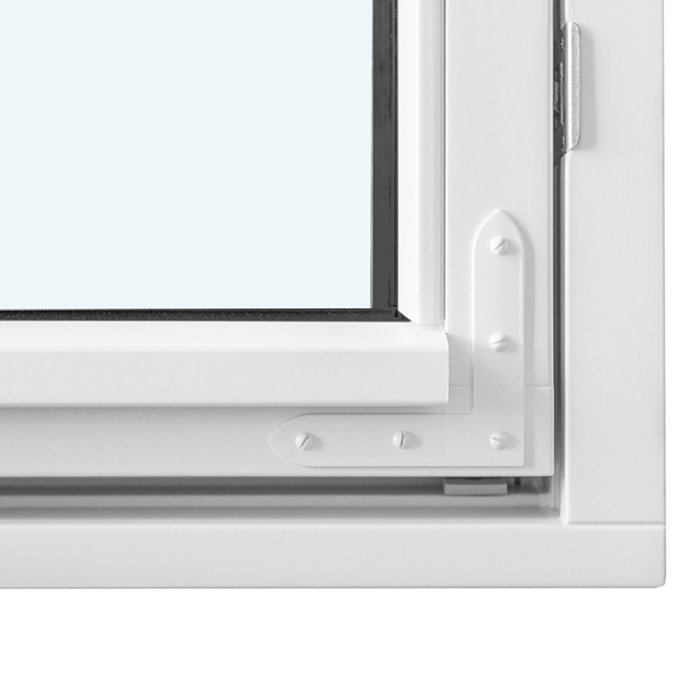
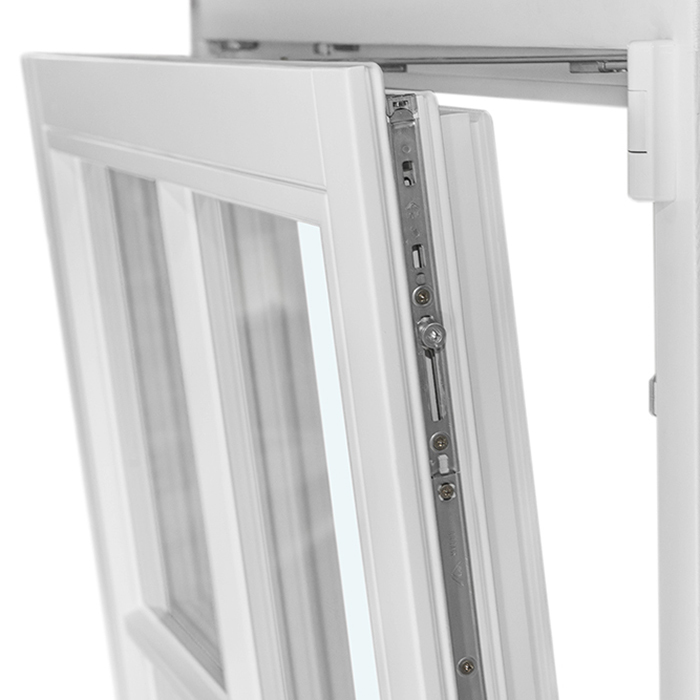
An single-sash inward-opening window establishes an inward-opening format, not a particular glass package. Check that the sash clears blinds, counters, furniture, and a deep sill, then ask which IGUs and spacer systems are offered for the requested size. Record the selection by room and opening on the schedule. That simple step prevents a discussed upgrade from being assigned only to a sample unit or the wrong group of windows.
The whole opening matters
Large doors make edge details part of a larger decision
Patio doors add another layer to the conversation because they join expansive glass, frequent operation, thresholds, locking, and potentially multiple moving panels. The warm-edge spacer remains inside each insulated glass unit, but its importance should not overshadow door layout. First decide whether a sliding, swinging, or folding arrangement works with circulation, furniture, exterior space, and the desired clear opening. Then review how many glazed panels are present, where vertical divisions fall, and how the selected glass package responds to sun exposure and privacy needs. A dramatic opening can be visually successful while still being inconvenient if the operating panels interrupt the path to a deck or patio.
A Patio Life sliding patio door identifies a sliding patio-door configuration, so it is a useful starting point for discussing panel arrangement and glass options with a seller. Ask whether all panels receive the same insulated glass specification, whether fixed and sliding panels differ in available build-ups, and how the narrow perimeter around each glass unit is treated. If you are comparing a slider with a folding alternative, do not use the spacer as a shortcut for choosing between them. Compare clear opening, panel parking, threshold needs, screen strategy, visible frame lines, and the amount of glass exposed to each direction. Once the operating concept is settled, request the spacer information as part of a complete, like-for-like door specification.
Ask for an order-ready glass description
A productive request to a window or door supplier is precise without pretending to be an engineering specification. Start with: “Please describe the insulated glass unit proposed for each opening and identify the warm-edge spacer system.” Follow with questions about pane count, location of coatings, glass safety options where relevant to the project, tint or obscurity, decorative-bar treatment, and whether the choice is available at the requested sizes. Ask what performance documentation is provided for the complete product configuration. If a term is unclear, request plain-language clarification instead of relying on shorthand such as “high-performance glass” or “thermal package.” Clear documentation avoids both disappointment and unintended substitutions.
An outswing bifold door is an alternative operating concept, not a performance claim. For its multiple panels, verify the glass schedule panel by panel: identify active and fixed lites, glazing differences, and decorative-bar alignment across joints. Include frame color and approved elevations in the order record. Before release, match the drawing and written quote to the opening schedule so the supplied configuration does not depend on assumptions drawn from a showroom sample.
Avoid common comparison mistakes
One common mistake is comparing a warm-edge spacer in one quote with a whole-window value in another. Those are different levels of information. Another is comparing center-of-glass information between products while ignoring frame width, opening size, and operating style. A third is assuming that more panes, a particular gas fill, or a named spacer automatically produces the preferred result without checking the entire stated assembly. Instead, ask each bidder for the same inputs and put unanswered items in an “unknown” column. The supplier who explains configuration limits and documents alternatives can be easier to evaluate than one who supplies only broad marketing terms.
Roof glazing is a reminder that orientation, access, and operating purpose can drive the specification. A pivoting roof window names a pivoting roof-window configuration; it does not establish the site-specific glazing, flashing, or installation details needed for a project. Discuss the planned roof location, daylight goal, ventilation use, shading approach, and access for operation and cleaning with the relevant professionals. Then ask how the insulated glass unit and its edge construction fit the offered configuration. Do not transfer conclusions from a vertical wall window directly to an overhead or sloped installation. The geometry, exposure, and surrounding construction change the questions, even though the basic role of a warm-edge spacer inside the IGU remains the same.
Turn the discussion into a final selection
Before release, review every opening as a system. Confirm the product type and handing, rough opening and field measurement responsibility, frame finish, glass appearance, decorative-bar layout, and the full insulated glass description. Check that the quoted spacer is associated with the selected glass option rather than merely mentioned in general literature. If exterior and interior views matter, inspect drawings from both sides; an attractive divided pattern can look different when opening sashes, fixed lites, and mullions are understood. Keep a record of decisions and approved drawings, since this is more useful at ordering time than trying to reconstruct a verbal conversation later.
For projects where reducing heat transfer is a central goal, a super-low-Uw outward-opening passive house window identifies a named outward-opening window configuration. Ask for its actual available documentation and the complete proposed build-up rather than inferring details from the title. The same discipline applies to every product: choose operation and proportions for the room, choose glazing for exposure and comfort priorities, and use the spacer as one informed part of the IGU decision. Bloomcabin windows and doors carry a 5-year warranty. Delivery is typically 4–6 weeks, subject to order confirmation. Treat both points as planning information and confirm the final order scope, configuration, and timing in writing before arranging dependent work.
Common questions
Can I see a warm-edge spacer after the window is installed?
Sometimes a narrow element at the perimeter between panes is visible near the glass edge, but much of the insulating glass unit is concealed by the frame. Appearance alone usually cannot identify spacer construction. Ask for the proposed IGU description or a cross-section instead of attempting to judge it from a finished window.
Does a warm-edge spacer stop condensation?
No. It can improve conditions at the glass perimeter by reducing conductive heat flow there, but interior condensation depends on indoor moisture, outdoor temperature, air movement, shading, frame conditions, and the complete window assembly. Identify whether moisture is on room-side glass, between panes, or on trim before deciding what to investigate.
Is warm-edge glass the same as triple-pane glass?
No. Triple-pane describes the number of glass panes in an insulating glass unit. Warm edge describes the spacer system around the perimeter of the cavities. Either concept should be assessed as part of the complete configuration, including coatings, frame, size, operation, and the reported whole-window information.
Should every window in a house have the same spacer option?
A consistent option may simplify an order, but suitability and availability can depend on the glass construction, size, shape, and product line. Start with a whole-home schedule, then confirm the selected insulating glass unit for every opening. Different rooms or elevations may have different glazing priorities, which should be recorded clearly.
What should I send a supplier to get a useful comparison?
Provide opening sizes, room use, desired operation, photos or drawings, orientation if known, finish preferences, decorative-bar intent, and any comfort concerns. Ask for the complete insulating glass description and spacer identification per opening. Request that any reported performance information be tied to the specific proposed product configuration, not a generic product family.
Next step
Warm-edge spacers matter because the perimeter of insulating glass is a real part of window and door comfort, not because they are a stand-alone upgrade that solves every glazing concern. Choose the opening operation and layout that fit daily use first. Then compare complete, documented glass packages, including the spacer, alongside frame design, exposure, appearance, and installation planning. A quote that names the exact insulating glass construction for each opening gives you a stronger basis for comparison than a broad warm-edge claim. Where project requirements are complex, have the relevant qualified professional review the complete window, door, and installation approach.
