
Water-Wise Greenhouse Gardening 2026 | Save Water & Grow More | Bloomcabin USA
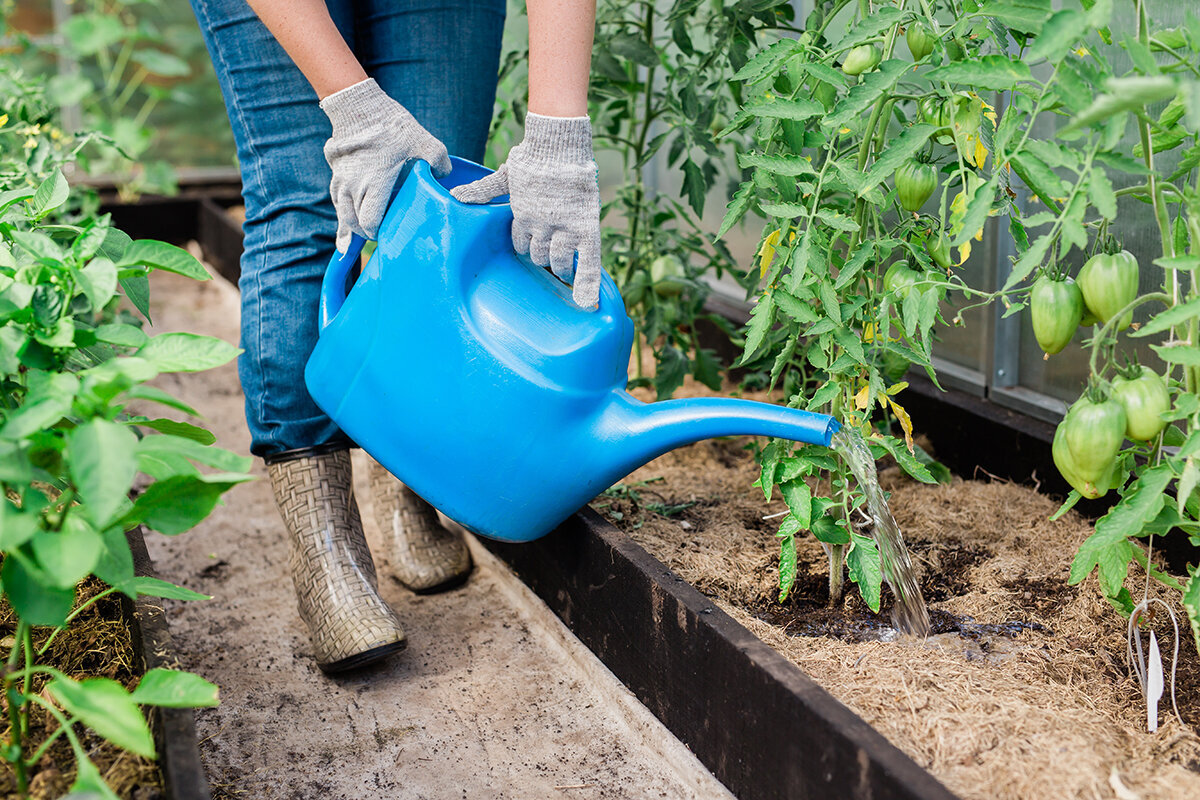
Water-Wise Greenhouse Gardening in 2026: How to Grow More With Less Water in the USA
In the United States, gardening has always been a conversation with the weather. In one region the season can be shaped by spring storms and humid summers, while in another it can be defined by long dry spells, wildfire smoke, and intense heat. What feels different now is not that the weather changes, but that it changes faster and with sharper contrasts. In 2026, many gardeners are planning for drought stretches, watering restrictions, and sudden heat spikes as a standard part of the season rather than an occasional inconvenience. Water-wise growing is no longer a niche interest or a “nice idea.” It is becoming the most practical way to protect your plants, protect your time, and keep your garden productive without relying on constant municipal watering.
A greenhouse is one of the most powerful tools you can use to become water-wise, especially when it is designed for longevity and stable performance. When you grow under glass in a strong aluminum greenhouse, you get something outdoor beds cannot offer: the ability to control the growing environment. Control is what turns watering from a daily emergency into a calm, efficient routine. If you want to grow more in 2026 while using less water, the aim is not to deprive plants. The aim is to waste less, lose less, and give plants water in a way that helps them build healthier root systems and more reliable yields.
This article is written for Bloomcabin USA readers and greenhouse buyers who want a long, practical guide. It focuses on how greenhouse growing can reduce water use, how to collect and store rainwater for greenhouse watering, and how to design a sustainable greenhouse setup that supports a greener lifestyle. It also explains why a durable, high-quality aluminum greenhouse with glass glazing is an eco-friendly choice that pays off for years, both in harvests and in reduced resource waste.
The Water-Wise Shift in 2026 and Why It Matters
Water-wise gardening is not only about what happens during heatwaves. It begins earlier in the season, often in spring, when plants establish their roots and when gardeners decide how they will structure their growing space. A water-wise mindset asks a simple question: how much of the water you apply actually ends up inside the plant, doing useful work, and how much disappears through evaporation, runoff, leaks, or poor timing.
In 2026, many American gardeners are also thinking about resilience. That word can sound abstract, but in practice it means that your greenhouse and garden keep functioning even when conditions are inconvenient. It means you can still enjoy tomatoes, cucumbers, peppers, herbs, and salads when the weather becomes unpredictable. It means you can keep growing even when watering restrictions appear, when you are away for a few days, or when the temperature jumps suddenly and plants demand more moisture than usual.
When you take water-wise growing seriously, you begin to notice that the biggest water savings rarely come from one single trick. They come from combining small decisions that reinforce each other. Shade reduces heat stress, which reduces plant transpiration, which reduces water demand. Mulch reduces soil evaporation, which keeps moisture in the root zone longer, which means you can water less often but more effectively. A rainwater collection system fills your rain barrel or cistern after spring storms, which gives you a buffer when summer turns hot and dry, which reduces your reliance on municipal water and keeps your greenhouse productive through the most demanding weeks.
A greenhouse is the place where these decisions are easiest to apply, because it is a defined space. Outdoors, wind, uneven rainfall, and large areas make precision difficult. Inside a greenhouse, you can build a system that delivers water exactly where it is needed and keeps it there.
How Growing in a Greenhouse Helps You Save Water
It surprises some gardeners to hear that a greenhouse can help you save water, because a greenhouse is warmer than the open garden and warm air can dry soil faster. The key detail is that water saving is not only about temperature. Water saving is about efficiency. A greenhouse makes efficiency possible because it protects your growing environment from several major sources of loss.
One of the biggest differences is wind. Wind increases evaporation from soil and also increases transpiration from leaves by constantly moving drier air across plant surfaces. Outdoors, wind can turn a well-watered bed into a dry one within a day, especially in lighter soils. Inside a greenhouse, the air is calmer. Even when ventilation is open, the environment is less harsh than an exposed outdoor plot. Less wind means less moisture pulled away from soil and leaves, which is the first step toward using fewer gallons for the same level of growth.
A greenhouse also makes targeted watering natural. Outdoors, watering often becomes broad and imprecise. Hoses, sprinklers, and casual “quick watering” sessions tend to wet paths, weeds, and areas that do not need moisture. In a greenhouse, you are typically watering beds, pots, and planters in a smaller footprint. You can water at the root zone and avoid the waste of watering empty spaces. You can also choose watering methods that are more efficient than overhead watering, such as drip irrigation, capillary systems, or careful deep watering that encourages stronger roots.
The greenhouse environment also supports consistency. Consistency is water-wise because plants that experience repeated cycles of stress and recovery often demand more water overall. When soil dries too quickly, roots become less efficient, plants wilt, and gardeners respond by flooding the soil again. That pattern wastes water because dry potting mix becomes difficult to re-wet evenly, and excessive watering can run out of the container or bed before it is properly absorbed. A greenhouse helps you keep conditions stable enough to avoid those extremes, especially when you combine ventilation, shading, and soil protection.
Finally, a greenhouse roof is a rainwater collection surface. That single feature can change how you think about watering. Instead of seeing rain as something that “doesn’t reach your plants” because your greenhouse is covered, you begin to see rain as a resource you can harvest and store. When rainwater collection is set up correctly, your greenhouse becomes part of a sustainable cycle, where rainfall is captured, stored, and used to produce food and flowers with minimal dependence on treated municipal water.
In other words, a greenhouse does not automatically save water, but a water-wise greenhouse system absolutely can. The more you design your greenhouse to reduce losses and deliver moisture precisely, the more you will notice that you are harvesting more for every gallon you use.
Understanding Water Use in a Greenhouse Without Guesswork
Water-wise greenhouse gardening becomes much easier when you stop treating watering as a reaction to surface dryness and start treating it as a simple system you manage. The surface of potting mix can look dry even when there is plenty of moisture deeper down. At the same time, the surface can look damp while the root zone is dry, especially if watering is shallow and frequent. In a greenhouse, where plants grow quickly and conditions can shift with sunlight, learning what the root zone is doing matters more than learning what the top looks like.
When you check moisture properly, you notice that different crops behave differently. Tomatoes, peppers, and eggplants often do well with a watering pattern that is thorough and deep, followed by a slight dry-down that encourages roots to explore. Cucumbers, leafy greens, and many young seedlings prefer a steadier moisture level and can stress if they dry out too much between waterings. Herbs can be remarkably water-efficient when grown in adequate soil volumes and when not pushed into soft growth by excessive feeding and constant watering.
In water-wise growing, your goal is not to keep everything constantly wet. Your goal is to keep moisture available in the root zone at a level that supports steady growth, while reducing losses. This is why techniques like mulching, larger soil volumes, and wicking systems work so well. They reduce the speed at which moisture disappears from the root zone, which makes your watering more predictable and less frequent.
Creating a Water-Wise Greenhouse Climate That Reduces Water Demand
Before you add any irrigation system, the most important step is to make your greenhouse climate less thirsty. When a greenhouse overheats, plants respond by transpiring heavily, and transpiration is essentially water leaving the plant. You can sometimes see it directly, because plants may droop in the heat even when the soil is still moist. That droop is not always a sign of dry potting mix; it is often a sign of plant stress caused by heat and rapid moisture movement.
Ventilation is the first climate control tool. A well-designed greenhouse allows warm air to escape and allows fresh air to move through the structure. That air movement reduces peak temperatures and reduces disease pressure, but it also reduces plant stress, which reduces the watering you feel forced to do. When a greenhouse has vents that open smoothly and reliably, it is easier to keep the climate stable throughout the day rather than waiting for it to become uncomfortable and then trying to correct it quickly.
Shading is the second climate tool, and in many American summers it is the difference between calm growing and constant watering. In many states, a greenhouse can reach very high temperatures during bright spells, especially when the air is still. Shading reduces the intensity of sunlight entering the greenhouse, which reduces temperature peaks and slows soil drying. It also reduces the “panic watering” cycle where plants look stressed, gardeners add more water, and the greenhouse remains too hot anyway. When shade is applied early, before the first major heat spike, plants settle into a steadier routine and water use becomes easier to predict.
The third climate tool is humidity awareness. Greenhouses can become too dry in summer or too humid in cooler, still conditions. Water-wise growing is not about making the greenhouse humid all the time. It is about avoiding extreme dryness that forces plants to transpire heavily. Simple steps like maintaining covered paths, using mulches, and avoiding large areas of bare, sun-heated ground can reduce the rapid drying of air near plants. When the greenhouse air is slightly more stable, plants remain more efficient and you find yourself watering less frequently.
Soil, Potting Mix, and the Root Zone: Where Water Savings Really Live
When gardeners talk about water-saving, they often focus on the delivery system, such as hoses, drip lines, or timers. Those tools matter, but the bigger savings usually come from how your soil or potting mix holds water. Water-wise growing is easier when the root zone behaves like a sponge rather than a sieve.
A simple truth is that small containers dry fast. They heat quickly, lose moisture quickly, and force you into frequent watering. If you want to reduce watering without reducing yields, you usually need to increase soil volume. That can mean larger pots, deep planters, grow beds inside the greenhouse, or raised beds that provide enough depth for roots to develop properly. When the root zone is larger, moisture is buffered. Plants can access water for longer after each watering, which reduces the number of watering sessions you need, and it often improves plant health because roots do not experience daily extremes.
Potting mix structure matters as much as potting mix type. A mix that holds moisture but also allows air to reach roots supports steady growth. If potting mix becomes compacted and waterlogged, roots struggle and plants become less efficient, often leading gardeners to water more in response to weak growth. If potting mix becomes too free-draining, it can dry quickly and encourage shallow roots. In water-wise greenhouse gardening, you aim for balance. You want a mix that absorbs water evenly, holds moisture in the root zone, and still contains enough air spaces for healthy roots.
Mulching is one of the most powerful water-saving practices because it slows evaporation from the soil surface. In a greenhouse, where the sun can hit beds and pots directly, bare potting mix loses moisture quickly. A mulch layer acts like a lid. It reduces the speed at which moisture leaves the root zone, which means your watering has a longer effect. Mulch also helps regulate soil temperature, and stable soil temperature supports stable root function, which supports water efficiency.
In a greenhouse, mulching can be as simple as adding a protective layer on top of beds and containers. Over time, you will likely notice that mulched soil not only stays moist longer, but also becomes easier to water evenly. Water sinks in rather than running off. The plant’s root environment remains calmer, and calm roots are one of the best ways to grow more with less water.
Watering Styles That Produce Bigger Harvests With Fewer Gallons
Water-wise watering is not about “watering less” in a rigid sense. It is about watering in a way that creates strong roots, stable growth, and minimal waste. Many gardeners waste water unintentionally through shallow watering, poor timing, and watering patterns that encourage stressed plants rather than resilient ones.
Deep watering, when used correctly, encourages roots to explore deeper. Deeper roots make plants more resilient because they can access moisture stored lower in the soil. For crops like tomatoes and peppers, deep watering can reduce the need for daily watering once plants are established, especially when combined with larger soil volumes and mulch. When you water deeply, you also reduce the problem of dry pockets in potting mix, because you are applying enough water to penetrate the root zone rather than only wetting the surface.
Timing changes everything. Midday watering in a hot greenhouse often leads to higher evaporation and can create a cycle where you water more frequently because moisture disappears quickly. Morning watering often supports better efficiency because water is available in the root zone during the warmer part of the day, and plants can use it as they photosynthesize and grow. Evening watering can also be useful in summer, but it is important to keep a balance, because overly damp conditions overnight can increase disease pressure for some crops. The more stable your greenhouse climate is through ventilation and shading, the easier it becomes to choose a watering routine that is efficient and consistent.
Consistency matters most for young plants and thirsty crops like cucumbers. When a cucumber plant dries out too much, it often responds with stress that can reduce fruit quality and increase bitterness. This does not mean you need to water constantly. It means you need a method that keeps moisture steady without waste. Capillary systems, sub-irrigated planters, and drip irrigation are all excellent options for maintaining that steadiness in a water-wise way.
Water-Wise Irrigation That Fits Real Life in the USA
Many greenhouse owners want a setup that works even when life gets busy. A water-wise greenhouse in 2026 should support you, not demand constant attention. The best irrigation is not the most complex one. It is the one you will actually use consistently.
Hand watering can still be highly efficient when it is done thoughtfully, especially in smaller greenhouses. When you water directly at the base of the plant, avoid wetting unnecessary areas, and protect potting mix with mulch, hand watering becomes targeted and effective. Many gardeners also enjoy the daily greenhouse visit and prefer to stay connected to their plants. In that case, the water-wise improvements come from reducing evaporation and increasing soil volume, not from installing advanced systems.
Drip irrigation is one of the most efficient options for greenhouse watering because it delivers water slowly to the root zone. Slow delivery reduces runoff and allows soil and potting mix to absorb water evenly. It also reduces evaporation because water is not sprayed into the air and across surfaces. In water-wise greenhouse gardening, drip irrigation often becomes the “quiet hero” because plants receive steady moisture without waste, and you spend less time carrying watering cans.
Timers can improve water efficiency when used correctly, because they prevent accidental overwatering and ensure consistent schedules. The most important part is to adjust timing with the season. A schedule that works in July can be excessive in September. Water-wise growers treat their timer as a tool that changes with the light levels, temperature, and plant stage, rather than a set-and-forget device that runs the same pattern for months.
Sub-irrigated planters and reservoir systems are another powerful water-wise solution. They supply water from below, allowing plants to draw moisture as needed while reducing evaporation from the top surface. This creates stable moisture levels that support steady growth and reduce stress. These systems can be especially effective for peppers, chiles, herbs, and compact greenhouse setups where you want high yields without constant watering.
Whatever irrigation method you choose, the principle remains the same. Water-wise growing is about keeping water in the root zone and preventing losses. A greenhouse is the ideal place to apply this principle because the growing space is controlled and compact, and because you can combine irrigation with climate control and soil protection.
Rainwater Collection for a Greenhouse: Turning Rain Into Reliable Water
One of the best reasons to think about rainwater collection is psychological as much as practical. When you have rainwater stored in a rain barrel or cistern, watering feels less like a drain on resources and more like a cycle you manage. It is a simple shift, but it changes your relationship with dry spells. Instead of worrying about how much municipal water you will use, you start thinking about how efficiently you can use the water you already captured.
A greenhouse roof is a natural rainwater harvesting surface. Rain that falls on the roof can be directed into gutters and downspouts, and from there into a rain barrel or storage tank. In many parts of the United States, rainfall can be seasonal and intense, which makes storage especially valuable when you capture it at the right times. The key is to set up collection so it works reliably, even in heavy rain, and so stored water stays clean enough to use without clogging or smelling unpleasant.
For many greenhouse owners, a single rain barrel is the starting point. It is often enough to cover seedling watering, pot watering, and a portion of summer needs. As your greenhouse becomes more productive, you may find that one barrel empties quickly during hot spells. That is normal. A greenhouse can be extremely productive, and productivity uses water. The goal is not to avoid watering. The goal is to avoid wasting municipal water when you could be using captured rain.
This is why many gardeners eventually prefer a larger storage setup, or they link multiple barrels together. Linking storage increases your buffer, which makes your greenhouse more resilient during dry weeks. A larger buffer also makes drip irrigation more practical, because you can run an efficient system without worrying that storage will empty after a day or two of heat.
Rainwater harvesting also fits beautifully with the idea of living greener. In a sustainable household, you try to reduce reliance on heavily treated resources when a simpler alternative exists. Rainwater is not only free, it also avoids the energy and chemicals involved in treating municipal water. When you use rainwater in your greenhouse, you are turning a natural resource into food and plant growth in a direct and meaningful way.
Setting Up Rainwater Harvesting That Actually Works
A rainwater harvesting system for a greenhouse succeeds when it is simple, secure, and easy to maintain. The most common problems come from poorly fitted gutters, blocked inlets, and storage that becomes contaminated by debris or sunlight.
Gutters should be fitted with a gentle slope so water flows toward the downspout rather than pooling. In a high-quality aluminum greenhouse, the frame remains stable over time, which helps gutters stay aligned. A durable frame matters because small alignment issues become annoying when you are trying to collect rainwater efficiently. If water misses the gutter, you lose collection during the very moments you want it most.
A diverter is often used to direct water from a downspout into a rain barrel or tank. A good diverter will also handle overflow, meaning that when the barrel is full, excess rainwater continues down the spout rather than spilling unpredictably. This keeps the area around the greenhouse clean and reduces the chance of puddles that attract pests or create slippery surfaces.
Storage should be covered. A lid reduces algae growth, keeps debris out, and prevents insects from using the water as a breeding site. If your greenhouse is part of a landscaped yard where you also think about aesthetics, covered storage also looks tidier. Many gardeners in the United States want their greenhouse to feel like part of the outdoor living space, not a purely functional structure. A greenhouse can be productive and still feel like a calm garden retreat, a place you enjoy spending time, especially when it is clean, organized, and designed well.
If you plan to use rainwater for drip irrigation, filtration becomes important. Drip emitters and small tubing can clog. Even when water looks clean, fine particles can build up over time. A simple filter in the irrigation line prevents problems and makes the system more reliable. Reliability is water-wise because a clogged system often leads to uneven watering, which leads to stressed plants, which leads to emergency overwatering and wasted water.
Storing Rainwater Well and Using It Efficiently
Rainwater storage is simple, but it benefits from a few good habits. Water stored in full sun warms up and can encourage algae growth. If possible, storage placed in partial shade stays cleaner for longer. Clean gutters and inlet filters reduce the amount of debris that enters the barrel. A covered barrel reduces contamination and evaporation. These details seem small, but they add up to a system that works smoothly rather than one you need to fix constantly.
Using rainwater efficiently is about matching it to the right tasks. Rainwater is excellent for seedling watering, pot watering, and general greenhouse irrigation. It is especially useful during dry spells when you want to reduce municipal water use. When you water with rainwater, you also become more aware of your consumption. You can see the water level drop, and that encourages efficient habits such as watering at the root zone, watering at the right time of day, and keeping soil protected with mulch.
Some gardeners worry about whether rainwater is “clean enough.” For typical greenhouse gardening, rainwater collected from a clean roof and stored in a covered barrel is generally suitable for plants. The focus should be on keeping the system tidy and preventing blockages rather than aiming for perfect purity. When you store rainwater sensibly, it becomes one of the simplest and most impactful water-wise upgrades you can make.
Managing Heatwaves and Dry Spells Without Using More Water Than Necessary
Heatwaves can make greenhouse watering feel like a losing battle. Plants transpire heavily, potting mix dries faster, and the greenhouse can become uncomfortably hot. The water-wise approach is to reduce heat stress so plants demand less water in the first place, and to deliver water in a way that stays in the root zone rather than evaporating.
When you shade a greenhouse properly, you reduce temperature peaks and protect plants from the harshest sun. When you ventilate consistently, you prevent hot air from building up. When you mulch soil, you reduce evaporation. When you grow in larger soil volumes, you buffer moisture. Each of these steps reduces how quickly your greenhouse dries out. Together, they can change your experience of summer growing.
During extreme heat, the temptation is to water more and more often. Sometimes extra watering is necessary, especially for thirsty crops. However, watering is not always the solution to heat stress. If the greenhouse remains too hot, plants can continue to wilt even when potting mix is moist. This can lead to overwatering, which wastes water and can harm roots. Water-wise greenhouse growing is about making sure the greenhouse climate supports plant function so watering actually helps rather than becoming a repeated response to the same underlying problem.
In many parts of the United States, watering restrictions can also appear during prolonged dry periods. A water-wise greenhouse that relies on rainwater storage and efficient irrigation is more resilient in these situations. Even if you still use some municipal water, having storage gives you flexibility. It also allows you to prioritize the crops that matter most to you. Many greenhouse owners grow high-value crops that would be difficult outdoors, such as tomatoes, cucumbers, peppers, or long-season herbs. When water is tight, the greenhouse is often where you want to invest your limited water because the return, in food and enjoyment, is high.
Choosing Crops That Give More Harvest Per Gallon
Water-wise growing becomes easier when you choose crops that reward you. Not every plant gives the same harvest for the water used, and in a greenhouse you have the advantage of being able to plan your space carefully.
Tomatoes are a classic example of a high-reward greenhouse crop. With adequate soil volume, proper mulching, and consistent watering, tomato plants can produce heavy trusses for months. They can also be managed in a way that supports water efficiency, because deep watering encourages strong roots and mulched soil holds moisture longer. In 2026, tomatoes remain one of the best reasons to own a greenhouse, not only because of flavor and variety, but because greenhouse tomatoes often give excellent return for the resources invested.
Peppers and chiles can also be water-wise when grown in suitable containers or beds. They enjoy warmth and can be very productive without requiring constant heavy watering, especially when their root zone is stable and when they are not forced into soft, thirsty growth by excessive nitrogen feeding.
Cucumbers are thirstier, but they can still be efficient if you use drip irrigation and keep moisture steady. A cucumber plant that experiences repeated drying can become stressed and less productive. In contrast, a plant with consistent moisture and a stable greenhouse climate often produces better fruit quality and more continuous harvests.
Herbs can be among the most water-wise greenhouse crops, especially Mediterranean herbs that naturally tolerate drier conditions. A greenhouse allows you to grow herbs with good protection and strong growth, while still keeping water use moderate. Herbs also support a greener lifestyle because they reduce the need for packaged store-bought herbs that often come in plastic and lose freshness quickly.
Leafy greens are an interesting category. In cooler parts of the year, they can be remarkably efficient and productive in a greenhouse, giving you fresh harvests with relatively little watering. In hot weather, they can bolt and demand more moisture to remain tender. Many water-wise greenhouse gardeners focus leafy greens in spring and fall and shift summer space toward fruiting crops that handle heat better.
A Seasonal Rhythm That Makes Water-Wise Growing Feel Easy
Water-wise greenhouse gardening becomes much simpler when you adjust your approach through the year. Light levels change dramatically from winter to summer, and water needs change with them. A greenhouse in January behaves very differently from a greenhouse in July, even if the structure is the same.
In late winter and early spring, the greenhouse often feels quiet. Plants grow slowly, and the biggest watering risk is overwatering rather than underwatering. Potting mix stays wet longer, and roots can suffer if the root zone remains soggy. This is a time when careful observation saves water, because you avoid watering out of habit.
As spring advances, seedlings and young plants need consistent moisture. This is where capillary systems and careful watering routines shine. Spring is also the perfect time to collect rainwater because rainfall is often frequent enough to refill storage while plants are ramping up. When you begin the season with full storage, summer becomes easier.
By early summer, plants establish and growth accelerates. This is when mulching and soil volume begin to pay off because they reduce the frequency of watering. It is also when you want shading and ventilation in place, not as a last-minute reaction. If your greenhouse is prepared before the first major heat spike, plants maintain steady growth rather than swinging between stress and recovery.
In late summer, water-wise growing becomes about consistency. The goal is to avoid letting potting mix dry to the point where it becomes difficult to re-wet. Re-wetting very dry potting mix can waste water because it may repel water initially and allow it to run through gaps rather than soaking evenly. When the root zone stays relatively stable, watering remains efficient.
In fall, water needs gradually reduce as light levels drop. Many gardeners forget to adjust and keep watering at summer levels, which wastes water and increases damp-related problems. Fall is also a time when rainwater collection often becomes easier again, providing storage for late crops and for overwintering plants.
In winter, the greenhouse becomes a place of careful moderation. Water-wise growing in winter often means watering very lightly, keeping potting mix barely moist, and focusing on plant health rather than rapid growth. Even in winter, a greenhouse supports greener living because it can extend the season for salads, herbs, and hardy crops, reducing reliance on imported produce.
Why a High-Quality Aluminum Greenhouse With Glass Glazing Is a Sustainable Choice
Water-wise greenhouse gardening is about more than water. It is part of a bigger idea: living greener, using resources thoughtfully, and choosing products that last. This is where the greenhouse itself matters. A durable, high-quality aluminum greenhouse with glass glazing is a sustainable, eco-friendly choice because longevity is one of the most important sustainability factors. The greenest product is often the one you do not need to replace.
When a greenhouse lasts for decades, it reduces the resource cost of manufacturing replacements. It reduces waste. It reduces the hidden environmental impact of production, packaging, and transport. A well-made aluminum greenhouse also holds its performance over time. Doors remain aligned, vents function properly, and the structure resists weather stress. That performance stability matters because it supports efficient growing. A greenhouse that stays tight and functional makes it easier to maintain a stable climate, which reduces plant stress, which reduces water demand, which makes your entire system more resource-efficient.
Aluminum is also a material with strong sustainability advantages when used in a long-life product. Aluminum is durable, resistant to corrosion, and widely recyclable. A high-quality aluminum frame can be part of a greenhouse that remains structurally sound through years of weather. When you choose a greenhouse designed for long service, you are choosing to buy once and grow for years, rather than buying a lower-quality structure that may need frequent repair or replacement.
Glass glazing has its own advantages in sustainable greenhouse living. Glass is long-lasting and does not degrade in the same way that many plastics can. Over time, some plastic glazing can discolor, become brittle, or lose clarity, which reduces light transmission and affects plant growth. When light transmission declines, growers sometimes compensate with more water, more feeding, or more interventions. Glass maintains high clarity and supports strong, consistent photosynthesis. Consistent photosynthesis supports consistent growth, and consistent growth supports water efficiency because plants are not repeatedly stressed.
Glass glazing also supports a cleaner, calmer greenhouse experience. It is easier to clean and maintain, and it often keeps the greenhouse looking beautiful for years. A greenhouse that remains attractive is more likely to be used. When people enjoy their greenhouse, they spend time there. They notice issues early. They maintain systems. They harvest regularly. That is part of sustainable living too, because the most eco-friendly setup is the one you actually use rather than abandon.
A water-wise greenhouse system paired with a durable structure also supports a lifestyle shift. When you can grow more at home, you reduce the need for transported produce. You can harvest tomatoes at peak flavor rather than buying them wrapped and shipped. You can grow herbs fresh rather than purchasing plastic-packed bundles that wilt quickly. You can extend the season and eat more locally from your own space. This is where a greenhouse becomes more than a gardening tool. It becomes part of a greener home.
In Bloomcabin USA terms, this is also where the idea of value becomes clear. A high-quality aluminum greenhouse with glass glazing is not only a purchase for one season. It is an investment that supports years of harvests, comfort, and resilience. It supports rainwater harvesting systems that keep working because the structure remains stable. It supports shading and ventilation that function smoothly. It supports an outdoor lifestyle that can feel like a beautiful backyard retreat, because the space is pleasant and reliable rather than flimsy or frustrating.
If you are building a long-term greenhouse plan in 2026, sustainability is not only about choosing “eco” materials. It is about choosing quality, durability, and performance that reduce the need for replacement and reduce daily resource waste. That is a genuinely eco-friendly choice.
How Rainwater Collection and a Durable Greenhouse Support Greener Living
When you combine a durable aluminum greenhouse, glass glazing, and rainwater collection, you create a system that naturally supports sustainability. Rainwater harvesting reduces dependence on treated municipal water. Efficient irrigation reduces waste. Mulching and soil management reduce evaporation. Crop planning reduces resource use while increasing harvest.
A greenhouse can also encourage habits that lower your overall environmental footprint. Growing your own food often reduces food waste because you harvest what you need. It can reduce packaging waste because home harvests do not come wrapped. It can reduce transport-related impact because you are consuming more from your own space. Even when you only replace a portion of your grocery shop with greenhouse harvests, the effect is meaningful over a season.
This is also where a greenhouse can become a year-round wellbeing space. Many greenhouse owners talk about how the greenhouse becomes a daily ritual, a quiet place, a productive place, and sometimes a social place. When a greenhouse feels good to be in, it becomes more than a utility. It becomes part of a greener home rhythm. It can sit alongside other backyard structures, not as a separate world, but as part of a connected, intentional outdoor lifestyle.
In 2026, that lifestyle matters. People want to feel more resilient and more connected to what they consume. A greenhouse supports that in a direct way. Water-wise growing and rainwater harvesting make it even more aligned with eco-friendly living.
Avoiding the Mistakes That Quietly Waste Water
Water waste in a greenhouse is rarely dramatic. It is usually quiet and repetitive. It happens when potting mix dries too far and becomes hard to re-wet, so water runs through rather than soaking. It happens when a gardener waters because the surface looks dry even though moisture deeper down is still adequate. It happens when small pots dry daily and demand constant refilling. It happens when the greenhouse overheats because shading was delayed, so plants transpire excessively and water demand becomes extreme.
The solution is not perfection. The solution is a system that reduces the chance of waste. Larger soil volumes, protected soil surfaces, consistent climate control, and rainwater harvesting all reduce water waste without requiring you to monitor every plant constantly. This is why water-wise greenhouse gardening feels so satisfying when done well. It becomes calmer. It becomes more predictable. It supports better yields while using fewer gallons.
Bringing It All Together for a Water-Wise 2026 Greenhouse
If you want to grow more with less water in 2026, the best approach is to treat your greenhouse as a complete system rather than a collection of separate tricks. A greenhouse saves water when it allows you to reduce evaporation, reduce wind loss, water precisely at the root zone, and maintain a stable climate that reduces plant stress. A greenhouse becomes even more water-wise when you protect soil with mulch, grow in adequate soil volumes, and adopt irrigation methods that deliver water slowly and efficiently.
Rainwater collection is the natural next step, because it turns rainfall into stored irrigation. When you capture rainwater from your greenhouse roof, you reduce reliance on municipal water and create a buffer for dry spells. When you store rainwater in a covered, well-maintained system and use it with efficient watering routines, your greenhouse becomes more resilient and more sustainable.
Finally, when your greenhouse itself is durable, you multiply all the benefits. A high-quality aluminum greenhouse with glass glazing is a sustainable, eco-friendly choice because it lasts longer, stays functional, supports stable climate control, and reduces the waste associated with replacement. It supports greener living not as a theory, but as a daily practice. It helps you grow food, reduce packaging, reduce transport dependence, and create a productive space that can feel as enjoyable as a calm backyard retreat.
If you are planning your greenhouse upgrades this year, it is also worth remembering that investing in quality often reduces total cost over time, because you spend less on repairs, replacements, and constant fixes. And when Bloomcabin USA runs a discount on a premium aluminum greenhouse, that moment can be an opportunity to choose a long-life, sustainable structure that supports your water-wise goals for years.
A water-wise greenhouse is not about restricting your gardening. It is about freeing it. It is about stepping into 2026 with a setup that is productive, calm, resilient, and aligned with how many American gardeners want to live now: growing more at home, wasting less, and feeling more in control of the seasons.
