
What Can You Grow in a Greenhouse? Month-by-Month USA Guide
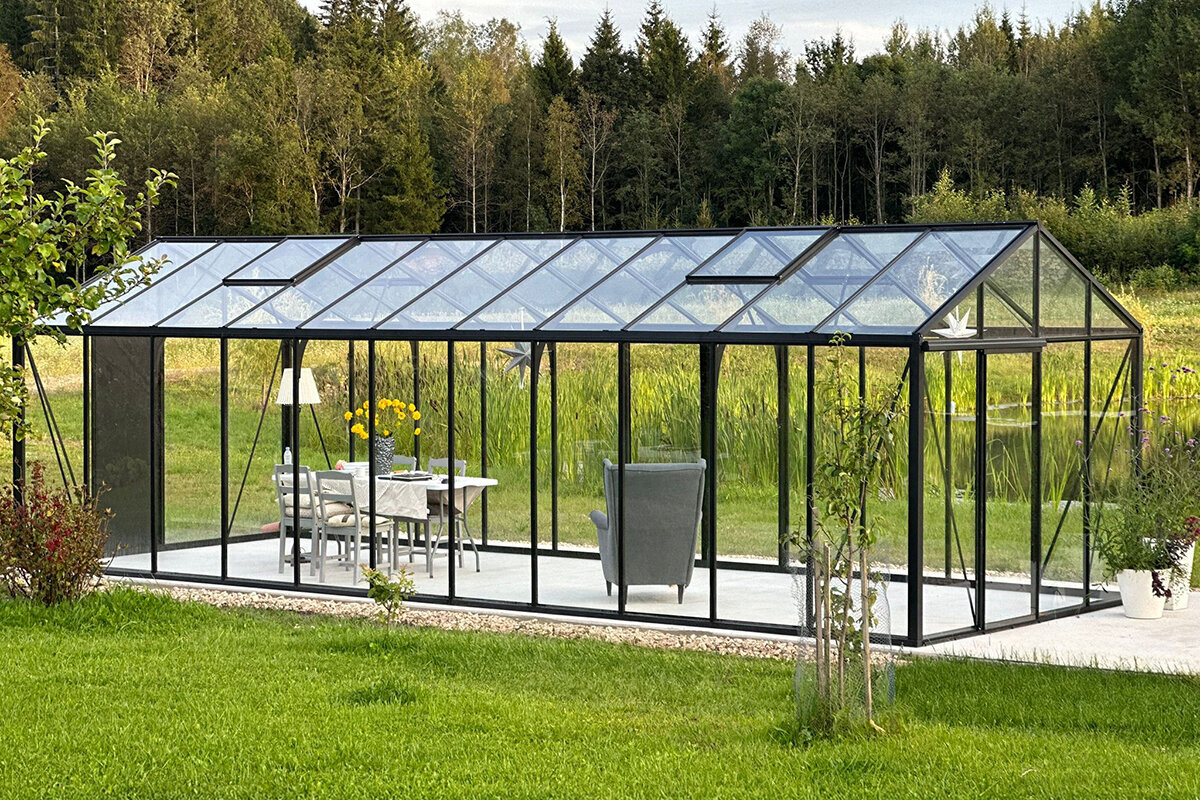
What Can You Really Grow in a Premium Aluminum Greenhouse? (Month-by-Month Guide for the USA)
If you have ever wondered what can you grow in a greenhouse, you are not alone. In the United States, gardeners face everything from late spring frosts and heavy storms to intense summer heat, drought, and humid stretches that invite pests and plant diseases. A well-designed aluminum greenhouse changes that reality by turning unpredictable weather into a more stable environment where plants can thrive. With the right approach, a greenhouse becomes more than a seasonal project—it becomes a place for year-round greenhouse growing, meaningful harvests, and a calmer, more enjoyable gardening routine.
This article is a practical greenhouse growing calendar for the USA. It explains what to plant and what to harvest month by month, but it also covers the real reasons crops succeed or fail in protected growing: soil structure, watering consistency, nutrition timing, light management, and airflow. The goal is to help you build a greenhouse plan you can repeat every year with better results each season.
Throughout this guide we will also address the questions people ask when shopping for the best greenhouse for home gardeners. We will discuss what a premium greenhouse should deliver, why greenhouse material choices matter, and how the decision between glass greenhouse vs polycarbonate affects light, performance, and long-term value. Finally, you will see how a Bloomcabin greenhouse is designed to support high performance with an elegant look—so your greenhouse becomes both a productive garden tool and a beautiful outdoor feature.
Because the USA spans many climates and USDA zones, your exact planting dates may shift slightly. However, a greenhouse is about controlling the environment inside the structure, so this greenhouse growing calendar remains useful in nearly every region. You can think of each month as a “program” you run based on light and temperature realities: low-light winter crops in the cold season, vigorous fruiting crops in the warm season, and succession planting in the transition months so you never hit a sudden gap in harvests.
Why a Premium Aluminum Greenhouse Makes Year-Round Growing Realistic
A greenhouse works best when it behaves like a reliable, long-term system. That is why a premium greenhouse matters. A true premium build is not only about looks; it is about stability through wind, snow, heavy rain, and daily use. An aluminum greenhouse is particularly well suited for American climates because aluminum does not rust, does not rot, and does not warp. Those traits matter in humid regions, coastal areas, and places where winter storms test any structure year after year.
Light is another defining advantage. In the colder months, the biggest challenge for winter greenhouse growing is often not temperature alone—it is daylight. A greenhouse that transmits more usable light gives you better winter greens, stronger spring seedlings, and healthier plants overall. This is where the glass greenhouse vs polycarbonate discussion becomes practical. Many gardeners choose glass because it offers high clarity and long-term durability, which is especially helpful when you want consistent results across many seasons.
A Bloomcabin greenhouse is designed to help home gardeners treat greenhouse growing as a repeatable, enjoyable routine. When you pair solid structure with predictable climate control, you make year-round greenhouse growing much more achievable. You also gain the freedom to grow more types of crops, start earlier, harvest later, and keep producing when outdoor beds are dormant.
How to Use This Greenhouse Growing Calendar in Any U.S. State
The most successful greenhouse gardeners do not rely on “perfect weather.” Instead, they rely on a few consistent habits: they keep soil healthy, water predictably, feed plants based on growth stage, and vent regularly to manage humidity. These habits matter because a greenhouse creates a high-potential environment—but it also concentrates moisture and plant density, which means airflow and sanitation become important.
Think of your greenhouse as a small ecosystem. Your daily decisions—opening vents for thirty minutes, watering in the morning rather than late afternoon, pruning to keep a canopy open—can prevent most common greenhouse problems. That is why this greenhouse growing calendar includes management guidance, not only crop lists. This approach answers the question what can you grow in a greenhouse in a way that is realistic: your results improve when you match crops to the season and keep the environment steady.
January: Winter Greens, Microgreens, and Stable Root Conditions
January is the month that proves greenhouse growing is not only for summer. In many states, outdoor beds are frozen or dormant. Inside a protected structure, you can harvest fresh greens and grow fast-turnaround microgreens. A strong January strategy is the foundation of successful winter greenhouse growing, and it sets you up for smoother transitions into spring.
What to grow in January: spinach, winter lettuce mixes, arugula, kale (especially baby kale), mustard greens, Swiss chard (in milder regions), parsley, chives, and microgreens such as pea shoots, radish greens, broccoli microgreens, and mustard microgreens.
Soil needs: Winter crops prefer loose, compost-enriched soil that drains well. In cold weather, roots need oxygen. If soil stays wet and cold, growth slows and disease pressure increases. Water lightly and consistently, and focus on keeping soil “evenly moist” rather than saturated. A thin mulch layer can reduce surface evaporation without trapping excessive moisture.
Light needs: In January, daylight is often the limiting factor. Keep glazing clean, avoid unnecessary shade from tall plants, and consider placing microgreens on a bright bench or shelf. Many winter greens can grow slowly at 35–50°F if light is sufficient, but they stall if light is too weak.
Nutrient needs: Winter greens do not need aggressive feeding. Modest nitrogen supports leaf production, but too much nitrogen produces soft tissue that is more vulnerable to mildew. Compost top-dressing is often enough in a well-managed bed.
February: Seed Starting and Strong Transplants for the USA
February is when many home gardeners begin the new season in earnest, using a greenhouse for seed starting. A good February plan gives you sturdy transplants and earlier harvests later in the year. It also keeps your greenhouse active, which reinforces the habits that make year-round greenhouse growing easier.
What to start in February: tomatoes, bell peppers, hot peppers, eggplant, basil, onions, leeks, celery, and early herbs such as oregano and thyme.
Soil needs: Use a fine, well-aerated seed-starting mix. Seedlings need oxygen around roots as much as they need moisture. Avoid overly rich mixes for germination; high fertility at this stage can push weak growth. After true leaves appear, begin gentle feeding and pot up seedlings before they become root-bound.
Light needs: Low winter light can create leggy seedlings. Maximize daylight and, if needed, supplement with steady grow lighting so seedlings stay compact. Rotate trays so growth is even. Compact growth now leads to better performance after transplanting.
Nutrient needs: Feed lightly after true leaves develop. A diluted balanced fertilizer or compost tea supports steady growth without forcing weak stems.
March: Faster Growth, Balanced Feeding, and Humidity Management
In March, days lengthen in most U.S. regions and seedlings accelerate. You can still harvest winter greens, but you can also begin advancing warm-season crops toward final greenhouse beds or larger containers. March is the month when your greenhouse begins to feel truly productive rather than purely preparatory.
What to grow in March: continued winter greens, plus tomatoes and peppers in larger pots, early cucumbers, herbs, and cool-season brassicas such as broccoli and cauliflower starts.
Soil needs: If you are potting up, use a richer mix with compost and slow-release organic nutrition. For bed-grown greens, keep the top layer loose and add compost if the soil looks compacted. Roots need oxygen and stable moisture for vigorous growth.
Light and airflow needs: As temperatures rise on sunny days, condensation becomes common at night. Vent during the warmest part of the day to reduce humidity and dry foliage. Strong airflow lowers mildew risk and supports sturdier plants.
Nutrient needs: Greens prefer moderate nitrogen, while young fruiting crops benefit from balanced feeding that includes calcium and magnesium. If growth is lush but weak, reduce nitrogen and improve airflow. If leaves are pale and growth is slow, use a modest, balanced feed rather than a heavy nitrogen push.
April: Mixed Harvests, Space Zoning, and Stable Watering
April is a transition month, and it is where a greenhouse’s value becomes obvious. You can harvest quick crops like radishes and greens while preparing longer-season crops like tomatoes and peppers for steady summer production. The best approach is zoning: dedicate one area to short-cycle crops and another to long-cycle fruiting plants.
What to grow in April: lettuce, spinach, arugula, radishes, carrots (if soil is deep and loose), strawberries in containers, plus tomatoes and peppers moving into final greenhouse positions.
Soil needs: Radishes and carrots prefer deep, loose soil without stones. Tomatoes and peppers prefer compost-rich beds and steady moisture. Mulching helps stabilize water and temperature.
Light needs: Light is stronger, but temperature swings can still stress plants. Protect tender seedlings from cold nights in northern regions, and vent early in warm regions to prevent overheating.
Nutrient needs: Keep greens on moderate feeding. Prepare fruiting crops with balanced nutrition and ensure calcium availability to reduce blossom-end rot risk later. Watering consistency is critical for calcium uptake.
May: Flowering, Pollination, and Early Fruit Set
May is when greenhouse fruiting crops begin flowering heavily. In many states, this is also when outdoor weather becomes more stable, but the greenhouse still provides better control and higher consistency—especially for tomatoes, cucumbers, and peppers.
What to grow in May: tomatoes, cucumbers, peppers, basil, oregano, thyme, rosemary, and (in larger spaces) early melons.
Soil and water needs: Fruiting crops need deep, evenly moist soil. Dry-wet swings can cause blossom drop and inconsistent fruit set. Drip irrigation or a consistent hand-watering routine often improves results dramatically.
Nutrient needs: Shift feeding toward potassium and phosphorus while keeping nitrogen moderate. Ensure steady calcium to reduce blossom-end rot in tomatoes and peppers. Avoid excessive nitrogen because it can create lush leaves but fewer fruits.
Pollination needs: Good airflow helps. You can also gently shake tomato flower clusters. If cucumbers or melons struggle to set, confirm the variety’s pollination requirements and support with airflow or hand pollination when needed.
June: Heavy Feeding, Training Vines, and Humidity Control
June is rapid growth season. Tomatoes form fruit clusters, cucumbers climb fast, peppers build canopy, and herbs thrive with regular harvesting. The main greenhouse skills in June are pruning, training, and humidity control, because dense plants can trap moisture and shade fruit zones.
What to grow in June: tomatoes, cucumbers, peppers, eggplants, basil, and supportive companion plants such as marigolds (where appropriate).
Soil needs: Fruiting crops are heavy feeders. Compost-rich beds plus steady supplemental feeding often works best. Combine slow-release soil fertility with occasional gentle liquid feeding during peak demand.
Water and humidity needs: Water in the morning. Vent regularly. If leaves stay wet overnight, increase daytime airflow and reduce late-day watering. Mulch reduces evaporation and stabilizes soil temperature.
July: Peak Harvest, Heat Management, and Fruit Quality
July is peak productivity, but it can also be the hardest month in hot states because overheating can reduce pollination and increase pest pressure. A greenhouse must be ventilated and, in many climates, shaded. The goal is not maximum heat—it is stable, productive conditions.
What to harvest in July: tomatoes at peak ripening, cucumbers nearly daily, peppers as they size up, basil and herbs continuously.
Soil and water needs: Keep moisture consistent. Avoid drought-flood cycles that cause fruit cracking and stress. In very hot regions, mulch and morning watering help keep the root zone cooler.
Nutrient needs: Focus on potassium for fruit quality and calcium for firmness. Avoid pushing nitrogen too hard.
Pest management: Check leaf undersides for aphids, whiteflies, and spider mites. Strong airflow and quick response prevent outbreaks.
August: Succession Planting, Soil Refresh, and Smooth Transitions
August is when experienced growers plant the fall garden while summer crops are still producing. If you want steady harvests, do not wait until September to start fall greens in most regions. Start small batches regularly so you can transplant as summer crops decline.
What to plant in August: lettuce, spinach, kale, arugula, Asian greens (bok choy, tatsoi), radishes, and green onions.
Soil needs: Replenish beds with compost. If you have been feeding heavily, flush the soil once with a deep watering to reduce salt buildup, then return to consistent watering. Keep soil covered (plants or mulch) to protect structure.
Nutrient needs: Fall greens prefer moderate nitrogen. Overfeeding can lead to bitterness and weak growth when light begins to decline.
September: Cooler Nights, Better Flavor, and Strong Fall Growth
September is often one of the most pleasant greenhouse months. Heat pressure drops, many pests decline, and greens develop excellent flavor. This is also when greenhouse season extension becomes obvious: while outdoor gardens slow, your greenhouse stays productive.
What to grow in September: lettuce, spinach, arugula, kale, Swiss chard, cilantro, and green onions.
Soil and water needs: Reduce watering slightly as evaporation decreases. Avoid overly wet soil in cooler weather.
Light needs: Days shorten. Keep glazing clean and avoid overcrowding. Thin greens for airflow and disease prevention.
October: Low-Light Efficiency, Condensation Control, and Hardy Crops
October is prime time for hardy greens. Your main challenge becomes managing condensation and making the most of shorter days. A daily venting habit during the warmest hours helps dry leaves and reduces mildew risk.
What to grow in October: winter lettuce mixes, spinach, arugula, kale, parsley, cilantro, and hardy Asian greens.
Soil and nutrient needs: Reduce feeding. Compost and modest nitrogen are usually enough. Too much fertilizer in low light often produces weak, disease-prone growth.
November: Minimal Input Gardening and Reliable Harvests
November is the quiet power of a greenhouse. Growth is slower, but harvests continue, and your workload decreases if you adjust watering and feeding to match the season. Microgreens become especially useful because they provide fast harvests even when daylight is limited.
What to grow in November: spinach, lamb’s lettuce (mâche), hardy lettuces, microgreens, parsley, chives, and green onions.
Water needs: Water lightly, only when needed. Overwatering in cold, low-light months is a common cause of poor growth.
December: Quiet Productivity and Planning for the Next Cycle
December closes the loop on year-round greenhouse growing. This is where winter greenhouse growing becomes a real lifestyle benefit: you can still harvest salads and herbs while outdoor gardens are dormant. Keep inputs modest, maximize light, and protect plants from deep freezes if your region gets extreme.
What to grow in December: microgreens, spinach, hardy lettuce mixes, parsley, and chives.
Planning: Review what worked this year, list your best varieties, and plan your next season’s crop rotation. A greenhouse becomes more productive each year when you keep notes and refine routines.
Glass Greenhouse vs Polycarbonate: What U.S. Gardeners Should Know
Many buyers compare glass greenhouse vs polycarbonate before choosing a structure. The practical difference often comes down to light clarity, long-term appearance, and how the greenhouse performs over years of sun exposure. Glass is valued for its clarity and long lifespan, which helps when your winter success depends on maximizing daylight for winter greenhouse growing. Polycarbonate is often chosen for diffusion and impact resistance in some scenarios, but clarity and long-term aesthetics are major reasons gardeners still prefer glass in the premium segment.
When you are deciding between glass greenhouse vs polycarbonate, consider your goals. If you want strong winter greens, compact seedlings, and a structure that looks beautiful year after year, glass-based premium builds can be a compelling fit. If you are targeting the most predictable performance for a home garden and you want a structure that supports year-round greenhouse growing, the quality of the full system—frame, glazing, vents, and sealing—matters more than any single material alone.
What Makes the Best Greenhouse for Home Gardeners?
The best greenhouse for home gardeners is not necessarily the largest one. It is the greenhouse that matches your routine and makes it easy to keep plants healthy. A greenhouse that is difficult to ventilate, awkward to water in, or cramped to harvest from can reduce how often you use it. In contrast, a greenhouse with comfortable access, good vent placement, and a practical interior layout becomes part of daily life.
A premium greenhouse tends to feel better to use because it is stable, it opens and closes smoothly, and it maintains a professional level of fit and finish. Many home gardeners also value how a greenhouse looks in the yard, because a greenhouse can become a permanent architectural feature. That is one reason an aluminum greenhouse is popular: it stays clean and attractive over time without constant maintenance.
If you want the best greenhouse for home gardeners, look for a structure that supports consistent airflow, allows your chosen growing style (beds, containers, or a combination), and gives you enough space to work without crowding. That is where a Bloomcabin greenhouse can fit well, because it is designed to support both productivity and an elegant backyard aesthetic.
FAQ: What Can You Grow in a Greenhouse in the USA?
What can you grow in a greenhouse in winter?
For winter greenhouse growing, the best crops are cold-tolerant leafy greens and herbs such as spinach, winter lettuce, arugula, kale, parsley, chives, and microgreens. These crops tolerate low light and cooler temperatures better than fruiting crops. They also require modest fertilization and reward you with steady harvests when outdoor beds are dormant.
What can you grow in a greenhouse year-round?
With good planning, year-round greenhouse growing can include winter greens, spring seedlings, summer fruiting crops, and fall successions of greens. The best approach is to follow a structured greenhouse growing calendar so you always have something in production while other crops are finishing.
Does a greenhouse replace outdoor gardening?
Most home gardeners use a greenhouse to extend and enhance outdoor gardening rather than replace it. A greenhouse helps you start earlier, grow higher-quality crops, protect plants from weather and pests, and maintain productivity during shoulder seasons. Many gardeners keep outdoor beds for bulk crops and use the greenhouse for higher-value and more sensitive crops.
Is an aluminum greenhouse worth it?
An aluminum greenhouse is often worth it for home gardeners who want durability, low maintenance, and long-term stability. Aluminum resists rust and rot, which matters in humid and coastal U.S. climates. When paired with strong glazing and ventilation, it becomes a reliable platform for repeated seasons of production.
Closing Thoughts: A Greenhouse Is a Year of Harvests, Not a Season of Hope
The biggest shift a greenhouse can bring is consistency. When you follow a realistic greenhouse growing calendar, manage soil health, water steadily, feed by growth stage, and vent to control humidity, you stop relying on luck and start building repeatable results. That is the real answer to what can you grow in a greenhouse: you can grow an enormous variety of crops when your environment stays stable and your routine stays simple.
If you are aiming for year-round greenhouse growing, start by mastering winter greenhouse growing with greens and microgreens, then expand into spring seedlings and summer fruiting crops. Over time, you will refine your process, learn your structure’s rhythm, and turn greenhouse growing into one of the most rewarding parts of your home garden.
A Bloomcabin greenhouse is built to support that long-term journey with a stable frame, strong light performance, and a design that feels at home in a backyard. If you want the best greenhouse for home gardeners, focus on long-term usability, climate control, and the kind of build quality that makes you excited to step inside every day.
