
What Firewood Should You Use for a Wood-Fired Hot Tub?
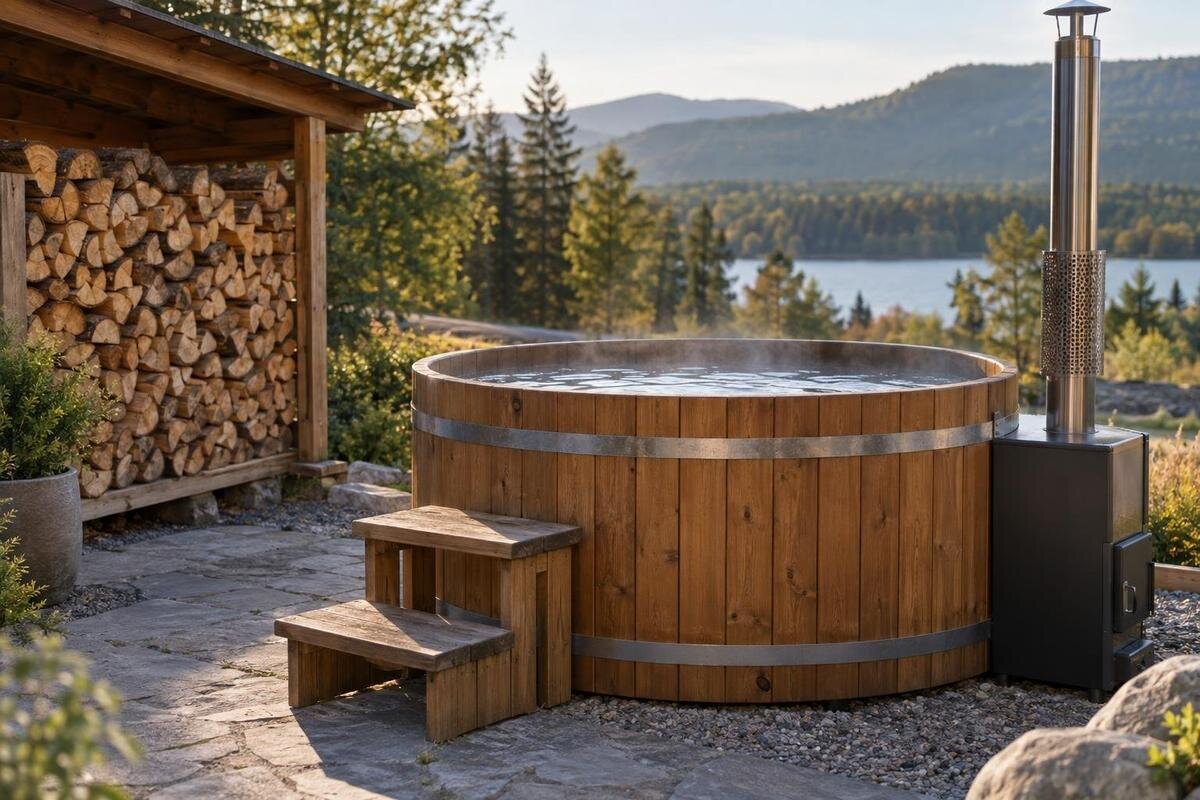
Wood-fired hot tubs
Choosing firewood for a wood-fired hot tub is not just a matter of picking hardwood or buying whatever is called seasoned. The right batch must meet the requirements of the specific heater, fit its permitted log dimensions, and stay dry in storage. Start with the manufacturer’s fuel guidance, then use supplier details to compare species, moisture, cut, and quantity.
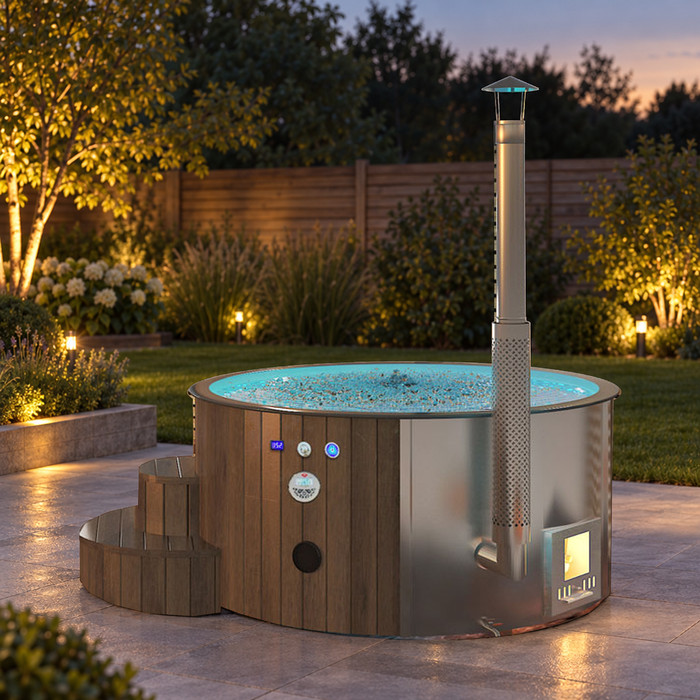
Start with the exact heater instructions
Begin with the instructions for the exact tub and heater configuration, not a general guide to wood stoves. Find the owner’s manual and any separate heater instructions. Look for the permitted fuel type or species, moisture guidance, maximum log length, limits on split size, and restrictions on mixed or processed wood. Requirements can differ between heaters, even when tubs look similar. If the manual leaves a point unclear, ask the manufacturer to answer for the model and heater option in writing. Confirm that you have the current instructions for that configuration; an older guide for a different heater may not apply. Do not infer an approved fuel or log size from a product photograph.
Write down the model name and selected heater option before contacting the manufacturer. A catalog identity such as Bloomcabin Hot Tub Cove 2 helps identify which product you mean, but its name alone does not confirm whether a wood-fired heater is offered or what fuel it accepts. If you are shopping, ask which heater options are available for the exact version and request the matching fuel guidance before buying firewood. If you already own the tub, use its manual rather than an article for another appliance. Keep the manufacturer’s response with your firewood order so the supplier can work from the specific requirements.
How hardwood and softwood differ as firewood
Hardwood and softwood are broad wood-group labels, not grades of heater suitability. Many commonly sold hardwoods are denser than many softwoods, so a comparable volume of solid wood can contain more dry wood by weight. Density can affect how much fuel is represented by a delivery measure and how the species behaves when burned. The names are not a reliable test of each piece’s physical hardness, either. Species vary within each group, and dryness, split size, and heater design also matter. A hardwood label does not account for moisture or log dimensions, and softwood is not automatically unsuitable. The manufacturer’s accepted-fuel guidance matters more than a universal ranking.
Use the comparison to ask a supplier for species names, not just hardwood or softwood. If a load is mixed, request the species in the mix and ask whether its composition can change; one broad label can hide different woods. If you are considering Bloomcabin Hot Tub Haven 6, include the locally available species in your questions about the heater options and their fuel requirements. That connects the product inquiry to wood you can actually source. Once the permitted species are clear, compare the available batches by dryness and log fit. Keep the species names in your comparison rather than reducing each option to a hardwood or softwood label.
What seasoned and kiln-dried labels mean
“Seasoned” usually describes firewood dried naturally over time, while “kiln-dried” describes wood dried in a controlled chamber. Neither phrase by itself gives you the current moisture content of the batch you will receive. Seasoning depends on species, split dimensions, stacking, airflow, weather, and time; sellers may also use the word without stating a measurable endpoint. Kiln drying identifies a process, not necessarily how dry the wood remains after storage and delivery. Treat both labels as useful background, not a substitute for a moisture figure or the requirements in the heater instructions. Ask whether the description applies to the whole current load.
Before ordering, ask for the current batch’s measured moisture range, how it was measured, and whether the supplier’s term refers to a specific target or simply to the drying method. A dated answer is more useful than a general claim about the seller’s usual stock. Dried wood can absorb moisture if left exposed, so the condition at delivery matters as well as the earlier drying process. When gathering fuel information for Bloomcabin Hot Tub Fjord 8, distinguish the drying process from the moisture condition required by the applicable heater instructions. Record both rather than treating “kiln-dried” as the moisture specification. If the instructions do not give a moisture target, ask the manufacturer to clarify.
Match split-log dimensions to the heater
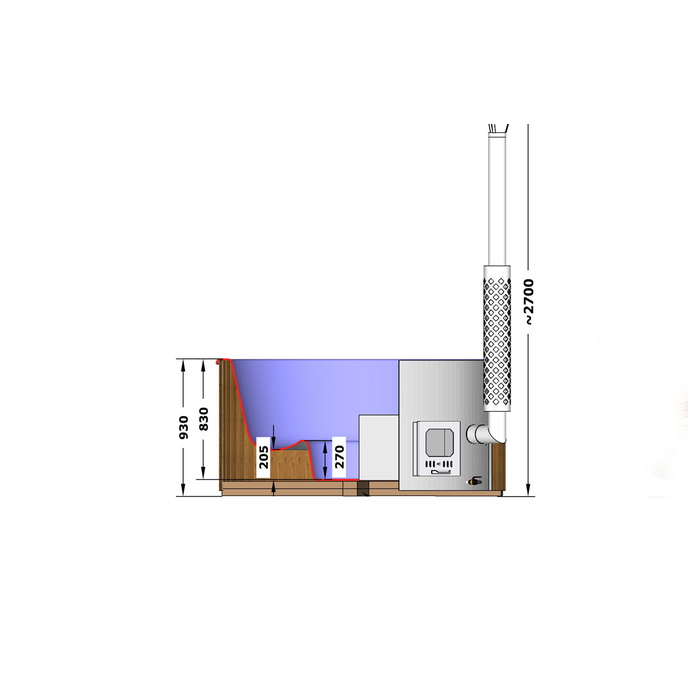
Log dimensions affect whether fuel fits the heater and can be loaded as intended. Find the permitted maximum length and any stated diameter or split-piece size in the heater instructions; do not assume the opening alone gives the full allowance. Measure finished split logs, not just unsplit rounds or a supplier’s nominal cut length. If the manual gives only a maximum, ask whether it also sets a minimum or other shape limits. A load with highly variable pieces can leave you with logs you cannot use as supplied, even if its average length appears suitable. Do not estimate firebox dimensions from the outside of the hot tub.
Ask the supplier for the actual length range and the size of the split pieces, and clarify whether a quoted dimension is typical or a maximum. If possible, request a representative sample or a written cut specification before delivery. When asking about heater options for Bloomcabin Hot Tub Aurora 10, include a request for the permitted log dimensions so you can compare them with the supplier’s available cuts. Keep length and split size as separate entries in that comparison. If the seller cannot meet either requirement, ask whether another cut or stock item is available instead of assuming every oversized piece will be easy to adjust after delivery.
Questions to ask a firewood supplier
Make the supplier conversation specific. Ask for the tree species, whether the load is single-species or mixed, whether logs are split, and the range of finished piece lengths. Ask whether dryness is supported by a current moisture reading or described only as “seasoned” or “kiln-dried,” and whether the details apply to the batch being sold. Find out in advance if the seller may substitute when stock changes and whether you can approve a replacement. These questions turn vague product language into details you can compare with the heater requirements. If an answer is unavailable, mark that item as unknown rather than filling in the blank from a label.
Give the supplier a clear specification based on the manufacturer’s permitted species, moisture conditions, and dimensions, rather than asking only for “hot tub firewood.” If your inquiry concerns the Cove 2 catalog listing, identify the precise heater option in your notes as well. Separate what the heater requires from what the supplier offers: the wood seller can describe the load, explain its measurements, and confirm whether the requested cut is available. The seller should not have to guess what the hot-tub manufacturer allows. Ask the quote to show the agreed species mix and size range, with any unanswered questions clearly identified, so you know what is settled before placing the order.
Check how moisture is measured
Moisture percentages are only comparable when you know how they were obtained. Ask the supplier which meter or method was used, whether the figure is reported on a wet or dry basis, and where the sample was taken. A surface reading on one log may not represent the interior or a mixed load; ask whether a sample was split to expose fresh wood and how many pieces were checked. Then compare the answer with the measurement method and basis in the heater instructions. If the manufacturer gives a moisture range but does not explain the basis, clarify it before treating a supplier’s number as a pass-or-fail result. Ask whether the figure is an average or a range.
For a model under consideration, such as the one shown in the Haven 6 product listing, request the applicable heater’s moisture guidance before comparing supplier readings. A manufacturer’s stated limit cannot be matched confidently to an unexplained percentage. If the seller offers only “dry” or “ready to burn,” ask for a measurement or further explanation; if none is available, the label does not answer the question. Keep the reported range, measurement basis, sampling method, and date together in your notes. Also ask whether the reading describes the batch being sold or a selected sample, and whether the load will remain protected until delivery. This preserves the context needed to interpret the number.
Choose a purchase quantity and unit
Choose a quantity only after you know which fuel the heater accepts and how the supplier measures delivery. Ask the manufacturer whether it provides a fuel-quantity estimate for the exact configuration and what the estimate covers; do not transfer an amount from another model or a general wood stove. A supplier’s bundle, stack, or bulk-load description is a delivery unit, not a promise about how much your heater will use. If no model-specific estimate is available, avoid treating a guessed amount as the right order. Consider a smaller first purchase if offered, especially when trying a new supplier or species, and keep the planned quantity within the space you can keep dry.
Clarify whether a cord, fraction, bundle, or bulk load is stacked or delivered loose, and ask for the stated volume or piece count. A loose pile and a neatly stacked pile do not use the same space because gaps and log lengths vary; compare like delivery forms rather than judging by a truck or pile photograph. Confirm the length used when the supplier estimates the volume and whether mixed wood is included in one measurement. If you are considering the Fjord 8 catalog entry, keep any manufacturer-provided fuel estimate separate from the supplier’s delivery unit. One describes expected fuel use under the stated conditions; the other describes what you are ordering. Record both clearly when deciding on a quantity.
Plan storage that keeps the wood dry
Plan storage before delivery is booked. Choose a dry, ventilated place with room for the actual volume and log length, rather than accepting more wood than you can keep in good condition. Protection from precipitation helps prevent dried fuel from becoming wet again; keeping the stack off damp ground also limits moisture pickup. If you cover it, protect the top while allowing air to circulate around the stack. Avoid enclosing damp wood so tightly that it cannot dry. Follow any manufacturer storage instructions for the fuel, and account for the practical path from the delivery point to storage so the load can be moved without blocking routine access.
Keep older stock separate from new deliveries and label the species, supplier, and delivery date when more than one type is stored. This makes it easier to identify a mixed batch or trace which load raised a moisture or size concern. If the Aurora 10 product page is part of your shopping shortlist, include fuel storage in your planning once the heater option and its requirements are clear. Allow for separate batches rather than treating the entire storage area as one undivided pile. Keep the identifying notes accessible without having to move the wood, and preserve enough access to check each batch. This organization helps you keep track of what you have before placing another order.

Compare local suppliers and stock changes
Local availability can make one species easier to source consistently than another, but the list of stocked wood may change. Ask suppliers what species they currently have and whether a “mixed hardwood” or “mixed softwood” blend is fixed or varies from load to load. If the manufacturer’s instructions allow only specified fuels, make a short list of acceptable alternatives before your preferred species runs out. Do not accept a substitute based only on its belonging to the same broad group. Reconfirm the species before each order, especially if you return to the same supplier after a gap.
Compare local sellers using the same fuel specification, then note where each can provide a consistent match. One may have the required cut in current stock, while another may offer a suitable species only intermittently; ask rather than assuming either arrangement. Distinguish a seller’s usual range from the batch available for your order. Also compare how clearly sellers explain their drying claims and protect stock before delivery. A supplier comparison is more useful when it records specific answers and unresolved details instead of a general impression that the wood is dry. Keep acceptable alternatives on file so a stock change does not force you to restart the entire search.
Check the first delivery against your order
Use the first delivery to check whether the supplier’s description matches what arrives. Have the order details available and keep the new load identifiable while you assess it. Compare the finished split lengths and species with the written agreement, and check that the quantity arrives in the stated form. If you ordered after seeing a sample, confirm that the delivery matches the species, drying claim, and cut represented by that sample. A hand-picked piece may not represent a mixed load. Note any differences before combining the delivery with older stock. This is a sourcing check, not a reason to use wood that fails the heater instructions; resolve uncertainty before use.
Keep an itemized order showing species or mix, moisture statement and measurement, dimensions, delivery unit, and approved substitutions. Add your delivery observations to that record, including which details matched and which need a response from the seller. If a portion differs in species, size, or condition, separate it and ask the seller to address the mismatch rather than assuming every piece is acceptable. Keep any agreed resolution with the original order so the record shows both what was promised and what was supplied. These notes make a repeat order more precise, help you request wood to the same acceptable specification, and give another supplier clear requirements if your local source changes.
Frequently asked questions
Is hardwood always better than softwood for a wood-fired hot tub?
No. Many hardwoods are denser than many softwoods, but species and heater designs vary. Neither label proves that a particular wood is permitted or suitable. Check the manufacturer’s fuel guidance, then compare named species, dryness, and log size.
Does seasoned firewood mean it is dry enough?
Not necessarily. “Seasoned” usually describes air-drying, but the label alone does not tell you the current moisture content or whether it meets your heater’s instructions. Ask for a measurement and how it was taken.
Can I use kiln-dried firewood in any wood-fired hot tub?
The kiln-dried label describes a drying process; it does not establish that the wood is approved for every heater or meets a particular moisture requirement. Confirm the permitted fuel and moisture guidance for your exact heater before ordering.
What moisture content should I look for?
Use the requirement in the instructions for your exact heater rather than a universal number. Ask suppliers how they measured the moisture, whether the figure is a range, and whether it uses the same measurement basis as the manufacturer’s guidance.
How do I choose log length and order quantity?
Get the permitted log dimensions and any manufacturer-provided fuel-quantity guidance for the exact heater. Ask the supplier for the finished split-log range and a clearly stated delivery unit. Don’t infer dimensions or fuel use from a product name or photograph.
There is no single firewood species that suits every wood-fired hot tub. Choose a named, sufficiently dry, correctly sized batch that matches the instructions for the specific heater and can be stored dry. Once those points are recorded, local hardwood and softwood options become a practical comparison rather than a guess.
