
What Makes a Well-Built Outdoor Hot Tub?
Outdoor hot tub buying guide
An outdoor hot tub can look substantial in a photograph and still leave important construction questions unanswered. Visible surfaces and trim do not establish the materials behind them, how the parts are joined, or how repairs are handled. A useful quality assessment connects construction claims with model-specific information and considers access for future service. The catalogue details available here identify Cove 2, Haven 6, Fjord 8, and Aurora 10 only; their construction, insulation, components, service arrangements, parts support, and warranty terms remain unconfirmed. Use the same checklist for each model, keeping unknowns separate from documented details and visible observations.
Build quality is more than appearance
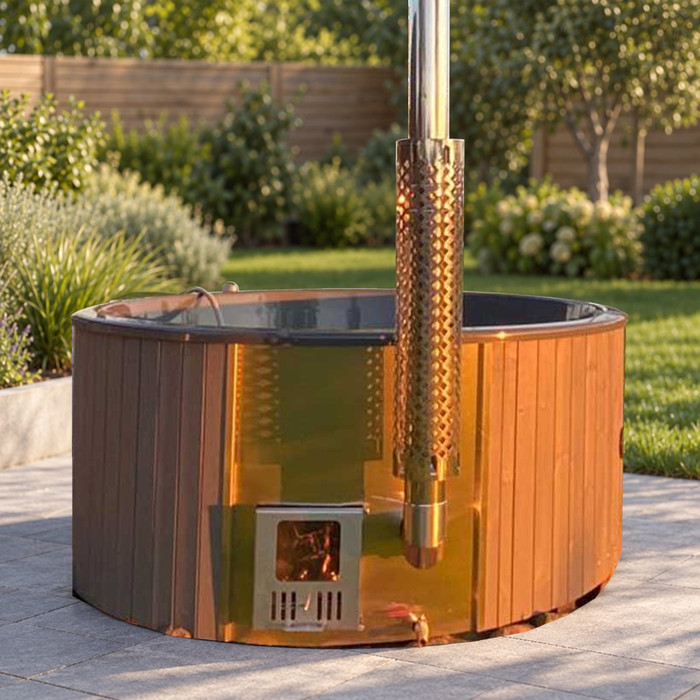
Outdoor hot tub build quality is a chain of decisions, not a single finish or heavy-looking panel. The shell or water-holding body, support structure, exterior panels, base, insulation, plumbing, and powered equipment have different jobs; construction claims should identify which part they describe. Ask how the parts are made and joined, what documentation backs the description, and whether a technician can reach components that may need attention. A smooth surface can be well finished while hidden details remain unknown, so the visible impression is only one piece of evidence.
Use a simple chain: claim, component, evidence, and what it means for upkeep. If a listing says a cabinet is weather resistant, find the exact cabinet material or finish, the intended exposure, and the care instructions; do not translate the phrase into an assumed lifespan. If it says a structure is reinforced, ask what is reinforced and how that is documented. Keep an unanswered field marked “not stated.” That is more accurate than treating missing information as proof of poor construction or as a reason to trust the claim. This approach also keeps build quality separate from other buying decisions.
Identify the materials and how they are assembled
Request a part-by-part material description rather than one headline label. Ask what the shell is made from and which surface layers or finishes are included; identify the materials used for any support frame, cabinet, base, removable panels, fasteners, and seals. These categories may not all apply to every design, and a cover or accessory should be listed separately if included. Then ask how the major pieces are assembled: for example, which connections use mechanical fasteners, bonded joints, or another specified method. The answer should distinguish a named construction method from a vague phrase such as “solid build.”
Supporting records might include a model-specific specification sheet, assembly drawing, manufacturer material information, and written care guidance for exposed finishes. Each document should identify the model and, where relevant, its revision; a generic brochure for a product family may leave differences unresolved. Do not assume a color, smooth surface, or photograph reveals the material underneath. When reviewing Bloomcabin Hot Tub Cove 2, match each material description to a named part rather than applying one headline description to the entire tub. If the documents identify the shell material but say nothing about the support or exterior panels, leave those entries separate and unresolved.
Inspect fit, finish, and exposed surfaces
Inspect visible fit and finish as evidence of workmanship, not as a proxy for hidden strength. If you can see a sample unit, look along panel edges and joins, around corners, and at access-panel borders. Note whether gaps and lines appear consistent, surfaces are even, exposed edges are neatly finished, and fasteners or trim sit cleanly. Check for cracks, chips, lifting finish, or damage, then ask whether it is a sample condition, a cosmetic issue, or a sign that a component needs attention. One small imperfection does not diagnose the structure, but repeated or unexplained defects deserve an answer. A second sample can help put a single observation in context.
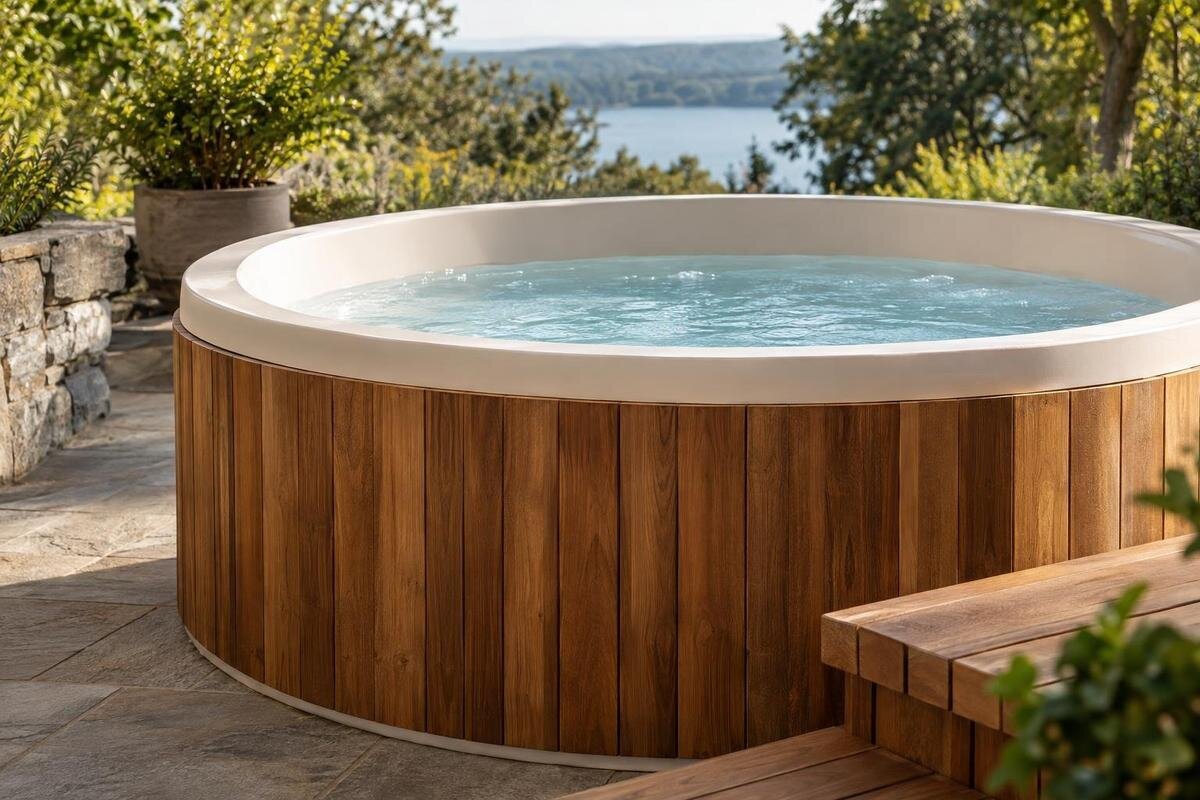
Images can show a model’s general appearance and may reveal visible blemishes, but they cannot verify wall thickness, internal layers, concealed joints, insulation coverage, or the condition of parts behind a panel. Lighting, cropping, image compression, and viewing angle limit what a buyer can judge; a polished image is not an inspection record. Ask for close views of the exact model and revision, including seams and access doors, or inspect a representative unit if one is available. Use the Haven 6 product listing to identify the model when requesting those views. Describe the particular edge, seam, or surface you want to examine instead of asking only for more photos.
Ask for insulation and component details
Insulation claims should say where insulation is located and what areas it covers, rather than relying on a phrase such as “full insulation.” Ask whether the description applies to the shell, cabinet, plumbing, base, or some subset; request a drawing or written specification that makes those boundaries understandable. Check whether the documents explain how service openings are treated, since buyers need to understand both coverage and access. Do not compare two products using a single adjective or a cropped photograph, and do not infer a particular material or performance from marketing wording. A general statement about heat retention does not establish a specific construction detail.
Treat equipment as individual components, not one unexplained package. For each component the specification actually lists—such as a pump, heater, control, or filtration unit—record the make and model where stated, its documented role, and whether replacement parts can be ordered. Ask whether manuals identify compatible parts and whether repairs go through the seller, manufacturer, or another service channel. Do not assume familiar-looking equipment is interchangeable or that a brand name guarantees future availability. For Bloomcabin Hot Tub Fjord 8, request component information tied to the configuration being sold. Keep any listed equipment separate from optional items, and mark an unnamed component as unspecified rather than guessing its identity from a photo.
Check access, repairability, and service
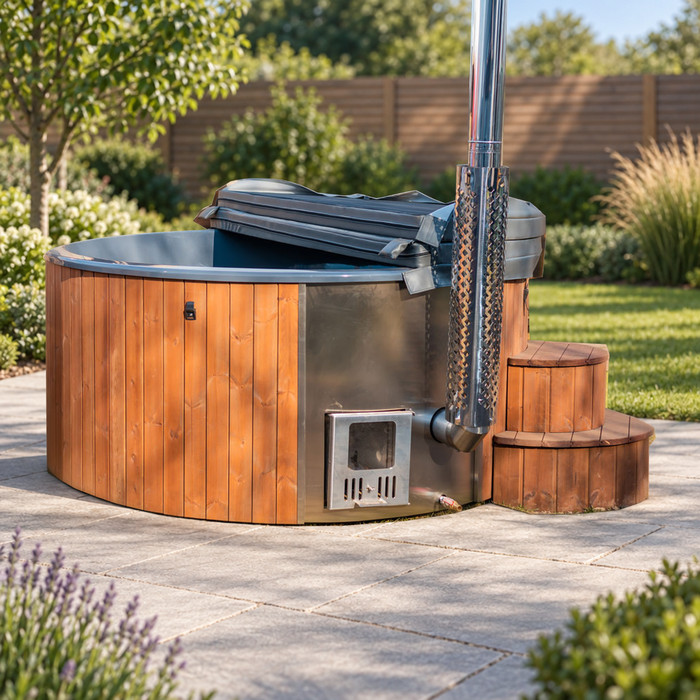
Service access is a construction detail with consequences for future maintenance. Ask where removable panels are, which components are reached through each opening, and whether a service manual or diagram shows the intended access points. A panel that looks neat in a photograph does not show what lies behind it, and a compact arrangement is not automatically easy to repair. If access depends on moving or removing a major part, ask who performs that work and what the manufacturer specifies. Use the documents to distinguish a decorative panel from an access point, where that distinction is described. Do not open powered equipment or sealed compartments as a buyer; have internal items examined by a qualified service professional.
Repairability also depends on the route from a fault to a replacement: whether the seller or manufacturer can help diagnose the issue, who is available to service the product at your address, and how parts are identified and ordered. Ask for a written service contact, relevant manual, and process for sourcing model-specific replacement components. Clarify whether support is limited to advice or includes a technician, and what the warranty says about labor and travel. When asking about the Aurora 10 hot tub, distinguish access information from service availability. A diagram showing how to reach a component answers a different question from confirmation of who would carry out the repair.
Read the written warranty and parts terms
A warranty is a set of written terms, not a general verdict on build quality. Request the complete warranty document for the exact model and sales market, then check what it covers by component: shell, frame or support, cabinet, plumbing, controls, heater, pump, and finish may be treated differently. Record the coverage period for each named part without assuming the same term applies to the whole tub. Find the claim process, required records, who approves work, and whether parts, shipping, labor, or travel are included. Ask whether separate components have different conditions or whether a claim requires approved service or documented maintenance.
A short warranty summary may omit exclusions, maintenance conditions, registration steps, or different treatment for parts and labor. Read the exact wording and save the version supplied for the product you are considering; do not rely on an oral promise or a term copied from another model. Ask separately how replacement parts are identified and ordered, and whether the seller can explain the support process. Warranty coverage and parts availability are related but not identical questions. A longer stated term alone does not prove better construction, while unclear terms make future support harder to assess. Compare the coverage and process, not just one prominent number.
Match durability claims to evidence
Replace broad durability language with a request for evidence tied to one specific claim. “Reinforced” should identify the part and describe the reinforcement; “all-weather” should state the intended exposure, care, and limits; “premium materials” should name the material and relevant finish. If a seller cites a test, rating, or certification, ask for the exact document, issuing organization, test scope, date, and the model or component covered. A report about one material does not automatically substantiate every part of the finished tub. If a document includes data, ask what it measures and what it does not. A brief sales page is not automatically a reason to reject a product, but its claims need explanation.
Cross-check the product listing, specification sheet, owner information, and warranty for the same model and revision. If one document names a panel material and another names a different one, ask for written clarification rather than silently choosing the more favorable description. If a document simply omits that detail, record an omission rather than a contradiction. Keep optional or separately supplied items distinct from the standard build, and confirm that a document applies to the configuration being sold. When reviewing the Fjord 8 product page, record the document title and date alongside each construction claim so later updates do not quietly change the basis of comparison.
Compare models with one consistent checklist
Use a one-page comparison sheet so each model is judged on the same facts. Set rows for shell and finish, support structure, exterior materials, base, insulation coverage, listed components, visible fit and finish, service access, replacement parts, service route, and written warranty. Add columns for the seller’s exact statement, the source document and date, whether it matches the model and revision, what remains unknown, and the next question. Copy the claim in neutral language instead of compressing it into a rating such as “excellent.” Record what you saw separately from what a document says; an attractive sample and a material specification answer different questions.
Compare like with like: a material name against a material name, the same portion of the tub, and the same warranty category. Use the Cove 2 model details as the starting point for its column, then apply the same fields to Haven 6, Fjord 8, and Aurora 10. A detailed description of one component should not fill unrelated blanks or stand in for information about another model. Keep “confirmed,” “not stated,” and “contradictory” as separate statuses, with a source or explanation beside each entry. A checklist does not create a scientific score; it makes gaps visible and helps prevent incomplete information from becoming a confident ranking.
Resolve missing or conflicting details
Use the unanswered entries on your comparison sheet to ask focused follow-up questions. Instead of asking whether a tub is durable, name the detail you need: What material is used for the support structure? Which drawing explains the joints? Does the insulation description include the base? Which component model is supplied in this configuration? Ask the seller to identify the relevant specification or manual passage rather than repeat a broad assurance. If an answer covers only part of the question, keep the remaining part open. This makes the exchange useful: both you and the seller can see exactly which construction or support detail still needs an answer.
Record who supplied each answer and attach the relevant sheet, manual, or warranty to your purchase notes. If a sales page and a document disagree, quote the two descriptions and ask which applies to the unit being sold. Include the Haven 6 model page when identifying that model in an inquiry, along with any configuration or revision information already provided. Ask for a corrected document or written clarification rather than leaving two conflicting descriptions in your notes. If a sales contact cannot answer a technical question, request the manufacturer’s official support contact or a document reference. An answer that remains unconfirmed should stay marked that way.
What an in-person inspection can confirm
If a showroom or sample is available, use it to check what can actually be seen: surface uniformity, trimmed edges, panel alignment, seams, and how intended access doors open and close. Confirm that the unit represents the model and revision you are considering; a family display or older sample may not settle a version-specific question. Ask permission before photographing or testing an access panel. Do not remove covers or open powered compartments to inspect hidden equipment; ask for a service diagram or a qualified professional’s inspection instead. Record observations precisely, such as “panel edge uneven,” rather than diagnosing a construction fault from a glance.
After the visit, separate what you observed from what a model-specific document confirms and what remains unknown. Note which unit you inspected and which surfaces or access doors you could actually examine. When comparing it with the Aurora 10 model page, record any visible difference as a question to resolve rather than assuming either the sample or listing represents the current configuration. A physical visit cannot settle concealed construction, replacement-parts availability, service coverage, or warranty terms. Keep those questions with the relevant written information. The inspection is most useful when its notes describe specific observations without turning a favorable overall impression into a conclusion about every part of the tub.
Frequently asked questions
Can I judge a hot tub’s build quality from product photos?
Photos can show visible finish, panel alignment, and obvious surface damage, but they cannot verify hidden materials, internal joints, insulation coverage, or service arrangements. Use images to identify questions, then ask for model-specific documents or inspect a representative unit.
Does a thicker-looking panel mean the hot tub is better built?
Not by itself. Appearance does not establish what a panel is made of, how it is attached, or how the rest of the tub is constructed. Ask for the material specification and assembly details, and consider visible finish as one part of the assessment.
What documents should I request before buying?
Ask for a specification sheet tied to the exact model, material and assembly information, any relevant component list, and written care guidance. Also request the full warranty terms and information on service and replacement parts. If a document does not identify the model or revision, ask whether it applies to the unit you are considering.
Is insulation wording enough to compare models?
No. Ask where the insulation is installed and what parts it covers, then look for a model-specific description or diagram. A general phrase such as “full insulation” does not explain its boundaries or establish how other construction details are handled.
Does a long warranty prove a hot tub is durable?
A warranty is useful evidence about written coverage and the claims process, but its duration alone does not prove build quality. Check which components are covered, what conditions and exclusions apply, and whether labor and parts are included. Assess service and parts support separately.
A well-supported assessment of hot tub construction connects named parts and materials with assembly details, visible workmanship, and a practical route to maintenance and replacement. These forms of evidence answer different questions: a neat exterior does not establish hidden construction, and a warranty term does not explain service access. Compare each model on the same basis, distinguish observations from written specifications, and keep unresolved details visible. That gives you a clearer basis for judging build quality than a substantial appearance, a broad durability claim, or a single prominent specification.
