
What Size Hot Tub Do You Need?
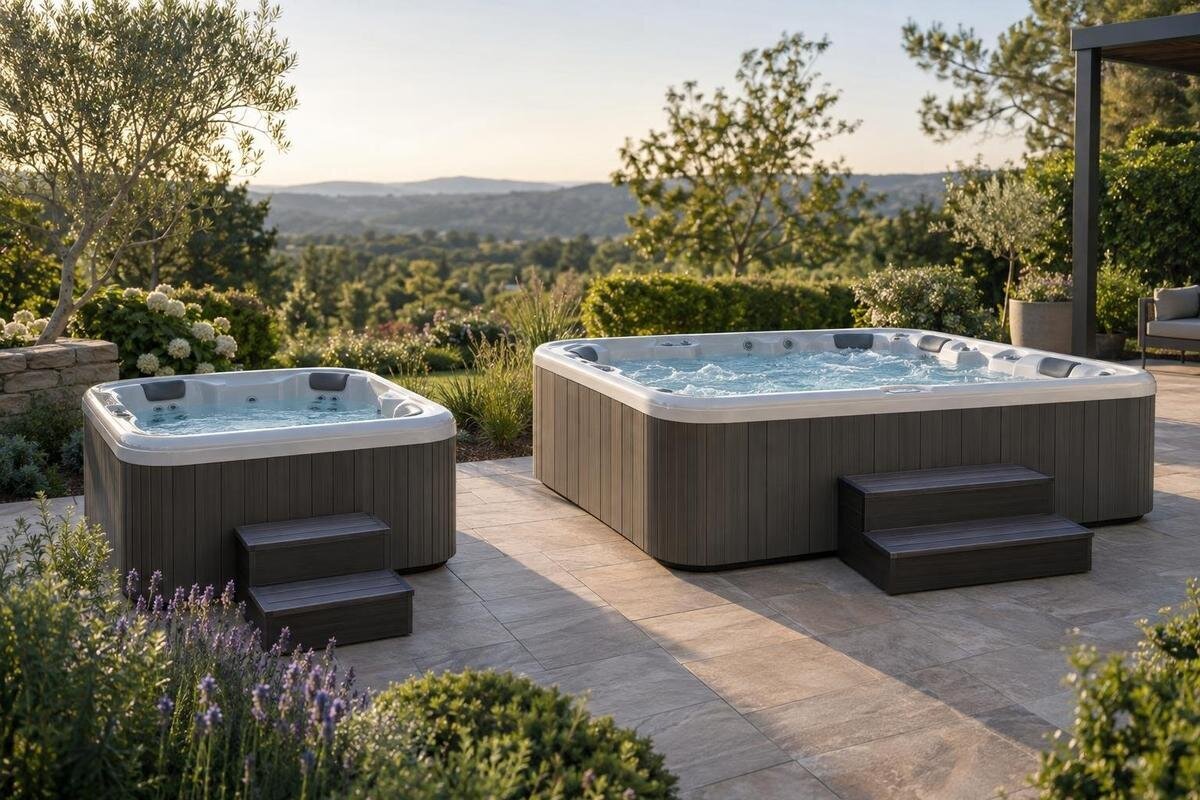
Hot tub sizing
Choosing a hot tub size is not simply a matter of adding up everyone in the household or selecting the largest seat count. Start with how many people usually soak at once, then consider whether the listed capacity and seating layout suit them and whether the tub’s verified exterior dimensions fit your intended space. A size that works for regular use can differ from one that accommodates a rare gathering. Compare these questions separately, and treat installation clearance as a separate check. A product name or photograph cannot substitute for current seating and dimension details.
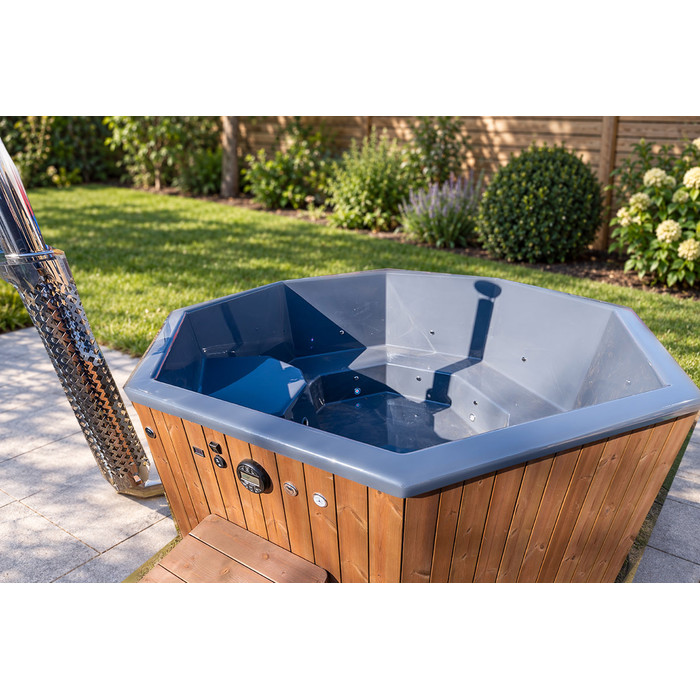
How Many People Will Use the Hot Tub Regularly?
To estimate the size you need, count the people who would use the hot tub together in a typical session. That is different from counting everyone who might use it at separate times. A household may have several potential users but usually soak in pairs; another group may often use the tub all at once. Neither the household total nor a general idea of who might visit tells you the usual number of occupied seats. Think about an ordinary evening or weekend and who is genuinely likely to join, rather than imagining the most crowded occasion.
Write down the usual simultaneous headcount and, separately, the largest group that joins on a recurring basis. The difference between those figures helps keep an occasional peak from replacing your everyday needs. If you are unsure, look at how people already spend time together: are they likely to use the tub together, or at different times? Also note whether the routine is expected to change. Treat a possible future change as a separate consideration, rather than quietly adding people to the regular count. A clear estimate gives you a more useful starting point than selecting a size before you know how it will be used.
What Does a Listed Seat Count Tell You?
A listed seat count is a useful first filter, but it is not a complete description of how a hot tub will feel when occupied. Check what the manufacturer means by the stated capacity and whether the product information identifies the number of seating positions. A capacity claim cannot, on its own, tell you how much room each person has, how the positions are arranged, or whether those seats suit your regular group. If the listing does not explain the figure, ask for clarification before treating it as a match. Use the published number as a claim to verify, not as a promise that every group will find the tub comfortable.
Compare that verified figure with the people who normally use the tub together, then look at the layout and dimensions before deciding whether the match works. Do not interpret a numeral in a model name as a seat count or a measure of the tub. For example, the Bloomcabin Hot Tub Cove 2 listing identifies the model; its name alone does not confirm capacity or dimensions. Apply that distinction to every candidate. When recording capacity, keep the wording used in the specification rather than converting it into your own comfort rating. If a listing gives a range, ask what accounts for that range and which seating arrangement it describes. That makes the figure more useful when you compare it with your regular group.
Why Seating Layout Matters
Two hot tubs with similar advertised capacity can arrange their seating differently, so compare the positions rather than stopping at the total. Look for a seating plan or a clear diagram that shows where each person would sit and how the positions relate to one another. Consider whether seats face different directions, whether there is room for people to settle without crowding, and whether the overall arrangement works for the group you counted. These are questions about the specific layout, not assumptions you can make from a model name or a headline number.
Use photographs to understand the overall arrangement, then consult a seating plan or confirmed description to identify the individual positions. For Bloomcabin Hot Tub Haven 6, as for any candidate, look for information that lets you place your usual group within the layout. Consider whether people would face one another for conversation or sit in an arrangement they would enjoy equally. If one position looks different from the others, find out how it is counted rather than assuming it offers the same seating experience. This gives you a practical way to compare layouts even when their published capacities are similar, without treating a larger-looking photograph as evidence of more usable seating.
How Much Should Occasional Use Affect Size?
A few extra visitors can make a larger capacity tempting, but a rare gathering may not justify choosing a tub around that maximum. Separate occasions that happen often enough to be part of your routine from events you only imagine might occur. For the former, ask whether everyone usually wants to soak together. For a one-off gathering, consider whether you would accept guests taking turns or using the tub at different times. The answer is personal, but making it explicit helps you weigh the trade-off instead of allowing an unusual occasion to dominate the size decision.
If a larger group uses the tub together repeatedly, include that group in your regular-use estimate and compare it with the verified capacity and layout. If the group is exceptional, decide how much compromise you would accept on those occasions. Would taking turns suit the gathering, or is everyone soaking together central to the reason you want a tub? Keep that preference alongside your everyday headcount when reviewing the Bloomcabin Hot Tub Fjord 8 listing and other candidates. This distinguishes a genuine seating requirement from a nice-to-have. It also gives you a reason to retain or rule out an option instead of automatically favoring whichever has the highest listed capacity.
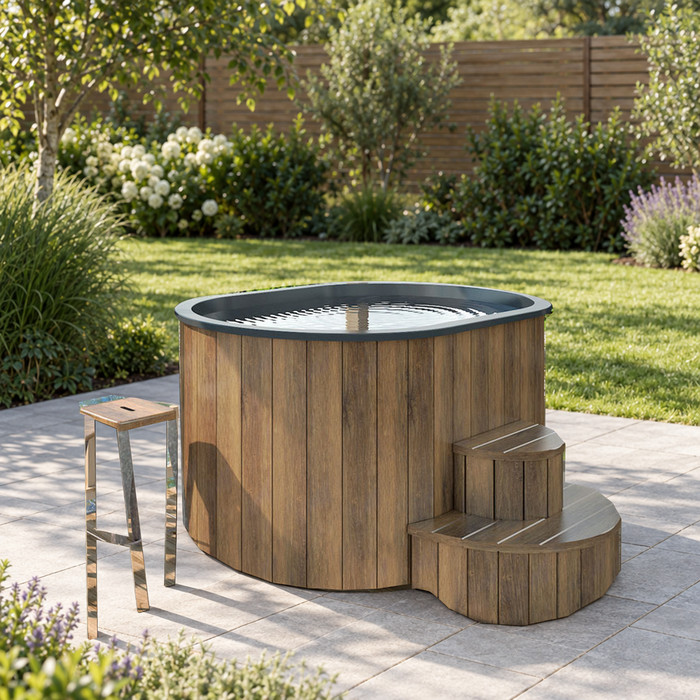
Compare the Footprint With the Space You Have
Once you have a short list of seating needs, compare each candidate’s verified exterior dimensions with the usable space at the intended location. Use the outside measurements of the complete tub, not an estimate based on the water area or the area that appears to be available between seats. Check the full outline of the model, especially if its shape is not a simple rectangle. A rough sketch or a marked outline can make the scale easier to judge and reveal whether the tub would overlap a boundary or a fixed object. This is a practical size comparison, not confirmation that the site is ready for installation.
Keep the measurements for your available space and the product’s dimensions in the same units. When you review Bloomcabin Hot Tub Aurora 10, transfer its documented exterior outline to your sketch and consider how it would be oriented in the intended spot. A length and width may fit in one orientation but not another, so compare the actual boundaries rather than only the total area. Include fixed objects in the sketch and measure from consistent reference points. If an edge of the available space is uncertain, mark that uncertainty rather than rounding in the tub’s favor. The aim is to establish whether the physical footprint fits before considering the separate space required for installation.
Confirm the Exact Exterior Dimensions
Before relying on a footprint comparison, confirm the dimensions for the exact model and version shown in the product information. Read the full specification or dimensioned drawing, and distinguish exterior measurements from measurements of the seating or interior. For the Cove 2 product page, record which measurements you have found and what each one describes. Keep the length, width, and height labels attached to their values rather than copying an unexplained string of numbers. If a drawing and a written specification appear to describe different measurements, ask which applies to the model you intend to buy. Resolving that ambiguity is more useful than selecting whichever figure makes the tub appear to fit.
Resolve ambiguous details before you treat a dimension as final. Ask whether the measurements describe the full outside body and whether a diagram indicates the maximum length and width. Check that the documentation corresponds to the model you intend to buy, not another item with a similar name. This level of confirmation matters because even a small difference between a listed measurement and the available space can change whether a footprint works. Keep a note of the source and the dimensions you used for each candidate; that makes it easier to spot a mismatch when you compare the models side by side.
Consider Comfort Beyond the Seat Total
A capacity number does not tell you whether the seats will feel comfortable to the people using them. People differ in height, build, preferred posture, and how much personal space they like, while a hot tub’s individual positions may also differ in shape and feel. Do not assume every seat is interchangeable or that a tub with the right stated capacity will suit every member of your group. Consider who will use it regularly and whether the available positions appear appropriate for those users. A layout that looks adequate on paper can still feel cramped or awkward to a particular group.
If you can view a candidate in person, focus on the positions your regular users would actually choose rather than judging only the overall appearance. Consider whether everyone would have a suitable place when the usual group is together. If one seat is clearly preferred, would the remaining positions still be acceptable? When reviewing the Haven 6 product page, note any questions about seat shape or posture that the available information does not answer. If an in-person assessment is not possible, use those specific questions when asking for a seating description. This keeps the comfort comparison tied to the people who will use the tub, rather than assuming that an unoccupied seating position is necessarily a good fit for them.
Build a Shortlist From Comparable Details
A simple comparison table can keep the decision focused. For each candidate, record your usual simultaneous headcount, the largest recurring group, the manufacturer’s stated capacity, the seating layout, and verified exterior dimensions. Add a note if any detail is missing or needs clarification. Using the same fields for every model makes it easier to see whether you are comparing like with like. It also separates known information from assumptions: a blank dimension or unclear seat claim should remain an open question, not become a guessed value that makes one option look more suitable.
Apply your hard requirements first. Remove a candidate if its confirmed footprint exceeds the space you can use, or if its verified layout does not meet your regular seating needs. Then compare the remaining options for comfort and the flexibility you actually value. If you include the Fjord 8 product page in your comparison, give it the same level of detail as the other entries. A model with a complete specification should not be compared against an optimistic guess about another model. Mark an unresolved capacity or dimension as pending, and keep it out of a final ranking until you can make a meaningful comparison. This makes the shortlist a record of suitable choices, not just a collection of appealing names.
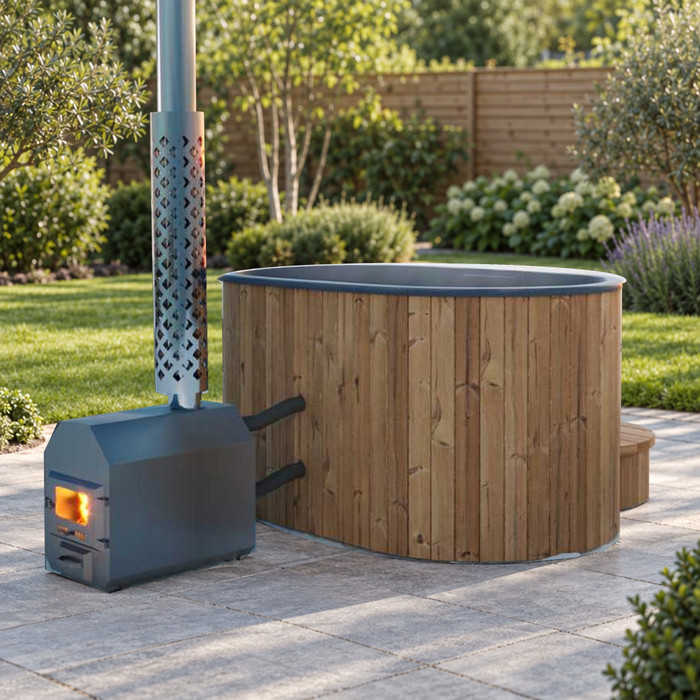
Keep Installation Clearances Separate
A hot tub’s exterior footprint is only one part of a size check. Installation may also require clearances around the unit, and those requirements should be confirmed separately rather than folded into an invented allowance. Check the manufacturer’s guidance for the exact model and intended location, and ask for clarification if it does not state what space is needed around the tub. When considering the Aurora 10 product page, keep the tub’s exterior measurements in one part of your comparison and any specified clearances in another. That distinction lets you see whether a candidate merely fits within the measured boundaries or also leaves the additional space its installation requires.
Have the relevant requirements reviewed by the manufacturer, seller, or a qualified installer who can consider the exact model and site. Then compare the required space around the tub with what remains on your sketch. If a required clearance cannot be accommodated, revisit the candidate or its proposed position before treating the size choice as settled. Keep the confirmed requirements with the measurements for that model; do not carry one candidate’s clearance figures over to another. This is a limited installation check within the sizing decision, not a full site plan. Its purpose is to prevent a promising seating and footprint match from becoming a choice that cannot work in the intended location.
Resolve Trade-Offs Between Seating and Space
When two candidates both meet your basic requirements, compare what the extra seating or different footprint would actually change. One layout may suit your usual group better, while another may accommodate a recurring guest group you value. Ask which difference would matter during an ordinary month of use. If the additional positions would usually be empty, they should not outweigh a layout you prefer for everyday soaking. Conversely, regularly leaving someone out is a reason to reconsider a smaller option. Write a brief reason for preferring each finalist so that the decision reflects a real benefit rather than a higher capacity figure.
If no candidate meets both your seating needs and your space limits, identify which constraint you are willing to change. You might accept fewer people soaking together, reconsider how occasional guests use the tub, or evaluate another available location. Keep those alternatives separate: reducing the simultaneous group changes the seating requirement, while changing the location calls for a fresh footprint and clearance comparison. Do not resolve the conflict by assuming a tight layout will feel comfortable or by ignoring part of the measured outline. A useful final choice has a clear explanation: it accommodates the group you intend to seat, offers an acceptable arrangement, and fits within the space established for that model.
Frequently asked questions
How many seats should a hot tub have for my household?
Begin with how many people usually use the tub at the same time, then compare that number with the manufacturer’s stated capacity and the actual seating layout. The number of people in your household alone does not determine how many seats you need.
Should I size a hot tub for occasional guests?
Consider guests who join often enough to shape your normal routine, but avoid choosing a much larger tub solely for rare gatherings. If you are comfortable with guests using it in turns, that may be preferable to sizing around a one-off maximum.
How can I tell if a hot tub will fit my space?
Compare the verified exterior dimensions of the exact model with the space available at the intended location. Check the full outside outline, not just the seating or water area, and confirm installation clearances separately.
Does a listed seat count guarantee comfortable seating?
No. A capacity figure does not show how the seats are arranged or whether their positions suit everyone who will use the tub. Review a seating plan and, when possible, assess the layout in person.
What details should I verify before choosing a size?
Confirm the exact model, its stated seating capacity, its seating layout, and its exterior dimensions from current product information or manufacturer documentation. Ask for any unclear measurements and check required installation clearances separately.
The most useful size is not automatically the one with the highest seat count. Base your shortlist on the group that usually uses the tub together, check whether the actual seating arrangement suits them, and compare verified exterior dimensions with the space available. Keep rare gatherings in perspective, and confirm installation clearances independently. With those details side by side, you can choose for your real routine rather than a model name or an imagined maximum.
