
What to Check Before Installing a Garden House Roof Covering
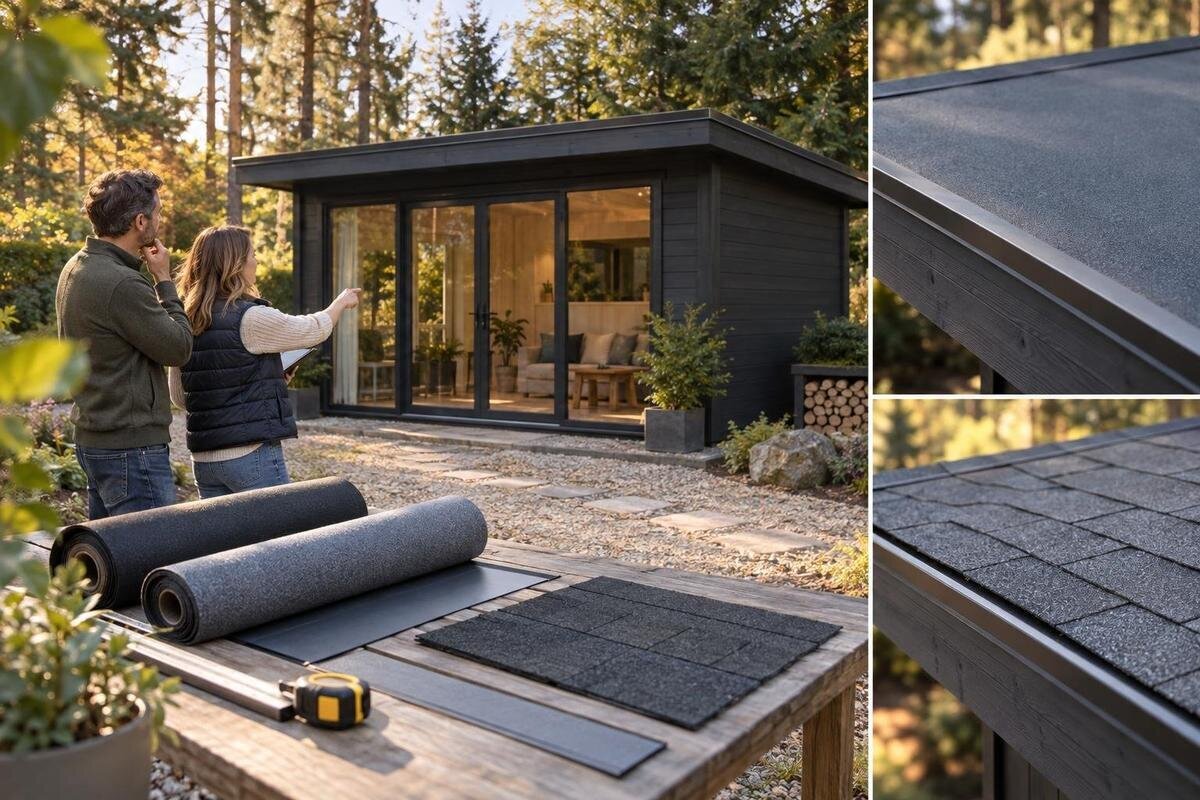
Garden house planning
Before installing a garden house roof covering, establish what the existing roof can accept. Review its condition, identify the roof assembly, measure each surface, confirm the pitch, and understand how runoff and edge details will be handled. These checks matter whether you are re-covering an existing structure or choosing a garden house with the project in mind. If the roof is damaged, its support is unknown, or the product instructions do not clearly match the roof, get a qualified professional's assessment before work begins.
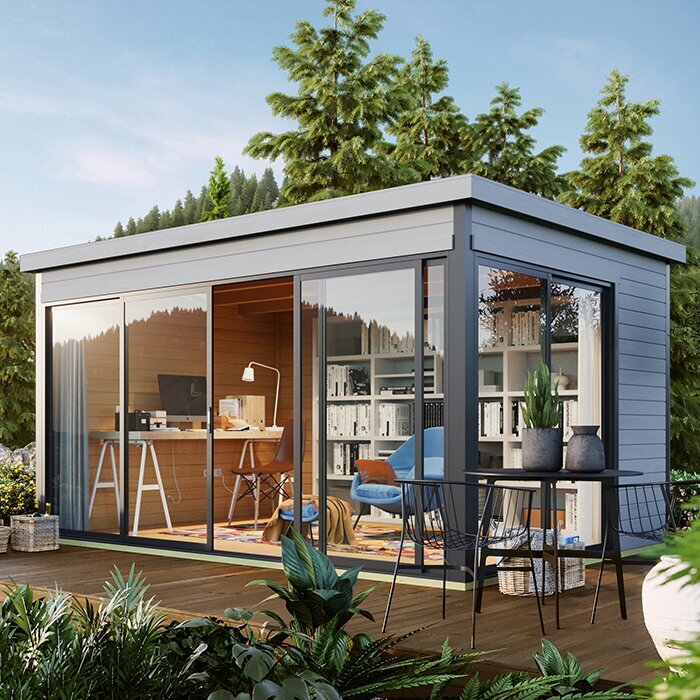
Identify the roof assembly and find its documentation
Begin with the exact identity of the garden house and its roof assembly—not just a broad description such as a wooden garden house. Find the manual, purchase records, roof plan, and notes from earlier repairs. Record what forms the visible surface, what lies beneath it if known, and whether another layer has already been added; appearance alone may not reveal the substrate. If you are choosing a structure at the same time, save the model reference from a page such as the Verdana 1 garden house listing and request documentation for that exact model. A listing identifies a product; it does not establish roof dimensions, pitch, materials, or suitability for an added covering. For an existing building, note changes since purchase so the original specification is not mistaken for its current condition.
Check that each document matches the installed configuration, including modifications. Ask the supplier or manufacturer for written information on the roof base, required underlayment, permitted slope, approved covering options, and edge details if these are not documented. Also ask whether the proposed covering is intended to replace the present surface or can be installed over it; those are different project assumptions. Keep answers with the job notes so a contractor and material supplier are using the same facts. For alterations made after purchase, find out whether they were included in the original roof plan. If records are missing, have the structure examined instead of borrowing specifications from a similar-looking garden house.
Inspect the existing roof before covering it
Inspect the roof before buying a covering. From a safe vantage point, look for sagging, displaced or broken panels, lifted edges, loose or missing fasteners, corrosion, soft-looking areas, and signs of long-term moisture. Check more than one viewpoint, and note the location of each concern with a photo or sketch. Do not step onto a roof if access or stability is uncertain. This is a screening check, not proof that the framing is sound: hidden joints and the underside may need a qualified inspection. A surface stain does not by itself show whether a leak is active, so record what you observe rather than treating it as a diagnosis.
If the interior can be viewed safely, look for dampness, water marks, daylight at joints, and evidence of earlier patching. A mark may be old, but unresolved moisture can leave the substrate unsuitable for another layer. Ask what must be repaired and dried before re-covering, and have any softness, movement, or persistent leak assessed first. Keep repair work separate from the covering in the project scope, so a quote does not assume a sound base without checking it. When considering a new unit, the Verdana 2 garden house product page is only a model reference; its product description cannot report the condition of the particular roof being supplied.
Measure each roof plane and its edges
Measure each roof plane separately instead of using the garden house footprint. Record the length and width of every plane, changes in outline, overhangs, and the position and size of openings or roof penetrations. Note ridges, valleys, hips, and junctions where they exist; those edges can call for specific pieces beyond the main field covering. A simple roof can still have an overhang that changes the area or trim requirement, while an irregular shape makes a footprint estimate especially unreliable. Use a dimensioned plan as a reference, then confirm key measurements on the actual building, since repairs or modifications may have changed it.
Write down the units and identify whether each measurement follows the roof surface or a plan view; an unlabeled number is easy to misread when ordering. Ask the covering supplier or installer for a material takeoff that separates the main coverage from laps, edge trims, ridge pieces, fasteners, and other required accessories. Avoid using a universal waste allowance: the amount depends on the selected product and the layout, so use its published guidance or the installer's estimate. If the building is not assembled yet, the Durano wooden garden house listing can identify which model's dimensioned roof plan to request; do not scale dimensions from a product photo.
Confirm the roof pitch against product limits
Confirm the pitch, meaning the slope of each roof plane, before choosing a covering. Products set their own slope limits and detail requirements; a material used outside its stated range may not drain as intended. Do not judge pitch from a photograph or a broad phrase such as pitched roof: different sections can vary, and a roof that looks shallow may fall outside a product's instructions. Use the building's technical drawing if it specifies the relevant measurement, and ask a qualified professional to establish it if the value is uncertain or the surface is irregular. Record each plane separately rather than relying on an average that could hide a lower-slope section.
Compare the measured pitch with the instructions for the exact product, including any conditions on underlayment, laps, and edge treatment. Consider site exposure, such as wind-driven rain or snow, only against the product's stated requirements and local professional advice; a generic description is not a substitute for a specified use. If you are evaluating a garden house before ordering, the Veltor 1 garden house page identifies a model to use when requesting its roof plan and pitch information. Do not infer a dimension or slope from the model name or a photograph. If no written information resolves the match, pause before purchasing materials.
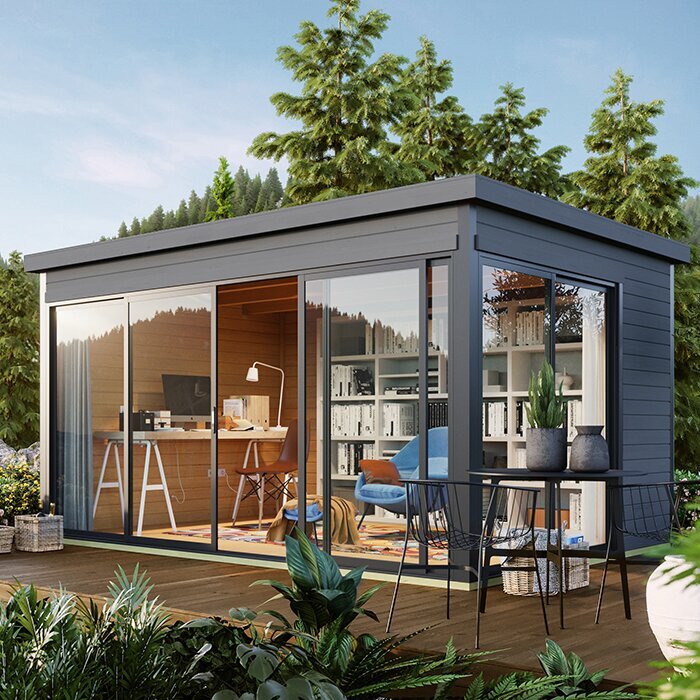
Trace runoff and check the roof edges
Trace the route water takes from each roof plane and note where it exits, whether it crosses a door or wall, and whether it lands close to the garden house base. Look for persistent pooling, marks at low points, or overflow patterns that suggest the present arrangement is not working; do not assume a new surface will correct them by itself. If practical, note where runoff appears after rain, since water marks on nearby walls or the ground can help identify the route. The new covering may change the edge profile or discharge point, so compare the proposed system's details with the existing eaves, fascia, and any attached gutter.
Ask the covering manufacturer or installer which edge, valley, and transition components the system requires, and how the finished edge relates to existing trim. A new layer can affect clearances or where water drips, so check that it will not send runoff onto an entry, wall joint, or area where it creates a recurring nuisance. Avoid assuming old flashing or gutter parts will fit a different profile. When planning around a specific garden house, the Orello 1 garden house listing is an identity reference for requesting roof-edge information, not evidence of how that model handles runoff. Get unclear junctions resolved before ordering.
Confirm the structure can support the proposed covering
Check whether the structure can carry the proposed covering and its fastening system. The total assembly includes more than the visible finish: existing layers, backing, fasteners, and any new components all matter to the roof supports. A light-looking material is not automatically acceptable, and an additional layer may add weight or change how forces are transferred. Existing damage, water exposure, or unknown construction make this question more important. Do not estimate capacity from appearance or by comparing the garden house with another building; have a qualified roofing or structural professional assess uncertain support and specify the allowed build-up.
Be clear about whether the old covering will be removed or retained. Do not assume an overlay is acceptable, even if it appears to lie flat; the product instructions and the structure's documentation must support that assembly. Ask the installer to identify the sound substrate to which the new covering will attach and to explain any repair work, rather than guessing fastener type or spacing yourself. For a structure still being considered, the Modano 1 garden house product page gives the model name to include in a request for roof-support and assembly information; the name alone cannot answer those questions. Require a written answer before buying a system whose suitability depends on it.
Compare covering products by compatibility
Compare coverings by documented compatibility, not by appearance, a material name, or a broad claim that it is weatherproof. Check the allowed substrate, minimum pitch, required underlayment, number of permitted layers, fastening or bonding method, and details for edges and penetrations. Confirm whether the instructions cover the kind of small garden-house roof you have; the fact that a product can be used on a larger building does not prove it fits this roof. Note any requirements for a clean, dry, even base or for removing the previous cover, and compare the complete assembly rather than the visible covering alone.
Make a side-by-side comparison using each candidate's current installation instructions and technical data sheet. Flag anything that depends on information you do not yet have, such as a pitch value, base material, or support assessment; ask the supplier or installer to resolve it in writing. Do not rely on a sales photo, sample, or verbal assurance where the instructions state a limit. Check whether required trims and fasteners are separate order items, and review any stated maintenance or replacement guidance. If you are buying the garden house too, the Veltor 2 garden house listing helps identify the exact model when you request its roof documentation; it does not establish which cover is compatible. Choose only after the roof and product requirements agree.
Plan details around openings and junctions
List every interruption in the roof surface before choosing quantities: vents, skylights, wall junctions, existing patches, or other openings if present. A covering must meet its specified details at these points, not just across the open field. Check that the selected system's documented details suit each feature and that an added layer will not block an opening or interfere with an adjacent component. Do not assume there are no exceptions because the roof looks simple from the ground. Review the plans and safely view accessible edges, and ask a professional to examine concealed junctions. A labeled photo can help the installer see which detail you mean.
Request detail drawings or written instructions for transitions, penetrations, and the roof-to-wall edge before work begins. Those details can determine which flashing, caps, or trim pieces belong in the order, and improvising them on site can leave gaps in the scope. Include unusual features in the inspection and quote rather than treating them as incidental extras. If the garden house is part of the same purchase, the Veltor 3 garden house page can identify the model when asking what roof details and interfaces are documented; it does not show that any particular detail is present. Agree who supplies and installs each accessory.
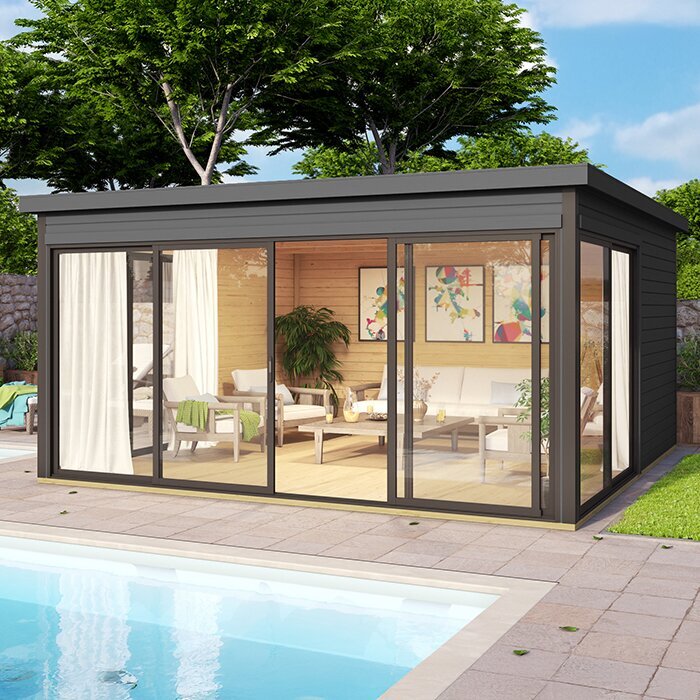
Define the order and installation scope
Ask for a written, itemized scope before comparing project quotes. It should distinguish inspection and repairs, removal and disposal of the existing surface, preparation of the base, underlayment, main covering, edge details, fasteners, and cleanup. Clarify who confirms the measurements and who supplies the accessories. If a quote assumes the roof is sound or relies on a particular substrate, make that assumption explicit. Ask how unexpected damage will be handled and whether additional work will wait for approval. A clear scope helps you compare proposals on the same basis rather than focusing only on the listed covering.
Before placing a material order, compare the takeoff with the roof measurements and the covering instructions. Check the exact product name, package coverage, required trims, and accessory quantities; a shortfall in a specialized edge piece can interrupt work even when the main covering is on site. Review the seller's terms for delivery, storage, and returns instead of assuming they are interchangeable. Ask how materials should be kept before installation and confirm that the planned order includes the complete compatible system. Do not place an order based solely on the roof's footprint or a rough estimate from a photograph.
Know when a professional assessment is needed
Pause and get qualified help if the roof sags, feels or looks unstable, has persistent leaks, shows possible decay, or contains layers whose construction is unknown. The same applies when you cannot establish the pitch, the covering instructions conflict with the roof you have, or the proposed system depends on support information that is missing. A qualified roofing professional can assess the roof and covering details; a structural professional may be needed where support or added load is uncertain. Ask what the review covers, including the substrate, existing layers, proposed assembly, and roof edges, and request findings in writing.
Before work begins, make sure the key facts agree: the roof condition has been assessed, measurements and pitch are confirmed, the covering instructions match the substrate, and runoff and junction details have been addressed. If local permits, building requirements, or property rules may apply, check with the appropriate local authority or a qualified professional rather than assuming a general rule applies. Keep the documentation, material list, and agreed scope together so the person doing the work can refer to the same information. These checks help prevent a new surface from concealing a roof problem it cannot solve.
Frequently asked questions
Can I install a new roof covering over the existing one?
Do not assume an overlay is suitable. Check the covering instructions and garden house documentation, including any limits on existing layers and roof support. If the roof assembly is unknown or damaged, have a qualified professional assess it before ordering.
What should I measure before ordering materials?
Record the dimensions of every roof plane, its edges and overhangs, plus openings and other features that need special components. Ask the supplier or installer for a material takeoff that includes required trims and accessories; the garden house footprint alone is not enough.
Why does roof pitch matter when choosing a covering?
Covering products can have different slope limits and installation details. Compare the actual pitch of each roof plane with the instructions for the specific product. If the pitch is uncertain, get a qualified professional to establish it rather than estimating from a photograph.
Should someone inspect the structure before re-covering the roof?
Seek a qualified assessment if you see sagging, persistent moisture, soft areas, or other damage, or if the roof support and existing layers are unknown. A professional can assess whether the structure and substrate are suitable for the proposed covering.
Can a product page or photo confirm that a covering will fit?
No. A product page can help identify a garden house model, but a photo or model name does not establish its roof dimensions, pitch, construction, or covering compatibility. Request the relevant documentation and compare it with the roof as it actually stands.
Choose a garden house roof covering only after you understand the roof beneath it: its condition, dimensions, pitch, support, and water path. Then compare those facts with the specific covering instructions and include required edge details and accessories in the order. When information is missing or does not match, resolve that gap before work starts. A new surface should be the result of a suitable roof plan, not a substitute for one.
