
Where to Position a Garden House for Sun, Shade, and Privacy
Garden house placement
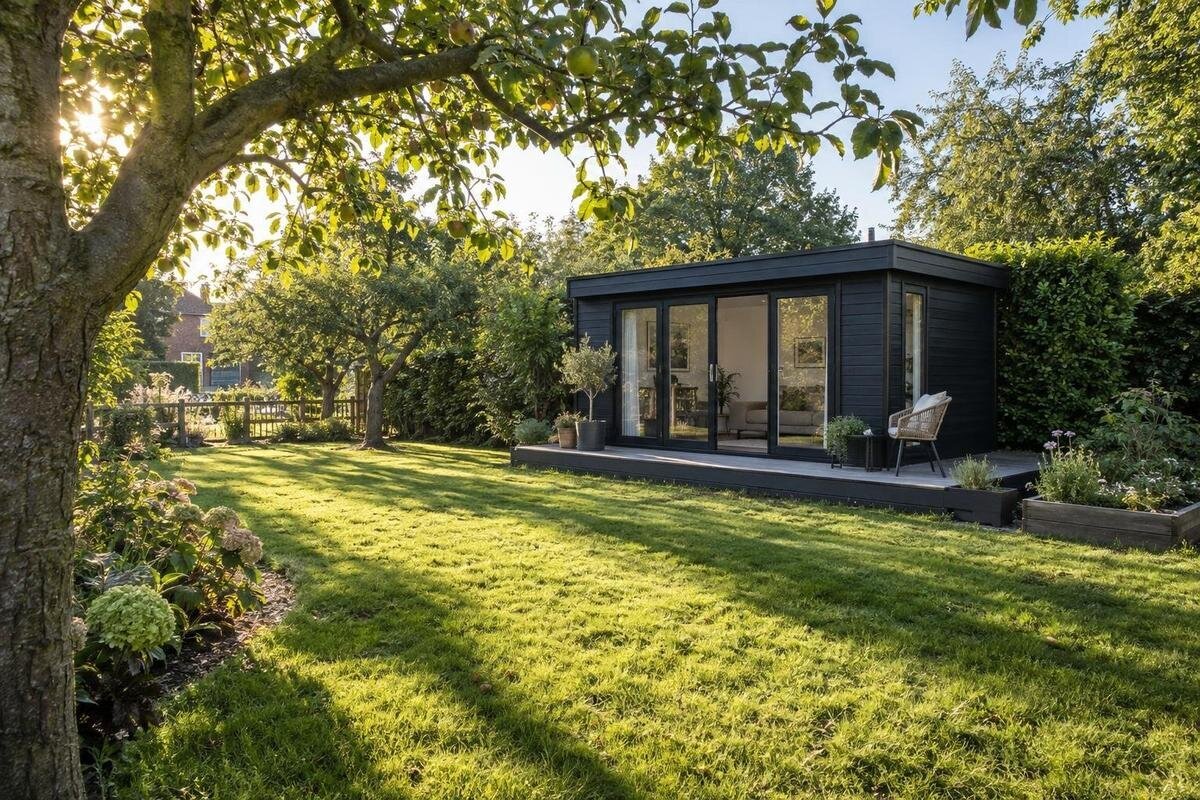
Where to position a garden house for sun, shade, and privacy depends on when and how you expect to use the space. Sunlight, shade, and privacy can make the same garden house location feel very different over a day and through the year. Before ordering, observe how light moves through candidate spots and check sightlines from nearby windows and outdoor areas. Then compare those observations with the layout and opening positions stated for each product. The goal is not to find a universally perfect compass direction; it is to choose a site that fits your routine while remaining practical to reach and suitable for the specific garden house you select. A few careful observations can reveal a problem with glare, shade, or exposure before the layout is fixed.
Buyer checklist 1
Start with how you plan to use the garden house
Begin with what you will do inside and when. A garden house used mainly for morning reading has a different light preference from one used for afternoon hobbies or evening gatherings. Write down the typical days and hours, then decide whether direct sun, filtered light, or a consistently shaded setting best supports each activity. If uses differ, rank them rather than planning around an idealized all-day visit. Note which use is frequent and which is occasional; a spot should work for the routine that matters most, not just a rare sunny weekend. Ask which way you would like to look and what kind of light will feel welcome then.
Also separate the outdoor setting from assumptions about the building itself. Sun exposure, openings, glazing, and construction all affect indoor conditions; a site alone cannot guarantee that a room will stay cool, warm, bright, or private. If you expect to use the space in more than one season, compare the hours you are likely to occupy it with the site's exposure and views. A sunny patch may be inviting on a cool morning but less appealing in afternoon glare; a shaded corner may suit a quiet retreat yet feel gloomy on short winter days. Treat your routine as a way to compare locations, not as proof of a particular indoor climate.
Observe sunlight at different times
Observe candidate spots at several times of day before settling on one. On clear days, note where direct sunlight falls in the morning, near midday, and late afternoon; use the same fixed points in your yard as references. Record when the sun first reaches the intended footprint and when shade returns, rather than labeling a corner simply sunny or shady. A quick sketch or photographs from consistent viewpoints can reveal whether a fence, nearby building, roofline, or established planting changes the pattern. One lunchtime visit is not a reliable picture of a place used at other hours, and a cloudy day will not show the full direct-sun pattern.
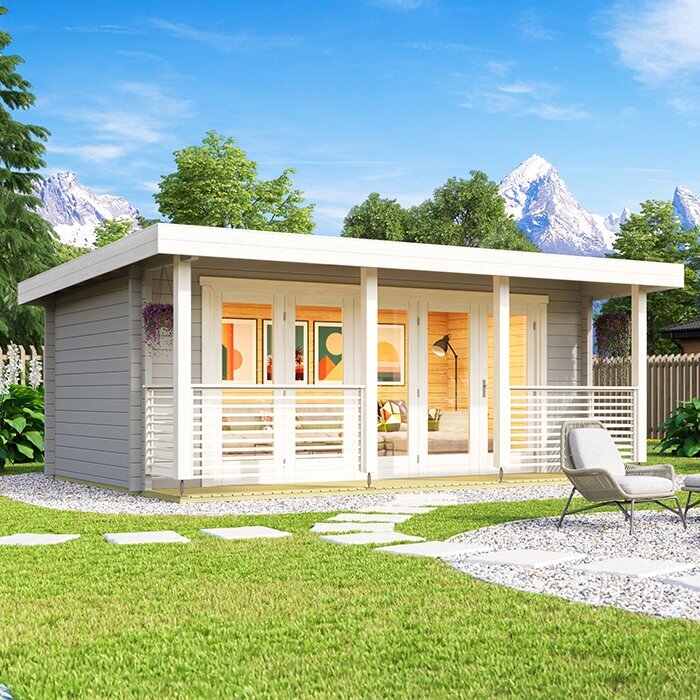
If you can, repeat the observation in another season, particularly if you are shopping during a period unlike the one when the garden house will see its heaviest use. Sun angle and foliage change, so today's shadow line may not hold. Add a provisional footprint and the planned opening side to your sketch; this helps you compare light at the actual room position rather than at a nearby patch of lawn. Note the date and time on each photo so you can interpret it later. When checking the Verdana 1 garden house listing, rely on stated plan and opening details, not the model name, to compare the product with your observations.
Buyer checklist 2
Use compass direction as a guide, not a rule
Compass direction gives a useful first clue, not a final answer. In the Northern Hemisphere, a south-facing area generally receives more direct sun over the day, east-facing areas get earlier light, west-facing areas get later sun, and north-facing areas tend to receive less direct sun. Latitude, season, nearby obstructions, and the building's layout all change the result. West light can be welcome if the room is used in the evening, but it may produce unwanted glare at another hour; an eastern exposure may suit a morning routine yet leave a later use period shaded. Check the light where you would actually sit or work, not only against a compass on a map.
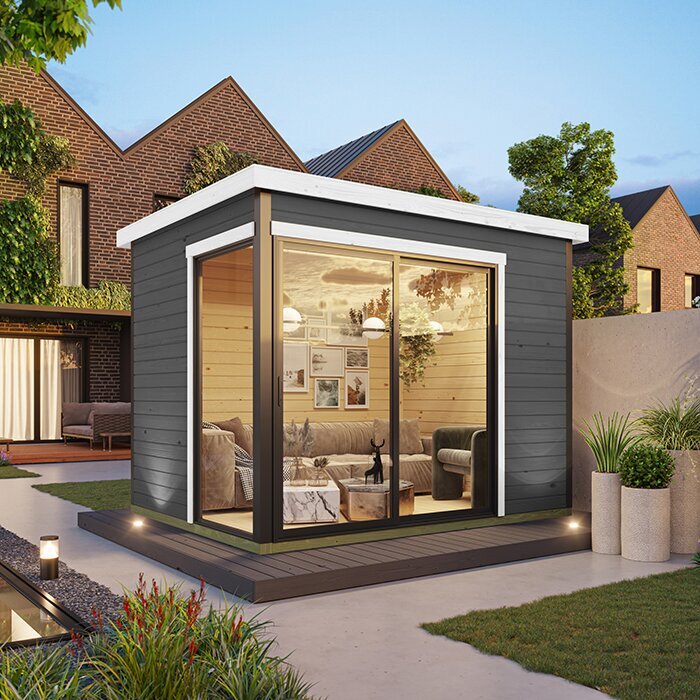
Think about the openings, not just the wall that points toward a compass direction. The side with a door or windows determines where light enters and what someone inside can see, so mark their positions on the site plan before choosing an orientation. Verify whether a layout can be rotated or configured differently; do not assume it can be mirrored or changed unless the published details say so. For any listing, including the Verdana 2 garden house, compare its stated footprint and opening arrangement with the direction you want to face. A product name does not establish how the room should be positioned.
Decide how much shade is useful
Shade is a preference to plan, not a flaw to correct automatically. It can reduce direct light and glare at the times you use the room, while a fully shaded position may not provide the bright, sunlit atmosphere you want. Decide whether you are seeking morning shade, relief from late-day sun, or shade through most of the day; each points to a different patch. Compare the actual shadow pattern with your schedule instead of describing the whole yard as sunny or shaded. Conditions can vary across the proposed footprint and change over the day. If the room will serve different activities, consider whether one light level can suit them all or whether a compromise is more realistic.
Look first at shade already cast by the house, a fence, or existing landscaping, then consider whether a separate movable screen or planting could address a particular exposed side. These additions can change the light and views as well as conceal them, so treat them as part of the site plan. Avoid relying on future planting to supply instant screening or predictable shade; its mature effect, seasonal foliage, and upkeep need consideration. If the preferred position only works with an added screen, confirm that the arrangement is feasible and whether the screen is included or must be arranged separately. A product photograph cannot show how much shade your own yard will provide.
Buyer checklist 3
Check privacy from nearby viewpoints
Check privacy from the viewpoints that matter in ordinary life, not only from the middle of the lawn. Stand at the likely seating area inside the garden house, then look back from nearby house windows, decks, patios, sidewalks, and the street where relevant. Note direct lines of sight to the door and any windows, and consider whether someone passing can see the room when its openings are in use. You can mark eye-level positions with temporary stakes or take photographs from each point. Consider views from more than one direction: privacy is rarely decided by the distance from a single neighbor. This turns a general concern about exposure into specific sightlines you can evaluate.
Repeat this check at the times you expect to use the space. A location that feels secluded in daylight can feel exposed after dark if interior lighting makes an occupied room more visible through openings, so do not judge privacy from a daytime visit alone. Also note seasonal changes in screening instead of counting on leaves that may not be present year-round. Before comparing the Durano garden house listing with another candidate, check the stated plan for its openings and map those positions against your viewpoints. A product name alone does not establish what people will be able to see.
Balance privacy with daylight and views
Sunlight and privacy can pull in opposite directions: a clear view toward an open part of the yard may bring a direct view from a neighbor, while a screen can block both. Decide which view you want to preserve and which sightline you most want to interrupt. The solution may be to rotate a building's layout, shift it within the chosen area, or screen only one side rather than surround the whole space. Compare options by sightline, not simply by how far a spot is from a property edge. These are site choices, not guarantees about a product's flexibility, so confirm which orientations its plan actually permits before settling on a direction.
Assess the view from inside as well as the appearance from outside. Stand or sit at the intended main-use point, mark eye level on your sketch, and picture any doors and windows in the positions shown in the product details. A fence, hedge, or screen is not a neutral backdrop: it may reduce daylight, hide a useful garden view, or make the setting feel more enclosed. Aim to interrupt the specific unwanted view without blocking every open outlook. Use the published details for the Veltor 1 garden house page to verify its actual layout before deciding which side will face the least-exposed part of the yard.
Buyer checklist 4
Mock up the proposed position
A full-scale mock-up turns an attractive idea into a position you can test. Use a tape measure and temporary markers, rope, or garden stakes to outline the product's stated footprint; add markers for doors and windows where their positions are shown in the plan. This does not replace the manufacturer's dimensions, but it makes the scale and orientation easier to read in the yard. Walk the usual approach, look from the privacy viewpoints you identified, and stand where you expect to sit. Check whether the desired sunlight reaches the marked area at the hours that matter, rather than at a point just outside it. If you plan more than one activity, test each likely seating or work area.
Make notes on at least two candidate positions instead of relying on the first one that seems plausible. For each, record the time of direct sun, the extent of shade, the important view, and the most exposed sightline; a simple table makes trade-offs visible. If the stated dimensions or opening positions differ among products, redraw the outline rather than transferring assumptions from one candidate to another. Assess the Orello 1 garden house listing against its own published plan, with the intended facing direction clearly marked. A mock-up tests how the site may feel; it does not prove that the location meets installation or ground-preparation requirements.
Account for seasonal changes in sun and screening
Sun position changes through the year, and the same yard may offer very different exposure in summer and winter. When buying in one season, ask whether the light pattern you observe matches the season of intended use; when it does not, check again later or account for the difference in your notes. A lower seasonal sun can reach places shaded at midday, while shorter or longer days alter when the space is bright. Consider morning and afternoon use separately, because available light may change in different ways. Treat observations as time-specific, not as a permanent label such as sunny corner. If you cannot revisit the site, record what you have not been able to observe.
Screening changes too. Deciduous planting may provide a different amount of privacy and shade when its leaves are gone, while evergreen planting may maintain more screening and cast shade for longer. If the garden house will be used outside the leafy months, assess the view in that season, not just in summer. Think about how surrounding planting may grow and whether its changing density will still give the balance you want; do not assume today's height or coverage stays constant. For the Modano 1 garden house, as with any candidate, base the final orientation on its actual opening plan and your year-round observations rather than the impression of a single photograph.
Buyer checklist 5
Keep access and site conditions in the decision
A comfortable exposure is useful only if the location is convenient enough to use. Compare a quiet, private spot at the far end of the yard with one closer to the house or a patio, and consider your usual route for carrying books, supplies, or refreshments. A garden house placed where you naturally pass may become part of a routine; one hidden behind an awkward approach may be visited less often. Also consider how its position relates to other garden activities, so a private corner does not interrupt a route or take over a place you value for something else. Balance seclusion against visibility and access, rather than treating distance from the home as privacy by itself.
Consider ordinary site conditions alongside the light: whether the approach remains practical after rain, whether the proposed spot matches the product's stated site-preparation requirements, and whether paths or regular garden activity will conflict with your planned use. Do not try to resolve uncertain drainage, ground, or underground-service questions from a sketch alone; ask the manufacturer or a qualified local installer about site preparation when needed. Compare each candidate, including the Veltor 2 option, using its published requirements rather than assuming every garden house can go in any corner. This keeps a favorable sunny or secluded location from being chosen before basic fit is understood.
Verify the layout before ordering
Before ordering, bring your light, privacy, and use notes together with the product details. Check the exact footprint and any projections stated in the drawing, the locations and arrangement of doors and windows where present, and whether the intended orientation can be changed. Confirm that the manufacturer's site-preparation instructions match the proposed spot; if a detail is unclear, ask the seller or installer rather than inferring it from a photograph or model name. If local siting rules or approvals may apply, confirm requirements with the relevant local authority, since they vary by location. Make sure you are comparing the same configuration when reviewing more than one listing.
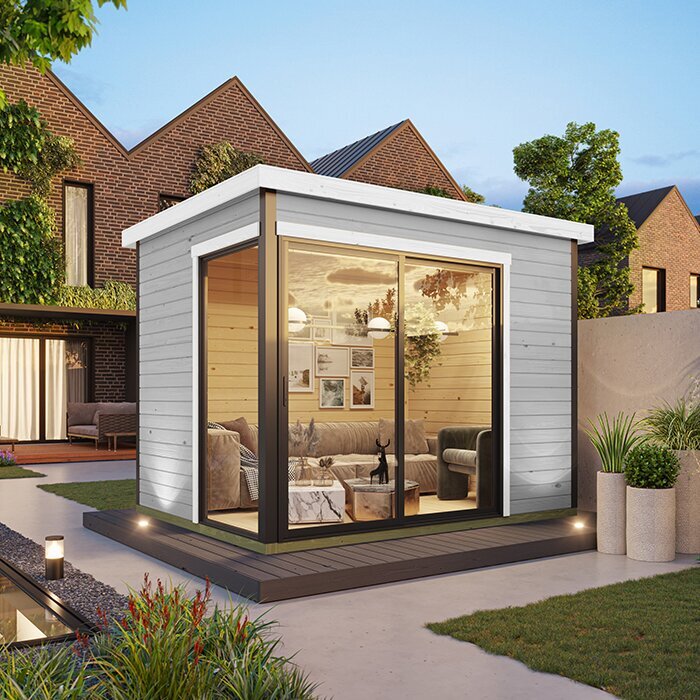
A useful final comparison is a short list of two or three possible positions, each paired with a specific product layout. Rate each for desirable light during your main use hours, shade at difficult hours, privacy from key sightlines, and ease of reaching it. A compromise may be best: morning sun plus a screen on one exposed side may suit you better than the most secluded area, but only if the product plan supports that orientation. Check the Veltor 3 garden house listing against the same criteria as the other options, and decide from verified dimensions and layout details rather than the image alone. Keep the site sketch with your notes as you finalize the order.
Frequently asked questions
Which direction should a garden house face?
There is no best direction for every yard. In the Northern Hemisphere, south-facing areas generally receive more direct sunlight, east-facing areas get morning light, and west-facing areas get later sun. Nearby shade and the position of the product's openings can change the result. Choose based on the hours you plan to use the space and the light you want at those times.
How can I tell if a spot gets too much sun?
Observe the proposed area in the morning, around midday, and late afternoon, then compare the pattern with your usual hours of use. Note direct sun and glare where you expect to sit or work, not just across the yard. If you can, repeat the observation in another season. A brief visit cannot show how the spot will feel throughout the year.
Can I put a garden house in a shaded area?
Yes, if the amount of shade suits how you plan to use it. Some people prefer less direct sun or a quieter setting; others want a bright, sunny space. Check whether the location is shaded all day or only at certain hours, and compare that pattern with the product's stated layout and openings before choosing.
How do I check privacy before choosing a location?
Look from the planned seating area toward nearby windows, decks, patios, sidewalks, and other places people may be. Then check the reverse views toward the garden house, including after dark when interior lighting may make openings more visible. Consider seasonal changes in surrounding screening, and map the product's stated opening positions against the sightlines you want to address.
What should I verify before ordering?
Check the product's stated footprint, opening positions, orientation options, and site-preparation requirements. Compare these details with your observations of sun, shade, privacy, and access. Do not infer layout or dimensions from a name or photo. If an important detail is not stated, ask the seller or a qualified installer before deciding.
The best garden house location is the one that supports the way you plan to use the space, not simply the sunniest or most secluded corner. Observe light at the relevant hours, view the site from both sides of important sightlines, and account for changes through the year. Then check those findings against the specific product layout and site-preparation details before ordering. A careful comparison of a few real positions can make the trade-offs clear: where you welcome sunlight, where you prefer shade, and which views you want to preserve or screen.
