
Window and Door Warranties: Coverage, Exclusions and Claims
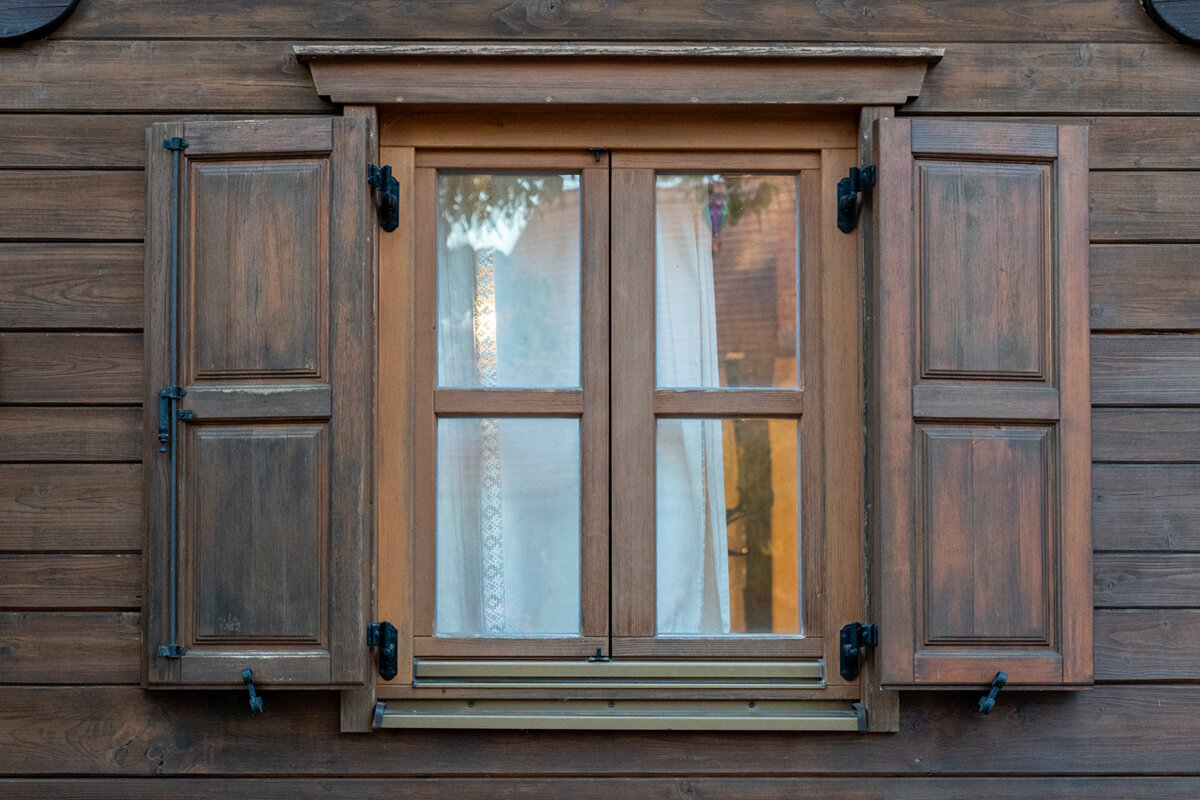
Buying guide
A warranty becomes important when a window will not latch after installation, a patio door binds in its opening, or condensation appears where the owner did not expect it. Before choosing an operating style or signing an order, separate the product itself from the opening around it. A window can be properly made yet perform poorly because the rough opening, flashing, shimming, trim, or adjustment was handled incorrectly. Conversely, a skilled installation cannot correct a product defect. This distinction is the practical starting point for comparing warranties. For a one-window replacement, a full-home project, or a large glazed door opening, ask for the written terms before purchase, identify who will handle each part of a possible claim, and preserve the documents that connect the delivered unit to the project. Bloomcabin windows and doors have a 5-year warranty; confirm the order-specific terms and process before placing the order.
01 / Review the terms
Start with operation and project scope
The operating method determines which warranty questions matter. A fixed window has no hinges, sash hardware, or operating adjustment, whereas a casement, pivot, sliding door, or folding door has moving interfaces that require correct alignment. That does not make one type inherently more dependable; it means the warranty discussion must fit the configuration. For a fixed window, focus on the glass, frame finish, seals, and interface with the wall. With an operable unit, also ask about handles, hinges, locking points, specified restrictors, and normal opening and closing. Do not accept a broad statement that “the window is covered” instead of a component-by-component explanation.
Project scope changes responsibility as much as operation. A homeowner buying one replacement may use a separate installer, while a remodeler may supply and install several units under one contract. New construction can involve another party preparing the opening and weather-resistive layers. Record who measures, approves final sizes, receives the shipment, installs, and performs adjustments. Ask whether the seller’s warranty covers only the supplied product or an agreed service as well. Obtain the installer’s workmanship terms separately. This avoids an impasse in which the manufacturer is asked to solve an installation problem while the installer is asked to correct a product issue before anyone establishes the cause.
Read the promise behind the warranty period
A five-year warranty is useful only when the written document explains what is warranted during those five years. Look for defined categories rather than relying on a headline. Terms may distinguish the frame and sash, insulating glass unit, hardware, factory-applied color, weather seals, and manufacturing workmanship. The remedy also matters. The document may describe repair, component replacement, unit replacement, or another response selected after inspection. Do not assume that “replacement” includes labor to remove surrounding finishes, rebuild the opening, repaint, or reinstall the product. Request the full wording for the exact order, including applicable schedules, care instructions, conditions, and claim contacts.
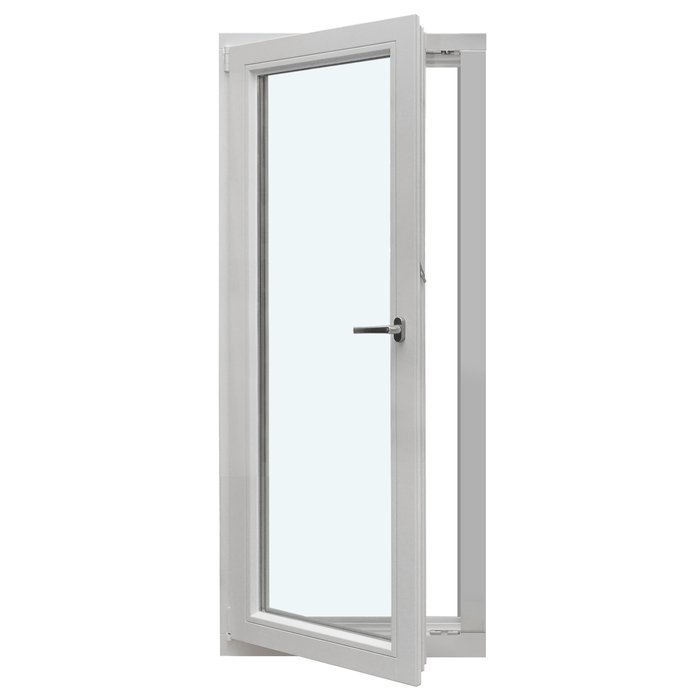
Compare like with like when reviewing alternatives. A longer duration for one narrow component is not automatically broader protection than a shorter, clearly defined whole-product term. Make a comparison sheet with rows for component, term, exclusion, remedy, labor responsibility, claimant, and notice route. Add the configuration because the documents should match the ordered item. A single-sash inward-opening window should not be evaluated using an undated summary for an unrelated door system. If a quote references a warranty, ask which revision of the terms applies and whether later changes in color, glass option, size, or hardware affect the applicable document.
02 / Confirm responsibilities
Separate product issues from installation issues
A useful first diagnosis starts at the boundary between the manufactured unit and the building work. A cracked component visible on delivery, a handle that cannot engage despite correct adjustment, or an apparent factory finish concern may point toward the supplied product. Water at interior trim, a door rubbing after building movement, a sill distorted by support conditions, or a unit installed out of square can involve the opening or installation. These are reasons to investigate, not conclusions to draw from one photograph. Avoid removing parts, drilling drainage paths, adding sealant, or trimming the frame before the responsible party reviews the condition, unless temporary protection is necessary and documented.
Ask the installer to record opening dimensions, level and plumb checks, fastening and shimming, the flashing or drainage approach, and final operation at handover. This gives a future reviewer a basis for distinguishing an adjustment need from an issue outside the product. For an outswing exterior door, check the threshold area, swing clearance, latch engagement, and relationship to exterior finishes at completion. A warranty is not a substitute for a defined installation scope. If the seller is not the installer, obtain both sets of documents before work starts instead of reconstructing responsibilities after finishes conceal the opening.
Spot exclusions before they become surprises
Exclusions identify conditions the warranty does not cover, limits on losses, or events that may end eligibility. Read them as carefully as the coverage section. Categories worth asking about include damage during handling after delivery, improper storage, post-supply alterations, misuse, neglected maintenance, unsuitable cleaning products, impact, building movement, and installation that does not follow applicable instructions. The actual terms control, so do not assume every warranty contains the same exclusions. Ask the seller to identify relevant clauses and explain uncertain terms such as “defect,” “normal variation,” “maintenance,” “alteration,” and “consequential loss.”
Finish and glass questions require precise observation. A mark may be present at delivery, appear after cleaning, or result from later site work; those circumstances should not be combined. Photograph the concern in daylight, both close up and from far enough away to show its location. For a sliding patio door, note whether the issue occurs at the track, panel edge, lock, or glazed area and whether it is constant or appears only during operation. Do not label it a covered defect in the initial report. State what you observe, when you first noticed it, and what has already been tried.
03 / Save project records
Ask what the remedy really includes
The costliest part of a problem can be access rather than the replacement part. Before purchase, ask who is responsible for inspection, approved service, transportation, product removal, disposal, reinstallation, interior patching, exterior cladding, paint, flooring, alarms, and temporary security. A warranty can be valuable while excluding some of these costs. Knowing the boundary helps you budget and negotiate a clear installer agreement. Ask whether labor requires prior authorization and whether replacement materials or components may differ slightly in appearance. Keep the answer with the order paperwork rather than relying on a verbal explanation.
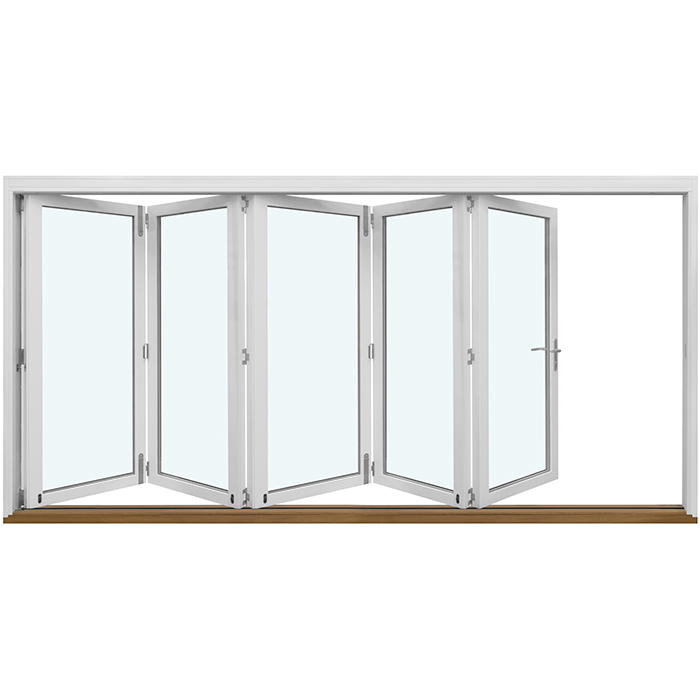
The remedy question is especially important for a multi-panel opening. An outswing bifold door configuration may involve panels, hinges, handles, tracks, and alignment working together. If one element needs assessment, ask whether the process examines that component, the supplied assembly, or the complete installed opening. Also ask how to report a temporary security or weather-protection need while waiting for guidance. Do not promise that a warranty will pay every related construction cost unless the written terms say so. A careful contractor can explain the process, identify the decision-maker, and preserve evidence for review without promising an outcome.
Build a claim-ready project file
Create one project folder before delivery. Save the accepted quote, final order confirmation, invoice or proof of purchase, written warranty, drawings, approved options, change orders, delivery receipt, supplied installation instructions, and installer contract. Photograph each unit when it arrives, including available labels or identifiers, before packaging is discarded. During installation, take wide images of the opening and close images of relevant interfaces before trim conceals them. A dated log can record delivery, installation, adjustments, cleaning, and the first appearance of a concern. Facts recorded near the event are more useful than memories reconstructed months later.
Make the file understandable to someone who has never visited the property. Give each opening a location name such as “kitchen west wall” or “upstairs bedroom north,” then match it to drawings and images. For a pivoting roof window, include the room, roof-area reference, and photographs showing the unit open and closed without guessing at the cause. Retain correspondence even when an issue is resolved quickly because it may document authorized work. If an installer completes an adjustment, request a short service note stating what was observed and done. The same organized file can support future maintenance as well as a claim.
04 / Report the issue
Report a concern in a disciplined way
When you notice a potential issue, first reduce avoidable risk: protect the interior from active water entry where possible, secure an opening that cannot lock, and keep people away from broken glass. Then use the contact route in the warranty. A useful first report includes the purchaser’s name, order or invoice reference, property and unit locations, delivery and installation dates, a concise description, photographs, and current operating condition. Disclose any adjustment, repair, cleaning, or alteration since installation. Ask for a claim reference and retain it. Prompt factual notice is more useful than a long narrative based on an unverified diagnosis.
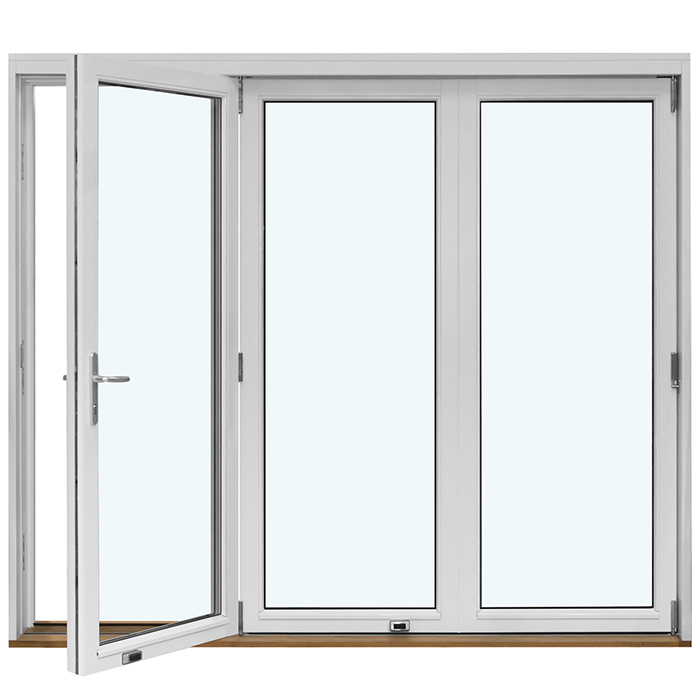
A structured example might read: “The left panel at the family-room opening began rubbing at the lower corner on June 4. It was installed May 12. The handle still locks. Attached are wide and close photographs, the order confirmation, and the installer’s handover note.” That is more actionable than “the door is defective.” With a two-panel outswing patio door, identify the affected panel and whether the condition changes during opening, closing, locking, or weather exposure. Use the unit only when it is safe and does not require force. Request written guidance before modifications that could complicate assessment.
Understand inspection, service, and replacement steps
A claim review may involve documents, photographs, requests for more evidence, or a site assessment where appropriate. The order of events matters because a reviewer may need to see the condition before parts are removed or sealants applied. Ask who communicates the decision, what evidence remains outstanding, whether a visit may carry a charge when the issue falls outside coverage, and what approval is required before corrective work. Keep communications in one thread or folder. If a material instruction is given by phone, send a short written summary and ask the contact to correct any misunderstanding.
If a repair or replacement is approved, confirm the work plan. Identify the part or unit, who orders it, who coordinates access, what preparation is needed, and who restores finishes afterward. Verify the delivered item against the approved solution before work starts. For a single-sash outward-opening casement window, record the handedness and opening orientation from the original order so an administrative error does not create another delay. Bloomcabin delivery is generally 4–6 weeks subject to order confirmation; for service-related supply, request the confirmed schedule for that order rather than treating the general estimate as a guarantee.
05 / Approve the remedy
Maintain without compromising your position
Regular care supports practical ownership and warranty protection. Follow the instructions for the exact product. Keep tracks, drainage paths, and moving areas free of loose debris where directed. Operate the unit normally rather than forcing a handle, panel, or sash that binds. Use cleaning products and tools appropriate to the surfaces, avoiding improvised lubricants, abrasives, or coatings unless permitted by the instructions. After severe weather or nearby construction, look for visible changes and record them early. Maintenance does not mean every problem is owner-caused; it helps prevent a minor operational issue from becoming harder to assess.
Seasonal checks can be simple: open and close the unit, engage locks, inspect accessible seals, look for blocked tracks, and note surrounding damage that could direct water toward the opening. Observe rather than dismantle. A top-hinged outward-opening window requires a different visual check from a sliding system because its hinges and opening arc differ. If a condition returns after adjustment, do not force the hardware or make repeated unrecorded changes. Photograph it, record the date and circumstances, and contact the responsible party through the established process. Keep receipts and reports for approved maintenance or service related to the concern.
Use warranty questions to compare sellers
A warranty comparison should improve the purchase before a claim exists. Ask each seller for the applicable terms early enough to read them, then use the same questions: What does the 5-year warranty cover? Which components have separate provisions? Which exclusions matter for this configuration? Is installation included, and if not, who warrants it? What proof is required? Who authorizes service? Which costs are excluded? What happens if ownership changes? Clear identification of documents and responsibilities provides a sounder basis for planning than a short marketing phrase, even when the answers include meaningful limits.
Finally, align the product choice, contract scope, and documentation route. A single-panel inswing patio door is a named configuration, but the order should capture the dimensions, handing, color, glass choices, hardware, and approved options for the project. Review the confirmation before production, retain a signed installation scope, and conduct a handover inspection while the installer is available. Store the warranty with the order confirmation. This cannot guarantee that an issue will never arise, but it ensures the owner can show what was purchased, how it was installed, what was observed, and which party should evaluate the next step.
Frequently asked questions
Does a 5-year warranty mean every part and every cost is covered for five years?
Not necessarily. The written terms determine covered components, exclusions, remedies, notice requirements, and limits on labor or related building work. Ask for the order-specific warranty before purchase. Read it with the installer’s workmanship agreement because product coverage and installation responsibility are often separate.
What should I do if a window or door issue appears right after installation?
Photograph the condition, record the location and date, save relevant documents, and use the contact route stated in the warranty. Describe observable symptoms rather than assigning blame. Do not force operation or make nonessential repairs before receiving guidance. Document any immediate protective action taken for security or water entry.
Can an installer make a warranty claim for me?
It depends on the written warranty and sales arrangement. An installer may gather evidence or assess its own work, but the purchaser may still need to submit the claim or authorize communication. Confirm who is the claimant, who receives decisions, and who can approve service before a problem occurs.
Are scratches, glass marks, or color differences automatically warranty claims?
No. Timing, cause, visibility, and the applicable written terms all matter. Record the condition promptly with close and wide photographs, including delivery or installation timing where relevant. Avoid harsh cleaning or touch-up attempts before assessment because those actions may alter the condition or obscure useful evidence.
What documents matter most if I need to make a claim?
Keep the final order confirmation, proof of purchase, written warranty, delivery record, available product identifiers, installation records, photographs, and correspondence. Add a simple log stating when the issue first appeared and describing any authorized service. These records connect the reported unit and condition to the original project.
Next steps
The strongest warranty decision is made before the order is confirmed. Match the written coverage to the exact window or door configuration, separate product protection from installation workmanship, and ask what a remedy includes beyond the part itself. Keep a project file from delivery through handover, follow the specified care instructions, and report concerns with clear facts and photographs. Bloomcabin provides a 5-year warranty for windows and doors; review the terms applicable to your order and clarify the claim contact, service authorization, and installer responsibilities in writing. That preparation turns a general promise into a usable process if service is needed.
