
Window Glass Replacement Costs: Can You Keep the Frame?
Window glass buying guide
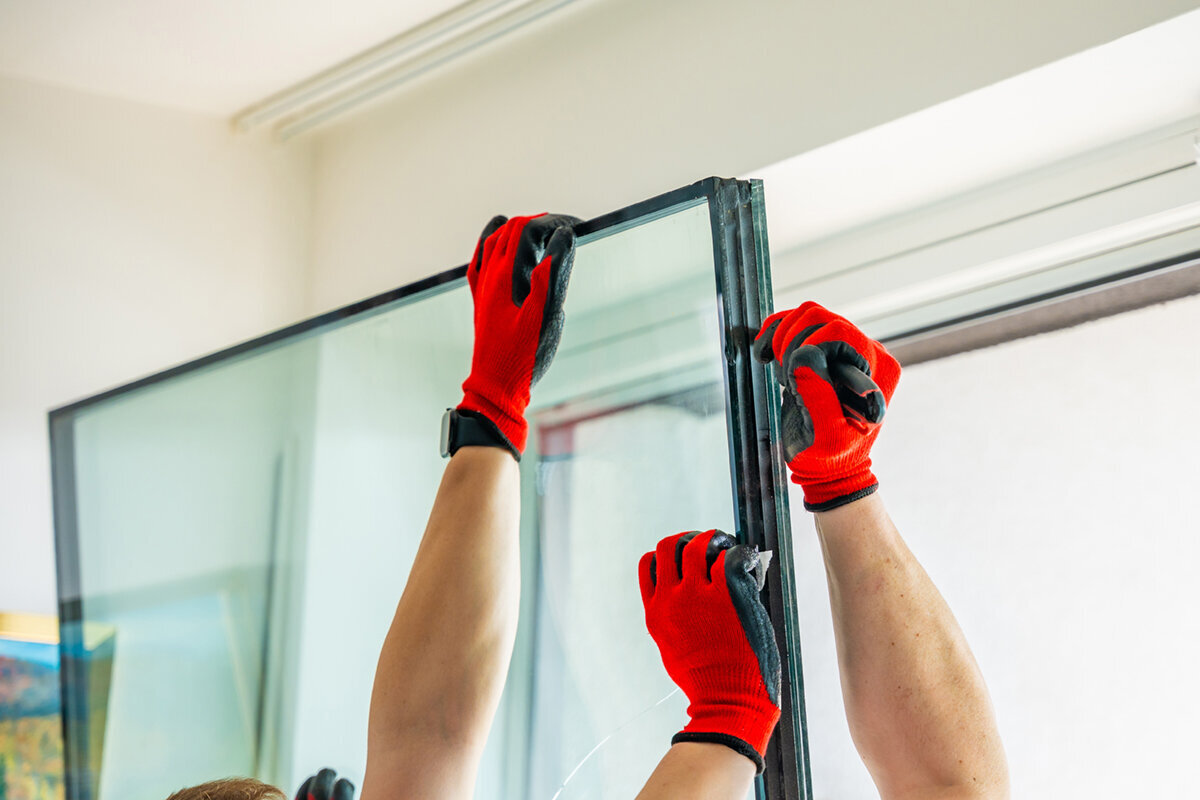
A cracked pane does not automatically mean the entire window must be removed. Start with a more practical question: did the window open, close, latch, and keep out water normally before the glass failed? Glass-only work can be a contained repair when the sash and surrounding frame are sound, the glazing system can be serviced, and a suitable replacement unit can be made. However, broken or fogged glass can coincide with a distorted sash, deteriorated seals, unreliable hardware, or moisture damage. Those conditions may justify a wider scope. Before comparing estimates, identify how the window opens, whether the damage affects one pane or an insulated glass unit, and whether the problem is confined to a removable sash. That groundwork helps you compare like-for-like proposals instead of treating every mention of “window replacement” as the same job.
Buyer’s scope check 1
Start with the way the window operates
Opening style determines how the glass is retained, reached, removed, and tested afterward. A fixed pane, casement sash, inward-opening sash, pivot window, and roof window create different handling questions. If the window operated normally before an impact cracked one pane, the repair may be localized. If it previously scraped, sagged, leaked, or needed force to latch, the broken glass may be only the visible symptom. Note whether gaps are even around the sash, the handle engages smoothly, and the sash stays where intended. Do not operate a window with loose glass or an unstable sash.
Reconstruct what happened before requesting estimates. Record whether the defect followed an impact, appeared as a slowly spreading crack, or began as haze between panes. Check the interior trim, sill, and wall below for staining, but do not assume every mark came through the glass. From a safe position, photograph the exterior perimeter and any damaged seals. This timeline helps a professional distinguish an isolated glazing failure from movement, drainage, or hardware trouble. It also establishes which symptoms existed before the repair, so the final inspection can verify whether the agreed work actually resolved them.
Separate the frame, sash, and glass unit
Homeowners often call every visible component the frame, but estimates are clearer when the parts are separated. The wall opening contains the installed perimeter frame. A sash is the moving or stationary assembly that holds the glass. Glazing components support, retain, and seal the pane or insulated glass unit within that sash. A workable repair might leave the perimeter frame in place while the sash is removed for shop glazing. Another project might replace the glazed sash as an assembly. Ask the estimator to identify, in writing, exactly what remains and what will be renewed.
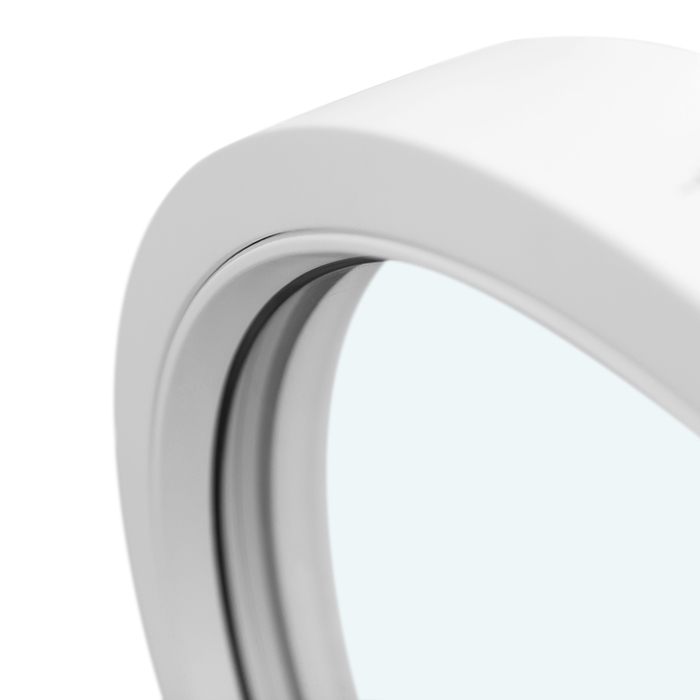
A fixed window shows why these distinctions matter. With no hinges or latch to assess, attention can center on the stationary frame, glass support, glazing retention, perimeter condition, and surrounding finish. That does not make every fixed-pane project simple. Large, elevated, unusually shaped, or obstructed glass can require specialized access and handling. An operable window needs an additional post-installation check: the sash should open, close, align, and latch correctly after glazing. Defining the components also prevents two very different scopes from both being described merely as “glass replacement.”
Buyer’s scope check 2
Recognize signs that favor glass-only work
Glass-only work is most plausible when the damage has a clear cause and the rest of the window shows no continuing distress. Favorable signs include a straight, stable sash; a firm frame without loose or deteriorated areas; serviceable glazing retention; and weatherseals that meet consistently. The glass package must also be measurable and replaceable without damaging the sash. This is a condition-based decision rather than an age rule. An older but well-maintained, serviceable sash may be a stronger candidate than a newer window whose frame has shifted or whose hardware cannot control the sash.
Moisture, haze, or deposits between panes commonly calls for evaluation of the sealed insulated glass unit even if neither exposed surface is broken. When the sash and frame remain sound, replacing that unit may be possible. Ask whether the new unit fits the existing glazing pocket and how its edges will be supported, spaced, retained, and sealed. New glass will not correct air entering around a warped sash, worn weatherstripping, or a frame-to-wall gap. Have the actual path of air or water identified so a targeted glazing repair is not expected to solve a separate installation or maintenance problem.
Know when keeping the frame is the weaker option
Frame retention becomes less attractive when there is evidence of movement, deterioration, or repeated operational failure. Warning signs include a sash that will not stay square, a latch that catches only under pressure, recurring water marks, loose frame joints, or material that is soft, cracked, or separating. Failed hardware that allowed a sash to drop also warrants more than a glass inspection. Installing new glass in a distorted assembly may leave the cause untouched. The alternative is not automatically a complete window; the appropriate scope might instead be sash, hardware, localized frame, or full-unit work.
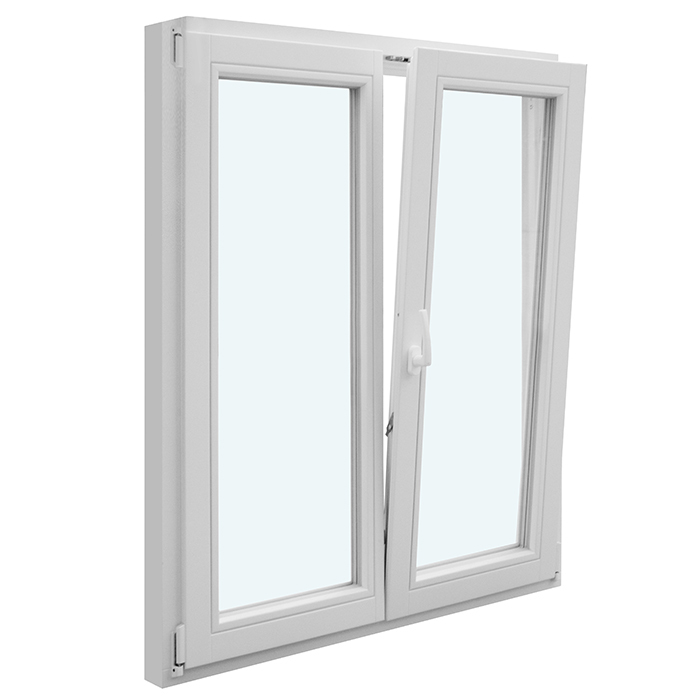
With a single-sash inward-opening window, the sash must swing freely, meet its seals, and latch securely as well as hold the glass. Removal and reglazing can reveal hinge wear or alignment problems that were not obvious while the pane was damaged. Ask the installer to test handle action, closing pressure, perimeter contact, and safe movement after the work. If dependable operation cannot be restored, compare further piecemeal repair with replacement. The proposal should explain what is defective, which action addresses it, what remains original, and which existing symptoms—if any—will remain outside the scope.
Buyer’s scope check 3
Understand what changes the estimate
A universal pane-replacement price is not useful because each estimate combines several variables. Glass construction, thickness, size, shape, edge treatment, tint, pattern, and decorative bars can affect fabrication. Labor depends on whether the sash is removable, whether work occurs indoors or outdoors, the floor level, access obstacles, and the care required to extract broken material. Temporary securing, measurement visits, disposal, finish protection, hardware adjustment, and return installation may be separate charges. Ask whether the total includes field measurement, fabrication, installation, cleanup, sealant or glazing materials, and final operational testing.
If one side of a two-sash inward-opening window is damaged, determine whether the estimate covers one glass unit, one complete glazed sash, both sashes, or the entire window. Replacing both sides is not automatically necessary, but matching can matter when the existing glass has a pattern, coating, decorative layout, or visible age-related variation. Ask what visual differences may remain in reflected color and clarity under daytime and nighttime conditions. The quote should also state whether removing and reinstalling the sash includes alignment and hardware adjustments, since a correctly fitted pane alone does not guarantee smooth operation.
Match the glass to the opening’s purpose
Replacement glass should suit the opening rather than merely resemble the nearest available sheet. Discuss the room’s priorities: daylight, privacy, glare, solar exposure, exterior noise, cleaning access, or visual consistency with neighboring panes. These goals can conflict, so ask how each proposed option changes appearance and use instead of assuming one upgrade improves everything. If only one unit in a group is being replaced, request a clear description of the expected match. Reflections, visible color, and clarity can look different from inside and outside or under changing light.
Decorative bars and glass-dividing bars also require precise identification. Decorative bars create a pattern on or within the glazing presentation, while glass-dividing bars separate individual panes. Photograph the damaged window straight on from both sides and include the entire opening. Even if a nearby single-sash outward-opening casement window looks identical, do not assume its dimensions or glass construction can be copied. Similar sightlines are not proof of interchangeable components. Final selection should follow measurement of the actual glazing pocket and confirmation of the existing pattern, pane arrangement, opening direction, and retention method.
Buyer’s scope check 4
Document the opening before anything is ordered
Photograph the full window from inside and outside, the damaged area, all sash corners, the sill, hardware, and any readable labels. Record the room, floor, opening direction, approximate visible glass size, and whether the problem is a crack, break, looseness, or fogging. Note exterior obstacles and whether blinds, shades, screens, or sensors affect access. This information supports an initial conversation, but it does not replace field measurement. It helps the provider identify the configuration, plan access, and avoid preparing an estimate for the wrong type of glass or sash.
Never order from visible glass dimensions alone. The concealed portion sits inside a glazing pocket, where support, edge clearance, seals, and retention determine the required size. This is especially important for a specialized configuration such as a pivoting roof window, where safe access, sash movement, and removal procedures influence the scope. Ask who takes responsibility for final measurements and what happens if site conditions differ from the photographs. Identify the pane unambiguously—for example, by room and position as viewed from indoors—because casual labels such as “right window” can change with the observer’s location.
Plan access, removal, and room protection
A ground-floor pane beside an open walkway presents a different project from glass above a staircase, roof, planting bed, or enclosed porch. Access affects handling, labor planning, interior protection, and whether the sash can be removed safely. Tell the estimator about furniture, blinds, alarm contacts, screens, exterior fixtures, and fragile finishes. If the sash must leave the opening, ask how the opening will be secured and whether the work requires more than one visit. Bloomcabin states delivery of 4–6 weeks, subject to order confirmation; the actual schedule for the selected repair or replacement scope must be confirmed directly.
A two-sash outward-opening casement window highlights the need to inspect exterior swing clearance. Shrubs, railings, screens, trim, or fixtures may restrict movement or a safe working position. Indoors, create enough space for the team to reach the full perimeter and test both sashes. Ask how broken fragments and dust will be contained, what furniture must move, and who removes window treatments. Good preparation is not simply a convenience: it reduces the chance of concealed obstacles changing the planned method, adding a return visit, or preventing a complete operational test after installation.
Buyer’s scope check 5
Compare repair with the right replacement alternative
Compare outcomes and included work rather than looking only at the initial totals. Glass-only work may preserve sound frames, interior trim, and a familiar appearance while limiting disruption. A replacement window becomes worth evaluating when several components have independent faults or when you deliberately want different operation, sightlines, or appearance. Place the scopes side by side: glass, sash, hardware, weatherseals, frame work, trim restoration, disposal, access equipment, and adjustment. Then note which diagnosed problem each option resolves and what remains. A narrow glazing proposal and a complete-window proposal should not be treated as equivalent purchases.
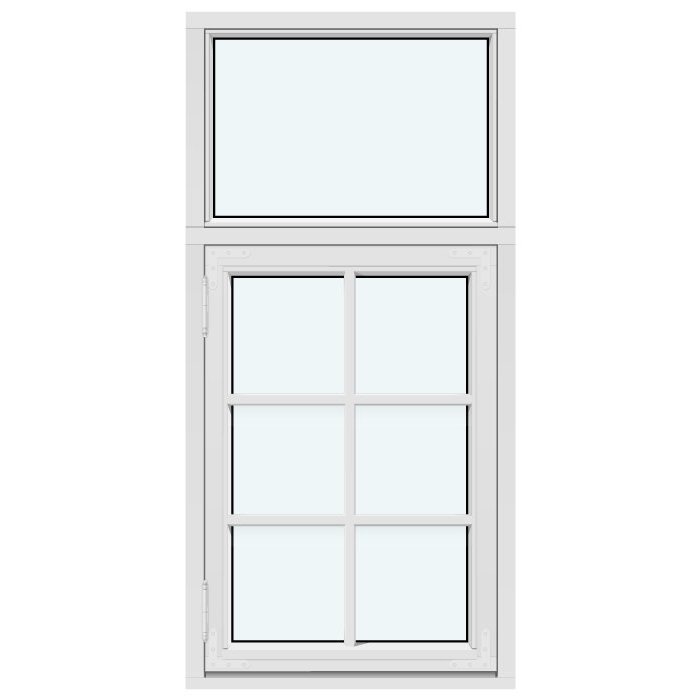
If you want a different opening style, an outward-opening top-hinged window is an alternative configuration to examine, not a default substitute for broken glass. Opening direction changes ventilation behavior, exterior clearance, screen planning, cleaning access, and furniture use near the opening. Those consequences need consideration independently of the glazing defect. Conversely, retaining a genuinely sound frame may be valuable when surrounding finishes would otherwise be disturbed. Ask whether the recommendation is intended to restore the existing window or upgrade its configuration. Both can be reasonable goals, but an estimate should not blur the distinction between repairing a confirmed fault and purchasing a redesigned opening.
Make the written scope accountable
Before approval, ask whether the damaged component is a single pane, sealed insulated glass unit, or complete glazed sash. Confirm what inspection was performed on the frame, sash, hardware, seals, and surrounding finishes. The written scope should identify the glass being supplied, the responsible party for final measurements, removal and disposal, site protection, temporary closure if needed, finishing work, and post-installation testing. It should also state exclusions and how unforeseen deterioration will be handled. This level of detail lets you compare proposals without relying on verbal assumptions or trade terms that different providers may use differently.
An outward-opening pivot window rotates on pivot hardware rather than ordinary side hinges, so glazing work should include evaluation of movement, balance, and hardware condition. New glass cannot by itself establish that the operating mechanism is serviceable. Ask the provider to demonstrate the intended movement and identify any adjustment or repair outside the glazing scope. Bloomcabin provides a 5-year warranty for windows and doors. Confirm the terms applying to the specific purchase, because a third-party glass repair, replacement sash, and complete new window may involve different providers, covered components, exclusions, and responsibilities.
Common questions
Can only one pane of a double-pane window be replaced?
The repair usually requires evaluation of the sealed insulated glass unit rather than treating its panes as independent exposed sheets. Retaining the sash and frame may still be possible if they are sound and serviceable. Ask whether the proposal covers the glass unit, a glazed sash, or another assembly, and whether operation will be tested afterward.
Does fog between panes mean the frame has failed?
Not by itself. Fogging between panes can indicate a problem within the insulated glass unit, but it does not diagnose the surrounding frame. Have the sash, glazing retention, weatherseals, hardware, perimeter, and any moisture marks inspected before deciding whether the appropriate scope is glass-only work, sash repair, frame work, or replacement.
Will the replacement match my other windows exactly?
A close match may be possible, but appearance depends on the existing glass, coatings, pattern, color, decorative bars, and age-related variation. Provide interior and exterior photographs and review the proposed glass description before ordering. Ask what differences might be visible in transmitted and reflected light, especially beside unchanged panes.
Can I measure the broken glass myself?
Approximate measurements are useful for an initial inquiry, but visible glass dimensions are not sufficient for fabrication. The replacement must fit the concealed glazing pocket, support points, seals, and retention system. The glazing professional responsible for the order should take or confirm final measurements and record the exact pane location.
When should I consider a complete window?
Compare complete replacement when the frame or sash is deteriorated, the window repeatedly binds or fails to latch, hardware remains unreliable, moisture-related damage is present, or you want a different opening configuration. Request separate written scopes so you can see which diagnosed problems each option resolves rather than assuming replacement is always necessary.
Plan your next step
Keeping the frame can be a practical response to damaged or failed glass, but the decision should follow an assessment of the complete window. Check operation first, then separate the condition of the frame, sash, glazing, seals, and hardware. A useful estimate states what remains, what is replaced, how the glass will be matched and installed, and how operation will be verified. When distortion, deterioration, moisture damage, or recurring hardware problems are present, compare broader alternatives by their actual scope. The right choice is the one that addresses the diagnosed fault without assuming either glass-only work or complete replacement is automatically best.
