
Window Security: Locks, Handles, Glazing and Test Evidence
US window security buying guide
A window can appear secure when closed yet be poorly suited to its room, users, or exposure. Begin with how the sash opens, where the handle can be reached, and whether the unit serves a ground-floor room, upper story, basement, or roof opening. A window beside a patio presents different access and ventilation questions from one above a stair landing. Meaningful comparisons therefore examine the complete assembly: opening geometry, locks, handles, hinges, glazing, sash, frame, installation interface, and evidence for the quoted configuration. This guide explains how to compare those elements without treating a keyed handle, multipoint hardware, or a particular glass description as a complete security answer. It also shows what to record before ordering and what to verify during handover.
Buyer’s security checklist 1
Start with operation, location, and exposure
Create an opening schedule before comparing security features. For every window, record the room, floor, exterior elevation, opening type, and expected frequency of use. Note nearby patios, porch roofs, low walls, exterior stairs, or other features that may affect access. Also identify furniture, counters, shades, and interior finishes that could obstruct a handle. This exercise is not a security survey, but it prevents one generic specification from being applied to windows with different roles. Include glazed patio doors and adjoining panels when reviewing an elevation, because circulation through the whole area influences how residents use and secure its openings.
Opening direction determines many of the next questions. For a single-sash inward-opening window, confirm how far the sash travels into the room, whether furniture interferes, and whether the handle remains easy to reach. For any outward-opening alternative, review exterior clearance, planned screens, hinge location, and access for cleaning. Ask the supplier to mark the active sash, fixed areas, hinge side, handle position, normal locked position, and any offered opening limiter on the order drawing. Distinguish a window routinely used for ventilation from one opened only occasionally. A partially open position should be evaluated separately from the fully closed and secured condition.
Treat locking as a sequence, not a label
The word “lock” may refer to a latch, a handle-operated mechanism, separate bolts, or hardware engaging at several points. Ask the supplier to describe what happens from the moment the sash meets the frame until it is fully secured. Does one handle movement engage every locking point? Is there a separate key, button, or release? Which parts retain the sash, and are they included on every quoted size and opening type? Request an answer tied to the order rather than relying on a catalog photograph. A hardware family or brand name does not establish which components are included in a particular window.
A locking arrangement must also be practical enough to use consistently. Compare the routine for a frequently ventilated kitchen with that for a guest room or less accessible opening. Ask how users can recognize a sash that appears closed but is not fully seated. If the product has a ventilation position, clarify which hardware remains engaged and how the user returns the sash to its secured condition. During handover, have the responsible occupants practice the complete sequence. This can expose interference from blinds, trim, or furniture and reveal a handle that is awkward in the actual room, even if it seemed convenient on a showroom sample.
Buyer’s security checklist 2
Evaluate handles as everyday control points
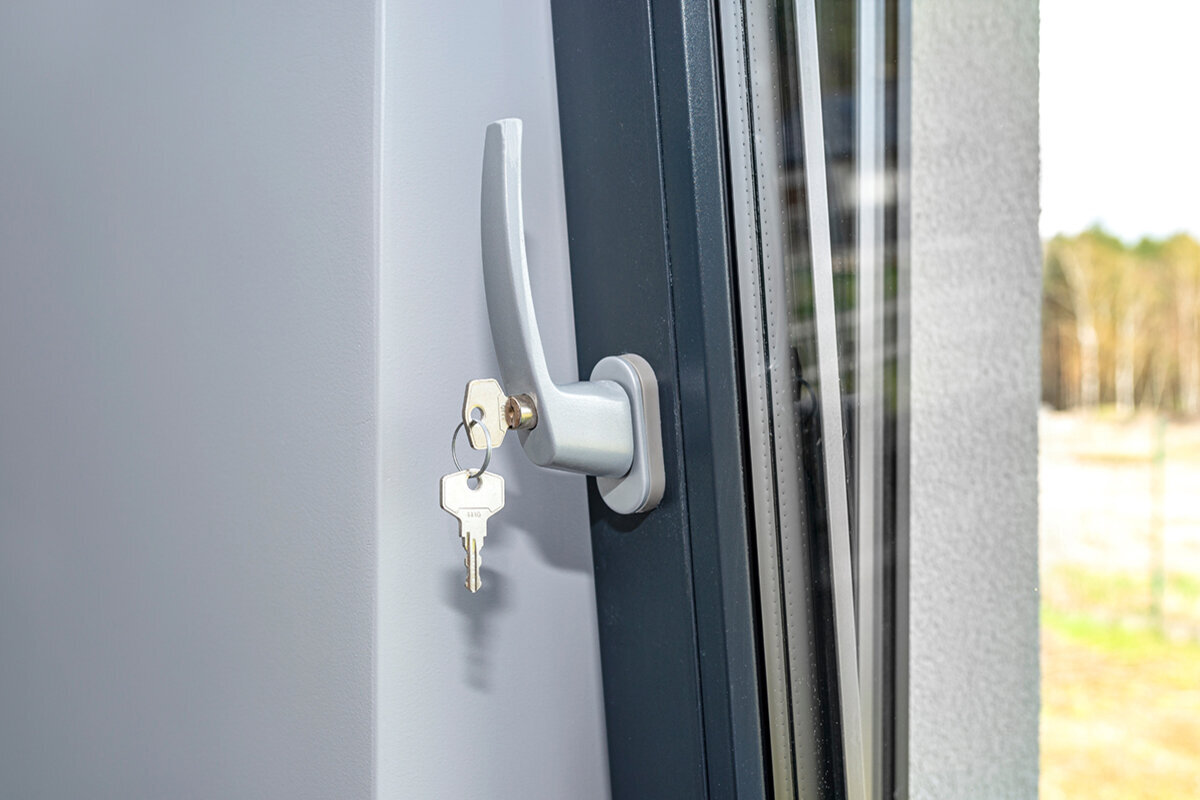
A handle is the part residents see and touch, but its value depends on placement, reach, movement, and ease of operation. Consider who will use each opening and whether a countertop, deep sill, sink, or window treatment changes access. In rooms used by children, separate supervision and ventilation planning from the handle specification; one control feature does not answer every concern. If a lockable handle is offered, ask who will keep the keys, whether windows are keyed alike, how replacement keys are managed, and whether the sash can still be checked for complete closure. Review the actual handle on a drawing or sample.
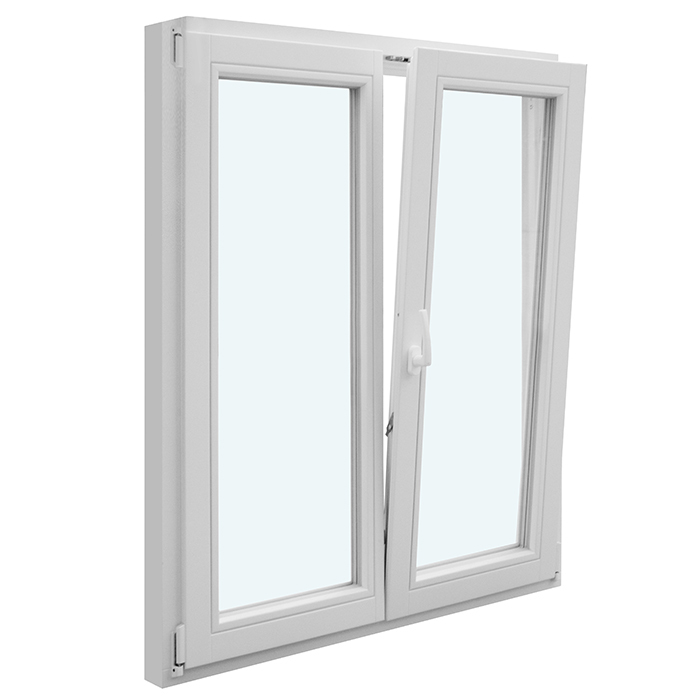
With a two-sash outward-opening casement window, identify which sash operates first, whether both sections have handles, and how the meeting area closes. Two opening sections may provide flexible ventilation, but they also require a clear closing routine for each active sash. Ask whether handles, hinges, keeps, and other locking parts are specified as one coordinated hardware set for the quoted dimensions. Finish and shape still matter aesthetically, but they should not displace the operating review. The useful question is whether occupants can reach, close, secure, and visually check every active section without improvised steps or moving permanent room fixtures.
Understand what the glazing specification means
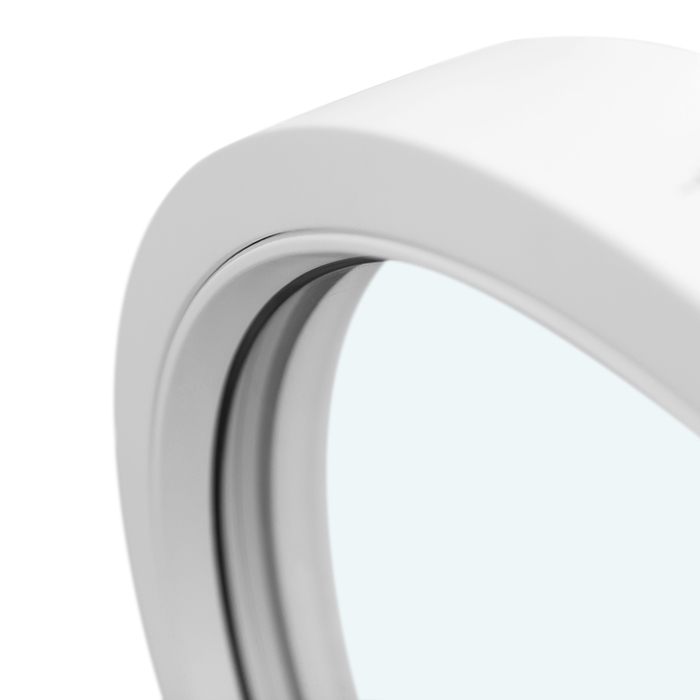
Avoid comparing glass through pane count or vague descriptions such as “strong” or “security glass.” Request the proposed glazing build-up in writing and ask whether it is available for the exact window dimensions, opening type, and frame under review. Different constructions can respond differently to impact and breakage, but glass is only one part of the assembly. Discuss what happens if glazing is damaged, whether the remaining material affects access through the opening, and how the glazing is retained in the sash or frame. Where project conditions require specialized guidance, have the appropriate qualified professional review the proposed construction rather than relying on an informal comparison.
A fixed window removes the handle, hinges, and operable-sash closing edge from that unit, which may suit an area where daylight and view matter more than ventilation. That design choice is not an automatic security rating. Buyers still need to review the glazing, frame, installation interface, exterior access, cleaning plan, and the effect on room airflow. If a fixed pane adjoins an opening sash, ask whether the two portions use the same glazing and how each is documented. Evidence for an operable specimen should not be casually transferred to a fixed unit, or vice versa, without confirmation that it applies to the proposed construction.
Buyer’s security checklist 3
Review the sash, frame, and wall connection
Resistance to forced opening depends partly on how the sash, frame, hinges, keeps, and locking points transfer force together. Ask where the sash is supported and retained when locked, especially on a large or heavy opening. A substantial-looking frame profile does not by itself describe the completed unit’s performance, and a named hardware supplier does not reveal the components selected for your quote. Request a configuration-specific schedule that identifies the opening format, hardware arrangement, glazing, and accessories. If two windows look alike but differ in size or sash count, confirm whether their hardware and supporting evidence also differ.
Installation can affect alignment and reliable locking. Discuss the condition of the rough opening, fastening approach, shimming, flashing coordination, and access for adjustment with the installer or qualified project professional. Establish who will check that the sash sits evenly, the handle travels normally, and every locking point engages before trim conceals the surrounding work. Replacement projects may reveal uneven openings or concealed deterioration after existing units are removed, so define how unexpected conditions will be reported and approved. Security is not solely a factory feature; it also depends on an installed window that remains aligned and can be closed without forcing its mechanism.
Plan ventilation as a separate operating condition
Many practical vulnerabilities arise while a home is being ventilated rather than when every window is closed. Record which rooms need frequent airflow, when occupants are likely to open them, and whether those openings can be monitored. A ground-level bedroom beside a public walkway calls for different habits from a high kitchen window. Ask whether the chosen system offers a defined ventilation position, how far the sash opens, and what remains engaged in that position. Do not assume partial opening provides the same resistance as full closure. The supplier should explain the operating sequence and limitations for the exact configuration rather than describe ventilation hardware in general terms.
An outward-opening top-hinged window shows why geometry matters. Verify handle reach, outward clearance, opening travel, screen compatibility, and the method used to return the sash to its secured condition. For a row of high windows, determine how occupants will operate each one safely instead of assuming inconvenience will keep them closed. The appropriate layout may combine fixed and opening sections or use a different operation in another room. Make that choice before cabinets, shades, or furniture restrict access. Ventilation convenience and closed-window security are related, but they are not the same performance question and should be recorded separately.
Buyer’s security checklist 4
Read test evidence against the actual quote
Useful test evidence identifies what was evaluated. Ask for the test method, specimen dimensions, opening direction, sash count, glazing, frame system, locks, hinges, and other relevant hardware. A badge, brief claim, or photo of a different product does not show whether the result applies to your order. Compare the documentation line by line with the quotation and drawing. If the proposed unit differs in size, glass, hardware, or arrangement, ask the supplier to state whether it remains covered by the evidence. Do not rely on an informal assumption that two visually similar windows will perform identically.
Testing answers a defined question under specified conditions; it does not make an installed window invulnerable or replace proper use and adjustment. If the project team has selected a performance target, ask whether the exact quoted unit is represented by existing documentation, falls within a documented scope, or requires further review. Keep the final drawings, specifications, test information, operating instructions, and approved revisions together. This record helps the installer verify the intended configuration and gives the owner a reference for later maintenance. It also prevents a general marketing description from becoming the only surviving explanation of what was purchased.
Match specialized openings to their real use
Pivoting windows require their own review because the sash rotates around an axis rather than simply swinging from one side. With an outward-opening pivot window, ask where the pivot is located, how the sash moves through its travel, what exterior clearance is needed, and how users close and lock it from indoors. Discuss cleaning access and the possibility that occupants may leave it only partly open. “Pivot” identifies an operating format; it does not establish the glazing, lock arrangement, or security evidence. Record the selected dimensions, hardware, handle, and glass for the exact unit.
A roof opening adds questions about reach, controls, furnishings below, and access for inspection. When considering a pivoting roof window, determine how the user will open, close, and verify it from the finished room. Ask which quoted accessories affect operation and whether the submitted test information represents that configuration. Do not infer security performance from the window’s elevated location, because exterior access conditions vary by building. Roof-window selection must also be coordinated with the roof assembly and project requirements by appropriate professionals. For the buyer’s comparison, keep the focus on usable controls, documented hardware, glazing, and a clear fully secured position.
Buyer’s security checklist 5
Coordinate fixed panes, active sashes, and sightlines
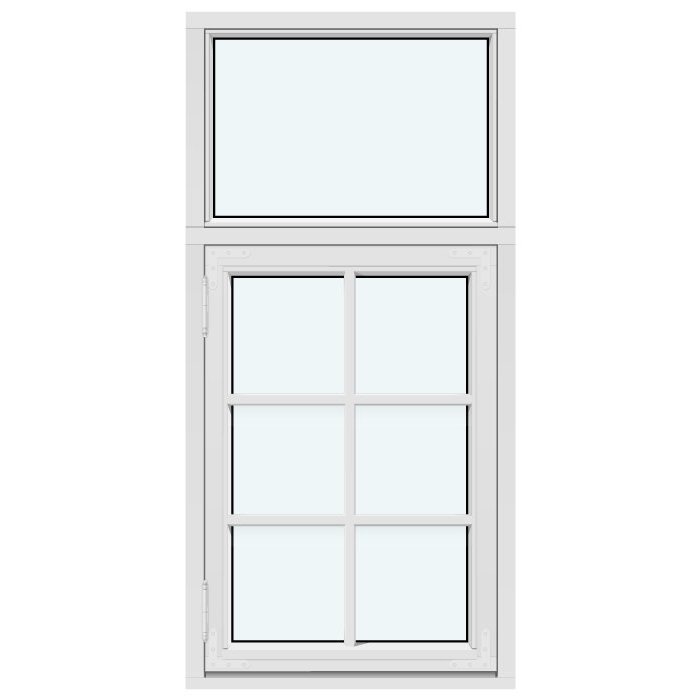
Large glazed openings often combine fixed and operable portions. A combination window should be reviewed from an elevation drawing that labels every section, opening direction, hinge side, and handle position. Check whether curtains, shades, furniture, exterior planting, or nearby doors will interfere with an active sash. Fixed areas may preserve a broad view while opening areas provide airflow, but those functions should not be inferred from the overall product name. If glazing or hardware differs between sections, record each specification separately. Ask whether available evidence covers the complete combination or only an individual portion.
Visual consistency does not require identical operation in every room. Coordinated frame proportions and color can accompany different opening choices where use and exposure differ. Discuss mullions, sightlines, decorative bars, and glass-dividing bars early enough that appearance decisions do not obscure the active-sash layout. Decorative bars affect appearance, while glass-dividing bars divide glazing areas within the construction, so drawings should identify which option is intended. For a particularly wide or tall assembly, ask what information the supplier needs to review feasibility. Provide accurate opening and location information, while leaving structural interfaces and project compliance to the appropriate qualified professionals.
Use ordering and handover as final controls
Before authorizing the order, prepare a concise schedule listing room, elevation, dimensions, product configuration, active and fixed sections, opening direction, handle position, locking arrangement, glazing description, color, bars, and requested evidence. Place unresolved questions beside the relevant unit. This catches errors such as a fixed pane where ventilation was expected or a handle obstructed by a counter. Confirm which drawings and written specifications govern production, and check every revision after a design change. For another operating comparison, a single-sash outward-opening vertical pivot window should be named precisely rather than grouped with side-hinged casements or other pivot arrangements.
At handover, work room by room. Open and close every operable sash, place it in the intended secured condition, identify any keys, and confirm the normal user routine. Ask how to inspect, clean, and maintain hardware without unsuitable products. Record rubbing, stiffness, incomplete engagement, loose handles, or damaged glazing rather than forcing a mechanism. Bloomcabin provides a 5-year warranty for windows and doors, so retain the order and warranty records. Delivery is 4–6 weeks subject to order confirmation. Use confirmation to verify security-related selections and documentation; timing does not replace an accurate specification or a completed installation check.
Frequently asked questions
Is a keyed handle enough to make a window secure?
No. A keyed handle controls operation of the handle, but it does not describe glazing, hinges, locking points, sash-to-frame engagement, installation, or the window’s condition while ventilating. Ask what the complete closed and locked arrangement includes and whether its documentation applies to the exact configuration quoted.
Should every window have the same glazing?
Not necessarily. Exposure, room use, dimensions, appearance, and fixed or operable construction can differ. Request the proposed glazing build-up for each window type and confirm that it is available in the selected configuration. Have a qualified project professional address any location-specific design or compliance requirements.
What test documentation should a buyer request?
Request evidence identifying the test method, product or assembly, specimen configuration, dimensions where relevant, glazing, frame, and hardware. Compare those details with the order drawing. If opening direction, sash count, size, glass, or locks differ, obtain a written explanation of whether and how the evidence applies.
Is a fixed window always more secure than an operable one?
No automatic conclusion follows from the opening type alone. A fixed unit has no operable sash or handle, but its glazing, frame, installation, placement, and exterior access still matter. It also provides no ventilation through that opening, so assess airflow, cleaning, room use, and emergency planning before choosing it.
When should the security specification be finalized?
Resolve it before order confirmation, after drawings identify operation, handles, locks, glazing, and fixed areas for every unit. Recheck revisions and supporting evidence before fabrication. At handover, operate each sash and verify closure again. Correcting a written specification early is generally more practical than discovering an assumption after installation.
Next steps
A sound window-security decision begins with the purpose and operation of each opening, not a single advertised feature. Map exposure, access, ventilation, and user reach; then compare the handle, locks, glazing, sash, frame, and installation as one assembly. Ask for evidence that matches the quoted size and configuration, and document any differences instead of accepting informal extrapolation. Finally, use the order drawings and room-by-room handover to confirm that every sash can be operated and secured as intended. This process supports a practical choice without sacrificing cleaning, airflow, or everyday usability.
