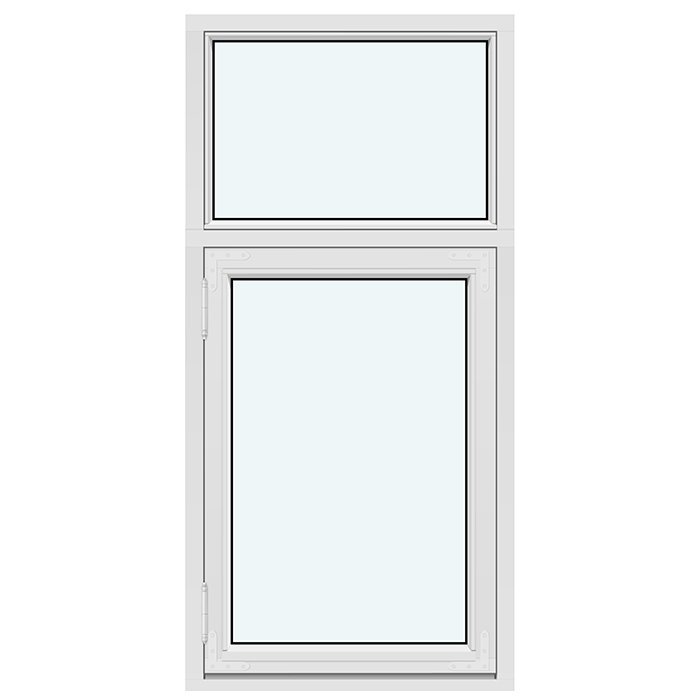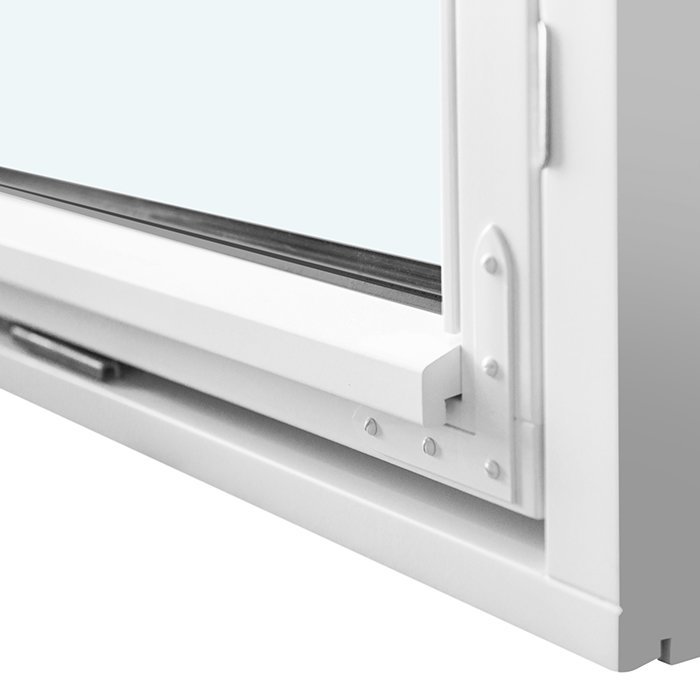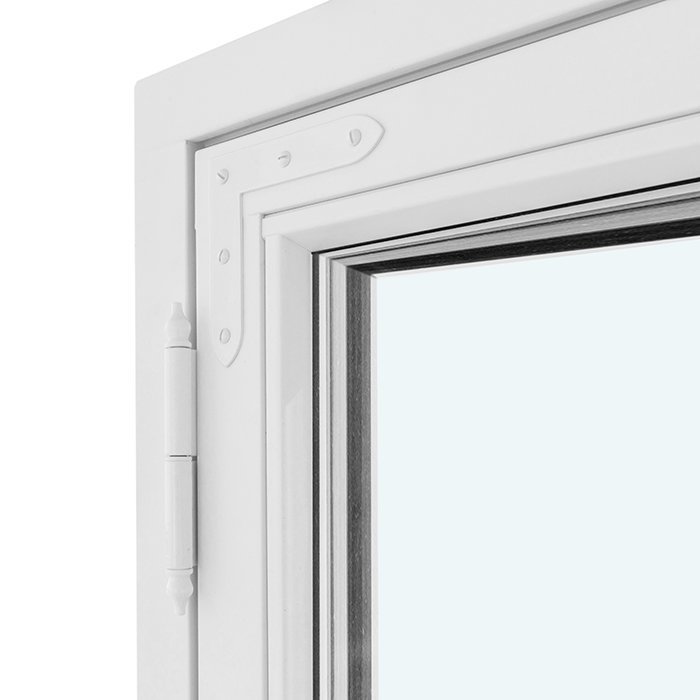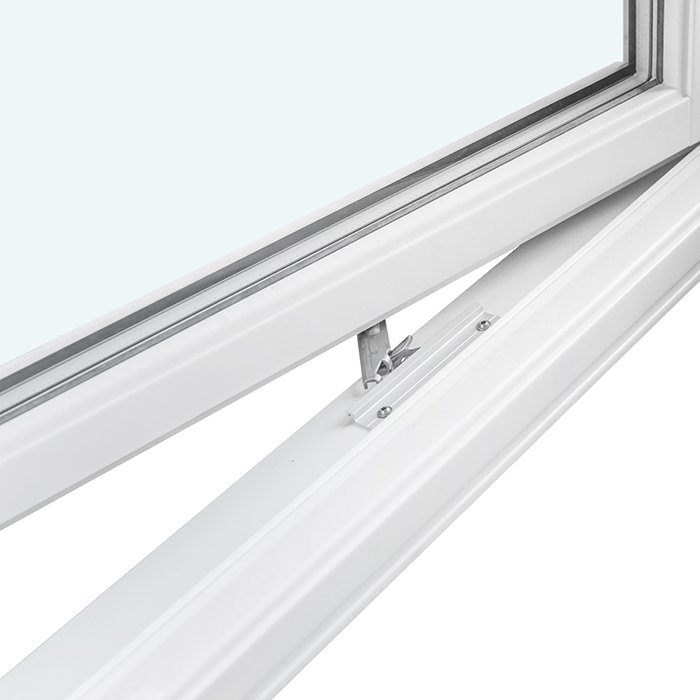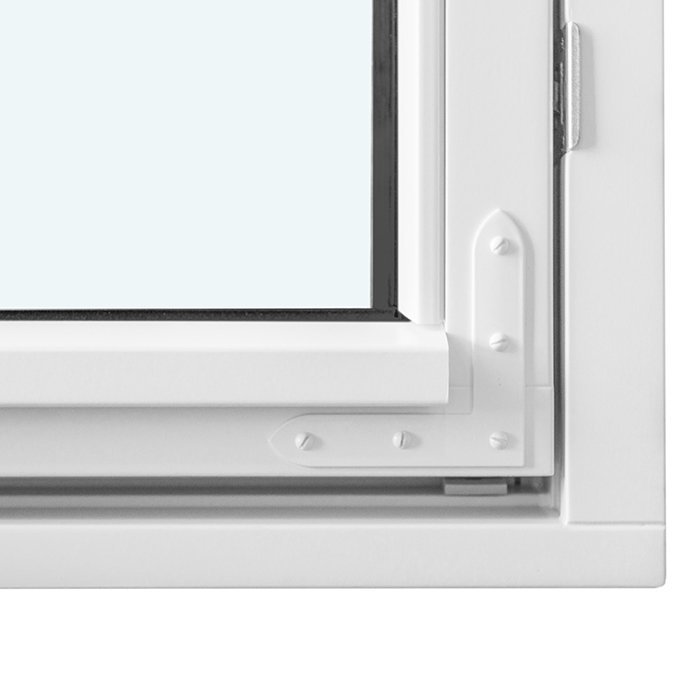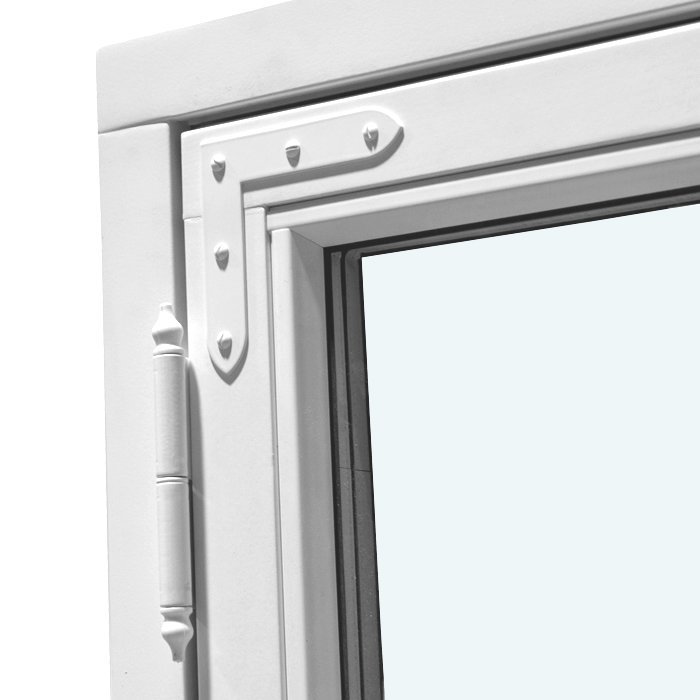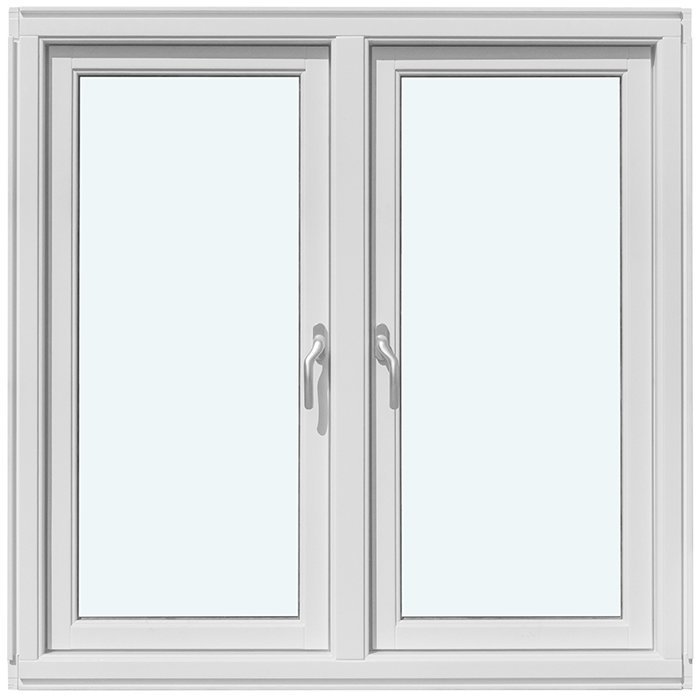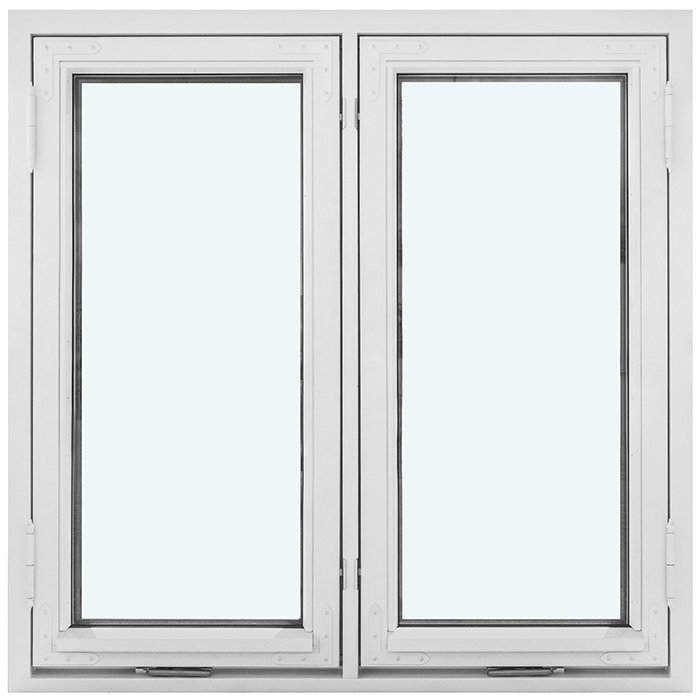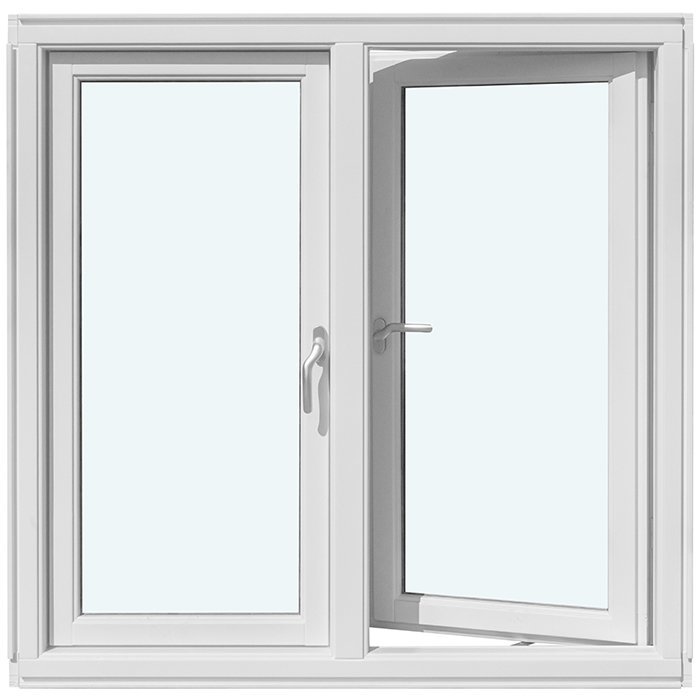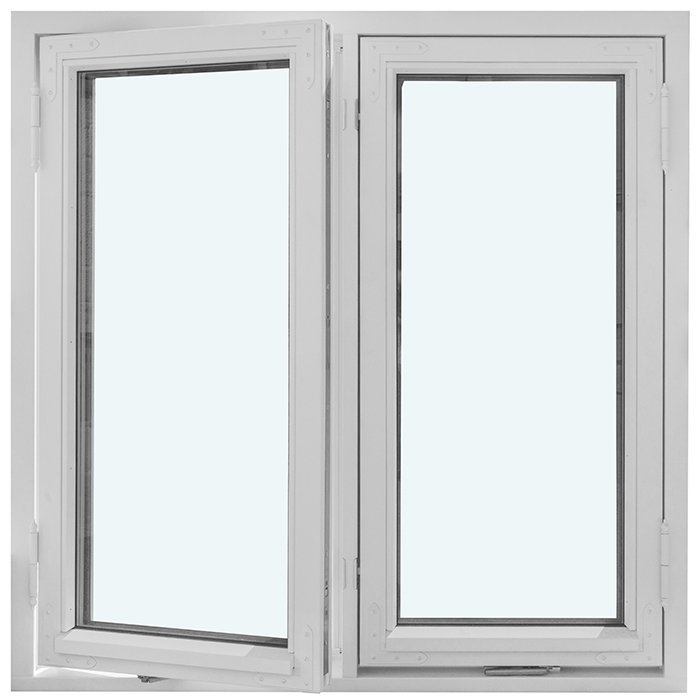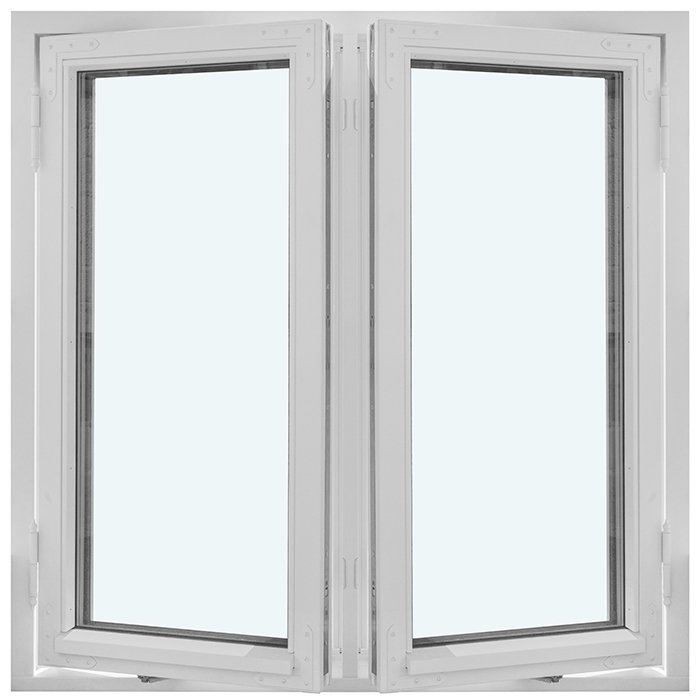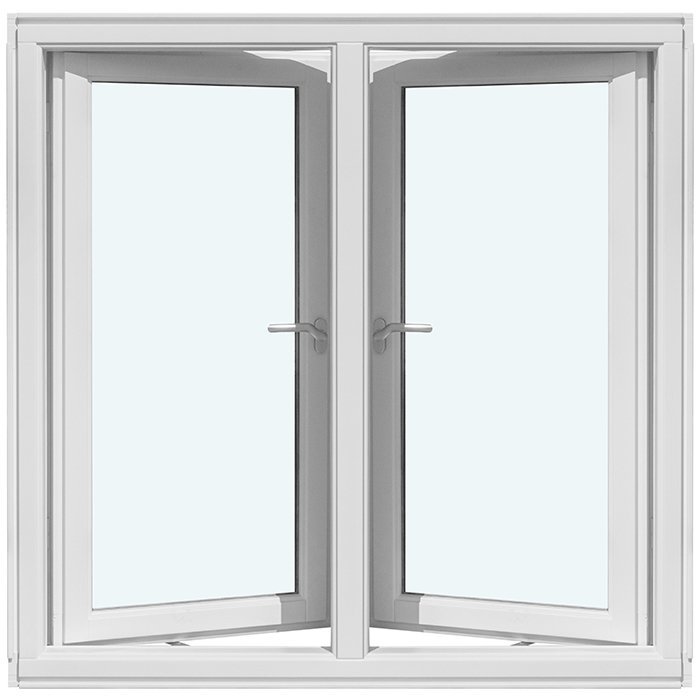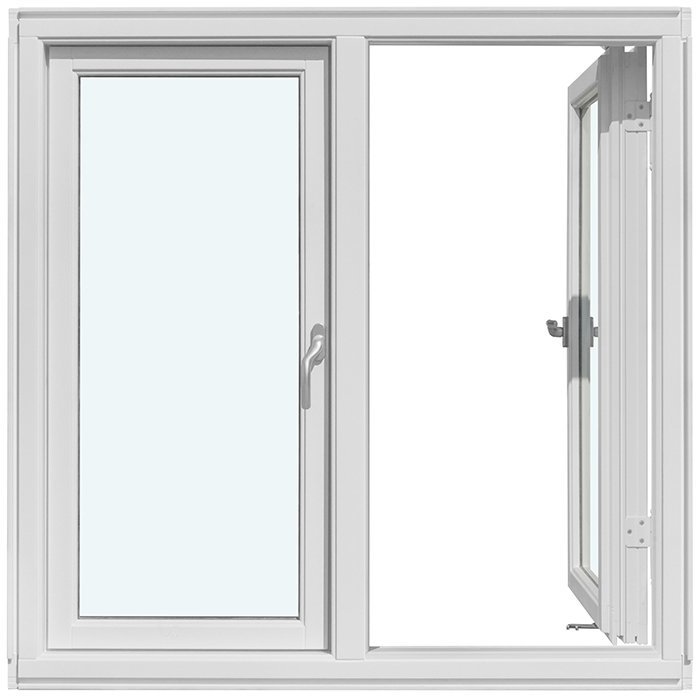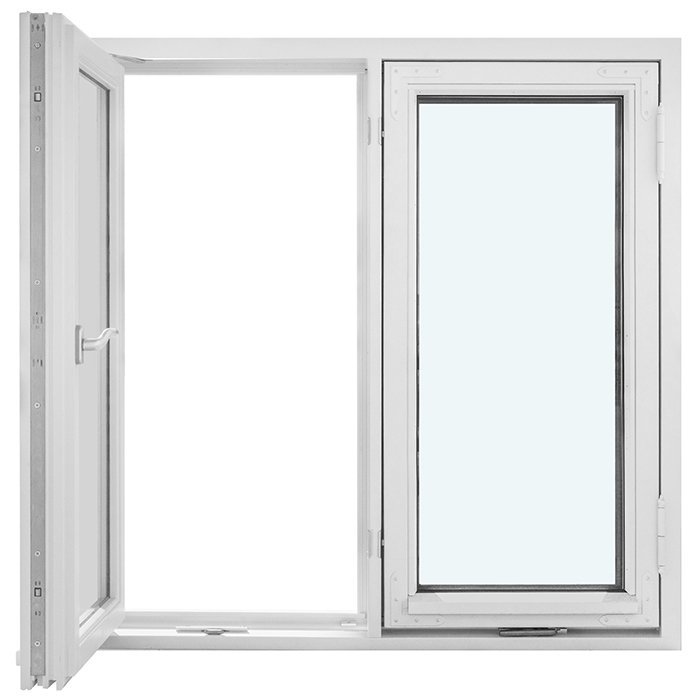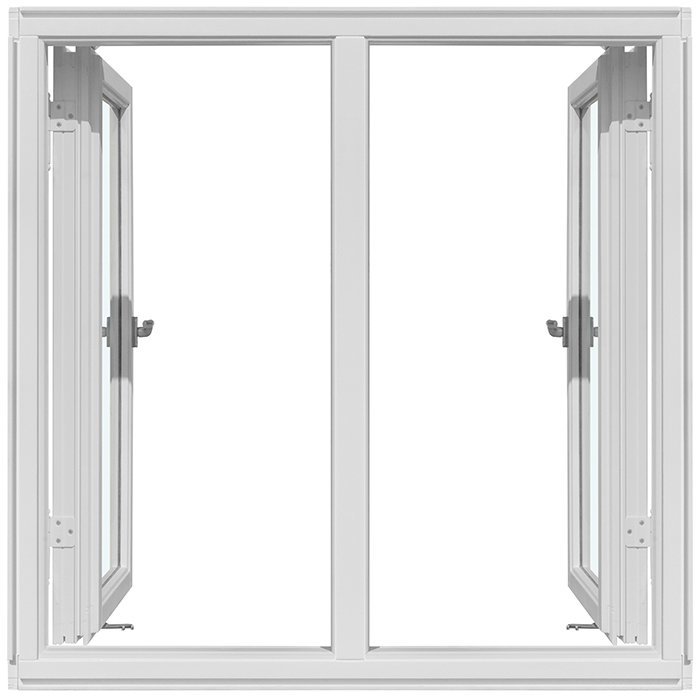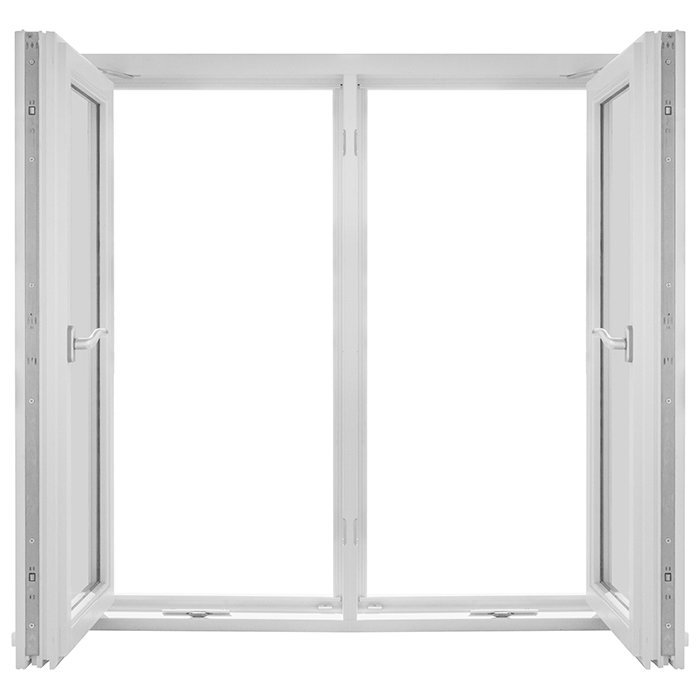


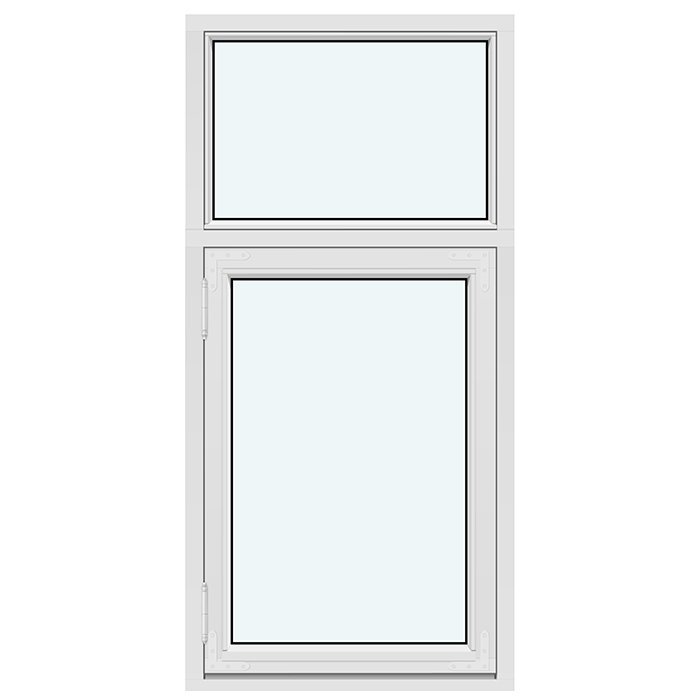
Bloomcabin 1 fixed glazed section and 1 sash without decorative bars. This historic outward-opening side-hinged Kombi window brings together one fixed glazed section and one operable sash, both without decorative bars. Its clean two-section design emphasizes clear glazing and straightforward functionality.
Why choose this Bloomcabin design?
The fixed glazed section and sash are both without decorative bars, giving the complete window an uncluttered appearance. The restrained treatment highlights the proportions of the two sections rather than an added decorative pattern.
The side-hinged sash opens outward for controllable ventilation, while the neighboring fixed glazed section remains stationary. Together, they offer practical opening function within a calm and balanced window layout.
Energy-conscious construction helps support comfortable interior conditions throughout the year. The window is designed to limit unwanted heat transfer and promote a more consistent indoor environment.
This configuration is a natural fit for historically inspired projects that favor clean glazing, restrained detailing, and the useful function of an outward-opening sash. 1 fixed glazed section and 1 sash without decorative bars — Before configuration, the design can be adapted to the project requirements and the preferred architectural character.
Customer reviews 
Flexible payment options Review the available payment methods during checkout.
Configure now Configure this historic outward-opening side-hinged Kombi window for your project. For help contact our team.
Type: Outward-opening sash;
Warranty: 5 years;
CE: Yes;
Material: Pine or oak;
Glazing: 2- or 3-pane insulating glass unit with heat-reflective coating, warm-edge spacer (CHR), and argon gas;
Glazing seals: Black rubber;
Hardware: SPILKA, IPA;
Mounting holes: 14 mm;
Frame: 105 × 57 mm;
Sash: 76 × 65 mm;
Historic-style windows
Historic-Style Kombi Outward-Opening Casement Window
Explore a made-to-measure historic-style combination window with pine or oak construction, insulating glazing, named decorative-bar patterns, color choice, and handle choice.
Opening function
Outward-opening sash
Wood material
Pine or oak
Glazing
Two- or three-pane insulating glass unit
Warranty
Five years
The Historic-Style Kombi Outward-Opening Casement Window brings an opening sash and a fixed glazed section together in one composed window design. It is intended for projects where an outward-opening function and a choice of historic-style decorative-bar arrangements can support the architectural direction without making the whole window visually uniform. Depending on the named pattern, decorative bars may appear on the sash, the fixed glazed section, both sections, or neither section.
Made-to-measure sizing, pine or oak construction, color selection, and handle choice let you coordinate the window with its opening and architectural setting. The two- or three-pane insulating glass unit includes a heat-reflective coating, a CHR warm-edge spacer, and argon gas, with black rubber glazing seals. As you compare compositions, consider the balance between the operable sash and fixed glazed section, the amount and direction of decorative division, and the view from both indoors and outdoors. The following sections explain operation, construction, glazing, available patterns, visual planning, related product types, and the details to include in your inquiry.
01
This Kombi window combines one outward-opening sash with one fixed glazed section. The sash opens toward the exterior, while the fixed section remains a glazed part of the overall composition. These areas therefore play different roles within the same window: one provides the opening function, and the other contributes a fixed expanse of glazing. Keeping that distinction in mind helps you assess everyday use and compare decorative-bar arrangements without confusing visual division with operation.
Consider how the window will fit your normal routine. If you expect to open the sash regularly, check that the handle will be comfortable to reach and that furnishings, counters, trim, or other interior elements will not make access awkward. The sash opens outward, so the exterior area also needs suitable clearance. If operation will be occasional, the visual balance between the sash and fixed glazed section may carry more weight in your decision. Sharing these priorities in your inquiry helps us understand how you plan to use the window.
A handle choice is available and can be considered alongside the wood, color, glazing, and decorative-bar composition. Include your preference when requesting the window so the main visual and practical decisions can be reviewed together. SPILKA and IPA components form part of the hardware specification; they are not alternative hardware brands for you to choose between. Operate and care for the finished window in accordance with the information supplied with your product.
Decorative bars alter the appearance of the glazed areas without changing their roles. A pattern that places bars on both sections still consists of one outward-opening sash and one fixed glazed section. Separating the functional decision from the decorative one makes comparison simpler: first decide whether this combination and opening direction suit the location, then select the pattern that gives the window the visual rhythm you want.
02
The window is available in pine or oak. Its frame component measures 105 × 57 mm, its sash component measures 76 × 65 mm, and the mounting holes measure 14 mm. Each figure applies only to the component named; these measurements are not the overall width, height, or depth of the complete window. Overall window sizing is made to measure and should be specified separately for the individual project opening.
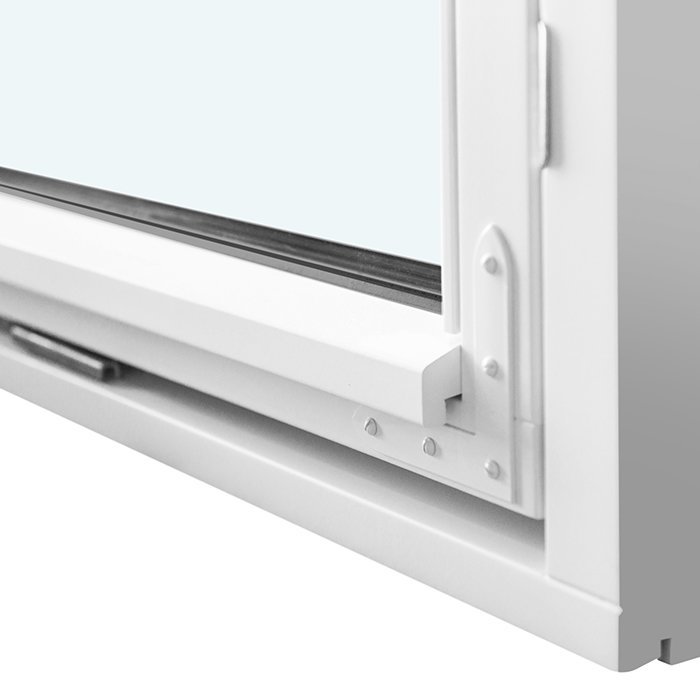
The glazing is a two- or three-pane insulating glass unit with a heat-reflective coating, a CHR warm-edge spacer, and argon gas. Black rubber glazing seals complete the stated glazing specification. The window is CE marked and covered by our five-year warranty, while SPILKA and IPA components are used in the hardware. Your purchase choices include made-to-measure sizing, pine or oak construction, color, handle, and the applicable glazing and decorative composition.
Keep product-component information separate from the dimensions of the building opening. The frame section measurement does not replace the overall made-to-measure window size, and the 14 mm mounting-hole dimension does not describe the position of every fixing point. Label each measurement by purpose in your notes or drawings so that opening dimensions, frame and sash component sizes, and mounting-hole information cannot be mistaken for one another during project planning.
Pine and oak are both natural wood materials, so their inherent grain and character contribute to the finished appearance. Color choice is available as a separate purchase decision. Material and color can therefore be considered together, but they should remain clearly identified when you prepare the inquiry: state the wood preference, then state the preferred color direction rather than assuming one automatically determines the other.
03
You can choose a two- or three-pane insulating glass unit. Both configurations incorporate a heat-reflective coating, a warm-edge spacer identified as CHR, and argon gas. These elements work together as the window’s glazing package and allow the pane configuration to be considered alongside the opening size, wood, color, and decorative-bar composition. State your preferred configuration clearly when you inquire so it can be included with the rest of your made-to-measure request.
The choice between two and three panes should reflect the priorities and requirements of your individual project. Record the configuration explicitly rather than using a broad phrase such as “standard glass,” which can leave the intended option unclear. If plans or other project documents already use a specific description, repeat the same terminology in your inquiry. Consistent notes make it easier to keep the glazing request aligned with the selected window composition and dimensions.
Black rubber glazing seals are part of the window specification. Consider this detail together with the selected wood, color, glazing, and decorative-bar pattern when developing the overall visual direction. The seals are one component within the finished window, and their appearance can vary with viewing distance, reflections, surrounding finishes, and light. For the clearest comparison, assess the complete composition rather than treating the seal color as an isolated design feature.
Decorative-bar placement is defined by the available named patterns. Each name specifies whether horizontal or vertical bars appear on the sash, the fixed glazed section, both areas, or neither. Choose by referring to that complete wording rather than by using a general description such as “divided glass.” This keeps the intended number, direction, and location of the decorative bars clear without confusing their visual arrangement with the window’s opening function.
04
Each available pattern describes the relationship between the fixed glazed section, sash, and horizontal or vertical decorative bars. Compare the wording carefully because the visual detail may be concentrated on the sash or carried across both glazed areas. Use the exact pattern name to keep the number, direction, and location of the decorative bars clear. Record the overall made-to-measure dimensions separately, because the pattern wording identifies the decorative composition rather than the complete window size.
Available patterns include “1 fixed glazed section and 1 sash without decorative bars”; “1 fixed glazed section without decorative bars; 1 sash with 1 horizontal decorative bar”; “1 fixed glazed section without decorative bars; 1 sash with 1 vertical decorative bar”; and “1 fixed glazed section with 1 vertical decorative bar; 1 sash with 1 vertical decorative bar.” These choices range from an undivided composition to selective or corresponding vertical division, as described by each pattern name.
Additional patterns are “1 fixed glazed section without decorative bars; 1 sash with 1 horizontal and 1 vertical decorative bar”; “1 fixed glazed section with 1 horizontal and 1 vertical decorative bar; 1 sash with 1 horizontal and 1 vertical decorative bar”; and “1 fixed glazed section with 1 horizontal and 1 vertical decorative bar; 1 sash with 2 horizontal and 1 vertical decorative bars.” These arrangements let you compare division on the sash alone with decorative bars specified across both glazed sections.
The remaining patterns are “1 fixed glazed section without decorative bars; 1 sash with 1 horizontal decorative bar and 2 vertical decorative bars” and “1 fixed glazed section without decorative bars; 1 sash with 2 horizontal and 1 vertical decorative bar.” Both keep the fixed glazed section free of decorative bars while giving the sash a more divided appearance, but the number and direction of the horizontal and vertical bars differ.
To narrow the choice, decide where you want the strongest visual detail. An unbarred fixed section can provide a quieter counterpoint to a divided sash, while decorative bars on both areas can carry the pattern across the broader composition. The selected arrangement affects appearance, not which part opens. Include the full pattern name in your inquiry so the location, direction, and number of decorative bars remain unambiguous.
05
Made-to-measure sizing allows the product to be discussed in relation to a specific project opening. Begin by recording the opening carefully and keeping every measurement clearly labeled. Note where each measurement was taken, whether the surrounding surfaces are finished, and whether the opening changes across its extent. A single isolated figure may not communicate irregularity, so organized notes and a simple labeled sketch can be useful when conditions vary.
Because the sash opens outward, assess the exterior area as well as the opening itself. Look for nearby walls, deep reveals, rails, planting, exterior fittings, or other elements that could obstruct the sash’s path or make regular use inconvenient. Also consider how exposed the location is and how easily the exterior area can be accessed when needed. This practical review helps you decide whether outward opening is appropriate for the intended location.
On the interior side, think about comfortable access to the handle and the relationship to furnishings, counters, trim, or other nearby elements. Interior objects do not occupy the outward opening path, but they may affect how easily you approach and operate the sash. If access is unusual, include that context with the inquiry rather than assuming that an overall dimension explains it.
Keep the building-opening measurements separate from the 105 × 57 mm frame component, 76 × 65 mm sash component, and 14 mm mounting-hole information. Photographs can complement your measurements and sketch by showing nearby features that may affect access to the handle or the outward-opening sash. Label whether each view is from the interior or exterior and identify the relevant surrounding details. Organized opening information gives us a clearer basis for discussing the made-to-measure window and its outward-opening operation.
06
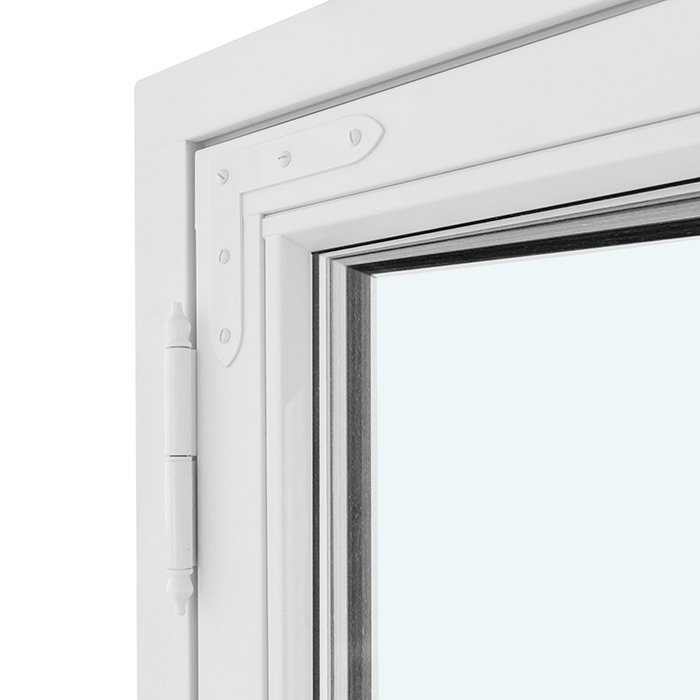
The product’s character comes from the relationship between the fixed glazed section, outward-opening sash, wood construction, glazing, decorative-bar pattern, and selected color. Since the title describes a combination window, it is helpful to judge the whole composition rather than viewing the sash as an isolated feature. The two areas can carry different named bar treatments, allowing visual emphasis to remain concentrated or to extend across the window.
Pine and oak provide the available material choice. When deciding between them, consider the broader architectural language of the project and the natural character you want the wood to contribute. Do not assume that a material choice automatically determines the final color. Color is a separate available choice, so identify both decisions clearly. If you are coordinating with existing woodwork, exterior finishes, or interior details, compare the overall direction rather than relying on the material name alone.
The named patterns offer several degrees and directions of visual division. A composition without decorative bars can read more simply, while a pattern naming horizontal or vertical bars introduces a different rhythm. Patterns that name bars on both the fixed glazed section and sash may create a more connected treatment; patterns naming bars only on the sash may place more emphasis on the operable area. These are visual interpretations, not claims that the sections are equal, mirrored, or symmetrically arranged.
Black rubber glazing seals are specified and should be considered as one detail within the complete window rather than as the basis for the color scheme. Their visual prominence can vary with the chosen frame color, glazing reflections, light, and viewing distance. A practical sequence is to select the decorative-bar composition first, then coordinate the pine or oak construction, color, glazing configuration, and handle. This keeps each purchase choice clear while helping you develop a coherent overall appearance.
07
If you are comparing opening styles, the related range includes single-sash and two-sash outward-opening vertical pivot windows. These alternatives are available in pine or oak, with aluminum-clad versions of each wood also offered. They use two- or three-pane insulating glazing with a heat-reflective coating, CHR warm-edge spacer, argon gas, and black rubber glazing seals. Compare them with the Kombi window when a pivot product identity or an aluminum-clad material option is more relevant than a fixed glazed section paired with an outward-opening sash.
The related single-sash and two-sash inward-opening windows provide another operational comparison. Both are available in pine, pine with aluminum cladding, oak, or oak with aluminum cladding, and both have a tilt function. Their specification uses two- or three-pane insulating glazing, silicone glazing seals, and Roto Frank hardware. They may suit a search centered on inward operation, while this historic-style Kombi product remains the choice for one outward-opening sash composed with one fixed glazed section.
Two related oak window products carry the EI30 classification: one is an inward-opening tilt window and the other is an outward-opening pivot window. Both use two-pane insulating glass with a heat-reflective coating and silicone glazing seals. The related patio-door range offers outward-opening single-panel doors with two- or three-pane glazing and SPILKA and ASSA hardware with a three-point locking mechanism. The standard patio-door product also includes aluminum-clad wood options, while the historic-style version is offered in pine or oak.
Use these differences to identify the product category that best matches the opening, operation, material direction, and architectural character of your project. Then review that product’s own available compositions and component details rather than carrying specifications from one model to another. If the Kombi window remains the right fit, continue with its made-to-measure dimensions, pine or oak construction, color, handle, glazing configuration, and exact decorative-bar pattern. The related products below provide clear starting points for further comparison:
Single-Sash Outward-Opening Vertical Pivot Window, Two-Sash Outward-Opening Vertical Pivot Window, Single-Sash Inward-Opening Window, Two-Sash Inward-Opening Window, EI30 Fire-Rated Inward-Opening Window, EI30 Fire-Rated Outward-Opening Pivot Window, Single-Panel Outswing Patio Doors, Historic-Style Single-Panel Outswing Patio Doors.
08
Start with the project opening. Record clearly labeled measurements, the viewing direction, and concise notes about any irregular or unusual surrounding conditions. Add photographs if they help explain the location, but label them so it is clear whether each view is from the interior or exterior. Keep these project measurements separate from any product-component dimensions in your notes.
Next, confirm that an outward-opening sash combined with a fixed glazed section matches the intended product identity. Choose the exact named decorative-bar composition rather than summarizing it loosely. Full wording matters when horizontal and vertical bars are distributed differently between the fixed glazed section and sash. Copying the selected name into the inquiry can reduce uncertainty.
Then list your preferred wood material, color direction, glazing configuration, and handle choice. Write each as a separate line so one preference is not mistaken for another. If you are still comparing pine and oak or considering more than one color direction, say so clearly instead of presenting an undecided item as final. The supported hardware brands are part of the product specification, not a customer selection, so no hardware-brand choice is needed.
Before sending the inquiry, check that every dimension is clearly labeled and that you have noted relevant exterior clearance and interior handle access. A useful final summary includes the opening information, selected decorative-bar pattern, pine or oak preference, color direction, two- or three-pane glazing choice, handle preference, and any labeled photographs. Keeping those details together allows us to focus the discussion on the made-to-measure window and the choices available for your project.
Window questions
The opening sash moves outward. Because every building and surrounding area is different, check the intended opening and the space beyond it before deciding whether this operation suits your project.
Yes. The window can be made to measure. Accurate opening information is important, so gather the relevant measurements and note any unusual details before sending your inquiry.
You can choose pine or oak. Each wood contributes its own natural character to the finished composition, while the available color choice lets you coordinate the window with your broader design direction.
A color choice is available. When considering it, review how the frame, sash, fixed glazed section, decorative-bar pattern, black rubber glazing seals, surrounding finishes, and changing light may read together.
The supported glazing is an insulating glass unit with two or three panes, a heat-reflective coating, a warm-edge spacer identified as CHR, argon gas, and black rubber glazing seals.
Yes. A handle choice is available. Include your preference in the inquiry so it can be considered alongside the material, color, glazing, made-to-measure dimensions, and selected named design pattern.
The window is CE marked and has a five-year warranty. Keep your order and project information available so that the supplied product can be identified if you need to refer to the warranty later.
Start by noting the opening dimensions and surrounding conditions. Then identify your preferred wood, color, glazing, handle, and named composition. Photos and concise notes can help communicate project-specific details clearly.
Tell us about your opening and how you want the window to look and operate. Include your made-to-measure dimensions, preferred pine or oak construction, color direction, two- or three-pane glazing choice, handle preference, and the full name of the decorative-bar pattern you are considering. We can then discuss the Historic-Style Kombi Outward-Opening Casement Window in the context of your project and help you organize the available choices for a clear product inquiry.