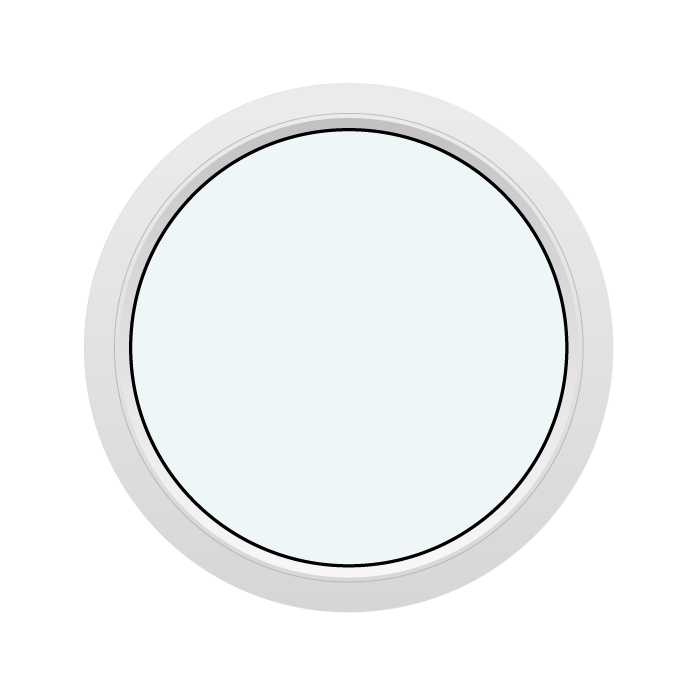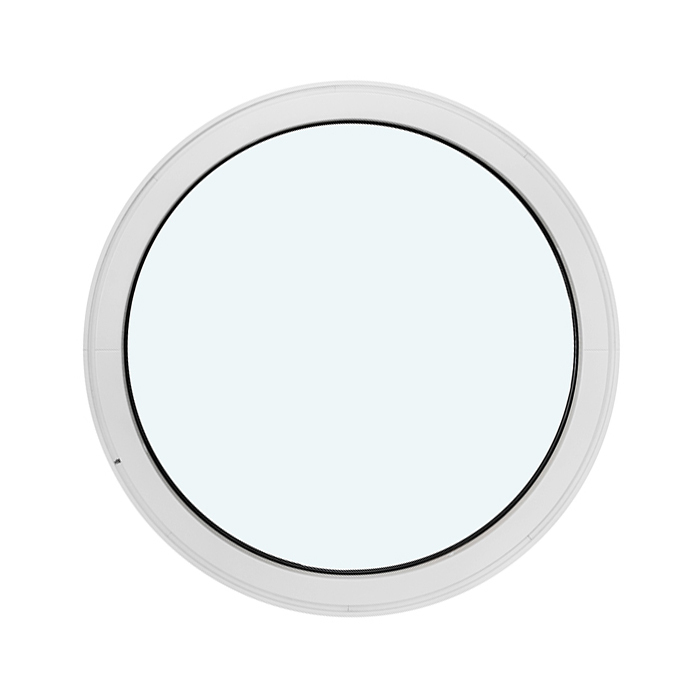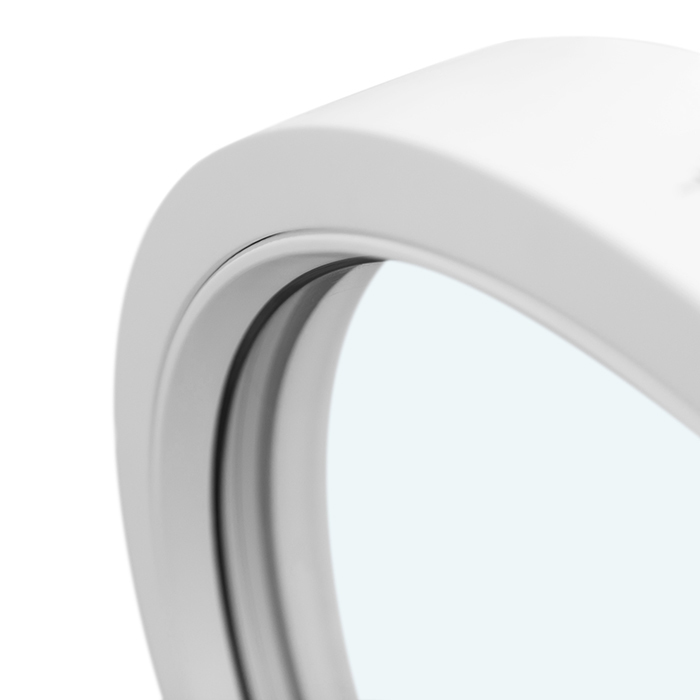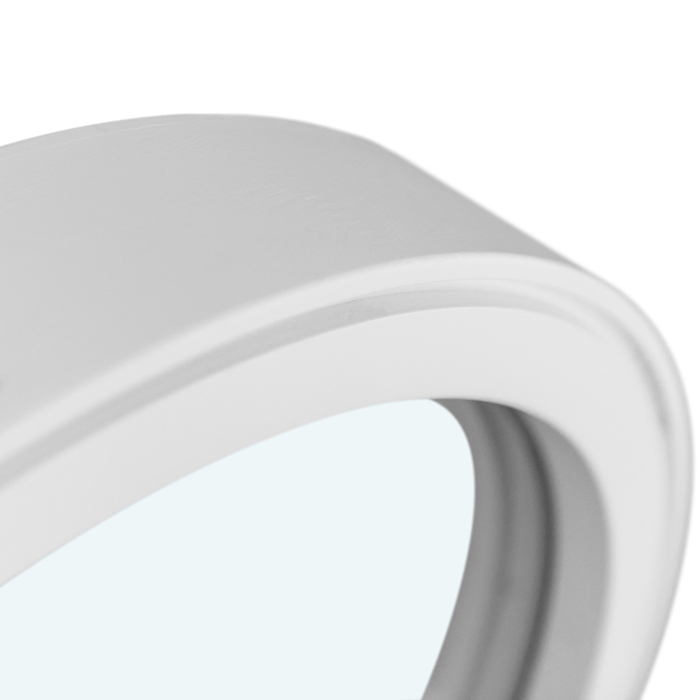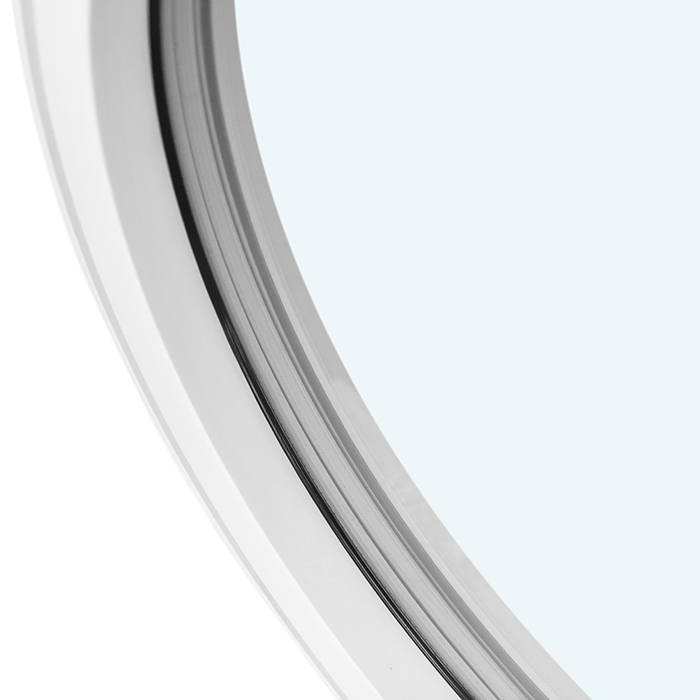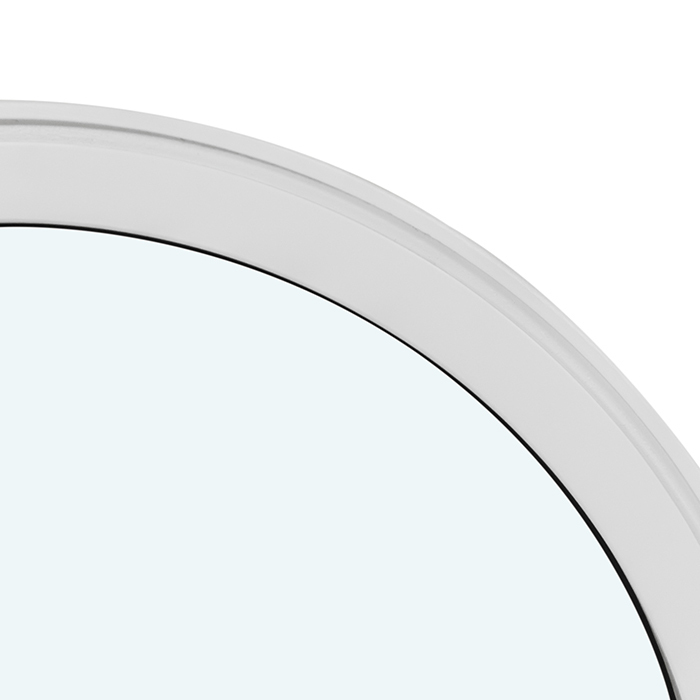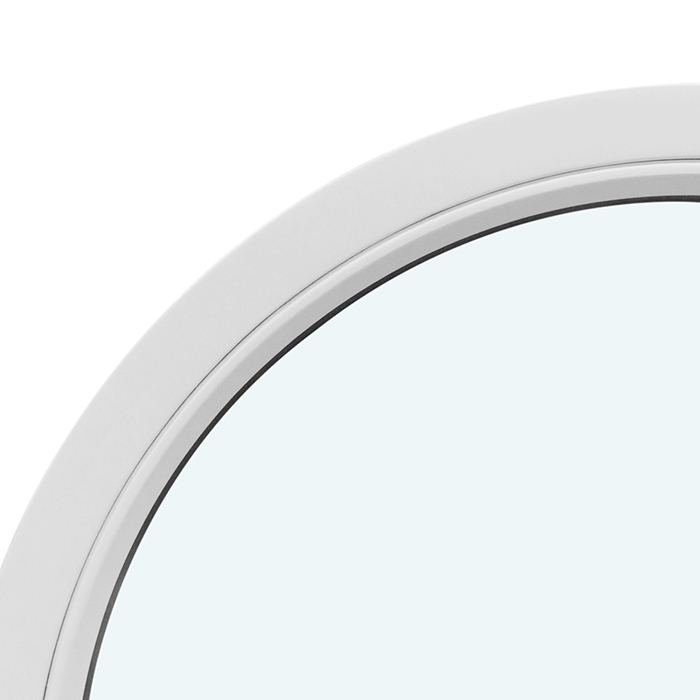


Bloomcabin Without decorative bars. Without decorative bars, this round fixed-frame window allows its distinctive circular form to speak for itself. The uninterrupted glazing creates a clean, light-filled feature that can soften straight architectural lines and draw attention to a special opening. Because the window does not open, it is a purposeful choice for places where ventilation is not required. From accent areas to carefully planned facade details, this round fixed window delivers simple geometry and a clear visual connection to the outdoors.
Why choose this Bloomcabin design?
With no decorative bars, this round fixed-frame window celebrates its circular outline and maintains an uninterrupted glazed view.
Its non-opening design makes it a dedicated architectural light for spaces where ventilation is not needed.
The streamlined round design supports comfort and complements an energy-efficient interior environment.
Well suited to circular fixed-window features in gables, stairwells, accent walls, and other locations where shape and daylight guide the design. Without decorative bars — This allows the window or door design to fit naturally into modern, traditional, or carefully renovated buildings.
Customer reviews 
Flexible payment options Flexible and secure payment methods are available.
Configure now Configure this round fixed window for your project. For help contact our team.
Type: Round fixed window (non-operable);
Warranty: 5 years;
CE: Yes;
Material: Pine or oak;
Glazing: 2- or 3-pane insulating glass unit with heat-reflective coating, warm-edge spacer (CHR), and argon gas;
Glazing seals: Black silicone;
Installation holes: 14 mm;
Frame: 105 × 57 mm;
Fixed windows
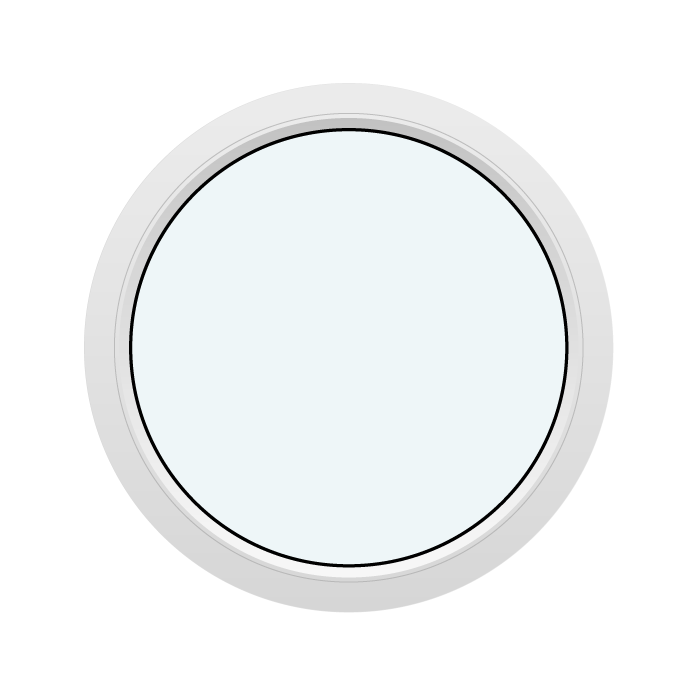
Round Fixed Window
Choose pine or oak, define your color direction, and select from the named decorative-bar designs for a round, non-operable window with insulating glazing.
Function
Fixed and non-operable
Sizing
Made to measure
Material
Pine or oak
Compliance
CE marked
The Round Fixed Window brings a clear circular form to projects that need a non-operable window rather than an opening sash. Its made-to-measure sizing can help you coordinate the window with a specifically assessed opening, while the choice of pine or oak lets you establish the material direction for the surrounding design. Color choice and a range of named decorative-bar patterns support different visual compositions without changing the product’s confirmed fixed function.
The glazing specification combines an insulating glass unit with a heat-reflective coating, a warm-edge spacer, and argon gas. You can also choose a design without decorative bars or discuss one of the named horizontal, vertical, combined, or round bar arrangements. Because each opening and visual brief can differ, it is helpful to separate practical information from appearance preferences when you inquire. Start with the intended opening and product function, then record the material, color direction, glazing configuration, and exact decorative-bar design name you want us to consider.
01
The Round Fixed Window is a non-operable product. Its confirmed purpose is to remain fixed rather than provide an opening action, so daily use does not involve swinging, tilting, pivoting, or lifting the window for ventilation. This distinction is useful when planning a room or elevation: the round window can contribute glazing and a circular architectural form, but ventilation needs should be considered separately. If a project needs both a round fixed element and an opening window, treat those as separate product decisions rather than assuming that the circular unit can perform both roles.
For everyday care, approach the window as a fixed glazed surface. Cleaning access will depend on where the window is placed and how the surrounding project is arranged. Before choosing a position, consider how you expect to reach the interior and exterior faces safely in normal use. This is a practical planning question, not a change to the product specification. Avoid treating decorative bars as grips or operating points; their confirmed role here is decorative, regardless of whether the selected pattern is horizontal, vertical, combined, or round.
With no opening action to operate, the window is straightforward to incorporate where fixed glazing is appropriate. Its non-operable function remains the same with every available material, color, glazing, and decorative-bar choice. If ventilation is required, plan a separate operable window for a suitable location.
When comparing this window with an operable product, begin with the function you need rather than appearance alone. A circular outline and a particular bar arrangement can be considered as visual choices, while ventilation, access, and opening direction belong to the functional brief for other window types. Keeping these decisions separate helps ensure that the Round Fixed Window is selected for the fixed role it is designed to fulfill.
02
The Round Fixed Window is a non-operable window made in pine or oak. Its frame component measures 105 × 57 mm, and the installation holes are 14 mm. These figures refer specifically to the named components, not to the overall width, height, or depth of the finished window. Overall dimensions are determined through the made-to-measure sizing request and should be based on clearly labeled opening information.
The glazing can be specified as a 2- or 3-pane insulating glass unit. In either configuration, the stated glazing build includes a heat-reflective coating, a warm-edge spacer identified as CHR, and argon gas. The glazing seals are black silicone. The window is CE marked and has a 5-year warranty. These details bring the supported numerical and compliance information together in one place, making it easier to compare them with the requirements of your project without mixing component figures with the made-to-measure overall size.
Pine and oak are the available material choices. Material, color, and decorative-bar design are separate decisions, so selecting a wood does not automatically determine the finished appearance. When the window will sit near existing joinery or follow a finish schedule, include that context and describe the color direction you want us to consider.
When reviewing your configuration, keep the 105 × 57 mm frame component size and 14 mm installation-hole measurement distinct from the made-to-measure overall dimensions. Check that the selected glazing, wood, color direction, and decorative-bar design are identified for the correct window location.
03
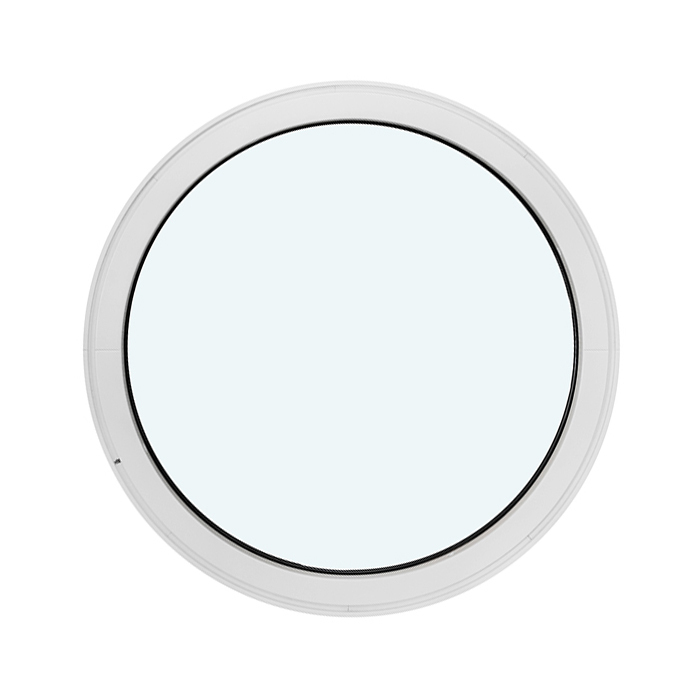
The insulating glass unit combines a heat-reflective coating, a warm-edge spacer identified as CHR, argon gas, and black silicone glazing seals. These elements apply to the available 2- and 3-pane configurations and form part of the complete glazing specification.
The heat-reflective coating is one part of the glass construction. Project-specific comfort and energy performance depend on the complete window configuration and the wider building design. If your project has defined performance requirements, include them in your inquiry so they can be considered alongside the selected glazing configuration.
The CHR warm-edge spacer belongs to the insulating glass unit and serves a different purpose from the decorative bars. The spacer is a glazing component, while the horizontal, vertical, combined, and round decorative-bar options define the visual pattern of the window.
Argon gas is contained within the specified insulating glass unit rather than acting as a visible design feature. Black silicone refers to the glazing seals. Because the appearance of these seals depends on how they sit within the completed assembly, choose the window’s visual direction through the wood, color, and decorative-bar selections rather than the seal specification alone.
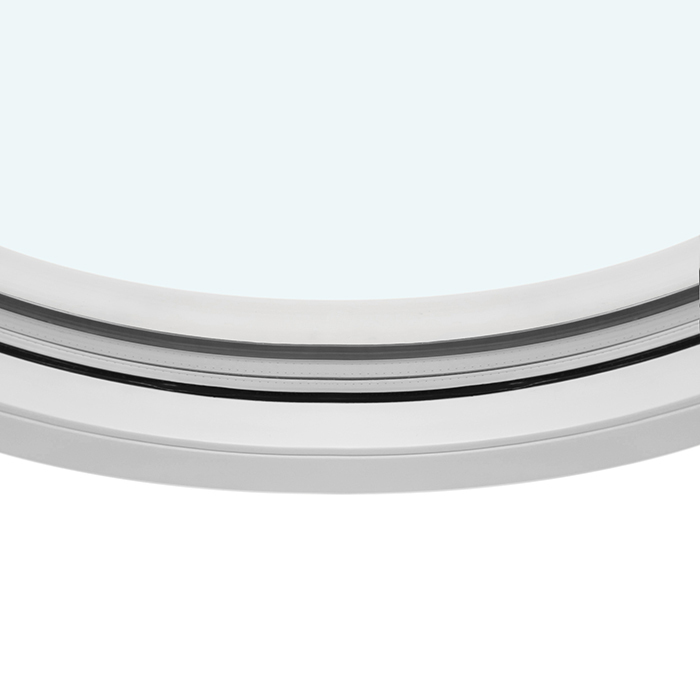
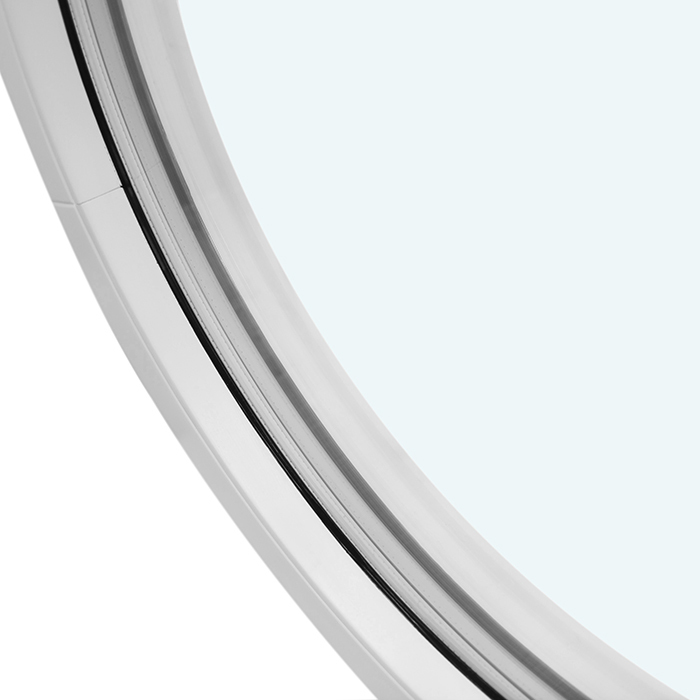
When reviewing a quotation, check that it identifies the Round Fixed Window, the selected 2- or 3-pane insulating glass configuration, and the full decorative-bar design name. A written configuration provides a more dependable reference than an image, which may not show the internal glazing components clearly.
04
Available decorative-bar designs for the Round Fixed Window are: “Without decorative bars,” “With 1 horizontal decorative bar,” “Fixed Window with 1 Vertical Decorative Bar,” “With 2 Vertical Decorative Bars,” “With 1 horizontal and 1 vertical decorative bar,” “Round fixed window with 1 horizontal and 2 vertical decorative bars,” “Round fixed window with 2 horizontal and 2 vertical decorative bars,” and “Round fixed window with round decorative bars.” Use the full wording when you inquire, particularly for combined patterns, so the number and orientation of the bars remain clear.
Begin by deciding whether you prefer a design without decorative bars or one with a defined bar arrangement. Single horizontal or vertical patterns create a different composition from designs with two vertical bars, while the combined options place horizontal and vertical elements within the same round window.
For a simpler composition, consider the design without decorative bars or one of the single-bar options. The patterns with multiple horizontal and vertical bars create a more structured arrangement, while the round decorative-bar design emphasizes the circular geometry. Refer to your preferred option by its complete name.
Choose the decorative-bar pattern that best suits your intended composition, then discuss it together with the made-to-measure size, pine or oak construction, color direction, and glazing preference. Availability can be considered for the complete requested configuration, while the window remains fixed and non-operable with every decorative pattern.
05
Made-to-measure sizing is available, so begin by identifying exactly what your measurements describe. They might refer to a prepared opening, an existing window, or a project drawing, and those references are not interchangeable. Label every measurement clearly and note whether the surrounding construction is finished or expected to change.
For a circular opening, provide the relevant overall opening information and indicate where each measurement was taken. Record any irregularity or variation instead of relying on a single convenient figure. Drawings and photographs can help communicate the context, but they should accompany rather than replace clear dimensional information.
Required fitting allowances depend on the surrounding construction and installation approach, so they cannot be calculated from the component specifications alone. The 105 × 57 mm frame measurement and 14 mm installation holes describe specific product components, not the finished size to order. Flag any uncertainty about the opening in your inquiry rather than converting it into an assumed dimension.
Describe relevant features of the surrounding structure, including its wall or assembly type, visible irregularities, and the relationship to interior and exterior finishes. This context helps clarify how the opening has been measured and how the window is intended to fit into the overall project.
Create a separate dimensional record for every round window in the project, even when several units appear similar. Give each opening a location reference and keep its measurements together with notes about the surrounding construction. This makes it easier to match each made-to-measure request to the correct opening.
06
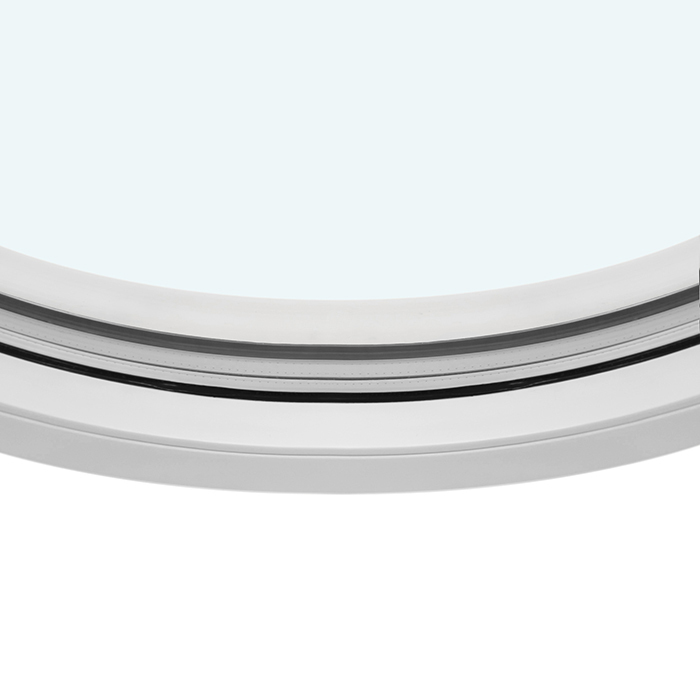
A round fixed window can introduce a distinct geometric element into a wall or a larger arrangement of openings. A design without decorative bars leaves the circular glazing free of a bar pattern, while horizontal, vertical, combined, and round decorative-bar options create different visual structures. Compare these arrangements with the lines and proportions already present in the project.
Pine and oak are the available wood choices, and each can show natural visual variation. Select the material separately from the requested color. If the window will be viewed beside other woodwork, share the relevant finish schedule, sample reference, or image and describe the relationship you want to create.
Color choice is available as part of the configuration. Start with the direction required by your project, such as coordinating with nearby joinery, contrasting with the wall, or following an established design schedule. We can then discuss that request with the selected wood and decorative-bar pattern rather than assuming a particular finish from the material name.
Black silicone is specified for the glazing seals, but it should not be treated as the window’s overall color scheme. Discuss the visible appearance through the frame color and decorative-bar design, and ask about any finish relationship that matters to the composition instead of assigning the seal color to other components.
Treat wood, color, and decorative-bar pattern as coordinated but separate choices. Considering them together with the circular outline and surrounding architectural lines creates a clearer visual brief, particularly when several window locations are part of the same project.
07
The related range includes fixed geometric windows for projects that need triangular or angled forms rather than a circular opening. Compare shape and location first while keeping each product’s made-to-measure dimensions, material selection, glazing, and decorative design tied to its own specification.
Where ventilation is needed, the related range includes pivot, top-hinged, and casement windows with outward-opening functions. These are separate products rather than operable versions of the Round Fixed Window. Choose between them according to the opening action required for each location and review their individual material, glazing, hardware, and configuration choices.
Single-sash and two-sash casement windows provide different opening formats, while the historic-style casement is a separate pine-or-oak product. The related patio doors use an outward-opening door leaf and include separately named regular and historic-style products. Treat sash count, door format, and historic styling as product-specific choices rather than assumptions about proportions or layout.
Organize a multi-opening project by location, function, and exact product title. Identify the Round Fixed Window wherever circular non-operable glazing is intended, then list each operable window or patio door separately. This prevents the fixed window’s material, glazing, dimensions, or decorative pattern from being carried over to another product unintentionally.
For easy comparison, explore the approved related products listed below: Triangular and Angled Fixed Windows, Outward-Opening Pivot Window, Outward-Opening Top-Hinged Window, Single-Sash Outward-Opening Casement Window, Historic-Style Single-Sash Outward-Opening Casement Window, Two-Sash Outward-Opening Casement Window, Single-Panel Outswing Patio Doors, Historic-Style Single-Panel Outswing Patio Doors.
08
Begin with the exact title “Round Fixed Window” and confirm that the intended role is fixed and non-operable. This distinguishes it from angled fixed windows and from pivot, top-hinged, casement, or patio-door products. List ventilation or access requirements separately under the appropriate location and product type.
Provide the made-to-measure opening information and explain whether it comes from a prepared opening, an existing unit, or a project drawing. Label each measurement, note relevant irregularities, and add concise information about the surrounding construction. Photographs or drawings can provide helpful context when included with the dimensions.
Identify the desired material as pine or oak, then describe the color direction as a separate choice. If the window needs to coordinate with neighboring joinery or a finish schedule, include that reference and explain the intended relationship rather than assuming the wood species determines the final color.
Specify whether you prefer the 2- or 3-pane insulating glass unit and copy the full decorative-bar design name. For a combined pattern, retain the stated number and orientation of the bars. Add any questions about bar construction, placement, or finish to the same clearly identified design request.
Before sending your inquiry, check that the product title, location, opening information, wood, color direction, glazing configuration, and decorative-bar pattern all describe the same window. Give each additional window or patio door its own location and exact product title so every requested configuration remains clear.
Round Fixed Window questions
No. Its confirmed function is fixed and non-operable, so it is not intended to provide an opening action. If ventilation is important to your project, consider whether a separately specified operable window should be included elsewhere in the composition.
Yes. Pine and oak are the specified material choices. Your preferred material should be recorded when you inquire so that the quotation and visual discussion are based on the same selection rather than on assumptions made from example images.
Yes. Color choice is available. Tell us the color direction you have in mind so we can discuss it alongside your selected pine or oak construction and decorative-bar design.
Yes. Named patterns include an option without decorative bars as well as horizontal, vertical, combined, and round decorative-bar arrangements. Use the exact design name in your inquiry so the intended pattern is clear and is not confused with another arrangement.
Choose a 2- or 3-pane insulating glass unit. Both options include a heat-reflective coating, a warm-edge spacer identified as CHR, and argon gas. The glazing seals are black silicone.
The Round Fixed Window comes with a 5-year warranty. Keep your order details and related product documentation for future reference.
Yes. Made-to-measure sizing is available. Provide accurate opening information and explain whether your dimensions refer to the prepared opening, an existing window, or a project drawing so we can understand the basis of your request.
Use the exact product title and provide the opening information, preferred pine or oak construction, color direction, 2- or 3-pane glazing choice, and full name of the decorative-bar design. Add relevant drawings, photographs, or project context if they help explain the opening and desired appearance.
Tell us the opening information, preferred material, color direction, glazing configuration, and decorative-bar design you are considering. We can use those details to discuss a made-to-measure Round Fixed Window and keep the quotation aligned with the confirmed fixed function, component specifications, and design language of your project.