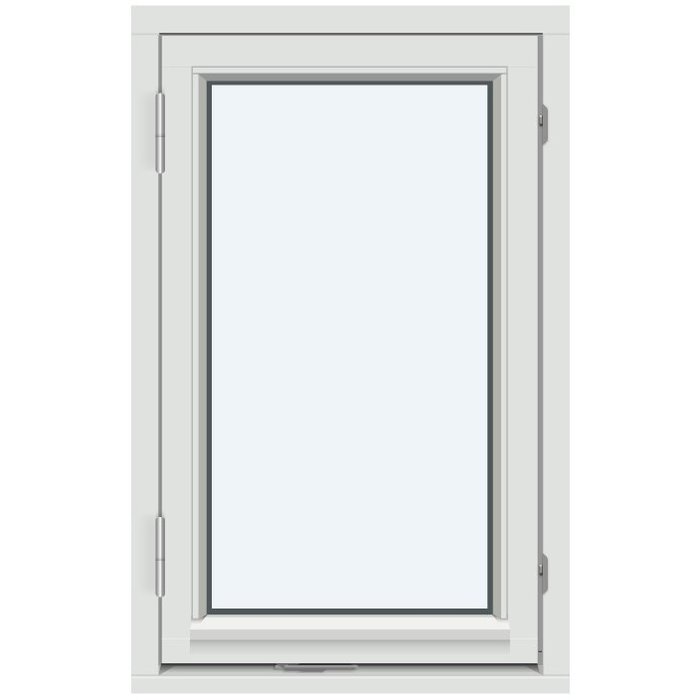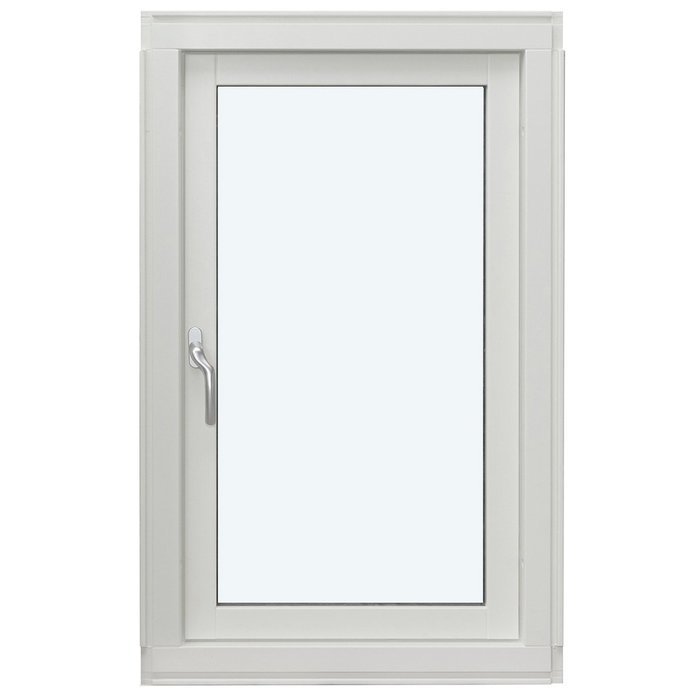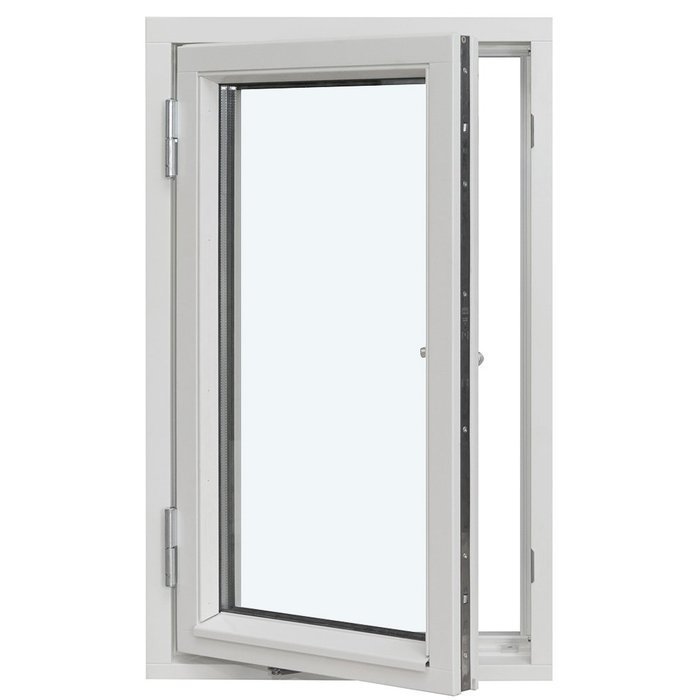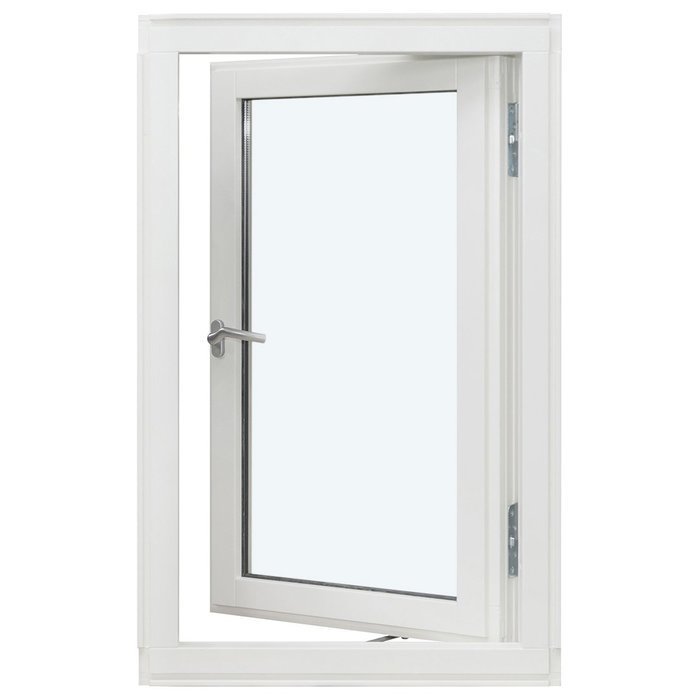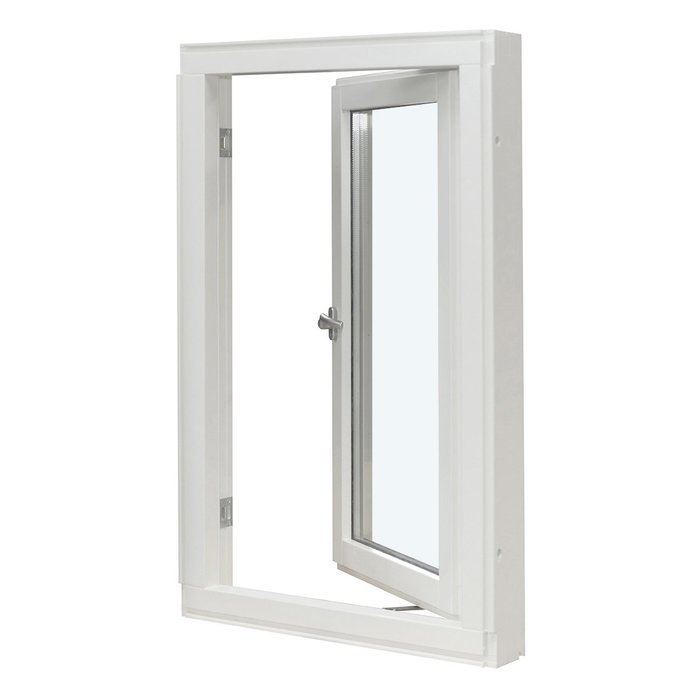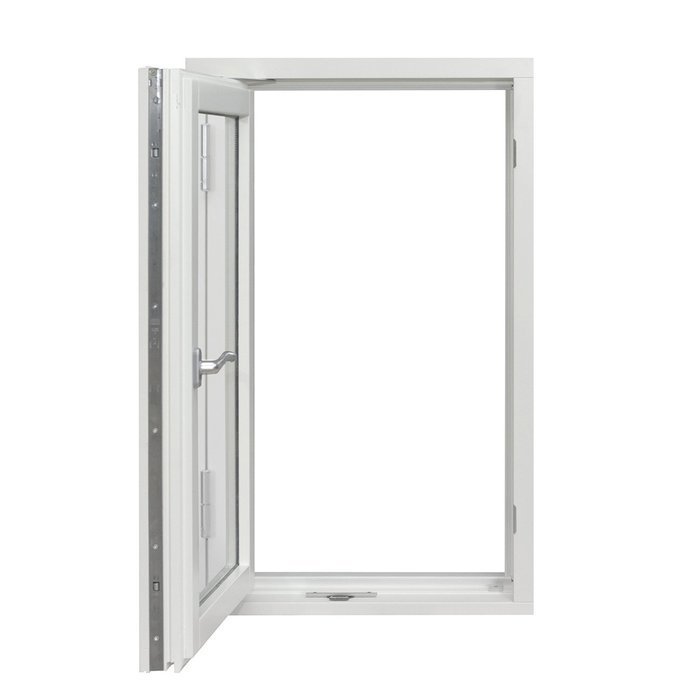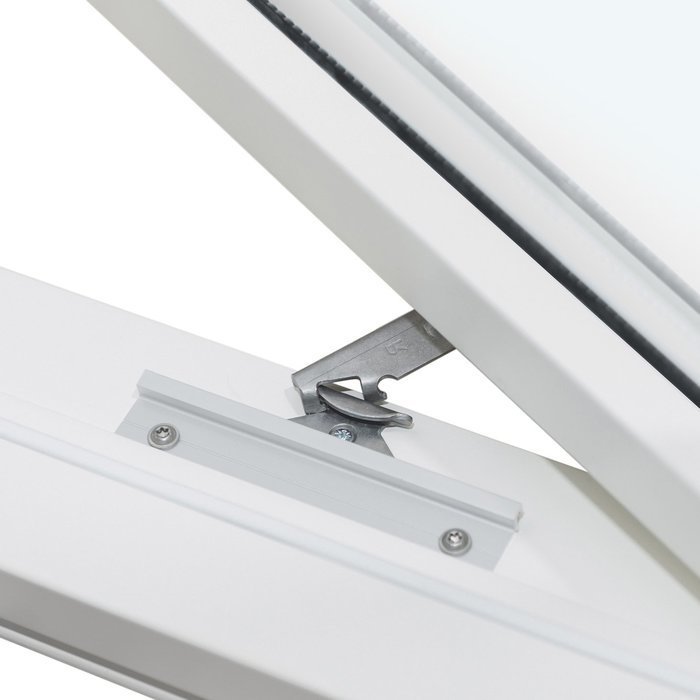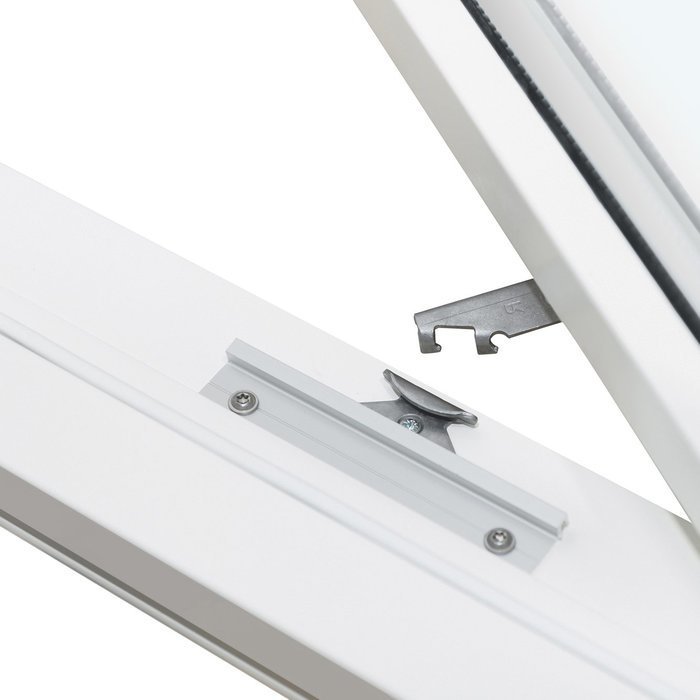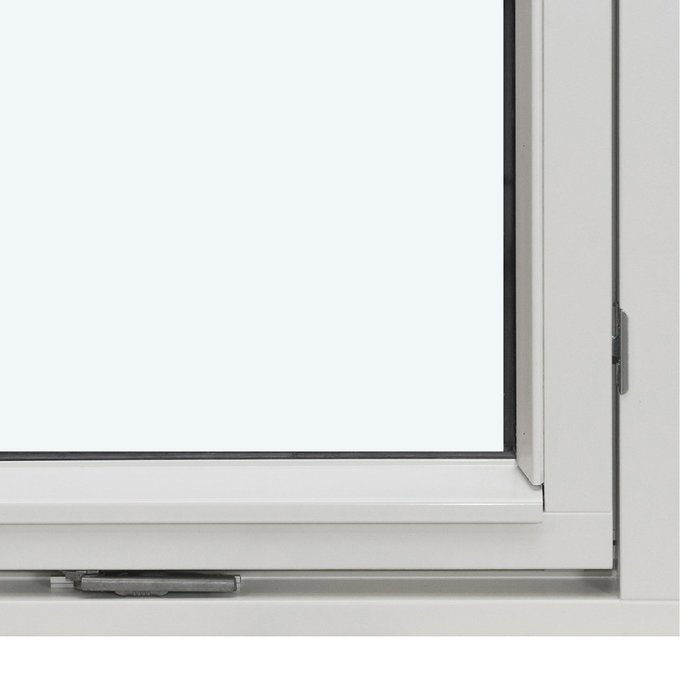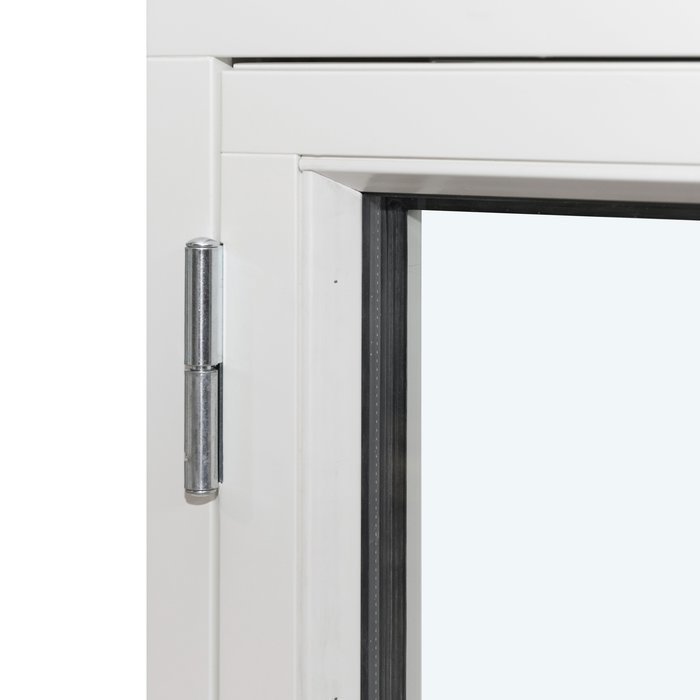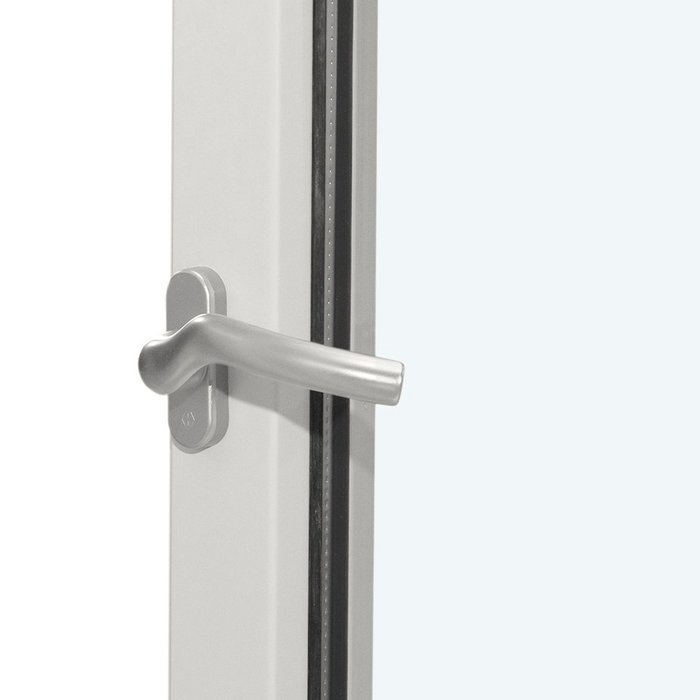


Bloomcabin 1 sash without decorative bars. Choose 1 sash without decorative bars for a clean expression in a side-hung, outward-opening window. With no decorative bars across the sash, the design emphasizes an open glass appearance and a crisp, pared-back outline. The result is a one-sash window that feels versatile and composed, allowing the window to support the surrounding architecture without competing with it.
Why choose this Bloomcabin design?
Without decorative bars, the single sash presents a calm, uninterrupted glass appearance. The clean expanse allows the window’s straightforward proportions to lead, resulting in a restrained and modern visual impression.
This side-hung, outward-opening window has one sash and a simple, coherent profile. Its bar-free design keeps every line focused on the sash itself, making it easy to integrate into many architectural directions.
A thoughtfully configured window can contribute to everyday indoor comfort and energy efficiency. Review the available choices to shape a solution that works for your project.
A versatile choice for contemporary facades, understated renovations, and rooms where an open glass appearance is preferred within a side-hung outward-opening window format.
Customer reviews 
Flexible payment options Flexible and secure payment methods are available.
Configure now Configure this side-hung window for a clean, outward-opening one-sash design without decorative bars. For help contact our team.
Type: Outward-opening sash;
Warranty: 5 years;
CE: Yes;
Material: Pine, pine with aluminum cladding, oak, or oak with aluminum cladding;
Glazing: 2- or 3-pane glazing unit with heat-reflective coating, warm-edge spacer (CHR), and argon gas;
Glazing seals: Black rubber;
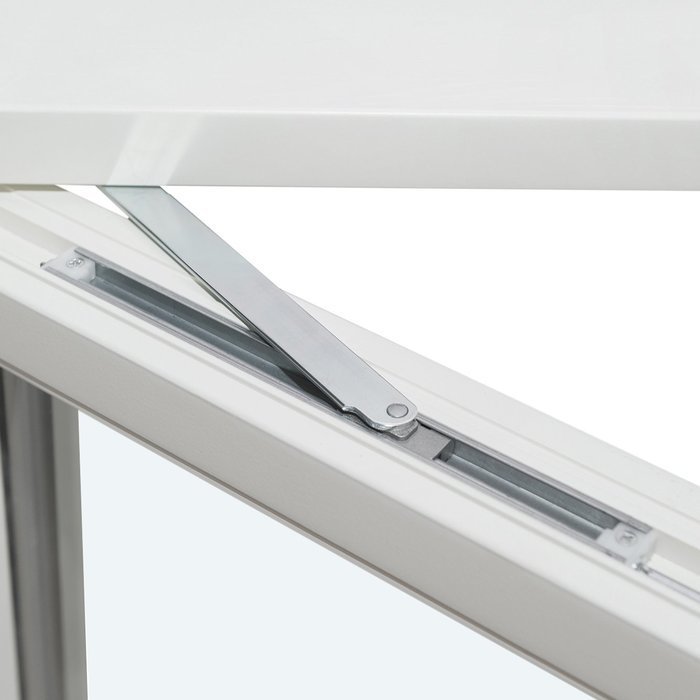
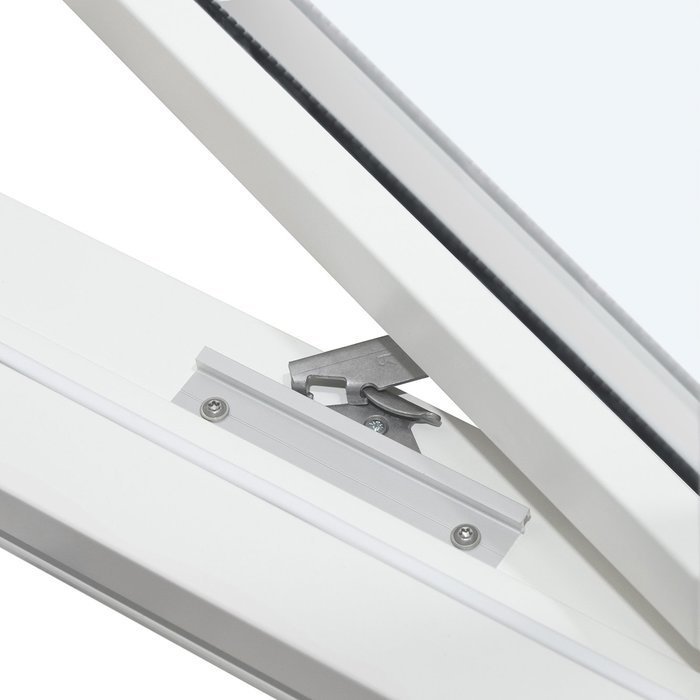
Hardware: SPILKA, IPA;
Mounting holes: 14 mm;
Frame: 105 × 57 mm (115 × 57 mm with aluminum cladding);
Sash: 76 × 65 mm (86 × 65 mm with aluminum cladding);
Outward-Opening Windows
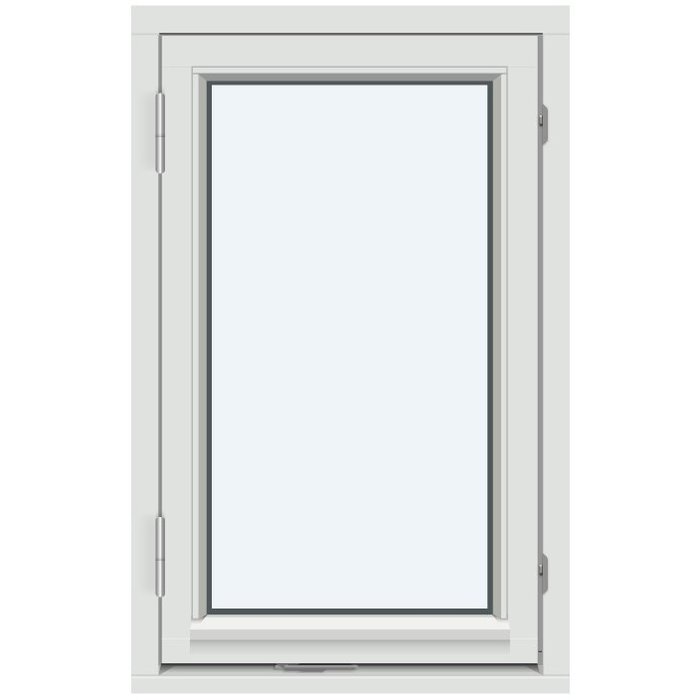
Single-Sash Outward-Opening Casement Window
Choose a made-to-measure single-sash casement window in pine or oak, with or without aluminum cladding. Coordinate the material with your preferred glazing, color, handle, and decorative-bar design while retaining its outward-opening operation.
Opening
Outward-opening sash
Sizing
Made to measure
Color
Choice available
Handle
Choice available
The Single-Sash Outward-Opening Casement Window combines a straightforward opening format with made-to-measure sizing. Its sash moves toward the exterior, leaving the room free from the sweep of an inward-opening sash. You can coordinate the material, glazing, color, handle, and decorative-bar design with your project while retaining this outward-opening operation.
Choose pine or oak, with either timber also available with aluminum cladding. The window can be ordered with a 2- or 3-pane glazing unit featuring a heat-reflective coating, warm-edge CHR spacer, argon gas, and black rubber seals. Decorative options range from a sash without bars to patterns using specified combinations of horizontal and vertical decorative bars. This guide explains the construction, design choices, planning considerations, and information to include in your inquiry.
01
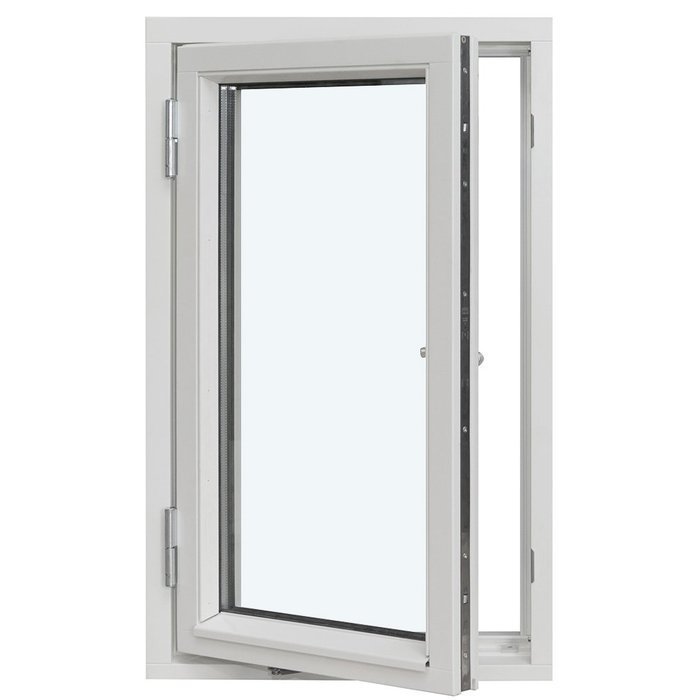
This casement window has one sash that opens toward the exterior. That opening direction is its central practical characteristic, so consider both the space outside the opening and the way you will approach the handle from indoors. The single-sash format also gives the window a focused visual composition that can be left without decorative bars or divided using one of the available bar patterns.
For daily handling, think about the natural route of your hand to the handle and the way the window sits in relation to nearby interior features. An outward-opening sash does not sweep across the room when opened. This can be relevant where you want to keep the interior area around the window visually and physically organized, although your own layout determines how useful that characteristic will be. Handle choice is available, allowing that detail to be considered with the rest of the specification.
Operate the window from its handle and keep the decorative bars as visual elements within the sash composition. For comfortable everyday use, make sure the handle can be reached easily from the intended interior position and that nothing outside obstructs the sash’s path. These simple checks are particularly useful where counters, deep wall linings, exterior railings, planting, or walkways are close to the opening.
Regular attention to the surfaces, glazing, seals, and handle can help you notice dirt or visible changes during normal ownership. Cleaning methods should be appropriate for the material and finish you ultimately select. If a project involves unusual access conditions or a location where exterior movement may be constrained, address that while assessing the intended opening rather than assuming that the sash movement will suit every situation automatically.
02
The window is available in pine, pine with aluminum cladding, oak, or oak with aluminum cladding. In timber construction, the frame component measures 105 × 57 mm and the sash component measures 76 × 65 mm. With aluminum cladding, the frame component measures 115 × 57 mm and the sash component measures 86 × 65 mm. These measurements describe the named frame and sash components, not the overall made-to-measure width or height of the window.
The mounting holes measure 14 mm, and the window uses SPILKA and IPA hardware. Handle choice is available as a separate part of the product selection. When preparing an inquiry, specify the handle preference you want to discuss rather than using the hardware brand names as the requested handle option.
Choose between a 2- or 3-pane glazing unit. The glazing construction includes a heat-reflective coating, warm-edge spacer identified as CHR, argon gas, and black rubber glazing seals. Consider the pane option together with the selected frame material and the needs of the intended opening, then state your preference clearly in the inquiry.
The window is CE marked and comes with a five-year warranty. Made-to-measure sizing, color choice, and handle choice are available, allowing the overall specification to be organized around your project. Keep your opening measurements separate from the frame, sash, and mounting-hole dimensions above so each number retains its correct purpose.
03
The glazing is available as a 2- or 3-pane unit, and both choices share the same listed construction features: a heat-reflective coating, a warm-edge CHR spacer, argon gas, and black rubber glazing seals. Thinking of these elements as one glazing specification makes it easier to compare the pane options without separating details that belong to the complete unit.
Choose the pane option alongside the frame material, made-to-measure size, and intended use of the window. If you are ordering several units, record the glazing preference for each one rather than relying on a general project note. This keeps different window specifications clear when sizes, materials, or decorative-bar designs vary across the project.
Black rubber seals form part of the glazing construction, while the broader appearance of the window comes from the selected timber or aluminum-clad construction, color, glass area, handle, and decorative-bar pattern. Review these visible choices together when coordinating the window with interior trim, exterior finishes, doors, or other windows.
Decorative bars change the way the glazed sash is visually divided while the listed glazing features remain the same. Start by choosing whether you prefer an uninterrupted composition or a pattern with horizontal and vertical divisions. Then pair that design with the material and color direction you want, using the full decorative-bar description in your inquiry to avoid ambiguity.
04
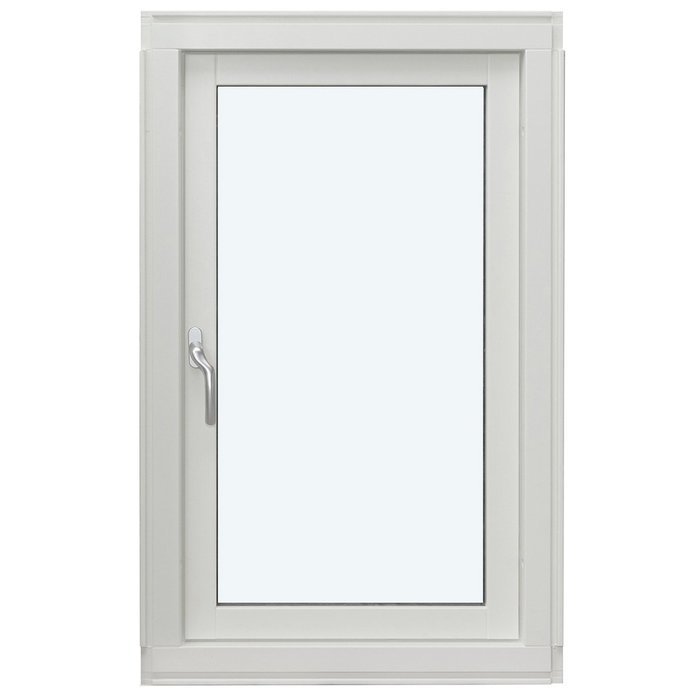
The decorative-bar range begins with one sash without decorative bars. This option leaves the glazing composition uninterrupted by the available bar patterns and suits projects where a simpler visual treatment is preferred. It can still be combined with your chosen pine, oak, aluminum-clad construction, color, handle, and glazing option.
For a single directional division, choose one sash with one horizontal decorative bar or one sash with one vertical decorative bar. The horizontal pattern emphasizes a division across the sash, while the vertical pattern emphasizes an upright division. Use the exact pattern name when making your selection because it identifies both the number and direction of the bar.
Patterns combining both directions include one sash with one horizontal decorative bar and one vertical decorative bar, one sash with one horizontal decorative bar and two vertical decorative bars, and one sash with one horizontal decorative bar and three vertical decorative bars. Compare the increasing number of vertical divisions in relation to the made-to-measure window size and the visual rhythm of nearby windows or doors.
A further pattern uses one sash with two horizontal decorative bars and one vertical decorative bar. Across the range, the design names identify the number and direction of the decorative bars rather than exact spacing or section proportions. Include the complete pattern name with your measurements and other preferences so the intended composition is easy to identify.
05
Before selecting the made-to-measure size, assess the intended opening as a project condition rather than relying on an existing window’s informal description. Record the relevant measurements carefully and note whether the opening is square, level, and consistent at different points. Building materials and installation conditions can vary, so a single casual measurement may not describe the full situation. The frame and sash component measurements belong to the product construction and are not substitutes for project measurements.
Because the sash opens outward, examine the exterior space through which it would move. Opening clearance should be considered in relation to nearby walls, trim, railings, screens, planting, walkways, furnishings, or other project-specific elements. These examples are planning prompts, not statements that the window is suitable for every location. The required assessment depends on your building and intended placement.
On the interior side, consider how you will reach the handle and use the window during ordinary routines. A counter, deep lining, sink, furniture arrangement, or other nearby feature may affect access even though the sash itself moves outward. If the window will be placed high or in an area with unusual access, include that context in the inquiry rather than assuming a particular handling solution.
Distinguish the rough or structural opening from any dimensions associated with existing trim, lining, or visible frame edges. If you are uncertain which points should define the made-to-measure request, provide a clearly labeled set of measurements and explain what each one represents. This does not replace project-specific professional assessment, but it reduces ambiguity and helps keep the requested window size separate from decorative finishes or components that may be removed or changed.
06
The window’s visual character starts with its single sash and material construction. Choose pine, pine with aluminum cladding, oak, or oak with aluminum cladding. Timber selection, the presence or absence of cladding, and the made-to-measure format establish the foundation for coordinating the window with the rest of the project.
Color choice lets you relate the window to nearby architectural elements. Exterior siding, interior trim, doors, roof details, and an established project palette can all provide useful visual references. If the interior and exterior have different design priorities, describe both sides of the opening in your inquiry so your preferred direction can be discussed clearly.
Handle choice adds a smaller but noticeable detail to the composition. You may prefer a handle that blends with the selected window color or one that provides visual contrast. Include the desired look with your inquiry, keeping it separate from the SPILKA and IPA hardware specification so your design preference remains clear.
Decorative bars have the most direct effect on the visual division of the glazing area. A sash without decorative bars provides a simpler composition, while horizontal and vertical patterns add structure in different directions. Review the bar design alongside the material, color, handle, and overall window size to create a consistent result across one opening or a group of windows.
07
For a wider casement format, compare this single-sash window with the Two-Sash Outward-Opening Casement Window. It is available in pine or oak, with aluminum-clad versions of either timber, and offers its own range of decorative-bar patterns. The Historic-Style Two-Sash Outward-Opening Casement Window provides another two-sash direction in pine or oak when a historic-style product is preferred.
The Kombi Outward-Opening Casement Window combines one fixed glazed section with one opening sash and is available in pine, oak, or aluminum-clad versions of either timber. The Historic-Style Kombi Outward-Opening Casement Window uses the same fixed-section-and-sash concept in pine or oak. These formats are useful comparisons when you want glazing beyond a single opening sash.
For a different window category, the Pivoting Roof Window is a pine window with aluminum cladding, a 2-pane insulated glazing unit, and a handle at the bottom. The Single-Sash Outward-Opening Vertical Pivot Window offers another distinct format with pine, oak, and aluminum-clad material choices plus 2- or 3-pane glazing. Review each product’s own operation and construction when comparing it with this casement window.
If the project requires passage to an outdoor area rather than a window opening, compare the related patio doors. The Single-Panel Outswing Patio Doors are available in pine, oak, or aluminum-clad versions and use SPILKA and ASSA hardware with a 3-point locking mechanism. The Historic-Style Single-Panel Outswing Patio Doors provide an outward-opening door-leaf option in pine or oak. Explore the related products below:
Two-Sash Outward-Opening Casement Window, Historic-Style Two-Sash Outward-Opening Casement Window, Kombi Outward-Opening Casement Window, Historic-Style Kombi Outward-Opening Casement Window, Pivoting Roof Window, Single-Sash Outward-Opening Vertical Pivot Window, Single-Panel Outswing Patio Doors, Historic-Style Single-Panel Outswing Patio Doors.
08
Begin with the exact product title: Single-Sash Outward-Opening Casement Window. Add a room name, elevation reference, or another simple location label so each unit can be distinguished within the project. If you are also considering two-sash, Kombi, pivot, roof-window, or patio-door products, list those separately to prevent their specifications from being mixed.
Next, provide clearly labeled project measurements and state what each measurement represents. Keep these separate from the named frame, sash, and mounting-hole specifications in the technical section. If more than one unit is being considered, identify each unit individually so that different measurements or visual preferences remain attached to the correct window.
Then record the preferred material construction: pine, pine with aluminum cladding, oak, or oak with aluminum cladding. Add your glazing preference, selected decorative-bar design, color direction, and handle preference. Use the complete decorative-bar name rather than an informal phrase such as “divided” or “traditional,” because those descriptions do not identify the confirmed horizontal and vertical composition.
Finally, check that every measurement is labeled and every preference is attached to the correct unit. If you have a particular performance goal or project condition, present it as a clear question alongside the product choices rather than treating a component name as a complete answer. A concise, organized inquiry helps us understand what you want to create and keeps comparisons between related products easy to follow.
Window Questions
Yes. Made-to-measure sizing is an available purchase choice. Provide accurate project measurements with your inquiry so the proposed window can be discussed in relation to the intended opening and the other preferences you have selected.
You can select pine, pine with aluminum cladding, oak, or oak with aluminum cladding. Consider the desired material alongside your color, handle, glazing, and decorative-bar preferences when preparing your inquiry.
Yes. You can choose a sash without decorative bars or one of the available patterns combining horizontal and vertical decorative bars. Refer to the full design name in your inquiry so the intended bar count and direction are clear.
Color choice is available. Because the preferred result depends on the surrounding project, include your color direction, material selection, and any nearby finishes you want to consider when making an inquiry.
Yes. Handle choice is available for this window. Include your preferred handle style or visual direction with your material and color choices so these details can be considered as one composition.
You can choose a 2- or 3-pane glazing unit. Both options include a heat-reflective coating, a warm-edge CHR spacer, argon gas, and black rubber glazing seals. State your pane preference when you submit your project details.
The Single-Sash Outward-Opening Casement Window includes a five-year warranty. Keep the product and order information for each window together so the exact unit and its selected configuration can be identified when needed.
Include the exact product title, clearly labeled project measurements, quantity, preferred material, 2- or 3-pane glazing, decorative-bar design, color direction, and handle preference. If you need several windows, label each unit separately so its measurements and design choices remain easy to follow.
Bring your project measurements and preferred material, glazing, color, handle, and decorative-bar design to your inquiry. We can then focus the conversation on the Single-Sash Outward-Opening Casement Window you want and keep the choices for each unit clearly organized.