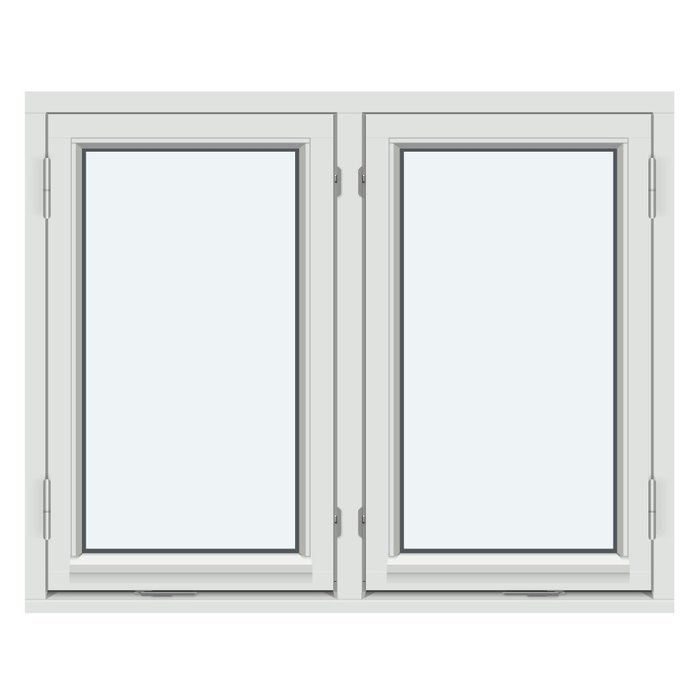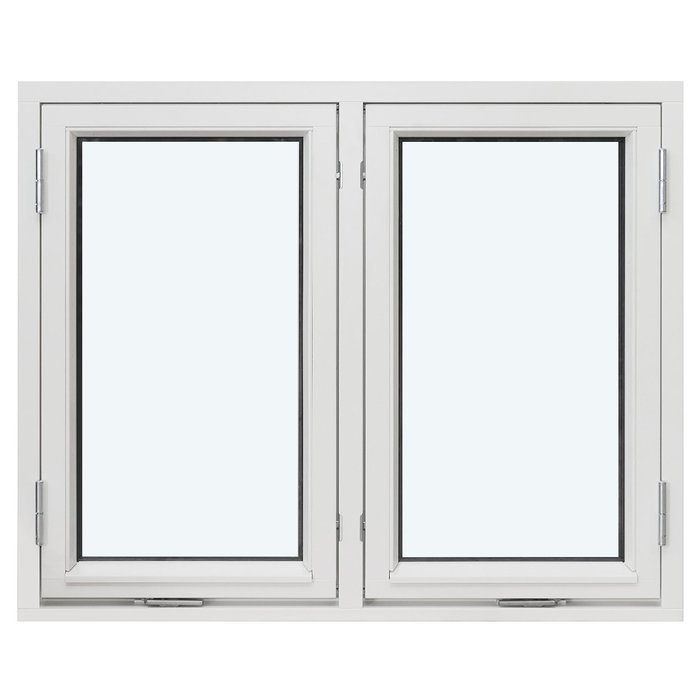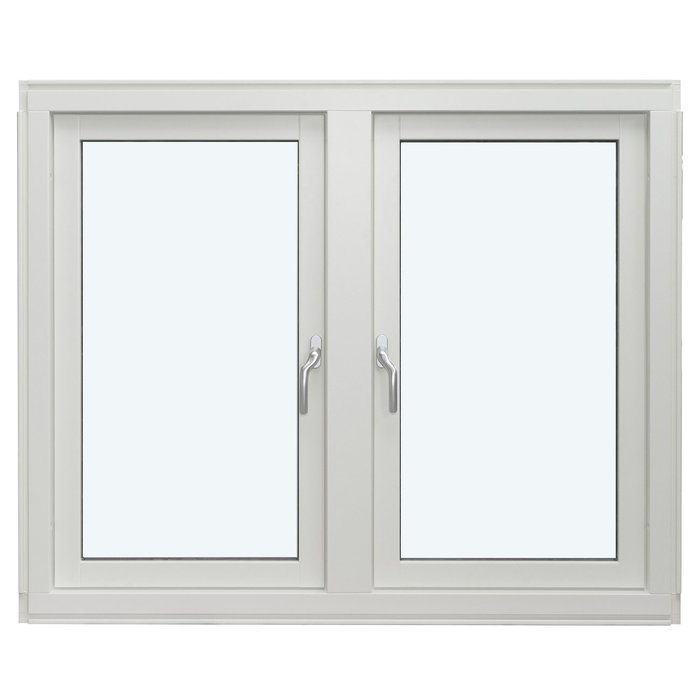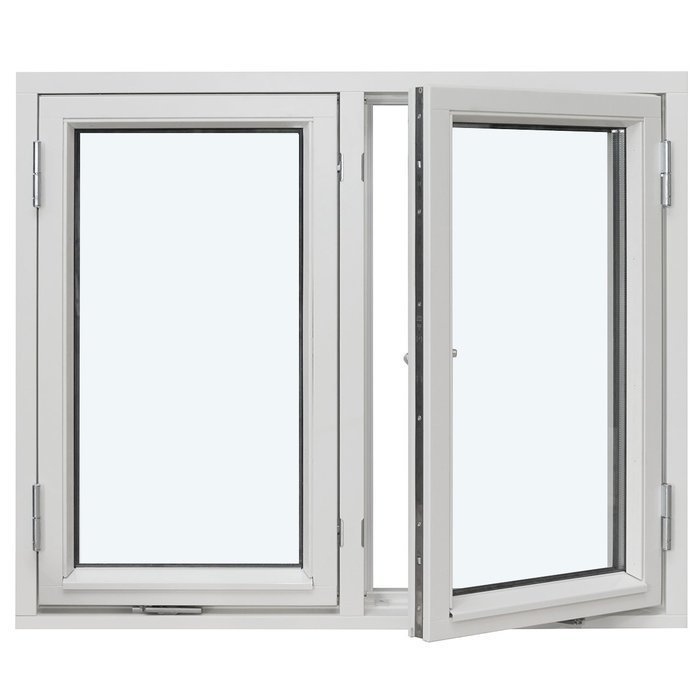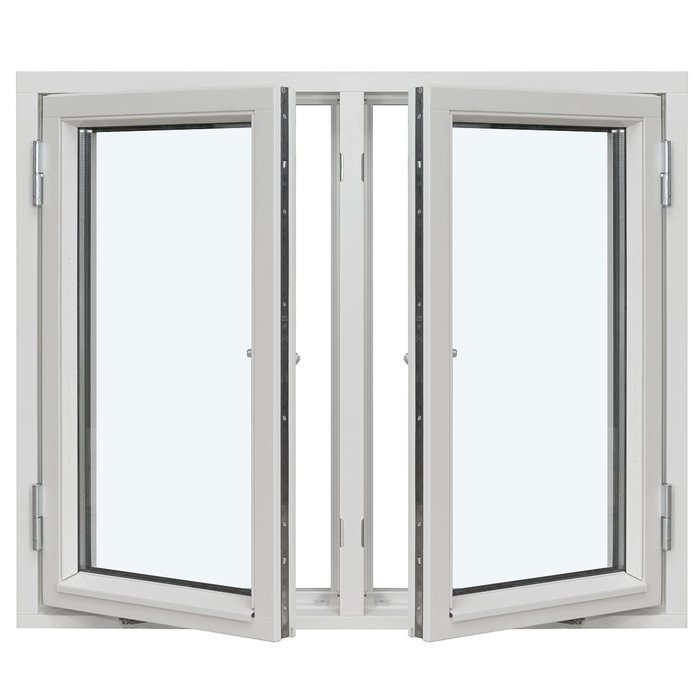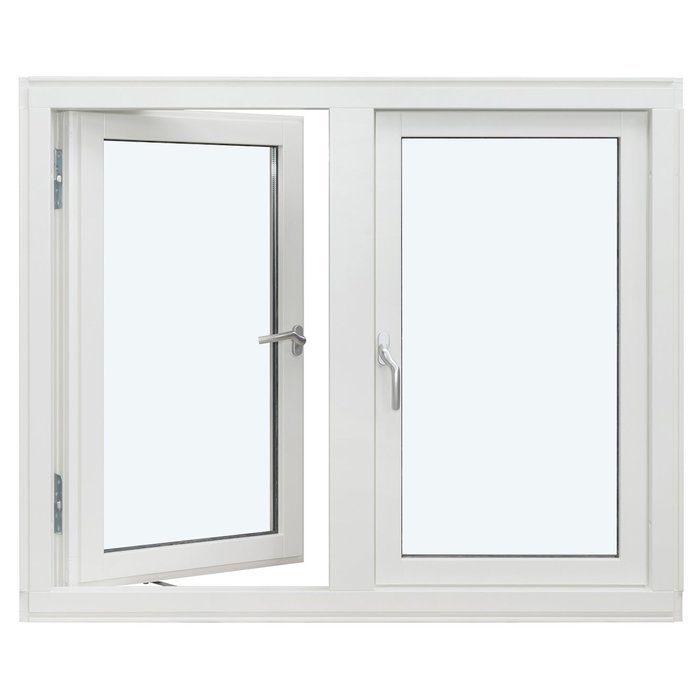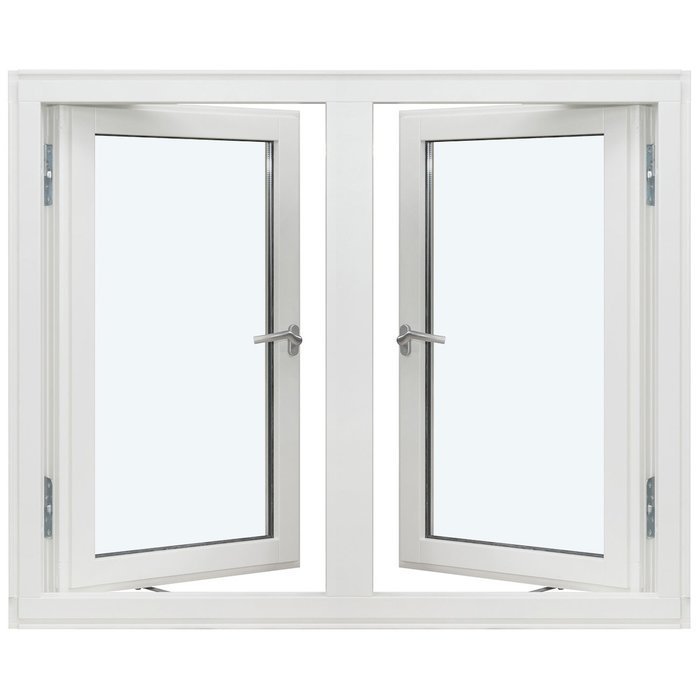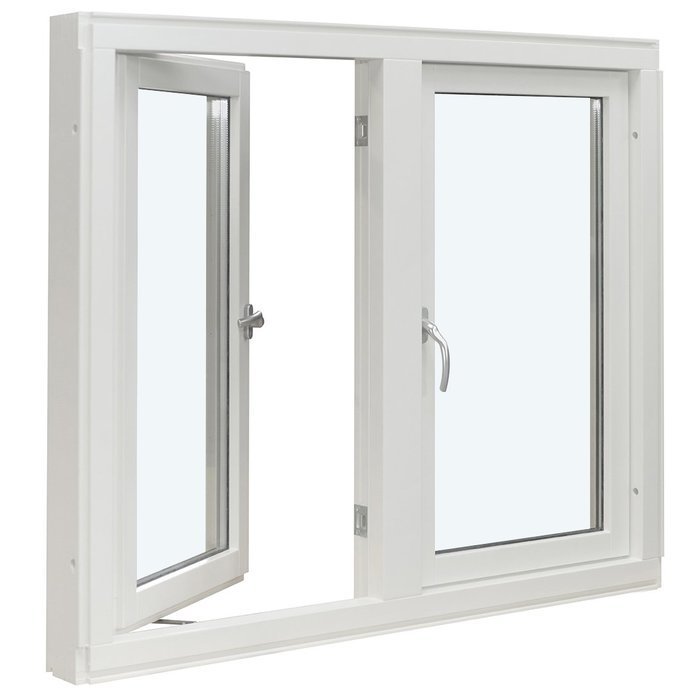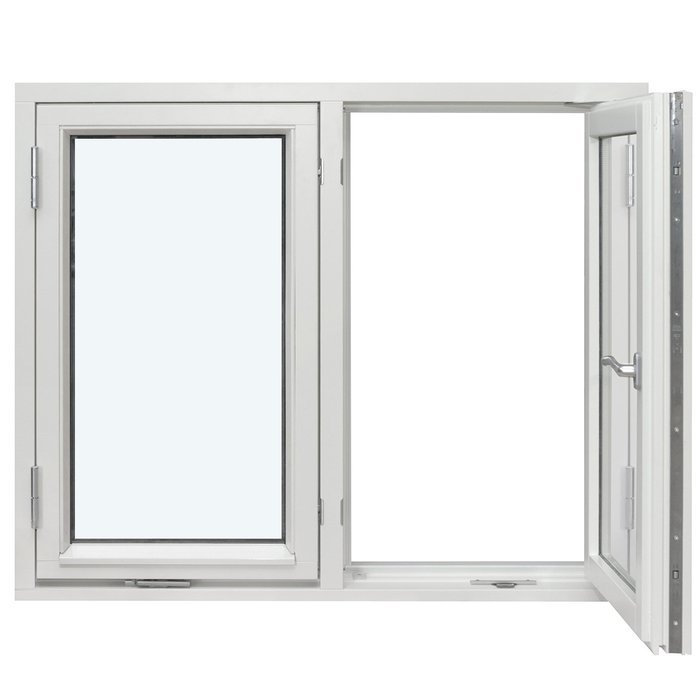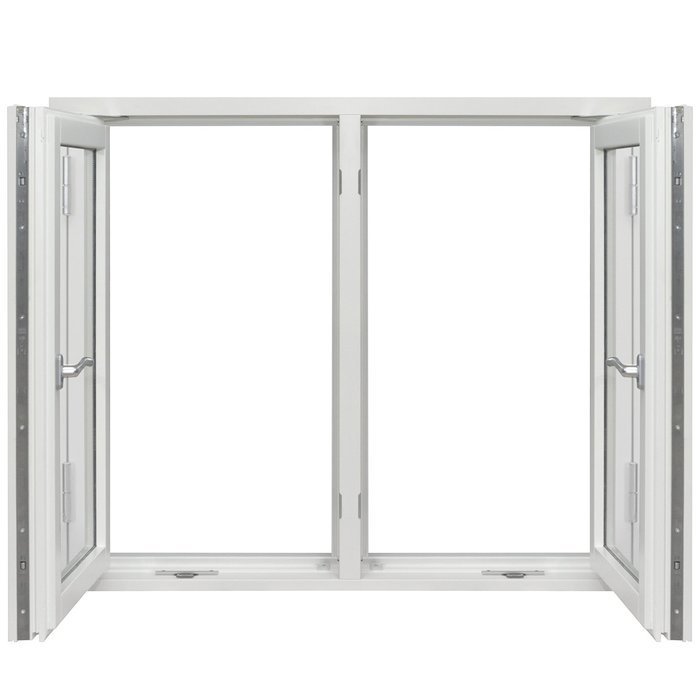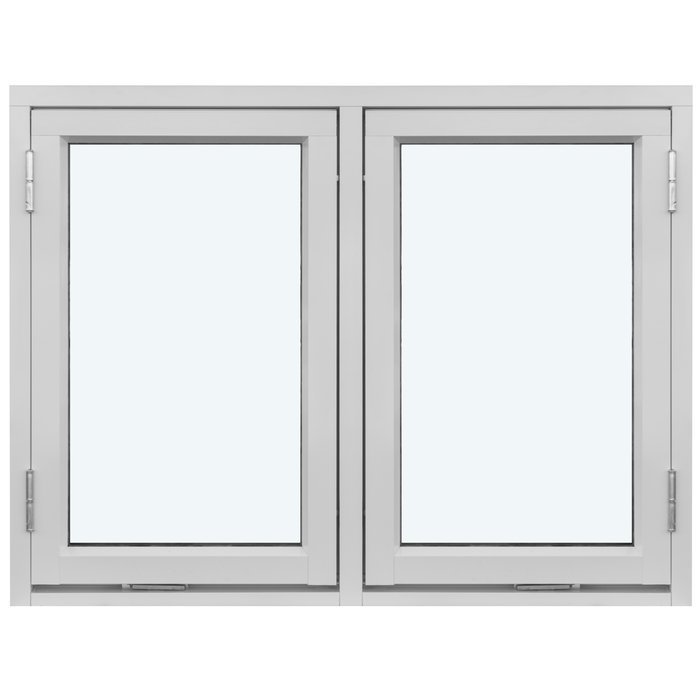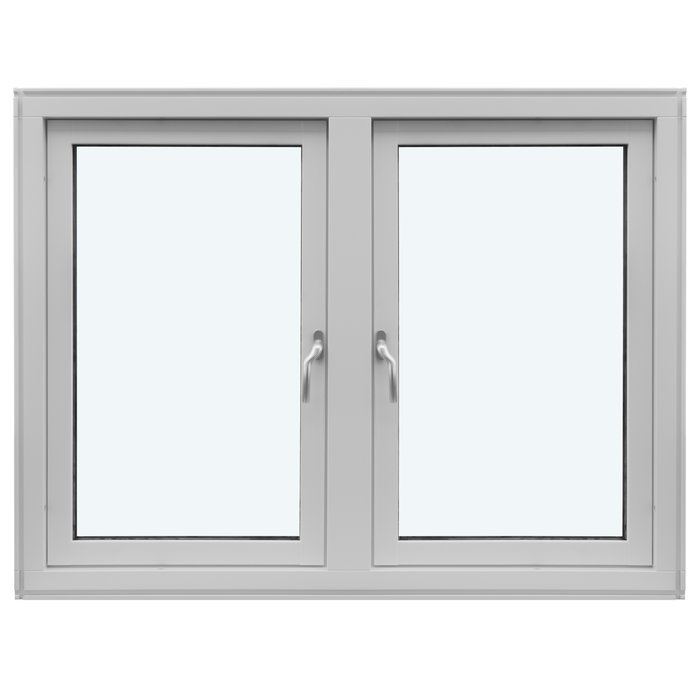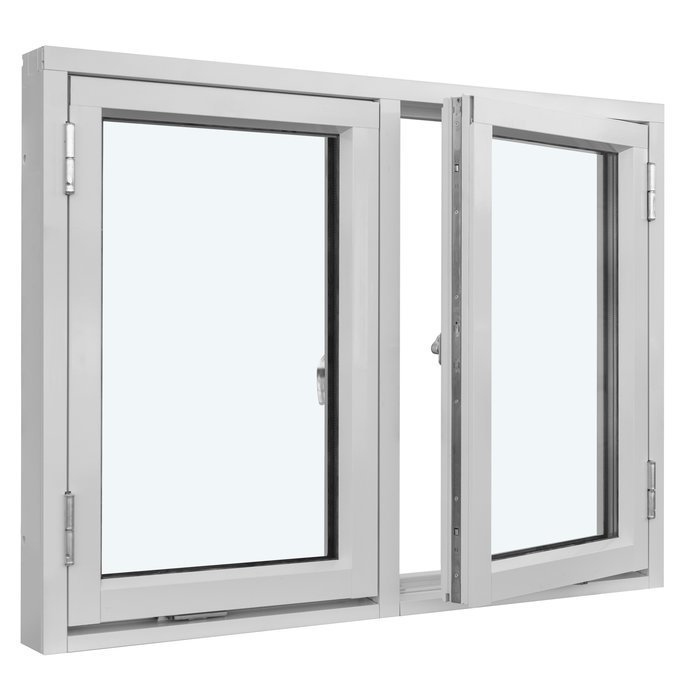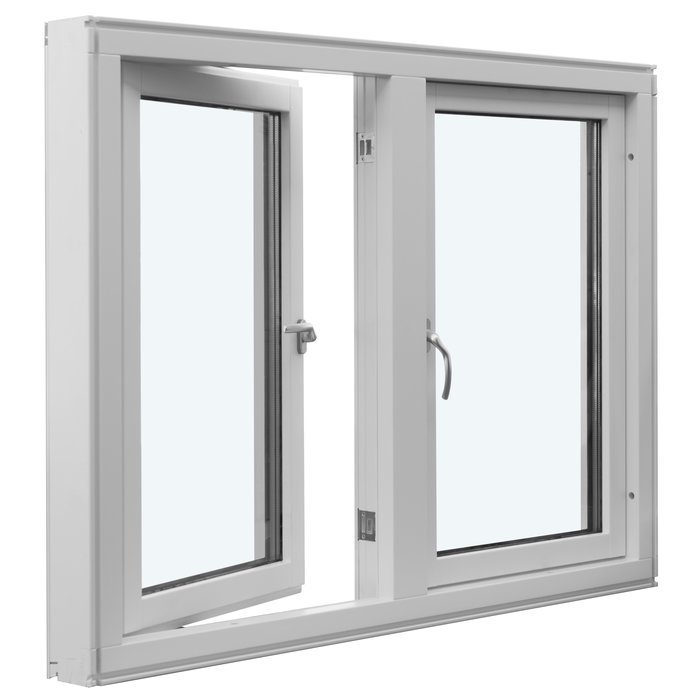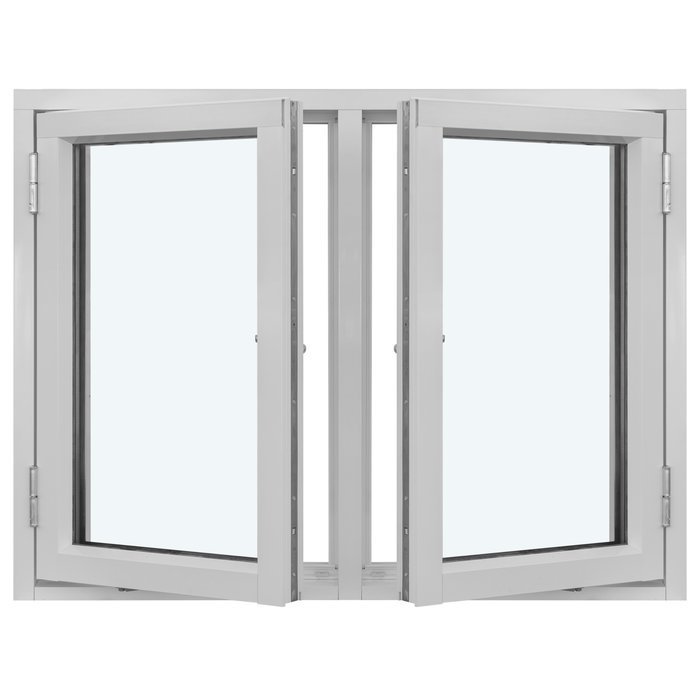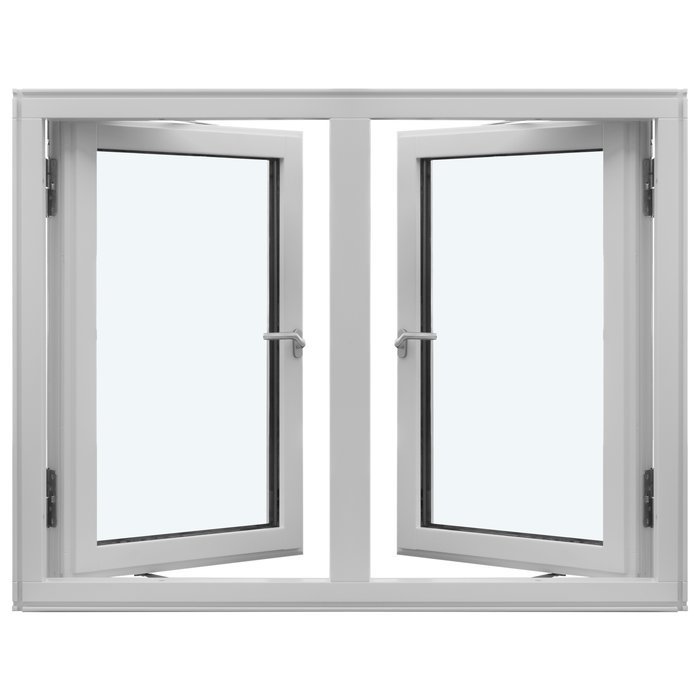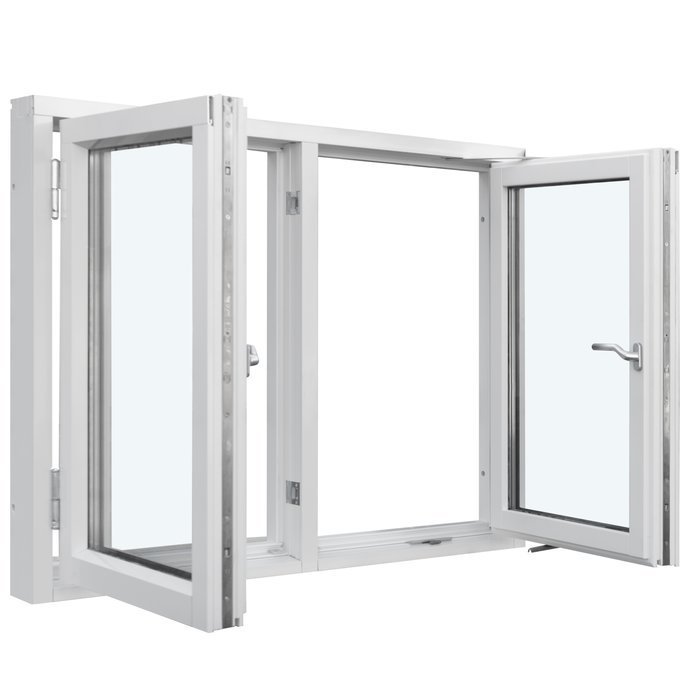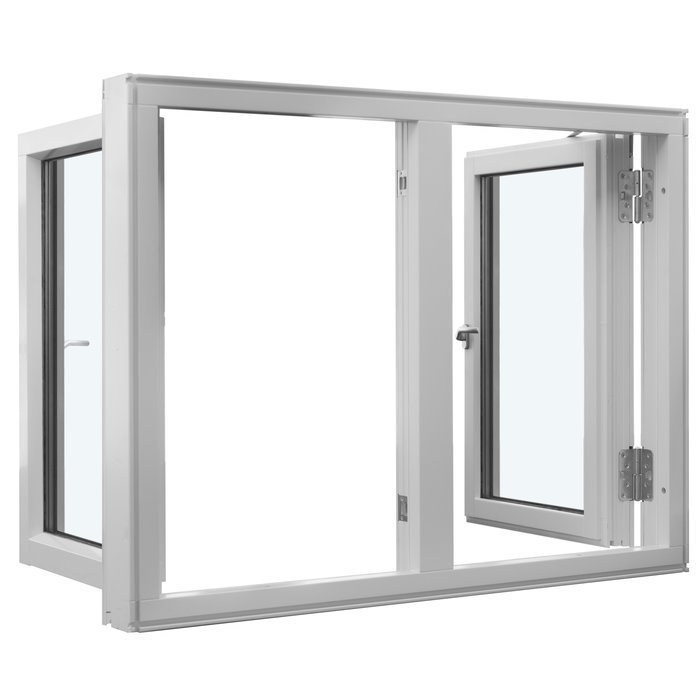


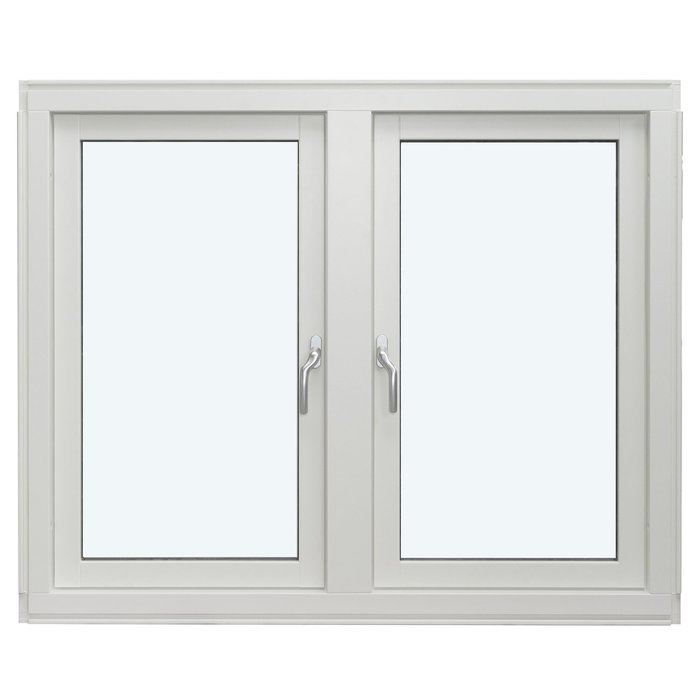
Bloomcabin 2 sashes without decorative bars. 2 sashes without decorative bars is an outward-opening side-hung window design with clear glazing and balanced proportions. Its paired sashes combine straightforward operation with a clean appearance that feels equally at home in updated spaces and restrained traditional settings.
Why choose this Bloomcabin design?
Two outward-opening side-hung sashes create a balanced composition with a calm, uncluttered appearance. Without decorative bars, the glass remains the focal point, giving the window a crisp and understated character.
Each sash can be opened separately, making it easy to adapt ventilation to the room. Open one sash for a smaller opening or both when you want to let in more fresh air.
The window promotes energy-efficient performance and a comfortable indoor environment throughout the seasons.
A versatile choice for living rooms, bedrooms, kitchens, and renovations where balanced proportions and clear glazing complement the architecture. The understated design works naturally with both contemporary and traditional facades. This allows the window or door design to fit naturally into modern, traditional, or carefully renovated buildings.
Customer reviews 
Flexible payment options Choose from the payment methods available at checkout.
Configure now Configure this two-sash window for your project or contact us for guidance. For help contact our team.
Type: Outward-swinging sash;
Warranty: 5 years;
CE: Yes;
Material: Pine, pine with aluminum cladding, oak, or oak with aluminum cladding;
Glazing: 2- or 3-pane insulating glass unit with heat-reflective coating, warm-edge spacer (CHR), and argon gas;
Glazing seals: Black rubber;
Hardware: SPILKA, IPA;
Mounting holes: 14 mm;
Frame: 105 × 57 mm; with aluminum cladding: 115 × 57 mm;
Sash: 76 × 65 mm; with aluminum cladding: 86 × 65 mm;
Bloomcabin windows
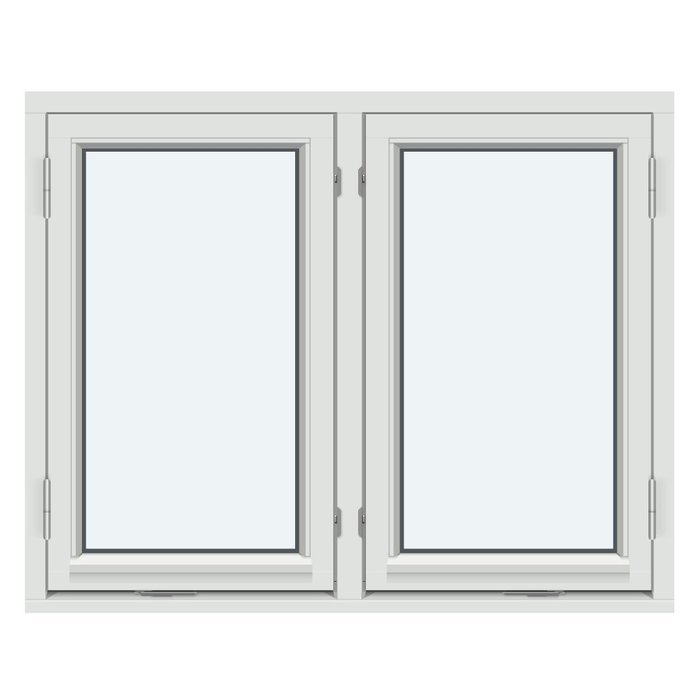
Two-Sash Outward-Opening Casement Window
Choose your timber construction, 2- or 3-pane insulating glass, decorative-bar design, color direction, and handle preference for a made-to-measure two-sash window.
Opening action
Outward-swinging sash
Sizing
Made to measure
Material selection
Pine, aluminum-clad pine, oak, or aluminum-clad oak
Glazing build
Insulating glass with heat-reflective coating, warm-edge spacer, and argon
The Two-Sash Outward-Opening Casement Window brings a clearly defined outward-swinging format to made-to-measure openings. Its two-sash composition can be specified in pine, oak, or an aluminum-clad version of either timber, with a color choice and handle choice available for project coordination. Insulating glazing and several decorative-bar patterns let you shape the window’s visual rhythm through a choice of available designs.
Use this page to plan the main decisions for your window, from the opening action and component dimensions to the glazing, material, color, handle, and decorative-bar design. It also highlights practical points to consider around the intended opening and explains how this casement format compares with related Bloomcabin window and patio door types. Together, these details provide a useful starting point for a focused made-to-measure inquiry.
01
Both sashes open outward, directing their movement away from the interior side of the window. This can help preserve usable space around an indoor sill, work surface, furniture arrangement, or display. When planning the window, consider both the indoor approach to the handles and the outdoor area through which the sashes will travel.
The two-sash format gives the opening a distinct visual division and provides two opening elements within the overall composition. For a made-to-measure project, consider how the sash proportions should relate to the opening, neighboring windows, façade lines, and interior view. Share drawings or photographs if these visual relationships are important to your design.
Handle choice is available, making it possible to coordinate this frequently seen and touched detail with the window’s material, color, and decorative-bar design. The window uses SPILKA and IPA hardware. When requesting a proposal, describe your preferred handle appearance and any practical priorities for everyday operation so we can consider them with the rest of the specification.
Access is worth considering early, especially when the window will be positioned above a countertop, behind furniture, or at another location where reach may affect daily use. Note the intended sill position, nearby interior features, and any exterior obstacles in your inquiry. This gives us a clearer understanding of how the outward-opening two-sash window will fit into the space.
02
Choose from pine, oak, aluminum-clad pine, or aluminum-clad oak. The unclad options provide a timber construction, while the clad versions combine the selected timber with aluminum cladding. Consider this choice alongside the available color selection, the architectural character of the project, and the appearance you want the window to have from inside and outside.
For the unclad construction, the frame component measures 105 × 57 mm and the sash component measures 76 × 65 mm. With aluminum cladding, the frame component measures 115 × 57 mm and the sash component measures 86 × 65 mm. These measurements apply to the named components, not to the complete window. Overall dimensions are determined separately through made-to-measure sizing for the intended opening.
The window has 14 mm mounting holes and uses SPILKA and IPA hardware. Handle choice is available as a separate part of the product selection, so include your preferred handle style or appearance when discussing the project. Material, cladding, glazing, color, and handle decisions can then be considered together as one coordinated window specification.
Glazing is available as a 2- or 3-pane insulating glass unit with a heat-reflective coating, a CHR warm-edge spacer, and argon gas. Black rubber glazing seals complete the stated glass construction. The window is CE marked and comes with Bloomcabin’s five-year warranty. When comparing clad and unclad versions, remember that their frame and sash component dimensions differ.
03
You can choose a 2- or 3-pane insulating glass unit. Both options include a heat-reflective coating, a CHR warm-edge spacer, and argon gas. Decide between the two glazing constructions as part of the overall project discussion, together with the window size, timber construction, aluminum cladding, decorative-bar design, color, and handle.
The heat-reflective coating, warm-edge spacer, and argon gas are integral parts of the insulating glass specification. If your project has particular glazing or building-performance criteria, include those requirements in your inquiry. We can then discuss the selected 2- or 3-pane construction in the context of the intended opening and the rest of the window specification.
Black rubber seals are used around the glazing. Their visual prominence may vary with the viewing angle, reflections, selected color, and relationship between the sash and glass. When coordinating the window with other joinery, treat the seal color as one detail within the complete material and glazing composition rather than as the main decorative feature.
Decorative bars shape the visual subdivision of the glazed area without changing the choice between 2- and 3-pane insulating glass. Select from the available named bar arrangements or choose the two-sash design without decorative bars. If bar profile, junctions, or alignment with other windows are important, include a drawing or reference image with your inquiry so the desired visual relationship can be discussed clearly.
04
The available designs range from two sashes without decorative bars to compositions using horizontal bars, vertical bars, or a combination of both. Start by deciding whether you want an uninterrupted two-sash appearance or a more structured glazed rhythm. Then use the stated number and orientation of the bars to identify the closest available design for your project.
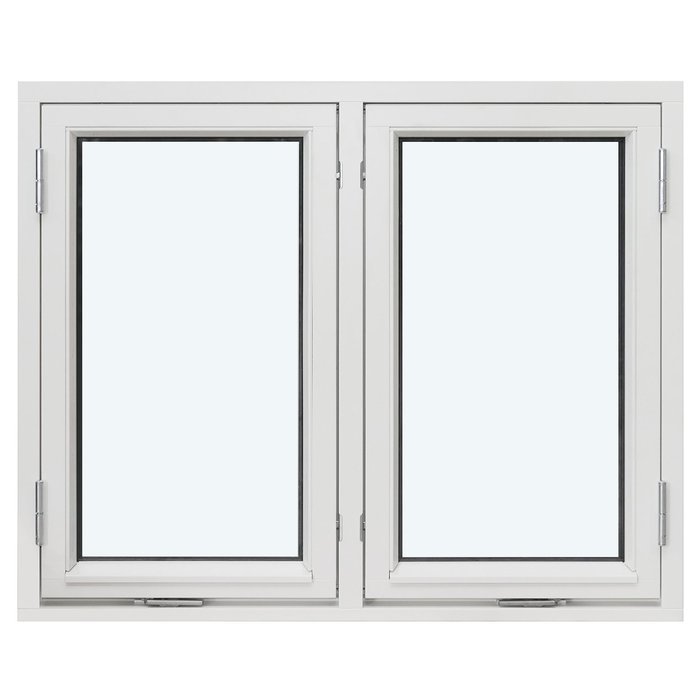
The simplest composition has two sashes without decorative bars. It keeps the glazing free from a decorative-bar subdivision and allows the two-sash format itself to define the window. This can suit projects where a restrained appearance is preferred or where the window needs to coordinate with nearby joinery that also has no bar pattern.
For a horizontal emphasis, available designs include two outward-opening side-hung sashes with one horizontal decorative bar and two sashes with two horizontal decorative bars. These arrangements introduce one or two horizontal levels across the composition. Consider how that rhythm will relate to neighboring window lines, trim, and other architectural features visible on the façade.
Combined arrangements include one horizontal and one vertical decorative bar, two horizontal and one vertical decorative bar, three horizontal and one vertical decorative bar, and four horizontal and one vertical decorative bar. Another design uses one horizontal and two vertical decorative bars. Referring to both the quantity and orientation helps distinguish these closely related compositions when preparing your inquiry.
Use the bar arrangement as a visual planning tool, and share a drawing or marked image when alignment is important. The available patterns identify the number and orientation of the decorative bars, while the made-to-measure discussion addresses the complete window in relation to your opening. This is particularly helpful when coordinating the window with existing joinery, a traditional façade rhythm, or a simpler contemporary composition.
05
A made-to-measure window starts with a careful understanding of the opening where it is intended to be used. Record the opening information consistently and note the reference points used for each measurement. If finishes, linings, trim, or other surrounding elements affect what can be measured, make that context clear rather than presenting a single unexplained dimension.
Because the sashes move outward, inspect the exterior space through which they will open. Note nearby walls, railings, screens, plantings, fittings, roof elements, or other fixed and movable objects that may affect the opening area. Include photographs and a short description of any unusual exterior condition so it can be considered together with the measurements and desired window composition.
Also look at how the opening relates to the façade and interior. Note whether alignment with neighboring windows, existing trim, wall lines, or other visible features is important. If the project replaces an existing window, photographs of the interior, exterior, and opening details can provide useful context. They should accompany, not replace, accurate measurements and any available project drawings.
The frame and sash measurements on this page are component dimensions rather than overall window dimensions, so they should not be added to or subtracted from opening measurements to create an order size. The component figures also differ between unclad and aluminum-clad construction. Identify whether you prefer pine, oak, aluminum-clad pine, or aluminum-clad oak when submitting the opening information.
A useful opening brief brings the essential information into one place: measurements with clear reference points, interior and exterior photographs, available drawings, the intended material construction, the preferred decorative-bar design, and any important alignment or clearance considerations. This organized overview helps us discuss the made-to-measure window in relation to the actual project conditions.
06
The visual character of this window comes from several decisions working together: timber selection, the presence or absence of aluminum cladding, color choice, handle preference, sash proportions, glazing, and the named decorative-bar composition. Considering them as one composition can produce a more coherent inquiry than choosing each item in isolation.
Pine and oak provide two timber choices, and either can be selected with aluminum cladding. Decide first whether you prefer unclad or clad construction, then consider which timber and color direction best support the project’s visual character. If you are coordinating the window with existing trim, furniture, floors, or nearby joinery, include photographs or material references with your inquiry.
Color choice is available for the window. Use the façade, roof, trim, interior finishes, and neighboring windows as reference points when deciding on a direction. You may want the new window to blend quietly with its surroundings, create a deliberate contrast, or connect interior and exterior materials through a complementary tone. Share that visual goal when requesting color information.
Decorative bars can create a stronger rhythm across the glazing, while the design without decorative bars keeps the composition visually simpler. Available arrangements range from one or two horizontal bars to combinations of horizontal and vertical bars. Choose according to the pattern itself, and provide a drawing when the bars need to relate closely to nearby windows or architectural lines.
Black rubber glazing seals form part of the window construction, while the selected handle can provide a more intentional visual accent. Consider the handle together with the timber, cladding, color, glazing, and decorative-bar pattern rather than as an isolated choice. Bringing these preferences into one inquiry helps us understand how you want the two-sash window to relate to the surrounding architecture and interior.
07
Related Bloomcabin products make it easier to compare this two-sash casement format with other opening types and compositions. The most useful comparison points are the number of opening sashes, whether a fixed glazed section is included, the direction or style of movement, the available materials, and the intended product category. Review each option according to the practical needs of its opening.
The related Kombi casement designs combine one fixed glazed section with one outward-opening sash, offering a different balance of fixed and opening glazing from this two-sash window. The standard Kombi version is available in pine, oak, aluminum-clad pine, or aluminum-clad oak, while the historic-style version is offered in pine or oak. Both provide made-to-measure sizing, color choice, and handle choice.
For roof applications, the related pivoting roof window opens by means of a handle at the bottom and is made from aluminum-clad pine with 2-pane insulated glazing. The related vertical pivot window types provide outward-opening formats with either one or two sashes. Compare their movement and sash composition with the side-hung casement action of this product when deciding which window type suits the intended location.
If an inward-opening format is preferable, the related single-sash window opens inward and includes a tilt function. Bloomcabin’s related single-panel patio doors use one outward-opening door leaf and are available in standard and historic-style versions. These products serve different opening and access needs, so consider the window or door category first before comparing materials, glazing, decorative details, color, and handles.
Explore the related product links below to compare their individual opening formats, material choices, glazing specifications, design patterns, and component dimensions. If your project combines several window or door types, tell us which products you are considering and describe the visual relationship you want across the group. Kombi Outward-Opening Casement Window, Historic-Style Kombi Outward-Opening Casement Window, Pivoting Roof Window, Single-Sash Outward-Opening Vertical Pivot Window, Two-Sash Outward-Opening Vertical Pivot Window, Single-Sash Inward-Opening Window, Single-Panel Outswing Patio Doors, Historic-Style Single-Panel Outswing Patio Doors.
08
Begin with the project context. Tell us whether the window is intended for a new opening, a replacement project, or another planned use, and provide clear photographs or drawings where they are available. Keep labels consistent so interior and exterior views, measured points, and surrounding features can be understood without guesswork.
Next, identify the material construction you want to discuss: pine, oak, aluminum-clad pine, or aluminum-clad oak. Add your preferred color direction and explain whether the window should blend with, complement, or contrast with the surrounding materials. Photographs or finish references can help communicate the visual relationship you want.
Then choose between 2- and 3-pane insulating glass and identify the decorative-bar arrangement you prefer, including the number and orientation of the bars. If you want the two-sash composition without decorative bars, state that directly. Attach a marked drawing when the bar pattern or sash composition needs to align with neighboring windows, trim, or other architectural lines.
Add your handle preference and explain how the window will be approached in everyday use if reach or access is important. SPILKA and IPA hardware are used for this product, while the available customer choice concerns the handle. Concentrate your inquiry on the handle appearance you prefer and how it should coordinate with the color, timber, cladding, and decorative-bar design.
Finally, check that your measurements, photographs, material choice, cladding preference, color direction, glazing selection, decorative-bar arrangement, and handle preference are consistent throughout the inquiry. Include your contact details and any questions about the intended opening. A clear, organized brief gives us the information needed to discuss your made-to-measure Two-Sash Outward-Opening Casement Window efficiently.
Window questions
Yes. Made-to-measure sizing is available. Send us accurate opening measurements with clearly identified reference points, along with any useful drawings and interior or exterior photographs. Also note surrounding trim, linings, or other features that affect the opening so the window can be discussed in the proper project context.
Yes. Color choice is available. Tell us whether you want the window to blend with, complement, or contrast with the façade, trim, interior finishes, or nearby joinery. We can discuss the color direction together with your choice of pine, oak, aluminum-clad pine, or aluminum-clad oak.
Yes. Handle choice is available. Include your preferred handle appearance and any practical priorities in your inquiry so it can be considered with the window’s material, color, glazing, and decorative-bar design. The window itself uses SPILKA and IPA hardware.
Yes. The insulating glass unit uses black rubber glazing seals. Their visual prominence may vary with the window color, viewing angle, reflections, and the relationship between the sash and glass, so they are best considered as one detail within the complete window composition.
Aluminum cladding is available with either pine or oak construction. It changes the relevant frame and sash component dimensions, so identify cladding clearly when asking for a made-to-measure proposal or reviewing project information.
State the number and orientation of the decorative bars you prefer, such as two horizontal bars or one horizontal and two vertical bars. You can also choose the two-sash composition without decorative bars. If alignment with nearby windows or architectural lines matters, include a marked drawing or reference image with your inquiry.
Yes. The Two-Sash Outward-Opening Casement Window is CE marked and covered by Bloomcabin’s five-year warranty. Project measurements, the intended opening, exterior clearance, material construction, glazing, and other selection details should still be considered when preparing your made-to-measure inquiry.
Choose between a 2- or 3-pane insulating glass unit. Both options include a heat-reflective coating, a CHR warm-edge spacer, and argon gas, with black rubber glazing seals. Include your preferred pane construction when requesting a made-to-measure proposal.
Tell us about your opening, preferred material, color direction, glazing selection, decorative-bar pattern, and handle preference. We’ll use those details to discuss a made-to-measure Two-Sash Outward-Opening Casement Window that suits the visual priorities and practical requirements of your project.