
Beneficial insects for greenhouses are a managed relationship.
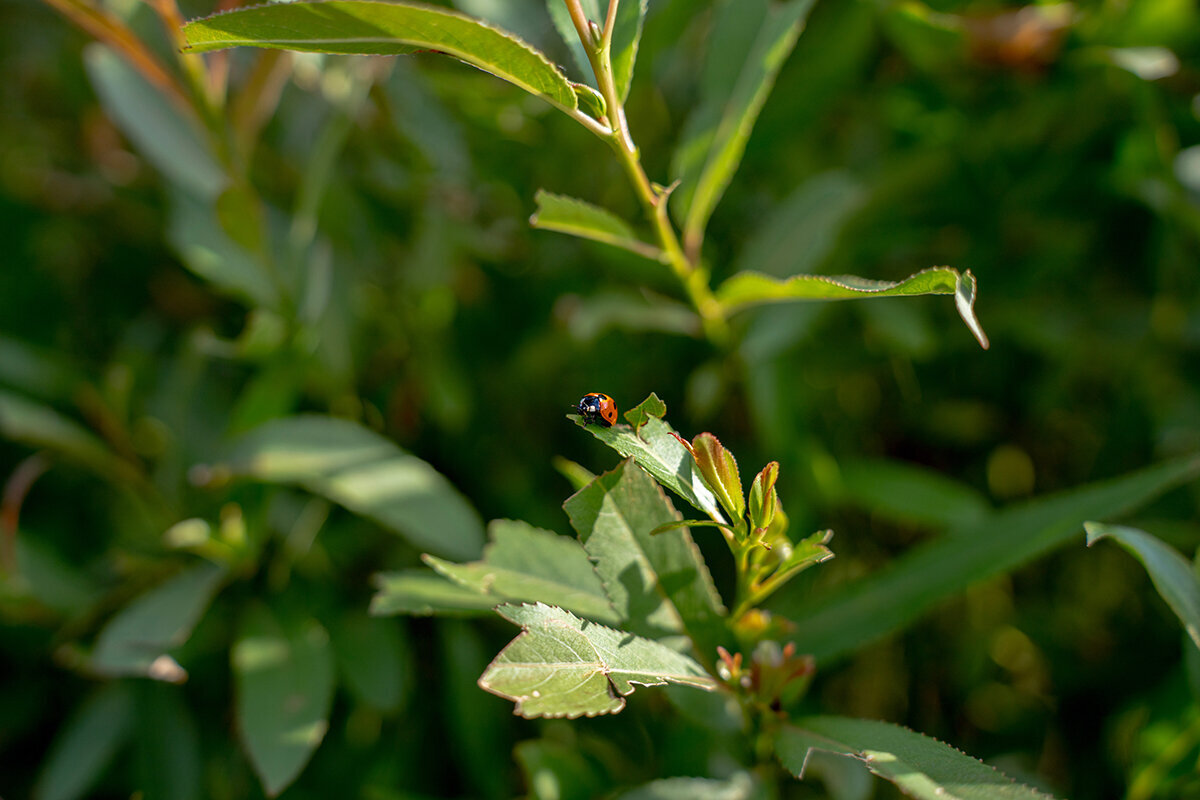
The Living Treaty · Greenhouse biological control
Beneficial insects for greenhouses are a managed relationship.
Natural enemies can turn a greenhouse from a place of recurring emergency sprays into a more observant growing environment. But a release is not a ritual. It is an agreement between pest, predator or parasitoid, crop, climate and grower—with scouting as the record of whether the agreement is holding.
Why this is not a one-time purchase
The point is not to introduce more insects. The point is to build a crop environment in which the right natural enemy can find, survive and suppress the right pest before damage compounds.
Greenhouse biological control is part of integrated pest management, or IPM: prevention, detection, accurate diagnosis, carefully selected living controls and, only when necessary, targeted intervention. It is especially useful for serious home gardeners because a greenhouse makes patterns visible. A few sticky cards, a 10× hand lens and a weekly route through the benches can reveal a problem while it is still small enough for biological control to catch up.
That does not mean every problem deserves a shipment of beneficials. Clean incoming plants, sensible spacing, weed control, irrigation discipline and insect screening all reduce the pressure that natural enemies must carry. Bloomcabin’s greenhouse setup guide is a useful companion when organizing a growing space around access, observation and plant health.
For a durable foundation that can evolve with an IPM routine, the Classic Aluminum Greenhouse offers the clear circulation, ventilation planning and orderly bench layout that make regular scouting easier than an overcrowded, improvised structure.
The three principal guilds
Different allies, different work.
“Beneficial insect” is convenient shorthand, but greenhouse biological control also includes predatory mites, parasitoid wasps, beneficial nematodes and microbial products. Their job descriptions are not interchangeable.
They consume prey.
Predators include lacewing larvae, lady beetle larvae and adults, minute pirate bugs, predatory mites and specialist beetles. Many are mobile hunters, but usefulness depends on prey type, crop canopy and timing.
- Lacewing larvae can consume aphids, but are not a universal cure.
- Predatory mites may target spider mites or early thrips stages, depending on species.
- Generalists can help early, yet may disperse when prey is scarce.
They develop in or on a host.
Parasitoid wasps are extremely small, highly specific and often best used preventively or at the first trace of a pest. Their evidence can matter more than their appearance: aphid mummies, darkened whitefly pupae or neat emergence holes.
- Encarsia and Eretmocerus suit particular whitefly situations.
- Aphidius species are selected around the aphid present.
- They require hosts at suitable stages and cannot erase an outbreak overnight.
They work through biology, not spectacle.
Beneficial nematodes can be directed into moist growing media for fungus gnat larvae. Microbial products, including Btk for young caterpillars and certain entomopathogenic fungi for susceptible pests, have their own handling, coverage and environmental requirements.
- They are not insects, yet belong in a biological-control plan.
- Success may depend on coverage, light, humidity and target stage.
- Read product labels and supplier directions as part of the treatment.
Pest before agent
Diagnose before you buy.
Sticky residue, yellowing and stippling are clues, not diagnoses. Aphids, whiteflies, spider mites and thrips leave different signatures, occupy different parts of the plant and expose different life stages to natural enemies. Take a clear photo, inspect leaf undersides with a hand lens and compare several plants before choosing an organism.
1
Read symptom
Damage first.
2
Find pest
Check its location.
3
Name stage
Egg to adult.
4
Map pressure
Hot spot or crop-wide?
Symptoms: honeydew and sooty mold suggest sap-feeders; fine stippling and webbing suggest spider mites; silvered scars with dark specks can indicate thrips.
Location: check tender growth, flowers, leaf undersides, lower leaves and the moist surface of growing media. Where a pest lives shapes the sensible control choice.
Life stage: eggs, young nymphs, mature nymphs, larvae, pupae and adults do not share the same vulnerabilities. The conspicuous stage may not be the useful target.
Pressure: distinguish one plant near a door from a bench-wide pattern. Isolate hot spots and give a supplier an honest account of what you found.
This sequence prevents a common mismatch: ordering an attractive generalist for a pest hidden in growing media, protected inside a curled leaf or already beyond the stage the proposed natural enemy attacks. For seasonal foundations, see Bloomcabin’s greenhouse gardening guide for U.S. growers.
Portrait I · quiet patrol
Predatory mites
Predatory mites are consequential greenhouse allies precisely because they are easy to overlook. Some species are selected for spider mites; others feed on early thrips stages and may also use pollen or other foods. A supplier must help distinguish the assignment: a mite selected for spider mites is not automatically the answer for thrips.
Distribute material through the crop, not as a single pile by the door. Avoid treating mites as a rescue device for heavily webbed plants; a severe spider-mite outbreak often needs hot-spot isolation and a more deliberate recovery plan. Their performance is inseparable from temperature, humidity, crop architecture and recent pesticide exposure.
Look for: fewer active pest stages over time, not a dramatic disappearance on release day.
Portrait II · precise correspondence
Parasitoid wasps
A parasitoid is a specialist, not a miniature decorative wasp. It locates a host pest and lays an egg in or on a suitable stage; its developing offspring eventually kills that host. In greenhouse programs, parasitoids are valuable because they search through a canopy and can leave readable evidence behind.
Commercial Encarsia formosa is associated with greenhouse whitefly programs and works best when introductions begin at very low whitefly levels and long-residual insecticides have not been used beforehand. Other whitefly and aphid parasitoids must be selected around pest species, crop and conditions. Greenhouse whitefly and Bemisia-type whiteflies are not a casual distinction.
Look for: aphid mummies, or whitefly pupae with parasitism signs and a tidy circular exit hole.
Portrait III · visible appetite
Lacewings, lady beetles & pirate bugs
Lacewing larvae can be useful consumers of aphids and other small soft-bodied prey. Lady beetles are familiar, but adult releases can disappoint when beetles fly away from an open or prey-poor greenhouse. Minute pirate bugs, often considered in thrips programs, may use pollen but need time and suitable crop conditions to establish.
These are tools, not mascots. The best question is not “Which beneficial is most impressive?” It is “Which life stage of my confirmed pest is abundant, exposed and likely to be reached by this particular predator?” In a small home greenhouse, deliberate placement and repeat observation often matter more than buying an assortment.
Look for: active hunting where prey occurs and a stable downward trend, rather than one exciting sighting.
Portrait IV · beneath the bench
Nematodes & microbial controls
Not every greenhouse pest lives on foliage. Fungus gnat larvae occupy moist media, where beneficial nematodes such as Steinernema feltiae may be used as a drench under the right conditions. They need a moist, appropriately managed substrate and careful timing; they are not a substitute for correcting persistent overwatering or algae.
Microbial products require the same operational attention. Btk must be eaten by young caterpillars. Entomopathogenic fungi can be affected by plant-surface humidity, coverage, temperature, light, pest stage and crop. Choose a registered product for the crop and use, follow the label exactly, and ask how it fits with the rest of the program.
Look for: fewer larvae in media or less new feeding injury after the vulnerable stage has been targeted.
The living match exchange
Match the agent to the stage.
This is a decision aid, not a shopping list. Exact species, release method and quantity depend on crop, pest identification, greenhouse climate, supplier strain and local availability.
Confirmed pest
AphidsTender growth
WhitefliesLeaf undersides
ThripsFlowers, foliage
Spider mitesBefore webbing
Fungus gnatsMoist media
MealybugsLocalized colonies
Candidate group
Parasitoids / lacewings
Encarsia / Eretmocerus
Predatory mites / Orius
Specialist predatory mites
Steinernema feltiae
Specialist parasitoids
Use the left column to define the problem. Aphid parasitoid choice depends on aphid identity. Whitefly choices depend on whitefly species and crop conditions. Predatory mites used against thrips chiefly pursue young stages, while spider-mite programs require a different predatory-mite match.
Use the right column to start a supplier conversation. Give the supplier photos, crop information, climate conditions, prior spray history and the pest stage you observed. A representative can then recommend a legal, available organism and current release instructions.
Clear dead end: Do not use an attractive predator as a substitute for diagnosis. A thrips predator will not solve fungus gnat larvae in potting mix; a soil drench will not control adult whiteflies beneath leaves; and a parasitoid release should not be expected to repair a pesticide-disrupted outbreak immediately.
Release choreography
Three moments, three intentions.
Biological control is strongest when timing matches pest pressure. These terms describe strategy rather than a universal rate. Follow the current instructions for the organism, crop, shipment and greenhouse conditions.
Preventive
Before detection
Early corrective
First finding
Outbreak response
High pressure
Preventive introduction: suitable where records show recurring pressure and an agent can establish or be replenished. Think of a standing workforce, not emergency service.
Early corrective release: map the finding, treat the affected zone and nearby crop as directed, then return to the same plants on schedule. This is often the biological-control sweet spot.
Outbreak response: isolate or remove the worst plants, consult a specialist and decide whether selective intervention is needed before rebuilding the biological program.
Before arrival
Receiving day
3–7 days
Following weeks
Confirm pest identity, review spray history and plan a shaded, accessible distribution route.
Open promptly, inspect packaging and follow supplier directions for timing, temperature and placement.
Check the original hot spot and representative plants elsewhere. Record pest stage, beneficial evidence and crop response.
Compare trends across scouting dates. Replenish, change tactics or escalate only from evidence.
The conditions clause
Climate is part of the release.
A greenhouse can create a fine climate for tomatoes, orchids or seedlings while still being imperfect for a particular beneficial. Temperature, relative humidity, day length, light, airflow and available prey all influence establishment. There is no responsible universal operating range because commercial strains, crops and local conditions vary.
Before purchasing, ask for the supplier’s preferred conditions and what to expect if the house runs hot during a Southwestern summer, cool on spring nights in the Northeast or humid along the Gulf Coast. Build the answer into ventilation, shading and watering decisions—not merely into release day.
Banker plants: useful only when truly managed
Banker plants are deliberate support plants that maintain nonpest prey or hosts and the natural enemies that use them. In professional systems, grasses carrying bird cherry-oat aphids can support certain aphid parasitoids. This is not an invitation to add random flowers or tolerate uncontrolled aphids in a home greenhouse.
A banker plant can become a reservoir for pests, disease or confusion if the system is not understood. Choose a documented system for the crop and target pest, keep it labeled and inspected, and use it only when you can recognize what belongs there. A simpler home greenhouse may be better served by regular scouting and supplier-guided releases.
The interruption clause
Pesticide residue can break the treaty.
“Natural,” “organic,” soap, oil or botanical are not synonyms for harmless to every natural enemy. A treatment can affect a beneficial through direct contact, residue on foliage, systemic activity, reduced prey or several pathways together. A release can appear to fail when the real problem was a prior spray decision.
When intervention is necessary, use the pesticide label as the legal document and ask both the manufacturer and biological-control supplier about the exact active ingredient, formulation, crop and planned release interval. Avoid broad-spectrum, persistent choices whenever a biological program is meant to continue.
Compatibility gate
Resolve these questions before release.
- What is the exact active ingredient and formulation?
- Is the product labeled for this crop and greenhouse use in your state?
- Does it act by contact, ingestion, systemically or through multiple pathways?
- What interval does the current label or supplier identify for this beneficial organism?
- Were crop, benches, media, weeds or nearby plants treated?
- Can the worst hot spots be isolated rather than exposing the whole greenhouse?
The monitoring clause
Watch for evidence, not hope.
A successful program rarely looks cinematic. It looks like fewer new colonies, lower trap counts, less fresh feeding injury and increasingly visible signs that a natural enemy is reproducing or completing its work. Give the program time to express itself, while refusing to ignore a clearly worsening outbreak.
Each roundInspect the same representative plants, the original hot spot and plants near doors, vents or new arrivals.
RecordPest identity, life stages, approximate abundance, crop symptoms, beneficial evidence, climate events and treatments.
CompareUse several dates. One sticky card or leaf is a signal; the greenhouse trend is the decision tool.
EscalateWhen density rises, injury accelerates or beneficial evidence remains absent, identify why before ordering more of the same.
Evidence 01
Whitefly pupae change
On leaf undersides, parasitized whitefly pupae can change appearance. A round exit hole differs from the irregular opening left by an emerging whitefly adult.
Evidence 02
Aphid mummies appear
Parasitized aphids may become swollen, papery mummies. Continue looking for live aphids on fresh growth: parasitoid activity and pest pressure can coexist for a while.
Evidence 03
The curve softens
Trap catches, new damage and active pest counts stop climbing, then decline. This measured shift means more than an isolated beneficial sighting.
The supporting articles
Biological control does not replace greenhouse discipline.
Exclude
Inspect incoming plants before they join the collection. Use appropriate screening on openings, and pay special attention to plants near doors, vents and intake areas.
Sanitize
Remove heavily infested material in a sealed bag. Clear weeds and debris that host pests. Clean benches and manage algae or wet zones that support fungus gnats and shore flies.
Moderate
Avoid lush, crowded, overfertilized growth and chronic wetness. Space plants for airflow and visibility. Make every plant reachable for inspection.
For gardeners planning a greenhouse as a long-term growing studio, Bloomcabin’s overview of custom aluminum greenhouse planning connects ventilation, shelving, shading and irrigation to a calmer, more maintainable plant collection.
United States greenhouse FAQ
Questions before the first release.
For a commercial crop, a serious outbreak or an unfamiliar pest, consult an extension specialist, licensed adviser or experienced biological-control supplier.
Can I release lady beetles in my home greenhouse?
You can, but they are not automatically the best choice. Adult lady beetles can disperse, and pest, crop and timing must suit them. Diagnose first; a parasitoid, predatory mite or cultural correction may be more effective.
Are beneficial insects safe around edible crops?
Beneficial organisms are widely used in food-crop IPM, but good handling and legal compliance still matter. Purchase from a reputable supplier, follow organism-specific instructions, use pesticides only as labeled and wash produce as you normally would.
How soon should I expect results?
Expect a trend, not instant eradication. Development time, prey stage, climate and starting pest density all matter. Check the supplier’s expected timeline and scout weekly; a rising pest curve means the plan needs reassessment.
Can I use insecticidal soap or horticultural oil with beneficials?
Possibly, but never assume compatibility. Direct contact and residues can injure natural enemies, and effects vary by product, rate, crop and organism. Check the current product label and ask the supplier for a compatible release interval.
Do I need a permit to buy beneficial insects in the United States?
Domestic purchases from established suppliers differ from importing or proposing a first-time environmental release. USDA APHIS regulates specified biological-control organisms and movement situations; do not import or redistribute unfamiliar organisms without checking current federal and state requirements.
Sources & further reading
Continue with field-tested guidance.
Natural enemies are living organisms, and product availability, labels and state requirements can change. Use these references alongside the current instructions supplied with an organism or pesticide product.
- Cornell University Greenhouse Horticulture — supplemental insect-management guidance
- University of California IPM — Encarsia formosa natural-enemy profile
- University of California IPM — whiteflies in floriculture and ornamental nurseries
- University of California IPM — releasing Encarsia for greenhouse whitefly suppression
- USDA APHIS — Biological Control Organism Permits
Renew the treaty
Make room for the greenhouse’s smallest workforce.
Start with a notebook, a hand lens and a weekly route through the crop. A beautiful greenhouse becomes more productive when its climate, layout and maintenance rhythm leave room for careful observation.
- Identify the pest before choosing a beneficial.
- Confirm the match, target stage and handling plan with a qualified supplier.
- Schedule the next scouting date before the release arrives.
A calm place to begin
Design for observation.
Clear access, controlled ventilation and an orderly growing layout make it easier to notice the small changes that protect a crop.
