
Greenhouse Insurance: Questions to Ask About Storms, Glass, and Liability
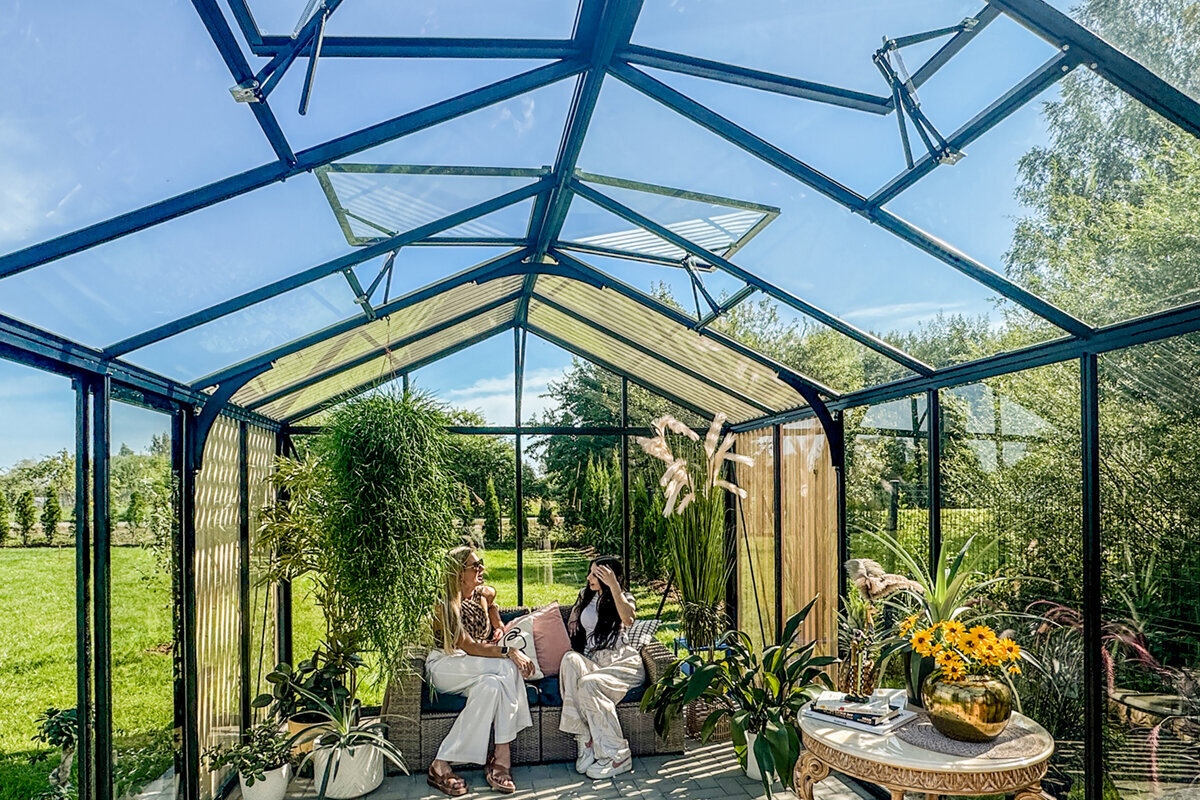
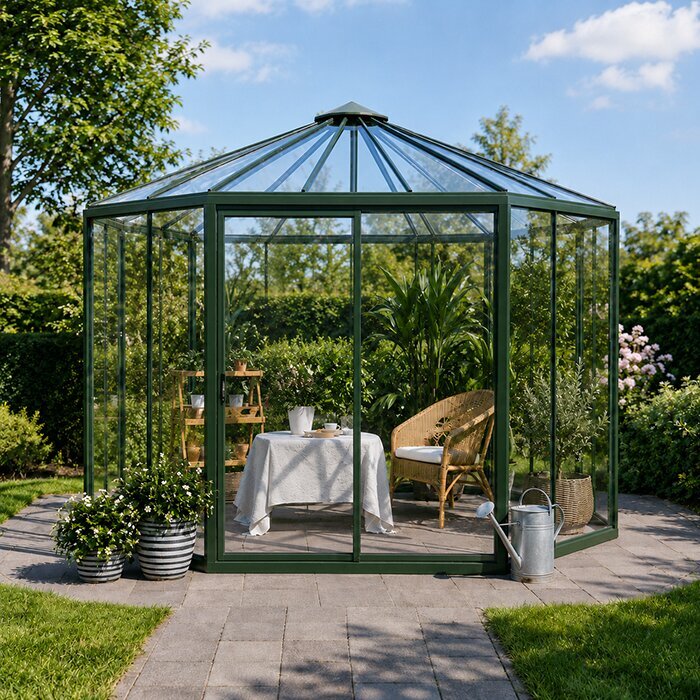
A greenhouse can change the way you use a backyard, but it also changes the questions worth asking about your homeowners policy. Coverage often depends on the structure, site, policy wording, and cause of loss. Use this guide to organize a clear, useful discussion with your insurer.
Greenhouse insurance is not a single, standard form of coverage. A carrier may view a greenhouse as an other structure, an attached addition, personal property, or an excluded item depending on its design and placement. The distinction can affect deductibles, coverage limits, claim documentation, and whether the greenhouse needs to be listed separately. Start by asking how your particular installation would be classified before assuming your existing policy handles it.
Storms and hail create the most obvious concern, yet they are only part of the picture. Windborne branches, damaged doors, cracked glazing, water intrusion, and a weakened foundation can all turn one weather event into several claim questions. Your insurer can explain which damage causes matter, what evidence they expect, and whether the policy separates the greenhouse itself from plants, tools, furniture, or stored supplies inside.
Liability deserves equal attention. A garden structure can bring family, guests, contractors, and delivery visitors into a more concentrated working area. Ask how the policy responds if someone is injured near the greenhouse, if a damaged panel creates a hazard, or if runoff affects a neighboring property. This is an insurance-question guide, not legal or insurance advice; your policy documents and local insurer should guide the final answer.
START WITH CLASSIFICATION · 01
Find out how the greenhouse is described
The first insurance question is deceptively simple: what does the insurer call the greenhouse? A freestanding garden structure may be handled differently from a structure close to the home, connected to utilities, or used for storage as well as growing. Classification is not merely a label. It can influence the coverage bucket, applicable limit, deductible, and documentation the adjuster requests after a loss.
Give the insurer a straightforward project description rather than a vague reference to a “shed” or “garden room.” Explain whether it is freestanding, its intended use, the materials involved, and whether electricity, water, or heating are planned. Ask whether photos, measurements, a site plan, invoices, or installation details should be retained. Getting that guidance before a storm can reduce uncertainty when a claim is already stressful.
- Ask whether the greenhouse is considered an other structure, part of the dwelling, or property requiring a separate endorsement.
- Request clarification on whether the policy limit is shared with fences, sheds, detached garages, and other backyard structures.
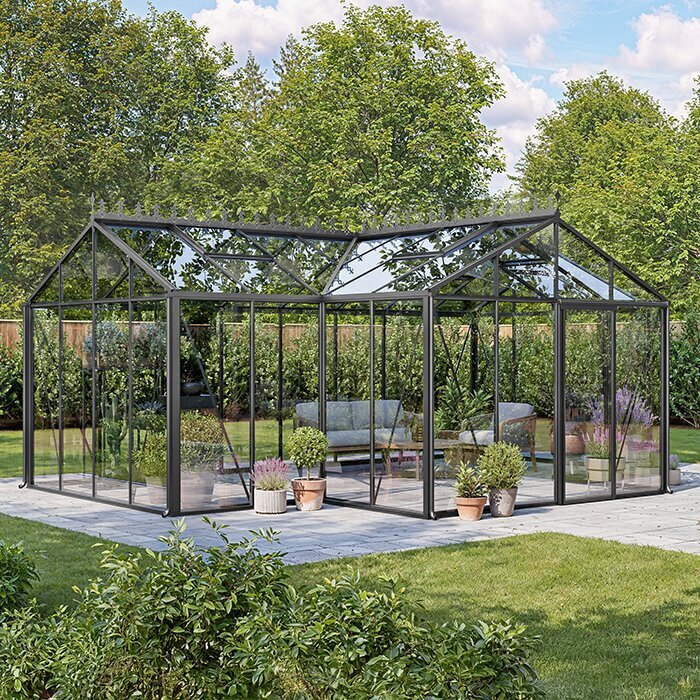
When defining the project for an insurer, begin with a standard Classic greenhouse and describe its intended site and use accurately.
ATTACHED OR CLOSE TO HOME · 02
Address the details of a Lean-To location
Location can change the insurer conversation. A greenhouse positioned against or immediately beside a house raises different questions than one placed at the far end of a yard. Ask whether its proximity to the home affects classification, whether an attached configuration changes the coverage section, and whether any connection to the building needs to be disclosed. Do not assume that visual closeness alone determines the answer.
It is also worth discussing water management and access around the structure. Rain draining from roof areas, snow or ice falling near a doorway, and contractors working close to siding can introduce risks that are not limited to the glazing. Ask what information the insurer wants about the site and whether a future alteration, such as power or plumbing, should trigger another review. Local building requirements are separate; check with the relevant authority as well.
- Tell the insurer if the greenhouse will be near exterior walls, windows, utility equipment, walkways, or property boundaries.
- Ask whether later additions, utility connections, or a change in use should be reported before the work begins.
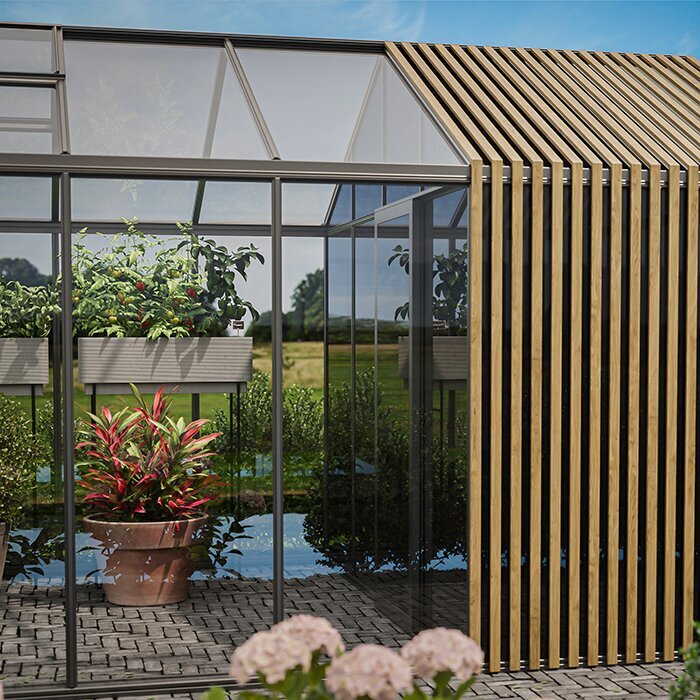
For a project planned beside the home, discuss the layout of a full-size regular Lean-To greenhouse with the insurer using the actual proposed site.
STORM EXPOSURE · 03
Ask what wind and fallen objects mean
Storm damage can involve more than a dramatic roof failure. Strong wind may loosen components, drive debris into glazing, topple nearby planters, or cause a branch to strike the frame. Ask the insurer to explain which causes of damage are considered covered perils under your policy and whether wind is subject to a distinct deductible. If your area is exposed to hurricanes, tornadoes, or seasonal windstorms, ask specifically rather than relying on broad wording.
Clarify how the carrier evaluates related damage after the initial event. For example, a storm might break a panel and later rain may enter before repairs can be arranged. Ask about reasonable emergency measures, photographic evidence, and the process for preventing further damage without compromising a claim. Insurers may have particular instructions for inspections and repairs, so report a loss promptly and preserve damaged materials only if requested.
- Ask whether wind-driven debris, fallen limbs, and rain entering through storm-created openings are assessed as separate parts of one claim.
- Confirm the deductible that could apply to wind damage and whether it differs from the standard property deductible.
A carefully sited standard Classic greenhouse for a garden still deserves a location-specific conversation about surrounding trees and wind exposure.
HAIL AND GLAZING · 04
Get precise about broken glass questions
Hail can leave highly visible broken glass, but the claim discussion should go beyond whether a pane cracked. Ask how the policy treats shattered glazing, damaged seals, bent framing, doors that no longer close properly, and water entering afterward. Find out whether replacement is based on repair, comparable materials, or another valuation method described in the policy. The answer may depend on the cause, condition, and policy terms, not on appearance alone.
Take clear, dated photographs of the completed greenhouse and retain product information, purchase records, and installation documents in a place you can access after severe weather. After a hail event, document the exterior from a safe position and avoid handling compromised glass unnecessarily. Ask the insurer whether an inspection is required before permanent repair. If temporary protection is needed, request guidance and keep records of any emergency work undertaken.
- Ask whether hail damage to glass, roof panels, frames, doors, and ventilation components is evaluated under the same coverage provision.
- Keep pre-loss photographs showing the greenhouse condition, plus receipts and installer information, to support accurate claim documentation.
Before choosing glazing and placement, review a full-size regular Lean-To greenhouse layout with an eye to overhead exposure and safe access for inspections.
WHAT IS INSIDE · 05
Separate the structure from greenhouse contents
A greenhouse claim may involve the structure and the things kept inside it, but those categories are not always treated alike. Ask whether benches, irrigation accessories, tools, heaters, grow lights, pots, and garden furniture fall under personal-property coverage, another limit, or an exclusion. Be especially clear about equipment that is permanently installed versus items moved in and out seasonally. Contents coverage may involve its own deductible, valuation basis, and documentation requirements.
Plants can be emotionally and financially important, yet their treatment under a property policy can be limited or different from ordinary belongings. Instead of assuming they are protected, ask directly about plants, seedlings, soil, and harvested produce. Also ask whether spoilage, heat loss, or power interruption creates any relevant issue under your policy. The goal is not to predict a claim outcome; it is to identify gaps before you stock the space.
- Make a simple contents inventory with photos, approximate purchase dates, and receipts for equipment likely to remain in the greenhouse.
- Ask separately about permanently fitted items, movable gardening equipment, plants, and losses connected to utility interruption.
A standard Classic greenhouse with growing space is easier to document when you keep an updated inventory of its equipment and contents.
LIABILITY AROUND THE GARDEN · 06
Consider visitors, contractors, and neighbors
Liability coverage is about more than an invited guest stepping inside. Ask how your homeowners liability coverage may respond if someone is injured while visiting, if a contractor is hurt during authorized work, or if broken glass creates a hazard near a path. The insurer cannot replace practical safety measures, but it can explain policy limits, exclusions, and whether specific activities or property features should be disclosed.
Neighbors also deserve consideration when planning a greenhouse. Windblown materials, runoff, falling branches, or work that temporarily affects shared access can lead to concerns beyond damage to your own structure. Ask your insurer what documentation they recommend if an incident affects another person’s property. For boundary, drainage, or responsibility questions, consult the relevant local authority and qualified local professionals rather than treating insurance coverage as a determination of fault.
- Ask whether your current personal liability limit applies to incidents involving a backyard greenhouse and whether higher limits are available.
- Maintain clear paths, address damaged glazing promptly, and coordinate safely with contractors working around the greenhouse exterior.
When visitors will use the garden area, plan safe circulation around a full-size regular Lean-To garden greenhouse and raise any liability questions with your carrier.
RECORDS AND VALUATION · 07
Build a file before you ever need it
Good records help you explain what existed before a loss and what work was required afterward. Create a file with photographs from several angles, a copy of the order details, product specifications, installation records, and receipts for relevant accessories. Update it after meaningful changes. Store digital copies away from the greenhouse itself, since weather damage can affect devices, paper files, and access to the garden at the same time.
Ask the insurer how it determines replacement cost or actual cash value for a greenhouse claim. Those terms can produce very different results depending on your policy. Request an explanation of depreciation, applicable limits, and whether labor, debris removal, foundations, or code-related work are addressed. Do not treat an online estimate or a neighbor’s repair as a coverage benchmark; a current written quote and your policy wording are more useful reference points.
- Photograph the exterior, interior, doors, foundation area, and installed equipment in good weather, then refresh images after modifications.
- Ask the insurer which records establish value and whether contractor estimates should be submitted before authorizing non-emergency repairs.
Keep product and installation details for your standard Classic greenhouse purchase together with photographs in an accessible off-site record.
REVIEW BEFORE AND AFTER · 08
Make insurance part of ongoing ownership
Insurance planning should not end once the greenhouse is installed. Contact the insurer when you complete the project, make major changes, add equipment, or change how the space is used. A brief update is especially valuable if an early project description was preliminary. Ask for confirmation of any recommended policy change in writing, then review the declarations page and endorsements to make sure the documented details match your understanding.
Finally, keep the insurance discussion distinct from product warranty and maintenance obligations. A warranty may address certain product issues under its written conditions, while an insurance policy addresses covered accidental losses under separate terms. Neither should be assumed to replace the other. Review applicable written conditions and scope before relying on any protection. Regular inspections, safe cleanup after storms, and timely repairs remain sensible ownership practices regardless of coverage.
- Review your policy after installation and after meaningful changes, rather than waiting until a weather event exposes an unanswered question.
- Keep the insurer’s claim-reporting instructions available, but prioritize personal safety and emergency services when conditions are dangerous.
As your garden evolves, revisit the insurance details for a full-size regular Lean-To greenhouse installation whenever its use, equipment, or surrounding site changes.
Comparison
Questions to bring to the insurance conversation
Use this table as a meeting outline, not as a coverage checklist. Policies vary by carrier, state, property, and policy form. Write down the insurer’s answer, the relevant endorsement or policy section, and any follow-up action needed for your specific greenhouse.
| Topic | Question to ask | Why it matters |
|---|---|---|
| Classification | How is this greenhouse categorized under my policy? | Classification can determine coverage limits and deductibles. |
| Storm damage | Which wind and debris losses are covered or excluded? | Weather provisions can vary by cause and location. |
| Hail and glass | How are shattered panels and resulting water damage handled? | One event may involve glazing, frame, and interior damage. |
| Contents | Which tools, equipment, and plants are covered? | Structure and contents may have different limits. |
| Liability | Does my current liability coverage address visitor injuries? | Garden access and maintenance can create exposure. |
Structure
Confirm whether the greenhouse falls under dwelling coverage, other structures coverage, or a separate endorsement, and ask what limit would apply.
Weather
Ask how wind, hail, fallen trees, heavy rain, and resulting water damage are handled, including any named-storm or wind deductible.
Liability
Discuss visitor injuries, maintenance hazards, and damage affecting others, then ask whether your liability limits remain suitable for the way you use the space.
A practical pre-installation insurance workflow
Bring accurate project details to the insurer before you commit to a final site or configuration. The purpose is to learn what must be disclosed, recorded, or adjusted under your existing policy—not to seek an informal assurance.
01
Describe the project
Share the proposed location, whether it is freestanding or near the home, intended use, and any planned utilities or permanent equipment.
02
Ask about classification
Request the policy category, applicable limit, deductible, and whether an endorsement or policy adjustment should be considered.
03
Discuss weather exposure
Ask targeted questions about wind, hail, tree damage, rain following a storm-created opening, and emergency protective measures.
04
Review liability
Explain expected visitor access and contractor work, then ask how your current personal liability limits and exclusions apply.
05
Document the answer
Keep notes, policy references, and requested follow-up in your project file. Review final documents once the installation is complete.
Greenhouse insurance question checklist
Use these prompts to prepare for a call or meeting with your insurer. Bring your project description and take notes on answers that refer to policy sections, limits, exclusions, deductibles, or endorsements.
01. How will this greenhouse be classified under my current homeowners policy?
02. Which coverage limit applies, and is it shared with other detached structures?
03. Does wind damage have a separate deductible, exclusion, or reporting requirement?
04. How does the policy address hail-damaged glass, frames, doors, and water entry?
05. Are foundations, cleanup, and emergency protective work addressed after a covered event?
06. Which greenhouse contents need separate documentation or have lower coverage limits?
07. How would personal liability apply to guests, contractors, and nearby neighbors?
08. What project changes should I report, and can you confirm recommendations in writing?
Greenhouse insurance FAQs
Is a greenhouse usually covered by homeowners insurance?
It may be, but the answer depends on the policy and the greenhouse’s classification. Some policies may address a freestanding greenhouse under other structures coverage, while an attached or differently used structure may be considered another way. Ask your insurer to identify the applicable policy section, limit, deductible, and exclusions for your proposed installation.
Does homeowners insurance cover hail damage to greenhouse glass?
Coverage for hail damage depends on the policy wording, cause of loss, exclusions, deductible, and claim facts. Ask specifically about broken glass, damaged framing, doors, and rain entering after a hail event. Document the structure before and after damage, report the loss promptly, and follow the insurer’s instructions before arranging permanent repairs.
Are greenhouse plants and gardening tools insured?
They may be treated differently from the greenhouse itself and from one another. Tools and movable equipment can fall under personal property provisions, often subject to limits and deductibles. Plants, seedlings, and produce may have restricted or different treatment. Ask directly about each category instead of assuming all contents are included.
Will insurance pay if a tree falls on my greenhouse?
A fallen tree can raise separate questions about the tree, the greenhouse, debris removal, and any damage caused by rain afterward. Coverage depends on why the tree fell and on policy language. Ask your insurer about storm-related tree damage, documentation requirements, safe emergency measures, and whether removal costs have specific limits or conditions.
Do I need to tell my insurer before installing a greenhouse?
It is sensible to ask before installation because the answer can influence where and how you proceed. Share the site, use, materials, and planned utility connections, then ask if the carrier needs notice, photographs, an endorsement, or an updated limit. Also check applicable local planning and building requirements with the relevant authority.
Is greenhouse insurance the same as a product warranty?
No. Insurance and a product warranty generally address different circumstances and are governed by different written terms. Insurance may respond to certain accidental losses under a policy, while warranty terms may concern specified product matters. Review both sets of conditions carefully, including scope and exclusions, and do not assume one replaces the other.
Explore greenhouse options
Ask early, document carefully, and review the details
The most useful greenhouse insurance conversation happens before severe weather, not after it. Bring a clear project description, ask about classification and deductibles, and cover storms, hail, broken glass, contents, and liability one topic at a time. Keep the answers with your policy documents, photographs, and installation records.
A well-planned greenhouse deserves equally thoughtful ownership planning. Bloomcabin can help you explore greenhouse options for your garden, while your local insurer can explain how your current policy applies to the property you are creating. Confirm important coverage points in writing and revisit them when the project changes.
Choose a greenhouse that suits your garden plan, then prepare the insurance questions that suit your property and policy.
