
Hail-Resistant Greenhouses: Comparing Glazing Options
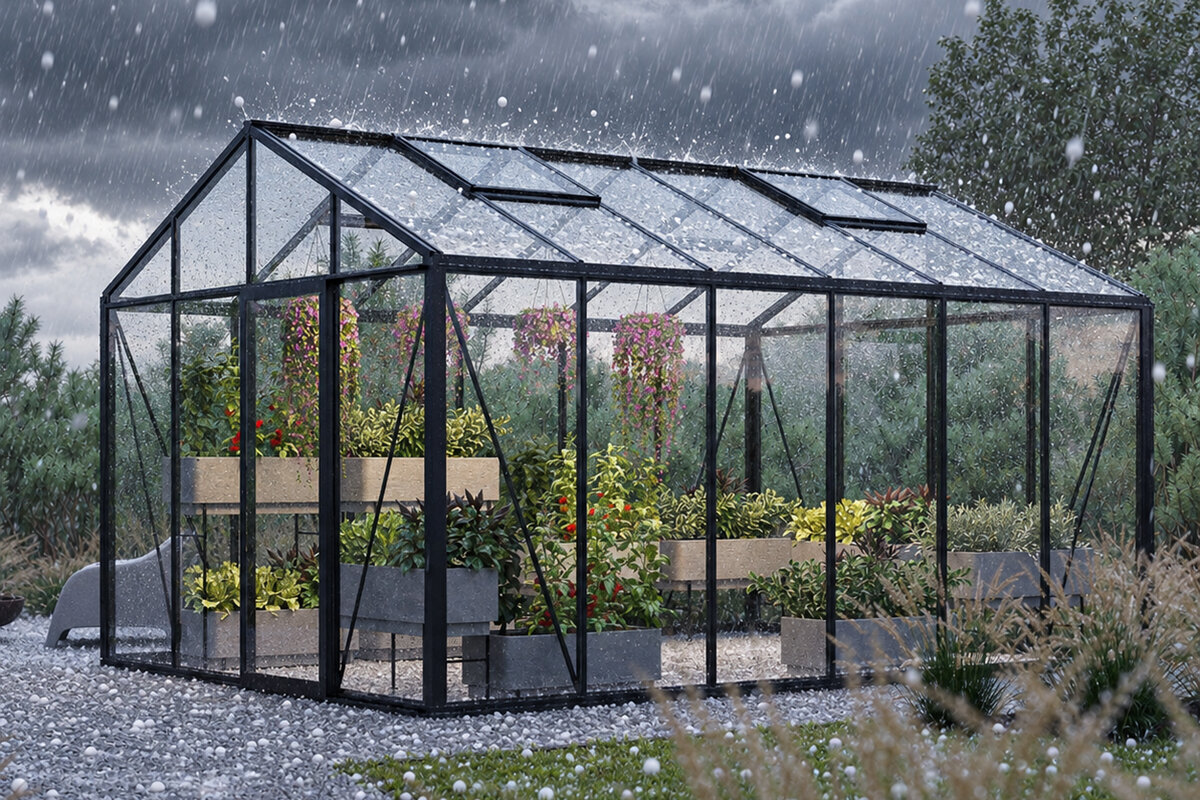
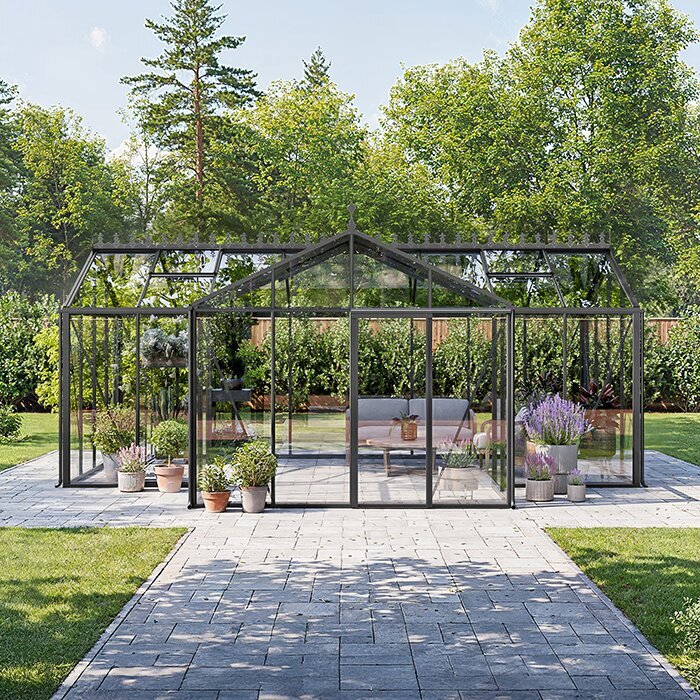
Hail can turn an ordinary greenhouse decision into a long-term planning question. Understanding how glass and polycarbonate respond to impact helps you select a greenhouse that suits your site, your plants, and the weather risks you realistically face.
Hail-resistant greenhouse glazing is not simply a matter of picking the toughest-looking panel. The right choice balances impact concerns with clarity, insulation, cleaning, garden appearance, and the way you intend to use the space. A gardener who wants an open, bright display house may reasonably make a different decision from someone focused on dependable propagation through an unpredictable storm season.
Start with your location rather than a product label. Think about how often hail occurs, whether storms arrive with strong wind, how exposed the greenhouse will be, and whether nearby trees or buildings change the risk. Local weather records, conversations with neighbors, and a close look at past damage around your property can provide a more useful basis than broad regional assumptions.
Glass and polycarbonate each bring real strengths to a greenhouse. Neither material can remove every weather concern, and a well-considered installation matters alongside the glazing itself. By comparing their practical differences and planning for inspection and maintenance, you can choose with clearer expectations and prepare sensibly for a storm-prone setting.
Material basics · 01
Why glazing choice matters in hail country
Hail is a localized hazard. A storm may affect one neighborhood heavily and leave another nearby untouched, which is why a general climate description is only a starting point. Look for patterns in your own area: seasonal storm activity, exposed terrain, and evidence of prior damage to roofs, vehicles, or garden structures. Those observations help put glazing choices in sensible context before you focus on appearance or layout.
Glazing also shapes everyday life inside the greenhouse. It influences how direct sunlight reaches benches, how clearly you can enjoy the garden from outside, and how the building sits beside a home or planting scheme. Treat hail resistance as one important requirement within a complete brief. A panel choice that feels appropriate in a severe-weather location should still support the growing and leisure use you have in mind. Before choosing glass, note how you would handle a damaged pane if a storm occurs. Clear access, safe cleanup arrangements, and a realistic repair plan can make the visual advantages of glass easier to weigh.
- Ask neighbors about hail patterns and the types of damage they have seen during recent storms.
- Map nearby trees, fences, and rooflines that may shelter the structure or introduce falling-debris concerns.
For a freestanding garden focal point, explore a standard Classic greenhouse and consider its glazing as part of the overall site plan.
Glass overview · 02
What tempered glass offers gardeners
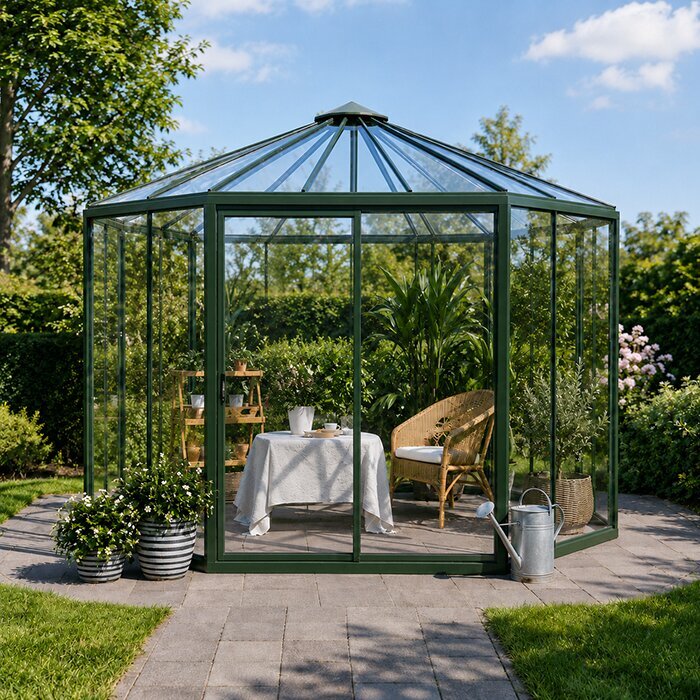
Glass has enduring appeal because it gives a clean view of plants, pots, and the garden beyond. Its smooth surface is easy to see through after routine cleaning, and its transparent character can make a greenhouse feel like a natural extension of a carefully designed landscape. For gardeners using the space as a place to linger as well as grow, that visual openness can be a decisive advantage.
Bloomcabin greenhouse glass is 4 mm tempered glass. Tempering changes how glass responds compared with ordinary untreated glass, but it does not make a greenhouse immune to every impact event. In an area with regular severe hail, it is prudent to weigh the material’s visual benefits against your property’s exposure, establish an inspection habit, and understand what repair arrangements would be practical if damage occurred.
- Choose glass when clear views, a traditional greenhouse appearance, and a smooth cleanable surface rank highly.
- After a storm, inspect panes and surrounding frame areas carefully before resuming normal greenhouse use.
Where a wall-adjacent growing space suits the property, consider a full-size regular Lean-To greenhouse with glazing chosen for the exposure at that wall.
Polycarbonate overview · 03
How polycarbonate changes the decision
Polycarbonate panels are often considered where impact is a central concern, because they behave differently from glass when struck. Their appearance is usually less crystal-clear, however, and that difference matters in a greenhouse meant to be admired from the patio or living space. The material can create a softer, more diffused light environment, which some gardeners welcome for tender plants while others prefer the precision of clear glazing.
Bloomcabin greenhouse polycarbonate is 6 mm. Panel construction, fitting details, and care guidance should all be reviewed for the model under consideration, rather than assuming that thickness alone defines suitability. Discuss your site conditions when requesting a quotation, especially if your garden is exposed. Polycarbonate can be a practical route for a hail-conscious brief, but it remains part of a complete system that needs proper installation and ongoing care. Also consider where falling water travels during heavy weather. A greenhouse should not sit where concentrated roof runoff, pooling water, or slippery access routes make inspection and routine care more difficult.
- Expect polycarbonate to prioritize a different visual effect from the crisp transparency associated with glass.
- Review how diffused light may suit your chosen plants, shelving arrangement, and desired greenhouse atmosphere.
If transparent garden architecture is central to your brief, browse a standard Classic greenhouse with glass glazing before deciding whether diffusion is worth the trade-off.
Site assessment · 04
Read your garden before selecting panels
A greenhouse positioned behind the house may experience storms very differently from one standing at the edge of an open lot. Wind direction, slope, fences, mature planting, and nearby structures can all affect what reaches the building. Shelter is valuable, but avoid assuming it solves every problem: branches, loose objects, and runoff from an adjacent roof can create separate risks that deserve attention during the layout stage.
Consider access after a storm, too. You should be able to approach the greenhouse safely, see the roof and sides clearly, and remove damaged plant material or temporary coverings if needed. Choose a location with a stable, well-prepared base and enough working room around it. An installer can advise on product-specific siting and foundation requirements, while local professionals can help assess unusual site conditions.
- Keep the proposed location clear of unsecured furniture, containers, and tools that storms could turn into projectiles.
- Check for overhanging limbs and arrange appropriate tree care before construction, not after a damaging weather event.
A home-side layout can simplify access; see the possibilities of a full-size regular Lean-To greenhouse for sheltered walls while checking drainage and roof runoff carefully.
Light and growing · 05
Balance protection with plant-friendly light
The appearance of light inside a greenhouse affects both plant care and your own experience of the space. Clear glass offers direct views and a bright, defined feel that many gardeners enjoy when monitoring seedlings or arranging display plants. Polycarbonate’s softer light can reduce harsh contrasts and create a different growing atmosphere. Neither outcome is universally better; match it to the plants, seasons, and daily use that matter most to you.
Think beyond peak summer sunshine. Consider where low seasonal light enters, which benches may sit in shade, and whether your intended crops need close observation for watering, pests, or growth changes. Internal shading, ventilation habits, and plant placement may become part of the answer regardless of glazing. A thoughtful greenhouse plan uses material choice as one tool rather than expecting it to resolve every light-management question. Keep an eye on seals, fasteners, and frame channels as well as the glazing itself. Debris and standing moisture can obscure developing issues, so gentle cleaning supports both appearance and practical inspection.
- List your priority plants and identify whether direct light, gentle diffusion, or visual monitoring is most important.
- Observe the proposed site at different times of day before committing to a greenhouse orientation.
For gardeners who want a bright, freestanding display space, a standard Classic greenhouse for clear garden views can make plant observation especially enjoyable.
Maintenance planning · 06
Care routines that support lasting glazing
Routine care cannot predict a hailstorm, but it can help you spot small concerns before they become larger ones. Keep panels clean enough to inspect, check frame connections in accordance with product guidance, and make sure doors, vents, and drainage areas are functioning as intended. Avoid abrasive cleaning methods or unsuitable products that could damage a glazing surface. Keep the manufacturer’s care instructions accessible rather than relying on general advice.
After severe weather, prioritize personal safety. Wait until conditions are calm, look from a safe distance first, and do not enter if glazing appears compromised or loose material is present. Photograph visible damage for your records and contact the appropriate service, insurer, or supplier as needed. Your insurance policy may have specific requirements, so ask your insurer in advance how greenhouse damage should be documented and reported.
- Store the product documentation, purchase records, and current photos together for easier maintenance and claim conversations.
- Create a calm-weather inspection routine covering panels, seals, frame joints, doors, and nearby trees or structures.
A wall-side structure benefits from convenient everyday checks, such as a full-size regular Lean-To greenhouse near the house with clear access around its exterior.
Storm preparedness · 07
Prepare the structure and surroundings
When a storm watch is issued, focus on practical actions that do not put you at risk. Secure or bring in loose garden items, move valuable or vulnerable plants if time and safe access allow, and close the greenhouse according to its operating guidance. Do not climb onto a roof or attempt improvised exterior modifications in worsening weather. Preparation is most useful when it is simple, familiar, and completed before conditions deteriorate.
Avoid treating temporary covers as an automatic solution for hail. A cover can introduce wind loads, trap moisture, block light, or rub against glazing if it is poorly chosen or installed. If you are considering any accessory or seasonal protection measure, ask the manufacturer whether it is appropriate for your greenhouse configuration. Keep a realistic response plan centered on safety, inspection, and professional advice where damage is suspected.
- Keep paths to the greenhouse free of trip hazards so you can inspect the area safely after weather passes.
- Make a short storm checklist before the season begins, then adapt it to your greenhouse’s operating instructions.
For an exposed garden position, review a standard Classic greenhouse for open-yard placement alongside a careful plan for surrounding loose items and trees.
Buying with confidence · 08
Turn hail concerns into a clear brief
A useful buying conversation starts with accurate information: photographs of the proposed location, notes on prior hail events, your preferred greenhouse use, and an honest description of exposure. Ask how available glazing options differ in appearance, care, and practical suitability for the configuration you are considering. Request written product details and installation guidance, then allow time to compare them with the needs of your garden rather than rushing a material decision.
Budgeting should include more than the visible structure. Foundation work, site preparation, installation, accessories, planting layouts, and a contingency for maintenance all deserve consideration. Do not assume local rules, neighborhood restrictions, or insurance treatment will be the same from one property to another. Check with the relevant local authority, homeowners association where applicable, and insurer before proceeding, especially for a greenhouse near a boundary or home. When comparing options, separate essential requirements from preferences. Exposure and safe siting may guide the specification, while appearance, light quality, and intended use help refine the final greenhouse choice.
- Bring site photos and your growing wish list to a consultation so recommendations can address real priorities.
- Ask for current written details on glazing, installation responsibilities, care, and any applicable product terms.
To integrate growing space with the home, investigate a full-size regular Lean-To greenhouse for home integration after confirming site, drainage, and local planning considerations.
Comparison
Glass and polycarbonate at a glance
This comparison is a planning tool, not a promise of storm performance. Actual outcomes depend on hail conditions, greenhouse configuration, installation, maintenance, and site exposure. Use it to clarify your priorities, then discuss the appropriate option for your intended model and location.
| Consideration | Tempered glass | Polycarbonate |
|---|---|---|
| Visual clarity | Crisp, open views of plants and garden surroundings. | Less transparent appearance with a softer visual effect. |
| Light character | Direct, clearly defined daylight inside the greenhouse. | More diffused light character across the growing space. |
| Hail planning | Tempering is relevant; assess local exposure and repair planning. | Often considered for impact-conscious projects; assess full installation context. |
| Cleaning approach | Smooth surface supports straightforward routine cleaning with suitable methods. | Follow panel-specific care guidance and avoid unsuitable cleaners. |
| Design impression | Traditional, transparent greenhouse look with strong garden visibility. | Practical, softer-looking glazing option for a different visual brief. |
Start with exposure
Assess your particular plot: open ground, elevated positions, and storm-facing aspects can create a different risk profile than a sheltered backyard.
Compare the whole experience
Consider light transmission, visual clarity, insulation, cleaning routines, and replacement planning alongside the material’s response to impact.
Plan beyond the panels
Sound foundations, correct installation, secure surroundings, and a post-storm inspection routine all support a more resilient greenhouse setup.
A practical glazing decision process
Use this sequence to move from general hail concern to a grounded greenhouse specification. It keeps site realities, growing goals, and practical ownership questions in the same conversation.
01
Document the site
Photograph the proposed position, note prevailing storm exposure, and identify trees, rooflines, fences, or loose objects nearby.
02
Define everyday use
Decide whether the greenhouse is primarily for propagation, food growing, display plants, entertaining, or a blend of uses.
03
Compare light preferences
Consider whether clear views and direct light or a softer, diffused atmosphere better suit your plants and garden design.
04
Discuss configuration
Share your site notes with Bloomcabin and ask focused questions about available glazing, installation requirements, and care guidance.
05
Confirm local details
Check relevant local authority, association, and insurance requirements before finalizing location, foundation work, or a purchase decision.
Hail-conscious greenhouse checklist
Before choosing glazing, work through these practical questions. Your answers will create a more useful brief and reveal where specialist local advice may be needed.
01. Have I identified whether hail is occasional, recurring, or a recent source of property damage in this neighborhood?
02. Is the intended location exposed to open weather, or affected by branches, roof runoff, and unsecured garden items?
03. Do I value crystal-clear views enough to make glass my preferred visual option?
04. Would softer, more diffused light work well for my plants and the way I use the greenhouse?
05. Have I allowed for suitable foundations, access around the structure, and correct installation requirements?
06. Do I know how I will inspect the greenhouse safely after severe weather without entering a damaged structure?
07. Have I reviewed care guidance for my chosen glazing instead of using assumptions from another material?
08. Have I checked relevant local planning and insurance questions for my specific property and proposed location?
Frequently asked questions about hail-resistant greenhouse glazing
Is polycarbonate always better for hail than glass?
Not automatically in every project. Polycarbonate is commonly considered when impact is a major concern because it responds differently from glass, but the right choice also depends on site exposure, greenhouse configuration, installation, light preferences, and appearance. Treat the material decision as part of a complete plan rather than a standalone guarantee.
Can tempered glass be used in a hail-prone area?
It can be considered, particularly where clear views and a traditional greenhouse appearance are priorities. Tempered glass is not a claim of immunity from hail damage. Review the likely conditions at your property, plan for safe post-storm checks, and discuss the glazing choice in relation to the specific greenhouse and installation.
Will polycarbonate make the greenhouse darker?
It changes the quality of light more than a simple darker-or-lighter label suggests. Polycarbonate commonly creates a more diffused effect, while clear glass offers sharper visibility and more defined daylight. Consider your plants, bench layout, seasonal sun path, and the atmosphere you want before deciding.
What should I do after a hailstorm?
Wait for calm conditions and inspect from a safe distance first. Look for damaged panels, loose parts, fallen branches, and hazards around the entrance. Do not enter a structure that appears compromised. Take photographs for your records, follow product guidance, and contact relevant service providers or your insurer where appropriate.
Do I need permission for a greenhouse in the United States?
Requirements vary by location, property, size, placement, and local rules. Some projects may involve zoning, setback, building, association, or historic-district considerations. Do not rely on general online advice or a neighbor’s experience. Check directly with the relevant local authority and any applicable homeowners association before work begins.
Does homeowners insurance cover hail damage to a greenhouse?
Coverage, exclusions, deductibles, and documentation requirements depend on the individual policy and insurer. Ask your insurer whether the greenhouse would be treated as an outbuilding or another category, and clarify what records they expect. Keep purchase documents, installation details, and current photographs in an accessible place.
Plan your greenhouse
Choose glazing for the weather and the way you garden
A hail-conscious greenhouse decision begins with a clear-eyed view of your site. Polycarbonate and tempered glass offer distinct experiences in impact planning, light, appearance, and care. By weighing those differences against local exposure and your daily gardening habits, you can create a brief that is both practical and personal.
Bloomcabin can help you explore greenhouse formats and available glazing with your intended location in mind. Bring photographs, measurements, and questions about how you want to grow. Confirm local requirements and insurance considerations independently, then choose a greenhouse that feels right for your garden over the long term.
Explore greenhouse options and start a more informed conversation about glazing, siting, and the garden space you want to create.
