
How Long Does an Aluminum Greenhouse Last?
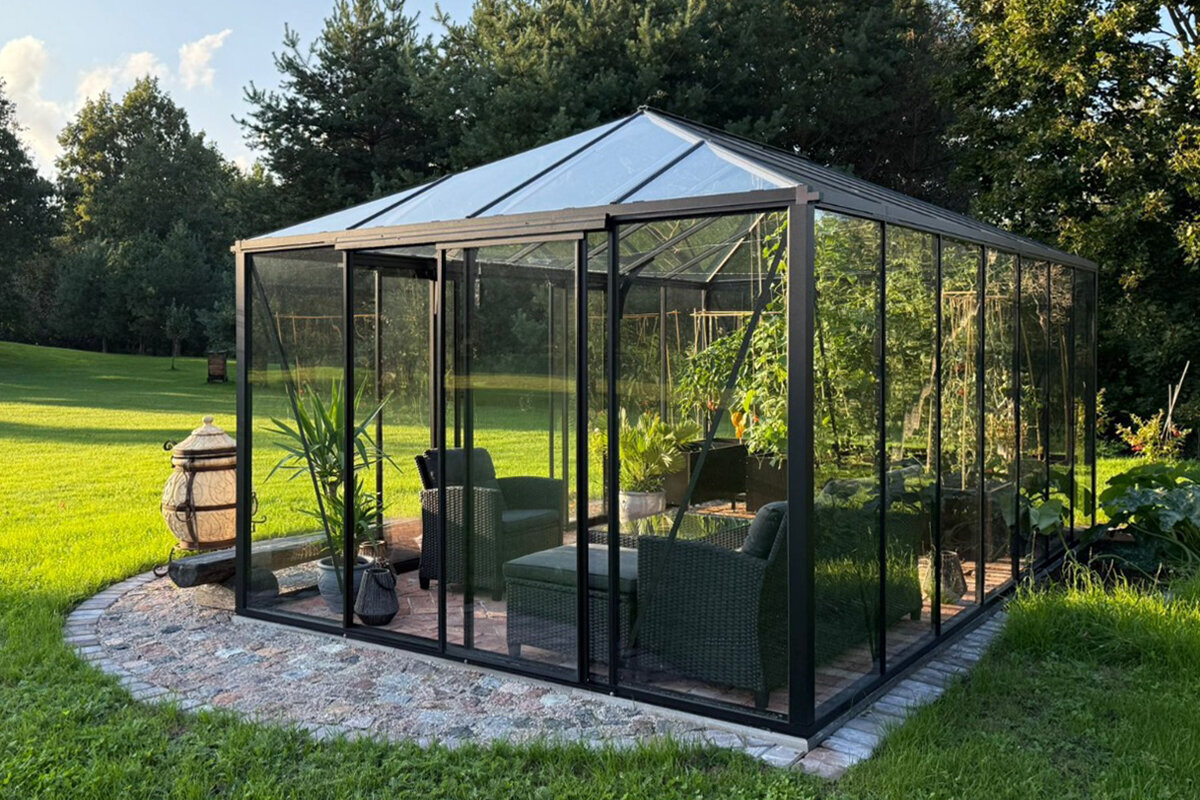
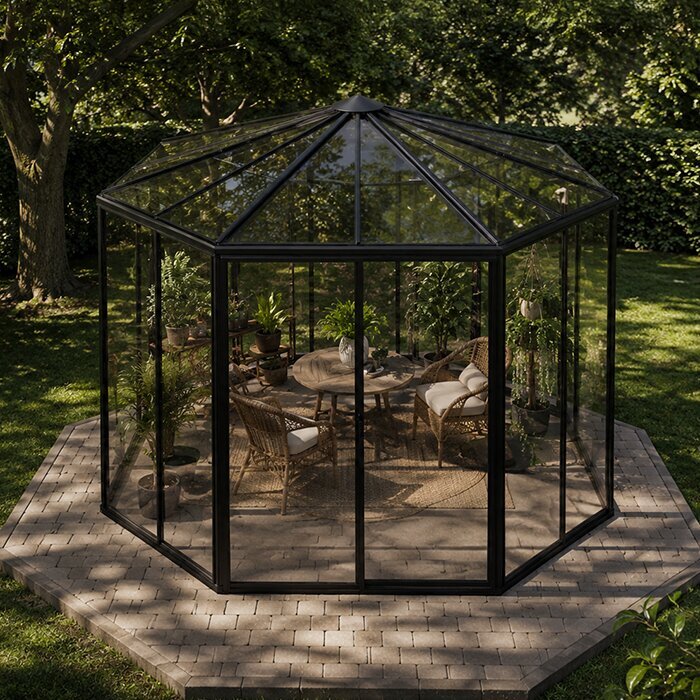
Greenhouse ownership guide
The short answer
An aluminum greenhouse can have a long working life, but there is no single lifespan that applies to every garden. The aluminum frame, glazing, fasteners, seals, doors, vents, foundation, and local exposure all age differently. Regular inspections help small issues stay small.
Choose a greenhouse as a maintainable structure rather than a disposable garden accessory. A stable, well-drained base, careful assembly, gentle cleaning, seasonal hardware checks, and the ability to identify replacement components all contribute more to long-term ownership than a headline lifespan estimate.
01
Frame condition
Aluminum generally avoids the rot concerns associated with untreated timber, but connections, fixings, surface deposits, and accidental damage still deserve periodic attention.
02
Working components
Doors, roof vents, latches, and their hardware experience repeated movement. Alignment, clean tracks, and prompt adjustment protect daily usability and reduce avoidable strain.
03
Site matters
Wind exposure, snow management, salt-laden air, drainage, falling branches, and an uneven foundation can affect a greenhouse more than its calendar age.
An aluminum greenhouse can serve your garden for many seasons when its frame, glazing, hardware, and site are cared for as one system.
Aluminum is widely chosen for greenhouses because it does not need the regular repainting associated with many painted wood structures. Yet longevity is not automatic. A greenhouse is a working garden building: doors open, vents move, seals age, panels need cleaning, and the ground beneath it must remain stable. The ownership experience is shaped by every one of those details.
For a buyer, the useful question is not simply “How many years will it last?” It is whether the greenhouse can remain safe, practical, and enjoyable through changing seasons. A well-chosen structure with accessible components and a sensible care routine is easier to keep in service than one treated as a set-it-and-forget-it purchase.
This guide separates frame durability from the care of glazing, moving parts, drainage, and foundations. It also explains what to inspect before buying, how to plan maintenance without overdoing it, and why spare-part thinking matters from the first day of ownership.
01 · Start with structure
The frame is only one part of lifespan
An aluminum frame is a strong starting point for long-term greenhouse ownership because it avoids the recurring wood-rot cycle that can shorten some garden structures. Still, a frame performs as an assembled system. Corners, base rails, bracing, fasteners, and glazing bars all depend on accurate installation and a foundation that stays level. A frame can look sound while misalignment elsewhere creates operational problems.
Inspect the structure at least seasonally, especially after severe weather or a busy growing period. Look for shifted panels, loose hardware, rubbing doors, standing water around the base, or debris caught in joints. Do not overtighten fasteners in an attempt to solve every movement issue; first identify whether settling, drainage, or a panel position is the underlying cause.
Check corners, base rails, and braces for movement before it develops into persistent door or glazing misalignment.
Keep soil, mulch, and leaf buildup away from lower frame channels so moisture and debris do not linger.
For a freestanding garden layout, explore a standard Classic greenhouse with proportions that suit everyday access and seasonal care.
02 · Location and foundation
A stable site protects the whole greenhouse
Site planning is longevity planning. A greenhouse needs a level, well-prepared foundation that supports the full structure and keeps doors and panels aligned. Poor drainage can create splashing, persistent dampness, frost movement, and difficult cleaning around the base. Before installation, consider where roof runoff will travel, whether nearby trees shed branches, and how you will reach every side for maintenance.
Exposure changes the care routine. An open yard may need more frequent post-storm checks, while a sheltered corner can collect damp leaves and restrict airflow. Coastal or roadside sites may call for gentler, regular washing to remove deposits. If you are uncertain about site preparation, local approvals, setbacks, or building requirements, confirm them with the relevant local authority before work begins. While cleaning, clear compacted debris from glazing channels and check edge seals for even fit. Avoid blades, metal scrapers, high-pressure methods, or escalating force unless product care guidance specifically permits them; preserving panel fit and seals matters more than a perfect finish.
Plan a clear perimeter around the greenhouse for cleaning glass, clearing gutters, and checking lower panels without trampling planted beds.
Direct surrounding drainage away from the foundation rather than allowing water to pool beside the base after rain.
Where a house wall shapes the site, consider a full-size regular Lean-To greenhouse designed for a more integrated garden position.
03 · Glazing care
Clear panels need gentle, regular attention
Glazing affects light, appearance, insulation behavior, and the day-to-day sense of how well a greenhouse is cared for. Dust, algae, pollen, mineral residue, and leaf debris can gradually reduce clarity. Clean panels with mild methods suited to the material and avoid aggressive abrasives or harsh tools that can mark surfaces, damage seals, or scratch protective finishes. Follow the product care guidance for your specific glazing.
Equally important is how glass or panels sit within the frame. After winter, high winds, or accidental knocks, look for chips, cracks, shifting, or gaps at edges. A small problem is usually easier to address before it affects adjacent components. Keep a record of the greenhouse model, panel locations, and any part identifiers; it makes later conversations about a replacement component much more efficient.
Rinse loose grit before wiping glazing, using a soft cloth or nonabrasive sponge to reduce the chance of scratches.
Clear leaves from roof areas and channels promptly so trapped moisture does not encourage staining or obstruct drainage.
A standard Classic greenhouse for clear garden views can make routine glazing checks part of your normal garden walk.
04 · Doors and ventilation
Moving parts set the daily experience
A greenhouse may stand for years, but its quality of use is often decided by doors and ventilation components. These moving parts are opened repeatedly through the growing season, so clean operation matters. Keep tracks and thresholds free of compost, gravel, leaves, and pots that can cause rubbing. If a door begins to catch, investigate promptly rather than forcing it, since force can transfer strain to hardware and frame alignment.
Roof vents, latches, hinges, and handles benefit from a simple seasonal check. Confirm that they open and close as intended, that fixings remain secure, and that no component is binding. Use only maintenance products appropriate to the manufacturer’s guidance. A greenhouse’s internal climate also benefits when vents are operated thoughtfully, rather than being left exposed during unsuitable conditions or ignored when heat builds.
Test doors and vents during a calm day, listening for rubbing, clicking, or resistance that signals a needed adjustment.
Store tools, bags of soil, and tall containers away from door swings and vent paths to prevent accidental impact.
For convenient access beside the home, a full-size regular Lean-To greenhouse with accessible doors can simplify routine plant care and component checks.
05 · Seasonal maintenance
Small routines beat occasional major repairs
The most effective greenhouse maintenance is usually modest and regular. Spring is a useful time to clean glazing, test openings, inspect seals, and remove winter debris. During summer, keep drainage paths clear and watch for door or vent issues as use increases. In fall, clear leaves before they settle into channels. Winter checks should focus on debris, standing water, and any visible changes after challenging weather.
Create a short maintenance record instead of relying on memory. Note the date, area checked, adjustments made, and parts needing follow-up. Photographs can document a panel location or hardware detail without becoming a complicated project. This routine helps you compare conditions over time and spot repeated issues. When ordering a part or asking for guidance, note which side is affected, whether the issue occurs during opening or closing, and whether it followed cleaning, weather, or an accidental impact. A close photograph with a wider view of the surrounding frame can show both the component and its position. Keep removed hardware together until you know whether it is needed for identification or reassembly.
Schedule a brief inspection after major storms, even if the greenhouse appears unchanged from a distance.
Wash exterior glazing when conditions are mild, then inspect seals and channels while the surfaces are already accessible.
The straightforward layout of a standard Classic greenhouse for seasonal upkeep helps make an inspection routine easy to repeat.
06 · Spare-part readiness
Maintainability matters before you buy
Spare parts are central to a realistic view of greenhouse lifespan. Over time, a handle, latch, seal, panel, vent component, or fastener may need attention while the wider structure remains useful. Before purchasing, ask how the model and its components are identified, what information is helpful when requesting support, and how you should document the installed configuration. Clear records reduce guesswork when a specific item needs replacing.
Avoid assuming that every visible issue requires a full rebuild. Often, careful diagnosis distinguishes a loose fixing from a shifted panel, a dirty track from a damaged roller, or a worn seal from a frame problem. Retain assembly documents, order information, photographs of important connections, and any maintenance notes. These basic records make responsible ownership easier for you and anyone helping with future work.
Save the model name, assembly documentation, and clear photographs of doors, vents, and unusual connections after installation.
When reporting a concern, describe location, symptoms, and recent weather or impact events instead of naming a cause prematurely.
For homeowners planning component access over time, a full-size regular Lean-To greenhouse for long-term maintenance deserves the same careful recordkeeping as any garden structure.
07 · Weather and surroundings
Local conditions shape the care schedule
A greenhouse in a protected suburban garden faces different demands from one on an exposed hillside, near mature trees, or close to salt air. Windblown grit can wear at tracks and glazing during cleaning; falling branches can cause sudden damage; damp shade can encourage algae. Observe your particular site through a full year before assuming a generic maintenance schedule will be enough.
The surrounding landscape can either help or complicate ownership. Prune only with appropriate care and permissions where branches threaten the structure, keep climbing plants from blocking vents or resting against glazing, and leave working space around the exterior. In snowy areas, follow the product operating guidance and monitor accumulation sensibly. Do not improvise structural alterations in response to seasonal concerns; seek qualified advice when changes are being considered.
Check overhead branches, nearby roof runoff, and prevailing wind direction before choosing the final greenhouse position.
Adjust cleaning frequency to visible dirt, algae, pollen, or salt deposits rather than following a rigid calendar alone.
A freestanding standard Classic greenhouse for an exposed garden benefits from thoughtful siting and an accessible inspection perimeter.
08 · Buying for the long run
Ask practical questions before committing
When comparing greenhouses, look past initial appearance and imagine routine ownership. Can you reach the glazing safely for cleaning? Is there room to open doors and vents without conflicts? Will the foundation remain accessible for inspection? Are you comfortable keeping records of the model and components? These questions reveal whether a design will fit your gardening habits as well as your available space.
Also distinguish lifespan guidance from warranties, quotes, and local compliance. Written warranty terms have their own conditions and scope, while a quotation reflects the selected configuration and current requirements. Planning rules, homeowner association restrictions, and insurance treatment can vary by location and situation. Check relevant details directly with your local authority, association, insurer, and supplier before ordering or installing.
Choose a position that lets you clean, inspect, and repair the exterior without squeezing between fences, walls, or dense planting.
Include future access for replacement panels or maintenance equipment when measuring paths, gates, and the space around the site.
If your plan connects the greenhouse to the home, review a full-size regular Lean-To greenhouse for lasting ownership alongside your foundation, access, and maintenance plan.
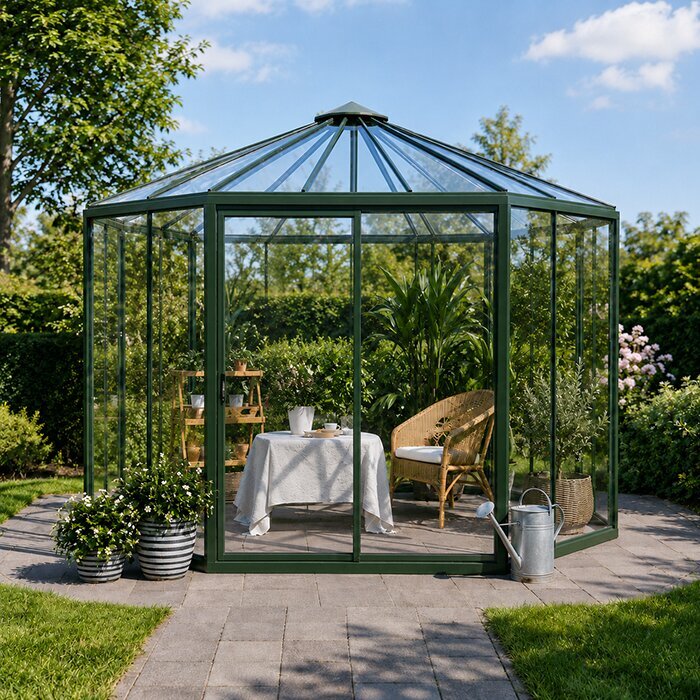
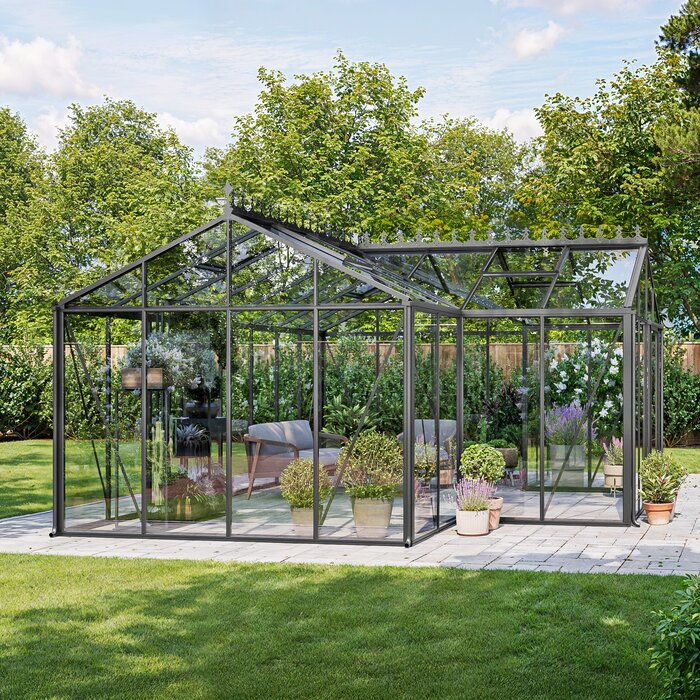
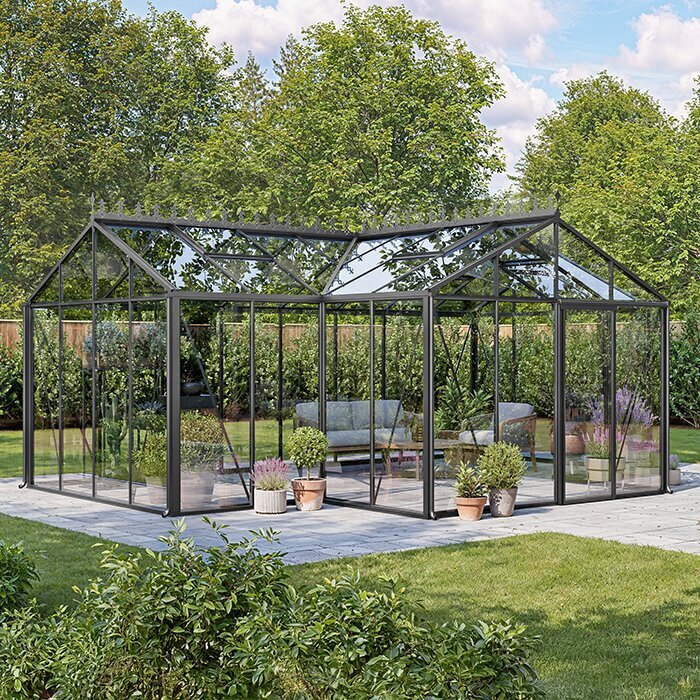
What influences useful greenhouse life?
No single component tells the full story. This comparison helps prioritize the areas that deserve attention during selection, installation, and ongoing care, without treating any one factor as a universal lifespan prediction.
Frame and connections
Alignment, bracing, fasteners, and visible movement
Inspect seasonally and address shifting early.
Foundation and drainage
Level support, runoff direction, and pooling water
Keep the base stable, clear, and well drained.
Glazing and seals
Cleanliness, cracks, edge fit, and seal condition
Use gentle cleaning and document panel locations.
Doors and vents
Smooth travel, hardware security, and obstruction
Clear tracks and correct binding before forcing components.
Site exposure
Wind, trees, salt deposits, shade, and roof runoff
Adapt inspections and cleaning to local conditions.
Plan for maintainable ownership
Build longevity into the project before the greenhouse arrives. These steps focus on access, records, and prevention rather than trying to predict an exact service life.
01
Assess the site
Observe drainage, sunlight, nearby trees, roof runoff, and exposure. Leave enough exterior clearance for safe cleaning, inspection, and future maintenance.
02
Prepare the base
Use a level, suitable foundation and verify dimensions carefully. A stable base supports correct door operation and helps keep glazing aligned.
03
Document installation
Keep order details, assembly information, photographs, and component identifiers together. Record panel positions and hardware details while they are easy to see.
04
Set seasonal reminders
Plan short checks for spring cleaning, summer operation, fall leaf clearing, and post-storm inspection. A manageable routine is more likely to continue.
05
Know who to ask
For planning, insurance, repairs, or modifications, contact the appropriate local authority, insurer, or qualified professional rather than relying on assumptions.
Long-term ownership checklist
Use this list when choosing a greenhouse or reviewing one already in place. It focuses on issues that support safe, practical maintenance over time.
01. Confirm the foundation is level, stable, and arranged to move water away from the greenhouse base.
02. Leave a usable access path around every side for cleaning, panel checks, and clearing debris.
03. Inspect door tracks, hinges, handles, and latches regularly; remove grit before it causes resistance.
04. Test roof vents and their hardware seasonally, following the applicable operating and care guidance.
05. Clean glazing gently and avoid abrasive pads, harsh tools, or unsupported leaning pressure on panels.
06. Remove leaves, mulch, and soil from channels, thresholds, and drainage areas before they retain moisture.
07. Store installation records, photographs, and model information where they remain available for future part identification.
08. Check local requirements and insurance considerations directly when siting, modifying, or replacing a greenhouse.
Frequently asked questions
How long does an aluminum greenhouse last?
There is no reliable single number for every installation. An aluminum greenhouse may remain useful for many seasons when the foundation stays stable, glazing is cared for, moving parts are maintained, and weather-related issues are addressed promptly. Exposure, installation quality, cleaning habits, and replacement-part access all influence the real ownership timeline.
Does aluminum itself need much maintenance?
Aluminum generally avoids the repeated painting and rot concerns associated with some other frame materials, but it still benefits from cleaning and inspection. Remove accumulated dirt and deposits with suitable gentle methods, check joints and fasteners, and watch for signs that the structure has shifted. The surrounding components need attention too.
What parts are most likely to need attention first?
Components that move or seal openings often deserve the closest routine attention. Doors, tracks, hinges, handles, latches, roof vents, seals, and fasteners experience regular use or exposure. That does not mean they will fail quickly; it means cleaning, alignment checks, and early adjustments are especially worthwhile for preserving everyday function.
Can I replace a damaged greenhouse panel?
A damaged panel may be a service issue rather than a reason to replace the entire greenhouse, but the correct approach depends on the model, glazing type, panel position, and surrounding components. Keep records and photographs, then seek guidance for the specific configuration. Avoid forcing a panel or improvising changes that affect its fit.
Do I need permission for a greenhouse in the United States?
Requirements can differ by municipality, property, size, placement, zoning district, and homeowner association rules. Do not assume a neighbor’s situation applies to yours. Before installation, check with the relevant local authority and, where applicable, your association. Confirm any requirements affecting location, setbacks, foundation work, or drainage.
Will homeowner insurance cover greenhouse damage?
Coverage and exclusions depend on your insurer, policy, location, cause of damage, and how the greenhouse is classified. Ask your insurer directly about the intended structure and keep relevant purchase and installation records. It is also sensible to understand any documentation the insurer may request if a claim or update becomes necessary.
Explore greenhouse options
Think in terms of care, not a countdown
An aluminum greenhouse is best viewed as a long-term garden structure whose parts age at different rates. A sound frame matters, but so do clean glazing, smooth doors, working vents, a stable base, effective drainage, and a site that you can inspect without difficulty. Consistent, modest care protects both function and enjoyment.
Buy with future maintenance in mind, keep useful records, and respond to small changes before they become disruptive. With the right site, an organized routine, and a maintainable design, your greenhouse can remain a practical place to grow, experiment, and spend time in the garden.
Find a greenhouse layout that supports your garden plan, access needs, and long-term maintenance routine.
