
How Long Does an Aluminum Pergola Last? Lifespan and Costs
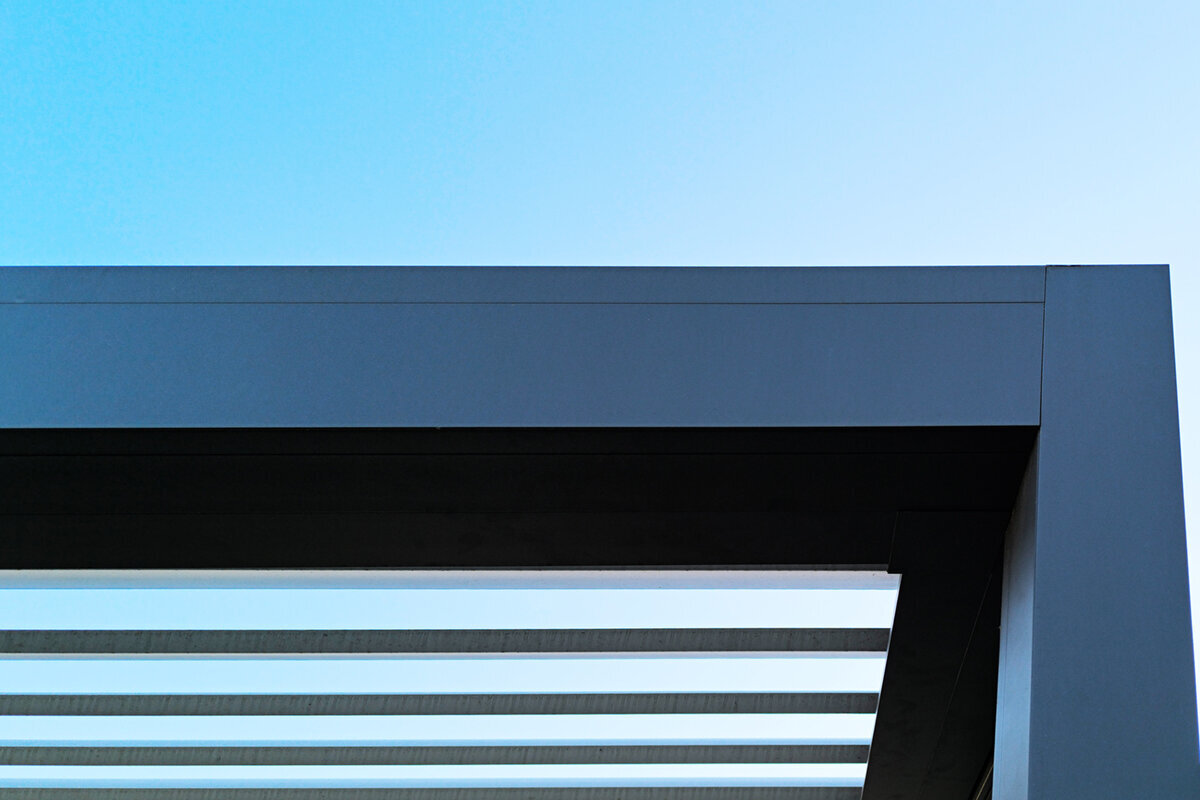
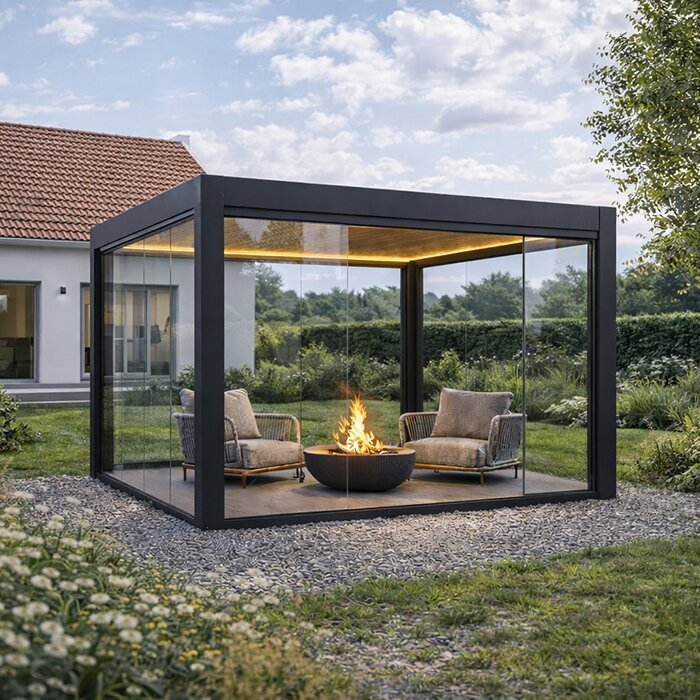
The practical question is not simply whether aluminum lasts outdoors. It is whether the pergola is appropriate for its site and whether you can care for every part of the system through changing seasons. A well-considered purchase accounts for the roof style, hardware, foundation, water path, nearby trees, and the routines needed to keep the structure clean and functioning.
For many homeowners, aluminum is appealing because it does not require the regular staining, sealing, or rot management associated with some natural materials. That advantage does not mean zero maintenance. Dust, pollen, salt, leaf debris, hard-water residue, and airborne grime can affect appearance and drainage. Mechanical features also deserve periodic attention rather than being treated as permanent, maintenance-free fixtures.
This guide separates the durable, fixed elements from the components that may need inspection, adjustment, or eventual replacement. It also helps you discuss realistic ownership questions with an installer or supplier: what is included, who services the system, which parts can be sourced later, and how site conditions may influence the care plan.
Stage one
Begin with the complete system
A pergola’s useful life starts with a clear view of what you are buying. Structural posts and beams, roof elements, fixings, drainage details, finish, and optional electrical accessories do different jobs and face different wear. Aluminum resists decay, but it cannot compensate for a poorly prepared base, an inappropriate location, or debris that is allowed to sit in channels and around connections season after season.
Before comparing visual styles, study the design as an outdoor assembly. Consider whether water has a clear route away from the roof and foundation, whether access exists for cleaning, and whether service points will remain reachable after landscaping is completed. A thoughtful layout makes regular care easier, which is often more consequential over time than a complicated maintenance schedule that nobody can reasonably follow.
Walk around the proposed location after rain to identify pooling, splashback, runoff paths, and areas where leaves naturally collect.
Keep clearance from dense planting where practical, so branches, climbing growth, and trapped moisture do not complicate inspection.
For adjustable shade and ventilation considerations, explore a bioclimatic aluminum pergola with the roof system evaluated as part of the whole installation.
Stage two
Read the site before choosing
Exposure is one of the strongest influences on ongoing care. A sheltered backyard with open access may mainly collect pollen and ordinary dust. A property near the coast, a heavily wooded lot, or a site exposed to wind-driven rain can call for more frequent rinsing and closer checks. Nearby construction dust, irrigation overspray, and falling fruit can also leave deposits that affect the appearance of painted surfaces.
Think beyond the view from the patio door. Note how water moves across the ground, where snow or leaves tend to accumulate, and whether a lawn mower, ladder, or garden equipment could strike a post. If the pergola is near a pool, grill area, or planting beds, plan for the cleaning products, smoke residue, moisture, and soil that may reach it. Site awareness supports both appearance and sensible preventive care.
Photograph the site in different seasons, including after storms, to document shade patterns, drainage behavior, and recurring debris.
Ask the installer how the chosen foundation and anchoring approach suit the actual surface and local conditions.
If a straightforward roof arrangement better suits the setting, compare a regular aluminum pergola and ask how its roof and drainage details should be maintained.
Stage three
Protect the finish without overdoing it
The finish is what you see every day, so regular gentle cleaning is a practical form of care. Rinse loose dirt, use a soft cloth or sponge with a mild cleaner appropriate for finished metal, then rinse again as directed by the product guidance. Abrasive pads, aggressive solvents, and improvised tools can damage a surface or leave marks, creating an unnecessary appearance issue that is harder to correct later.
Inspection should accompany cleaning. Look for stubborn residue around joints, discoloration caused by environmental deposits, scratches from impacts, and places where drainage is blocked. Do not assume every mark is a structural concern, but do address changes early through the recommended service route. Keep product manuals, care directions, and records of any touch-up or service work together; they make future conversations more productive.
Rinse away pollen, bird droppings, fertilizer residue, and tree sap promptly rather than allowing deposits to bake onto surfaces.
Use only cleaners and touch-up methods approved for the specific finish, especially before trying to remove persistent stains.
Homeowners considering adjustable overhead elements can review a bioclimatic pergola with rotating louvers and plan accessible cleaning around the roof details.
Stage four
Give drainage and joints regular attention
Water management deserves more attention than it usually receives at purchase. Gutters, channels, downspouts, and outlet points need to stay clear enough to direct water as designed. Leaves, seed pods, nesting material, and windblown soil can obstruct narrow paths. When water lingers where it should drain away, it can create stains, overflow, or avoidable stress around the installation, even if the main aluminum frame remains sound.
Joints and fasteners should also be inspected as part of a seasonal routine, particularly after severe weather or nearby work. Avoid casually tightening, disassembling, or modifying components without the relevant instructions, because roof systems rely on their intended alignment and hardware. If you notice a new rattle, persistent drip, loose-looking element, or misaligned panel, document it and seek qualified advice before the issue becomes more involved.
Clear visible debris from accessible gutters and outlets using methods that will not scratch the finish or distort components.
Check the ground around posts for erosion, settlement, standing water, or landscaping changes that could affect access and drainage.
For buyers prioritizing fewer operational roof elements, a fixed-roof regular pergola can be a useful comparison point during maintenance planning.
Stage five
Understand moving parts and controls
A bioclimatic roof introduces components that perform a job each time the pergola is adjusted. Louvers, actuators, control equipment, seals, and connections should be treated as serviceable elements, not ignored because they are neatly integrated. Follow operating guidance, avoid forcing the mechanism when debris or ice is present, and keep the roof area reasonably clean. Smooth operation depends on parts being used and cared for within their intended conditions.
Electrical accessories call for their own sensible approach. Keep documentation for controls and any installed lighting, and use a qualified professional for electrical diagnosis or modification. If operation changes, do not repeatedly cycle a roof or control in an attempt to overcome resistance. Record when the issue began, what weather occurred, and what you observed. Those details can help a service professional distinguish obstruction, adjustment, or component concerns.
Operate adjustable elements according to the supplied instructions and stop if movement becomes noisy, uneven, or unexpectedly resistant.
Store manuals, remote information, installation records, and service contacts where a future homeowner can locate them easily.
When flexibility is central to your outdoor room, choose a bioclimatic pergola roof system with a clear plan for routine operation and future service.
Stage six
Plan for repairable ownership
Long-term value is closely connected to whether the system can be understood and serviced over time. Ask early which components may be replaced independently, how replacement parts are identified, and whether there is a recommended route for technical support. Keep the model information, finish details, roof configuration, order records, and installation documents. These records are especially useful if a control, seal, drainage part, or hardware item needs attention years after purchase.
Repairs are not always signs that a pergola has failed. Some work is ordinary stewardship of an outdoor structure: correcting a drainage obstruction, renewing a worn seal, addressing accidental damage, or replacing a component that no longer operates as intended. The important distinction is between planned, manageable maintenance and deferred issues that spread because water, debris, or misalignment was left unaddressed for too long.
Request a clear explanation of service channels and component identification before finalizing a purchase or installation arrangement.
Avoid unapproved alterations that may make later diagnosis, replacement, or safe operation more difficult for service professionals.
For a simpler ownership conversation, consider a traditional regular pergola design and compare its component list with more complex roof options.
Stage seven
Build a realistic long-term budget
Avoid treating the purchase amount as the entire cost of ownership. A realistic budget allows for cleaning materials, seasonal inspection, occasional professional service, replacement components when appropriate, and repairs after accidental impact or exceptional weather. The exact amount will depend on location, size, options, labor availability, access, and the condition of the installation. Request a current quotation for the selected configuration rather than relying on broad cost assumptions.
It is also useful to budget time. A pergola that is easy to reach, rinse, inspect, and clear may be easier to keep in good condition than one surrounded by dense landscaping or positioned over difficult terrain. Consider who will carry out routine work, whether safe access is available, and when professional help makes more sense. These practical questions can influence the best configuration for your household.
Compare ownership scenarios using the same site assumptions, including cleaning frequency, service access, and potential replacement-part needs.
Ask for itemized clarity on what installation, accessories, and future service arrangements include before making financial comparisons.
To weigh added functionality against component complexity, examine a bioclimatic pergola for outdoor living alongside your anticipated care and service budget.
Stage eight
Make lifespan a planning decision
The strongest long-term choice is usually the one that fits your habits and site, not the one with the most features on paper. If you enjoy an adjustable environment and are prepared to follow operating and care guidance, a more sophisticated roof may suit the way you live outdoors. If simplicity is the priority, a fixed configuration can reduce the number of operational elements that require attention over time.
Before committing, review local planning considerations, property restrictions, and any requirements that may apply to your project with the relevant local authority or qualified professional. If you expect insurance to be relevant, ask your insurer how the planned installation may affect your policy rather than assuming coverage. A complete pre-purchase discussion should include site preparation, installation responsibilities, maintenance access, documentation, and the route for future support.
Choose a configuration whose cleaning, operation, and inspection requirements fit your actual schedule rather than an idealized routine.
Create a seasonal calendar for debris removal, drainage checks, finish cleaning, and post-storm visual inspection from the first year.
If low-complexity shelter is your goal, explore a regular aluminum pergola option with the same care given to site preparation and drainage.
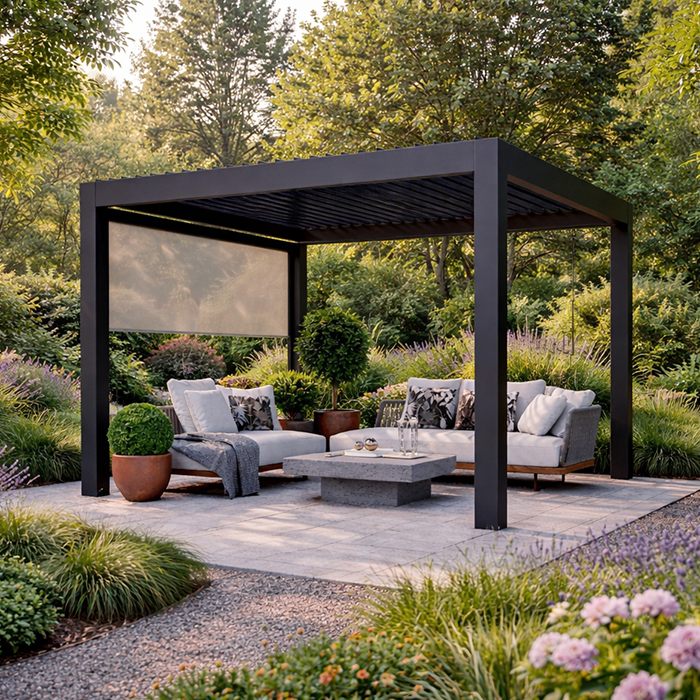
Comparison
What shapes ownership demands?
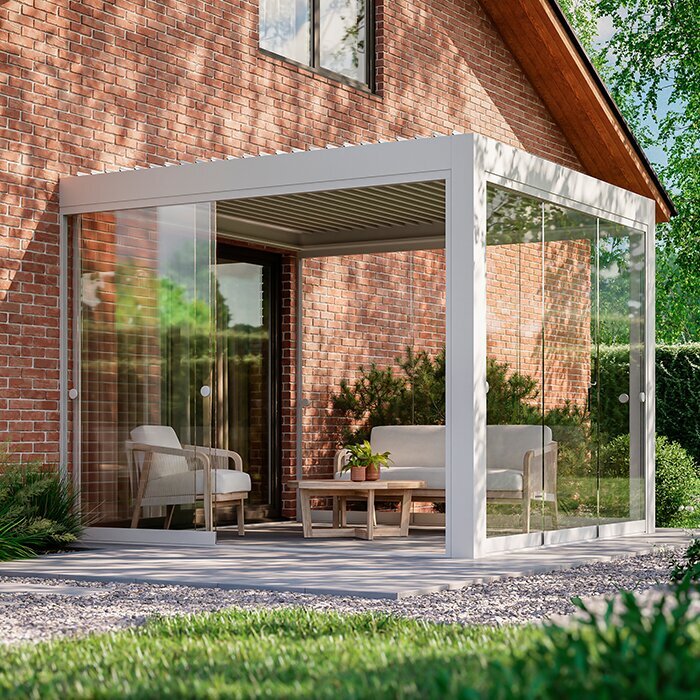
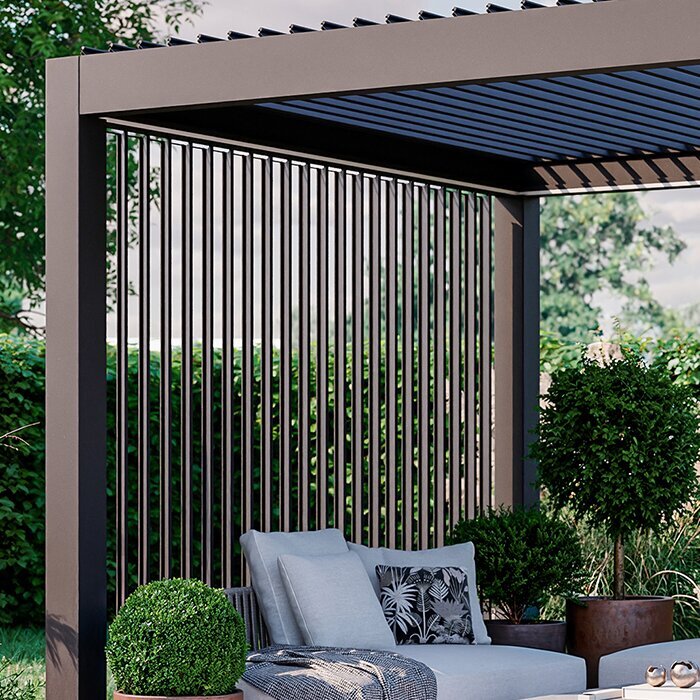
Use this comparison to frame a supplier discussion. It does not predict a fixed lifespan; it highlights the areas that can affect maintenance effort, service needs, and long-term cost for different pergola approaches.
| Decision factor | Bioclimatic pergola | Regular pergola |
|---|---|---|
| Roof complexity | Adjustable elements require operating care and periodic observation. | Typically fewer operational roof components to monitor. |
| Cleaning focus | Keep louvers, channels, seals, and accessible controls clear. | Focus on roof surfaces, channels, connections, and finish. |
| Service planning | Confirm support for roof hardware, controls, and replacement parts. | Confirm support for roof materials, fasteners, and drainage pieces. |
| Site suitability | Useful when adjustable shade and airflow are desired. | Useful when a simpler fixed outdoor cover suits habits. |
| Budget discussion | Include possible service for mechanical or electrical elements. | Include routine care and potential roof or hardware repairs. |
A five-step longevity plan
Treat longevity as a sequence of decisions, beginning before installation and continuing with simple, documented care. This approach helps turn a broad lifespan question into practical actions.
01
Assess the exposure
Record sun, tree cover, salt exposure, drainage, windblown debris, and access constraints. Share photographs and observations with the installer before selecting the configuration.
02
Match complexity to use
Decide whether adjustable roof features will be used often enough to justify their added care needs, controls, and future service considerations.
03
Confirm installation details
Discuss the foundation, anchoring, water path, electrical work if applicable, access for cleaning, and who is responsible for each stage.
04
Create a care routine
Schedule gentle cleaning and visual checks around local seasons. Include accessible gutters, outlets, roof elements, finish surfaces, and the ground near posts.
05
Keep a service file
Save manuals, configuration information, installation records, photos, cleaning notes, and service contacts. Good records make later troubleshooting and replacement-part requests much easier.
Questions to ask before you buy
Take these questions to a design consultation, site visit, or installer conversation. They focus on ownership realities rather than a generic promise about how long an aluminum pergola will last.
01. What site conditions could increase cleaning needs, including trees, coastal air, irrigation spray, or surrounding construction dust?
02. How will water leave the roof and move away from the posts, foundation, pathways, and nearby planting beds?
03. Which parts are fixed, which parts move, and what care or inspection does each component require?
04. What cleaning methods and products are appropriate for the selected aluminum finish and roof materials?
05. How are replacement components identified, ordered, and serviced if a seal, control, fastener, or roof element needs attention?
06. Who should inspect or repair drainage, roof hardware, controls, or electrical accessories when something appears unusual?
07. What documents will I receive and retain for installation, care instructions, configuration details, and future support?
08. Should I check with local authorities, my homeowners association, or my insurer before construction begins?
Frequently asked questions
Does aluminum itself rust?
Aluminum does not rust in the way untreated steel does, which is one reason it is widely used outdoors. However, an aluminum pergola still needs care. Surface deposits, scratches, drainage issues, incompatible cleaners, and surrounding environmental conditions can affect appearance and connections. Follow the specific care guidance for the finish and inspect the complete system, not just the frame.
How often should I clean an aluminum pergola?
The right interval depends on exposure rather than a universal calendar. A sheltered site may need light cleaning less often than a pergola beneath trees or near salt air, dust, or irrigation overspray. Check it regularly and clean visible deposits before they build up. Include accessible gutters and drainage outlets in the same routine.
Are bioclimatic pergolas harder to maintain?
They can require more attentive ownership because adjustable roofs add moving elements, seals, and sometimes controls. That does not make them unsuitable; it means their operation and cleaning should be part of the buying decision. Ask how the roof is maintained, what service support is available, and what should be done if movement changes.
Can I repair a damaged pergola component?
It depends on the component, the cause of damage, and the specific configuration. Some parts may be individually serviceable, while others require professional assessment to preserve alignment and safe operation. Keep product and installation records, take clear photos of the issue, and consult the appropriate service route rather than attempting an unapproved repair.
Do I need permits for an aluminum pergola?
Requirements can vary by jurisdiction, property type, dimensions, location, and whether the project includes electrical work or attachment to another structure. Check with the relevant local authority and review any homeowners association requirements before work begins. Your installer or qualified local professional may also help identify information needed for your specific project.
Should I notify my insurer?
Insurance treatment is policy-specific, so it is sensible to ask your insurer before installation if coverage is important to you. Explain the planned structure, location, and any electrical accessories, then request guidance in writing where appropriate. Do not assume a pergola is automatically covered, or that weather-related damage will be handled in a particular way.
Explore pergola options
Choose for care as well as appearance
An aluminum pergola can remain a valued part of an outdoor living area when its design suits the site and its care is treated as routine ownership. The frame, finish, drainage, roof elements, hardware, and optional controls each deserve a realistic plan. Small, regular checks are generally easier to manage than correcting neglected debris, stains, or operational issues later.
As you compare configurations, ask what you will need to clean, inspect, operate, and occasionally service—not only what the pergola looks like on installation day. Bloomcabin can help you explore designs with those ownership questions in mind, so your final choice supports the way you intend to use your outdoor space.
Compare pergola styles with a focus on site fit, roof complexity, maintenance access, and long-term ownership needs.
