
How Much Does a Greenhouse Cost in 2027? A Buyer’s Guide
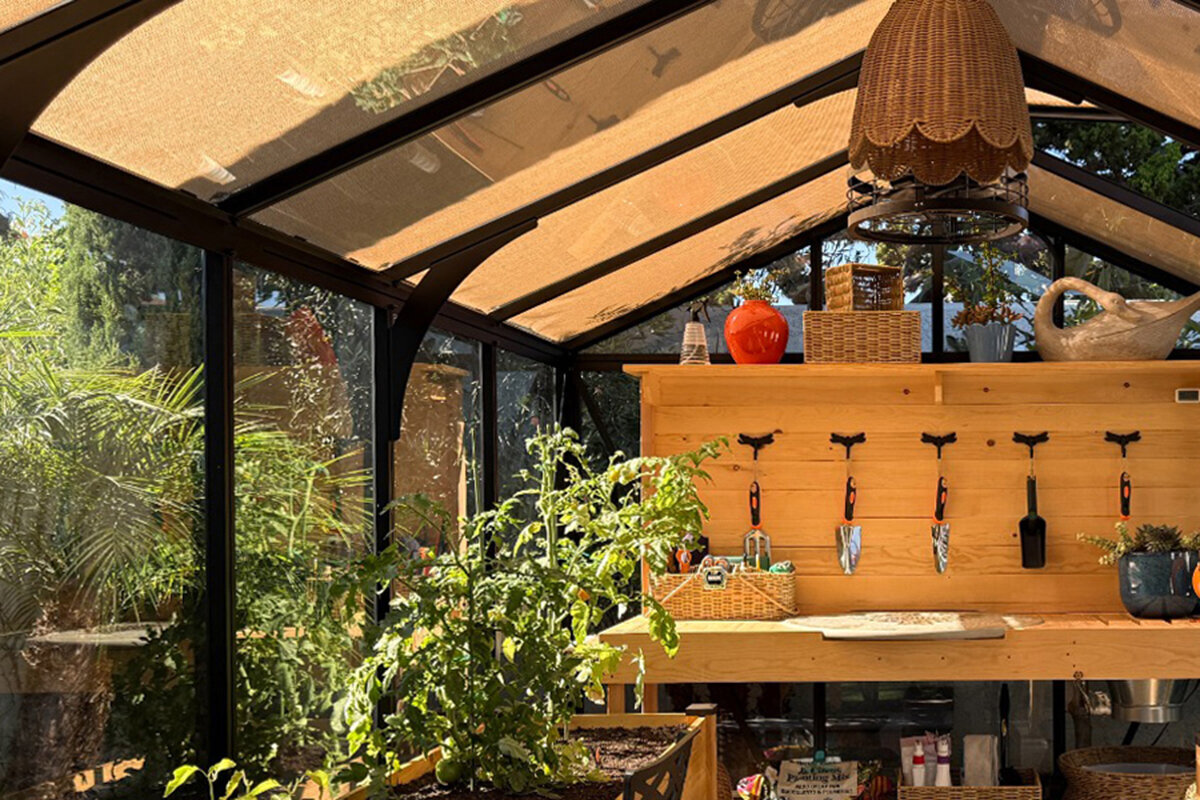
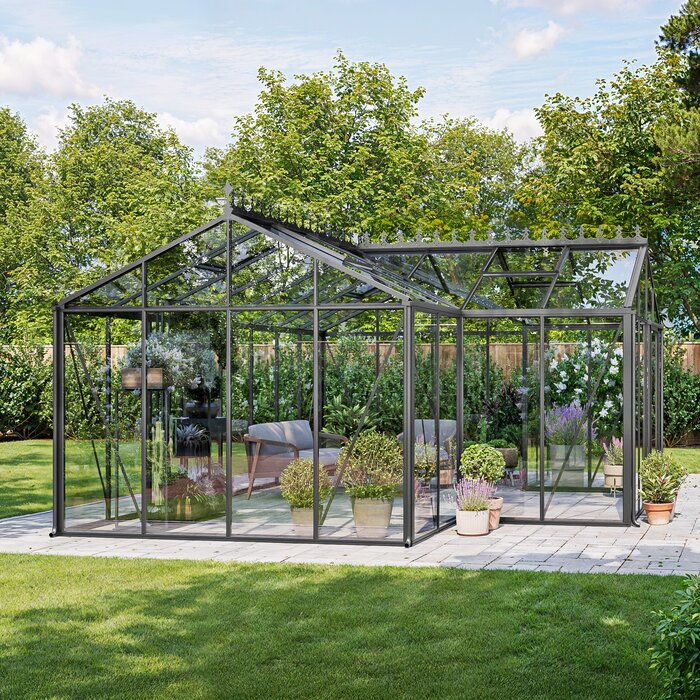
Greenhouse cost in 2027 depends on the structure you choose, but the complete budget also includes the site, foundation, climate control, accessories, delivery, and installation approach. A clear scope helps you compare quotations without overlooking the work that makes a greenhouse usable.
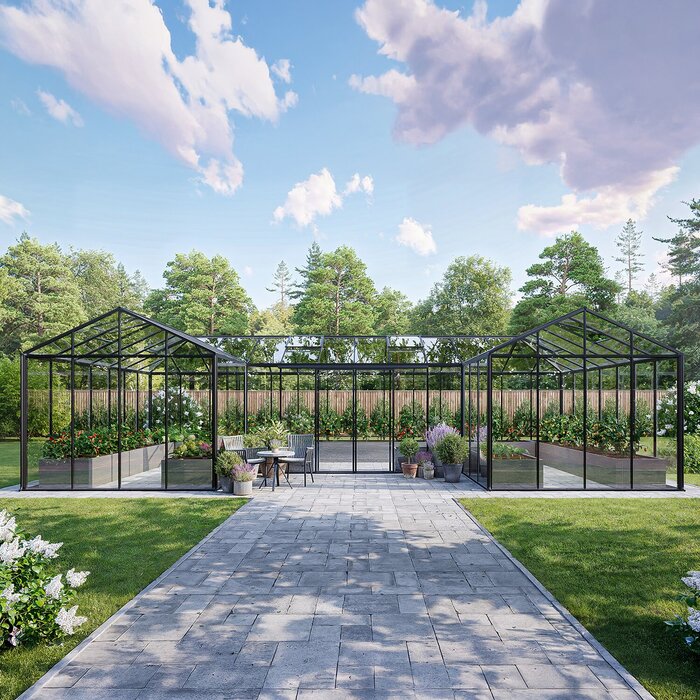
A greenhouse can be a compact place to start seedlings or a prominent garden room for year-round growing. Those goals lead to very different budgets. Before looking at any quotation, decide what you want to grow, how often you will use the space, and whether it needs to support shoulder-season or winter gardening in your local climate.
The most useful way to assess greenhouse prices is to separate the project into components. The frame and glazing are central, yet they are only part of the decision. Ground conditions, access, electrical work, ventilation, irrigation, interior layout, and professional labor can all change the total scope significantly.
For 2027, plan with flexibility rather than a single fixed number. Material availability, local labor, freight distance, and site complexity can vary. Ask suppliers to clarify what is included, then reserve room for the items that are commonly selected later, such as shelving, shading, heating, and a proper growing setup.
Budget foundation · 01
Separate the greenhouse from the full project
When comparing greenhouse prices, begin with a simple project worksheet. Put the greenhouse structure in one line and every enabling item in separate lines: base, delivery, assembly, utilities, interior fittings, and landscaping. This makes it easier to see whether two proposals describe the same job or whether one leaves important work for you to arrange later.
Avoid assuming that an advertised starting configuration matches your intended use. A greenhouse used for summer tomatoes may need a very different package than one intended for propagation, overwintering plants, or everyday garden-room use. Write down your must-haves before discussing finishes and accessories, so the budget follows the way you actually garden.
- Ask whether the quoted scope includes the frame, glazing, doors, roof vents, anchoring components, and any foundation interface details.
- Keep a separate contingency line for unknown ground conditions, utility trenching, access limitations, and finishing work around the completed base.
To establish a clear starting scope, explore a standard Classic greenhouse and identify the features that belong in your core budget.
Footprint and form · 02
Size changes more than material quantity
Greenhouse size affects much more than the amount of aluminum and glazing. A larger footprint may require a more substantial base, more site preparation, longer utility runs, and additional ventilation or shading. It can also change how materials reach the garden and whether there is enough clear working space for an installer to assemble safely and efficiently.
Choose size from your growing routine, not from empty floor area alone. Leave room for a central path, opening doors, benches, containers, and seasonal storage of supplies. A greenhouse that looks generous on a plan can feel crowded after trays, tools, and tall crops arrive, while an oversized design can increase project scope without solving a real need.
- Map benches, pathways, water access, and the door swing before selecting dimensions; circulation is often the first overlooked space requirement.
- Consider future use carefully, but do not automatically size up if added growing area would demand utilities or maintenance you do not want.
For a design that uses an existing façade as part of the setting, consider a full-size regular Lean-To greenhouse while assessing access, drainage, and wall-adjacent site work.
Glazing choices · 03
Match glazing to gardening priorities
Glazing affects appearance, light quality, cleaning routines, privacy, and seasonal comfort, so it deserves a dedicated conversation rather than a last-minute selection. Clear views may matter in a visible garden, while diffused light can suit certain growing plans. Consider what is behind and around the greenhouse, including reflected heat, neighboring views, deciduous shade, and the direction of strongest sun.
The frame-and-glazing system should be considered as a whole. Ask how the chosen panels, seals, vents, doors, and accessories work together in the selected configuration. Instead of treating glazing as a cosmetic line item, relate it to your intended crops, local exposure, desired maintenance level, and the visual relationship between the greenhouse and your home.
- Bring photos of the proposed location at different times of day to discuss sunlight, shadows, reflected glare, and privacy realistically.
- Ask for written clarity on glazing options and compatible accessories, especially when planning shelves, shade systems, or interior support fixtures.
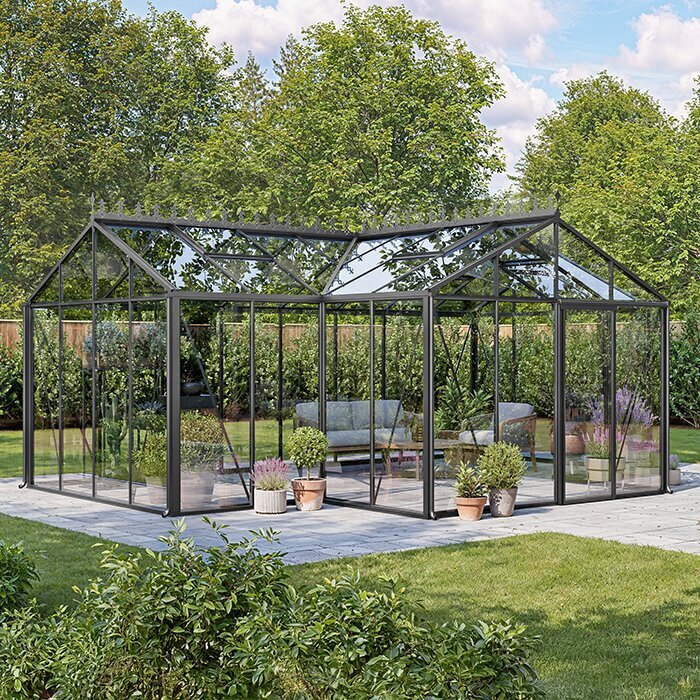
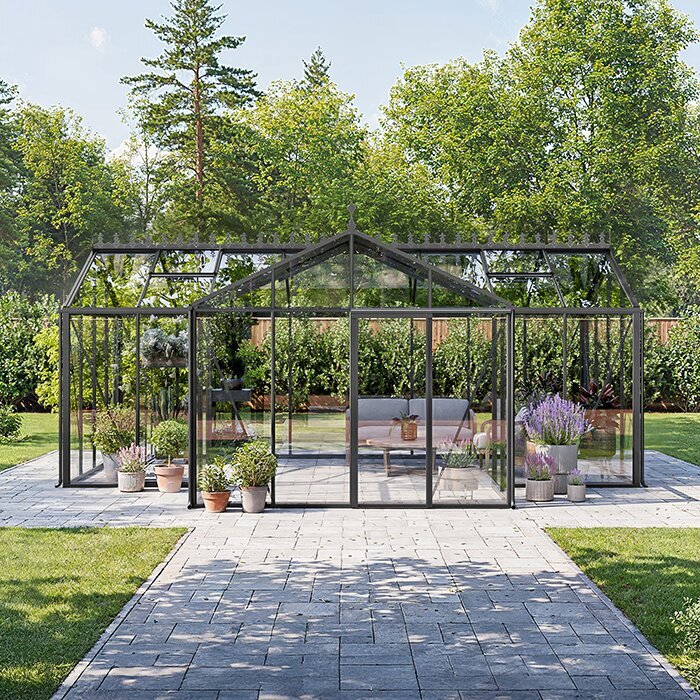
If you prefer a freestanding garden focal point, review a Classic greenhouse with standard proportions alongside the glazing options that suit your site.
Groundwork · 04
Plan the base, drainage, and access early
Site preparation is often where a greenhouse budget becomes either predictable or uncertain. The structure needs an appropriate, level support system, but the right approach depends on soil, slope, drainage patterns, frost conditions, and the manufacturer’s installation requirements. Existing patios are not automatically suitable, particularly if they are uneven, cracked, poorly drained, or too small for anchoring and circulation.
Walk the material route from curb to garden before making decisions. Gates, steps, narrow passages, mature trees, overhead lines, and soft ground can affect how components are handled and whether professional installation is practical. It is also wise to decide where runoff will go, so the finished greenhouse does not create pooling near a foundation, path, or neighboring property.
- Measure every access pinch point, including gates and turns, then note slopes, stairs, low branches, and surfaces that may be damaged.
- Consult an appropriate local contractor about base preparation and drainage where soil movement, water accumulation, or significant grading is a concern.
A wall-side site deserves special attention when planning a regular full-size Lean-To greenhouse because flashing, drainage, and access should be resolved before installation.
Seasonal equipment · 05
Budget for the conditions you want to create
A greenhouse extends possibility, but it does not create a uniform climate by itself. Ventilation, shading, airflow, and watering can be important even in warm months, while heating and monitoring become relevant if you hope to use the space through colder periods. The equipment list should follow your plants and local weather patterns, rather than an assumption that every greenhouse needs the same setup.
Think in systems. A heater without thoughtful ventilation or temperature monitoring may not support your intended routine; likewise, a water source without hoses, staging, and drainage can remain inconvenient. Prioritize the few additions that solve your primary gardening challenge first. Then leave physical room and electrical planning for later enhancements if your needs expand.
- List the crops and months you expect to use the greenhouse, then identify the temperature, light, airflow, and water challenges involved.
- Ask a qualified professional about electrical work and select equipment appropriate for greenhouse conditions, local codes, and manufacturer instructions.
A thoughtfully equipped standard Classic greenhouse for growing can provide a useful framework for staging, ventilation, and seasonal planting.
Installation choices · 06
Decide who will assemble and connect it
Installation costs depend on the selected greenhouse, site readiness, crew access, and the division of responsibilities. Some buyers prefer to manage assembly themselves, while others value a contractor or specialist installer for a complex site. Either route benefits from a written sequence: base completion, delivery coordination, component storage, assembly, anchoring, glazing, utilities, and final checks.
Do not confuse structural assembly with related trade work. An installer may not be the person who pours a base, runs electrical service, adjusts drainage, or completes landscaping. Ask each provider to state exactly what they will do and what must be ready beforehand. This reduces delays, duplicated work, and budget surprises caused by unclear handoffs.
- Request an itemized scope that distinguishes assembly from foundation work, electrical work, hauling, disposal, and site restoration.
- If assembling yourself, review the instructions, required tools, safe lifting needs, and suitable weather window before committing to the plan.
When comparing assembly approaches, examine the configuration of a full-size regular Lean-To greenhouse model and confirm which wall-side preparations remain your responsibility.
Quotations and timing · 07
Compare like for like before you commit
A useful quotation is specific enough to support decisions. It should identify the greenhouse configuration, selected glazing, included accessories, delivery assumptions, installation scope, and any stated exclusions. If a figure is unclear, ask for clarification rather than filling gaps with assumptions. The goal is not simply to find a lower total, but to understand the work and products represented by each total.
Timing affects planning even when no fixed schedule is promised. Site work may need to happen before delivery, and utility contractors may have separate availability. Build your sequence around prerequisites and seasonal gardening goals, while allowing for weather and local contractor coordination. Obtaining current quotations close to your decision date is more useful than relying on an old estimate.
- Use one comparison sheet for every proposal, with matching headings for structure, base, delivery, installation, utilities, accessories, exclusions, and assumptions.
- Confirm how long a quotation remains valid and ask what information could cause the scope to change before work begins.
For a comparable freestanding option, use a standard Classic greenhouse configuration as a reference point when listing included and excluded elements.
Ownership planning · 08
Consider maintenance, protection, and documentation
The long-term budget includes care as well as the initial project. Plan for routine cleaning, inspection of moving parts and seals, clearing debris around drainage routes, and seasonal checks before severe weather. Your local conditions, nearby trees, and gardening intensity will shape the maintenance routine. Keep product documents, installation records, and photographs of completed base and utility work in one accessible place.
Before purchase, check how a greenhouse may affect homeowner association requirements, local zoning or building review, and property insurance. Requirements and coverage can vary by location and policy, so seek guidance from the relevant authority or insurer rather than relying on general online advice. Review the applicable written warranty conditions and scope carefully before you finalize your decision.
- Create a seasonal inspection reminder for glazing, vents, doors, gutters or drainage channels, anchors, surrounding vegetation, and interior equipment.
- Save invoices, drawings, manuals, and correspondence; organized records are helpful when coordinating maintenance, alterations, insurance questions, or future garden work.
For a façade-integrated growing space, review a full-size regular Lean-To greenhouse option with the same care you would give to any home-adjacent outdoor improvement.
Comparison
What belongs in a greenhouse budget?
Use this comparison to distinguish core greenhouse decisions from site-dependent expenses. Every property is different, so treat it as a conversation guide for suppliers and local trades rather than a fixed pricing formula.
| Budget area | What to define | Why it changes the scope |
|---|---|---|
| Greenhouse structure | Footprint, frame style, doors, vents, glazing | Configuration determines the core product package and assembly complexity. |
| Foundation and base | Support type, level, anchoring, drainage | Soil, slope, frost, and existing surfaces influence required preparation. |
| Access and delivery | Route, storage area, gate widths, obstacles | Restricted access may change handling plans and labor needs. |
| Installation | Self-assembly or professional scope | Experience, site readiness, and complexity determine the appropriate approach. |
| Utilities | Water, power, drainage, lighting | Distance from services and local trade work affect planning. |
Structure first
Frame design, footprint, roof form, door configuration, and glazing choice establish the core greenhouse quotation and influence later foundation and installation decisions.
Site matters
A sloped yard, restricted side access, drainage concerns, or a new concrete base can materially expand the work beyond the greenhouse itself.
Operating plan
Heating, airflow, shading, water, power, benches, and growing media should be budgeted according to how early and late you intend to grow.
A practical greenhouse budgeting sequence
Work through the project in order. Early decisions about purpose and site conditions prevent expensive changes after the greenhouse configuration has already been selected.
01
Define the growing brief
List plants, expected season of use, preferred location, daily maintenance time, and whether the greenhouse should also function as a visible garden destination.
02
Survey the site
Measure the proposed footprint, access route, slopes, sunlight, nearby trees, drainage direction, and distance to water and electrical service.
03
Choose the core configuration
Select a form and size that fit circulation needs, then compare glazing, doors, vents, and accessories against your actual gardening priorities.
04
Obtain scoped quotations
Request current, itemized information for the greenhouse and every outside service. Mark assumptions, exclusions, and work you will complete yourself.
05
Set the installation order
Schedule base, utilities, delivery coordination, assembly, and landscape finishing in a logical order, leaving room for weather and trade coordination.
Questions to answer before requesting a quote
Bring this checklist to supplier and contractor conversations. Clear answers make it easier to compare greenhouse proposals fairly and avoid unplanned scope.
01. What plants will be grown, and during which months do you expect to use the greenhouse?
02. Is the selected footprint large enough for paths, benches, door clearance, and daily working room?
03. What kind of level base and anchoring arrangement does the chosen configuration require?
04. Where will rainwater drain, and could nearby grades direct water toward the structure or home?
05. Can all components travel from the delivery point to the final location without unsafe lifting or property damage?
06. Which ventilation, shading, watering, heating, and monitoring items are essential at the start?
07. Who is responsible for foundation work, assembly, electrical connections, drainage, and cleanup after installation?
08. Have you checked relevant local review requirements, homeowner association rules, and your insurance policy details?
Greenhouse cost 2027: common questions
What is the biggest factor in greenhouse cost?
The greenhouse configuration is central, but the biggest budget driver is often the combination of size, site conditions, and intended level of use. A larger or more complex structure may require more groundwork, access planning, assembly labor, and climate equipment. Compare the complete project scope rather than isolating the structure.
Should I budget for a foundation separately?
Usually, yes. Treat the base as its own project line until a qualified local provider or the installation guidance confirms what is needed for your specific site. Soil, grade, drainage, frost conditions, existing paving, and anchoring requirements can all affect the appropriate solution and the related labor.
Do greenhouse prices include installation?
Not necessarily. Suppliers and installers may define their services differently, particularly for delivery, base preparation, utility connections, glazing, anchoring, and cleanup. Ask for an itemized written scope and identify exclusions. That is the clearest way to determine whether two greenhouse quotations are genuinely comparable.
Which accessories should I prioritize first?
Prioritize accessories that solve your main gardening constraint. For many owners, that starts with practical ventilation, water access, working surfaces, and a layout that supports daily care. If you plan cold-season use, discuss heating, monitoring, and electrical needs early, then phase optional enhancements as your routine develops.
Do I need to check permits or insurance?
It is sensible to check before purchase. Local rules, homeowner association requirements, and insurance policies can differ widely by location and project details. Contact the relevant local authority, association, and insurer for guidance on your property. Keep the answers and project documents with your greenhouse records.
How can I avoid budget surprises?
Create one written worksheet covering the greenhouse, base, access, utilities, equipment, installation, and landscape finishing. Request current quotations with assumptions and exclusions clearly stated. Visit the site with contractors when possible, and hold a contingency for conditions that cannot be confirmed until preparation begins.
Start your greenhouse plan
Plan the project, then choose the greenhouse
A well-planned greenhouse budget is less about chasing a single price and more about defining a complete, workable garden project. Start with the plants, the site, and your preferred season of use. From there, choose a configuration and accessories that support those priorities without obscuring the groundwork and installation decisions behind them.
Bloomcabin can help you explore greenhouse styles as you build your comparison list. Bring measured site information and a clear growing brief to the conversation, ask for a current scope, and verify local planning, utility, and insurance considerations before making the final commitment.
Explore configurations with your site, growing goals, and complete project scope in mind.
