
How Much Produce Can a Greenhouse Generate per Square Metre?
GREENHOUSE PLANNING REPORT
Greenhouse Yield per Square Metre: Plan the Space Before You Plant
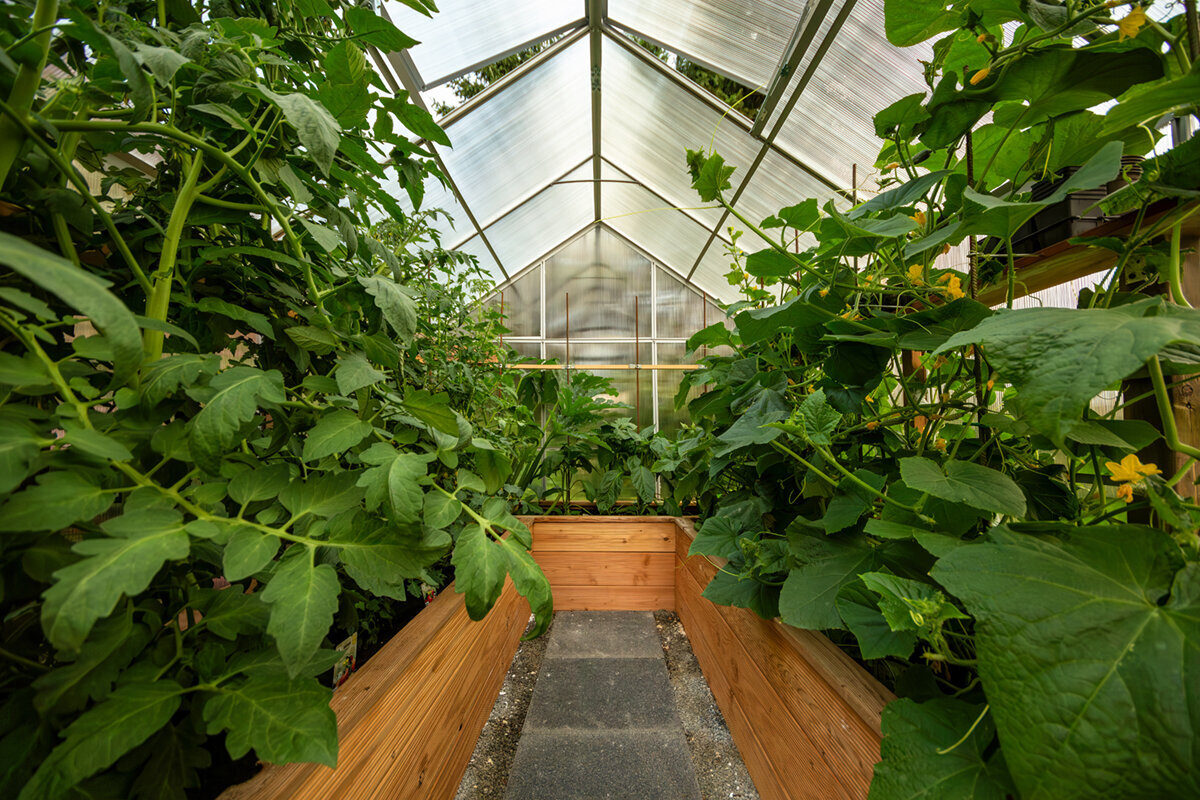
A greenhouse can turn a compact growing area into a remarkably useful source of fresh food, but its output cannot be reduced to one universal number. Greenhouse yield per square metre depends on crop choice, spacing, season length, care routines, and how well every part of the layout earns its place.
The short answer
There is no reliable single figure for greenhouse yield per square metre. Production varies widely by crop, variety, planting density, daylight, temperature management, watering, nutrition, pest pressure, and the number of planting cycles you complete. A well-used greenhouse can extend the useful growing calendar, but it does not make every square metre equally productive.
For practical planning, separate the greenhouse into growing zones and service zones. Estimate output crop by crop, based on the number of plants you can tend comfortably and the harvest pattern your kitchen needs. Review the plan after a season: empty corners, overcrowded plants, and missed sowing windows are the clearest evidence for refinement.
01
Crop choice
Fast leafy crops, climbing fruiting plants, and propagation trays use space in very different ways and should not be judged by one yield measure.
02
Usable layout
Paths, doors, benches, water access, and working room reduce planted area but often improve plant care and total harvest quality.
03
Seasonal rhythm
Succession sowing and prompt replanting can keep a greenhouse active longer than a single spring planting, provided conditions suit each crop.
A productive greenhouse is organized around light, access, timing, and the crops your household will actually use.
People often begin with footprint: how much produce can fit inside a greenhouse of a certain size? Footprint matters, yet it is only the starting point. A wide path, a potting zone, tall trellised crops, and a place for watering equipment all affect growing area. The better question is how much of the available space can support healthy, well-managed plants over the course of the season.
Yield also changes with the kind of harvest you value. A few tomato plants may provide a long, abundant picking season, while salad leaves offer frequent smaller cuts. Herbs, peppers, cucumbers, seedlings, and tender crops each occupy space differently. A greenhouse that feels highly productive for one household may be poorly matched to another household’s cooking habits and gardening time.
Use square metre yield as a planning lens rather than a promise. It helps you compare layouts, test crop combinations, and decide whether a greenhouse will serve your aims. Start with the crops you want most, then design the beds, benches, supports, ventilation habits, and access around those crops. The result is more useful than chasing an abstract maximum.
Inspection 01 · INSPECTION 01
Measure usable growing space
Begin by measuring the space you can genuinely cultivate, not simply the exterior footprint. Leave enough room to enter with tools, carry trays, water plants, and inspect leaves without brushing through them. A narrow central route can be efficient, while generous access around a bench can make sense for intensive seed starting. The ideal arrangement is the one that lets you reach every plant routinely and safely.
Think vertically as well as horizontally. Shelves can hold propagation trays and small pots; hooks and supports can guide climbing crops upward; lower areas may suit compact containers. Vertical growing works only when lower plants still receive adequate light and air movement. Avoid filling every open surface at once. Productive space must remain workable, because neglected plants rapidly erase the advantage of a dense layout. Before committing crops to a bed or bench, stand at the doorway and rehearse routine tasks. If carrying a watering can or harvest basket feels awkward, revise the layout before plants fill it.
- Sketch the door swing, access route, benches, beds, and storage before assigning crops to individual positions.
- Reserve a small clear landing area for harvest baskets, watering cans, trays, and routine maintenance tasks.
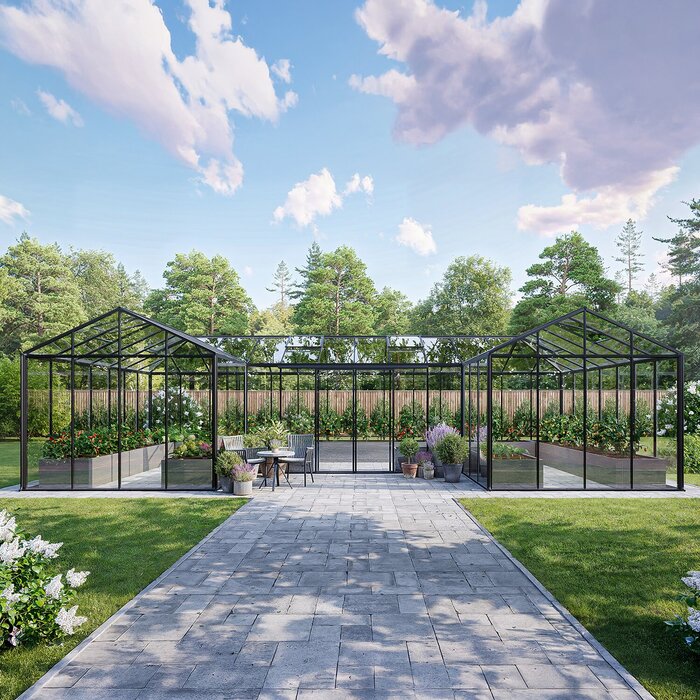
For a freestanding layout with room to shape around your routines, explore a standard Classic greenhouse and map the interior before choosing crops.
Inspection 02 · INSPECTION 02
Match crops to the greenhouse
Crop selection is the largest influence on greenhouse productivity. Fruiting plants such as tomatoes, cucumbers, and peppers can occupy a position for a long period, while radishes, lettuce, Asian greens, and herbs can be sown repeatedly. Neither strategy is automatically better. The useful mix reflects what you eat, your local growing conditions, and the attention you can give plants during the busiest weeks.
Group crops by their practical needs rather than by appearance. Tall plants can cast shade; trailing foliage can restrict paths; thirsty containers can make irrigation uneven. Place vigorous climbers where they can be trained without blocking vents or access. Use lower, quick crops in brighter gaps early in the season, then replace them when larger plants need the room. This staged approach helps a modest footprint work harder. Keep a small margin between different crop groups when possible. It makes it easier to notice changing moisture needs, isolate a problem plant, and adjust supports without disturbing the entire planting.
- Choose a small core of regularly used crops before adding novelty varieties that may consume valuable room.
- Keep tall crops on a planned support line so shading and harvesting do not disrupt neighboring plantings.
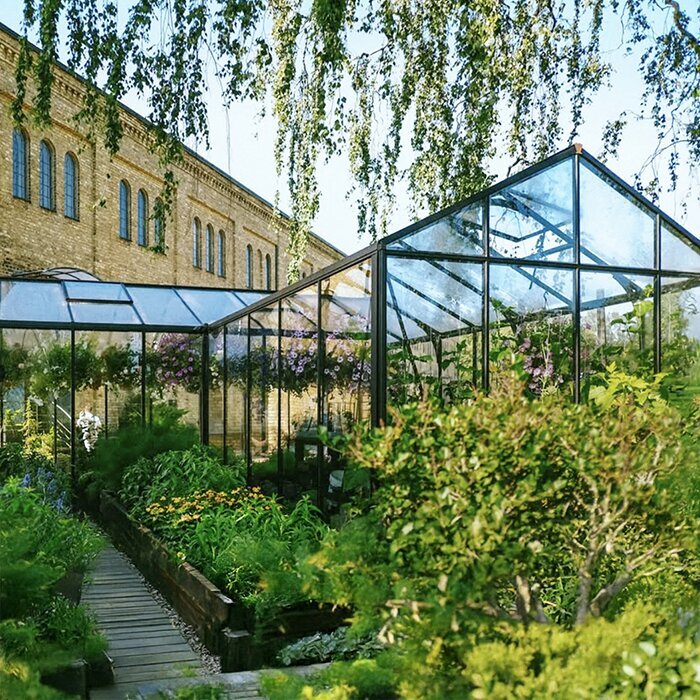
If a wall-side position suits your garden, a full-size regular Lean-To greenhouse can help organize crops around a defined growing wall.
Inspection 03 · INSPECTION 03
Give plants their proper spacing
Crowding can look productive at planting time, yet it often leads to shaded leaves, restricted air circulation, difficult watering, and awkward harvesting. Follow spacing guidance for the crop and variety you select, then allow for the mature plant rather than the young plug. Trellised plants may be trained more narrowly, but their foliage and roots still require attention. Good spacing is an investment in plant health and easier routine care.
Spacing also changes between beds, containers, and benches. Containers let you move plants and test combinations, but each pot needs enough root volume and access to water. Beds can use ground efficiently, although plants become harder to reposition if a plan is wrong. In either system, label new plantings and note their final spread. Those observations will improve next year’s greenhouse plan far more than a generic density chart. Use removable labels to mark sowing dates and expected removal periods near each crop. Visible reminders help prevent a finished planting from occupying space simply because its next use was not planned.
- Avoid placing containers so closely that you cannot check soil moisture or remove spent leaves comfortably.
- Record which plants outgrow their allotted space; mature size is the most useful guide for future spacing.
A thoughtfully proportioned standard Classic greenhouse for spaced planting gives you a clear framework for beds, pots, and access.
Inspection 04 · INSPECTION 04
Build a seasonal growing calendar
The most productive greenhouse is rarely planted once and left unchanged. A calendar helps you use early-season space for seedlings and cool-weather crops, then transition into summer fruiting plants and later sowings. Timing will differ by local climate, weather, and whether the greenhouse is heated, so use local extension guidance and your own observations rather than copying a fixed schedule from another region.
Succession sowing is especially useful for crops harvested young or repeatedly. Instead of planting all salad greens at once, sow manageable amounts at intervals. Once a quick crop finishes, clear it promptly, refresh the surface if needed, and decide what follows. Keep a simple notebook of sowing dates, transplant dates, first harvests, and gaps. It reveals whether low output came from space limits or missed timing. Observe light after nearby vegetation has leafed out as well as during cooler parts of the year. A location that appears bright early in the season may receive very different shade later on.
- Schedule replacement crops before a bed or bench becomes vacant, especially during the active growing season.
- Plan shoulder-season crops around the shade and root competition created by established summer plants.
For a garden plan that follows the rhythm of a sunny exterior wall, consider a full-size regular Lean-To greenhouse for seasonal growing as part of the calendar.
Inspection 05 · INSPECTION 05
Use light without creating shade
Light is a fixed resource that your layout can either protect or waste. Observe where direct sun falls at different times of day and how nearby trees, fences, or buildings affect it through the seasons. Inside, tall crops, stored pots, and opaque accessories can cast meaningful shade. Place the plants with the highest light demand where exposure is strongest, while using less intense locations for seedlings, herbs, or temporary holding.
Clean, orderly growing areas make light management easier. Remove tired foliage, train stems before they collapse across neighbors, and avoid letting empty pots accumulate on benches. Reflective surfaces may brighten an area, but they are not a substitute for suitable siting and plant selection. Watch plants for uneven growth and rotate movable containers where appropriate. A repeated pattern of stretching or weak growth is useful evidence that the layout needs adjustment. Make routine checks easier by storing frequently used tools where they can be reached without leaning over foliage. A clear, repeatable care route can reveal problems before they affect neighboring plants.
- Check sun angles in spring, summer, and fall because surrounding shade can change substantially across the year.
- Position tall supports so they do not turn the most valuable central growing area into permanent shade.
A standard Classic greenhouse with flexible interior space makes it easier to adapt plant positions as seasonal light shifts.
Inspection 06 · INSPECTION 06
Manage water, air, and daily care
High output relies on ordinary habits completed consistently. Watering, ventilation, training, harvesting, cleaning, and pest checks all become easier when the greenhouse is arranged for them. Put water where it can be used without dragging hoses across plants. Keep vents, doors, and circulation areas clear. If daily care feels inconvenient, it is more likely to be postponed precisely when plants are growing fastest.
Do not treat a greenhouse as a sealed shortcut to bigger harvests. Temperature and humidity can change quickly, and plants respond differently to heat, cool nights, and moisture in the air. Check conditions often enough to learn the pattern in your own space. Address issues early: remove damaged material, improve spacing, adjust watering practices, and seek locally appropriate horticultural advice when a disease or pest problem persists. When harvests overlap, decide in advance how surplus produce will be used, shared, or preserved. This helps you choose planting intervals that suit your household rather than creating avoidable waste.
- Arrange high-maintenance crops nearest the route you naturally use, so inspection becomes part of the daily routine.
- Keep a small sanitation kit nearby for pruning, tying, cleanup, and removing plant material promptly.
A full-size regular Lean-To greenhouse near the house may make regular checks and quick harvesting easier to build into daily life.
Inspection 07 · INSPECTION 07
Plan for harvest, not just planting
A full greenhouse is not necessarily a useful greenhouse if harvests arrive all at once or exceed what you can use. Plan backward from meals, preserving habits, and the people you may share with. Several smaller plantings can offer a steadier stream of leaves and herbs, while a limited number of fruiting plants may be easier to support, prune, and pick than an overcrowded collection.
Harvesting itself can influence continued production. Pick crops at the appropriate stage, remove overripe fruit, and clear finished plants when they no longer justify their space. Keep records that are specific enough to act on: which varieties were worth repeating, which produced during your preferred window, and which demanded more care than they returned. Over time, this creates a realistic household definition of greenhouse productivity.
- Set a harvest target by household use, such as weekly salads or regular cooking herbs, rather than maximum volume.
- Note gluts and shortages separately; both show where crop numbers or sowing intervals should change.
A standard Classic greenhouse for kitchen crops can be planned around the harvests your household genuinely enjoys using.
Inspection 08 · INSPECTION 08
Review results and refine the plan
Your first growing plan should be treated as a working draft. At the end of each season, review where plants thrived, which areas stayed empty, when access became difficult, and which tasks took more time than expected. Compare your notes with your original aims. Perhaps the greenhouse excelled at starting plants but not at summer tomatoes, or perhaps a compact herb bench proved more valuable than extra containers.
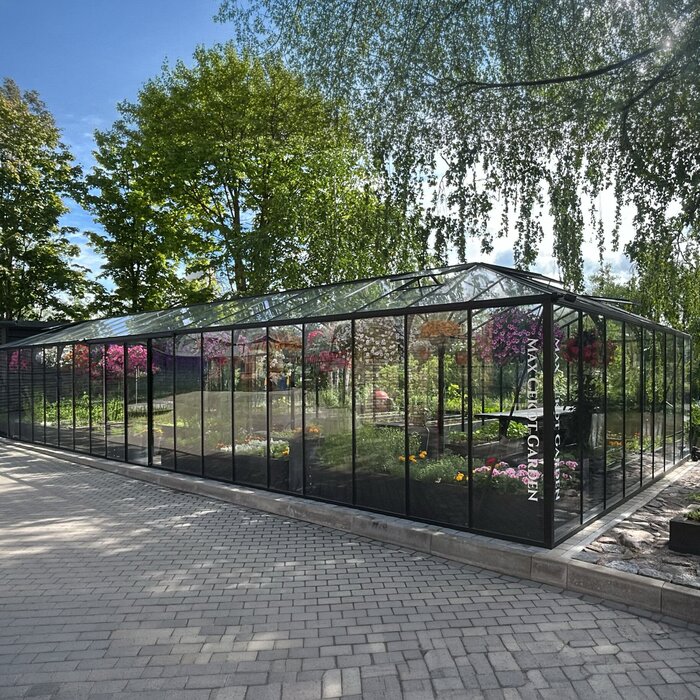
When selecting a greenhouse, choose for the growing pattern you expect to sustain, not only for a single peak-season image. Consider siting, access, the role of storage, the crops you want to grow, and room for future experimentation. Local requirements can affect location and installation, so check with the relevant local government or building department before proceeding. A current quote is the right place to confirm the configuration that suits your plan.
- Photograph the interior at several points during the season to identify bottlenecks, shade, and unused space.
- Change one or two elements at a time, making it easier to understand which adjustment improved the growing system.
When your plan calls for a wall-based growing area, review the full-size regular Lean-To greenhouse options alongside your site measurements and daily access needs.
Comparison
Space-use approaches compared
Different growing systems can all be productive when they suit the crop and the gardener. Compare them by access, timing, and care requirements rather than assuming one arrangement produces more in every greenhouse.
| Approach | Best suited to | Space advantage |
|---|---|---|
| In-ground beds | Long-season roots and fruiting crops | Uses continuous soil area efficiently |
| Raised benches | Seedlings, herbs, and small containers | Brings plants closer for regular care |
| Containers | Flexible crop trials and tender plants | Can be moved as light changes |
| Vertical supports | Climbing and indeterminate crops | Uses height while preserving paths |
| Succession sowing | Leaves and quick crops | Reuses cleared areas through seasons |
A practical yield-planning method
Use this short process to turn a broad idea of productivity into a greenhouse plan that can be observed, adjusted, and repeated.
01
List priority harvests
Write down the crops your household buys, cooks, or preserves most often. Limit the first plan to a manageable core.
02
Map the interior
Mark paths, doors, supports, benches, water access, and the brightest positions. Identify usable growing zones before counting plants.
03
Assign mature spacing
Place each crop according to its eventual spread, root needs, and support requirements. Leave room for inspection and harvesting.
04
Add sowing windows
Schedule early, main-season, and follow-up crops. Include likely removal dates so replacement planting does not become an afterthought.
05
Review with notes
Track harvest timing, crowding, shade, and care time. Use those records to improve the next season rather than guessing.
Before you judge greenhouse productivity
A useful review looks beyond harvest weight. Check whether the greenhouse supports healthy plants, manageable routines, and the food you actually want to grow.
01. Measure planting zones separately from paths, potting areas, door clearance, and places needed for watering equipment.
02. Choose crops based on household use, available light, and the time you can consistently devote to care.
03. Confirm mature plant spacing before transplanting, especially for vigorous climbing and fruiting varieties.
04. Plan vertical supports early so stems, foliage, and harvesting access remain organized through the season.
05. Use a simple calendar for sowing, transplanting, clearing, and replacement crops across your local growing conditions.
06. Inspect light patterns regularly and move containers or revise crop locations when repeated shading appears.
07. Keep watering and ventilation tasks convenient enough to complete during busy days, not only ideal ones.
08. Review notes and photographs after harvests to identify useful changes for the following growing cycle.
Frequently asked questions
What does greenhouse yield per square metre really measure?
It is a way to think about how effectively a growing area is used, not a promised output figure. It should account for crop type, planted area, season length, and harvest pattern. For household growers, regular usable harvests and healthy plants are often more meaningful measures than a single total.
Should I plant every available area?
No. Packing every surface with plants can reduce access, air movement, light, and the ability to water or inspect crops properly. Paths and work zones do not directly produce food, but they support the care that makes growing areas productive. Aim for intentional use, not visual fullness.
Which crops make best use of greenhouse space?
The best crops are the ones that suit your conditions and household needs. Climbers can make effective use of height, while leafy crops and herbs can fit into shorter cycles. Consider care demands as well as space: an easy-to-manage crop may provide more practical value than a demanding one.
Can vertical growing increase output?
It can help you use height for suitable climbing crops or lightweight trays, but it requires thoughtful support, adequate light, and continued access. Vertical systems can create shade below them, so pair them with crops that tolerate their position. Avoid obstructing routes, doors, or ventilation areas.
How often should I change my greenhouse plan?
Review it during the season and make larger adjustments after you have notes from a full cycle. Small changes, such as moving a bench or reducing one crop, are easier to evaluate than rebuilding everything at once. Weather, crop varieties, and household habits can all justify refinement.
Do I need approval before installing a greenhouse?
Requirements can vary by location, property conditions, size, placement, and local rules. Check with the relevant local government or building department before installation, particularly if the structure will be near boundaries or another building. If property insurance is a concern, ask your insurer how a greenhouse may affect your policy.
Explore greenhouse formats
Make each square metre purposeful
The most useful answer to how much produce a greenhouse can generate is not a universal number. It is a plan that matches crops to light, gives plants mature spacing, keeps daily care straightforward, and replaces finished crops at the right time. That approach creates a better-organized, less wasteful growing space.
Start with the harvests you value, measure the space you can truly manage, and keep records through the season. Bloomcabin can help you explore greenhouse formats that fit your garden layout, while your own observations will shape the productive interior plan.
Choose a layout that supports your crop plan, access needs, and growing routine.
