
How to Clean and Maintain an Aluminum Pergola: An Annual Schedule

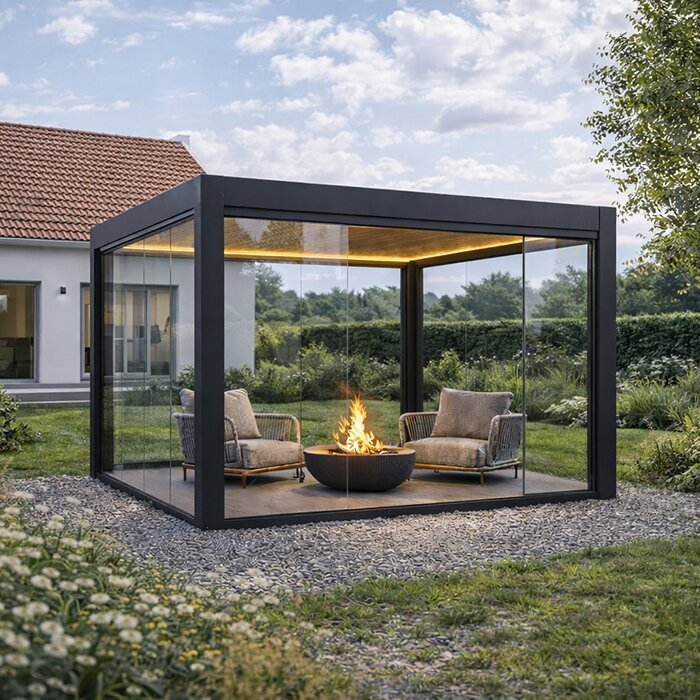
Knowing how to clean and maintain an aluminum pergola is less about intensive upkeep than steady attention. A gentle wash, clear drainage paths, and timely inspections help you notice small issues before they affect the comfort and appearance of your patio.
Aluminum is well suited to outdoor living, but it still collects the evidence of its setting: pollen in spring, dust after dry spells, leaf debris in fall, and residue from nearby trees or cooking. An annual schedule makes those jobs manageable. Instead of waiting until the pergola looks neglected, divide care into short seasonal tasks that protect finishes, drainage, and the area beneath the roof.
Start with the product documentation for your particular pergola. Roof style, optional screens, lighting, and adjacent structures can all change the right cleaning approach. Use mild products first, avoid abrasive tools, and work from the highest accessible surfaces downward. If you find a damaged component, persistent leak, or moving part that does not operate normally, pause rather than forcing it.
This guide is designed as a practical homeowner routine, not a substitute for installation instructions or professional service where needed. It covers what to look for throughout the year, how to clean without creating unnecessary wear, and how to prepare the space for changing weather. Keep a short record of what you inspect and when, especially after unusual conditions.
Start correctly · 01
Know your pergola before you clean
Before bringing out a hose or cleaner, identify the surfaces and features on your pergola. Note where water enters channels, where it exits, and which areas can safely be reached from the ground. Read the care guidance supplied for the finish, roof mechanism, accessories, and any integrated electrical elements. A simple walk-around in daylight gives you a useful baseline for future inspections.
Choose a calm, dry day for routine cleaning. Move cushions, planters, portable heaters, and delicate décor out of the work area. Cover or relocate items that could be marked by runoff. If you use a ladder, follow safe ladder practice and avoid leaning it against components not intended to carry that load. Do not climb onto the roof unless the product guidance specifically allows it.
- Photograph the frame, joints, drainage points, and roof condition when new; later comparisons make gradual changes easier to spot.
- Keep the installation paperwork and product care instructions together with notes on cleaning dates, repairs, and service contacts.
If your roof includes adjustable elements, review the care details for a bioclimatic aluminum pergola before cleaning near its moving components.
Gentle cleaning · 02
Wash aluminum without dulling its finish
For ordinary dirt, begin with a low-pressure rinse to soften dust and remove loose debris. Wash small sections using clean water, a mild pH-neutral cleaner, and a soft microfiber cloth, sponge, or soft-bristled brush. Rinse each section before it dries, particularly in warm sun. This approach is usually more effective than allowing grime to build up and then trying to remove it with aggressive products.
Avoid scouring pads, abrasive powders, strong solvents, and tools that can scratch coated surfaces. Do not direct a high-pressure stream into joints, seals, channels, light fittings, or roof mechanisms. Test any unfamiliar cleaner on an inconspicuous spot only if the product guidance permits it. Tree sap, bird residue, and sunscreen marks are best dealt with promptly using gentle, repeated cleaning rather than force.
- Use separate cloths for frame surfaces and greasy cooking-area residue, preventing oils from being spread across clean aluminum.
- Rinse from upper members toward posts and paving, then check that wash water has not carried debris into drainage openings.
For straightforward fixed-roof care, explore the options within a regular aluminum pergola range and compare its surface layout with your own.
Water management · 03
Make roof drainage a year-round priority
Drainage is easy to overlook because much of it is integrated into the structure. Yet leaves, needles, roof grit, and nesting material can gather at channels and outlet points. During every seasonal walk-around, remove visible debris by hand or with a soft brush. Then observe where clean water travels during a gentle rinse, without putting hands or tools into inaccessible enclosed sections.
Look beyond the pergola itself. Splashback, standing water, or soil washed against a post may signal a patio-slope or landscape issue worth investigating. Keep nearby plants trimmed enough that branches do not continually deposit debris across the roof. If water appears where it should not, or a channel repeatedly overflows despite accessible cleaning, contact the installer or appropriate service provider rather than attempting disassembly yourself.
- Clear leaves after storms and during heavy leaf drop, rather than waiting for one large end-of-season cleanout.
- Check outlets from ground level for free flow and make a note of any recurring drips, staining, or overflow.
A roof with operational features deserves a drainage routine tailored to a bioclimatic pergola roof system and its documented care instructions.
Spring · 04
Reset the structure after winter
Spring is the best time for a fuller clean because winter weather can leave fine dirt in corners and debris around the roofline. Begin with a visual inspection of posts, beams, accessible fasteners, seals, and drainage outlets. Look for scratches, chips, loose-looking trim, staining, or accumulated material. Clean after the inspection so you can distinguish ordinary dirt from marks that may need follow-up.
Pay attention to the setting as well as the pergola. Sweep paving, remove wet leaves from around post bases, and check that edging, gravel, or mulch has not shifted against drainage paths. If vines or climbing plants grow nearby, guide them away from moving parts and channels. Spring is also a good moment to review how furniture placement affects access for future cleaning.
- Open and close operable features only as instructed, listening for unfamiliar sounds or noticing movement that differs from normal operation.
- Inspect accessory attachments and visible cables carefully; seek qualified help for electrical concerns rather than washing around them indiscriminately.
When planning an easy-care patio layout, consider the clear access around a traditional aluminum pergola for cleaning posts, edges, and paving.
Summer · 05
Handle pollen, heat, and daily use
Summer maintenance is mostly light, frequent attention. Pollen can form a stubborn film, while bird residue and food splashes can become harder to remove when baked by the sun. Rinse or wipe affected areas before marks set. Clean in the cooler part of the day when possible, using plenty of water for rinsing and avoiding a cleaner that dries quickly on warm aluminum.
Frequent use also reveals practical issues. Check whether outdoor rugs hold moisture against the patio, whether planters are obstructing posts or outlets, and whether furniture makes it difficult to reach cleaning zones. Keep barbecue smoke and grease away from the frame where practical. After gatherings, a brief wipe-down and sweep prevent small spills or debris from becoming a larger weekend task.
- Shake out or move nearby textiles before washing, so pollen and leaves do not immediately return to freshly cleaned surfaces.
- Trim overhanging growth gradually and safely, keeping branches from rubbing against the pergola in breezy weather.
For patios with adjustable shade and airflow features, routine observation is especially useful on a bioclimatic louvered pergola throughout the active season.
Fall · 06
Stay ahead of leaf and needle buildup
Fall is often the busiest maintenance period because windblown leaves can collect faster than expected. Make drainage checks part of your regular yard routine, especially where mature trees, conifers, or neighboring vegetation are close by. A soft brush and a careful ground-level inspection are often enough to keep accessible areas tidy. Do not push compacted debris farther into channels or openings.
Use this season to inspect the finish closely while the weather is still workable. Look along edges, corners, and areas behind furniture for marks hidden during summer use. Clean organic residue away rather than leaving it through wetter months. If touch-up, adjustment, or replacement is recommended in your product documentation, arrange appropriate advice before winter conditions make access less convenient.
- Remove leaf piles from roof-adjacent areas and patio corners, where they can hold moisture and conceal drainage behavior.
- Reposition seasonal planters so water outlets, post bases, and inspection areas remain visible and easy to reach.
If you favor a simple, fixed outdoor cover, autumn care remains straightforward with a classic regular pergola and its accessible perimeter.
Winter readiness · 07
Prepare for cold, wind, and storms
Before the more severe part of winter, complete a calm-weather inspection and remove debris from accessible drainage areas. Secure or store loose furnishings that could strike the frame in high winds. Check surrounding trees for dead or overextended branches, using a qualified tree professional where appropriate. Follow the operating guidance for your exact roof and accessories during changing weather; do not assume one setup suits every condition.
After a significant storm, assess the pergola from the ground before resuming normal use. Look for fallen branches, displaced accessories, unusual marks, pooled water, or anything that appears bent or loose. Avoid operating a roof or screen if debris may be interfering with it. Document visible concerns with photographs and seek informed support instead of making a forceful adjustment.
- Keep a clear path around the structure so you can inspect posts, drainage exits, and patio surfaces without climbing over stored items.
- Never chip ice from coated aluminum with metal tools; allow safe thawing or follow the product-specific guidance.
Owners of a regular fixed-roof pergola should still review seasonal operating and cleaning guidance before winter weather arrives.
When something changes · 08
Recognize maintenance issues early
Routine care helps you notice a change, but it does not mean every issue has a do-it-yourself fix. Repeated overflow, a persistent drip, damaged finish, loose trim, or resistance in a moving feature deserves attention. Write down when the issue occurs, what the weather was like, and whether it followed cleaning or debris buildup. Clear notes and photographs help an installer or service professional understand the problem.
Do not improvise with sealants, lubricants, replacement fasteners, or modifications unless they are approved for your product. The wrong material can trap dirt, affect movement, or make later servicing harder. For questions about care responsibilities, parts, or service procedures, consult the applicable written documentation and contact Bloomcabin, your installer, or a qualified professional with the relevant details.
- Escalate concerns that involve structural movement, electrical components, recurring water ingress, or a roof feature that no longer operates normally.
- Record maintenance rather than relying on memory; dates, weather notes, and photographs create a useful service history.
For moving-roof questions, use the documentation specific to your bioclimatic aluminum pergola model rather than applying generic maintenance advice.

Comparison
Annual care at a glance
Use this overview to assign small jobs to the right season. Local tree cover, weather, and patio use may call for more frequent checks, but the sequence helps prevent cleaning and drainage care from becoming an overwhelming project.
| Season | Primary task | What to inspect |
|---|---|---|
| Spring | Wash winter grime | Posts, seals, outlets, accessible fasteners |
| Summer | Spot-clean residue | Pollen, bird marks, furniture clearance |
| Fall | Clear debris often | Channels, outlets, nearby vegetation |
| Winter | Inspect after storms | Loose items, branches, standing water |
| Any season | Record changes | Leaks, finish damage, unusual operation |
Spring reset
Remove winter debris, wash accumulated grime, and confirm water has a clear route through visible drainage openings before frequent spring showers arrive.
Summer observation
Wipe high-touch areas, remove pollen or bird residue promptly, and watch for staining or trapped debris around roof edges, screens, and nearby planting.
Fall preparation
Clear leaves regularly, especially after wind, then inspect channels and surrounding paving so seasonal runoff is directed away from the outdoor living area.

Plan one effective maintenance day
A focused annual clean is easier when preparation, inspection, washing, and follow-up are separated. Choose safe weather, allow time for rinsing, and avoid rushing around inaccessible roof areas.
01
Read the guidance
Gather the product documentation and identify permitted cleaners, operating instructions, and areas that require professional service rather than homeowner maintenance.
02
Clear the patio
Move furniture, décor, and planters away from posts and drainage exits. Sweep loose leaves first so wash water does not carry them into channels.
03
Inspect before washing
Walk around the structure slowly. Note debris, staining, scratches, loose-looking parts, or drainage concerns before dirt and water obscure the evidence.
04
Clean gently
Rinse, wash manageable sections with mild cleaner and soft tools, then rinse again. Work methodically from upper accessible surfaces to the patio.
05
Test and record
Observe visible drainage during a gentle rinse, return furnishings after surfaces dry, and save notes or photos of issues needing advice.
Aluminum pergola maintenance checklist
Use this checklist throughout the year, adapting it to your location and the features installed on your pergola. Stop and seek advice whenever a task requires access or disassembly beyond normal homeowner care.
01. Read the applicable care instructions before using a new cleaner, tool, or treatment on aluminum surfaces.
02. Remove leaves, needles, and loose debris from reachable roof edges, channels, and drainage exits.
03. Wash the frame with mild pH-neutral cleaner, soft tools, clean water, and a thorough rinse.
04. Avoid abrasive pads, harsh solvents, high-pressure jets near seals, and unapproved roof access.
05. Inspect posts, beams, trim, seals, and visible fasteners for marks, looseness, or unusual changes.
06. Keep planters, furniture, rugs, and climbing plants from blocking outlets or hiding important inspection areas.
07. Operate adjustable elements only according to instructions and report resistance, noise, or irregular movement promptly.
08. Record cleaning dates, storm observations, photographs, and service discussions for a clear maintenance history.
Frequently asked questions
How often should I clean an aluminum pergola?
A full gentle wash is commonly a seasonal or annual task, while spot-cleaning depends on your setting. Homes near trees, dusty roads, gardens with heavy pollen, or active cooking areas may need more frequent attention. Check drainage points more often during leaf drop and after storms, rather than waiting for a scheduled deep clean.
Can I use a pressure washer on my pergola?
Do not assume that a pressure washer is suitable. A forceful stream can drive water or debris toward joints, seals, drainage details, accessories, and moving components. Start with a normal hose rinse and soft cleaning tools. For your exact product, follow its written care instructions or ask the supplier before using specialized equipment.
What cleaner is safe for coated aluminum?
Use clean water and a mild pH-neutral cleaner unless your product guidance specifies otherwise. Soft microfiber cloths, sponges, and soft-bristled brushes are generally gentler choices than abrasive pads. Avoid strong solvents and scouring products. Rinse thoroughly, and test an unfamiliar permitted product discreetly before applying it across a visible surface.
Why is water dripping from an unexpected area?
First check accessible channels and outlets for leaves or visible debris, and observe the issue during a gentle rinse. Water may also be affected by wind, overflow, surrounding paving, or a component needing attention. If the drip persists after safe basic cleaning, document it and contact the installer or an appropriate service professional.
Should I lubricate moving roof components myself?
Only if the product documentation expressly identifies an approved lubricant and method. Unapproved products can attract dirt, interfere with seals, or affect component operation. If a moving element becomes noisy, stiff, or irregular, avoid forcing it. Record the symptoms and seek guidance tailored to the exact pergola and its installed features.
Do I need to maintain the area around the pergola too?
Yes. Patio surfaces, nearby gutters, planting, furniture, and trees all influence how easily the structure stays clean and how water behaves around it. Keep drainage exits visible, sweep debris away from post bases, and trim growth that rubs against the frame. These small landscape habits support the pergola’s own maintenance routine.
Explore outdoor living options
Care little and often
An aluminum pergola does not need complicated maintenance, but it benefits from a consistent rhythm. Gentle cleaning protects the appearance of the frame, while regular drainage checks and seasonal inspections make it easier to catch concerns when they are still clear and manageable.
Build the routine around your site: trees, shade, weather, garden debris, and daily use all matter. Keep the product instructions close, avoid unapproved fixes, and ask for informed help when a change involves drainage, structure, electrical features, or roof operation.
Browse Bloomcabin pergola styles and consider the access, roof type, and maintenance routine that best fit your patio.
