
How to Compare Greenhouse Quotes: 15 Often-Excluded Items
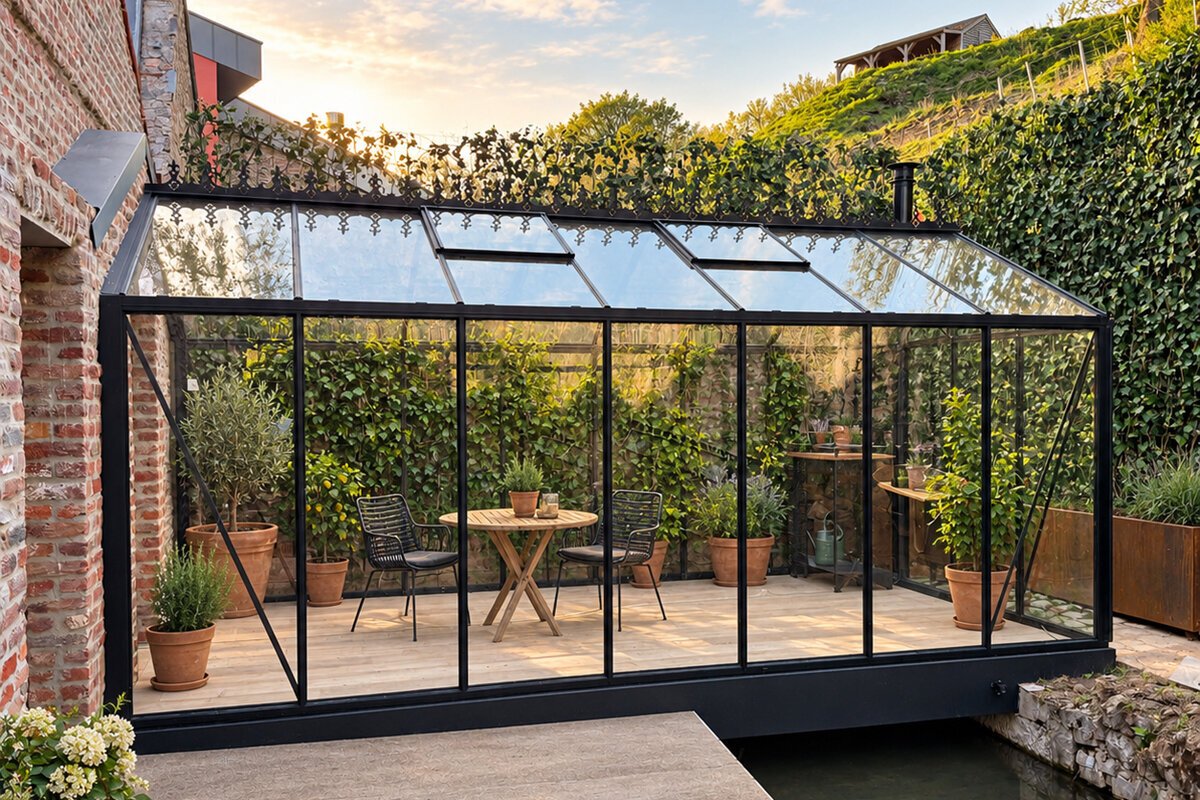
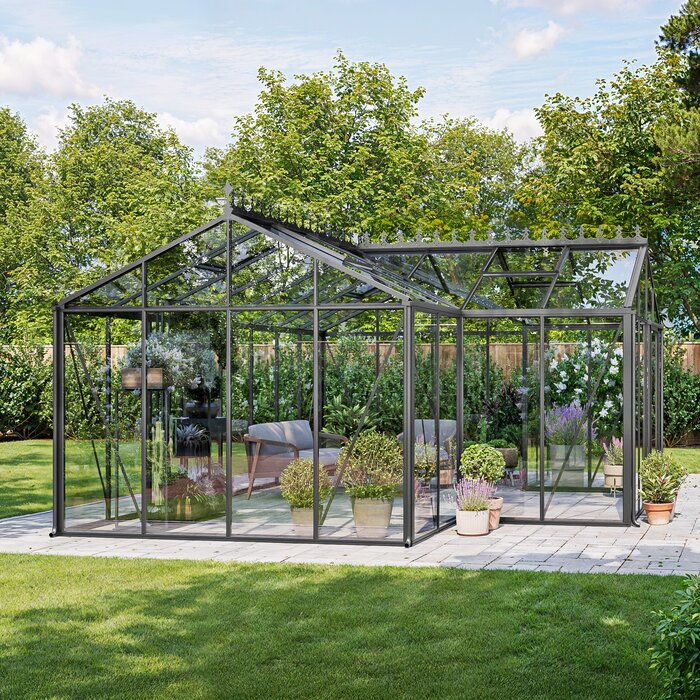
A greenhouse quote can look complete while leaving essential parts of the project for later. The practical way to compare greenhouse quotes is to identify what each proposal includes, what it excludes, and which responsibilities remain with you.
The lowest greenhouse quotation is not automatically the lower project cost. One supplier may price a frame and glazing package, while another has allowed for delivery, a foundation interface, ventilation, or installation. Unless those differences are made visible, the figures are not competing on equal terms.
Start by asking every supplier to describe the same intended greenhouse: its location, approximate size, finish, glazing preference, access conditions, and intended use. Then request an itemized scope rather than relying on a short product description. That creates a useful audit trail before decisions become expensive or difficult to change.
This guide focuses on quotation scope rather than choosing a kit or interviewing suppliers. It identifies 15 commonly excluded items and shows how to classify them: included, excluded, optional, allowance, or customer-provided. That simple discipline makes a greenhouse proposal far easier to evaluate.
Start with the base package · 01
Define what the greenhouse quote actually buys
First establish the quoted greenhouse itself. Confirm its footprint, height, frame color, glazing type, roof and wall panels, door arrangement, and included ventilation. A polished rendering can suggest elements that are not named in the schedule. Ask the supplier to identify the exact product configuration and list every standard component included in that configuration.
The first frequently excluded item is the foundation or base system. The second is anchoring hardware or the labor to fix the structure to that base. A quote may assume a prepared, level, dimensionally accurate surface without stating who designs, supplies, checks, or corrects it. Put that responsibility beside the product price, not in the margin.
- Request a line-by-line schedule for frame, glazing, doors, vents, fasteners, trims, and any structural accessories included in the stated configuration.
- Ask whether dimensions refer to the greenhouse footprint, overall roof projection, or a required foundation footprint, since each affects site planning.
For a freestanding starting point, compare the listed components of a standard Classic greenhouse against the same written base scope from every supplier.
Site readiness · 02
Price the ground before pricing the garden project
Site preparation is often the largest missing category. It can include clearing vegetation, removing an old structure, excavation, grading, compacted sub-base, drainage measures, concrete work, pavers, or a perimeter curb. Conditions vary widely by yard, so suppliers may correctly exclude them. Still, each quote should say what finished surface and tolerances it assumes.
Access is the fourth commonly excluded item. Delivery vehicles, lifting equipment, wheelbarrow routes, gates, steps, slopes, and overhead obstructions all influence how materials reach the site. If installers are quoted, confirm whether they assume clear access from curb to foundation. A difficult route may need separate handling, site labor, or equipment arranged locally.
- Share photos, gate widths, route measurements, slopes, and the proposed greenhouse location before asking for an installation allowance or fixed scope.
- Ask who verifies the completed base before delivery, and what happens if level, dimensions, or anchor positions differ from requirements.
Where a structure is planned beside a building, review the site assumptions for a full-size regular Lean-To greenhouse particularly carefully, including the wall area and working access.
Freight and assembly · 03
Unpack delivery and installation assumptions
Delivery is the fifth frequent exclusion, or it may be presented separately from the product. Clarify the delivery destination, unloading method, whether someone must be present, and whether materials are placed at curbside or moved farther onto the property. Do not treat a freight line as self-explanatory: the key issue is the handoff point and any conditions attached to it.
Installation is the sixth item that may sit outside a greenhouse quotation. Assembly can mean anything from frame erection to a complete installation with glazing, doors, vents, sealing, and final adjustments. Request a written task list, expected site prerequisites, and a clear division between installer labor and work by your contractor. This matters especially when several trades share a small site.
- Confirm whether unloading, carrying components to the base, packaging removal, and disposal are included, excluded, or your responsibility.
- Ask whether the installation scope includes fitting every quoted accessory, rather than assuming accessories will be installed with the main structure.
Use the same delivery-and-assembly questions when reviewing a standard Classic greenhouse package so its quoted total remains comparable with alternatives.
Utilities and climate · 04
Treat services as their own workstream
Electrical supply is the seventh frequently excluded item. Lighting, circulation fans, powered vents, controls, and convenience outlets may all require a suitable circuit and professional electrical work. The greenhouse supplier may provide an accessory but not the circuit, cable route, trenching, connection, or inspection. Coordinate utility work after deciding where equipment will be located, not after assembly begins.
Water supply and drainage are the eighth and ninth items. A greenhouse quote may include neither a hose connection nor a permanent irrigation system, downspout routing, rainwater storage, drains, or tie-ins. Consider how water enters, where runoff goes, and whether cleaning or watering will create wet paths. Local ground and building conditions determine the appropriate solution.
- Map existing electrical and water routes before finalizing the greenhouse position, allowing for doors, paths, planting beds, and future maintenance access.
- Ask a qualified local professional which service work needs permits, inspections, or particular protective measures for your specific property.
For a building-adjacent layout, discuss utility routes before selecting a full-size regular Lean-To greenhouse layout because wall-side service access can shape the final plan.
Comfort and growing setup · 05
Separate usable features from the shell
Heating is the tenth frequently excluded item, and it should never be assumed from a greenhouse’s appearance. A heater, fuel source, electrical connection, controls, and safe installation are separate decisions. Your intended growing season, local conditions, ventilation approach, and energy preferences determine what is appropriate. Ask whether a quote includes equipment only, installation only, both, or neither.
Ventilation and shading make up the eleventh and twelfth items when they are not part of the stated configuration. Roof vents, side vents, automatic openers, louvers, fans, blinds, and shade materials can be selected in many combinations. Confirm quantities and locations rather than accepting a general reference to ventilation. The right choice depends on orientation, exposure, planting plans, and how often someone can monitor conditions.
- List the crops, months of use, and daily supervision you expect; these practical choices clarify which climate accessories warrant a separate allowance.
- Check whether controls, sensors, openers, mounting hardware, and electrical connections are included with each specified ventilation or shading accessory.
A clear accessory schedule lets you compare a standard Classic greenhouse with ventilation options without confusing optional growing features with the basic enclosure.
Interior and exterior finishing · 06
Look beyond the glazed structure
Benches, shelving, staging, hooks, and planting surfaces are the thirteenth frequently excluded category. They can transform how a greenhouse works, but they are often optional because each gardener uses space differently. Identify whether quoted interiors are freestanding, integrated, supplied loose, or installed. Also consider aisles, potting space, storage, and the practical reach to vents and doors.
Paths, landscaping, and surrounding finishes are the fourteenth item. A completed greenhouse can still need a safe approach, edging, planting changes, lighting, gutters, or a transition to the yard. These works are commonly handled by a landscaper or homeowner rather than a greenhouse provider. Budget them as part of the project experience, particularly where excavation has disturbed the garden.
- Sketch benches, door swings, circulation, and storage before ordering accessories; an attractive interior arrangement can still restrict everyday movement.
- Include restoration of lawn, beds, hardscape, and irrigation disturbed by site work when comparing the complete garden-project budget.
When a wall-side garden room is the goal, plan interiors alongside a full-size regular Lean-To greenhouse interior so shelves and access remain workable from day one.
Administration and risk · 07
Make approvals, taxes, and protection visible
Permits, zoning review, homeowner association consent, and drawings are the fifteenth commonly excluded area, though requirements vary by location and project. A supplier can explain its quoted product documents, but it should be clear who checks local rules, prepares any site-specific materials, submits applications, and pays related fees. Contact the relevant local authority before treating a proposed location as approved.
Taxes and insurance deserve their own questions even when they do not appear as product lines. Confirm whether a stated figure addresses applicable taxes and whether your own policy should be reviewed before construction. An insurer or local agent can explain property-specific coverage questions. Avoid relying on verbal assumptions about damage, installation work, or additions to an existing property.
- Create a responsibility column for approvals, drawings, fees, taxes, insurance review, and contractor coordination, with one named party for each task.
- Ask suppliers to state whether their quotation is an estimate, a fixed product price, or subject to confirmation of configuration and delivery conditions.
Use the same written-responsibility review for a standard Classic greenhouse proposal before authorizing site work or ordering optional components.
A fair decision · 08
Normalize every quote before choosing
A useful comparison does not force every supplier to provide the same services. Instead, it shows the total scope in a single worksheet. Place each of the 15 items beside every proposal and label it included, excluded, optional, allowance, or not applicable. Add a source note such as page number, drawing reference, or email clarification so later decisions remain traceable.
Then evaluate value in the order that matters to your project: fit, product configuration, site readiness, installation responsibility, useful accessories, and overall cost. A quote with more exclusions may still be suitable if you prefer to use local trades. It becomes risky only when omissions are discovered after commitments have been made. Ask for revisions in writing whenever scope changes.
- Compare totals only after adding realistic allowances for every excluded item you expect to need, using current local contractor quotations where appropriate.
- Keep version dates on all proposals and confirm that drawings, accessory schedules, and written clarifications refer to the same greenhouse configuration.
For a side-of-house project, finalize the scope around a full-size regular Lean-To greenhouse quotation only after its wall, base, and installation assumptions are documented.
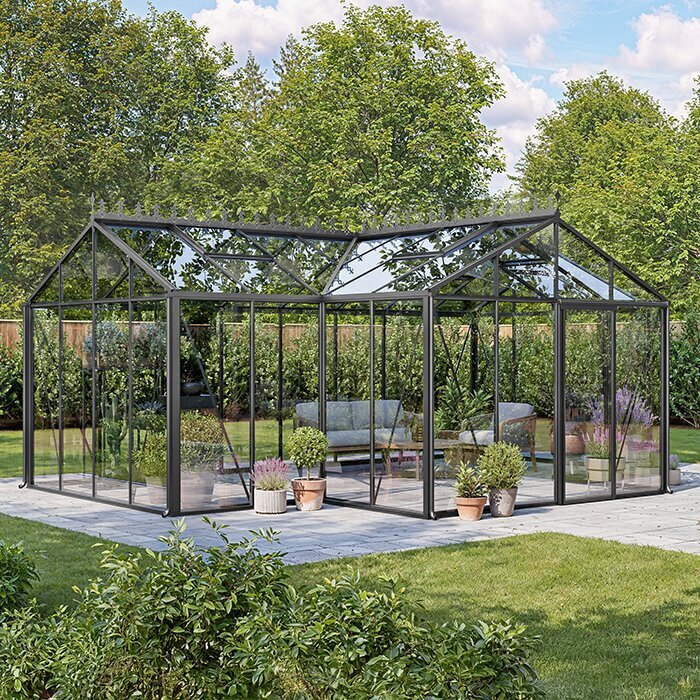
Comparison
Quote comparison worksheet
Use this table to reveal scope differences rather than to declare one proposal better. Copy the categories into your own worksheet and attach the relevant drawing or quotation reference. If a supplier cannot confirm a line, mark it as unresolved until you receive a written answer.
| Scope item | What to compare | Useful written confirmation |
|---|---|---|
| Greenhouse package | Exact model, dimensions, glazing, finish | Complete component schedule and drawing reference |
| Base and anchors | Who designs, builds, verifies, fixes | Required surface, tolerances, and responsibilities |
| Site and access | Clearing, excavation, route, unloading | Assumptions and separately priced work |
| Assembly and services | Installation, electric, water, drainage | Task list, trades, and exclusions |
| Accessories and finish | Vents, shading, interiors, paths | Quantities, fitting, and customer choices |
Compare like for like
Match the greenhouse size, configuration, glazing, finish, doors, vents, and named accessories before weighing totals. Different products should be compared as different scopes.
Separate product from project
Treat the greenhouse package, site preparation, delivery, installation, and services as distinct cost areas. This prevents a product quote from being mistaken for a turnkey proposal.
Record assumptions
Note access, ground conditions, existing services, customer-supplied materials, and local approvals. Assumptions that remain unwritten often become later questions, changes, or separate invoices.
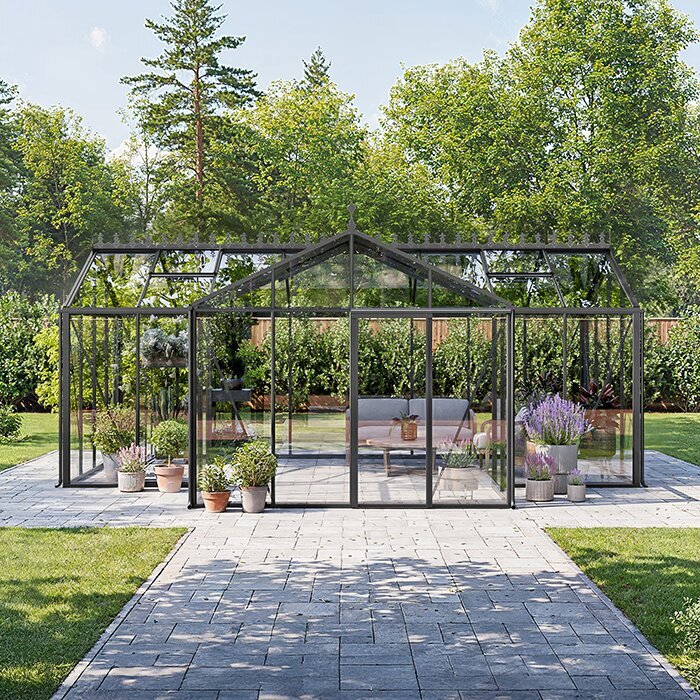
Five steps to compare proposals
Set up the comparison before negotiating individual figures. The goal is a shared written description of your intended project, with unresolved items visible rather than buried in a total.
01
Describe one intended project
Give each supplier the same location photos, dimensions, access information, preferred configuration, and list of desired accessories. State what work you expect to arrange yourself.
02
Request an itemized scope
Ask for product components, optional items, exclusions, assumptions, delivery terms, and installation tasks in writing. A drawing should be matched to the quotation version.
03
Audit the 15 exclusions
Mark each category included, excluded, optional, allowance, or not applicable. Record the responsible party and any amount separately rather than guessing from broad wording.
04
Fill gaps with local input
Obtain site, utility, landscaping, or installation input where needed. Check with the relevant local authority and insurer on questions that depend on your property.
05
Approve a coordinated version
Choose only after the product, base, accessories, delivery handoff, and assembly responsibilities align. Save final clarifications with the accepted quote for future reference.
Before you accept a greenhouse quote
Run this final checklist against the latest version of every quotation. It is designed to expose missing work while there is still time to revise the plan or obtain a separate local allowance.
01. The product configuration, dimensions, finish, glazing, doors, and vents are named clearly rather than implied by an image.
02. The finished base type, dimensions, level requirements, anchoring, and verification responsibility are documented in writing.
03. Delivery location, unloading method, site access, carrying distance, and packaging responsibility have been addressed.
04. Installation tasks distinguish frame assembly, glazing, accessories, sealing, adjustments, and any excluded labor.
05. Electrical, water, drainage, and heating needs have been identified with appropriate local professional input.
06. Ventilation, shading, benches, shelves, and controls are itemized with quantities and fitting requirements.
07. Landscaping restoration, paths, gutter routing, and surrounding finishes are included in the overall project budget.
08. Approval, tax, insurance, quotation validity, change process, and final responsibility questions have written answers.
Frequently asked questions
Why can two greenhouse quotes differ so much?
They may describe different products, but they may also divide the project differently. One figure could cover only the greenhouse package, while another includes freight or assembly. Compare the exact configuration first, then identify which site, service, accessory, and finishing items remain outside each proposal.
Is a foundation normally included in a greenhouse quote?
Not necessarily. Foundation design and construction depend on the site, ground conditions, greenhouse configuration, and local contractor approach. Ask what base is assumed, who supplies it, who checks dimensions and level, and whether anchoring hardware or anchor installation is included.
Should I choose a quote with fewer exclusions?
Not automatically. A more detailed quote may be more convenient, while a product-only quote can suit a homeowner who already has trusted local trades. The important point is to add realistic allowances for required excluded work before judging overall project value.
What should an installation scope say?
It should state the tasks covered, site conditions assumed, access needs, accessories included in the work, and what remains with you or another contractor. Also clarify whether glazing, sealing, adjustments, packaging removal, and post-installation cleanup are included.
Do I need to ask about permits and insurance?
Yes. Local rules and insurance considerations can depend on the location, property, and project details. Ask the relevant local authority about approvals and review your situation with your insurer or agent. A greenhouse supplier’s quotation should not be treated as a determination of either issue.
How do I handle an unclear exclusion?
Send a focused written question that names the item, proposed location, and desired responsibility. Ask for it to be marked included, excluded, optional, or customer-provided. Keep the reply with the quote, and request a revised schedule if the clarification changes scope or cost.
Explore greenhouse configurations
Make the scope visible before the build begins
A confident greenhouse purchase starts with a comparable scope, not a quick comparison of totals. Review the greenhouse package, base, access, delivery, installation, utilities, accessories, finishing work, and administration as separate decisions. Each clear answer reduces the chance that an important task appears only after the order is underway.
Bring the same worksheet to every conversation and keep written clarifications with the final proposal. Bloomcabin can help you explore greenhouse configurations, while your local site and service professionals can address property-specific work. The result is a proposal you can understand, coordinate, and compare fairly.
Use a clear product specification as the starting point for a complete, well-coordinated greenhouse project.
