
How to Compare Greenhouse Warranties Before You Buy
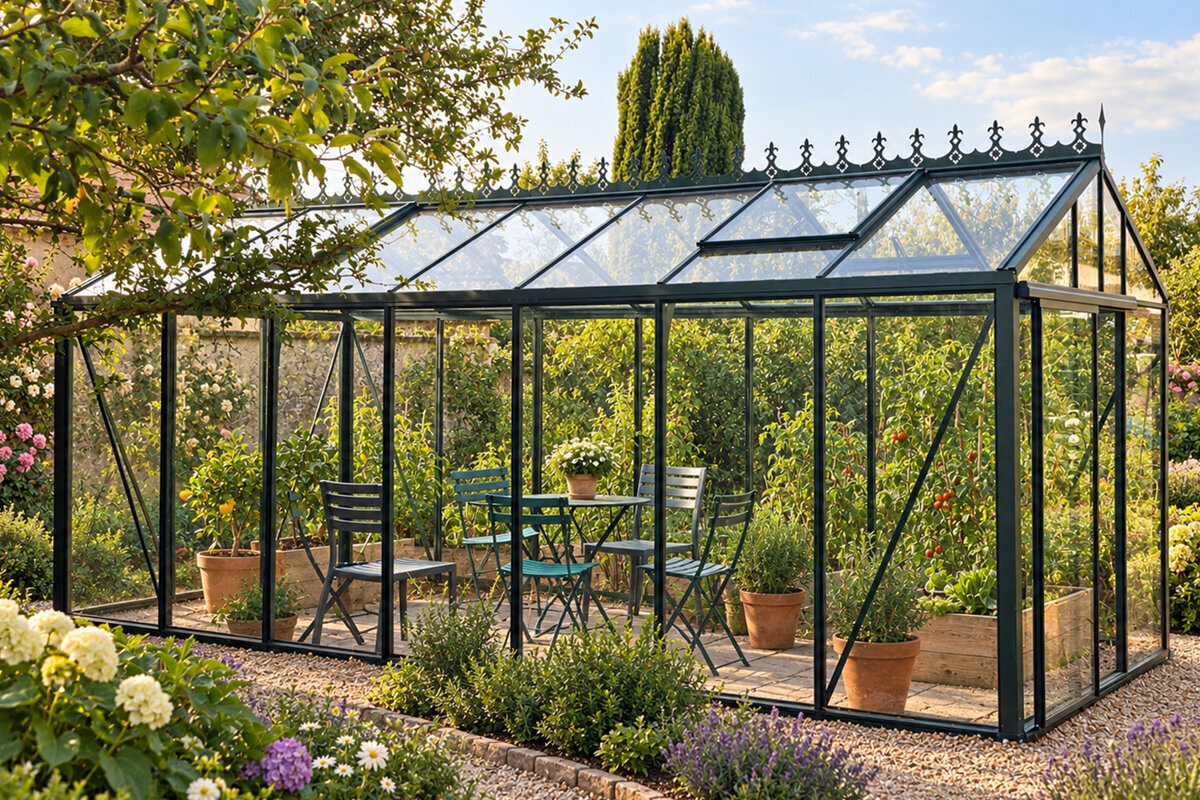
Greenhouse buying report
Compare greenhouse warranties by component, not by headline.
A greenhouse warranty can look reassuring at first glance, yet its real value depends on what is covered, what is excluded, and what happens when a component needs attention. Use this practical comparison method before you commit to a model.
The short answer
The most reliable way to compare greenhouse warranties is to build a component-by-component list. Review the frame, glazing, surface coating, moving hardware, seals, accessories, and spare-parts process separately. Then compare exclusions, owner responsibilities, claim evidence, and remedies using the actual written conditions for each model.
Bloomcabin greenhouses have a 12-year warranty, but buyers should still review the applicable written conditions and scope for their chosen product and configuration. A stated term does not replace checking which defects are covered, which maintenance is expected, how a claim is handled, and whether replacement parts remain obtainable.
01
Compare scope
Put each warranty category in its own column. A long structural term may not say anything about glazing, moving parts, finish appearance, or accessories.
02
Read exclusions
Look for installation, site preparation, cleaning, alteration, weather events, accidental damage, and normal wear provisions before treating any cover as comprehensive.
03
Check the remedy
Ask whether the written conditions explain inspection, evidence, repair, replacement, labor, shipping, matching, and the process for obtaining compatible spare parts.
A clear review of structure, glazing, finish, hardware, exclusions, and future parts support.
When buyers compare greenhouse warranties, they often start with the stated term. That is understandable, but it is only the beginning. A greenhouse is a system of frame sections, glazing, coatings, doors, vents, seals, fasteners, and optional accessories. Each can be treated differently in written conditions, so a useful comparison separates those categories rather than assuming one promise applies equally to all of them.
Start with the exact product configuration you are considering. Ask for the written warranty conditions that apply to that greenhouse, then read them alongside the installation instructions and care guidance. This helps reveal whether the cover relates to manufacturing defects, material failure, finish changes, replacement components, or another defined issue. It also prevents assumptions based on product photos, sales language, or a broad summary.
The goal is not to find a single winning line of warranty copy. It is to understand responsibilities over the life of the greenhouse and to make like-for-like comparisons between options. A well-organized review can also help you plan installation records, maintenance habits, and conversations with an installer, insurer, or local authority where those may be relevant.
Inspection 01 · Inspection sheet one
Separate the frame from everything else
The structural warranty is usually the first document to examine because the frame supports the greenhouse as a whole. Read how the terms define the structure. They may refer to aluminum profiles, joints, load-bearing elements, or manufacturing defects, rather than every attached item. Note whether the wording applies to the supplied frame only and whether it depends on correct assembly, anchoring, foundation preparation, and ongoing care.
Do not let a structural promise stand in for a complete-product promise. Doors, roof vents, glazing clips, gaskets, shelving, drainage pieces, and purchased accessories can have different treatment. Create a simple list of every component included in your planned order. This makes it easier to see what the structural wording actually covers and which items need their own questions before purchase.
- Ask which frame components are included, how a defect is defined, and whether the remedy is repair, replacement, or another stated action.
- Keep the order record, assembly documentation, foundation details, and dated installation photographs in a file for future reference.
Use the written terms alongside standard Classic greenhouse options to identify the frame components included in your comparison.
Inspection 02 · Inspection sheet two
Read glazing coverage with precision
Glass or other glazing deserves its own review because breakage, scratches, seal issues, and visual variation may not be handled in the same way. Look for language that distinguishes a material or manufacturing defect from impact damage, improper handling, thermal stress, settlement, or damage during installation. If the greenhouse has different glazing locations, check whether roof and wall panels are described in the same manner.
The practical question is not simply whether glazing is mentioned. Ask what evidence would be needed if a panel develops an issue, who assesses it, and whether a replacement panel is supplied alone or fitted as part of a service. Also clarify how to identify the correct panel later. Measurements, drawings, panel labels, and a complete order record can make a future inquiry much more straightforward.
- Check whether glazing coverage addresses defects only, and whether accidental breakage, weather damage, or installation damage are expressly excluded.
- Save product drawings and photographs showing panel positions, especially where openings, doors, or roof sections create different shapes.
For glazing questions, compare the documentation for full-size regular Lean-To greenhouses with the same care you give to their frame terms.
Inspection 03 · Inspection sheet three
Treat the finish as a separate category
A coated aluminum finish affects the greenhouse’s appearance and routine care, but warranty wording may distinguish coating adhesion or manufacturing faults from gradual cosmetic change. Read the definitions closely. Exposure, airborne contaminants, cleaning products, abrasion, standing moisture, nearby construction work, and contact with unsuitable materials can all be relevant decision factors, depending on the written conditions and the location.
Before buying, think about the site rather than judging the finish only from a sample or photograph. A sheltered backyard, a coastal environment, a pool area, and a dense urban setting can place different demands on cleaning and inspection. Ask what care is expected, whether approved cleaning methods are specified, and what signs should be reported promptly rather than left to develop.
- Look for separate wording on fading, chalking, corrosion, scratches, peeling, staining, and damage caused by cleaning or site conditions.
- Record the selected color and keep care instructions with your purchase documents, so later maintenance follows the applicable guidance.
Review finish-care expectations while browsing standard Classic greenhouse designs rather than treating color choice as a purely visual decision.
Inspection 04 · Inspection sheet four
Do not overlook doors and vents
Moving components are where daily use is most visible. Doors, hinges, handles, vent openers, catches, rollers, and latches can be subject to adjustment, cleaning, and normal wear. A warranty may address a manufacturing fault while excluding damage caused by forcing a mechanism, poor alignment after installation, lack of adjustment, or accumulated debris. That distinction is worth understanding before seasonal use begins.
Ask how the greenhouse should be operated and maintained in ordinary conditions. Find out whether adjustment is expected after assembly or settling, whether lubrication is recommended, and how replacement hardware is identified. These are not minor details: a small component can affect access, ventilation, and the ease of keeping the entire structure in good order. Keep hardware names and diagrams with your records.
- Compare how each warranty treats moving parts, routine adjustment, wear from frequent operation, and damage caused by misuse or obstruction.
- During installation, photograph doors and vents operating correctly, then note any adjustment guidance supplied with the product.
When evaluating access and ventilation details, inspect full-size regular Lean-To greenhouse models for the hardware information provided with the product.
Inspection 05 · Inspection sheet five
Map exclusions before making assumptions
Exclusions often provide the clearest picture of a warranty’s practical boundaries. Read them slowly and translate each one into a site or ownership question. Does it refer to incorrect installation, unsuitable foundations, modifications, neglected maintenance, accidental damage, use outside instructions, or external events? The wording matters because these categories can overlap with common real-world situations without necessarily describing the same outcome.
A fair comparison also distinguishes warranty coverage from broader risk management. Local planning requirements, property rules, site drainage, contractor work, and insurance questions should be checked through the relevant authority, professional, or insurer. Do not assume that a product warranty answers those separate issues. Instead, make sure your chosen location, installation approach, and care routine are consistent with the product documentation.
- Highlight every exclusion that could relate to your site, installer, cleaning routine, attachments, nearby trees, or expected greenhouse use.
- Ask for clarification in writing when a term is unclear; a verbal impression is less useful than the applicable documents.
Use your site notes when considering standard Classic greenhouse configurations and compare them against the installation and exclusion language.
Inspection 06 · Inspection sheet six
Examine the claims process early
A warranty is easier to value when you understand the claim path before anything goes wrong. Look for instructions on who to contact, what information is required, how quickly a concern should be reported, and whether photographs or an inspection may be requested. Check whether work should wait for authorization. Taking independent action too early can complicate a later discussion under some written conditions.
Next, focus on the stated remedy. The language may describe repair, replacement, a component supplied to the owner, or another response decided under the terms. It may also address labor, removal, installation, transport, or color and material variation in a replacement part. Do not assume these costs or outcomes are included unless the applicable conditions say so clearly. Compare this line by line across products.
- Create a claims folder containing your invoice, product identification, installation evidence, maintenance notes, and clear dated photographs of any concern.
- Ask what happens if a component changes over time, including how compatibility and replacement appearance are addressed under the written terms.
Before finalizing a purchase, request claims guidance for full-size regular Lean-To greenhouse purchases and retain it with your product documents.
Inspection 07 · Inspection sheet seven
Make spare parts part of the decision
Spare-parts availability is related to warranty but is not the same thing. A warranty may address a qualifying defect, while a replacement part may be needed because of ordinary wear, loss, accidental damage, or a later upgrade. Ask how parts are named, whether diagrams are available, and which details help identify a component accurately. This is especially useful for panels, seals, handles, clips, and vent hardware.
Think long term when comparing support. Can you identify the greenhouse model, order date, color, dimensions, and affected part from your records? Does the supplier explain how to request a component or technical guidance? Product evolution can affect appearance or exact matching, so ask how substitutions are handled where relevant. A clear process is often more useful than a vague assumption that every part will remain unchanged indefinitely.
- Keep the assembly guide, parts list, order confirmation, and photographs of labels or identifying details after installation is complete.
- Ask how to order non-warranty replacements and what information helps confirm compatibility before you purchase a part.
For long-term ownership planning, review parts support for standard Classic greenhouse collections before you select accessories or finishes.
Inspection 08 · Inspection sheet eight
Compare documents, not impressions
Bring the review together in one worksheet. Put each greenhouse across the top and each category down the side: structure, glazing, coating, moving parts, accessories, exclusions, maintenance, claims, and spare parts. Add a notes column for questions that remain unanswered. This method prevents a strong statement in one category from being mistaken for broad protection across the whole greenhouse.
Finally, match the paperwork to the actual order. Confirm the model, included components, selected options, and version of the terms you received. If you are using an installer, discuss who is responsible for assembly records and post-installation adjustments. If insurance or local approvals matter to your project, confirm those independently. Your final decision should rest on documents, site suitability, and a support process you understand.
- Compare current written conditions for the exact model and options, not a summary that may apply to a different greenhouse configuration.
- Before ordering, list unresolved questions and seek clear answers about scope, care duties, remedies, and replacement component procedures.
Complete the same documentation check for full-size regular Lean-To greenhouse choices so your comparison remains consistent across greenhouse styles.
Comparison
Warranty comparison worksheet
Use this table as a disciplined buying tool. Fill it with the written conditions for each exact greenhouse you are considering, then mark unclear items for follow-up. It is designed to expose differences in scope and process rather than to rank products by a single headline statement.
| Category | What to locate | Question to ask before purchase |
|---|---|---|
| Structure | Defined frame components and covered defect types | Does the wording cover only structural elements? |
| Glazing | Material scope, defect definition, and exclusions | How are breakage and replacement panels treated? |
| Coating | Finish faults, care requirements, cosmetic exclusions | Which changes are considered normal appearance variation? |
| Hardware | Doors, vents, hinges, handles, and adjustment | What is covered beyond routine maintenance and wear? |
| Claims | Notice procedure, evidence, inspection, and remedy | Who decides the remedy and which costs apply? |
A practical document review
Set aside time to compare paperwork before choosing a greenhouse. This short process keeps attention on the exact model, your site conditions, and the practical support you may need after installation.
01
Gather the exact documents
Collect the product description, written conditions, installation and care guidance, parts information, and quotation for each configuration.
02
Build a component list
List the frame, glazing, finish, doors, vents, seals, fasteners, base elements, and accessories; mark supplied and optional items.
03
Highlight obligations
Note installation, anchoring, maintenance, reporting, and evidence requirements, then assess whether your site and plans support them.
04
Compare remedies
Record what the terms state about inspection, repair, replacement, labor, transport, and compatibility. Flag anything not stated.
05
Resolve open questions
Ask written questions before purchase and keep the replies with the applicable terms.
Before you approve the order
Use this final review to retain the documents and site details most useful during ownership.
01. I have the current written warranty conditions for the exact greenhouse model and selected options.
02. I understand which structural components are named and which attached components have separate treatment.
03. I have read the glazing language, including defect definitions and exclusions for damage or handling.
04. I know the stated care expectations for the aluminum finish and the cleaning products to avoid.
05. I have checked how doors, vents, hinges, seals, and other moving components are addressed.
06. I have highlighted installation, foundation, alteration, maintenance, and external-event exclusions that may affect my site.
07. I know what records, photographs, and contact steps may be needed to report a concern.
08. I have asked how compatible spare parts and non-warranty replacement components can be identified and requested.
Questions buyers commonly ask
Is the longest warranty always the better choice?
No. Compare the covered components, definitions, exclusions, owner duties, and remedy in the written conditions for the exact greenhouse and options.
What should a structural warranty tell me?
It should identify covered frame elements, qualifying defects, and installation or use conditions. Check separately for glazing, finish, doors, vents, and accessories.
Does a greenhouse warranty cover broken glass?
Do not assume it does. Conditions may distinguish defects from impact, handling, installation damage, or external events. Ask how glazing claims and remedies are assessed.
Why do maintenance instructions matter to warranty coverage?
Care guidance explains expected cleaning, inspection, and adjustment. Conditions may exclude damage linked to neglect, unsuitable cleaning, or use outside instructions.
Are spare parts covered by a warranty?
Not necessarily. Warranty coverage and parts support are different. Ask how parts are identified, compatibility confirmed, and non-warranty replacements requested.
Should I ask about insurance or local approvals?
Yes, if relevant to your project. A product warranty does not determine insurance, property requirements, or local approval needs; check those separately.
Review your greenhouse options
Make the written scope your benchmark
A confident greenhouse purchase begins with a comparison that is specific enough to be useful. Separate the structure, glazing, coating, hardware, claims process, exclusions, and spare parts. Then relate each category to your installation plan and the records you can maintain. This approach gives you a clearer view than a headline promise alone.
Use Bloomcabin product information as a starting point, then review the applicable written conditions for your selected greenhouse before you order. The best outcome is not simply having a warranty document on file. It is knowing what it says, what it expects from you, and how to use it if a question arises.
Compare the model information, then request clarification on any warranty scope or spare-parts question before finalizing your plan.
