
How to Grow Radishes in a Greenhouse
Greenhouse crop note 07 / United States
How to Grow Radishes in a Greenhouse
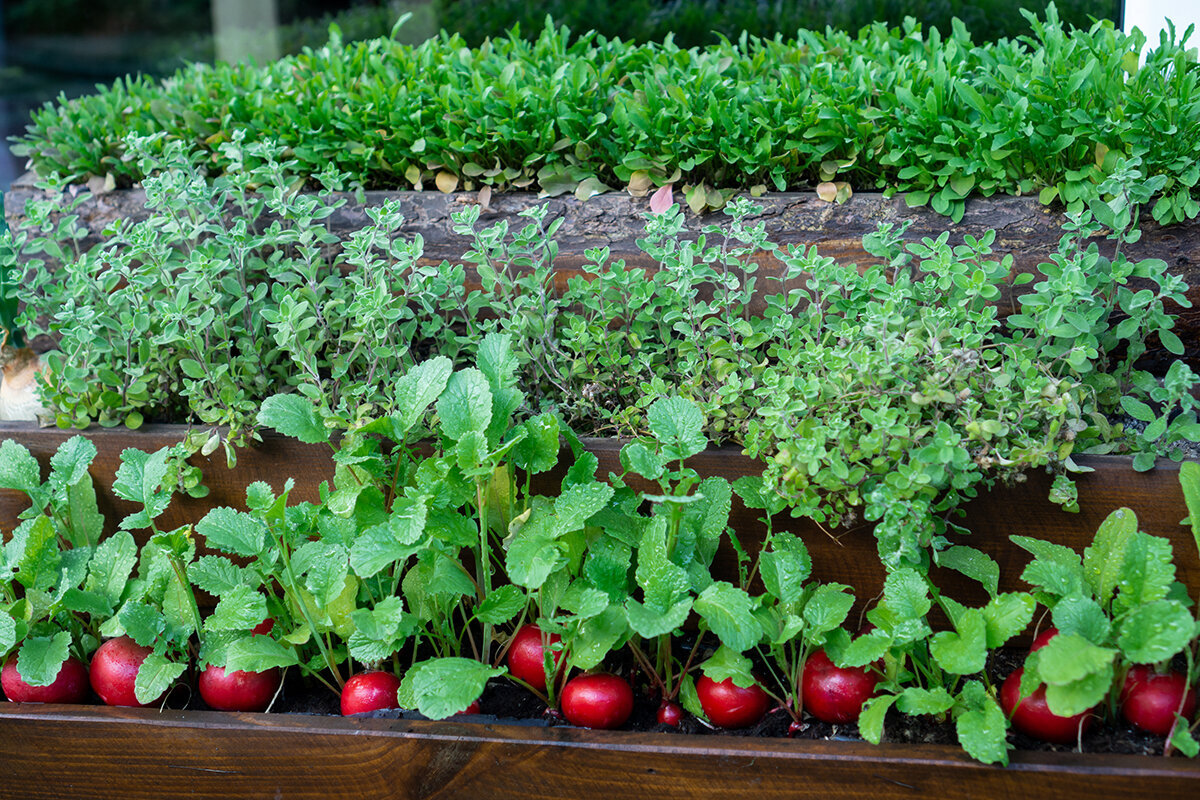
Radishes are not a crop to admire from a distance. They reward a gardener who gives them a cool, open root run—then checks the shoulder of every promising root before the crispness slips away.
Soil datum — sow / thin / inspect / pull
01 / THE GAP CROP
Small roots, useful intervals.
Radishes belong in the breathing spaces of a greenhouse calendar: before tomatoes claim the bed, beside slow young carrots, or after a summer crop has been cleared. Their speed makes them a practical way to keep prepared soil working.
02 / THE FAILURE LINE
Leaf growth is not bulb formation.
A glossy canopy can disguise a disappointing crop. Radish roots need enough room to expand, loose soil to stay round, and a steady supply of water. A greenhouse makes those variables easier to manage—but its trapped heat can make the quality window shorter.
03 / THE DAILY RESPONSE
Read the greenhouse, not the packet alone.
Watch the thermometer at plant level, touch the soil before watering, and lift one sample root early. In a warm spell, ventilation and light shade may matter more than another feeding.
Variety pace line
Choose a root shape that suits the opening you have.
For the classic fast greenhouse crop, select small spring radishes. Long Asian types and storage radishes are handsome, useful crops too, but they need more depth, more time, and a different place in the season.
Fast / compactRound spring radishes
This is the dependable choice for a short greenhouse window. Compact red, pink, white, or multicolored salad types generally reach eating size in roughly three to five weeks. Their modest root depth makes them especially suitable for shallow beds, broad containers, and the edges of a bench where a larger crop has not yet arrived.
Fast / deeperElongated “icicle” types
Choose these when you want a longer silhouette without committing to a large storage root. Their length asks for a deeper, stone-free root zone than a round radish, so smooth the bed carefully and avoid tightly compacted container mix. Do not crowd the row simply because the shoulders look narrow.
Fine textureSmall-rooted specialty types
Mild globe-shaped cultivars are excellent for close succession sowing. Their restrained size can be elegant on the plate, but it also makes harvest timing important. A few extra days in a warm house can move a tender root toward a pithy, sharper interior, even while the foliage still looks fresh.
Long seasonDaikon and winter radishes
Treat these as deliberate cool-season crops rather than quick fillers. Use a bed loosened at least 12 inches deep, or a tall container with a fine, even mix, and allow the cultivar’s longer maturity period. They can make excellent use of a greenhouse in fall, but they are not interchangeable with quick spring radishes.
For a beginner’s greenhouse rotation, a small round spring radish is the clearest teacher. It shows exactly what spacing, soil texture, water consistency, and heat management are doing beneath the surface. Bloomcabin’s greenhouse setup guide is useful background when you are deciding where a low, fast crop belongs in the bed-and-bench layout.
Sowing calibration bench
Make the row precise before the root asks for room.
Direct sowing is the cleanest route. Radishes germinate quickly, resent root disturbance, and have no need to occupy valuable propagation space. Use a level surface of loose, well-drained growing mix or finished bed soil. Remove stones, fresh undecomposed manure, and hard clods before you draw the row.
¼–½ in.depth1 in.sow2 in.thin4–6 in.large typesDay 20check
Seed, row, and thinning sequence
Place seed about ¼ to ½ inch deep, cover lightly, and firm the soil gently so moisture reaches each seed. An initial interval of about 1 inch is practical for many small spring radishes: it is efficient to sow, easy to see, and easy to thin. Once seedlings are established, thin small round types to around 2 inches apart. Give larger cultivars more room; daikon commonly needs roughly 4 to 6 inches, depending on the mature size described on the packet.
Thin while plants are young rather than waiting for foliage to form a dense canopy. Snipping surplus seedlings at the soil surface can be less disruptive than pulling them beside a plant you intend to keep. The important thing is to leave clear expansion room below ground before the roots begin to swell.
Bed geometry and fertility restraint
For a greenhouse bed, rows 6 to 8 inches apart give you enough access for thinning, inspection, and harvesting without sacrificing useful growing area. In a wide shallow container, use a relaxed grid instead of tightly packed bands. Air should move through the foliage, and the soil should remain open enough for each root to enlarge without deflection.
Use mature compost as part of a balanced mix, not as a heavy fresh amendment. Excess nitrogen can make impressive leaves while reducing the round, crisp root you actually want. On a bench, use a container at least 6 inches deep for small radishes; in a ground bed, loosen the top 6 inches thoroughly before sowing.
A polished greenhouse rewards careful sowing because the work surface is close at hand and a short crop gives immediate feedback. If your greenhouse is still taking shape, review the practical layout principles in Bloomcabin’s USA greenhouse gardening guide before committing a whole bed to any one crop. Leave enough room to reach the row without brushing every leaf or compressing the surrounding soil.
Succession cadence
Do not sow a feast all at once.
A greenhouse crop of radishes is most generous when it arrives in modest, repeated waves. Seed a short row or a section of a container, then return five to ten days later with another pinch of seed. This turns one narrow harvest window into several useful ones.
The rhythm also spreads risk. One sowing may meet a sudden hot spell, a missed watering, or a week when you are away. Another may land squarely in the cool, evenly moist conditions that make radishes sweet and crisp. In a small greenhouse, it also avoids the awkward moment when every root needs pulling on the same afternoon.
Day 0Sow a small section.
Label the cultivar and date; different varieties do not mature at identical speeds.
Label the cultivar and date; different varieties do not mature at identical speeds.
Day 5–10Sow the next section.
Check the first row for germination and remove any surface crust carefully.
Check the first row for germination and remove any surface crust carefully.
Day 10–14Thin without sentiment.
Give the survivors their finished spacing while plants are still small.
Give the survivors their finished spacing while plants are still small.
Day 20 onwardInspect, then harvest in passes.
Pull the roots that have reached usable size and leave only the younger ones for a few more days.
Pull the roots that have reached usable size and leave only the younger ones for a few more days.
After clearingReset the bed promptly.
Use the opening for another cool crop, or prepare it for the warm-season crop waiting in the wings.
Use the opening for another cool crop, or prepare it for the warm-season crop waiting in the wings.
Climate checkpoint
Use the greenhouse to shelter radishes—never to bake them.
Cool growth, firm texture
Radishes are hardy cool-season vegetables. A daytime growing band around 60–80°F is broadly favorable; quality is usually best toward the cooler portion of that range. They tolerate chilly conditions better than tomatoes or peppers, making them a strong early- and late-season greenhouse crop in much of the United States.
50–65°FPrime quality range for many garden radishes
Vent early, not after stress.
On bright days, temperatures in a glazed greenhouse can climb rapidly even when outdoor air feels pleasant. Open vents and doors before the bed becomes hot. In warm climates or spring heat waves, use light shade cloth and choose the coolest position available, away from a heat-reflecting wall or container.
Light still matters: aim for a bright site and avoid placing radishes under the dense shadow of tomato foliage or on the north side of tall summer crops. Yet temperature is the greenhouse variable that most often separates a clean, mild root from a hot, coarse one. Build the habit of checking a min-max thermometer at crop height. The venting principles in Bloomcabin’s spring greenhouse preparation guide apply especially well to short cool-season crops.
Water + soil
Steady expansion is the whole point.
Radishes have shallow horizontal roots, so they cannot compensate well for an erratic surface. Water deeply enough to moisten the active root zone, then allow the surface to approach dry rather than keeping it constantly wet. In a small greenhouse container, that may mean checking daily; in a cool in-ground bed, it may mean a thorough watering less often.
The useful rule is consistency, not a fixed calendar. Dryness slows root expansion and sharpens flavor. A sudden heavy watering after drought can make a swelling root split. Saturated soil, meanwhile, excludes air and can weaken growth. Drip irrigation or a low, directed watering wand keeps foliage drier and makes your decisions more precise.
Use loose soil that drains while holding reasonable moisture. Mature compost is welcome in moderation. Avoid fresh manure and overly rich high-nitrogen feeds, which can lead to lush foliage and branching or undersized roots. If a bed has produced misshapen roots before, do not simply add fertilizer: sift out stones, break compaction, and reset the soil texture.
Bulb x-ray dossier
When a root is wrong, read the pattern before starting over.
Most radish disappointments are not mysterious. The shape and texture of the root record a short sequence of decisions: how closely the row was sown, whether the greenhouse ran hot, how evenly moisture arrived, and how freely the soil allowed the root to swell.
No bulb; lots of leaves
Crowding and excess nitrogen are the usual explanations. Thin early, stop pushing leafy growth with fertilizer, and make the next sowing in a looser, more balanced bed. A row can look energetic above ground while every root below remains narrow.
Split or cracked root
This commonly follows uneven moisture. The root stalls in dry soil, then expands too quickly after a heavy watering. Keep the root zone evenly, not constantly, moist and harvest roots as they reach size instead of waiting for the entire row.
Pithy, hot, or woody center
Heat and overmaturity are the usual culprits. Vent sooner, sow in cooler periods, and begin sample harvests before the crop looks fully grown from above. The shoulder at the soil line is a signal to inspect, not a reason to delay.
Forked or distorted form
Stones, compaction, or coarse undecomposed organic matter interrupt the root’s path. Rework the bed deeply and use a finer mix in containers. Correct soil structure before the next sowing rather than trying to rescue a distorted crop with feed.
Harvest-window drum
Harvest in the moment between small and too late.
- Week 1 Keep the seed line moist enough for even emergence; do not flood it.
- Week 2 Thin to the cultivar’s final spacing. This is a quality action, not just a tidy one.
- Week 3 Start lifting a sample. Rounded shoulders at the soil surface are your invitation to inspect below.
- Weeks 3–5 Pull usable roots in several passes. A small radish at peak crispness is better than a larger radish held for visual drama.
Harvest in the morning when roots are cool and hydrated. Lift rather than yank if the soil is firm. Remove the greens promptly—they continue to draw moisture from the root—then rinse, dry, and refrigerate. Most garden radishes keep their best texture for roughly one to two weeks under cold, moist storage, but their finest eating quality is close to harvest day.
Use the leaves while they are young: sauté them briefly, fold them into pesto, or add small tender leaves to a salad. The roots themselves need little more than cold water, flaky salt, cultured butter, a sharp vinaigrette, or a quick pickle to justify their greenhouse space.
Protected-crop hygiene
Keep the fast crop clean and the next crop safer.
Radishes share the brassica family’s susceptibility to familiar pests and diseases. Flea beetles may pepper young leaves with tiny holes; cabbage maggots and wireworms can damage roots; and diseases such as Alternaria, black rot, and clubroot can become more troublesome where brassica crops repeatedly occupy the same soil.
Start with cultural controls. Remove old plant debris, weed thoroughly, use clean containers and tools, avoid chronically wet foliage, and do not sow radishes immediately after another brassica in the same small bed if you can rotate elsewhere. In a compact greenhouse, rotation may mean alternating between beds, using a container crop, or refreshing the growing mix where a soil-borne issue has appeared.
Inspect at least twice each week. A fast crop gives little time for delayed decisions. Pull badly affected plants, discard rather than casually composting diseased material, and clean the surface before moving in another sowing.
Frequently asked questions
Radish questions, answered plainly.
Can radishes grow in a greenhouse all year in the United States?
They can be grown during many months, but “all year” depends on your region and your greenhouse’s ability to stay cool in summer and protected in winter. Radishes are a cool-season crop. In hot climates, the most reliable greenhouse windows are fall, winter, and early spring; in colder regions, an unheated greenhouse extends spring and fall considerably. Summer production may require serious ventilation, shade, and attentive watering.
Do radishes need full sun in a greenhouse?
Bright light is valuable, and a sunny greenhouse position is ideal during cool weather. But radishes are less demanding than fruiting crops, and excess heat can reduce quality. If the house becomes hot in late spring, prioritize ventilation and consider light shade rather than assuming more direct sun is always better.
Why are my greenhouse radishes all top and no root?
The most common explanations are crowding, excess nitrogen, heat, and a root zone that is too compact or unevenly watered. Thin small types to about 2 inches apart, use loose soil, feed modestly, and maintain a cooler, steadier environment. Check one plant early instead of waiting until the whole row is oversized.
How deep should a container be for radishes?
A container at least 6 inches deep is sufficient for most small round spring radishes, provided it drains freely and has a loose growing medium. Use a deeper container for elongated types and substantially more depth for daikon or other long-rooted storage radishes.
Should I start radishes in seed trays?
Usually no. Direct sowing avoids root disturbance and is fast enough that the advantage of tray production is minimal. Reserve bench and tray space for crops that genuinely need a head start, then sow radishes directly into their final bed or container.
Sources & further reading
The grower’s reference shelf.
- University of Maryland Extension — Growing Radishes in a Home Garden: spacing, maturity, watering, fertility, harvest size, and cold-storage guidance.
- University of Minnesota Extension — Growing Radishes in Home Gardens: direct sowing depth, thinning, irrigation, harvest timing, and common pests and disorders.
- Colorado State University Extension — Vegetable Planting Guide: cool-season vegetable temperature guidance.
- Colorado State University Extension — Vegetable Garden Hints: notes on pithy radishes, thinning, and consistent soil moisture.
- NC State Extension — Extension Gardener Handbook: Vegetable Gardening: intensive spacing and crop-rotation context for home vegetable gardens.
- Southeastern U.S. Vegetable Crop Handbook: radish quality, temperature, moisture, and succession-planting guidance.
Make the interval productive
Give the quiet weeks between larger crops something crisp to do.
Radishes turn a cleared strip of soil, a shallow container, or the cool edge of a bench into a regular harvest. In a well-ventilated greenhouse, their speed becomes one of the most satisfying forms of garden precision.
Bloomcabin greenhouse ticket
Explore the Classic Aluminum Greenhouse
Plan a bright, ventilated home for cool-season sowings, warm-season favorites, and every useful gap between them. For layout ideas, return to the Bloomcabin greenhouse setup guide.
