
How to Grow Zucchini in a Greenhouse
Bloomcabin growing notes / protected cropping
How to Grow Zucchini in a Greenhouse
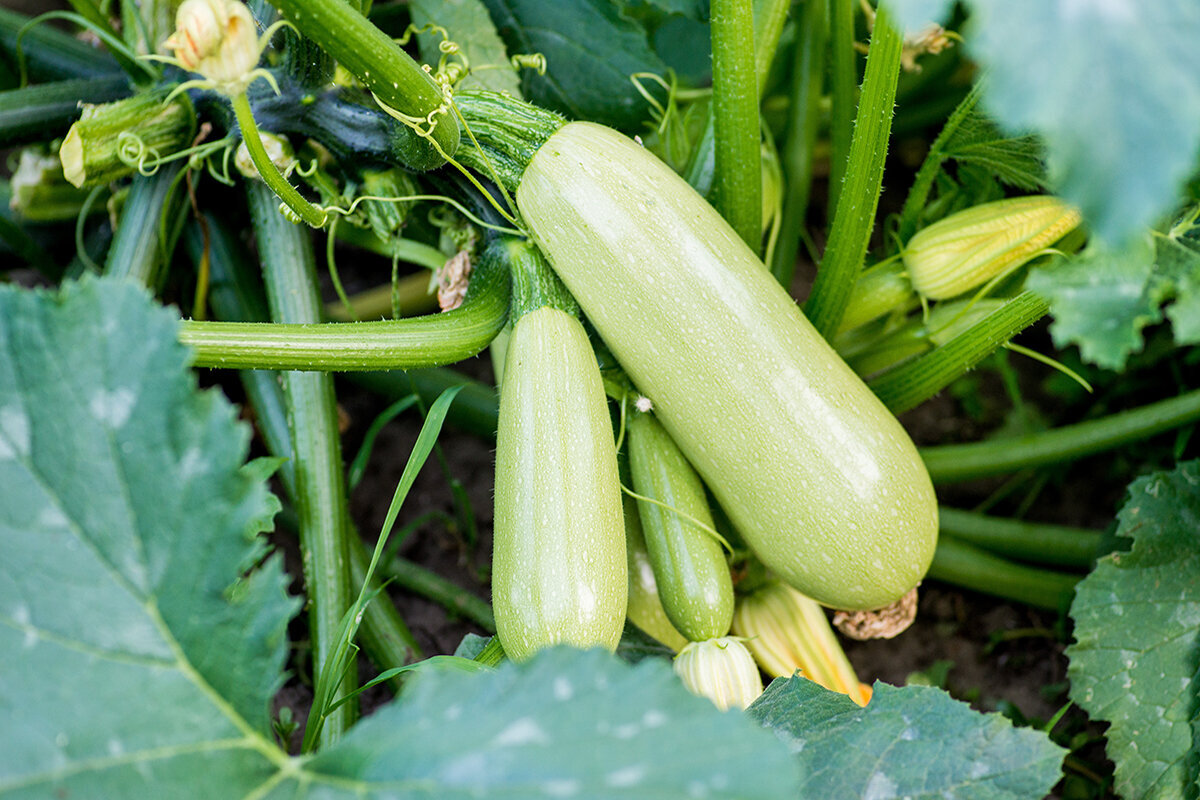
At eight in the morning, the flower is open, the foliage is still cool, and a single well-planned plant can carry the season.
Zucchini—also called courgette or summer squash—rewards greenhouse growers with speed and abundance. It also asks for more than shelter: a broad clear footprint, a moving current of air, even root-zone moisture and a practical way to pollinate flowers that may be open for only part of one morning.
One plant can be plentyOpen the vents earlyPick before seeds enlarge
The greenhouse argument
Zucchini is not a small greenhouse crop. It is a generous, fast-growing canopy with a time-sensitive flower at its center.
A greenhouse makes the early and late edges of the season more comfortable for a warmth-loving plant, keeps leaves out of prolonged rain and puts watering within easy reach. Yet it removes the casual pollinator traffic that a garden patch receives. Under glass, success is less about forcing a tropical climate and more about preserving access: access for air through the foliage, for you to inspect the crown, and for a bee or a soft brush to reach the flower.
For most home growers, one compact or open-bush cultivar is the elegant answer. Give it a dedicated bed or a large, stable container, rather than squeezing it between tomatoes and cucumbers. The result is calmer work: fewer wet leaves, less fruit hiding beneath the canopy, and a plant that can be harvested every day or two without a wrestling match.
Think of a greenhouse zucchini as a morning appointment, not a set-and-forget vine. The flower, the vents and the watering line deserve a brief daily look.
Space and cultivar choice
Budget for the leaves before you budget for the fruit.
A zucchini plant needs an aperture, not a corner.
Choose a bush, compact, or open-habit cultivar for a greenhouse. Seed catalogs differ in how they describe plant habit, so read beyond the word “bush”: look for a plant with manageable internodes, disease tolerance suited to your region, and fruit you actually want to pick frequently. A conventional cultivar needs pollination. A parthenocarpic zucchini can set fruit without it, a valuable option where the greenhouse remains screened or pollinator visits are uncertain. If you grow both types nearby, label them clearly and follow the seed supplier’s guidance.
Allow roughly 3 feet of clear width around a compact plant as a planning minimum, and more for vigorous varieties. The goal is not a strict geometric promise; it is a serviceable canopy. You should be able to reach the crown, gather fruit from every side, sweep fallen leaves, and open doors and vents without brushing damp foliage. In a compact greenhouse, one zucchini may occupy the equivalent growing room of several pepper plants.
One-plant apertureOverhead plan
Leaf reachCrownPick pathVent lane
Dashed ringMature leaf reach needs open air around it.
Center crownKeep it visible for harvesting and disease checks.
Pale corridorLeave a clear path to pick, water and hand-pollinate.
Door and ventsProtect the route that flushes warm air outward.
Establishment without drama
Start late enough that growth never has to pause.
Zucchini dislikes cold soil and does not enjoy a long residence in a small pot. Direct sowing into a prepared greenhouse bed is simple once the soil has genuinely warmed. If you prefer a head start, sow one seed per biodegradable or roomy pot about two to three weeks before planting out, then transplant while the root ball is young and intact.
01
Sow with restraint
Plant seed about 1/2 inch deep in a free-draining seed mix, then keep it evenly moist rather than saturated. A warm root zone matters more than an early calendar date. One seed per pot avoids separating intertwined roots later.
02
Pot on only if necessary
If weather delays transplanting, move the plant once into a larger container rather than allowing roots to circle tightly. Do not pinch the growing point. Provide bright light, gentle airflow and enough space that leaves dry quickly after watering.
03
Set the crown at soil level
Prepare fertile, well-drained soil with mature compost and a soil-test-led fertilizer plan. Transplant at the same depth it grew in the pot, water it in thoroughly, and let the greenhouse settle around it. Avoid burying the crown or compacting the soil beside it.
In northern climates, an unheated greenhouse can advance planting, but it does not make a cold spring into summer. Watch soil warmth and overnight temperatures, not just the date.
Flower biology
Two flowers. One short, golden exchange.
Zucchini plants typically carry separate male and female flowers. Early in the season, it is normal to see male flowers first. The important distinction is structural: the female flower has a tiny squash-shaped ovary directly beneath the petals; the male flower sits on a slender stem and carries the pollen-bearing anther inside.
Male flower
Slender stem · anther
Anther
Stigma
Female flower
Ovary · stigma
Male: slender stem, central anther
The male flower makes pollen. It may be harvested as an edible blossom once enough flowers are present, but leave a reliable supply when you are hand-pollinating.
Look for: no miniature zucchini behind the bloom; pollen-coated center.
Female: swollen ovary, receptive stigma
The small zucchini at the flower base is not a guarantee of harvest. Without adequate pollination, it may yellow, shrivel or grow into a misshapen fruit before aborting.
Look for: the immature fruit behind the petals; a multi-lobed stigma in the flower center.
The eight o’clock routine
Open.
Transfer.
Close.
Squash flowers open for a brief morning window. University guidance notes that male flowers can bloom ahead of female flowers and that successful fruit set relies on pollen reaching the female flower. In a ventilated greenhouse, you may see bumblebees or other visitors; in a sealed or screened house, assume that you are the pollinator until you observe otherwise.
A soft artist’s brush works, but the most direct method is to remove a freshly open male flower, peel back its petals and gently touch its pollen-bearing center to the stigma of a freshly open female flower. Work early, while both flowers are open and dry.
01Open
02Find pollen
03Transfer
04Read fruit
Flower openingWalk the greenhouse in the morning. Identify a fresh female bloom by the miniature fruit behind it.
Pollen checkFind a fully open male bloom with visible, dry yellow pollen on its central anther.
TransferUse a brush or the male flower itself to touch pollen onto the female stigma with a light, deliberate motion.
Fruit readingOver the next few days, a pollinated fruit enlarges evenly. Abortions and narrow, distorted fruit suggest a pollination issue.
Summer heat note
When a greenhouse stays hot for several days, flower buds can abort and pollen function can be impaired. Oregon State University notes that repeated temperatures above 90°F may reduce fruit set in summer squash. Open vents and doors early, use shade when needed, and avoid letting a dense canopy trap heat at flower level.
Water, feeding and ventilation
Keep the root zone steady; let the greenhouse breathe.
Zucchini has a large leaf area and a rapid appetite for water. Water deeply at the soil, not overhead, and judge frequency by the root-zone moisture, the container size, the weather and the plant’s load of fruit. A timer is useful only after you have watched how quickly your specific bed dries.
Mulch can moderate moisture loss once soil is warm. Feed according to a soil test or the instructions for your growing medium; overfeeding nitrogen can produce an impressive leaf canopy at the expense of flowers and fruit. In containers, regular light feeding is usually more reliable than occasional heavy doses.
Ventilation is the companion practice. Open roof vents and doors before heat accumulates. Keep the lowest aging leaves from lying on wet soil, remove damaged foliage with clean tools, and do not crowd neighboring crops into the plant’s breathing space.
Water-to-fruit river
Moist soil
Roots
Leaves
Fruit
Calcium
Evenly moist and well drained.
Uptake without drought-and-flood swings.
An airy canopy sustains movement.
Steady expansion favors tender flesh.
Stress can disrupt its movement.
If a fruit develops a dark, sunken patch at the blossom end, first inspect watering consistency and root health. Adding more fertilizer blindly is not a cure for an interrupted water supply.
For greenhouse planning ideas that make routine climate control easier, see Bloomcabin’s greenhouse setup guide for layout, planting and care.
Fruit development and diagnosis
Read the fruit before you blame the plant.
Most zucchini trouble announces itself early. A quick daily harvest walk gives you a chance to inspect new flowers, undersides of leaves and young fruit while the remedy is still simple: improve airflow, correct watering, pollinate, harvest, or remove affected tissue.
Fruit set
Poor set
Fruit quality
Blossom end
Foliage
Powdery mildew
Pest watch
Chewed leaves
Climate
Heat stress
Tiny fruit yellows and collapses
Most often, this is incomplete pollination. Confirm that both flower types overlap, then hand-pollinate in the morning for several days.
Dark patch at the blossom end
Blossom-end rot is a physiological disorder linked to disrupted water movement. Stabilize moisture, avoid root damage, and remove badly affected fruit.
White, floury patches
Powdery mildew is common on cucurbits. Improve spacing and air movement, keep leaves dry, remove heavily affected debris, and choose resistant cultivars when possible.
Chewed leaves or sudden wilt
Inspect crowns and leaf undersides for pests such as cucumber beetles or squash bugs. Use current guidance for your state or county before choosing any control.
- Do not spray open flowers when pollinators are active.
- Sanitize tools after removing diseased tissue.
Blossoms drop during a hot spell
Open vents early, shade the greenhouse thoughtfully and keep irrigation even. The aim is a cooler, moving atmosphere—not a sealed, humid refuge.
Picking rhythm
Harvest is how you keep the plant in production.
Pick zucchini while its skin is glossy and tender and its seeds are still small. A practical prime size for many green zucchini is about 6 to 8 inches long, though shape and cultivar matter more than a ruler alone. Check daily in peak summer: fruit can move from ideal to oversized with surprising speed under glass.
Use a clean knife or pruners to cut a short stem rather than twisting hard at the plant. Harvesting frequently tells the plant to continue directing energy toward new flowers and fruit. If one escapes notice and becomes a large marrow, remove it anyway; leaving it in place slows the next round.
For the best eating quality, refrigerate briefly and use soon. University of Minnesota Extension advises that summer squash is best eaten as it ripens and that extended refrigeration can cause quality loss.
Baby2–4 in.
Young4–6 in.
Prime6–8 in.
Oversized8 in. +
Very tender; ideal for quick cooking or raw ribbons.
Delicate skin and small seeds; excellent everyday size.
Balanced texture and yield; pick often at this stage.
Thicker skin and larger seeds; grate or stuff, then remove promptly.
The two-minute harvest pass
Open the greenhouse, check the thermometer and vents, lift leaves gently from the outside inward, cut ready fruit, and look once at every fresh female flower. That compact ritual catches a missed zucchini, a flower needing pollen, a dry root zone and the first sign of mildew before any one issue becomes a greenhouse problem.
End-of-season plant management
Finish cleanly, then reset the room.
When production slows, disease pressure rises or cool weather ends the crop, remove the entire plant and its fallen debris. Do not leave mildew-covered leaves or decaying fruit under the bench. Clean paths, pots, tools and irrigation fittings before the next planting cycle, and give the greenhouse a period of open, dry ventilation.
If you grow zucchini in the same soil each year, rotate crop families where your space allows or renew a container medium. A greenhouse does not erase the value of crop rotation, sanitation and a soil test; it simply gives you a more controlled place to practice them.
Close the season with intention
- Remove fruit, vines and leaf litter promptly.✓
- Wash harvest tools and inspect drip lines or emitters.✓
- Clean glazing enough to restore winter light.✓
- Review where the canopy crowded a path or vent.✓
- Plan the next plant’s footprint before spring seed orders arrive.✓
For a structure that can be planned around generous paths, roof ventilation and a serious growing layout, explore the Classic Aluminum Greenhouse from Bloomcabin.
Frequently asked questions
Greenhouse zucchini, clarified.
Can zucchini grow in an unheated greenhouse?
Yes, provided the greenhouse soil and air have warmed sufficiently and frost risk is managed. Zucchini is a warm-season crop, so do not rush a plant into cold soil simply because it is under glass. An unheated greenhouse is most useful for season extension, wind and rain protection, and more controllable watering.
How many zucchini plants should I grow in a greenhouse?
For many home greenhouses, one plant is enough. Add a second only when you have a generous footprint, separate airflow around each canopy and a clear reason—such as staggered production, a large household or a pollination partner. Two crowded plants are usually less useful than one accessible plant.
Do I have to hand-pollinate zucchini in a greenhouse?
Not always. If pollinators regularly enter through open doors and vents, conventional zucchini may set fruit naturally. But hand pollination is a sensible routine when access is uncertain. Alternatively, consider a parthenocarpic cultivar that can set fruit without pollination; check variety information carefully before buying seed.
Why does my greenhouse zucchini have lots of leaves but few fruit?
Look first at pollination, heat and nitrogen. A dense canopy may indicate excessive nitrogen, while hot conditions can reduce flower performance. Make sure male and female flowers overlap, hand-pollinate in the morning, improve ventilation and avoid additional high-nitrogen feeding until the plant is fruiting well.
Should I prune zucchini leaves in a greenhouse?
Do not strip a healthy plant. Remove only leaves that are old, damaged, touching wet soil, severely diseased or preventing access to fruit and the crown. Use clean tools and make modest changes so the plant retains the leaf area it needs to feed its ongoing harvest.
Sources and further reading
Good growing begins with good references.
These U.S. university and extension resources informed the greenhouse-specific guidance above. Local county extension offices can add the most useful detail on your region’s summer heat, pests and recommended cultivars.
- University of Minnesota Extension — Growing summer squash and zucchini in home gardensPlanting, watering, harvest, fertility, pollination and common disorders.
- University of Minnesota Extension — Flower and fruit set in cucurbitsMorning flower timing, pollinator needs, spacing and nitrogen considerations.
- University of Maryland Extension — Vegetable plant pollination in a changing climatePollination principles and parthenocarpic summer squash options.
- Oregon State University Extension — Growing Your OwnSummer squash spacing, heat-related fruit-set issues and harvest guidance.
- Penn State Extension — Addressing downy mildew and powdery mildew in the home gardenIdentification context for two important mildew problems.
- Colorado State University Extension — Cucurbit plant disordersVisual clues for poor pollination and blossom-end rot on cucurbits.
Plan the morning room
Give one productive plant the room, ventilation and access it deserves.
A good zucchini greenhouse is not crowded with possibility. It is deliberately arranged around a clear path, open vents, a visible crown and the daily pleasure of gathering fruit while it is still perfect.
Explore the Classic Aluminum GreenhousePlanning cue: reserve the central route first; place beds and staging only after every vent and every harvest point remains easy to reach.
Continue shaping the details with Bloomcabin’s guide to custom aluminum greenhouses and its overview of premium greenhouse designs for American gardens.
