
Pergola Noise in Rain and Wind: What to Expect and Ask
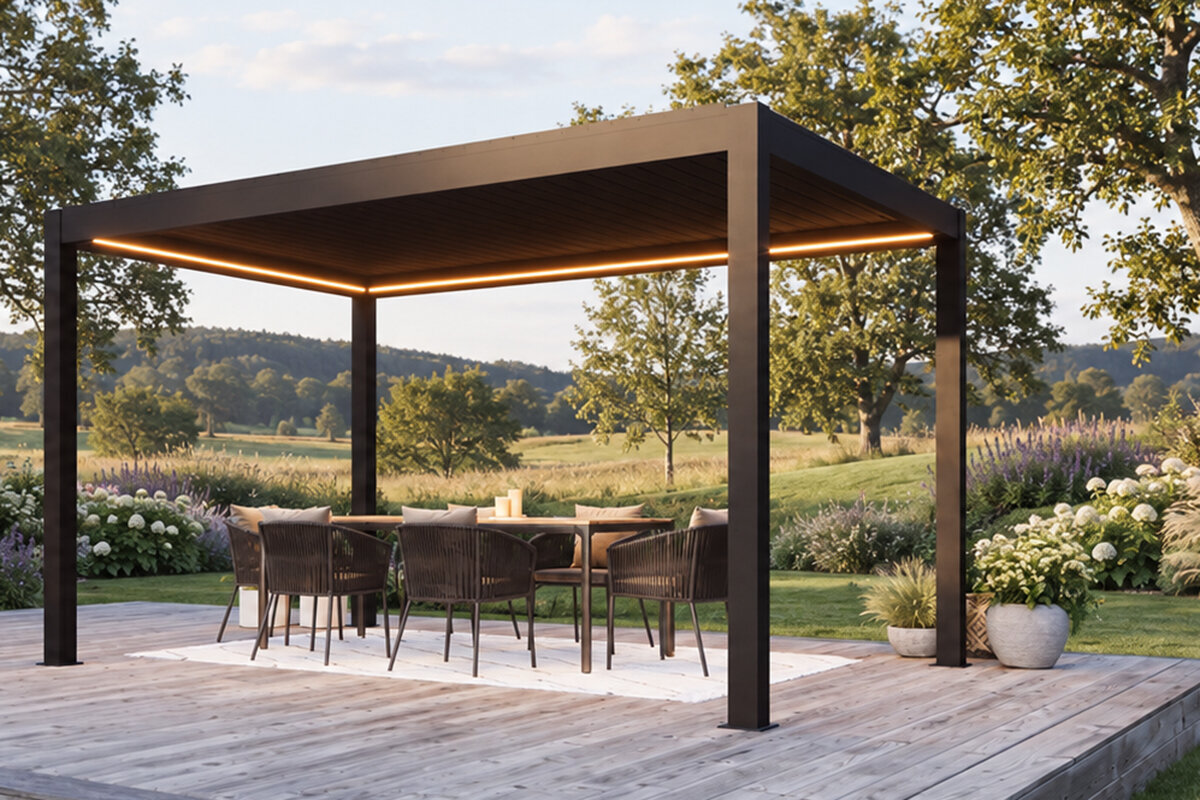
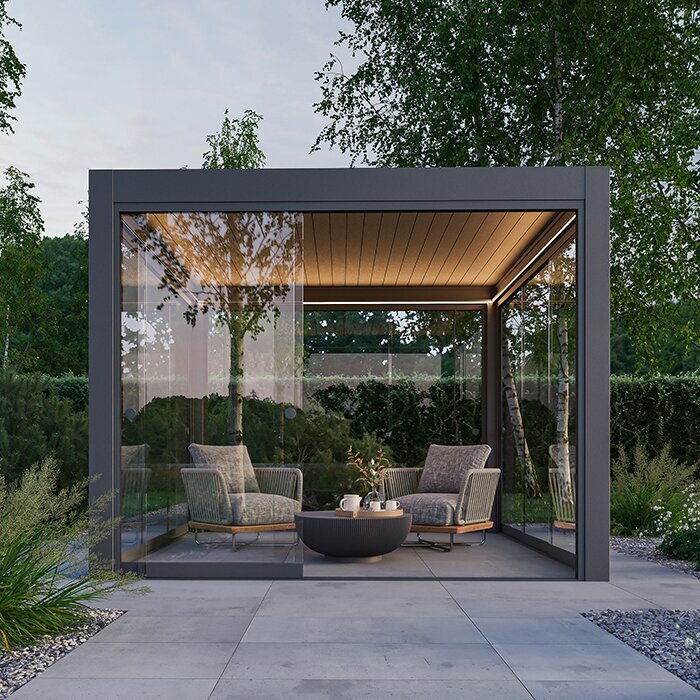
Outdoor comfort guide
Pergola Noise in Rain and Wind: What to Expect and Ask
Rain on a pergola can feel pleasantly atmospheric, while wind can reveal small movements or loose details. The useful question is not whether any sound exists, but which sounds are normal, what may be adjustable, and what a well-planned installation should address.
Pergola noise in rain and wind is shaped by more than the frame material. Roof style, panel geometry, drainage routes, neighboring walls, the openness of the site, and the way the structure meets its foundation all influence what people hear. A sound that is barely noticeable in an open yard may seem much sharper beside a bedroom window or under a low eave.
For buyers, acoustic comfort is best treated as a design conversation rather than a promise of silence. Rain creates impact sound; wind can move air around edges and make components respond. A quality-focused discussion identifies where those sounds can originate, whether they occur only in certain conditions, and how the selected configuration suits the intended seating area.
This guide separates expected weather sounds from clues that deserve follow-up. It also offers practical questions for comparing an aluminum pergola, reviewing a proposed location, and checking installation details before work begins. That approach helps you make a confident, informed choice without relying on unsupported claims about absolute quietness.
01 · Start with the roof
Why rain sounds different under a pergola
Rain noise begins with impact: drops meet a hard roof surface and create a pattern that changes with rainfall intensity. A brief shower, steady rain, and a heavy downpour will not sound alike. The roof’s shape, its spans, and the space beneath it all influence how that pattern is perceived while people are dining, reading, or talking outdoors.
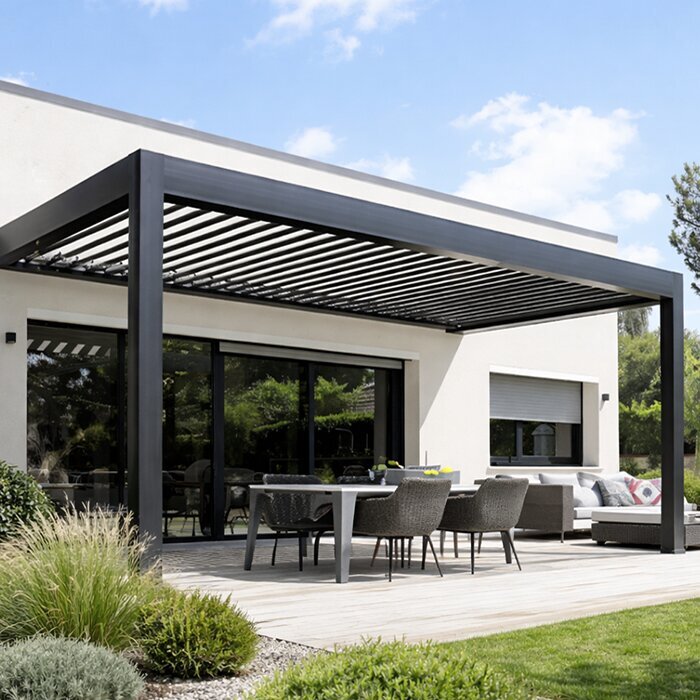
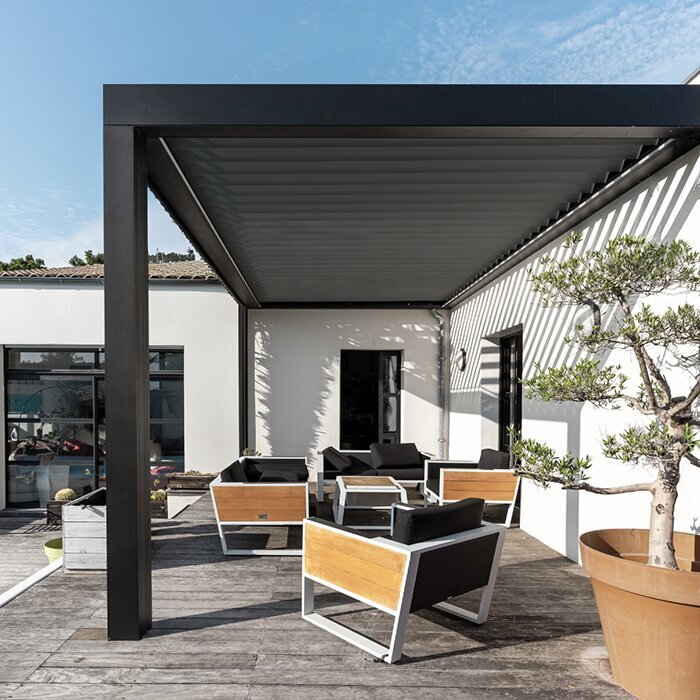
With an adjustable louvered roof, the louver position can alter both the route of water and the soundscape below. When comparing options, ask to understand the roof’s intended closed position in rain, how water is directed away, and whether the proposed setting includes surfaces that reflect sound back toward the seating area.
When visiting a display or reviewing samples, consider the setting around the roof as well as the structure itself. Nearby walls, paving, and windows can change how rain sounds are perceived.
- Hard paving, house walls, and large windows can reflect rain sound, making an otherwise open pergola feel acoustically more enclosed.
- Listen for a consistent rain pattern rather than assuming every audible drop indicates a product problem or installation fault.
For buyers considering movable roof elements, explore bioclimatic pergola roof options alongside questions about drainage and daily operation.
02 · Open-roof character
What a regular pergola lets you hear
A regular pergola often leaves the sky more present in the experience of the space. That can mean fewer roof-surface rain sounds when the structure has an open top, but it does not make the patio soundless. Wind through nearby planting, shade fabric, furniture, gates, or a fence may be the dominant source instead.
The practical comparison is between the desired level of shelter and the kind of outdoor atmosphere you enjoy. A roof treatment, canopy, or added accessory can introduce its own points of contact and movement. Ask what is included in the selected setup, how it is tensioned or fixed, and what routine inspection is appropriate.
Because a regular pergola can be customized with shade or cover options, ask how each addition is secured. The quietest-looking accessory may still need attention in changing wind.
- An open framework may make ambient garden sounds more noticeable because there is less overhead surface to interrupt them.
- Loose decorative items, untethered furniture, and shade accessories can create more noise than the pergola frame itself.
If you prefer an open-air structure, compare regular pergola designs with the accessories you may add later.
03 · Wind behavior
How moving parts can create sound
Wind noise is rarely one single sound. Air may pass over edges, between louvers, around posts, or through the gap between a pergola and an adjacent building. Gusts can make that sound rise and fall quickly. On an exposed lot, the local wind path can be shaped by rooflines, corners, fences, trees, and neighboring structures.
Movable components deserve specific attention because they rely on correct alignment and secure connections. A small rattle, clicking sound, or rubbing noise can point to a component that needs inspection, though context matters. Note whether the sound occurs with the roof open, closed, or partly positioned, and whether it begins only from one wind direction.
Weather observations are more useful when they are specific. Note whether a sound follows a gust, occurs at one corner, or changes after louvers are repositioned.
- Ask where air can enter and exit around the chosen roof configuration, especially near walls, screens, and property boundaries.
- Describe recurring sounds by condition: wind direction, roof position, rainfall, temperature, and whether nearby doors or windows were open.
To discuss adjustable components in more detail, review bioclimatic aluminum pergolas before settling on a roof style.
04 · Structure and setting
The installation details behind a composed feel
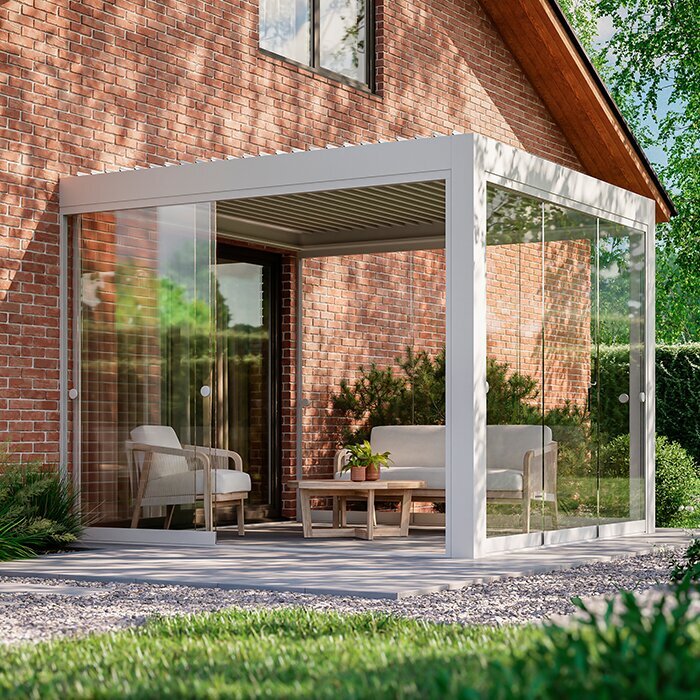
A pergola is a system, not simply a roof on posts. The foundation or mounting surface, anchors, frame alignment, joints, and drainage connections all affect how the structure responds outdoors. Correct installation helps limit unnecessary movement, while an unsuitable base or poorly finished connection can transfer vibration or leave a component out of position.
This is why the site review should include the condition of the existing patio or deck, the proposed attachment points, and clearances around the frame. Ask who is responsible for assessing the substrate and how adjustments are handled during installation. If the project involves a wall, clarify how that interface is planned without assuming every property needs the same approach.
A post-installation review is a useful time to confirm everyday operation. Ask the installer to identify accessible care points and explain what should remain unobstructed around the frame.
- A level, appropriate supporting surface is important for alignment, water management, and the way connected parts meet during operation.
- Request a clear final walkthrough covering normal operation, visible checks, drainage outlets, and the route for reporting a concern.
For a simpler open-frame starting point, consider regular aluminum pergola styles in relation to your patio construction.
05 · Water management
Drainage sounds are part of the picture
Water does not stop making sound once it leaves the roof. During rain, it may travel through integrated channels, down posts, or into a planned discharge point. A steady trickle can be expected as water moves; splashing against a hard surface, pooling near an outlet, or an abrupt overflow deserves a closer look at the drainage route and surrounding grade.
Before choosing a location, imagine where rainwater will be heard as well as where it will go. A downspout outlet near a quiet seating corner may be more noticeable than one directed away from the main gathering area. The best conversation includes existing drains, paving slope, nearby doors, and the relevant local building or municipal department’s requirements where drainage work is proposed.
Drainage should be considered as part of the whole outdoor layout. Water sounds may be more noticeable near doorways, seating, retaining walls, or surfaces that amplify splashing.
- Check that outlet locations will not send water onto a resonant metal cover, loose gravel, or a surface directly beside seating.
- Keep leaves and debris from obstructing visible drainage inlets, following the care guidance supplied for your selected configuration.
When rain management is a priority, look at bioclimatic pergolas with louvers and ask how their drainage path is planned.
06 · Design choices
Surfaces around the pergola matter too
The material palette around a pergola changes the acoustic impression. Dense masonry, broad panes of glass, smooth siding, and hard paving can return sound into the terrace. Planting, textile furnishings, and softer landscape edges may make the setting feel less reflective, although they should be chosen for their outdoor suitability rather than as a promised acoustic solution.
Think through how the space will be used at the moments when weather noise matters most. A dinner table close to a house wall, for example, may concentrate conversation and rain sound in one place. Moving furniture, selecting a different orientation, or leaving a clearer perimeter can improve everyday comfort without changing the main structure.
Small site changes can affect the experience over time. New fencing, planters, screens, or furniture may redirect airflow or introduce contact points that were absent during initial planning.
- Map doors, bedroom windows, neighboring patios, and hard boundaries before finalizing the pergola position and the main seating arrangement.
- Choose outdoor accessories with secure fixings; fabric edges, loose covers, and unsecured planters may flap or knock in gusty weather.
For an airy framework that supports a flexible landscape plan, browse traditional regular pergolas with your chosen terrace materials in mind.
07 · Buyer questions
How to compare proposals intelligently
Bring the same acoustic questions to every proposal. Ask what roof elements move, where rainwater runs, how the frame is anchored, and which maintenance checks are expected. A good answer should be specific to the layout under discussion, not a broad assurance that the structure never makes noise in bad weather.
It is also sensible to separate a normal weather sound from a service issue. Ask what signs should prompt contact after installation, how to document a concern, and what operating guidance applies during changing weather. Keep the written proposal and product information together so the agreed configuration can be reviewed accurately if questions arise later.
Written project details help keep comparisons clear. Match each proposed roof, water-management approach, accessory, and mounting method to the specific layout being discussed before deciding.
- Ask whether the quote identifies roof type, drainage arrangement, mounting method, accessories, and any work needed to prepare the site.
- Avoid comparing only visual renderings; request explanation of joints, moving components, water exits, and the intended operating positions.
Use your questions while comparing bioclimatic pergola configurations that suit the way you expect to use the terrace.
08 · Long-term comfort
When a new sound deserves attention
A familiar sound during heavy rain is different from a new rattle, scrape, repeated click, or vibration that appears after use. Start with safe, simple observations from the ground: identify the weather condition, roof position, and location of the sound. Do not climb on the structure or attempt adjustments beyond the supplied operating and care guidance.
Seasonal debris, nearby landscaping, and shifting outdoor furniture can all change what you hear. If the sound seems connected to drainage, a moving component, or a visible connection, report those details to the relevant installer or supplier. Prompt, accurate information makes it easier to decide whether inspection or routine care is the appropriate next step.
Avoid diagnosing a sound during unsafe weather. Once conditions are calm, check the surrounding area from the ground and share clear observations through the appropriate service contact.
- Record a short description of when the sound occurs and whether it stops when wind, rain, or roof position changes.
- Keep the surrounding area clear of objects that can strike posts, channels, or roof elements during unsettled weather.
For a low-complexity outdoor structure, explore regular pergola collections and discuss care needs before purchase.
Comparison
Rain and wind questions by pergola approach
Both approaches can create weather-related sound, but the questions differ. Use this comparison to focus the conversation on the roof, water route, surrounding surfaces, and expected operation rather than looking for an unrealistic promise of complete silence.
| Consideration | Bioclimatic pergola | Regular pergola |
|---|---|---|
| Rain overhead | Ask about louvers, closed position, and integrated water route. | Ask which added roof or shade elements create rain contact. |
| Wind response | Discuss moving roof parts, edge airflow, and operating guidance. | Discuss open-frame airflow and any fabric or accessory movement. |
| Drainage | Identify channels, down-post routes, and outlet placement. | Confirm how any separate cover directs water away from seating. |
| Site acoustics | Review walls, glazing, paving, and nearby quiet rooms. | Review planting, loose furnishings, fences, and open exposure. |
| Useful final walkthrough | Request roof operation and care instructions. | Request accessory fixing and seasonal care instructions. |
Plan for sound before installation
A few early decisions can prevent surprises once the pergola is in daily use. Build weather sound into the same site conversation as shade, circulation, drainage, and outdoor living.
01
Walk the site in changing weather
Notice prevailing gusts, runoff paths, hard reflective surfaces, nearby windows, and objects that already move or rattle in the proposed area.
02
Set the intended use
Decide whether the priority is relaxed dining, a quiet reading corner, entertaining, or transition space beside the house. Placement follows use.
03
Choose the roof approach
Compare an adjustable roof or open framework based on desired shelter, visual character, maintenance expectations, and the kinds of weather sounds you accept.
04
Review the water route
Discuss where water is collected, discharged, and heard. Check existing paving slopes and consult the relevant local building or municipal department where site work requires it.
05
Confirm installation responsibilities
Clarify substrate assessment, anchoring, alignment, access, the final walkthrough, and who should be contacted if a new sound or drainage concern develops.
Questions to take to a consultation
Use this checklist to turn a broad concern about noise into clear, answerable project questions. It is especially useful when comparing more than one layout or roof style.
01. Which parts of this exact configuration move, and in which roof positions are they intended to be used during rain or wind?
02. How will rainwater travel from the roof to its final outlet, and where might trickling or splashing be heard?
03. What site conditions could increase wind around this location, including corners, walls, fences, or changes in roof height?
04. How will the existing patio, deck, or foundation be assessed for level, suitability, and secure anchoring before installation begins?
05. Which nearby surfaces may reflect sound toward the seating area, such as glazing, masonry, siding, or dense paving?
06. What routine care helps keep drainage entries, visible joints, and accessories clear and correctly positioned through the seasons?
07. What sounds are considered worth reporting, and what details should I provide about weather, roof position, and sound location?
08. If work affects drainage, attachment, or structural changes, which questions should I raise with the relevant local building or municipal department or my insurer?
Frequently asked questions
Should an aluminum pergola be silent in the rain?
No outdoor roof should be expected to be silent when rain strikes it. The sound will vary with rainfall intensity, roof form, the openness of the setting, and nearby hard surfaces. A better standard is a clear understanding of the expected sound and a properly planned roof, drainage, and installation arrangement.
Why does my pergola seem louder during wind gusts?
Gusts create rapidly changing air pressure and direction around edges, posts, roof elements, screens, and nearby buildings. That can make sound appear only intermittently. Check for loose furnishings or accessories first, then note the roof position and wind direction. A persistent new rattle or vibration should be reported with those details.
Can drainage make noise after a storm begins?
Yes. Water moving through channels and downspouts can be audible, particularly during a sudden heavy shower. The outlet location and surface below it affect whether the sound is a soft flow or noticeable splashing. If water overflows, pools unexpectedly, or creates a new sound, arrange an appropriate inspection.
Do louvers make a bioclimatic pergola noisy?
Louvers add movable roof elements, so their alignment, operating position, and interaction with wind are relevant questions. They should not be judged by a generic silence claim. Ask how they are used in rain, what normal operation feels and sounds like, and what maintenance or service signs should be watched for.
Can landscaping reduce pergola noise?
Landscaping can alter the feel of an outdoor setting by softening boundaries and interrupting some reflections, but it is not a intended acoustic treatment. Secure planting and outdoor items are also important: branches, loose pots, covers, and ornaments can introduce their own wind noise near the pergola.
Should I ask about permits or insurance for a pergola?
It is wise to check early when a project involves structural work, attachment to a home, drainage changes, or a property boundary. Requirements and insurance considerations vary by location and policy. Contact the relevant local building or municipal department and your insurer for guidance specific to your property and planned configuration.
Plan your pergola conversation
Choose informed comfort, not a silence promise
Weather is part of the appeal of an outdoor room, and a pergola will naturally register some of it. The goal is to understand the likely sources of rain and wind sound, then select a roof approach, location, drainage route, and installation plan that fit how you want to spend time outside.
Bring specific questions to your consultation, especially about moving parts, water outlets, anchors, and the hard surfaces around the patio. Bloomcabin can help you compare pergola approaches clearly, while the final decision should reflect your site conditions, local requirements, and preferred outdoor atmosphere.
Compare roof approaches and prepare the questions that matter for your outdoor setting.
