
Plan Your Greenhouse Delivery From Access to Inspection

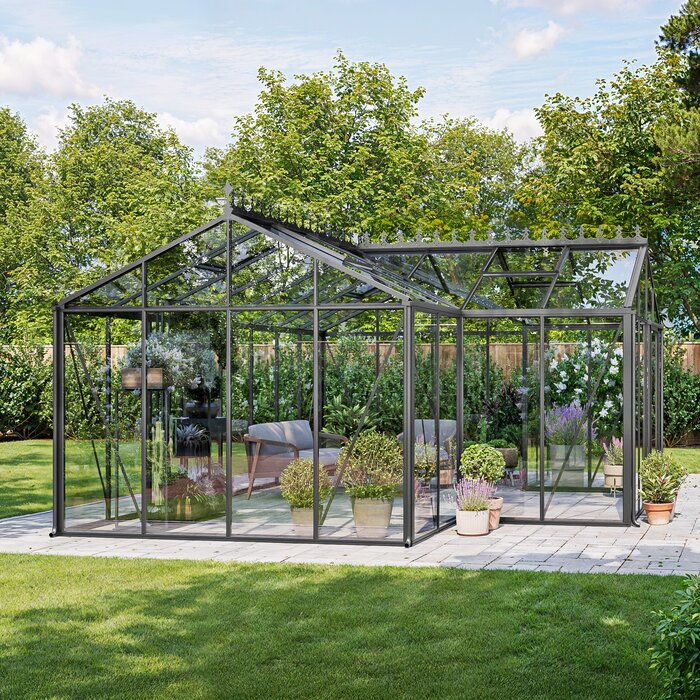
Greenhouse delivery planning is less about predicting every detail and more about removing avoidable obstacles. Measure the approach, organize a dry staging area, arrange practical help, and know what to check before packages are moved or assembly begins.
A greenhouse is delivered as substantial, separate packages rather than a finished garden structure. Those packages need a route from the delivery vehicle to a secure, accessible place on your property. A driveway that feels generous for everyday cars can become difficult around low branches, a narrow gate, soft ground, sharp turns, or parked vehicles. Look at the entire route, not just the final garden site.
Start this process once you know the greenhouse style and approximate footprint you are considering. Delivery readiness should influence where you place the foundation materials, where cartons can rest temporarily, and whether you need a second person on hand. It is also a good time to speak with household members, landscapers, or contractors whose schedules could affect access to the property.
This guide focuses on access, unloading, package inspection, and short-term storage before assembly. It does not replace the delivery information supplied for your order or the assembly instructions for your chosen model. Conditions vary greatly between homes, so use the advice here as a practical planning framework and confirm any delivery-specific questions with Bloomcabin before the scheduled delivery.
Access first · 01
Map the vehicle approach and property route
Begin at the public street and follow the likely delivery path all the way to your chosen unloading point. Note curbside parking, tight driveway entrances, turning areas, utility boxes, gates, landscaping, and neighboring vehicles that may narrow the route on a normal day. If a driver must stop at a different point than expected, you should already know how packages can be moved safely and without crossing an unsuitable surface.
Look upward as carefully as you look at the ground. Mature branches, low wires, hanging fixtures, and roof overhangs can create constraints for larger vehicles or for lifting and carrying long cartons. Do not trim near utility lines yourself; contact the relevant provider or a qualified professional where needed. Clear only what you can safely manage, and postpone movable obstacles such as bins, cars, and planters before delivery day.
- Measure narrow points between fixed objects, then compare them with the delivery guidance supplied for your order.
- Photograph difficult turns, gates, and slopes so you can discuss genuine access concerns before the delivery date.
If a freestanding layout suits your route and garden, explore a standard Classic greenhouse while planning its package path.
Site logistics · 02
Choose an unloading area that works
The ideal unloading area is firm, reasonably level, close to the assembly site, and large enough for packages to be placed without stacking precariously. It should not be the only route to your front door, garage, or vehicle parking. Consider how rain drains across the space, whether the surface becomes muddy, and whether a hand truck or people carrying components can move without tripping hazards.
A greenhouse foundation may be your eventual destination, but it is not always the best place to receive every package. Fresh concrete, incomplete groundwork, loose gravel, or exposed anchor points can make staging awkward. A nearby patio, driveway section, or protected hard surface may be more practical. Keep a clear transfer route between the unloading zone and the build area, especially if assembly will happen over several sessions.
- Remove loose hoses, tools, furniture, and decorative items before delivery, rather than trying to reorganize around arriving packages.
- Mark a no-parking area in advance if household vehicles could obstruct the vehicle approach or unloading space.
For a structure planned alongside an existing wall, consider a full-size regular Lean-To greenhouse and reserve a clear staging area beside it.
People and equipment · 03
Plan unloading help without improvising
Read the delivery communication carefully to understand what arrangements apply to your shipment, then plan your household role accordingly. Delivery personnel may have defined responsibilities and limits, so do not assume they can carry packages across lawns, up steps, through a home, or into a backyard. If you expect a long carry, awkward slope, or restricted gate, organize capable help or suitable handling equipment beforehand.
Use equipment only where the ground and load make it sensible. A dolly or hand truck can be useful on smooth, firm surfaces, but it can be unstable on gravel, grass, uneven pavers, or slopes. Wear closed-toe shoes and gloves with good grip, and agree on a clear route before lifting. Slow, coordinated handling is safer than trying to save a few minutes through rushed carrying.
- Assign one person to guide the route and another to keep children, pets, and bystanders away from moving packages.
- Avoid dragging cartons over rough ground, which can damage packaging and make later inspection harder.
Review the packaging needs of a standard Classic greenhouse model before deciding whether extra handling help is appropriate.
Ground conditions · 04
Prepare for weather and uneven surfaces
Weather can change the practicality of a perfectly planned delivery route. Rain may soften lawn areas, make wooden steps slippery, or create puddles where cartons should not sit. Wind can complicate the handling of broad packaging and loose protective materials. You cannot control conditions, but you can reduce exposure by choosing a hard-surfaced staging location and removing avoidable hazards before the truck is expected.
Pay particular attention to slopes, thresholds, and transitions between surfaces. A small drop from driveway to path can catch a cart wheel; a narrow side passage can force people to twist while carrying; and a newly landscaped bed may not support repeated foot traffic. If your intended route seems marginal, select a simpler temporary storage point and move packages later under calmer, more controlled conditions.
- Lay temporary protective boards only where they create a stable walking surface and do not become a trip hazard.
- Keep drainage channels and storm drains clear so sudden runoff does not collect beneath stored cartons.
A wall-side project benefits from delivery planning tailored to a full-size regular Lean-To greenhouse layout and its adjacent access route.
At arrival · 05
Inspect packages before they are scattered
Be present if possible, with your order details accessible and a phone ready for photographs. Before cartons are separated around the property, check the number of visible packages against the delivery paperwork and look over the exterior condition. Focus on crushed corners, punctures, wet packaging, open straps, torn wrapping, or signs that a package has shifted significantly during transit. Record what you see clearly and promptly.
An exterior mark does not automatically mean a component is damaged, and an intact carton does not prove every item is present. The purpose of this first check is to preserve a useful record while the delivery is fresh. Follow the reporting process provided with your order if you notice a concern. Keep delivery documents, photos, package labels, and any relevant notes together rather than relying on memory later.
- Photograph a concern from several angles, including its package label and a wider view showing the carton condition.
- Do not discard wrapping, labels, or delivery paperwork until package contents have been checked during assembly preparation.
Keep cartons grouped by the order for your standard Classic greenhouse purchase until the inventory process can begin.
Short-term storage · 06
Protect components until assembly can start
If the build cannot begin immediately, choose a dry, sheltered storage location with a stable, level base. A garage, covered porch, or clean shed may work if it has sufficient space and does not expose packages to leaks, vehicle impact, or frequent disturbance. Keep cartons off standing water and away from sprinklers. Do not place heavy household items on top of them or lean long packages where they could slide.
Organization matters as much as protection. Keep packages together in their labeled groups, with small hardware cartons secured where they will not be lost. If you need to open a carton to investigate a documented issue, close and protect it again, then make a note of what was opened. Avoid unpacking every component early: loose pieces are easier to misplace, scratch, or mix with unrelated project materials.
- Store glass or panel packages where they cannot be knocked by bicycles, doors, lawn equipment, or routine household traffic.
- Use a simple inventory note to track any carton moved away from the main staging area.
Before storing materials for a wall-adjacent build, identify the package groups for a full-size regular Lean-To greenhouse kit and keep them together.
From delivery to build · 07
Keep the assembly site accessible
Delivery day preparation should support the next stage rather than create a new obstacle. Maintain a practical corridor between stored packages, the foundation, and any workspace used for sorting. Check that ladders, tools, fasteners, and protective coverings can be brought in without moving every carton twice. If other garden work is underway, separate greenhouse materials from soil piles, mulch, irrigation parts, and contractor equipment.
The final build area also deserves a quick readiness check before packages arrive. Confirm that the foundation or base work is at the stage required by the assembly plan, and remove loose materials from the perimeter. Think about where you will place long profiles temporarily, where panels can rest safely, and how you will protect them from foot traffic. A calm setup phase helps prevent avoidable confusion once assembly starts.
- Create one clearly marked workspace for instructions, hardware, and tools so essential small items do not disappear into the garden.
- Schedule noisy landscaping, paving, or tree work separately when possible, keeping the delivery and assembly route unobstructed.
A measured foundation and clear work zone make preparation easier for a standard Classic greenhouse installation after delivery.
Final checks · 08
Confirm details and keep records organized
In the days before delivery, repeat the access walk-through rather than trusting an earlier assessment. Cars may have been parked differently, a gate may be locked, construction materials may have appeared, or weather may have altered ground conditions. Tell everyone at home what needs to stay clear. Have a contact number available, keep pets indoors or safely contained, and make sure someone can identify the planned unloading area.
After delivery, place paperwork, photos, package notes, and assembly instructions in one project folder. This record gives you a clear starting point when you unpack and can be useful if a question arises. Check the applicable written product terms and scope for your purchase, rather than assuming what is covered. Careful delivery records are not bureaucracy; they are a practical part of managing a significant garden project.
- Recheck that stored packages remain dry and stable after the first night, especially following rain or strong wind.
- Keep the assembly instructions accessible, but wait to remove protective packaging until the relevant construction step requires it.
Complete the pre-build review for your full-size regular Lean-To greenhouse project before opening cartons for assembly.
Comparison
Delivery readiness: common locations compared
The best unloading choice depends on access, weather, and how soon assembly can begin. Use this comparison to assess the tradeoffs around your home. It is a planning tool, not a substitute for the delivery instructions supplied with your order.
| Location | Best use | Watch for |
|---|---|---|
| Driveway or paved apron | Firm, convenient temporary staging near vehicle access. | Keep vehicles, doors, and pedestrian routes clear. |
| Garage or covered storage | Short delay before assembly in a dry space. | Allow room for cartons and prevent vehicle contact. |
| Patio near greenhouse site | Direct transfer route on a stable surface. | Protect access to doors and avoid drainage low spots. |
| Lawn or landscaped area | Only when firm conditions and carrying route allow. | Soft ground, uneven footing, moisture, and plant damage. |
| Foundation area | Useful when complete and safely accessible. | Do not obstruct construction or stage on unfinished work. |
Measure the whole route
Check street approach, driveway width, overhead clearance, gates, slopes, turns, and the walking route to storage—not simply the greenhouse pad.
Prepare a staging zone
Choose firm, level ground near the final site, with room to sort packages while keeping pathways, drains, doors, and vehicle access clear.
Inspect before dispersing
Review labels and visible packaging promptly, document anything unusual, and keep related cartons together until you can cross-check contents during assembly.
A five-step delivery readiness plan
Work through these steps several days before the expected delivery. They turn a vague idea of “having room” into a clear plan for arrival, inspection, and secure storage.
01
Walk the route
Trace the path from the street to the intended unloading area. Measure narrow passages, identify overhead constraints, and remove portable obstacles.
02
Select the staging zone
Choose level, well-drained ground near the greenhouse site. Leave enough circulation space for people, packages, and normal household movement.
03
Organize help and safety
Decide who will be present, who can guide the route, and what equipment is appropriate for your surfaces. Keep pets and children clear.
04
Set up inspection tools
Have delivery documents, a phone for photographs, a pen, and a dry folder ready. Plan where labels and paperwork will be kept.
05
Prepare for a delay
Clear a dry temporary storage area before delivery. Keep cartons grouped, supported, and protected if assembly must wait.
Greenhouse delivery day checklist
Use this concise checklist on the morning of delivery. It covers the small practical details that are easiest to overlook when a shipment is about to arrive.
01. Move cars, bins, garden furniture, and loose equipment away from the agreed vehicle approach and unloading area.
02. Open gates, unlock side access, and check that the route remains free of new landscaping or contractor materials.
03. Confirm the staging surface is firm, level, and clear of puddles, standing water, or unstable loose gravel.
04. Keep children and pets safely away from the route while packages are being delivered or moved.
05. Have gloves, closed-toe shoes, delivery documents, phone camera, and a pen ready before arrival.
06. Check exterior packaging, labels, and package count before cartons are carried to separate locations.
07. Photograph visible damage or wet, torn, punctured, or shifted packaging and follow the supplied reporting process.
08. Move packages into dry, stable storage if assembly will not start promptly, keeping labels and related cartons together.
Frequently asked questions
Do I need to be home for greenhouse delivery?
Being present is strongly helpful because you can direct the unloading location, inspect visible packaging, and retain delivery paperwork. If another adult will receive the shipment, give them a simple route plan, the order details, your preferred staging area, and instructions to photograph any apparent packaging concerns before cartons are dispersed.
Can greenhouse packages be left on a lawn?
A lawn may be workable for a very short period when it is firm and dry, but it is generally less predictable than a paved or covered surface. Grass can become soft, uneven, or wet quickly. Choose a stable location whenever possible, and avoid placing packages where irrigation, runoff, or routine garden traffic could affect them.
What should I inspect when the shipment arrives?
Check visible package count against the paperwork and look for crushed corners, punctures, open wrapping, moisture, damaged straps, or signs of shifting. Photograph anything that concerns you, including package labels. Retain all documents and follow the reporting steps provided with your order. A full component check is usually easier during organized unpacking for assembly.
Should I open every carton immediately?
Usually, no. Opening everything at once can make parts difficult to track and may expose components to damage or weather. First document any exterior concern, then keep packages labeled and together. Open cartons methodically when the assembly instructions call for their contents, unless you need to inspect a specific issue under the supplied support process.
What if my driveway or gate feels too tight?
Do not rely on a guess. Measure the restricted point, photograph the approach and any turns, and review the delivery information for your order. Contact Bloomcabin with practical access questions before delivery. You may need to plan for a different unloading point or additional on-property handling, depending on the conditions and delivery arrangements.
How long can components stay in temporary storage?
That depends on the storage environment and the product guidance, but the priority is a dry, stable, protected location. Keep packages off wet ground, away from impact, and grouped by label. Review the assembly and care documentation for handling guidance, and avoid leaving cartons outdoors exposed to weather longer than necessary.
Explore greenhouse options
Make delivery day part of the build plan
A successful greenhouse project starts before the first frame component is assembled. Measuring access, clearing a staging area, planning help, and checking packages are practical steps that protect your time and keep the project organized. They also make it easier to respond calmly if weather, access, or scheduling changes require a different approach.
Treat delivery planning as an extension of site preparation, not an afterthought. Review your route again shortly before arrival, store packages carefully if necessary, and keep your records together through assembly. When you are ready to compare layouts, Bloomcabin can help you consider a greenhouse that fits both your garden ambitions and the realities of your property.
Find a greenhouse layout that works with your garden site, access route, and planned assembly space.
