
When Does a Greenhouse Pay for Itself? A Practical Way to Calculate It
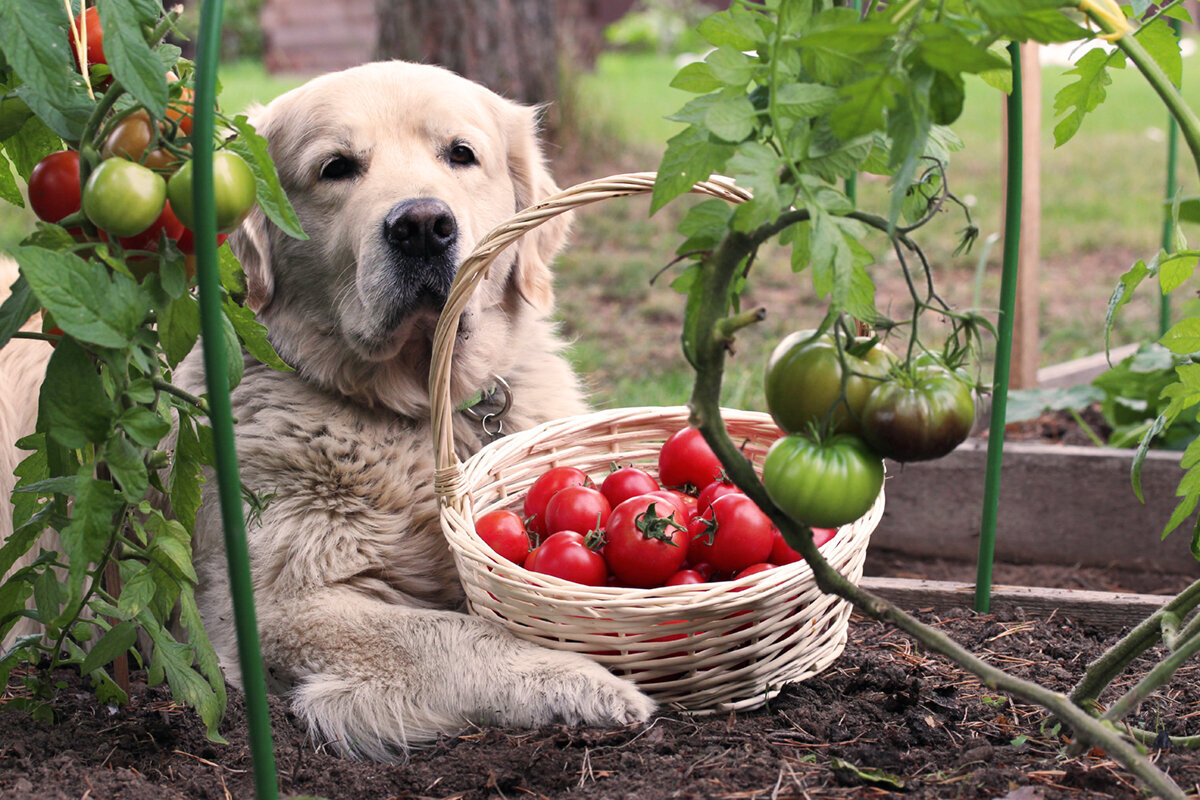
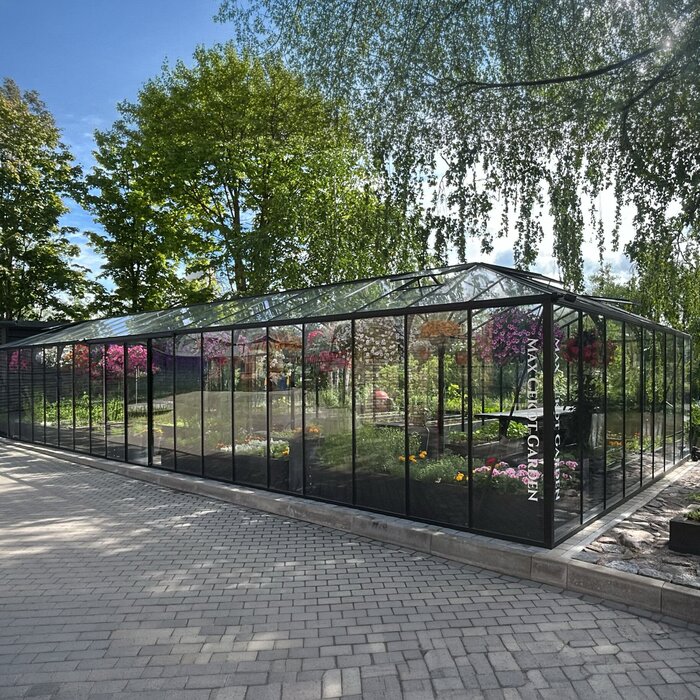
Payback is personal because growing habits are personal. A gardener raising a few spring seedlings has a different value equation from someone harvesting tomatoes, herbs, salad greens, and tender plants across several seasons. Start with your own household’s purchases, preferences, climate, available time, and the crops you are genuinely likely to grow well.
Treat the greenhouse as a small growing system rather than a one-time purchase. Its financial side includes the structure, foundation work, site preparation, accessories, water, heat, ventilation, replacements, and maintenance. Its return includes harvests, avoided nursery purchases, preserved plants, and the useful extension of your gardening calendar. Recording both sides creates a much clearer decision.
This guide helps you estimate when a greenhouse pays for itself without pretending there is one universal answer. Use conservative crop values, allow for running costs, and review the result after each season. You will also see where design choice, placement, and daily routines can improve the usefulness of the space before you commit.
Stage 1
Define what “pay for itself” means
Before calculating anything, decide what outcome you mean by payback. A cash-style calculation compares avoided purchases and harvested crop value with money spent. A broader household-value calculation may also recognize seedlings started at home, plants overwintered successfully, and the pleasure of reliable garden time. Keep those categories visible rather than quietly turning enjoyment into a dollar figure.
Choose a time horizon that suits how you buy and garden. A one-season view can make startup costs look overwhelming, while a longer view may hide expensive habits. The goal is not to force a favorable answer; it is to understand the commitment. Put one-time costs in one column and annual benefits and operating costs in another. Separate costs that are certain from costs that depend on choices you have not made yet. For example, a base may be essential, while shelving or automated watering may wait. Keeping those decisions visible lets you see which improvements change the initial investment and which can be added after your growing routine is established.
Set a conservative target based on regular grocery and nursery spending, not occasional specialty purchases that are unlikely to recur.
Keep lifestyle benefits in a separate note so they inform your decision without distorting the financial calculation.
If your plan centers on flexible, freestanding growing space, explore a standard Classic greenhouse as the starting point for your site and crop plan.
Stage 2
Build a complete startup-cost list
The purchase of the greenhouse is only one line in the initial budget. Include ground preparation, a suitable base, drainage decisions, assembly, access from the house, beds or benches, containers, tools, irrigation components, and initial growing media. Some sites need more work than others, especially where slopes, poor drainage, or difficult access affect the installation plan.
Ask for current quotations for the configuration and work you are considering, then label each expense as essential, useful soon, or optional later. That distinction makes the project easier to phase. It also prevents a lean first-year estimate from quietly omitting items you will immediately need to grow successfully and care for the structure. Use a note beside each crop estimate to explain why it earns a place in the calculation. Record whether the value comes from frequent household use, an avoided purchase, or a longer harvest window. That note makes it easier to spot assumptions that sound attractive but do not match your habits.
Price the site as carefully as the structure: foundation, drainage, access, and electrical work can materially change the project total.
Reserve a modest contingency for small site discoveries and practical growing essentials that emerge during setup.
For a footprint that makes use of an existing wall, consider a full-size regular Lean-To greenhouse while budgeting for the connection between house, site, and garden.
Stage 3
Estimate crop value without wishful thinking
Start with crops you already buy frequently and enjoy using. Tomatoes, herbs, salad greens, peppers, cucumbers, and young plants can be sensible candidates, but their value depends on your local conditions and your cooking habits. Look at receipts over several months, then use an ordinary retail value for a comparable item. Do not assign premium value to produce you would normally skip buying.
Estimate quantities from your available space and experience, then reduce the first-year expectation for learning, pest pressure, uneven germination, and missed harvests. Value only what is eaten, preserved, shared intentionally, or replaces a purchase. A bumper crop that spoils in a bowl is a garden success perhaps, but it does not improve a payback calculation.
Use a harvest log with crop, usable amount, comparable store value, and waste; it creates better assumptions for next season.
Favor a small group of reliable, high-use crops before allocating space to experiments with uncertain yields or demand.
A well-organized standard Classic greenhouse for edible crops can make it easier to match growing space to the plants your household uses most.
Stage 4
Put a value on season extension
Season extension can add value at both ends of the calendar. Earlier seedlings may reduce purchases from the nursery, while later harvests can replace produce bought when outdoor beds have slowed down. The right value is not simply the number of extra weeks. It is the useful output from those weeks after you account for the attention, heat, ventilation, and protection the crops require.
Be specific about how you will use the shoulder seasons. You might start transplants, grow cool-season greens, shelter containers, or keep tender plants in a more protected environment. Each route has different inputs and risks. Track the value as avoided purchases or usable harvest, then subtract the additional energy and supplies used to create it.
Compare early and late harvests with the actual items you would buy during those months, rather than peak-season grocery prices.
Plan shoulder-season crops around your climate, available light, and willingness to monitor temperature changes every day.
Where a house wall supports your daily routine, a full-size regular Lean-To greenhouse for season extension can place early and late-season tasks close to home.
Stage 5
Calculate annual running costs
Running costs are where optimistic estimates often lose their footing. List water, electricity, any heating fuel, seeds, compost, fertilizers, pest-control supplies, replacement pots, and routine maintenance. Your climate, water source, chosen crops, and winter ambitions all matter. Heating can change the equation dramatically, so model it as its own line rather than assuming it is covered by the value of summer crops.
Not every annual expense belongs entirely to the greenhouse. For example, tools or compost may support outdoor beds too. Allocate shared costs in a simple, consistent way instead of counting them twice. At the end of the season, compare your estimate with actual bills and receipts. Small corrections each year are more valuable than an elaborate forecast that is never revisited. Test the calculation against the items most likely to vary, especially heating, water use, and crop losses. If a small change turns the result from positive to negative, treat the timeline as uncertain. That signal can help you simplify the plan, delay optional purchases, or choose crops that fit an unheated routine.
Create separate scenarios for unheated growing, occasional frost protection, and active heating; these approaches have very different operating profiles.
Include consumables and maintenance, not just utility bills, because recurring small purchases add up across a season.
When planning efficient daily access and watering, a standard Classic greenhouse with practical growing space can help you design routines you are prepared to maintain.
Stage 6
Turn the numbers into a payback range
Use a straightforward calculation: subtract annual running costs from annual value, then compare the result with your total startup cost. If the annual net value is positive, divide the startup cost by that annual net value to create a rough timeline. If it is negative or close to zero, the greenhouse may still be worthwhile, but it is not currently producing financial payback under those assumptions.
Make three versions: cautious, expected, and strong. The cautious case should assume moderate harvests, some waste, and complete operating costs. The strong case can reflect better skills and well-used space, but should remain plausible. A range acknowledges weather, household changes, and the normal learning curve. It is more responsible than treating a spreadsheet result as certainty.
Recalculate when your crop mix, energy use, or family food habits change; the payback estimate should evolve with the garden.
Compare annual net value, not gross harvest value, because gross figures hide the cost of producing that harvest.
For a compact routine beside the home, review a full-size regular Lean-To greenhouse layout alongside a realistic budget for site preparation and operation.
Stage 7
Improve the return through better use
The fastest way to improve greenhouse payback is usually better use of the space you already have, not a more complicated crop list. Grow what is hard to find in good condition, expensive enough to replace, and genuinely welcome in your kitchen. Use vertical space thoughtfully, succession sow moderate quantities, and clear finished crops promptly so a bench does not sit idle for weeks.
Operational habits matter just as much. Check plants consistently, harvest at the right time, ventilate as conditions require, and keep a simple record of what succeeds. Preventing waste is often more valuable than chasing maximum production. If a crop repeatedly needs more heat, labor, or pest management than it returns, replace it with a better fit for your household. Keep a simple maintenance calendar alongside the crop log. Regular cleaning, drainage checks, and attention to wear can help you budget for ordinary care without assuming a particular future outcome. If you may sell the property or move, treat any possible resale as a separate consideration rather than income your calculation requires.
Schedule sowing and clearing dates so beds and benches stay productive instead of becoming temporary storage for tired plants.
Keep only crops that earn their space through reliable use, acceptable effort, or meaningful replacement value in your household.
A thoughtfully arranged standard Classic greenhouse for succession growing gives you a clear place to organize sowing, harvest, and changeover tasks.
Stage 8
Include resilience, maintenance, and resale carefully
Some value is real but hard to price precisely. A greenhouse may make gardening more consistent, protect a collection of tender plants, or give you a calm place to work in unsettled weather. Acknowledge these benefits in your decision, but keep them outside the core payback figure unless you can connect them to a genuine avoided cost. This preserves an honest financial estimate.
Plan for care over the life of the greenhouse, including cleaning, checking fixings, managing drainage, and replacing consumable growing materials. Do not assume future resale value or uninterrupted performance in the calculation. If warranty coverage matters in your decision, review the applicable written conditions and scope rather than relying on a summary. A durable plan is one you can keep maintaining.
Maintain a separate “nonfinancial value” note for enjoyment, routine, and plant care benefits that matter but resist fair pricing.
Review insurer, local-authority, and property requirements before installation, since site-specific obligations can affect your total project approach.
If a wall-adjacent garden fits your property, examine a full-size regular Lean-To greenhouse for home gardens with long-term care, access, and site planning in mind.
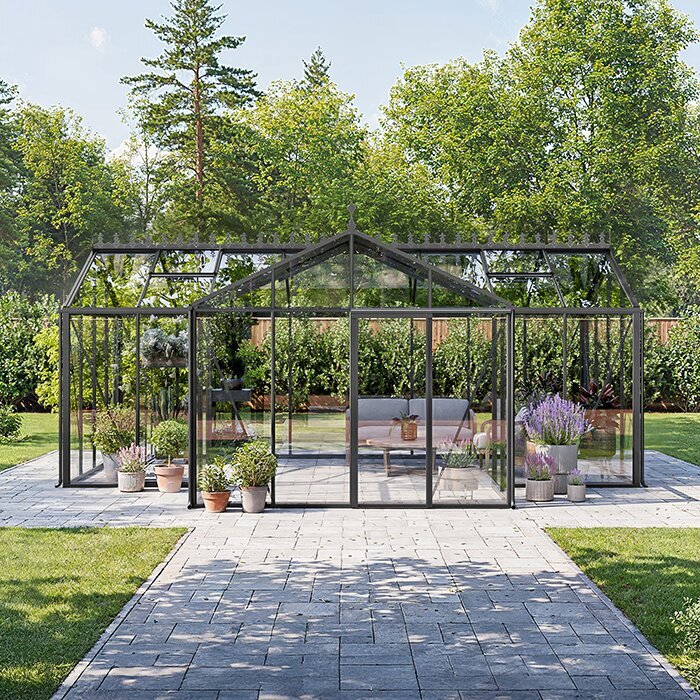
Comparison
What belongs in your greenhouse payback calculation?
Use this matrix to avoid mixing gross harvest, avoided spending, and unpriced enjoyment. The most useful estimate keeps each category distinct, records the evidence behind it, and revisits assumptions after a full growing season.
| Category | Include it? | How to estimate it |
|---|---|---|
| Upfront project costs | Yes | Use current quotes for structure, site work, base, installation, and essential setup. |
| Usable produce | Yes | Use comparable local retail value only for harvest your household consumes or preserves. |
| Home-raised plants | Yes | Count purchases genuinely avoided, using ordinary nursery prices rather than aspirational plant lists. |
| Water and energy | Yes | Record bills or reasonable allocations; separate heating from standard seasonal use. |
| Seeds and growing inputs | Yes | Track recurring purchases, including soil, compost, fertilizers, containers, and pest supplies. |
Build your estimate in five stages
Set aside an hour with recent grocery and nursery receipts, a site sketch, and a realistic list of crops. This first estimate does not need precision; it needs transparent assumptions you can test in the garden.
01
List household demand
Choose produce and plants you buy often. Note the season, typical quantity, and how much of each item your household reliably uses.
02
Map usable growing space
Sketch beds, benches, containers, and access paths. Assign space to a short crop list before estimating output or buying accessories.
03
Capture full setup costs
Gather current project quotations and add site preparation, base, tools, watering, and initial inputs. Mark optional additions separately.
04
Forecast operating costs
Write down water, power, heating approach, seeds, compost, and maintenance. Use a cautious allowance where the exact cost is uncertain.
05
Test three outcomes
Calculate cautious, expected, and strong cases. After each season, replace forecasts with harvest records, receipts, and utility observations.
Before you rely on a payback forecast
A sound estimate is less about perfect math than complete inputs. Use this checklist to make sure your calculation reflects the garden, household, and ongoing work you actually expect to have.
01. I have separated one-time project costs from recurring annual expenses.
02. I have included site preparation, foundation, drainage, access, and installation decisions.
03. I am valuing only produce and plants my household will genuinely use.
04. I have reduced first-year harvest expectations for learning, losses, and waste.
05. I have modeled heating independently from ordinary unheated seasonal growing.
06. I have allowed for water, growing media, seeds, maintenance, and replacement supplies.
07. I have created cautious and expected scenarios instead of relying on one result.
08. I will record harvests, expenses, and changes after each growing season.
Frequently asked questions
How do I calculate greenhouse payback?
Add all upfront project costs, then estimate annual usable value from produce, seedlings, and avoided plant purchases. Subtract annual operating costs from that value. Compare the resulting annual net amount with the startup total to create a rough timeline. Use cautious assumptions and update the calculation with actual records.
Should I count my labor as a greenhouse cost?
That depends on the purpose of your calculation. For a household gardening decision, many people treat gardening time as recreation and do not assign a wage. If time is scarce or the work feels burdensome, record the hours separately. It will show whether the plan is practical even if you leave labor outside the financial total.
Does heating make a greenhouse less likely to pay back?
Heating can add substantial operating cost, particularly in colder periods, so it should be modeled separately. It may support specific crops or overwintering goals, but it should not be assumed to create value automatically. Compare the extra energy and monitoring with the additional harvest or avoided purchases you can realistically expect.
What crops are most useful for a payback estimate?
Begin with crops you buy frequently, use readily, and can grow confidently in your conditions. Often that means a focused mix rather than a long catalog. Include comparable purchase value, likely usable harvest, and crop inputs. Your own receipts and harvest log are more relevant than a generic list of high-value crops.
Can I include avoided nursery purchases?
Yes, when you actually raise healthy plants that replace purchases you would otherwise make. Use an ordinary comparable nursery price and count only plants you keep, plant out, or intentionally give away. Avoid assigning value to extra seedlings that have no destination, since they do not represent a meaningful avoided expense.
Do permits or insurance affect greenhouse payback?
They can affect cost, timing, and the work required at a particular property. Requirements vary by location, structure, placement, and insurer. Before finalizing the budget, check with the relevant local authority and your insurer. Include any confirmed requirements in the startup-cost list rather than assuming a universal rule applies.
Plan your greenhouse
Make the greenhouse earn its place in your garden plan
A credible greenhouse payback estimate is built from cautious inputs, not a perfect promise. Count what you will use, include the operating costs you can document, and let your first seasons improve the forecast. The result may be a financial timeline, a broader household-value decision, or both—and each can be valid when clearly separated.
Choose a greenhouse around the crops, routines, site, and season extension you will truly maintain. Bloomcabin can help you compare configurations as part of that planning process, while your own records remain the best guide to whether the project is delivering the value you expected.
Compare greenhouse styles with your crop plan, site conditions, and realistic operating budget in view.
