
How long do aluminium windows last?
Aluminium windows at a glance
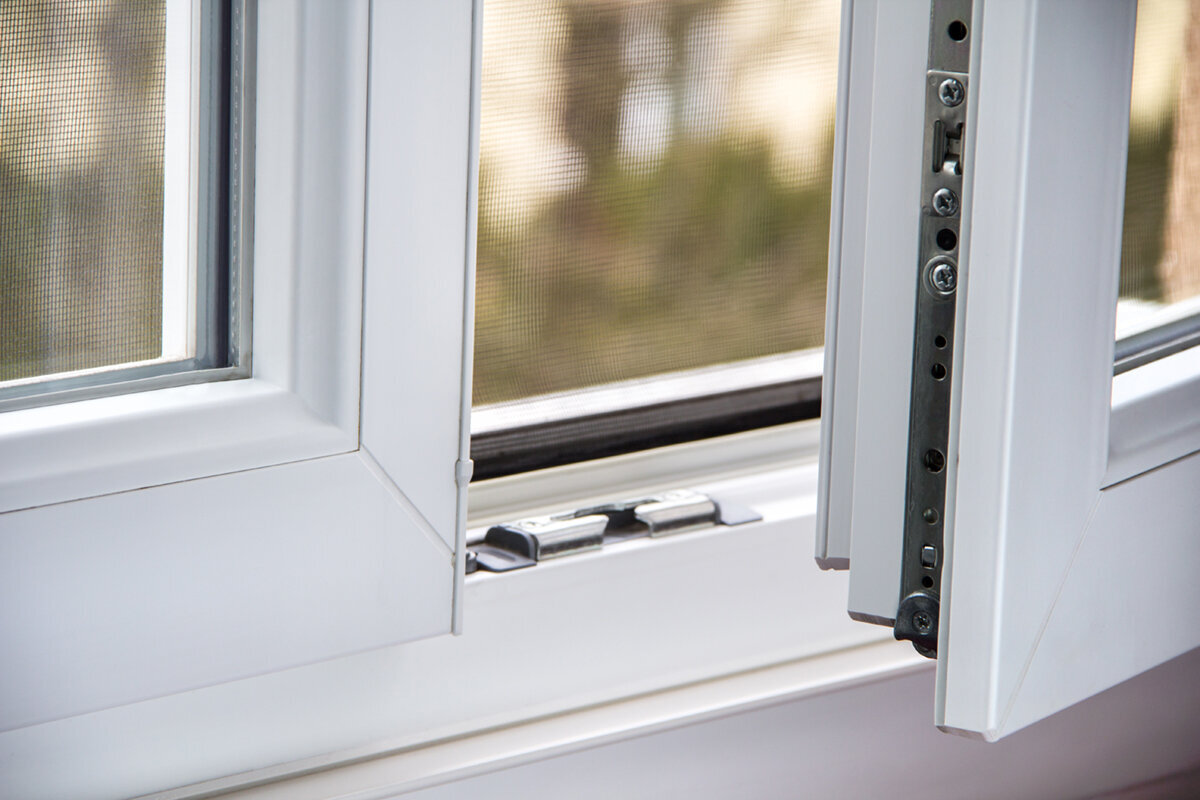
People choosing aluminium windows often ask for one lifespan figure. For a purchase decision, however, it is more useful to understand which window parts age under which conditions. An aluminium frame, finish, insulated glazing, seals, hardware and wall connection form a system whose components may need attention at different times. A high-quality frame may remain visually sound for a long time, while stiff operation, damaged seals or moisture at the junction require earlier attention. Compare not only the frame material, but the complete specification, opening style, building location and installation plan. Checking drainage, access to every side and future hardware servicing before ordering creates good conditions for a window system that works reliably for years.
The frame alone does not determine service life
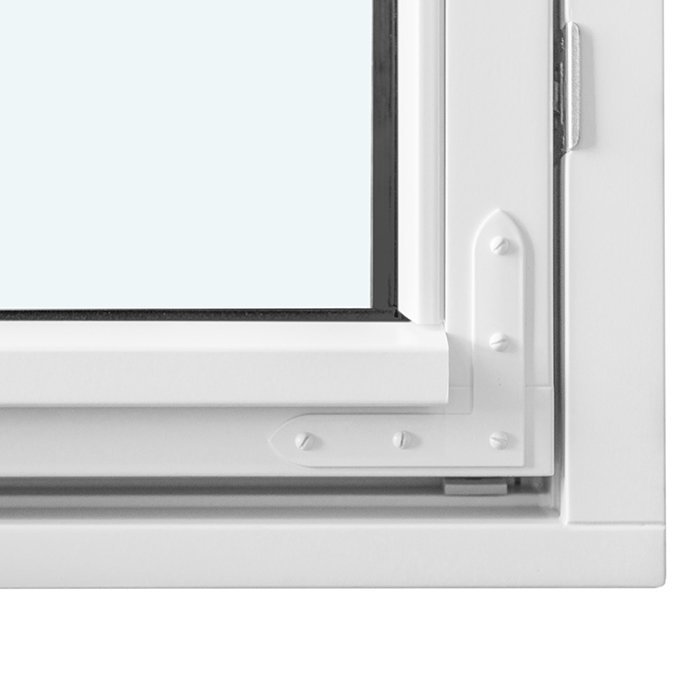
A window is not a building component with one single ageing process. The aluminium frame supports the other components, but daily wear mainly affects moving parts, sealing lines and the finish. Wind moves the sash, temperature changes stress junctions, cleaning touches coatings and glazing beads, and ventilation places force on handles and hardware. So “How long does aluminium last?” is only the starting point. A more useful question is: which component in this room, on this façade and with this use is likely to need checking or replacement first? Quiet fixed glazing faces different demands from a frequently used kitchen window or a wide patio opening. Accepting these differences means planning maintenance rather than expecting a supposedly maintenance-free solution.
When comparing quotes, consider the frame, glazing, seals, hardware and installation separately. Ask which surface finish is proposed, how drainage routes work, which hardware suits the sash size and what care guidance the manufacturer gives for all visible surfaces. Also ask what work is possible if wear occurs later and who will carry it out. A product name does not automatically define every technical property; the specification and suitability must be confirmed for the particular order. With a fixed-glazed window there is no moving sash hardware, but the glass edge, seals, cleaning and connection to the building remain relevant to long-term performance.
Surface finish: protection and appearance
Aluminium needs a carefully selected and maintained finish so the window continues to look even and remains protected from its surroundings. Rain, dust, pollen and deposits tend to gather at edges, lower frame areas and behind projections. In dense urban areas, near busy roads or on particularly exposed façades, cleaning can be more demanding than on a sheltered balcony. Dark and light colours also show dirt differently. This does not indicate the quality of a colour; it is a practical question of which appearance suits the location, cleaning routine and accessible exterior surfaces. Do not choose colour and finish solely from a small indoor sample.
For care, water, a soft cloth and a mild suitable cleaner used as directed by the manufacturer are often enough. Abrasive tools, aggressive solvents and strongly alkaline products can damage finishes and seals, so they are not for routine cleaning. Take particular care after building work: splashes of plaster, mortar, adhesives or paint mist should not simply be rubbed off with unsuitable products. Photograph damage at handover and establish the appropriate approach. An outward-opening single-sash casement window should also be assessed on whether all exterior frame and sash areas can actually be reached for cleaning and visual inspection.
Seals age differently from metal
Seals allow sash and frame to close in a controlled way and help prevent rain and draughts entering the construction unintentionally. They are compressed and released whenever the window is opened or closed. Over time, dirt, permanent deformation or local damage can impair their effect. A cool draught at a closed window, changed closing pressure or visible cracks are reasons for a targeted inspection. They do not automatically prove a frame fault. This distinction avoids unnecessary full replacements: first establish whether cleaning, adjustment or replacement of one component is appropriate.
An annual visual check should include corners and areas behind an open sash. Remove loose dirt gently, and use care products only where they are approved for the relevant seal material. Do not paint over, glue down or mechanically crush seals. When windows are replaced, a particularly airtight construction can change how a room feels because previous air leaks disappear. That is not a defect, but a reason to consider ventilation, moisture management and heating as one project. Ask the designer or qualified installer how room use and the planned ventilation strategy work with the new window concept.
Choose hardware for actual use
Hardware transfers hand movement to a sash that may be heavy. Its loading therefore depends not only on window size, but also on opening frequency, opening angle, operation and possible misuse. Bedrooms, kitchens and a daily route to the garden place different demands on it than a rarely opened guest-room window. Do not respond to stiffness by applying more force to the handle. It may point to required cleaning, adjustment or a cause at the sash or its connection. Checking in good time can prevent unnecessary strain on handles, hinges or locking parts. Keep hardware and operating information with the order documents.
The opening style also affects maintenance access. An inward-opening window often allows exterior cleaning from inside on many floors, but requires clear space in front of the sash. With single-sash inward-opening windows furniture, curtains, radiators and the sill should be planned so the sash can move fully without obstruction. Outward-opening versions create different internal clearances, but may create different requirements for cleaning and safe operation depending on their location. Do not decide from the façade appearance alone. Draw the opening path for every room, identify its main use and have the chosen hardware solution checked for suitability.
Drainage works only when routes stay clear
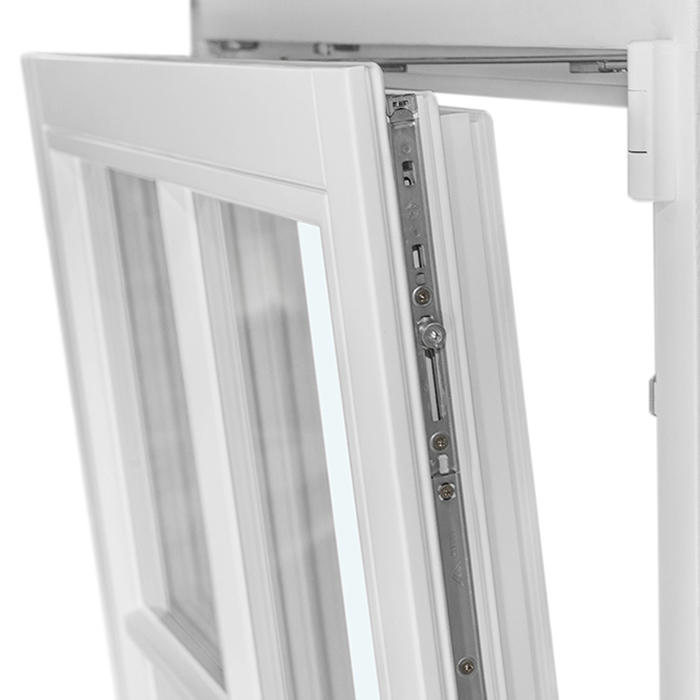
Rainwater should be directed away in a controlled manner at the outer level of the window. This involves designed falls, drainage openings and coordination with the sill, reveal and façade connection. Leaves, insect remains, sanding dust or later-applied sealants can impair drainage. Looking only at the glass during cleaning can easily overlook these functional areas. Regularly inspect the lower frame zones visibly, without removing covers or altering openings yourself. Standing water, unusual deposits or recurring damp marks should be documented for a qualified installer, especially after wind-driven rain. Note whether the issue occurs at one opening only, solely on one façade side or only after particular work. Such differences help distinguish a blocked drain from a connection problem or moisture from indoors. Do not seal apparently open gaps as a precaution: a visible opening may be part of the intended water route. Have its purpose explained using the installation documents.
Drainage is one reason to coordinate windows, sun shading, external sills and façade work. A component installed later must not obstruct intended water routes. Connection joints are not an arbitrary leftover detail on site: they must suit the wall build-up, waterproofing and movement between components. Special shapes need more planning and checking because geometry and connections can become more complex. A fixed-glazed triangular or angled window can be architecturally appealing, but measuring, connection details, glass layout and cleaning access should be expressly clarified before ordering. Shape alone says nothing about long-term quality.
Installation and building connections determine real performance
Even a carefully made aluminium window can perform as intended only when it is measured, fixed, aligned and connected to the building correctly. In a replacement project, the existing reveal, masonry, possible unevenness, sill and internal finishing are all part of the task. In a new build or major renovation, trade sequencing and protection during construction are added considerations. A connection must accommodate movement while sensibly bringing together the layers for weather protection, insulation and internal airtightness. This technical coordination belongs with qualified designers and installers, not a decision based on a product photo or frame colour. Do not request an isolated window dimension until it is clear what it refers to and which connected elements will remain. It also matters whether shutters, external blinds, internal sills, external sills or façade cladding are worked on before, with or after the window. A clear interface list prevents necessary preparatory work being missed or newly installed finishes being damaged by later work.
A written measuring and connection record is useful before placing the order. It should describe opening dimensions, reference points, opening direction, the window position in the wall, sill connections, fixing, the sealing principle and visible connection surfaces. Also establish who removes old elements, how openings are protected from weather and when internal plastering or façade work follows. For a renovation involving several windows, shared details prevent each trade assuming a different solution. At handover, check even sash positioning, operation, visible finishes, glass and connections. Record defects precisely by room, component and photograph before subsequent work conceals them.
Treat size, division and opening as a load profile
Large glazed areas and slim frame sightlines strongly shape rooms, but they also change weight, operation and installation demands. Two smaller sashes distribute use and load differently from one large sash; fixed glazing reduces operating demands but provides no natural ventilation opening. There is therefore no universally longest-lasting window design. What matters is which functions are genuinely needed. If a room mainly needs daylight, a fixed element may be suitable. If it needs daily purge ventilation, the opening must remain easy to operate in daily life. Place the intended furniture alongside the design early so the opening is not obstructed later.
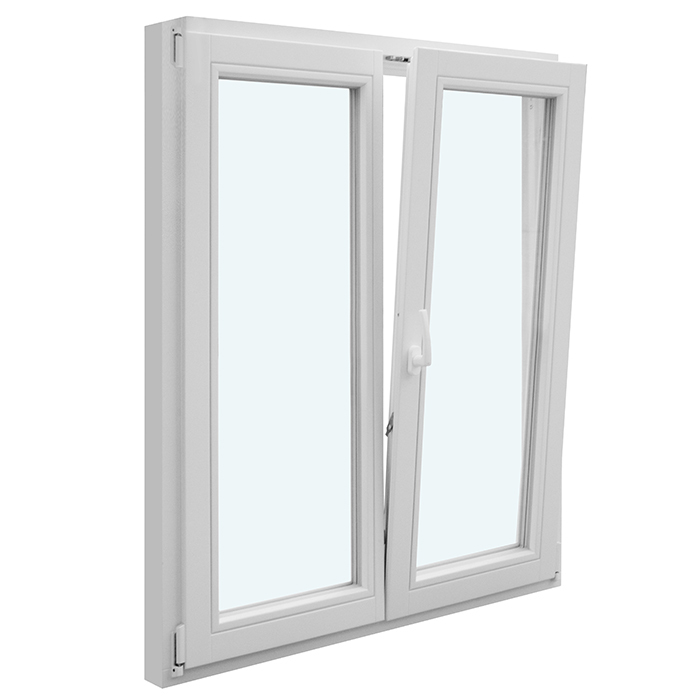
With two sashes, discuss the use of the secondary sash and the position of the central mullion in advance. A double-sash inward-opening window describes the opening arrangement, not every detail of hardware, glazing, thermal performance or finish. These points belong in your specification. Ask for a drawing with clear opening sizes and sash dimensions rather than comparing only the overall external size. This shows whether cleaning, ventilation or an escape route can be organised practically within the building design. The qualified professional responsible should assess safety and project compliance requirements. That avoids assumptions which later force changes to an installed window.
Consider glazing and the glass edge together
Glazing determines light, outlook and much of the overall thermal and acoustic impression. Its long-term assessment does not end at the pane. The glass edge, sealing systems, spacers and connection to the frame are all part of the unit. Condensation on the room side can have several causes, including high indoor humidity, low surface temperatures or restricted airflow from heavy curtains. It is therefore important to observe the location and timing precisely: inside the glass, between panes, on the frame or on the reveal are different findings. Only this classification lets a qualified installer make a reliable diagnosis. Mechanical damage also requires a precise location. A scratch on an accessible surface, a crack, a damaged glazing bead and cloudiness between panes are not the same issue. Record changes from several viewpoints and clean the area gently before assessing it. When ordering, also ask how future glazing work could practically be accessed, especially for large or high-level elements.
With existing windows, do not judge only by “misted glass”; gather photographs in similar weather and information about ventilation habits. Furniture close to glazing or curtains kept shut can alter air movement. For new windows, clarify the functions required in advance: privacy, solar control, security, sound reduction or a particular design. Each requirement can affect build-up, weight and operation. A Passive House Super Low Uw outward-opening window indicates a particular product position in its title; whether it suits your project, wall build-up and every required function should be checked against the complete quote documentation. The lowest individual value is no substitute for coordinated planning.
Organise cleaning and small checks properly
A sensible care plan is short but regular. After periods of heavy pollen or leaf fall, check frame rebates, seals and accessible drainage areas. Clean glass and frames as needed with suitable products, and wipe moisture from corners. During normal use, test whether the handle, closing action and sash movement still feel unchanged. Record issues early: the room, window side, weather conditions and visible symptom are often enough. This history is more useful than a vague complaint months later. For work on high exterior areas, arrange safe access through suitable professionals rather than improvising a cleaning solution.
Maintenance also means avoiding unnecessary strain. Do not let sashes slam unsecured in storms, hang loads from handles or allow dirt from building or garden work into rebates. Inspect windows again after façade cleaning or trades work on the building. With top-hung outward-opening awning windows it should be particularly clear before purchase how outer areas will be reached, how the window will be operated and how it will be protected while open. The name defines the hinge arrangement; practical operation and suitability follow only from the location, size and planned specification.
Decide between replacement, addition or repair
Not every problem with an aluminium window requires replacement of the entire element. A faulty handle, weakening seal, required hardware adjustment or damaged surface area are different cases from a persistently problematic building connection or unsuitable window concept. Before deciding, have the cause, scope and repair options assessed clearly. Ask which component is affected, what work is proposed, whether suitable spare parts are available and how a partial repair could affect appearance and performance. Compare not only immediate action, but also the condition of neighbouring windows and the building’s planned renovation.
When redesigning several openings, you can combine functions: a fixed light panel, accessible ventilation window and suitable door opening do not all need the same construction. For broad transitions to a patio, a Patio Life lift-and-slide door is an alternative opening type, not an automatically equivalent replacement for every window. Coordinate the threshold, operation, glazing, shading, drainage and connection with the overall project. Bloomcabin windows and doors have a 5-year warranty. Delivery takes 4–6 weeks, subject to order confirmation. Place your final order only after measuring has been confirmed, the specification is complete and the installation sequence is coordinated.
Frequently asked questions
Do aluminium windows last longer than uPVC or timber windows?
A broad comparison based on material rarely leads to a useful decision. Aluminium, timber and uPVC each raise different care and construction questions. Actual service life depends on the specific specification, finish care, hardware, seals, glazing, weather exposure and installation. Compare complete quotes and maintenance access rather than material names alone.
How can I tell when an aluminium window needs checking?
Look for stiff handles, changed closing pressure, visible seal damage, standing water in accessible lower areas, flaking or unusual moisture. Record the location, timing and photographs. This lets a qualified installer assess more precisely whether cleaning, adjustment, repair or further investigation is appropriate.
How often should I clean aluminium windows?
No fixed schedule suits every location. Inspect and clean after soiling, heavy pollen, leaf fall or building work. Exposed and heavily affected façades need more frequent visual checks. Use only gentle suitable products as directed by the manufacturer, and keep drainage areas clear of loose debris.
Can I adjust the hardware myself?
Without precise instructions and experience, do not adjust hardware speculatively. Incorrect changes can strain operation, the seal or components. First clean accessible areas carefully and document the symptom. If a window is stiff, rubbing or closing unevenly, a qualified installer should identify the cause and any adjustment needed.
What should I clarify before ordering for a long service life?
Define the room function, opening direction, sash size, cleaning, shading and intended use. Request a complete specification for the finish, glazing, seals, hardware and building connection. Confirm measuring and the installation sequence in writing. Also ask who will handle handover, care instructions and later maintenance of moving parts.
Next steps
Aluminium windows deserve to be considered as durable systems, not simply metal frames. The best starting point comes when finish and façade exposure suit each other, seals and hardware remain accessible, water is drained in a controlled way and the building connection is carefully planned. Plan every window for its real task: light, ventilation, outlook, access or design. Review quotes using complete specifications and coordinate measuring and installation with the overall project. After fitting, gentle cleaning, regular visual checks and prompt professional assessment of changes help preserve function and appearance over time.
