
Argon or krypton in insulated glass: key differences
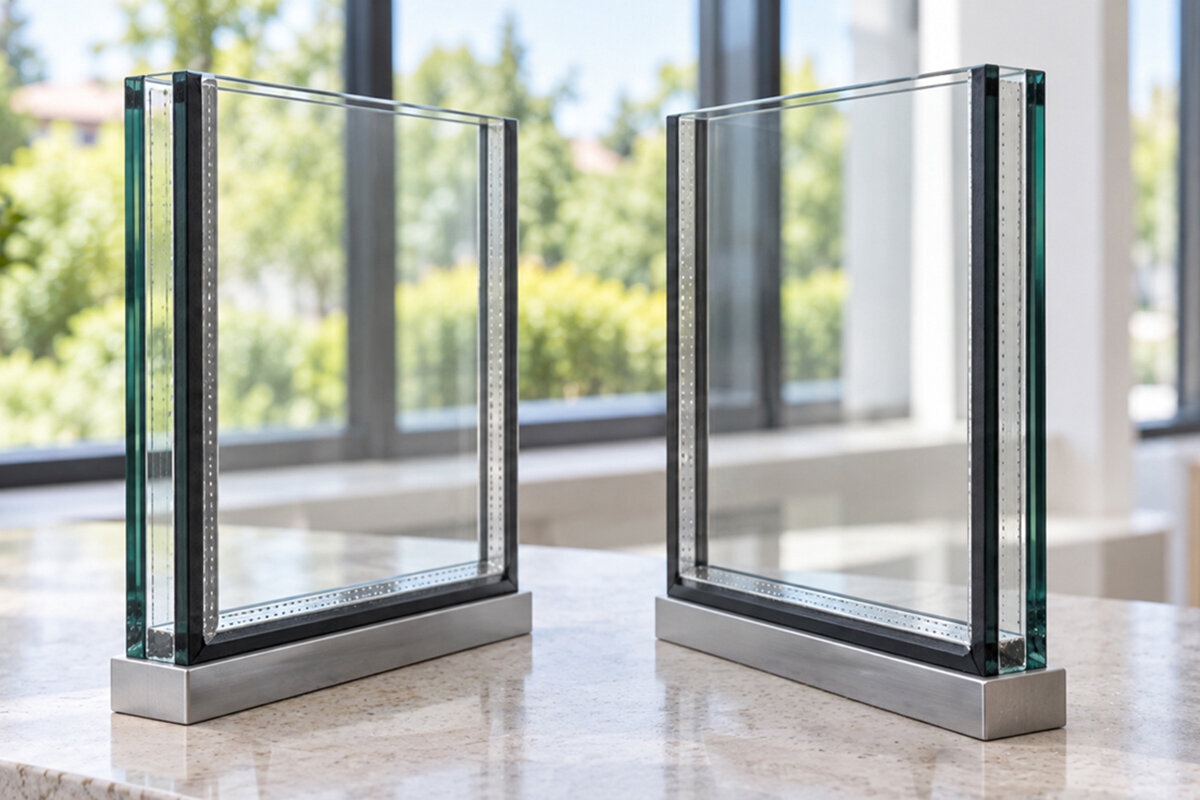
Choosing the right insulated glass
When planning windows, quotations often highlight just one word: argon or krypton. That should not become an isolated buying decision. Both noble gases sit in the spaces between panes of insulated glass and affect heat transfer. The value of either gas also depends on the width of that space, pane count, coatings, edge seals, frame and actual window size. For a replacement project with different openings, it is worth assessing the whole component consistently. This guide explains when argon can be the practical standard, when krypton may suit a compact glazing unit, and what a comparable quotation should state. Match the gas fill, glazing build-up, operation and installation to the real project.
01 / Define project goals
Putting the gas fill in context
Multi-pane insulated glass consists of separate panes joined into a sealed unit around the edge. The spaces between them are filled with gas. These spaces slow heat transfer more effectively than ordinary air filling. Argon and krypton are suitable noble gases for this purpose. Their role is not to visibly alter the glass: both are colourless and odourless, so you cannot tell from a room which gas was used. The choice matters through the calculated and documented performance of the complete glazing unit. Focusing only on the gas name overlooks pane spacing, coatings and edge details that make its effect useful in a particular build-up.
To compare quotations, you need at least confirmation of whether double or triple insulated glass is planned, the glazing Ug value and the Uw value of the complete window. Ug essentially describes the glazing; Uw describes the assembled component, including its frame. A lower value indicates lower heat transfer. Details of coatings, each inter-pane space and the edge seal complete the comparison. “Krypton glazing” then becomes a verifiable configuration rather than a catchphrase. Ask for values confirmed for the specific size and version you are considering. A reference value from a datasheet may not apply unchanged to a smaller window, special shape or multi-part construction.
Why the space between panes matters
The insulating effect of a gas fill depends on its interaction with the width of the space between panes. In a narrow space, the gas properties may matter differently than in a wider cavity. Making that space ever larger does not automatically improve insulation continuously, because movement within the gas fill can limit the added benefit. Spacing is therefore not a value to maximise freely, but part of a coordinated glass construction. Argon is often used in standard spaces, while krypton is chiefly considered where good thermal performance is needed within a narrower build-up. The optimum width must always be determined together with pane count, coating and the required Ug value.
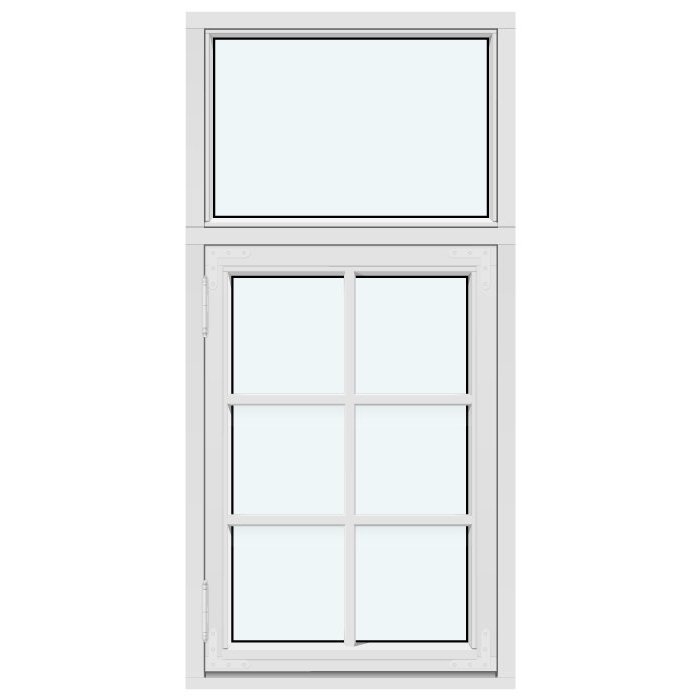
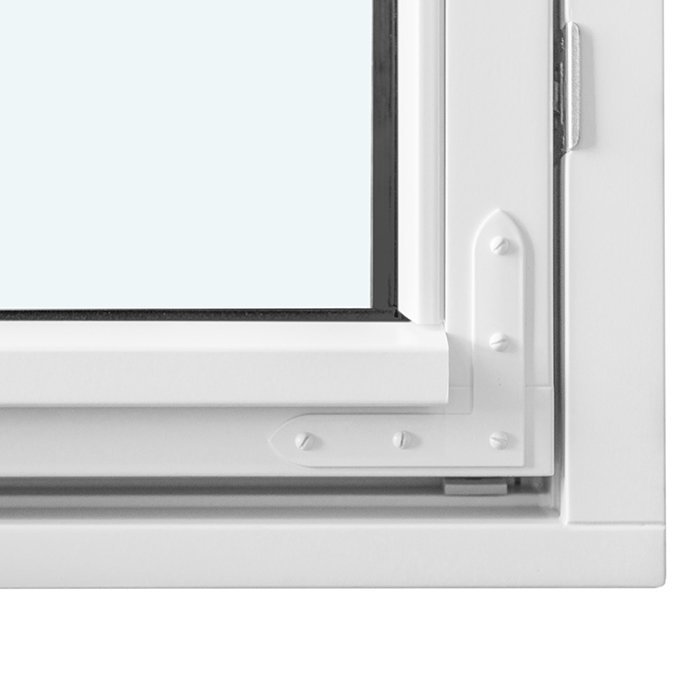
This can matter with a slim frame appearance, replacement glazing with limited rebate depth, or a design using fine profiles. It does not mean, however, that a narrow build-up always requires krypton. The supplier must assess which complete glazing unit fits the chosen system and is available for the intended size. Where construction depth is limited, ask specifically for the total glass thickness, the width of every inter-pane space and the resulting Ug value. With outward-opening traditional Kombi casement windows the sightline widths, glazing-bar pattern and opening type also need to be coordinated. This reveals whether krypton solves a construction issue or is simply offered as a more expensive alternative.
02 / Record the elements
Argon as a practical standard option
Argon is a sensible insulated-glass option when the selected pane arrangement provides enough room for correctly sized spaces between panes. For many window projects, seeking the most technically conspicuous individual feature is less useful than choosing a coherent overall specification. Argon can work well here because glazing, frame, size and intended use can be planned together. In a house with several standard window formats, one documented solution also makes it easier to identify items in quotations and element schedules. Variations for individual special formats remain visible instead of disappearing among differently and incompletely described glass versions. Later questions can also be assigned more easily to a particular element through an unambiguous build-up designation.
It is important not to treat argon as a blanket promise about room comfort or energy use. A small window on a sheltered façade presents different planning and use requirements from a large element on an exposed side of a building. Coatings, the proportions of glass and frame, edge zone, shading and wall connection also affect the result. For an inward-opening single-sash window do not ask only whether argon is included. Request the Uw value for the quoted size, the glazing Ug value and a clear glazing description in the order confirmation. Also check that the opening direction and hardware suit the intended use before comparing options by gas alone.
Consider krypton for compact glazing
Krypton can be particularly effective in narrower spaces between panes. That makes it a possible choice when the glazing build-up needs to remain compact for construction or design reasons. It is not, however, an automatic upgrade for every window. If a construction has sufficient depth for an argon build-up that is properly coordinated, krypton may provide no decisive practical benefit for the project. The useful comparison is not “Which gas is better in general?”, but “Which tested glazing build-up achieves the target in the intended element?” Request the same details for both alternatives. Only with identical dimensions, comparable frame construction and clearly stated performance values can you see which difference really results from the glazing build-up.
For large, continuous glass areas, krypton may be discussed where demanding performance is combined with limited build-up depth. Even then, glass size, frame proportion, opening mechanism, weight and installation situation all influence the selection. A Patio Life lift-and-slide door is, as a product name, first of all a lift-and-slide door; no values or gas-fill details can be inferred from it. For the exact configuration, request dimensions, glazing build-up, Ug and Uw values, and the safety and operating features needed for your project separately. Then compare not only thermal values, but also the implications for profile choice, ease of movement and available versions. Only then will it be clear whether krypton supports your priorities or argon remains the more coherent overall solution.
03 / Compare glazing build-ups
Assess double and triple glazing separately
The number of panes changes the construction fundamentally. Double insulated glass has one inter-pane space, while triple insulated glass has two. With three panes, both spaces, coatings, glass thicknesses, total weight and suitability for the frame and hardware must therefore be considered together. It would be simplistic to prefer triple glazing solely because of krypton, or to exclude double glazing solely because of argon. The glass choice must suit the desired thermal quality, element size and construction possibilities of the window system. For a replacement, it should also be clarified whether the planned glass can be safely accommodated in the existing or new frame. This assessment belongs in technical planning and cannot be derived from the gas name.
Additional panes and coatings can also change light and energy characteristics depending on the build-up. The Ug value therefore does not answer every question of use. In rooms with strong sun exposure, the total solar energy transmittance can matter when planning summer comfort; light transmittance can also be relevant in living and work spaces. Ask for these values to be explained if daylight, solar gain or a particular glass effect matters to your project. With a fixed-glazed window there is no sash to operate, but glass, frame, shading and wall connection still need to be coordinated. Compare double and triple options as complete build-ups, not simply by the number of panes.
Compare coatings and edge seals too
The noble-gas fill is only one part of the thermal concept. A coating on an intended glass surface affects thermal radiation; its type and position form part of the defined build-up. The edge seal keeps panes apart and seals the inter-pane space. Several materials and heat paths meet at the transition from glass to frame, which makes a whole-system view especially important. Anyone who sorts quotations only by gas type while not asking about coating and edge zone may compare constructions with very different overall effects. Even a good Ug value alone does not show how the complete window performs at the ordered size or which edge solution is actually included.
Ask for an understandable glass description rather than a sales label alone. It should identify pane number and thickness, gas fill, inter-pane widths, relevant coatings and declared performance values. Ask expressly whether a stated value applies to the glazing or the entire window. This avoids the common mistake of reading a favourable Ug value as a Uw value. With fixed triangular and angled windows the individual shape must be clearly shown in the quotation, because dimensions, edge lengths and frame proportion differ from a rectangular reference element. Also have the supplier confirm whether the offered glazing is available in that exact geometry and which value is assigned to the particular version.
04 / Coordinate the specification
Plan frame and glass together
A window does not gain its quality from the middle of the glass alone. The frame occupies part of the area and, together with glazing and edge zone, affects the Uw value. In small windows its area proportion is regularly greater than in broad fixed lights; sash divisions and glazing bars further change appearance and construction. The same glass build-up should therefore not automatically be treated as delivering the same overall performance in two different elements. A robust selection starts with the real element schedule and the relevant dimensions, not with a single glass datasheet. Mark fixed lights, opening sashes and special shapes so that values, gas fills and coatings remain assigned to the correct opening later.
Plan rooms with similar uses together, without forcing every opening to use an identical specification. A bathroom window may need a different opening solution from a large living-room window, while the thermal planning objective remains comparable. An outward-opening top-hung casement window describes the opening form, not the final glazing build-up. For such elements, also clarify operating height, cleaning access, shading and normal ventilation. Check whether the outward-moving sash could clash with external building components or the planned surroundings. This prevents careful optimisation of the gas fill while an unsuitable opening type or poorly accessible operation makes daily use more difficult.
Assess large formats and doors separately
With patio and sliding doors, large glass areas understandably draw attention to the Ug value. Yet the frame, threshold, sash weight, sealing and connection details, and movement of the element are all part of planning as well. Do not choose the gas fill separately from the door type. A build-up suitable for a small fixed window may not automatically be available or sensible for a large movable element. The supplier should state the construction and values for the planned dimensions. Also ask whether variations in glass thickness and weight affect the offered hardware or profile configuration. These relationships are more meaningful for a buying decision than an isolated comparison of noble gases.
Before making an enquiry, decide which goals take priority: uninterrupted views, abundant daylight, a particular opening action, a suitable transition solution or strong thermal protection. These aims can compete and need a clear order. With outward-opening double patio doors consider the clear opening, indoor furniture, usable outdoor area and sash movement zones. Draw the required swing space on the floor plan and check which door will be used most often in everyday life. You can then ask specifically for a suitable glazing build-up with argon or krypton. The gas choice then supports an established use rather than accidentally dominating the entire selection.
05 / Check the order
Glazing bars, special shapes and visual effect
Glazing bars noticeably change a window’s appearance, but they can be constructed in different ways. Use the terms precisely: a true divided-light bar structurally divides the glazing, whereas applied elements or decorative bars within the inter-pane space are built differently. The desired appearance should therefore be established before the final glass decision. It affects not only the view, but may also change the number, size and edge lengths of glazing units. The question of argon or krypton thus becomes part of a wider coordination between design and technical performance. Where several glazing-bar options are considered, request a clear drawing so that the quotation, elevation plan and later order do not use different divisions.
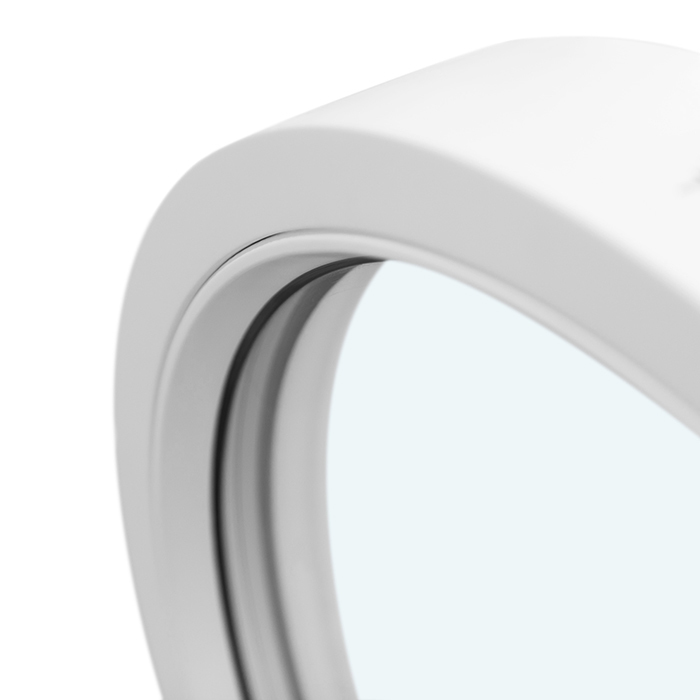
Round, curved or angled special shapes benefit from their own quotation comparison. Such elements have different area proportions from standard windows and should not be assessed only with a rectangular sample value. A round fixed window means round fixed glazing, not a gas type, pane count or thermal value. For the specific size, ask what glazing is available and which performance value applies. Bring design and technical details together in an element schedule so every configuration is clearly assigned to an opening. If a desired glass version is unavailable for a special shape, compare the proposed alternative against the same project objective rather than solely against the different gas fill.
Coordinate quotations, ordering and installation
Compare quotations line by line. Your checklist should include quantity, width and height, opening direction, frame version, glazing build-up, Ug and Uw values, glazing bars, accessories and the installation interface. Mark which values are based on reference dimensions and which expressly apply to the ordered element. If a quotation says only “krypton”, ask about the spaces between panes and the complete build-up. The same follow-up is needed for “argon”. Also check whether every supplier has allowed for the same pane count, coating and element division. Only comparable documents permit a sound decision; a low individual value helps little if dimensions or scope differ between quotations.
Before ordering, coordinate measurement, wall connections, shading and installation responsibilities with the professionals involved. They can check whether the intended solution suits the building and planned work. Bloomcabin provides a five-year warranty on windows and doors. Delivery takes four to six weeks, subject to order confirmation. Do not use this information as a substitute for technical clarification: the final confirmation should clearly state dimensions, opening types, glazing build-ups and agreed performance values. Compare it once more with your element schedule and resolve differences before approval. The gas fill then becomes a documented part of a coordinated project rather than an option that is hard to identify afterwards.
Frequently asked questions
Is krypton always better than argon?
No. Krypton can be particularly useful in narrower spaces between panes. With a differently sized glazing build-up, argon may be the more suitable choice. Pane count, inter-pane spaces, coatings, edge seals and frame, together with the declared values of the specific element, are decisive. Do not compare gas names without complete technical information.
Can I replace the gas fill later?
The gas fill belongs to the sealed insulated-glass build-up and is not a setting that can simply be changed in an installed window. If requirements change significantly, a qualified professional should assess the whole element. This includes the frame, available glass rebate, glass weight, hardware and connection, not only the desired gas type.
How can I identify argon or krypton in an installed window?
In everyday use, neither gas is visible or detectable by smell. Rely instead on the supplied window documents: order confirmation, element schedule, technical glass description and any markings on the glazing unit. Keep these documents together with information on size, opening type, installation and warranty for future questions.
Is a low Ug value enough when choosing windows?
No. The Ug value relates to the glazing, while the Uw value relates to the entire window including its frame. Element size, divisions, edge zone, installation situation and requirements for light, sun and operation also count. A good comparison therefore includes both values and assigns them clearly to the relevant size and version.
What should I ask first in a quotation?
Start with the component’s purpose: is the priority thermal protection, a compact glazing build-up, daylight, design or a large usable opening? Then request the exact glazing build-up, including fill gas, inter-pane spaces, Ug value and Uw value for the intended size. This makes the advice much more precise.
What to do next
Argon and krypton are not competing quality labels, but options within a coordinated insulated-glass build-up. Argon often suits standard spaces between panes; krypton can be a targeted alternative in compact spaces. For a purchase decision, however, the documented values of the specific window matter, not the gas name alone. Establish use, design, dimensions and opening types first. Then compare glazing and window details element by element, and have construction and project-specific requirements checked professionally. This keeps the glazing specification clear, even when your project combines fixed lights, special shapes, windows and doors.
