
Black Friday buying guide: 44 mm vs 70 mm garden sheds
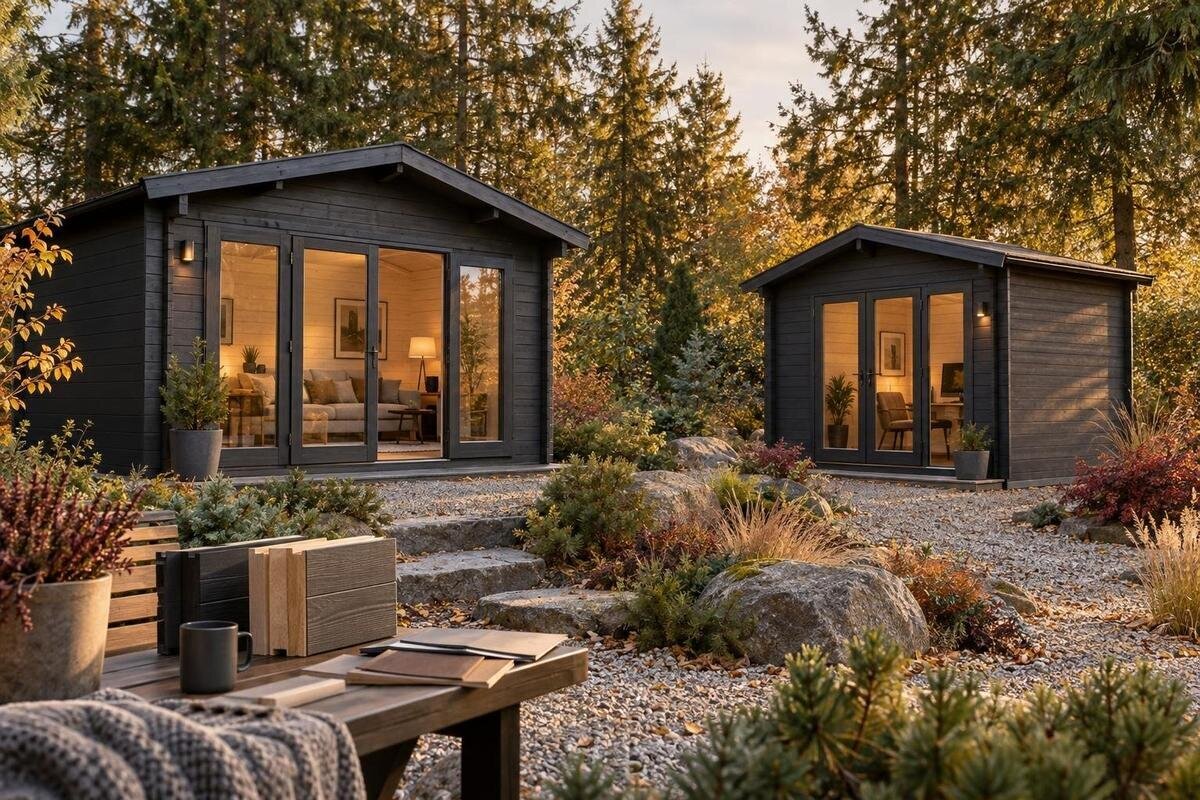
Black Friday buying guide
Black Friday comparisons can make 44 mm and 70 mm sound like a complete measure of shed quality. They are two stated wall-thickness figures: on the same measurement, 70 mm is 26 mm more than 44 mm, or about 59 per cent thicker. That difference deserves attention, but it does not establish usable space, weather performance, strength, insulation or value. Before choosing, match the exact model and dimensions to what you want to store, then check what its listing actually documents. No particular Black Friday price or discount is confirmed here; this guide helps assess any offers you encounter on equal terms.
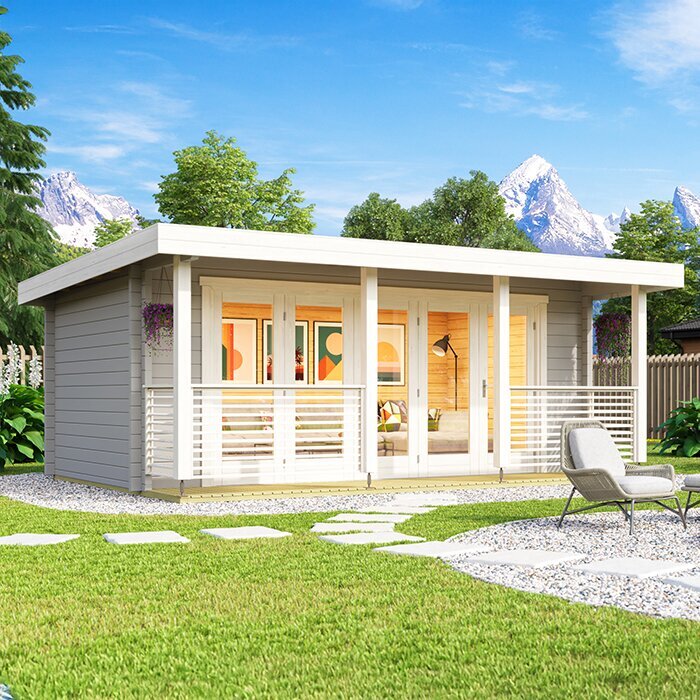
What 44 mm and 70 mm measure
Treat 44 mm and 70 mm as two stated wall-thickness figures, not as complete descriptions of the sheds. The numerical difference is 26 mm. Put another way, 70 mm is about 1.59 times 44 mm, or roughly 59 per cent thicker. That calculation tells you how far apart the figures are when they measure the same thing. It does not give a percentage increase in floor area, useful life, strength or weather protection. Nor does it confirm that both listings use the same measuring convention. Check whether the stated figure refers to the main wall boards, a finished wall assembly, or another defined part of the structure. The number is a useful first comparison, not a score for overall quality.
Read the specification or diagram to see exactly what the figure describes and whether it applies to the selected version. A wall measurement does not tell you about the roof or floor construction, the size of posts, the wall profile, or how openings and joints are made. If one page explains how its figure is measured and another does not, the figures may not be directly comparable. Don't fill those gaps from a product photo or item name. Ask for clarification about the model you intend to buy; broad category wording is not a substitute for that detail.
Wall thickness and usable interior space
Wall thickness is relevant to layout, but the listing's internal and external measurements are what establish how much room is available. Where two sheds have the same outside width, their interior clearances may differ; where a width is measured internally, the outside footprint will be different. The construction plan affects the result, so don't subtract 26 mm and treat it as an exact room-size calculation. Compare stated internal width, depth and height with the external dimensions, and note which points the drawing measures. Check whether measurements include features such as projecting trim or roof overhangs when working out the space needed on site. That matters if you have a fixed area available or need a particular item to fit.
Check the entrance opening as well as the floor area: a long tool, bike or mower needs room to get through and be moved without shifting everything else. Shelves, work surfaces and stored items can reduce clear space, so compare your intended layout with the drawing rather than a product photo. The Verdana 1 garden shed is a model to evaluate on its own page; its name doesn't establish its footprint or wall specification. Put its actual dimensions beside those of any 70 mm option, using the same measurement basis.
Choose around what you need to store
Start with the things that will actually live in the shed. Measure the longest, tallest and widest items, including handles or attachments, and note which ones need to be retrieved often. A box of seasonal gear may be stacked; a mower, bike or long-handled tool may need a clear route to the door. Allow room to get around items and reach them without unloading the whole shed. Consider where doors, shelves and larger equipment will sit at the same time, since an apparently suitable floor area can still be awkward to organise. If you expect shelves or a bench, include them in your plan too. This makes 'more room' a practical requirement rather than a guess, and can show whether the key issue is the wall measurement, footprint or doorway.
Be clear about whether the shed is for storage alone or whether you also expect to use it for a hobby or garden task. That can change the space you need for a work surface, moving around or keeping frequently used items accessible. A thicker wall will not solve a cramped layout, and a larger footprint is not automatically better if it takes space you need elsewhere. The Verdana 2 garden shed can be considered as a named candidate, but check its own dimensions and details before deciding whether it suits the plan you have drawn.
Wall thickness is not a performance rating
A larger wall measurement does not, by itself, establish that a shed is stronger or more resistant to weather. Those judgements depend on the complete design and the information supplied for the particular product, not just one dimension. Look for clearly stated details about materials and construction, and check whether any performance claims are supported by published specifications. The same caution applies to durability: the number alone cannot tell you how the shed is made or how it will perform over time. If the listing doesn't explain a feature you consider important, ask for details rather than treating 70 mm as a guarantee.
Nor is wall thickness an insulation rating or a promise that temperatures inside will stay steady. If you intend to store items that need particular environmental conditions, look for information that addresses those needs specifically. Don't assume that either wall option will keep contents warm, dry or protected simply because of its thickness. The Durano garden shed is another model name you can check against its own published information; the name is not evidence of a particular wall build or performance. For unusual site conditions, seek advice from the seller or a qualified professional.
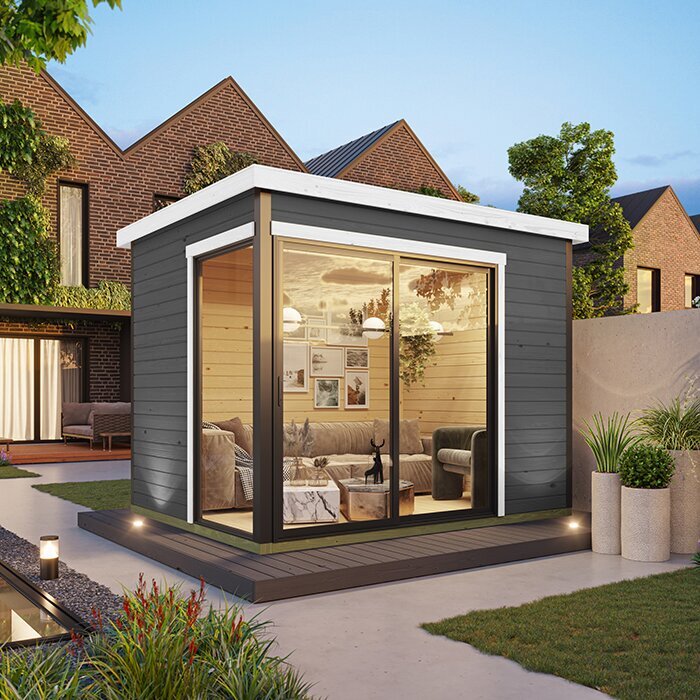
Site suitability and product requirements
Consider the actual place where the shed will sit, not just the dimensions in a catalogue. Check the space available for its stated footprint and height, and think about nearby fences, trees or other structures that could affect how you use the area. Leave practical access around the building for the use and care described in the product information, rather than planning only for the shed to fit into the space. The amount of sun, shelter, wind and rain at a property can vary, so a wall-thickness figure is not a substitute for checking the product's stated requirements. If those details are missing, ask what conditions the shed is intended for rather than assuming the thicker option is automatically suitable.
The surface and layout of the site also matter to the purchase decision. Follow the product's requirements for its base and installation, and ask an installer or building professional to assess unusual ground or exposure concerns. This guide doesn't provide installation instructions or engineering advice. The Veltor 1 garden shed is one model you could review, but its name doesn't establish what site conditions it can accommodate. Compare the requirements stated for the exact version with the conditions at your property before weighing wall thickness against price.
A fair Black Friday price comparison
A Black Friday price is useful only when you know what is being compared. Write down the exact model, size and configuration, the stated wall measurement, the listed price and any terms shown. Two sheds with different dimensions or specifications are not a like-for-like comparison just because one is labelled 44 mm and the other 70 mm. If a listing shows a reference price as well as a current one, record what it says for the version you have selected. Don't assume a headline saving applies to every size or configuration.
Compare the total shown for the same kind of purchase, including any charges or options listed separately, rather than relying on a sale badge or percentage alone. Note the date or time limit displayed with an offer, since this helps you distinguish a current listing from an older saved comparison. The Orello 1 garden shed is a model name you can add to a shortlist, but check its own listing for the actual specifications and price. No offer details have been supplied for this guide, so it cannot confirm an active discount or saving. Use the figures and terms displayed for the offer you are considering, and keep the comparison focused on the exact models.
Confirm the exact model and configuration
Before ordering, make sure the wall figure you are comparing belongs to the version in your cart or quote. A product range can present different sizes or configurations under similar names, so don't transfer a specification from one page, image or variant to another. Check that the selected model, dimensions and stated wall thickness agree across the product description and any diagram. If the page uses a model number, make sure it matches the version you mean to buy, rather than assuming a similar name indicates the same construction.
Keep a copy of the product details and the price and terms shown when you make your decision. If a listing leaves a choice unclear, get the seller's answer in writing for the exact version before placing the order. The Modano 1 garden shed is a product-page candidate, not a basis for assumptions about other models or variants. Clear confirmation helps prevent a Black Friday comparison from becoming a choice between two descriptions that don't actually refer to the same kind of product.
When a 70 mm wall is worth the extra cost
A 70 mm option may be worth considering if its full, documented specification offers something relevant to your requirements and the price difference fits your budget. First identify what that difference is; don't assume that the extra 26 mm alone accounts for a higher price or provides a benefit you need. Compare models of similar size and configuration, then look at the other published differences. If the listing gives no reason that matters to your intended use, paying more solely for the larger number is difficult to justify.
The 44 mm option can be a sensible choice when its documented dimensions and stated requirements meet your needs; choosing it does not automatically mean settling for an unsuitable shed. Equally, there is no reason to reject 70 mm if the complete product information supports your priorities and the cost works for you. The Timber Garden Shed M can sit on a comparison list as a named model, but check its own specification rather than assuming its wall measurement or price. Let the evidence for each exact option guide the decision.
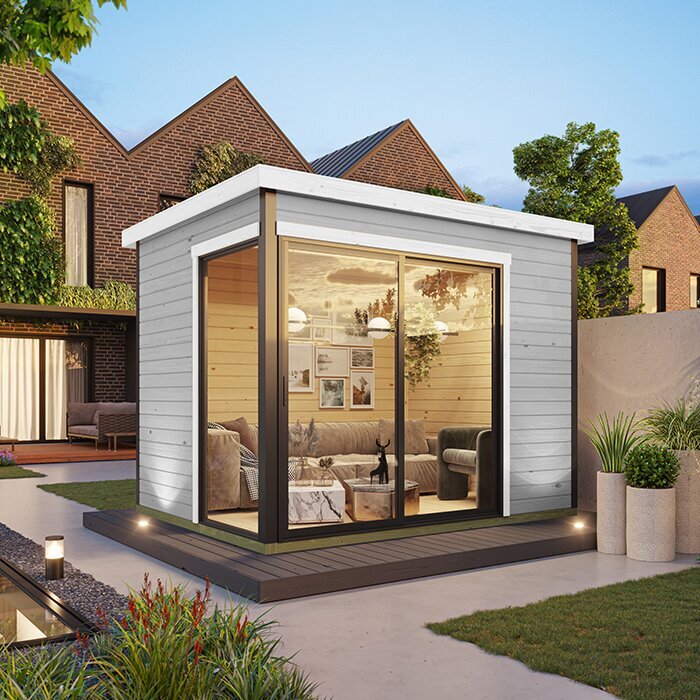
Questions to settle before ordering
If two listings are difficult to compare, write down the specific gaps rather than trying to infer answers. Ask what the wall-thickness figure measures, whether it applies to the selected size, and where to find the internal and external dimensions. If construction details or intended-use information matter to your decision, ask for the relevant published specification. A clear answer should refer to the exact model or configuration you are considering, not just to a general product range or an image that looks similar.
Also confirm the price and any stated offer terms for the version you plan to order. Save the response with the product details so you can check that the selection and order information match. The Wooden Garden Shed S is another model name that can be checked on its product page; don't infer its dimensions or wall thickness from the name. If an important question remains unanswered, compare another clearly described option rather than making a purchase decision on an assumption.
Care requirements and future use
Wall thickness doesn't tell you how much maintenance a shed will need. Check the product's stated material, finish and care instructions, and follow the guidance supplied for that particular model. If it is a timber shed, don't assume that two wall measurements mean the same finish or upkeep; look for product-specific information. Ask what routine care is required and whether the stated requirements suit the time and attention you expect to give the shed. A larger measurement is not a promise of maintenance-free ownership.
Think about how your storage needs could change, but avoid paying for a hypothetical use that the product details don't support. A shed intended for garden tools today may later need to hold larger equipment, so revisit the doorway, usable dimensions and layout as well as the wall figure. Keep a simple record of the model, its stated measurements, care requirements and purchase terms. Note the source and date for each detail, especially where different versions are being considered. That gives you a sound basis for comparing the two wall options and for remembering why the chosen size and specification suited your plans.
Frequently asked questions
Is 70 mm automatically the better choice?
No. It is the thicker of the two stated wall measurements, but that alone does not establish strength, weather performance, insulation or suitability. Compare the complete specifications with your intended use, space and budget.
How much thicker is 70 mm than 44 mm?
The difference is 26 mm. Relative to 44 mm, 70 mm is about 59 per cent thicker. That calculation applies to the stated wall measurement; it does not tell you how much extra interior space either shed provides.
Does a 70 mm wall give you more usable storage space?
Not necessarily. Usable space depends on the design and whether listed dimensions are internal or external. Compare the dimension drawings, entrance opening and clearances for each exact model rather than inferring room size from wall thickness.
Will a 70 mm shed be warmer or more weatherproof?
Wall thickness alone cannot confirm either. Check for relevant, published information about the complete construction and intended use. If your site or storage needs raise specific concerns, ask the seller or a qualified professional for advice.
What should I compare in a Black Friday listing?
Match the exact model, size and configuration first. Then compare the stated wall measurement, usable dimensions, documented features, price and any offer terms shown. No particular Black Friday discount or price is confirmed in this guide.
Use the millimetre figure to narrow the shortlist, then let the stated dimensions, intended use, site requirements and comparable prices decide. A 70 mm wall is measurably thicker; whether that difference is valuable depends on what the complete listing says and how you plan to use the shed. If the product details don't establish a benefit that matters to you, treat the offer as an unanswered comparison, not a deal you need to take.
