
Black Friday garden shed deals: compare the full project cost
Black Friday buying guide
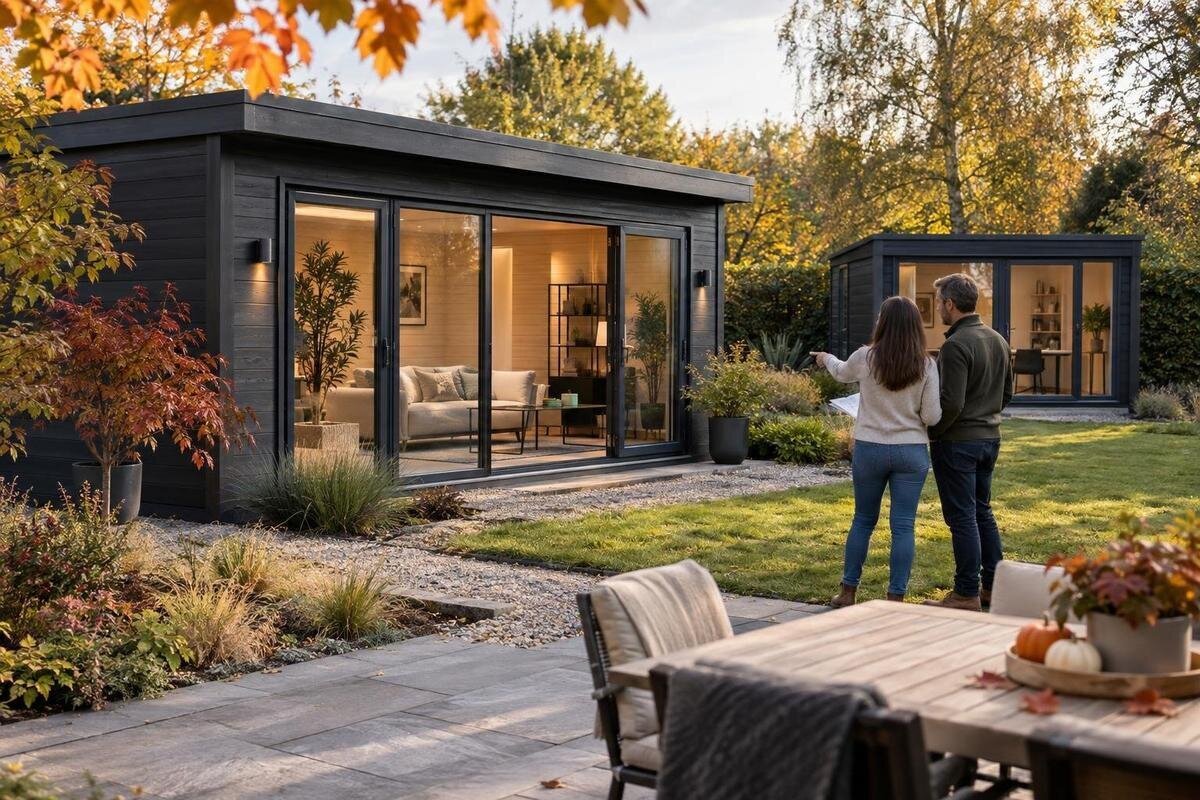
Black Friday headlines can put a garden shed’s advertised price in focus, but the product is only one part of the project. A fair comparison also considers delivery, a suitable base, site preparation, assembly and any finish or fit-out needed for your plan. Treat a promotion as conditional until you have checked its terms and final payable amount. This guide shows how to compare those costs so a lower headline does not disguise a larger bill.
Set a whole-project budget before comparing offers
Set your maximum spend for the complete job before browsing Black Friday garden shed deals. The headline amount is only a starting point: depending on the product and your site, the eventual cost may also include delivery, preparation of the location, a suitable base, assembly, and any required finish or fit-out. Some of these may be included in a price, some may not apply, and others may need a separate quote. Write down what the shed must do and which costs your budget needs to cover. That gives you a consistent basis for comparing options; a low product price is not a low project cost if essential work is missing.
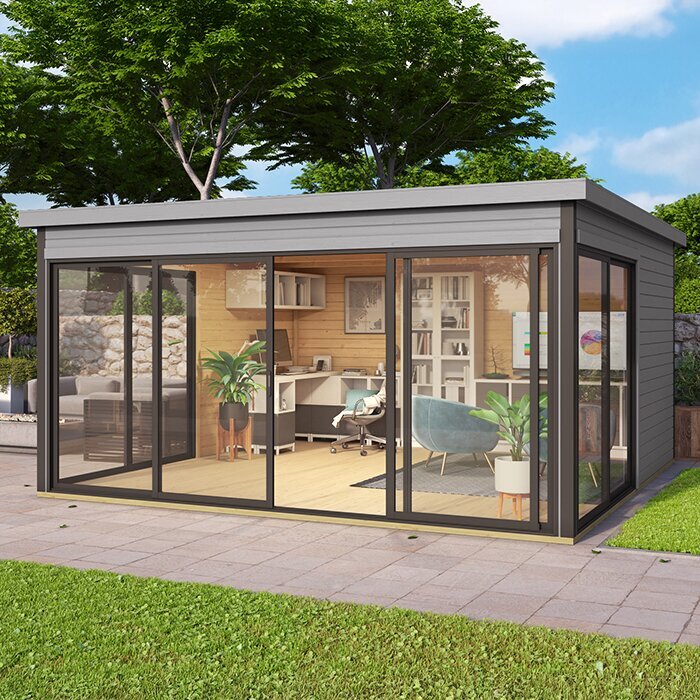
Separate must-haves from upgrades before an attractive offer changes your plan. List what you need to store and the amount you can set aside for the project overall, then decide which additions can wait. If work will happen in stages, note which costs are needed before the shed can be used and which can genuinely be deferred. Leave room for costs you have not confirmed rather than spending the full amount on the product itself. If the Verdana 1 garden shed listing is on your shortlist, use its current product price as one line in the budget. The product name and image cannot establish delivery, site work or included items, so check the written details.
Separate the shed price from other project costs
Give each part of the project its own line. Alongside the product price, consider delivery, clearing or preparing the chosen area, the base, assembly, required finishing, and any fit-out you need for the intended storage. Tools, disposal of existing material or paid help may also affect your budget, but include them only if they apply to your plan. Do not assume every shed requires the same work, or that every item shown in a photo is supplied. The current product information and your site conditions determine which costs are relevant.
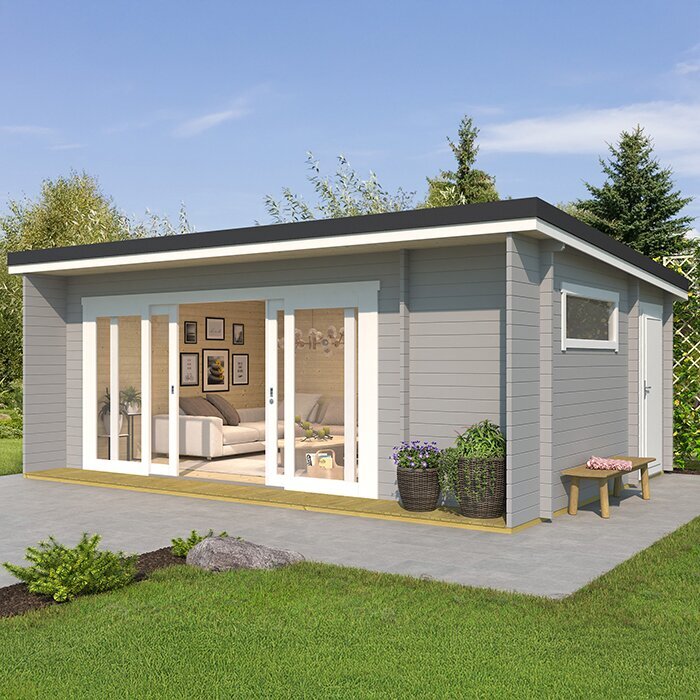
A simple ledger helps prevent a sale price from obscuring the rest of the spend. Mark each line as included, separately quoted, estimated, not needed or still unknown; record the source and date for estimates so you can update them as details become clearer. Count an included item once, not again as an extra, and do not enter an unknown amount as zero. You can apply this method to the Verdana 2 garden shed listing or any other candidate without assuming what its package contains. The aim is to compare complete project totals, not just the most prominent figure on a page.
Check what the listed price includes
Two product prices are only comparable when you understand what each one covers. Check the exact model and configuration, then look for a written list of included components and any selectable options. Depending on the product, relevant questions could include whether a floor, hardware, finish or other item is part of the price or is an extra. Do not assume that a standard-looking image represents the package you will receive. The product title, variant and written description are more useful for confirming scope than appearance alone.
For the Durano garden shed listing, record only what the current page explicitly identifies as included, and ask the seller to clarify anything important that is unclear. Check whether selecting an option changes the displayed amount, and compare the same configuration with other candidates. Note any required item that is priced separately so it is not missed in the total. If the listing does not answer a practical question, keep it marked as unknown until you have confirmation. This is more reliable than filling gaps with assumptions or treating a product image as a specification.
Price delivery to your address
Delivery can change which offer is better value, so check the cost for the address where the shed will go rather than relying on a general estimate. Confirm whether delivery is included, charged separately or subject to conditions, and ask what the quoted service covers. If unloading, access or placement could be an issue at your property, describe the situation and ask what arrangements are available. Do not assume that a carrier will take goods to a particular place on site or that every delivery option applies to every address.
Keep the delivery amount beside the product price and note any conditions that could add cost, such as a restricted delivery area or a need to arrange a different service. Ask about package dimensions or handling requirements if they affect access, but get those details from the current listing or seller rather than guessing. For a candidate such as the Veltor 1 garden shed, seek a delivery figure for your postcode and record what has been confirmed. If the amount is not yet known, show that uncertainty in your comparison instead of counting the product price as the complete delivered cost.
Allow for the site and base
A shed’s eventual cost also depends on where it will sit. Measure the intended area and consider the space needed to bring it into position, reach the entrance and move around it for ordinary use. Look at the actual conditions on site, including the surface, drainage and any slope or obstacles that could affect preparation. Clearing or levelling work and base materials may need separate budgeting, but the right approach is not universal. Avoid choosing a location or estimating groundwork from a product photo alone.
Confirm the selected model’s stated footprint and installation guidance before pricing materials, and check whether the information covers the conditions at your property. A page such as the Orello 1 garden shed listing identifies a product to assess; it does not determine what your site needs. If ground conditions, drainage or a slope raise technical questions, seek an assessment from a suitably qualified professional rather than relying on a generic estimate. Add any confirmed preparation or base costs to the project budget, and leave uncertain work visible as an estimate until it has been properly scoped.
Include assembly and finishing
Decide how the shed will be assembled and include the likely cost of that choice. If you plan to do the work yourself, consider the time, tools and help you may need; if you prefer a contractor, ask for a quote that matches the exact product and scope. Check whether assembly is included or offered separately, rather than assuming either way. A low product price can be less attractive if it does not fit your plan for getting the shed assembled, but paid assembly is not automatically necessary for every buyer.
Budget for a finish or fit-out only where it is required by the product guidance or forms part of your plan. Confirm which coatings, accessories or storage additions are included before buying anything extra, and avoid using an image as proof that an item comes in the package. Ongoing care can also involve time or materials, so check what the supplier recommends and include relevant costs without inventing a routine that is not specified. For the Modano 1 garden shed listing, use the current written information to identify questions about assembly or finishing, and ask for clarification before treating those costs as settled.
Match the shed to what you need to store
A lower total is not good value if the shed cannot accommodate the things you intend to store. Make a practical list, such as garden tools, outdoor equipment or boxes, and consider which items need frequent access. Compare the published measurements and layout information for the exact model, paying attention to usable space, the entrance and any room needed to move items in and out. If a measurement or detail is missing, ask rather than estimating from a photograph. This helps you avoid paying for capacity you do not need or buying a shed that falls short of its purpose.
Compare how well each candidate meets those needs alongside its full cost. A feature you will use may justify a higher total; one that does not matter to your plan may not. Read model names carefully, but do not interpret a letter or label as proof of a particular dimension or capacity. Assess the Timber Garden Shed M listing using its stated details, just as you would any other option. Record the requirements it meets, the information you still need and any extra fit-out costs. This turns value into a practical judgement about use, rather than a guess based on the price or name.
Read the Black Friday offer terms
Treat a campaign price or voucher as conditional until you have read the terms that apply to your order. Check which product and configuration are eligible, whether a code must be entered, and whether exclusions, a minimum spend or a stated end date apply. Do not assume a discount covers every model or combines with other offers. If the terms do not clearly answer a question that affects your choice, ask before committing. No particular discount, price reduction or offer period should be assumed without current details.
Compare the final payable amount for the same product and configuration, using your postcode and any options you actually intend to select. Check that any discount is reflected in the total, then include delivery and other charges that are not part of the offer. For the Wooden Garden Shed S listing, as with any candidate, verify the current listing and its applicable terms rather than inferring them from the model name. Read the seller’s stated return and warranty information too, since those terms can matter to your decision even though they do not change the project-cost calculation. Keep a copy of the terms and price you relied on.
Compare like-for-like totals
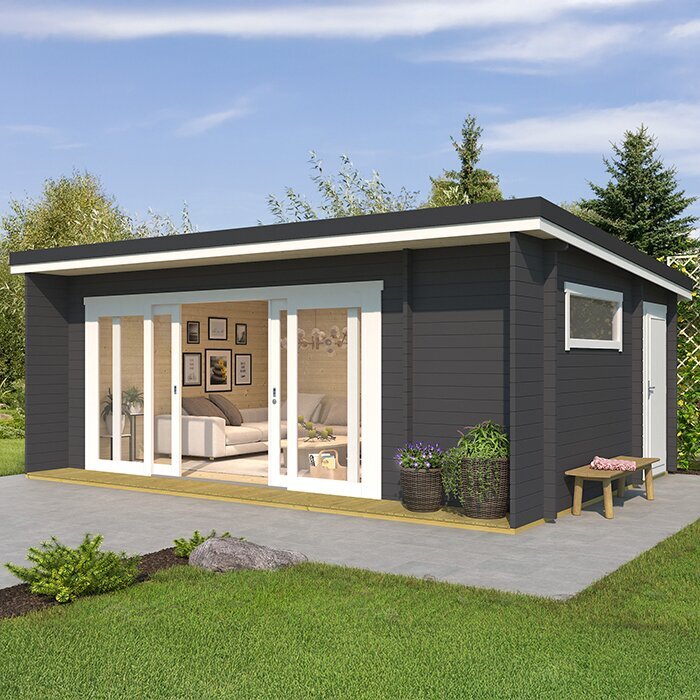
Use one comparison sheet for every candidate and give each the same cost categories. A useful calculation is the product amount plus delivery, site preparation and base work, assembly, required finish or fit-out, and other confirmed charges, minus only discounts you can apply to that order. This is not a request to guess missing prices: label each amount as confirmed, estimated or unknown. Use the same delivery address and the same assumptions for each option. If an item is included in one offer but priced separately in another, show that difference rather than comparing the two headline prices as if their scope matched.
Where costs are uncertain, seek a quote or use a realistic estimate based on your own circumstances, and keep the uncertainty visible. You can compare a likely total with a more cautious estimate, but do not present either as a confirmed amount when it is not. Then weigh the cost against the storage requirements, access and information you have confirmed. A shed that costs less upfront may need more paid work or additions; another may cost more but fit your plan with fewer extras. The fairest comparison uses the same scope for each, so that a difference in total reflects a real choice rather than missing lines.
Confirm the order details before committing
Before ordering, check that the product page, any written quote and the checkout refer to the same model and configuration. Review the included items, selected options, delivery address, delivery charge and applicable offer conditions, then confirm the final amount payable. If a detail affects the budget or whether the shed will work for your site, get an answer from the seller rather than relying on an assumption. Make sure any separate quote for assembly or site work matches the product and scope you have chosen. Keep the records together so you can see what your project estimate was based on.
If the complete cost exceeds your limit, reconsider optional extras or compare a different candidate; do not remove work that is necessary for the chosen product or site simply to make the figures fit. If a major cost remains uncertain, pause the decision until you can make a more informed comparison. A campaign date or prominent price is not a substitute for knowing the total, and no deadline should be assumed unless it is stated in the offer terms. The right purchase is the option that suits your storage plan and remains affordable when the associated work is included.
Frequently asked questions
What should I include in the full cost of a garden shed project?
Start with the shed and delivery, then add any site preparation, base, assembly, required finish or fit-out, and other necessary charges. Check what is already included so you do not count it twice. Mark unconfirmed costs separately rather than treating them as zero.
Does a Black Friday offer mean I am paying the lowest total price?
Not necessarily. An advertised price may not include delivery or other project costs, and a discount may have conditions. Compare the final amount for the same product and requirements, and count a discount only if it applies to your order.
How can I compare two garden shed prices fairly?
Compare the exact models and configurations, then use the same cost categories for both: product, delivery, site work, base, assembly and any required finishing. Note which amounts are confirmed, estimated or unknown, and compare how well each shed fits your storage needs.
Should I buy a base separately?
First check the current product information and supplier guidance to see what is required or included. The right preparation depends on the chosen shed and your site, so do not assume a base type or cost from a product image. Seek qualified advice if the site presents technical questions.
What should I confirm before placing an order?
Check the exact product and configuration, included items, delivery cost for your address, any offer conditions and the final payable amount. Resolve unclear costs or requirements with the seller, and make sure the overall project budget still allows for necessary work.
A useful Black Friday comparison starts with the job you need the shed to do, then accounts for the costs of getting it delivered, prepared and ready for use. Check the same details for every candidate, separate confirmed amounts from estimates, and judge the final total against your budget. That way, an offer is worth considering because it fits the project—not simply because its advertised price stands out.
