
Black Friday garden shed upgrades: what to buy with your budget
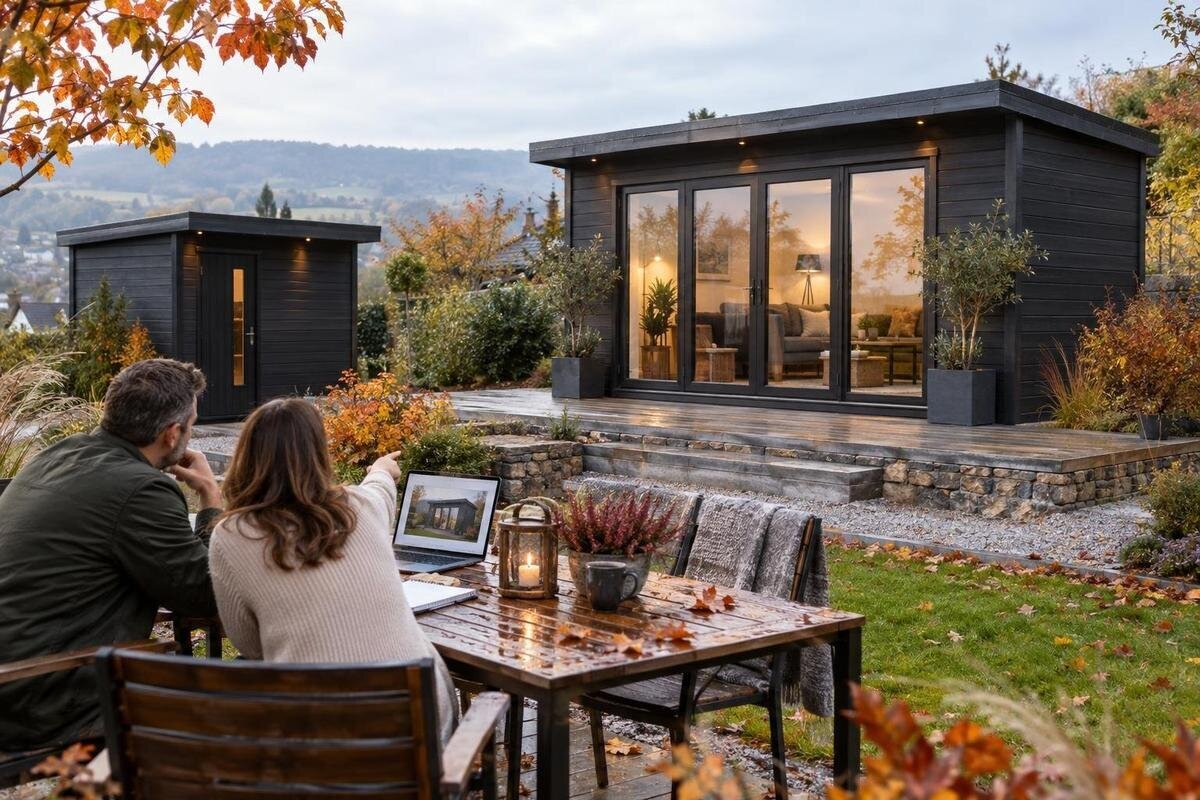
Black Friday garden shed guide
Black Friday can make a garden shed purchase feel like a race to add every available extra. A better way to spend is to separate what makes the shed fit your day-to-day use from upgrades that can wait. Set a total limit, decide what the shed must do, then compare the base product and any listed options on the same terms. This guide focuses on priorities, not on assuming that a particular offer is available.
01
Set the total budget before adding extras
The shed itself is the main purchase, so decide what your budget has to cover before browsing add-ons. Set a ceiling for the whole project, not just the advertised base price: include the chosen shed, options you genuinely need, delivery, any installation you have arranged and reasonable site preparation. Keep an allowance for costs you cannot confirm yet. That makes it easier to judge an extra without taking money from a more important part of the plan. If the total exceeds your limit, revisit the product or the scope before trimming practical essentials. A Black Friday price, if shown, is only a useful starting figure once you know what it covers.
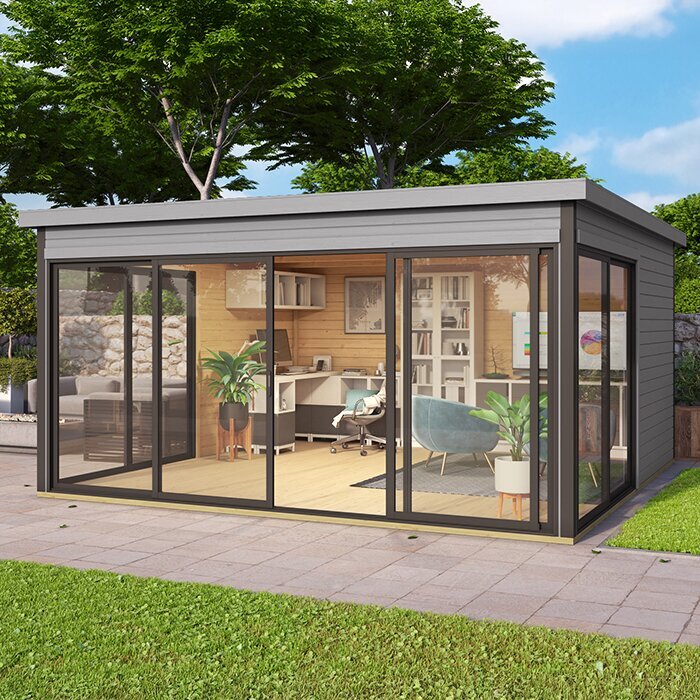
Sort prospective extras into three groups: required for your planned use, useful soon and optional later. The first group should contain the shed’s basic fit, enough usable room and any essential feature you cannot reasonably add afterwards. Give each second-group upgrade a clear job, such as keeping frequently used tools organised; if it has no practical purpose, leave it for later. Compare shortlisted sheds with the same essentials included, rather than judging a bare model against a configured one. The Verdana 1 listing can be one reference point, but use its product details to confirm what is supplied; the name alone confirms no dimensions or options. A written total also shows how small extras can push the order past your limit.
Match upgrades to the shed’s actual use
Begin with an inventory, not a catalogue of accessories. Write down the items the shed must hold, how often you use them and whether you need room to do a task inside or only to store equipment. Separate long or awkward items from small pieces, and note anything you need to reach without moving other belongings. A shed used for occasional storage has different priorities from one that doubles as a regular potting or repair area. Include equipment that currently has no suitable home rather than assuming it will fit. The point is to stop an attractive extra using space needed for something already on your list. Keep the inventory beside your budget while comparing.
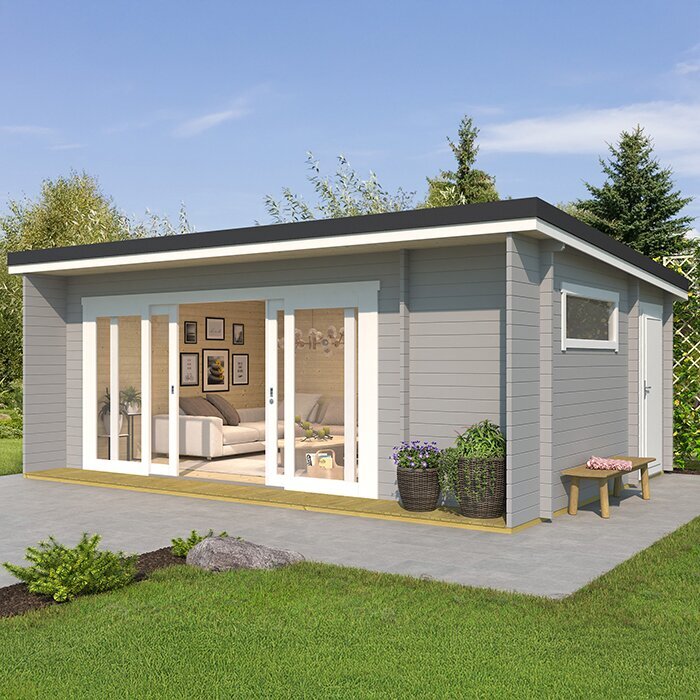
Turn the inventory into checks against each product’s published information. Compare the outside footprint with the space available, then check the internal layout and opening clearances rather than assuming every centimetre is usable storage. Leave room for items to be removed, doors to open and people to move through the shed. If it is also a work area, mark the working zone on a simple sketch and allow for the surface or seat you expect to use. A listing such as the Verdana 2 page is a candidate to assess, not proof that a particular layout will suit you; rely on its stated measurements and details. Confirm that those details apply to the exact configuration you plan to order.
02
Check door access against the items you store
Door arrangements affect how you use a shed every time you bring something in or take it out. Think about the largest item you expect to move through the opening, how often you will do so and whether you can approach the door with that item in hand. Inside, consider whether an open door would block shelving, a bench or the space where equipment is parked. Check what opening is actually included and whether an alternative is a selectable option; do not infer it from a product photograph or model name. For bulky gear, the clear opening can matter more than a feature you notice from outside. Treat access as a use requirement, not a styling upgrade.
For occasional boxes, a small inconvenience may be acceptable; for tools or equipment used each week, a restricted opening can become a recurring nuisance. Measure relevant items and compare them with any stated clear-opening dimensions, allowing for handles or parts that protrude. Also check the space needed for a door to move and where it sits in relation to your usual approach. A simple sketch or floor outline can show whether an open door overlaps the zone you need for storage. If you are reviewing the Durano garden shed, look for verified door and layout details in its product information rather than assuming them from its name. Spend on an access option only when it resolves a specific problem.
Choose storage fittings around what you keep inside
Storage accessories earn their place when they make the floor and the things you reach for easier to manage. Before buying shelves, hooks, a rack or a bench, group your equipment by size, weight and frequency of use. Put often-used items where you can reach them without shifting bulky gear; keep a clear area for anything that needs to be carried in or out. A free-standing unit may be easier to rearrange, while a fixed fitting may use a wall more efficiently, but either choice depends on the layout and what the supplier permits. Small containers, long-handled tools and a bench may call for different arrangements. Do not buy a kit solely because its marketing calls it universal.
Check compatibility before paying: how an accessory is fixed, whether that fixing suits the particular shed, and any stated load or care limits. Confirm its dimensions against the intended wall or floor area, accounting for doors, windows and structural elements described in the official information. If those details are unclear, ask the seller or manufacturer instead of relying on a generic shelf kit. The Veltor 1 listing can be assessed alongside other candidates, but its name does not establish interior dimensions or which fittings it accepts. Keep a note of what is included in the chosen configuration so you do not pay twice for the same function. If you are unsure about installation or support, seek advice from a suitably qualified installer.
03
Decide whether glazing will improve how you use the shed
Glazing, a window or another daylight feature is worth paying for only if it helps with a task you plan to do. Natural light may make it easier to see stored items or work during the day, but its value depends on the shed’s orientation, nearby shade, sightlines and how you use the interior. If privacy matters, consider what can be seen from neighbouring spaces; if you need precise light for detailed work, do not assume a window will replace task lighting. Check where a window would sit relative to shelves and a work surface. For a shed used mainly for closed storage, extra glazing may matter less than clear floor space or better organisation.
Separate appearance from function when comparing versions. Check whether glazing is part of the listed configuration or a paid option, and confirm the number and placement of openings in the written product information. Consider whether a large display area would expose stored contents or create unwanted glare. If you have an interior plan in mind, mark the proposed shelves and work surface before selecting a window arrangement. The Orello 1 listing is one option to compare; do not take its product name or image as evidence of a particular glazing layout. Spend here when the feature improves regular use, not simply because it is prominent in a photo.
Check weather suitability and ongoing maintenance
Weather protection and maintenance belong ahead of cosmetic add-ons because a garden shed sits outdoors. Review the construction details, the maker’s care instructions and any stated requirements for protective treatment. Consider how the proposed location is affected by wind, rain run-off, overhanging vegetation or persistent shade, then check whether the chosen product is suitable for those conditions. A coating or finish advertised as an upgrade is useful only if you understand what it includes, how it is maintained and whether it is compatible with the shed. Do not infer lifespan or weather performance from a promotional phrase or appearance alone; ask for product-specific information before assigning it value.
Budget for sensible upkeep as well as the initial purchase. Find out what routine inspection or treatment is recommended, whether those materials are supplied, and what future maintenance could cost in time as well as money. If the site is uneven, holds water or otherwise raises questions about a base or preparation, do not try to solve that with an accessory: follow the product guidance and consult an experienced installer where needed. A Modano 1 listing can be assessed by the same standard as any other choice; the model name does not establish a finish, care schedule or weather rating. Keep the decision grounded in written product information.
04
Budget separately for lighting and power
Lighting and power make sense when you have a clear plan for using the shed, but fixed services should not be treated like a shelf you can add without planning. Start by deciding whether you need to locate items, carry out close work or use powered equipment. A portable battery light may meet occasional needs without changing the building; regular work may justify exploring a fixed option, depending on the shed and site. Compare the likely use with the full cost, including professional planning and installation. Avoid buying equipment before confirming what the shed is designed to accommodate and whether it can be installed appropriately. If you only visit to store items, this may be a later purchase rather than a Black Friday priority.
Keep electrical work separate from the product’s marketing description. Confirm the structure’s documentation and ask a qualified electrician to advise on the feasibility, scope and cost of any fixed lighting or power; electrical installation should be carried out by a qualified professional. Do not rely on a photograph, a product title or an assumed route for wiring. If you are comparing the Timber Garden Shed M, apply the same checks and verify details directly for the model you choose. This approach leaves room in the budget for a real quote rather than an uncertain guess. It also prevents a desirable extra from being mistaken for a standard inclusion.
Include site preparation in the budget
A shed that fits on paper can still need site work before it is ready for use. Check the actual footprint, the space needed around it and any access required to open doors or reach maintenance areas. Note ground levels, drainage and nearby obstacles, then compare your observations with the maker’s siting and base requirements. Do not assume one foundation or installation approach suits every site. If the ground slopes, is soft or has drainage concerns, ask a qualified installer what preparation is appropriate rather than trying to solve it by adding more upgrades. Include that work in the budget before deciding how much is left for accessories.
Think about how the shed will sit in the garden over time: will its placement leave the desired route through the area, avoid obstructing other uses and allow planned upkeep? Measure before ordering, and distinguish the product’s stated dimensions from the extra clearance you will need around it. The Wooden Garden Shed S is another item to assess against site information, but the name does not establish its footprint, base requirements or installation needs. Compare the instructions for the exact configuration you are considering. A basic site sketch with boundaries, existing features and intended clearance can reveal a poor fit before accessories make the purchase feel settled.
05
Compare Black Friday prices on the same basis
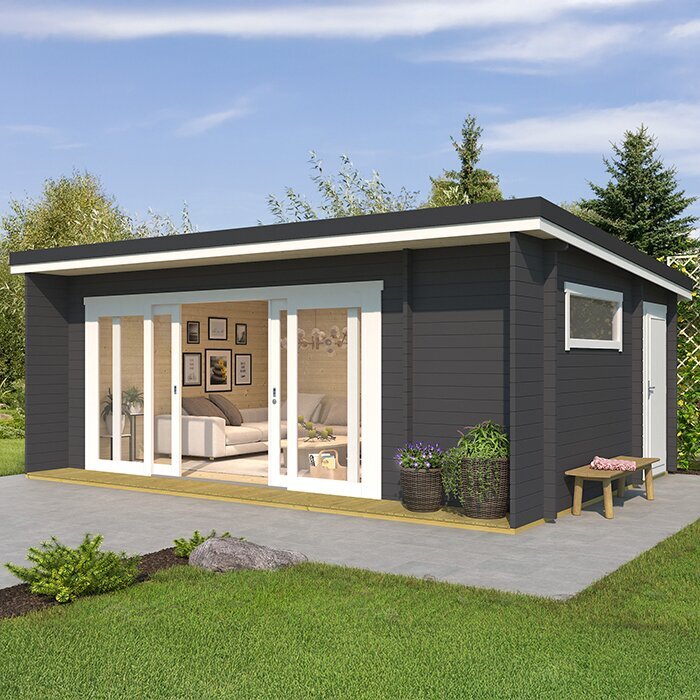
Black Friday comparisons work best when every price refers to the same scope. Write down the model, chosen configuration, included fittings and the extras you would actually order; compare that total with other options only after checking the same items. A prominent offer or percentage, if displayed, is not evidence that the upgrades you want are included or reduced. Check the current listing and the final order summary for the exact price and contents, and allow for delivery, installation or site costs that are quoted separately. Base the decision on what is stated for your own order rather than an assumed event-wide deal.
Use a simple comparison sheet with columns for the base model, required features, optional extras, other project costs and final total. Add a note beside each upgrade explaining the problem it solves; if two choices answer the same need, the cheaper one may free budget for a more important cost, but only after you confirm both are suitable. If the listing’s terms are unclear, resolve that before checkout. Avoid comparing a heavily configured product with a bare price from another option, or letting a countdown determine your choice. A careful like-for-like comparison is more useful than chasing the largest headline figure.
Decide what to buy now and what can wait
Some decisions are difficult to change after the shed is ordered, while others may be easier to make later. Before checkout, ask which features depend on the product’s original configuration and which can be added without affecting fit or compatibility. Verify that point in the product information or with the seller; do not assume a future accessory will suit every model. Prioritise options that solve a known problem and cannot readily be added afterwards. Defer decorative items, duplicate storage solutions and anything you have not yet matched to a real task. This gives you a clear stopping point when an event page presents more extras than your budget can justify.
Set a final rule for spending: buy the shed that fits the site and intended use, pay for essential features and required preparation, then leave a deliberate amount unspent for later decisions. It is reasonable to postpone an upgrade if you can use the shed without it; equally, a needed access or organisation feature may be cheaper to decide now than to work around every week. Keep the product information, configuration and total price together when reviewing the order. The best Black Friday purchase is not the one with the most extras, but the one whose cost and chosen features match what you will actually use.
Frequently asked questions
Which garden shed upgrades should I prioritise first?
Prioritise a shed that fits your site and intended use, with practical access and enough usable space. Budget for any necessary site preparation, then choose storage or other features only if they solve a regular problem. Check what is included before paying for an extra.
Should I buy storage fittings now or add them later?
That depends on whether the fittings are compatible with your chosen shed and how soon you need them. Check the product guidance for mounting and any stated limits. If you can use the shed without them, postponing the purchase may help you decide what arrangement works best.
Are windows or glazing worth the extra cost?
They may be useful if daylight helps with a task you do regularly, but consider privacy, window position and how you will use the interior. Confirm whether glazing is included or optional, and do not assume daylight through a window will meet every lighting need.
How should I compare Black Friday garden shed prices?
Compare the same model or configuration, required options and other known project costs. Check the current price and what is included in the final order rather than assuming an advertised event price applies to your chosen extras.
Can I add fixed lighting or power after buying?
It depends on the shed, the site and what the structure is designed to accommodate. Check the product information and ask a qualified electrician to advise on feasibility and cost before making it part of your plan.
Treat Black Friday as a point to compare options, not a reason to stretch your budget. Choose the shed that fits your site and intended use, set aside funds for necessary preparation and prioritise upgrades that solve a specific, repeated problem. Then compare like-for-like configurations and leave optional changes until you have checked whether they can be added later. A written list of must-haves, deferrable extras and total costs keeps the purchase focused on a shed you will use, rather than on the number of add-ons attached to an event price.
