
Building a Garden Shed in a Shared Garden: Key Questions
Shared garden planning
A garden shed in a shared garden is a joint decision about a shared structure, not just a choice of storage. Before comparing models, agree what it will hold, who may use it, who has authority to approve it, where it can go and who will look after it. Then check the relevant property and council requirements, compare confirmed product details and record the final agreement before placing an order.
Agree what the shed needs to store
Begin by agreeing what the shed is for, rather than choosing a model first. List items that currently have no practical home: shared garden tools, potting supplies, cushions or equipment used by a particular household. Mark each item as communal or personal, and note how often it needs to be reached. A shed for everyday shared tools has different access needs from storage for items used only occasionally. Ask regular garden users what they expect to put away, including people who may not be at the first planning meeting. This gives the group a clear purpose to use when comparing options.
Sort the list into essentials and optional extras. Consider whether bulky or seasonal items need to fit, whether personal belongings will be stored alongside shared equipment, and who may access each. Agree on anything that should not be kept in the shed, too; otherwise the space can quickly become a source of disagreement. It helps to write a brief covering intended contents, users and access, then rank the requirements. That makes it easier to distinguish a genuine need from a preference and avoids paying for a larger or different option without a shared reason.
Confirm who can approve a shared structure
Find out who is authorised to make a decision for the property before anyone places an order. A garden may be used by several households while ownership or management sits with a landlord, property manager, body corporate, trust or other organisation. Check the relevant agreement or governing documents rather than assuming that regular use gives any one resident the authority to commit the group. If the property is rented, ask the landlord or manager what approval is needed. The right contact and process will depend on the arrangement, so identify them before spending time on a detailed product shortlist.
Separate formal approval from consultation with the people who use the garden. Agree how the group will make its decision: for example, who needs to be consulted, how preferences will be recorded and who will communicate the final choice. Include less frequent users if the shed could affect their access or use of shared space. A named coordinator can gather information and keep the process moving, but should not be treated as the decision-maker unless the group has agreed to that role. If people disagree, resolve the issue before ordering rather than leaving it to whoever pays first.
Write down ownership, use and responsibilities
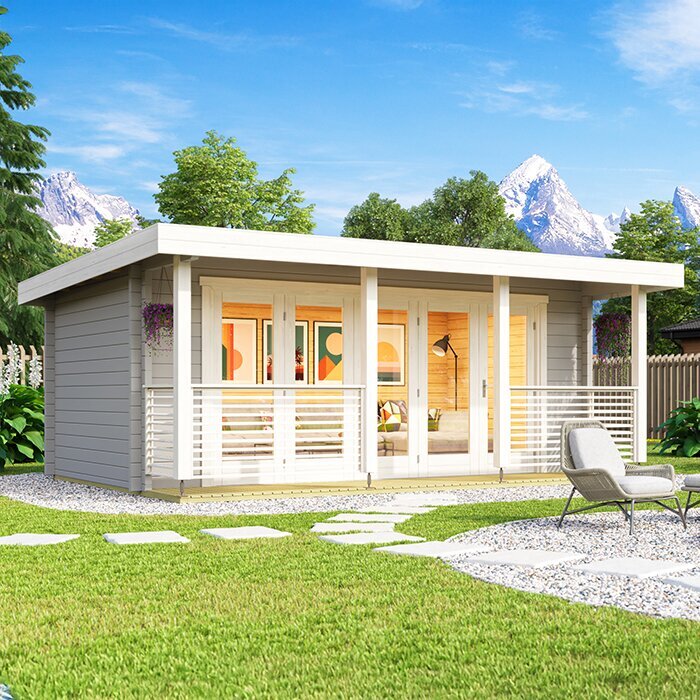
Decide who will own the shed and who may use it. Those arrangements might involve one person, several households or the organisation responsible for the property; don’t leave the answer to assumption. Set out who holds keys, whether access is unrestricted or agreed, and how private belongings will be kept separate from communal items. Also discuss what happens if the person who arranged the purchase moves away or stops using the garden. When the group builds a shortlist, record each exact page—for example, the listing for garden shed Verdana 1—rather than noting only a vague description. Everyone should know which item is being considered.
Agree both the financial contribution and the work involved. The purchase price is only one part of the shared commitment: delivery, site preparation, assembly, ongoing care and eventual removal may also need to be budgeted for. Decide who will pay each cost, how contributions will be recorded and what happens if an agreed contribution is late or a repair is needed. There is no universal way to divide costs; the group should choose an approach it considers fair and sustainable. Put the arrangement in writing, including who is responsible for contacting suppliers and keeping purchase records, so the same few people don’t quietly inherit every task.
Choose a location that preserves shared garden use
Walk around the garden with the people affected and consider how the shed’s position would change everyday use. A convenient corner for one household may take space from a shared seating area, garden beds, a clothesline or a well-used route. Think about how people move through the garden when carrying tools or tending plants, and whether the proposed location would make any common activity harder. Ask users what they would be reluctant to lose, then identify areas that are genuinely available for a structure. This discussion can rule out unsuitable positions before the group becomes attached to a particular model.
Treat the location as provisional until it has been compared with the outside footprint and any access space indicated in the product information. For a candidate such as Verdana 2 garden shed, use dimensions actually stated on the listing rather than judging the space from a photograph or product name. If an important measurement is missing, ask the supplier instead of estimating. Consider whether people will still be able to reach and maintain the garden around the shed, and whether the agreed position leaves enough room for the intended use. Detailed boundary and site constraints need their own local checks; don’t rely on a neighbour’s experience as proof that this position is suitable.
Agree how people will reach and use the shed
Plan the route from the usual garden entrance to the shed. People should be able to collect shared equipment without crossing a private area or blocking another user’s normal route. Consider who may need access, whether bulky items will be carried in and out, and whether the approach remains practical while other people are gardening. Agree how keys or access codes will be managed and whether there are any sensible limits on access. If the shed is mainly for shared equipment, make sure the arrangement doesn’t leave one household acting as a permanent gatekeeper for everyone else.
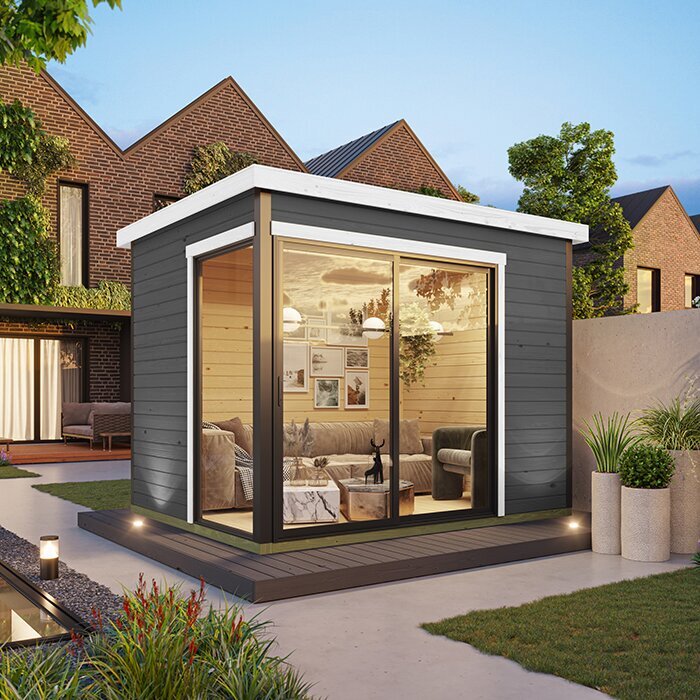
Think about how the entrance will work in the space, not just whether the shed fits. An open door, someone carrying a tool or two people passing may affect the route and nearby activities. Check the actual access details for a candidate such as Durano garden shed only where they are supplied; a photograph or name alone does not establish how an entrance works. If users have different needs, discuss those before choosing. A brief on-site walk-through using the confirmed product information can reveal practical conflicts while the group is still free to compare alternatives.
Check permissions before committing to a model
Ask the relevant decision-maker and local council whether any property, building or planning approvals apply to the proposal. What needs to be checked can depend on the site, the shed’s design and intended use, and the arrangements governing the property. Check lease terms, management rules or other relevant agreements as well as council requirements; one kind of approval does not necessarily answer every question. If the proposed use or site is unclear, ask the responsible organisation or a suitably qualified professional for guidance before ordering. Avoid assuming that a shed is exempt from checks because it seems small, temporary or similar to one elsewhere.
Give whoever is assessing the proposal enough information to understand the exact option and location. This may include a site sketch, intended use and product details such as dimensions, if stated. Ask the council or manager what documentation they need rather than treating this list as a complete set of requirements. If Veltor 1 garden shed is on the shortlist, for instance, share its exact listing alongside the proposed position so everyone is discussing the same option. Keep any response or approval with the group’s records, and don’t make an order that depends on an unresolved answer.
Compare product details against the agreed brief
Use the group’s priority list to compare products, not a photograph or a name that suggests a particular feature. Check the published outside dimensions against the agreed site, and look for information on usable interior space, entrance arrangements, materials, finish and what is included. Check assembly and care information too, where available. Distinguish facts the supplier has stated from questions that remain open; if a detail matters but isn’t shown, ask before deciding. A simple comparison table helps everyone assess the same criteria rather than allowing one appealing feature to outweigh an unresolved issue about space, access or upkeep.
Mark each requirement as essential or desirable and note where the available information confirms it. Apply the same checks to every candidate, including Orello 1 garden shed, so products are compared on a consistent basis. Don’t infer specifications from a model name, image, URL or another buyer’s description. Also check which version or configuration is being discussed, as a general reference to a model may not capture every detail the group intends to order. Keep answers from the supplier with the comparison notes. That gives the group a clear record of why it chose one option and what information it still needs.
Coordinate the order, delivery and assembly
Choose one person to coordinate supplier questions and the order, with a clear limit on what they are authorised to spend. Confirm the exact item and any selected options with the group before payment. Ask the supplier about the current ordering process, delivery arrangements and what preparation or assembly is expected; don’t assume these are included or available in a particular form. Check who will be the delivery contact and whether the agreed garden access can be kept clear when the delivery arrives. This is a practical coordination task, not a reason to book a date before the seller has confirmed the relevant details.
Review the actual terms for the chosen purchase, including what is supplied, any stated assembly arrangements, delivery access requirements and the process for raising questions about the order. Confirm how packaging will be handled and who will coordinate any agreed work on site. If the group is considering Modano garden shed, use its product page as the reference and verify any details that matter directly; the model name and images do not establish what is included. Keep the confirmation, order records and any supplier correspondence together so everyone can see what was agreed and who is responsible for each part of the purchase.
Budget for maintenance and future costs
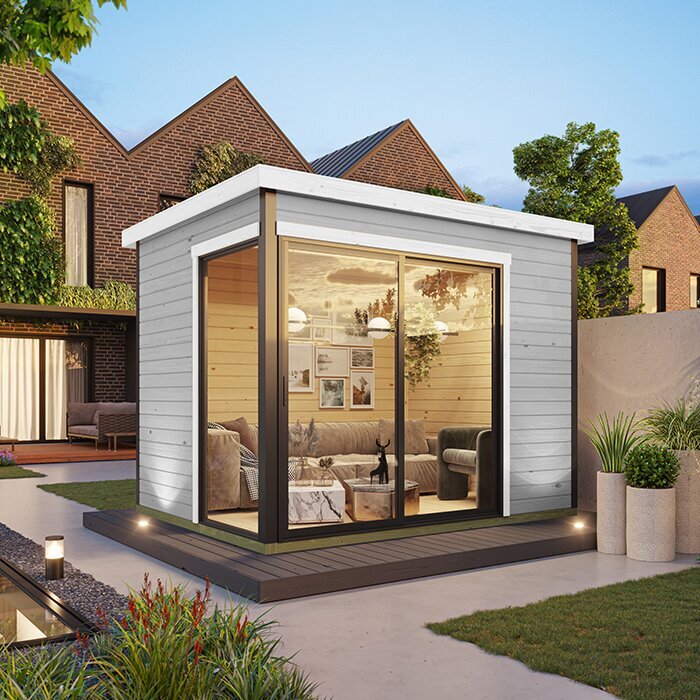
Agree a whole-project budget rather than comparing only the product price. Depending on the chosen arrangement, there may also be costs for delivery, preparing the site, assembly, care, repairs or eventual removal. Ask for confirmed costs where relevant and keep optional work separate from agreed expenditure. Don’t assume a particular maintenance cost or lifespan from the product name or a picture. For a candidate such as timber garden shed M, rely on information the supplier actually provides when assessing care requirements, and ask about anything that could affect the group’s budget before it makes a decision.
Decide who will handle ordinary upkeep and how the work will be shared. Use the supplied care instructions, if available, rather than guessing what a product requires. Agree who will keep those instructions, check the shed’s condition, arrange a repair if needed and let other users know about any temporary access change. A simple record of work and spending can prevent confusion over whether a task has already been done or who paid for it. Include a plan for changes in the group, too: the people using the garden may change, while the shed and its care responsibilities remain.
Record the final decision for future users
Before ordering, confirm in one place what the group has agreed: the intended use, exact product, proposed position, budget, ownership, access arrangements and who will handle ongoing care. Note which relevant approvals have been obtained or which answers are still outstanding. If wooden garden shed S is the final choice, attach that exact page so there is no confusion about the item being purchased. Don’t treat a shortlist or informal conversation as final sign-off. The person placing the order should be able to check the written decision against the product details and raise any mismatch before committing the group’s money.
Keep the decision and related documents where current and future garden users can find them. That might include the agreement, supplier correspondence, approval records, invoice and any product or care information supplied with the shed. Record who holds the keys and how new users will learn the storage and access arrangements. Agree how changes will be handled if ownership, use or responsibilities shift later. A clear record makes handover easier and helps the shed remain a shared resource rather than becoming an informal responsibility attached to whichever neighbour happened to arrange the purchase.
Frequently asked questions
Does everyone who uses the garden need to approve the shed?
That depends on how the property is owned or managed and on any existing agreements. Don’t assume that one garden user can authorise a purchase for everyone. Check the relevant documents and confirm who has authority, while consulting regular users about how the shed could affect them.
Should the person who pays for the shed own it?
Not necessarily. Payment, ownership and the right to use the shed can be separate matters in a shared arrangement. Agree who owns it, who has keys, how communal and personal items will be handled, and what happens if the person or household that paid later moves.
What information should I give the council or property manager?
Explain the proposed use and location, and provide the exact product information you have, such as stated dimensions and a site sketch. Ask what else they need to assess the proposal. Requirements can depend on the property and design, so don’t assume one example or another resident’s experience settles it.
How should neighbours split the costs?
There’s no single split that suits every group. Agree who will contribute to the purchase, delivery, preparation, assembly and future care before ordering. Decide how you’ll handle a change in users or an unexpected repair, and record the amounts or method the group has accepted.
What if someone moves out after the shed is installed?
Agree in advance who keeps ownership, how shared items and keys are handed over, and whether departing residents can remove personal belongings. Include a simple way to brief new users on access, storage rules and upkeep so the arrangement doesn’t depend on one person being there.
A shared shed works best when the group agrees on more than the product. Clarify its purpose, location, access, ownership and upkeep, then check the requirements that apply to the property and the chosen option. With those decisions recorded before the order is placed, the shed is more likely to serve the garden without leaving its costs or responsibilities to one neighbour.
