
Buying a 70 mm timber garden shed: when to choose thicker walls
Garden shed buying guide
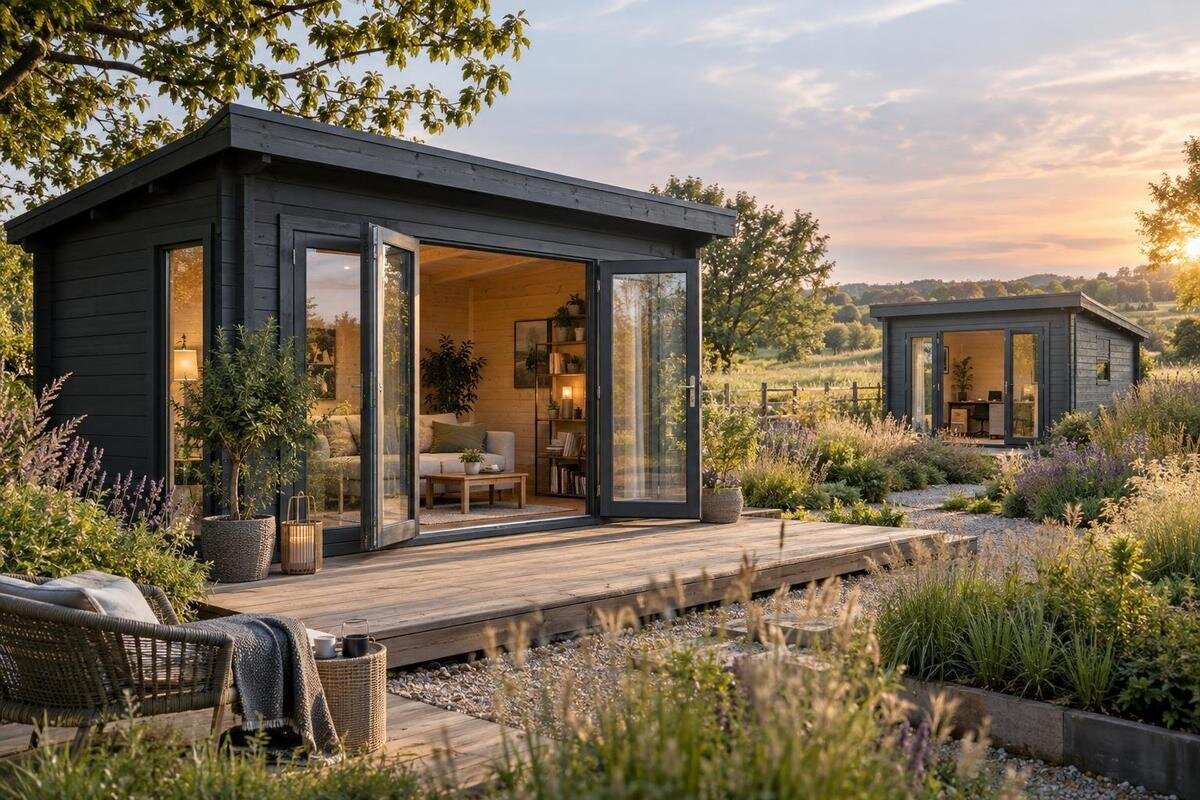
If you’re looking to buy a 70 mm timber garden shed, it’s tempting to treat the larger wall figure as a simple upgrade. Thickness is only one part of the building: it does not, by itself, tell you how warm, structurally capable or weather-resistant the finished shed will be. Your choice should reflect what you will store or do inside, how much clear floor space you need, what the full wall construction includes and what your site can support. This guide explains when thicker walls may suit your priorities and what to confirm before ordering.
What the 70 mm measurement refers to
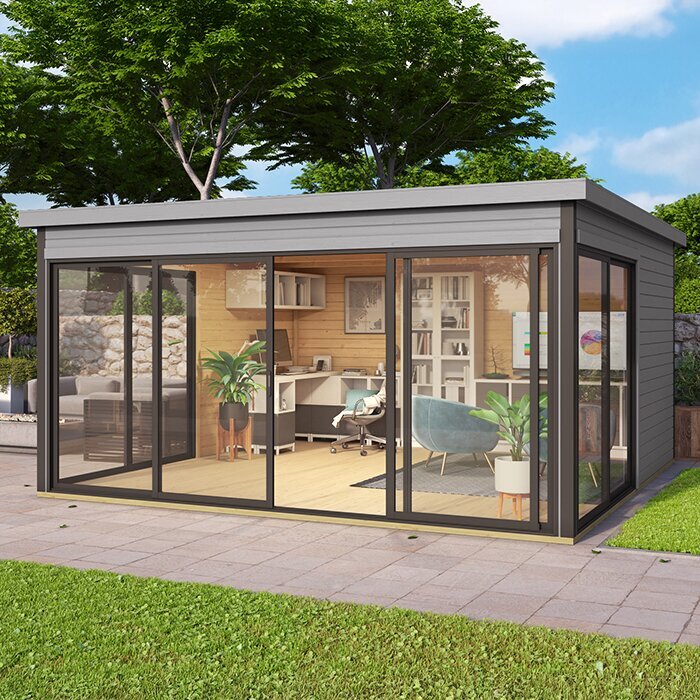
Start by asking exactly what the 70 mm measurement describes. A listing might use it for a timber profile, panel or stated wall build-up; do not assume it refers to every layer in the completed wall. Find out whether the figure is nominal or finished, where it is measured and whether it includes lining, cladding or another layer. Check whether construction is consistent across all walls or changes around corners and openings. The written specification and assembly documents should define the terms and say whether the figure applies to solid timber or a layered system. A photograph or short model name cannot fill in missing construction details.
Use the Verdana 1 garden shed listing as one page to examine if it is on your shortlist, but record only features that are actually stated. Ask the seller to clarify any undefined term and request model-specific documents before comparing it with another shed. If two pages both show “70 mm”, confirm they measure the same part and describe comparable construction; otherwise the numbers are not a fair basis for a decision. Keep the roof, floor, doors and windows separate in your notes, because a wall figure does not automatically describe those components or how they are assembled.
Match wall thickness to the shed’s intended use
Begin with the shed’s job, not a preferred wall size. Seasonal storage for tools, pots or outdoor equipment has different priorities from a space you will use for regular projects. For storage, convenient access, usable floor area, suitable doors and care requirements may matter more than an upgraded wall figure. If you plan to spend time inside, consider how often, what tasks you will do, what light and ventilation you need, and whether insulation or services are part of a later plan. These are separate decisions; thicker timber alone does not provide them.
Write a short brief with essential requirements and optional extras before browsing. Consider the largest item to store, any shelving or workbench, whether people need to pass each other and whether the shed may need to suit another use later. Then check each candidate against that brief rather than letting an appealing product image set expectations. If the Verdana 2 product page is among your options, apply the same questions and verify its stated details; the model name itself is not evidence of a particular layout, capacity or intended use. A 70 mm wall earns its place only if its documented construction fits a requirement you actually have.
Check internal dimensions as well as the footprint
Wall depth affects how a shed fits, but listings may describe dimensions differently. When buildings have the same outside width and length, a deeper wall assembly generally leaves less clear width and length inside. If the target is a fixed internal room size, the outside footprint may need to be larger instead. The exact difference depends on corner construction and any lining, so avoid deriving interior measurements from “70 mm” alone. Ask for both external dimensions and clear internal dimensions, and check whether the stated footprint includes roof overhangs or other projections.
Map the usable space against what will go through the door and where it will sit once inside. Note the door opening, windows or other openings, floor area, wall height and room for shelving; the route around stored equipment can make a floor plan less useful than its headline footprint suggests. For any candidate, including the Durano garden shed listing, use the seller’s written dimensions rather than assumptions from a product name or photograph. If only one measurement is provided, ask for a plan or written clarification before settling on a site layout.
A 70 mm wall is not an insulation rating
More thickness in the same material can affect heat transfer, but a 70 mm figure alone says nothing reliable about the complete shed’s thermal performance. Timber properties, joints, air movement, the roof and floor, doors, windows and any lining all matter. A storage shed with bare walls is not equivalent to a fully specified insulated space. If comfort across different seasons matters, look for documented information about the complete wall build-up and ask which layers are included. Do not read a wall measurement as a promise of a particular indoor temperature or as a substitute for information about the rest of the building.
Decide whether you need a space that is simply sheltered or one intended for longer stays, then check what would be required to achieve that use. Ask whether insulation is available or compatible, whether the roof and floor need separate consideration, and how glazing, ventilation and gaps are addressed. If you plan to line the shed later, confirm the effect on usable dimensions, openings and moisture management for that model with the supplier or a competent builder. A Veltor product listing can go in your comparison, but rely on performance details only if they are actually supplied.
Strength depends on the whole building
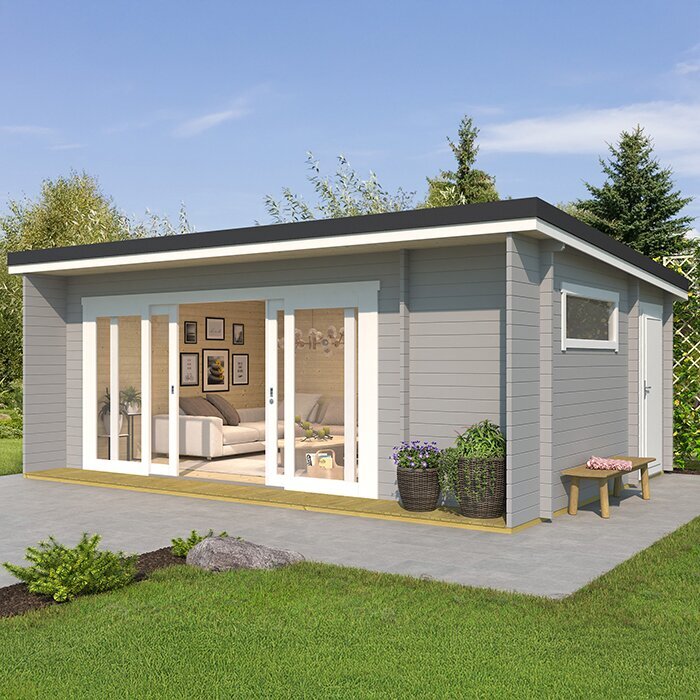
Do not use thickness as a stand-in for structural capacity. How a shed performs under wind or other site demands depends on the whole design, including the timber and its quality, wall joints, bracing, roof connections, openings, anchoring and the base. A thicker wall could be part of a particular design, but it does not establish that design’s limits or a load rating. Ask for model-specific assembly and structural information if exposure or a particular use makes strength important. For unusual ground, exposure or proposed modifications, seek advice from a qualified building professional rather than guessing from a millimetre figure.
Compare the specified system rather than a single dimension: ask how wall sections join, what supports the roof, what base and anchoring are required, and whether any limits on site exposure are stated. Confirm that the instructions apply to the exact model and configuration you intend to buy, especially if versions differ. The Orello 1 listing can be included among the pages you review, but its name or image does not establish its construction or suitability. Ask for evidence of any performance claim that matters to your site, and get professional advice on structural questions specific to your location.
Moisture management and timber maintenance
Wall thickness cannot compensate for poor moisture management. Water handling depends on the roof, joints, doors and windows, floor, base, surface finish, drainage around the building and how the shed is installed. A thicker timber wall does not make a site dry or prevent every leak, and it does not remove the need to follow the maker’s instructions. Before choosing a position, consider where water runs and whether the ground stays damp; ask what clearances, base details or ventilation the model requires. Get qualified help if the site or drainage presents a problem you cannot assess.
Ask what timber is used, whether it is treated or finished, which surfaces arrive coated, and what care is expected over time. Confirm whether the wall specification refers to bare timber or a finished assembly, and whether finishing products or extra work are included in the quote. Avoid assuming that a thicker section is automatically more decay-resistant or needs less upkeep; those outcomes depend on material, exposure and care, not the number alone. When reviewing the Modano 1 listing, look for stated finish and maintenance details in the supplied information, and ask about anything that is not specified.
Check the site and base requirements
Measure the place where the shed could sit and the route needed to reach it. Allow for the complete external footprint, including any projections the supplier says to include, and leave room to open doors and work around the building. Check access past fences, gates and corners, overhead obstacles, and the space needed to unload and assemble components. Do not plan from floor-area labels or a picture alone; use dimensions for the exact configuration. Slopes, drainage and other site constraints can affect what is practical, so identify them before ordering rather than after delivery.
Ask for the model-specific base, support and anchoring requirements, then have the prepared site checked against those instructions. The suitable arrangement depends on the building and the ground; wall thickness by itself is not a base design. Do not improvise structural supports or fastening details from a general guide. If the ground is uneven or uncertain, or work to level or retain it is needed, talk with a qualified installer or building professional. For a candidate such as the timber garden shed M listing, request its own assembly and base documents and check that they match the version quoted.
Compare full costs, not just wall thickness
Compare the full purchase cost, not just a headline price or the wall thickness. Ask what is included in the quoted configuration: wall components, roof covering, floor, doors and glazing, finish, fixings and accessories. Check which items are optional, whether site preparation or assembly is separate, and how delivery is priced for your location. A thicker construction may affect material, handling or assembly costs, but the actual difference depends on the model and supplier. An itemised quote lets you compare complete, equivalent sheds without assuming that two product pages include the same components.
Work out what the added specification would change for you and what trade-off it brings. If the documented wall build meets a stated need, and the internal dimensions, site and total quote remain acceptable, a thicker option may be a sound choice. If you cannot name a benefit beyond the larger number, compare other features that matter more to your use instead of paying on assumption. Include the wooden garden shed S listing only if it is a genuine candidate for your plans; verify its exact wall construction and inclusions rather than inferring them from the name. Treat unknown details as questions, not as features.
Use a written comparison for shortlisted sheds
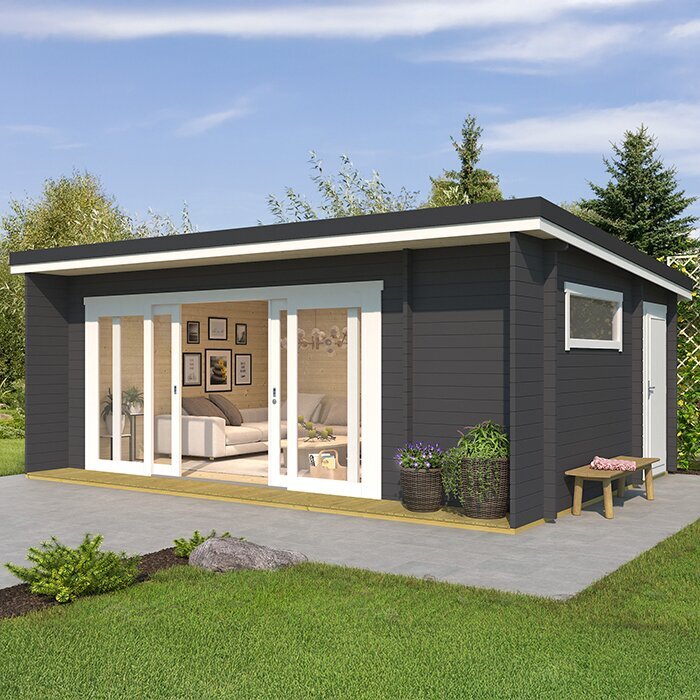
A simple comparison sheet helps keep several listings straight. Give each option a line for the wall measurement and its definition, outside and inside dimensions, roof and floor, openings, finish and treatment, base requirements, assembly and delivery. Mark each item as confirmed, missing or not relevant; do not fill gaps by guessing. Separate must-haves from preferences, then compare information that applies to the same model version. This makes it easier to see whether extra wall thickness addresses a real need or whether another part of the specification matters more.
Where a detail affects your decision, ask the supplier to confirm it for the quoted model. Be specific: ask what the measurement covers, whether a quoted layer or accessory is included, and which installation instructions apply. Keep the reply with the quote so you can check that the order description, optional extras and agreed configuration match. If the seller cannot confirm something important, such as usable dimensions, a relevant performance claim or base requirements, do not treat the blank as reassurance. Pause the comparison until you have enough information to judge the shed fairly.
Confirm delivery and assembly before ordering
Delivery and assembly are part of choosing a shed, not details to sort out after payment. Ask how the components are packaged, what access and unloading arrangements are expected, whether delivery reaches the site or a collection point, and who is responsible for assembly. Confirm what tools, assistance or services the supplier’s instructions require; do not assume assembly is included. If the route to the site is narrow or difficult, share those details with the seller before booking. Package size, handling and delivery arrangements are model- and location-specific, so get the current terms in writing.
Before placing an order, check the final specification, included components, delivery arrangements, assembly responsibilities and the supplier’s process for reporting missing or damaged parts. Review change or cancellation terms directly with the seller rather than relying on general assumptions, and keep a copy of the final quote and agreed configuration. If you plan to use the building for more than straightforward storage, or have questions about the site or any approvals, ask your local council or a qualified professional what applies to your situation. Settling these details beforehand helps you judge the complete shed, not just its wall figure.
Frequently asked questions
Is a 70 mm wall automatically better than a 44 mm wall?
Not automatically. The figures are comparable only if they describe the same part of the wall and are defined in the same way. A larger number does not, by itself, prove better insulation, durability or load resistance. Compare the full construction and the shed’s intended use, and get clarification if the product descriptions differ.
Does a 70 mm timber wall mean the shed is insulated?
No. A wall thickness is not an insulation rating. Thermal performance depends on the timber, the complete wall build-up, joints and other parts of the shed, including the roof, floor and openings. Ask what layers are included and look for information about the finished assembly if warmth matters to your plans.
Will thicker walls reduce the space inside the shed?
For sheds with the same outside dimensions, a deeper wall assembly generally leaves less clear space inside. If the inside dimensions are fixed instead, the outside footprint may need to be larger. Check both measurements with the supplier; the wall figure alone is not enough to calculate the usable area.
Do thicker timber walls make a shed stronger?
Not on their own. Structural performance depends on the complete design, including the timber, joints, roof connections, bracing, openings, anchoring and base. Ask for model-specific construction information if site exposure or a particular use makes strength important. For site-specific concerns, seek advice from a qualified building professional.
What should I confirm before ordering a 70 mm timber garden shed?
Check what the 70 mm figure measures, both internal and external dimensions, the roof and floor details, timber finish and care requirements, and the base and anchoring instructions. Confirm what is included in the quote, who handles assembly, and how delivery works. Get important clarifications for the quoted model in writing.
Choose 70 mm walls when you can connect the documented construction to a real priority and the complete shed still fits your intended use, site, interior space and budget. For straightforward storage, a thinner option may be better value if its full specification meets your needs. Wall thickness alone is not a measure of insulation, structural capacity, weather performance or maintenance. Compare clearly defined measurements, the whole building, installation requirements and the delivered quote before deciding. The right purchase is the shed whose verified details solve your problem without creating avoidable compromises.
