
Buying a Garden Shed for Family Games and Entertainment
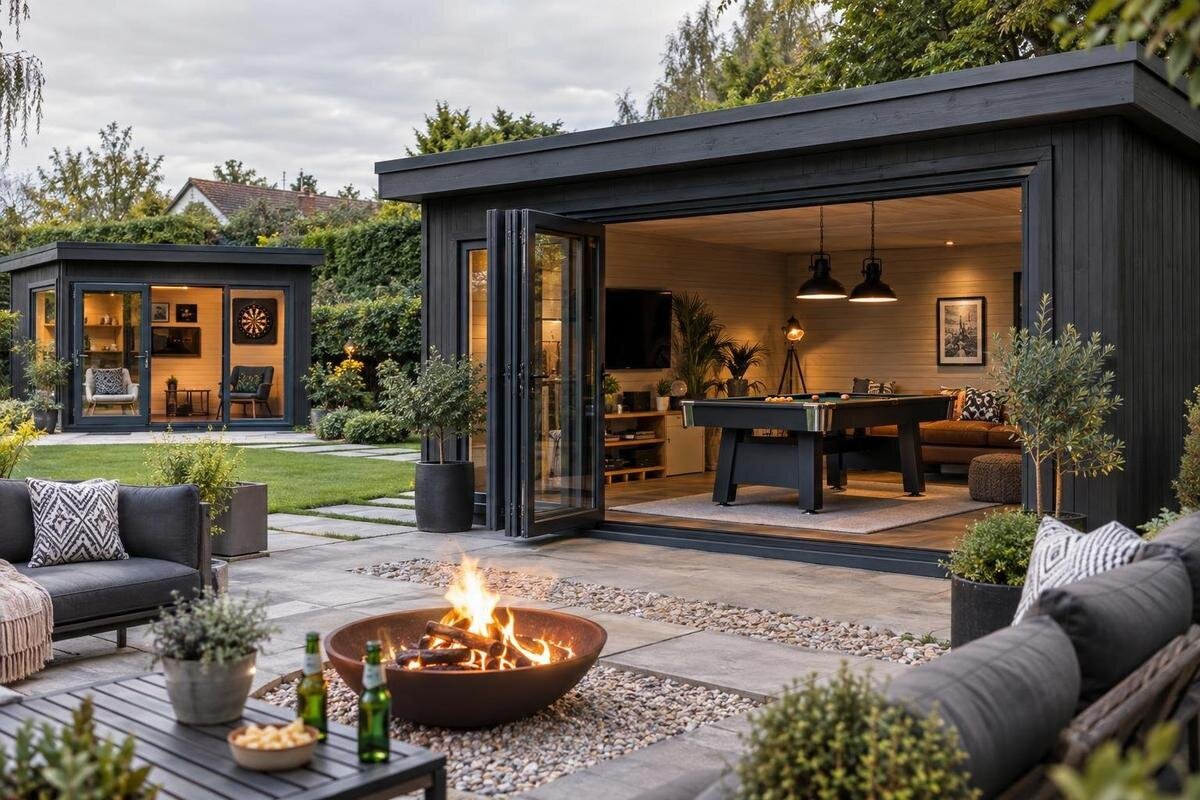
Garden shed buying guide
If you're planning to buy a garden shed for family games and entertainment, choose around the way your household will actually use it: a small table for cards, a place for several board-game players, or open floor for activities that involve movement. Those plans call for different amounts of clear space, different access and different levels of comfort. Before comparing appearances, work out what must fit, how people will move through the room, and which details need confirmation in the product information.
Set out how your family will use the shed
List the activities that will happen there in an ordinary week, not only the special occasion you hope to host. Board games, jigsaws, card games and tabletop role-playing call for a different arrangement from play that involves standing, movement or larger equipment. Note the usual number of players and the largest group you genuinely expect; the space needs to work for routine afternoons as well as when friends visit. If younger children will use it, consider whether an adult needs to sit close by or keep an easy view from the house. That affects where seats and storage can go.
Decide whether games are the main purpose, or whether the shed must also hold outdoor gear, spare furniture or seasonal items. Every extra use competes for wall and floor space, and boxes left in the play area can make a generous-looking plan feel cramped. Rank your needs: enough seats around a table may matter more than permanent shelving, while open floor may matter more than a large fixed table. Decide what must stay inside between sessions and what can be carried out each time. This helps separate essentials from nice-to-haves and makes it easier to compare listings fairly, rather than letting a polished photograph set your priorities.
Measure the space the games actually need
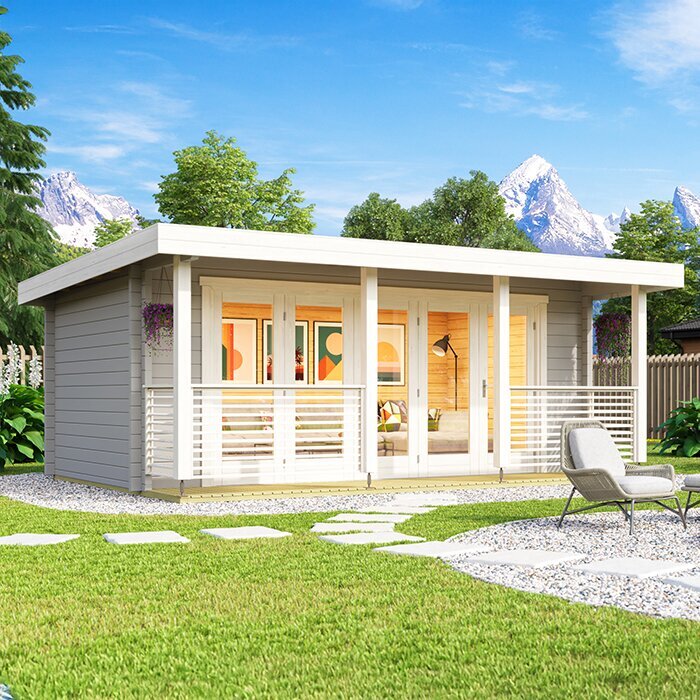
Use published internal measurements, not just the external footprint, when checking whether people and furniture will fit. Walls, fixed storage and the space needed to reach openings affect the area you can actually use; outside length and width alone do not answer every layout question. Put the Verdana 1 garden shed listing in your comparison sheet as one candidate, then record only dimensions and features stated in its product information. If inside measurements or a plan are absent, ask the seller before relying on a capacity estimate. Record the external footprint separately for checking the garden, and do not estimate roominess from a wide-angle photograph.
Measure furniture you own, or the sizes you genuinely intend to buy, and draw their footprints inside a simple plan. A masking-tape outline on a clear floor can make the proportions easier to judge; use the actual table dimensions and allow for each chair when occupied. Include game equipment that stays set up, not just its smallest storage position. Then check whether people can sit down, stand up and pass without shifting everything else. Try the typical group and the largest one you expect. This is a practical layout check, not a capacity rating, but it can show what needs changing before you order.
Check doors, furniture and clear routes
Door position can change how the interior works as much as floor dimensions. Check where each opening is located, its clear width when usable, and whether a door leaf needs room to swing; the building's overall width is not necessarily the usable opening. Compare the Verdana 2 garden shed listing with a published plan or opening details, if provided, rather than assuming the model name or photograph reveals them. The route from the garden path to the seating area matters too, especially when carrying a table, boxed games or folded chairs inside. If children will use the shed, consider whether they can reach the handle and enter without moving furniture.
Place the table and seats so the way in remains easy to use, and make sure stored items will not have to be shifted every time somebody enters or leaves. With several players, avoid arranging furniture so one person has to squeeze behind seated guests to reach a chair or game box. Keep the route to the exit clear in your plan, including when a door is open. If wet coats, bags or shoes tend to gather near the entrance, reserve a place for them rather than letting them spread into the playing area. Sketch the door, furniture, storage and route against each candidate's plan; a modest change to the layout may work better than a bigger building.
Choose for the games you own and play
Choose around the games you actually own or expect to play, rather than treating entertainment as a single space requirement. Cards, board games and puzzles need seats and a suitable playing surface; activities with larger pieces or movement need more open floor, and may need clearance above and around the playing area. Write down the largest item to bring in, its assembled footprint and how it is stored. Check that it can pass through the clear doorway and be used without blocking the route. If a game's set-up changes between sessions, leave room to adjust the arrangement. A permanent set-up only earns its floor space if your family expects to use it regularly.
Think through how the room will be reset after play. A folding table or movable chairs may leave room for different games, while a fixed table provides a ready surface but takes up space every day. Note whether any game needs a flat, stable surface, a mat or a way to keep small pieces together. If children and adults share the room, consider whether people will play in one group or in separate ones. Do not assume a shed described for storage will automatically suit long sessions with people inside. The Durano garden shed listing can be considered alongside other candidates, but assess it using its stated dimensions and intended-use information.
Consider daylight, airflow and changing weather
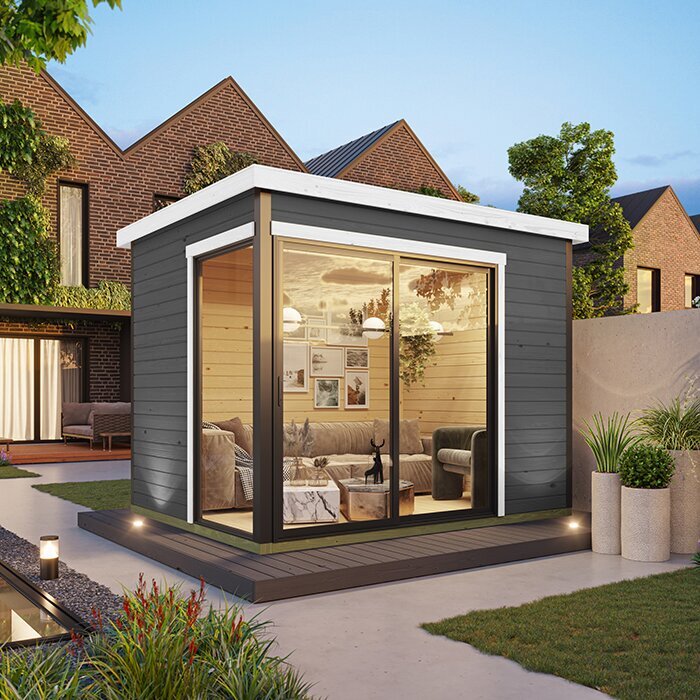
Consider daylight and airflow in relation to the garden spot and the time of day when the shed will be used. A shaded corner may call for artificial light over a board-game table, while strong direct sun can create glare on a playing surface. Observe the site at different times rather than assuming conditions from a product image. Ask what the product information says about windows, ventilation and supplied lighting, if those features matter to your plan; do not treat an optional accessory as included. You can add the Veltor 1 garden shed listing to the comparison, but check its published details instead of reading features into its name.
Frequent use makes moisture and seasonal comfort worth considering, even when the building is mainly for games. Ask how the shed is intended to be used, what information is given about ventilation and weather protection, and what the supplier recommends for preventing condensation and caring for the interior. A room that works on a mild afternoon may not meet expectations during a colder or wetter spell, so decide how many months of use you realistically want. If evening games require lights or other powered equipment, establish whether any electrical provision is included; do not assume it is. Electrical work should be assessed by a qualified electrician.
Check the garden site and access
Measure the proposed spot and compare it with the building's complete external dimensions, including any eaves or projections shown in the product information. Allow practical access where needed to maintain the area around it and keep a route to the door. Check the delivery path from the street or driveway: gates, turns, steps, low branches and a narrow side path can matter when components have to reach the garden. The Orello 1 garden shed listing can be one candidate, but test its documented footprint and installation requirements against the actual site rather than relying on an image. If clearances are not stated, ask the supplier or installer.
Look at the ground after rain and consider whether water tends to collect where you plan to place the building; the site and any required base should meet the product instructions. Do not assume a suitable-looking patch automatically meets those requirements. Ask the supplier what preparation is needed, and involve an appropriate building professional if the ground or construction raises questions rather than guessing at a base. Think about the space in relation to the house and neighbours too: privacy, sightlines and noise may affect how freely the family uses it. Before committing, check any applicable local requirements with your council or a qualified professional.
Plan storage without losing the play area
Storage is part of the games-room layout, not an afterthought. Sort the contents into what needs to be within reach, what can sit in closed boxes and what should stay elsewhere. Frequently used cards, pieces and score sheets are easier to find in labelled containers than in a pile; bulky outdoor equipment can overwhelm the floor if it shares space with chairs. Decide whether you expect shelves, cupboards or freestanding tubs, then check how each would affect usable area and access. Allow room to take items off a shelf and pack a game away. Add the Modano 1 garden shed listing to your shortlist only after confirming what dimensions and interior features are documented.
Keep storage manageable for the youngest person who will put games away, and place heavy or awkward items where they can be reached without moving other objects. If you want the space to change as children grow, furniture and containers that can be rearranged may suit better than one permanent layout. You may want room for a spare chair or a second type of game, but list these as future preferences rather than current requirements. Avoid filling the room with gear that is only a remote possibility. This distinction can stop you choosing excess floor area for an imagined use while leaving enough flexibility for genuine changes in family routines.
Check intended use, care and weather protection
Find out what the building is made from, what surface or finish is supplied, and what routine care the manufacturer expects. A model name or photograph alone cannot tell you how the product is constructed, how it should be maintained or whether its interior suits repeated use. Ask the seller to identify any treatment or repainting requirements and whether the product information explains how to protect it in the conditions at your site. If maintenance is likely to be a chore, compare the stated care requirements rather than relying on broad labels. Include the Timber Garden Shed M listing as a named option only after reading its published specifications and care guidance.
Separate keeping garden tools dry from hosting people for hours. If family use will be frequent, confirm that the stated intended use, floor details and weather protection suit the sessions you have in mind, rather than relying on the word shed. Ask which parts are included, what ongoing maintenance falls to you and whether any floor covering or interior finish is an extra. This matters if games or furniture may stay inside between visits. The supplier's guidance on moisture, ventilation and care can help set realistic expectations. Use the same questions for each candidate so the comparison is based on comparable information.
Confirm what is included before placing an order
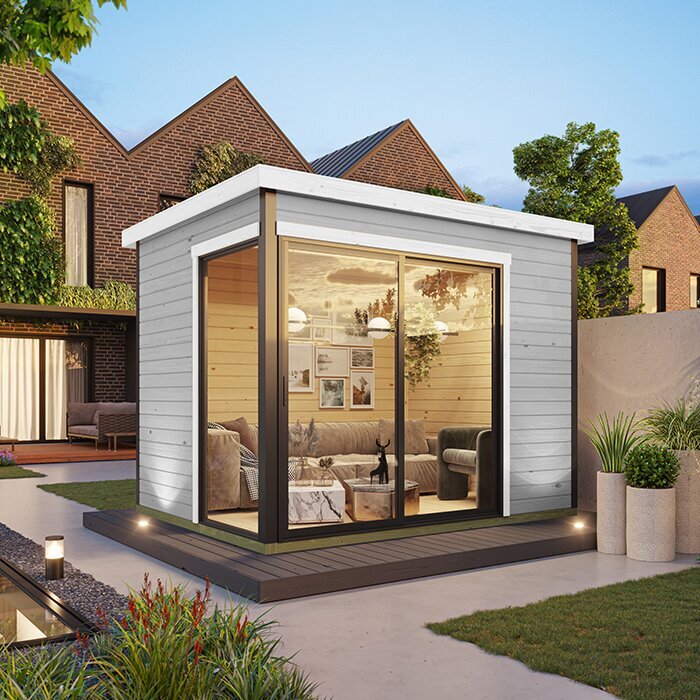
Before ordering, read the product description and any plan for the exact version you are considering. Confirm the published external and internal sizes, openings, included floor or base components, glazing or other options, and whether the illustrations show extras. Do not infer contents from styling photographs or a product name. Use the Wooden Garden Shed S listing as one candidate to check against the same questions; a similar name or image does not establish what is supplied. Confirm the exact model, configuration and options in the order summary, and keep the information you used to compare it.
Ask how delivery is arranged, what access and unloading are expected, whether assembly is included or must be organised separately, and what preparation needs to be complete beforehand. Check how the parts arrive, whether the site needs to be cleared, and who to contact if anything is missing or damaged. Request the full cost for the chosen configuration, including delivery, assembly, required base work and add-ons, so you can compare like with like. If an installer or base is involved, make responsibilities and product requirements clear before confirming the order. Keep the seller's written answers with your order records.
Compare the shortlist on total fit and cost
Build a shortlist of a few candidates and compare them against the priorities you set: usable internal area, access, a workable games layout, storage, comfort information, site fit, care and total outlay. Mark each point as confirmed by the product information, unsuitable or still unknown. This prevents a missing measurement from being mistaken for a poor feature or assumed to be generous. Give more weight to essentials than to optional extras, and compare like with like, including any options that alter the final cost. A candidate with documented information for your must-haves is easier to assess than one that only looks right in a photograph.
Picture a normal session from arrival to pack-up: people bring in the games, find a seat, play without blocking the entrance, and put everything away. If the plan works with the largest group you genuinely intend to host and the storage you expect to keep inside, it reflects family use rather than an idealised empty room. Check the final configuration, stated inclusions, site preparation and full costs once more before committing. The best fit is the shed that supports the activities your household values and remains practical when it is time to tidy up.
Frequently asked questions
How much floor space do we need for family games?
There is no useful single size without knowing the games and group. Measure your table, chairs and largest game equipment, then allow space for people to sit, move past one another and use the doorway. Sketch both a typical session and the largest group you expect, using published internal dimensions. Ask the supplier about any measurements you cannot confirm.
Can any garden shed be used as a games room?
A product description or photograph alone does not establish that a shed is suitable for regular family use. Check the stated intended use, ventilation, weather protection, floor details and care requirements. If you expect to use it often in colder or wetter weather, or need power for evening games, confirm what is provided and seek relevant professional advice.
Should I choose a larger shed for occasional visitors?
Only if the extra room serves a likely use and fits your site and budget. Base the decision on the largest group you genuinely expect, the activity footprint, furniture and clear routes. If visitors come rarely, consider whether movable chairs or a flexible table could meet the need without requiring more permanent floor space.
What should I check about lighting and power?
Ask whether lighting or any electrical provision is included, and check the product information rather than inferring features from a photograph. Think about daylight and glare at the proposed site, too. If your plans require power, discuss the requirements with a qualified electrician before deciding on the layout.
Do I need to check local requirements before ordering?
Requirements can depend on the building, property and intended use. Before ordering, ask your local council or a suitably qualified building professional which requirements apply to your plan. Do not treat a model name or general product description as an assessment of your particular site.
A useful family games shed starts with a realistic picture of a normal session: who will use it, what they will play, how they will enter and where the games will go afterwards. Compare the internal layout, site demands and care information with that picture, then resolve unknowns in the exact product and order details. That way, the shed you choose can support the games your family values without making everyday use awkward.
