
Buying a Garden Shed Online: Your Pre-Order Checklist
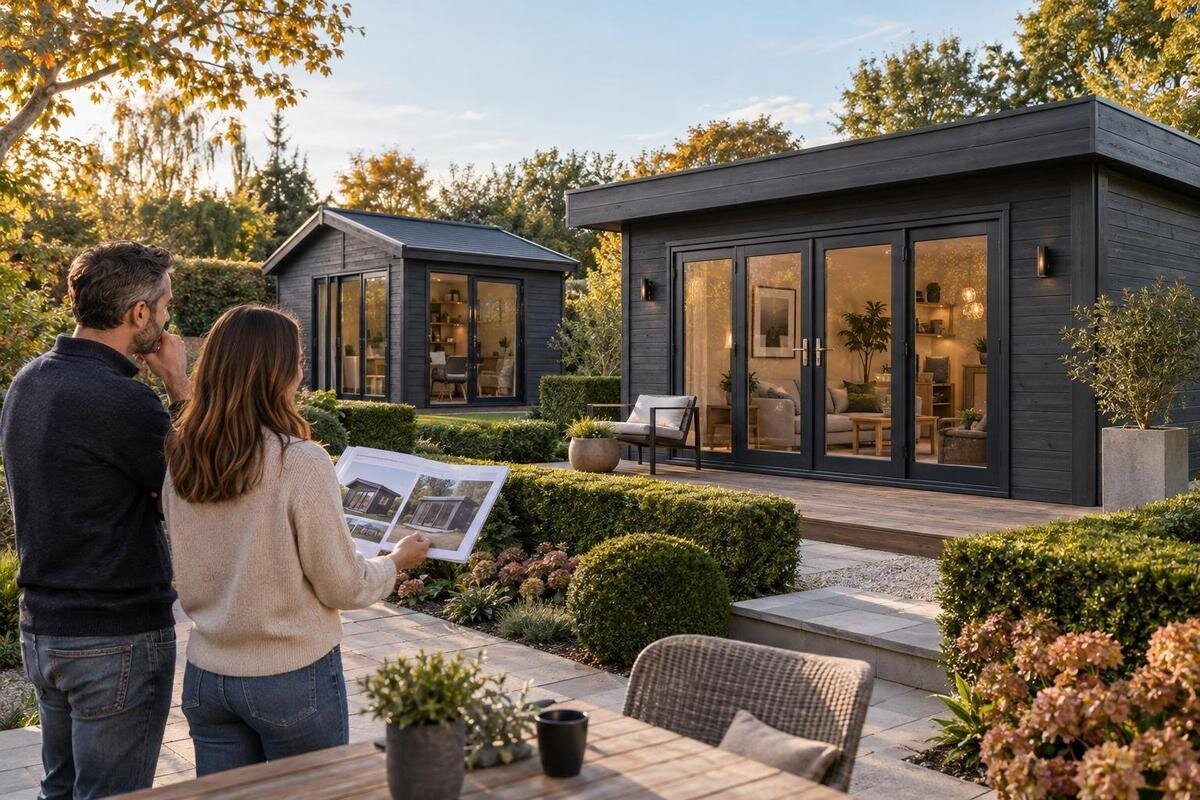
Garden shed buying guide
If you plan to buy a garden shed online, a product page alone cannot tell you whether it will fit your section, how a delivery vehicle will reach the site or what the order includes. Before paying, match the listed dimensions and material information to what you plan to store; measure the proposed site and the route from the delivery point to it; and confirm delivery, site preparation and assembly. Treat gaps in a listing as questions for the seller, not details to infer from a model name or photograph.
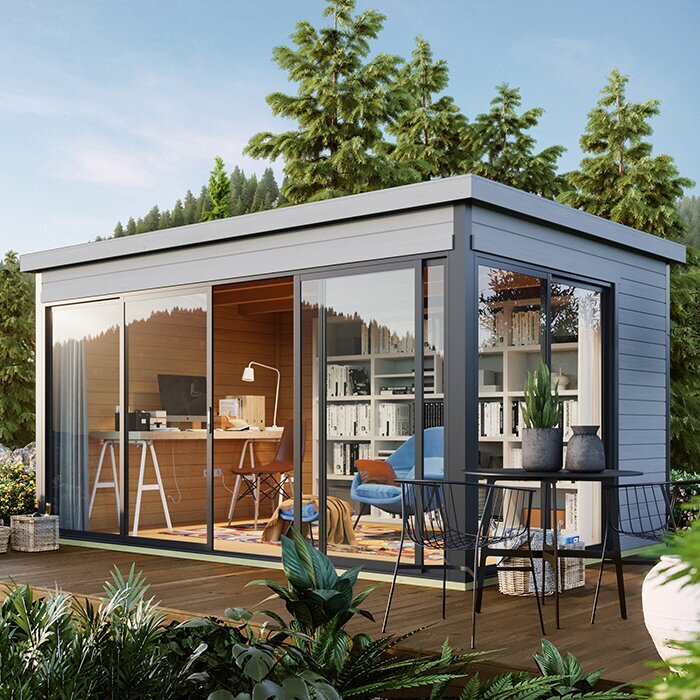
Define what the shed needs to do
Start with an inventory rather than a product style. List what needs to go in the shed, such as a mower, bikes, long-handled tools, outdoor furniture or seasonal gear. Measure the largest items and note which must be carried, wheeled or lifted through an entrance. For awkward shapes, include handles, covers or other parts that remain on in storage. Allow space around items you use often: a shed may hold everything on paper but still make it difficult to reach what sits at the back. If the contents change with the seasons, plan for the busiest arrangement as well as daily use. Record the measurements beside each item instead of estimating from memory.
Separate must-haves from preferences before comparing listings. Note whether you need clear floor area, shelves, a workbench or room to sort gear, and decide which items need to stay easy to reach. If a workspace is part of the plan, write down its requirements, such as natural light or ventilation, and check that use against the product documentation. Do not assume a storage shed is designed for regular occupancy or a particular work environment. If power or other services are involved, get qualified advice. A clear brief keeps appearance from outweighing practical fit and helps you rule out options that cannot meet the main purpose.
Check the dimensions against your site
Read the measurement labels, not just the headline size. A listing may show the external footprint, internal floor dimensions, overall height, wall height or doorway measurements; each answers a different question. Check what the width and depth include, and whether figures cover roof projections, trim or a floor. Where a roof slopes, confirm whether a height refers to the ridge, eaves or both. If two listings use the same term differently, ask the seller to explain it and request a dimensioned drawing for the exact model and version. Keep those definitions with your comparison. A photograph or model number cannot establish dimensions.
Mark the proposed footprint on the ground with tape, string or chalk, then compare it with fixed features such as paths, fences and walls. Allow room for the entrance to operate, for people to carry items and for access around the outside; verify any required clearances rather than guessing. When comparing the Verdana 1 product page, copy only dimensions it actually states into your site sketch and ask how each is measured. Keep external footprint, internal usable space and height in separate columns. Mark any roof projection separately if it is not included in the footprint. This helps you avoid choosing a shed that fits the site but cannot hold the contents you planned.
Verify the material and care details
Record the material specification for the structure, walls, roof and floor separately; one broad label may not describe every component. Ask for relevant details such as material type, grade, thickness and surface finish where they affect your choice. For a timber option, confirm whether the timber is treated or coated, which surfaces are finished, and whether any preparation is required before use. For other materials, check the specified coating or panel construction. Words in a title, a photograph or the colour shown online do not establish treatment, durability or weather resistance. These details also help you compare like with like across listings.
Consider how much ongoing care you are prepared to provide. Ask for the maker's written maintenance instructions, including any recommended inspection, cleaning or refinishing, and whether directions differ between surfaces. Confirm whether a finish is included, supplied separately or left to you, and whether product-specific preparation is required before assembly or after installation. If the shed will sit in a particularly exposed or damp spot, ask whether the care guidance addresses that setting. When reviewing the Verdana 2 product page, record details given for that exact model; do not transfer material or care assumptions from another listing. Keep the instructions with your order for future reference.
Confirm the base and site preparation
Before arranging ground work, find the exact site-preparation instructions for the model and option on your shortlist. Confirm the required footprint and surface condition, whether a floor is included, and what base, support or fixing details the manufacturer specifies. A supplied floor does not by itself establish that a base is included, and a listing may treat these as separate items. Ask what tolerances apply to the prepared surface and which tasks you need to organise. Check which dimensions apply to the base as well as the shed itself. If instructions are missing, get them before selecting materials or booking an installer.
Walk the proposed area after rain if practical, and note soft or uneven ground, pooling water, tree roots and places where buried services may run. Those observations help frame questions but are not a substitute for site-specific advice. If the ground slopes, is unstable or stays waterlogged, ask a suitably qualified builder or installer to assess preparation before you order. Check when the base must be ready relative to delivery or assembly, and who is responsible for that work. On the Durano product page, look for precise floor and site requirements for the listed model rather than inferring them from its name or images.
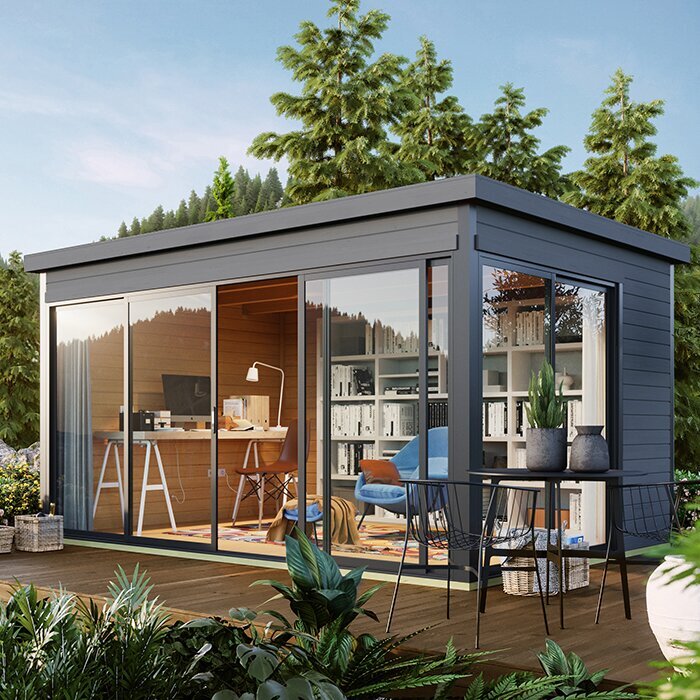
Choose a suitable position on the section
Choose the location for day-to-day use as well as appearance. A spot behind a fence may be inconvenient to reach; nearby trees can drop leaves or branches, while a low area may collect water. Consider how sun and shade move during the day, whether the entrance might face a path or another obstruction, and where rainwater flows through the section. Sketch nearby fences, walls, drains, trees and existing structures so the supplier or installer can understand the constraints. Also consider a practical route for maintenance and for bringing in the largest stored items.
Ask for the model's documented suitability limits and installation requirements for the exposure at your site, including any specified anchoring or shelter conditions. A neighbour's shed or a product image is not evidence that a different model will suit the same position. Requirements for a structure and its location can depend on the property and project, so check with your local council or a suitably qualified building professional if you are unsure whether approvals or other site conditions apply. For the Veltor 1 listing, use information confirmed for that exact model when checking how it may fit your location. Do this before paying, while a change in position can still shape your shortlist.
Check door openings and interior space
Compare the clear opening with the items you intend to carry inside. The shed's overall width is not its doorway width: check the stated clear opening and height, the entrance position and the space needed to operate it. Consider a threshold or other feature if it could obstruct a trolley or long item, and whether a bulky object can be turned through the opening. If entry would be possible only after dismantling an item, decide whether that is acceptable each time you use the shed. If the listing gives only a photograph or general outside measurement, request a dimensioned drawing for the exact version. Check the route from the entrance to the intended storage spot as well.
Sketch an interior plan with shelving, a work surface and stored items, then leave a route to anything you use frequently. Check usable interior height and any sloping roof area, because outside dimensions do not describe every part of the room. Verify whether shelves, brackets, floor panels or other accessories are included, and ask for documented limits before planning to attach or store heavy items. If the design shows internal posts or other obstructions, include them in the plan rather than scaling the image. For the Orello 1 product page, check any stated opening and interior measurements for the selected version; do not fill gaps from what appears in a photograph.
Measure the delivery route
Measure the full route from the street or driveway to the chosen position, not just the garden gate. Note the narrowest passage, tight turns, steps, slopes, overhead branches or cables, and places where a vehicle cannot stop. Ask how the shed arrives, including the number and dimensions of packages, package weights, vehicle access needs and whether handling equipment is required. Packaging dimensions can differ from the assembled shed, so both matter when a passage or turn is tight. Check whether a gate, fence panel or other obstacle affects the route, and explain any restriction to the seller before checkout.
Ask what delivery means for your address: where the goods will be left, whether the driver unloads them, and who moves them from that point to the site. Confirm access limits, booking arrangements and any extra charges directly with the seller, then save the answer. Do not assume delivery includes carrying a package through the house or placing it at the back of the section. Use the Modano 1 listing to identify the exact product in your comparison, then confirm delivery terms separately for your postcode and property. If the drop-off point differs from the shed location, plan who will move the goods.
Confirm assembly and inclusions
Find out whether the order is for a shed supplied for assembly or a completed structure, and whether assembly is offered at all. Check the instructions for the exact model: how components are identified, what tools are required, and whether the work needs more than one person or specialist help. If instructions are available before purchase, read them to judge whether the task suits your skills. Do not estimate effort from a product image or terms such as compact or spacious. If assembling it yourself, plan enough time and room to lay out parts and follow the manufacturer's instructions.
Read the inclusions list item by item. Verify whether the order covers a floor, roofing materials, glazing, door hardware, fasteners, anchoring parts, instructions and any finish the product calls for; these are examples to check, not assumed inclusions. If assembly is selected, establish what work it covers and what preparation must already be complete, including the base and site access. Ask whether any consumables or rubbish removal are excluded, and keep the answer with the order. Check the Timber Garden Shed M product page for details stated for that exact listing, then confirm what arrives and how assembly is handled.
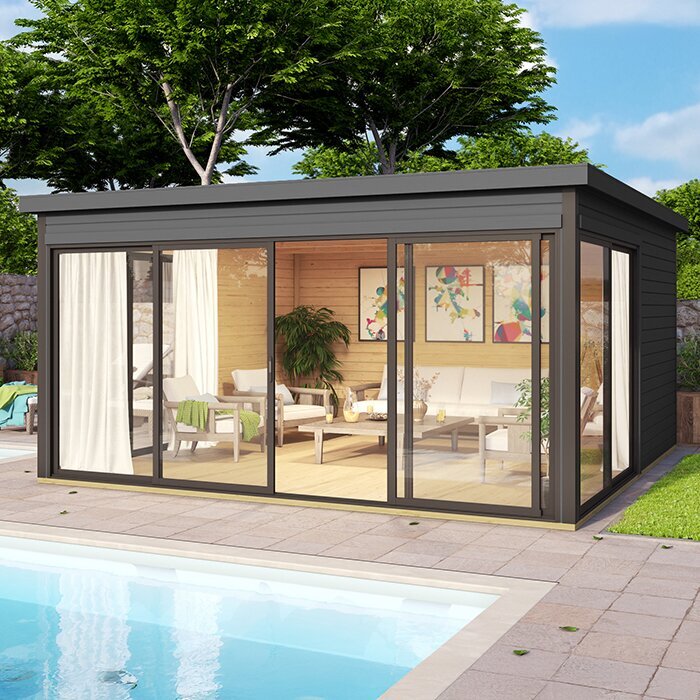
Review the order before checkout
Before checkout, confirm that you have selected the intended model, size, finish and any options actually offered. Compare the checkout summary with the product information instead of assuming a colour choice or accessory has been saved. Check the delivery address, whether freight is included or charged separately, and what happens if access or a delivery date needs to change. Read the current terms for payment, cancellations, returns, reporting damage and any warranty coverage; conditions may differ by product or order. Compare the final amount shown, including separately charged delivery or assembly, rather than relying on a headline item price.
Save a dated copy of the listing, selected options, checkout summary and the seller's written answers. If measurements, material details, inclusions or site requirements differ between pages, pause and ask which information applies to the exact order. Make sure the final confirmation identifies the selected model or variant rather than only a broad category. If a question is settled by phone, ask for a written record; keep any revised delivery or assembly details with the same order file. The Wooden Garden Shed S listing can identify one item in a shortlist, but its name alone does not establish dimensions or inclusions.
Compare the confirmed details side by side
Put the shortlisted options in one comparison table. Give each a column for external footprint and height, internal usable space, opening dimensions, material and care instructions, site requirements, included items, package details, delivery terms and assembly. Enter not stated wherever the listing is silent instead of filling gaps with a guess from a similar model or product photo. Use the same measurement definitions across rows and note which answers are confirmed in writing. This shows which differences matter and stops an attractive finish or roomy-sounding name from hiding an unresolved fit or delivery question.
Decide which requirements are non-negotiable before weighing optional features. A shed that fits the space but has an unconfirmed base requirement is not ready to order; nor is one with unclear delivery access if packages cannot reach the site. Compare complete confirmed costs on the same basis, including separate delivery or assembly charges, rather than looking only at a headline item amount. Keep unanswered questions beside the relevant row and resolve those that could change your decision. If product limits or site preparation remain unclear, ask the seller or a qualified professional instead of guessing.
Frequently asked questions
What should I measure before buying a garden shed online?
Measure the proposed footprint and height clearance, then allow room for the entrance to operate and for access around the shed. Measure your largest stored items and consider how they will pass through the opening, including any turns. Also check the narrowest point on the delivery route from the drop-off location to the site. Compare these measurements with the specifications for the exact model, and ask the seller to explain anything unclear.
How can I tell whether a shed will fit my section?
Use a site sketch showing the external footprint, height and any roof projections, then compare it with paths, fences, walls and other fixed features. Check the ground and delivery access too; fitting the outline alone is not enough. If local requirements, boundaries or site preparation are uncertain, ask your local council or a qualified building professional before placing the order.
Are flooring, fixings and delivery included in the price?
Check rather than assume. The current product information and checkout summary should clarify whether the order includes a floor, base, fixings, roofing materials, accessories, freight or assembly. Ask the seller to confirm anything missing or unclear. When comparing shortlisted options, use the complete confirmed cost for each, with separate delivery or assembly charges identified.
Can I judge a garden shed's size or materials from its photos?
No. A photograph can help you recognise a design, but it cannot reliably establish exact dimensions, material grade, treatment, opening size or which items come with the order. Use a specification or dimensioned drawing for the exact model and version. If a detail that affects fit, care or assembly is missing, get written clarification before ordering.
What should I confirm about delivery and assembly?
Ask how many packages will arrive, their dimensions and weights, what access the delivery needs, where the goods will be left, and who unloads and moves them to the site. For assembly, confirm whether it is offered or included, what work it covers, which parts are supplied and what site preparation must be complete beforehand.
An online order is ready when the exact model, its measurements and inclusions, the prepared site, delivery route and assembly plan work together. The listing is a starting point; your decision should rest on the current specifications and the seller's answers for the precise option you intend to buy. Keep your measurements, comparison table and written confirmations with the order. If an unresolved detail could change fit, access or total cost, settle it before checkout rather than trying to infer an answer from a photograph.
