
Buying a Garden Shed for Summer Relaxation
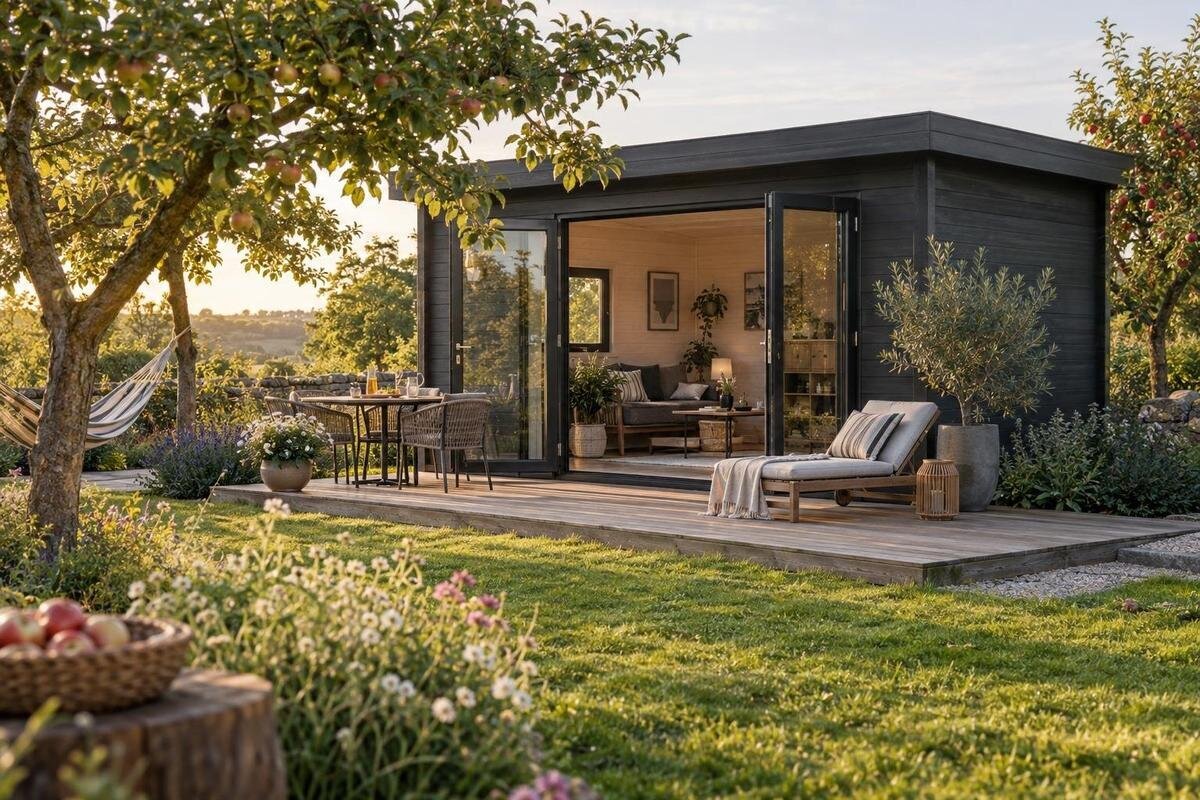
Garden shed buying guide
Planning to buy a garden shed for summer relaxation? Begin with the kind of break you want it to provide, then work backwards to the site, size and features. A quiet place for a book needs a different layout from a spot for sharing lunch or watching the garden with family. The right choice is not necessarily the biggest or most elaborate building: it is the one whose usable space, access, light, upkeep and purchase requirements match your garden and your habits. This guide will help you compare those factors before placing an order.
Define the kind of summer retreat you want
Start with a picture of an ordinary summer day, not a list of features. Will you read alone, share a cup of tea with a friend, take a quiet break between gardening, or sit somewhere sheltered while keeping an eye on the garden? Note how many people may use the space at once, how long you expect to stay, and whether you want to keep cushions, books or a side table inside. Those answers affect the furniture, entrance and clear floor area that matter more than an attractive exterior image. A short written brief makes it easier to filter out extras you are unlikely to use.
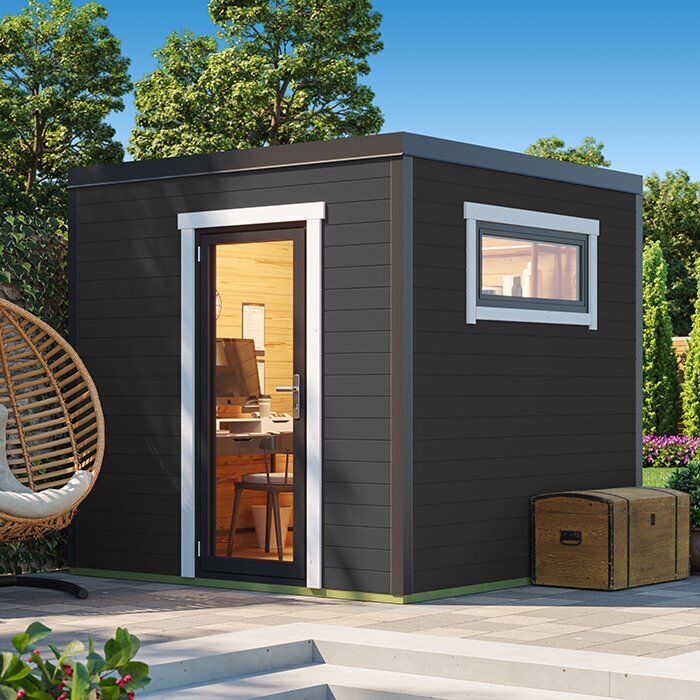
Be realistic about how often you will use the retreat. Occasional afternoon reading may call for one comfortable seat and room to move, while regular visits with someone else need space for a second seat and a shared surface. Decide whether the shed should connect directly to outdoor seating or feel more tucked away, and whether stored garden gear would take up valuable room. Put essentials first, then rank optional details. The Verdana 1 product page can be one candidate on your comparison sheet, but judge it by the information provided and your intended layout, not by its name or image.
Measure the site and watch the sun
Measure the available garden area and the route to it before browsing by floor area alone. Mark the proposed footprint on the ground, including any roof overhang shown in a plan, and leave room to reach the entrance and maintain the outside. Check the walk from the house, gates, turns and steps: a building may fit its final spot yet be awkward to deliver or approach. Note nearby fences, trees, drains and overhead or buried services. If their position could affect your plans, get appropriate advice before settling on a location.
Visit the site at the times you expect to use it. Morning sun, afternoon heat, shade from a tree and views into neighbouring spaces can change through the day; a photo taken at one time will not show the whole pattern. Consider whether water tends to collect there, or if falling leaves and branches could add upkeep. Compare the Verdana 2 garden shed listing with your measured space using only its stated dimensions. Confirm base requirements with the supplier or installer, and ask the local council or a suitably qualified professional about any approval or siting questions.
Plan the floor area around furniture
Make a simple floor plan using the actual measurements of the furniture you want to bring in. Draw each chair, table and storage item to scale, then leave a clear route from the entrance to the seat and enough space to use the door. Use internal measurements for this exercise: external dimensions include the walls and do not tell you how much usable floor remains. Check whether a listing gives internal width and depth, and ask for a dimensioned plan if these are unclear. A nominal floor area can look generous but feel tight when a door, seat and table compete for the same corner.
Think about movement as well as capacity. If you expect to carry a mug, book or cushions in and out, a narrow passage or awkward threshold may frustrate regular use. Allow room to turn around and pull a chair out; do not count space occupied by shelving or stored items as seating space. When reviewing the Durano listing, look for the stated internal layout and access details rather than relying on its name. Confirm whether a floor, base components or pictured extras are included, and whether the furniture you have in mind can pass through the entrance.
Balance daylight, privacy and ventilation
Natural light can make a small retreat feel more inviting, but more glazing is not automatically better. Consider where windows or glazed doors would face in relation to the sun and your garden view. Bright late-afternoon light can create glare on a book, while a shaded outlook may feel calmer. If the seating would be visible from neighbouring properties, consider curtains, blinds or another privacy measure, and check whether it is included or an optional extra. A simple site sketch can help you relate opening positions to the seat, rather than judging them only from an exterior image.
Air movement matters on warm days, so distinguish fixed glass from openings that can actually be opened and check the stated ventilation arrangements. Think about how the door will work: a wide opening may make it easy to step outside, while a door that swings into a limited area can complicate furniture placement. Check the Veltor 1 page for its published door and window details, as you would with any option. If the plan does not show what opens, which way a door moves or how much clear access remains, ask before buying instead of guessing from a photograph.
Choose a material you can maintain
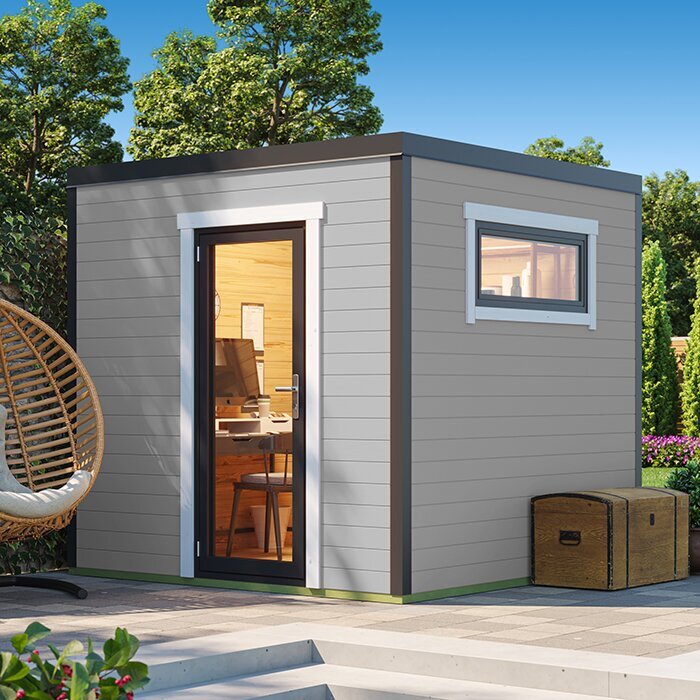
Materials affect appearance and upkeep, so compare the actual construction details rather than relying on broad labels. If timber is on your shortlist, ask what species, treatment and finish are specified, whether the building arrives coated, and what care the maker recommends after installation. Exposure to strong sun, wind-driven rain, shade and damp conditions varies by site, so consider the product information alongside its intended location. A timber look in a photograph does not tell you what the components are or how they should be maintained. Find out whether a finish option changes the care you will need to provide.
If you are comparing other materials, read their care instructions and look at how the maker describes cleaning, repairs and weather use. Consider whether you are prepared to carry out the maintenance specified, rather than relying on an assumed schedule. The Orello 1 listing is another page to inspect for explicit material and maintenance information, not proof of any particular treatment. Check what is included in the purchase and what must be sourced or finished separately. A low-maintenance claim is useful only when you understand what it covers and any limits stated by the supplier.
Decide whether you need more than summer use
A retreat for occasional fair-weather use has a different brief from one you expect to use through the year. If you want to sit there on cooler days, check what the product information says about insulation, glazing, weather protection, ventilation and intended use. Do not assume a garden shed will be warm, dry or suitable for heating just because it has walls and a roof. The same applies to sound and privacy: a construction description does not necessarily promise quiet or room-like conditions. Decide how much comfort matters, and compare only features that are clearly stated.
If you want fixed power, lighting or heating, talk with a qualified electrician about feasibility before choosing a building. Treat this as part of your purchase decision, not an informal extra to work out later. For a simple summer reading spot, daylight and movable furniture may be enough, but check the supplier’s guidance on use and care. On the Modano 1 product page, look for published information that relates to the season you have in mind. If an important point is missing or unclear, ask the supplier rather than inferring suitability from a photo.
Include delivery and site preparation in the plan
Delivery and site preparation are part of buying a shed, not details to leave until after purchase. Ask how the package is transported, what access the delivery team needs, whether offloading or assembly is included, and who is responsible for moving components from the drop-off point to the site. Measure narrow gates, paths and tight turns, and mention slopes or steps when asking. If someone else will assemble the building, confirm what the installer requires from the site and what work is excluded. Written answers help avoid a mismatch between a suitable building and a difficult delivery.
Find out what base or foundation the maker requires, whether floor pieces are part of the quoted package and whether the base must be ready before delivery. The right answer depends on the selected building and ground conditions, so use supplier or installer guidance rather than copying a detail from another shed. If you are unsure whether the site is suitable, have it assessed by a qualified person. Review the Timber Garden Shed M listing for its stated supply and installation information, but do not assume assembly, flooring or site preparation is included unless the order documents say so.
Compare doors, windows and included features
Compare practical features by asking how each one will work in your layout. Door type, opening width, window position, glazing, ventilation, threshold and interior finish can change how easily you enter, how much light reaches the seat and whether you can keep the space private. If you want to carry chairs in and out, check the clear opening as well as the outside dimensions. If cushions or books will stay inside, ask about closure and weather protection rather than relying on a photograph. Optional extras should solve a real need, not simply make a display look more complete.
Check whether visible items such as flooring, shelves, handles, glazing or surface finishes are standard, optional or only part of the display. Confirm the colour and finish you are ordering in writing, especially if the product offers choices; screens can alter how colours appear. Review the Wooden Garden Shed S page alongside other options for its declared contents and choices, but remember that the listing name alone does not answer those questions. Keep a note of the model, selected options and any written confirmation so the goods delivered can be compared with what you ordered.
Calculate the full purchase cost
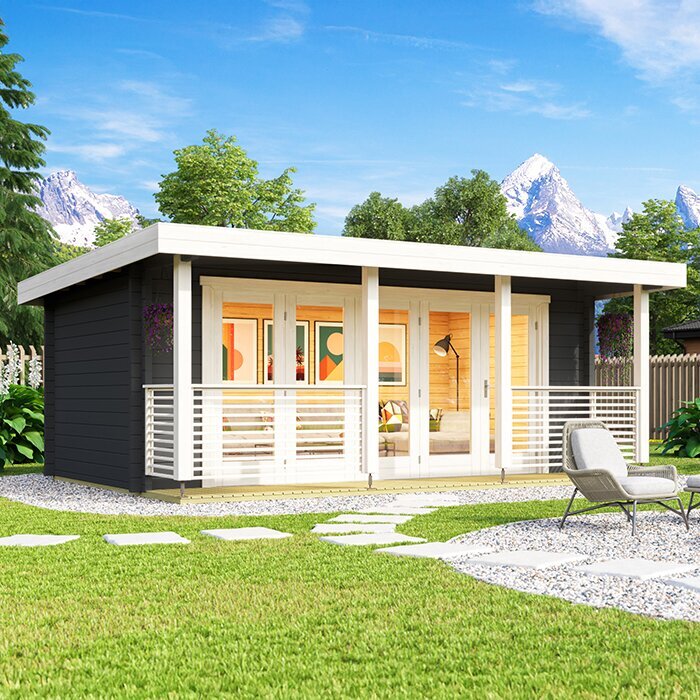
Set a total project budget rather than comparing headline prices alone. Allow for any site preparation, base, assembly or professional advice you need, as well as transport charges if applicable, finishing products, window coverings and furniture. Some costs may not apply, and not every item will be supplied with the shed, so use written quotes and product descriptions to identify what is actually included. Leave room for practical extras you have decided are essential, but avoid adding features just because they appear in a display image. A smaller option that fits your brief may be better value than unused space in a larger one.
Compare like with like by checking dimensions, material information, included components, optional choices, delivery assumptions and assembly scope for each candidate. Note whether a price refers to a base configuration or a selected package, and confirm any applicable charges before paying. If an offer is advertised, read its terms and dates rather than assuming it covers delivery, installation or optional features. Treat a discount as a saving only after you know the complete cost. Ask what happens if site conditions or access change the plan, and keep the seller’s answers with your order records.
Confirm the details before you order
Before ordering, review a written summary with the exact model, overall dimensions, internal dimensions where available, door and window positions, material description, colour and selected options. Check the measurements against the marked-out site and furniture layout, allowing for the space needed around the building. Make sure the base requirements are understood, the intended use matches the supplier’s guidance and any approval questions have been resolved with the appropriate source. If a dimension, component or phrase is unclear, pause and ask for clarification rather than relying on an image or an assumption.
Read the order terms, including the arrangements for delivery and assembly, what to do if goods arrive damaged or incomplete, and any return or warranty conditions that are actually offered. Keep a copy of the product details that applied when you ordered, together with agreed options and delivery instructions. Recheck that the person receiving the goods can access the site and that the prepared area matches the stated requirements. These final checks connect the garden retreat you imagined with the particular building you are paying for, and can prevent avoidable surprises when it arrives.
Frequently asked questions
What size garden shed do I need for a relaxation space?
Plan around the furniture and people you want to fit, then allow room to enter, move a chair and open the door. Use internal measurements to check usable floor area and compare them with your drawn layout. External dimensions matter for checking the site, but they do not show how much space is available inside.
Is timber the best material for a summer garden retreat?
There is no single best material for every garden. Compare the construction details, finish, care instructions and stated weather-use guidance for each option. If you are considering timber, ask about its specified treatment and ongoing maintenance rather than assuming the material name tells you how it will perform.
Can I use a garden shed all year round?
That depends on the building’s stated design and what it includes. Check information about insulation, glazing, ventilation and weather protection, and ask the supplier about intended use if it is unclear. If you want fixed power, lighting or heating, get advice from a qualified electrician before choosing the building.
Where should I place a garden shed for summer relaxation?
Choose a spot that suits the sun and shade at the times you expect to use it, offers the level of privacy you want and is easy to reach. Check the ground, drainage and access route, and confirm any siting or approval questions with the local council or a suitably qualified professional.
What should I confirm before ordering?
Confirm the model, external and internal dimensions where available, door and window positions, material details, selected options and what is included. Check the base requirements, delivery access, assembly arrangements, total charges and order terms. Keep written confirmation of anything important that was not clear in the product information.
A useful summer retreat starts with being clear about how you will spend time in it: reading quietly, sharing a seat with a friend or taking a sheltered pause in the garden. Set that use against the space you have, then compare the layout, light, access and upkeep that matter to you. When the measurements, site requirements and order details also make sense together, it is easier to choose a garden shed you will enjoy using through the summer.
